البطريق
الزعنفة والريش الحرشفي والمستعمرات، من معجم فكتوري.
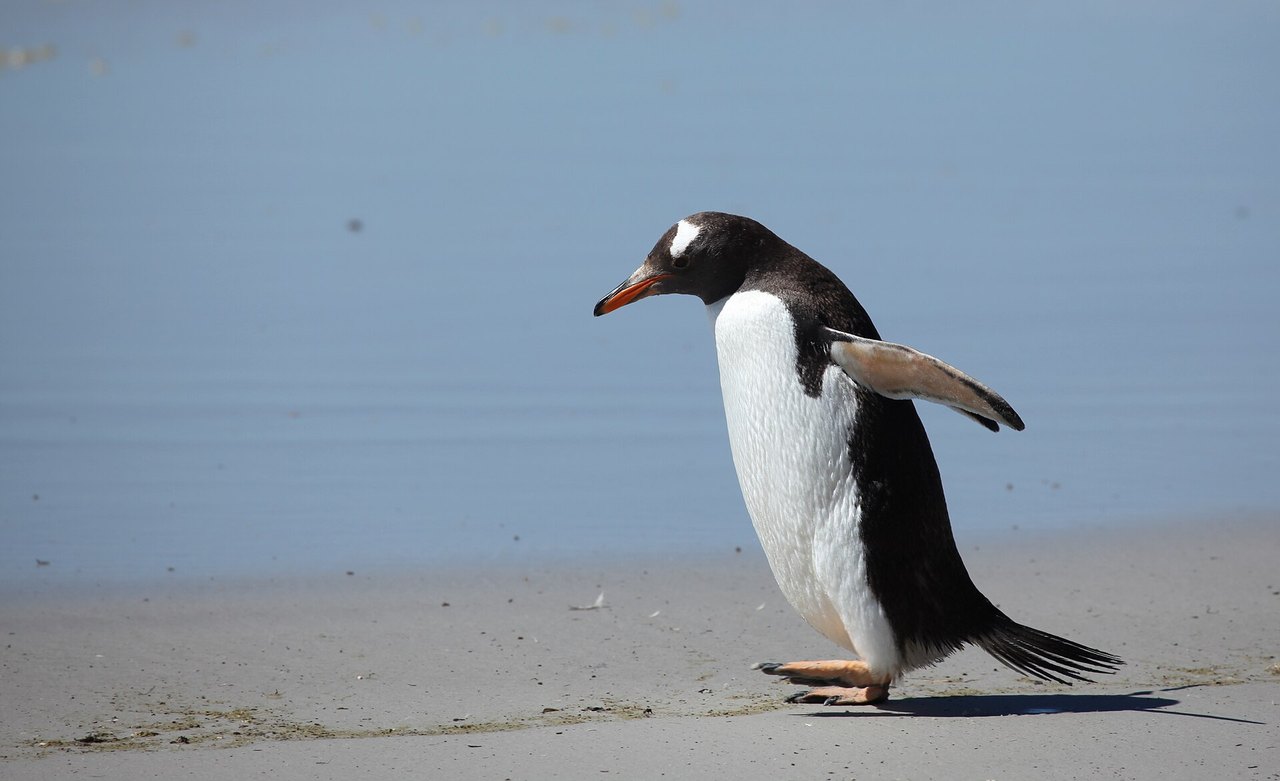
يعدّ نيوتن البطاريق أغرب مجموعة في صفّها. ويصف الزعنفة التي لا تنثني، والريش الحرشفي، والمستعمرات حيث تدافع الطيور عن نفسها ولا تستطيع الطيران.
نظرة عامة
Among the crows the magpie holds a place of distinction rather than of numbers. Bosworth Smith, allowing the jay a single exception, calls him the most striking in colour and the most graceful in form of all the members of the crow tribe. Yet he is nowhere exactly a common bird in England, so that the observer who meets him is seeing something notable without having to seek out a rarity. The two qualities sit together: a bird of high visual rank that never quite settles into ordinariness. 1A Dictionary of Birds · Adam and Charles Black, London (via Internet Archive) ↗
Getting near him is another matter. Except at the breeding season, it is difficult to approach closer than eighty to a hundred yards, and the author repeats the figure as though the distance were a settled rule of the bird's behaviour. The tail, considerably longer than the whole of the rest of his body, beak and all, is the feature that first fixes the eye, and the beak itself is a tool of surprising range, capable alike of breaking the strongest snail shell and of neatly spitting and carrying off an egg. Movement on the ground is made by leaps and bounds of surprising length. 1
Confined for life within a few square feet, the magpie nonetheless retains the brain of his kind, very highly developed as in all the crow tribe. Bosworth Smith treats this as the source of the bird's difficulty in captivity: he has learned, a sure mark of high intelligence, how to keep pace with his captors, and the author's remark carries a note of admiration as much as of complaint. 1
The same intelligence, however, does not guarantee docility. The bird was, in the author's phrase, like so many of us, too old to learn. The observation is offered with a touch of dry sympathy, and it colours the whole account: a creature of striking appearance and considerable mental power, never common enough to be taken for granted, and never quite brought under command. 1
1. الاسم
The bird's colour and grace are not, in Smith's account, things a walker takes in at a glance. Except at the breeding season it is difficult to get nearer to the magpie than eighty to a hundred yards, and at that distance the striking plumage and the graceful form that place him next the jay among the crows are seen at a remove. What the observer chiefly carries away is a shape and a movement rather than a settled impression of colour. 1
The shape is dominated by the tail, which is considerably longer than the whole of the rest of his body, beak and all. Smith's phrasing makes the proportion sound less like an ornament than a fact of the bird's construction: the magpie is, in large part, a tail with a body attached. The back, too, repays a closer look than most people ever give it, for it is barred, and the barring is one of the features that a distant view flattens into a general darkness. 1
Getting near enough to see such detail is the difficulty. The magpie's wariness keeps the observer at the far side of the field, and the breeding season is the one time when the distance closes. In consequence the barred back and the true cast of the plumage are known to most people from specimens and from the descriptions of others rather than from the living bird, and Smith's own careful noting of the tail's proportions carries the weight of close observation that the ordinary encounter does not allow. 1
The beak belongs to the same economy of form. It is capable alike of breaking the strongest snail shell and of neatly spitting and carrying off an egg, a range of work that asks for a tool at once heavy and fine. Set against the long tail and the barred back, it completes a body whose parts are each suited to a particular use, and whose whole is rarely seen near enough, in England, to be judged as a piece. 1
2. الأجنحة والماء
The bill is a general instrument rather than a specialist's tool. It is capable alike of breaking the strongest snail shell and of neatly spitting and carrying off an egg, so that the hardest casing and the most fragile prize fall to the same implement. Smith sets the two achievements side by side without ranking them, and the pairing is the point: nothing in the bird's equipment is fitted to a single use. A beak that can crush shell and lift an egg intact serves the magpie across the whole range of what it eats and steals, and the reader is left to infer that this versatility, rather than any one feat, is what the bill is for. 1
Movement is of a piece with that economy. The magpie crosses the ground by leaps and bounds of surprising length, and the phrase carries its own emphasis; Smith does not dress the gait in further description, nor does he need to. The leap is the natural motion of a bird whose tail is considerably longer than the whole of the rest of his body, beak and all, and the proportion that governs the silhouette governs the stride as well. What the observer sees at eighty to a hundred yards, before any colour can be made out, is a shape that covers ground in long bounds rather than a bird that walks. 1
The two features answer to each other. A bill that breaks shell and carries egg belongs to a bird that must find such things and reach them, and the leaps are the means of reaching. Smith's account gives no separate chapter to the legs, and the omission is telling: the gait is described only in terms of its length, as though the limbs mattered less than the distance they put behind the bird. The tail supplies the balance the leap requires, and the beak supplies the work the leap delivers the bird to. 1
Nothing here is offered as a curiosity of anatomy. Smith's magpie is built for a life led at the edge of observation, and the bill and the bound are the terms on which that life is conducted: a bird that arrives by long leaps, breaks what it finds, and is gone again before the closer view is possible. 1
3. الريش
يُطلق الفرنسيون على هذا الطائر اسم «مانشو»، وهو اسم انتقل في الأصل إلى طائر كان يسكن بحار نيوفاوندلاند، ثم صار يُعرف لاحقاً بالأوك الكبير. أما لفظ «البطريق» فيستخدمه علماء الطيور الإنجليز دائماً على وجه العموم لطوائف من الطيور تسكن المحيط الجنوبي. وتُعدّ هذه الطيور في بعض الوجوه أغرب مجموعة في الطائفة كلها، على ما يقرّره نيوتن. وإذا كان ثمة ما يستوقف الناظر في كسوتها، فالريش الذي يغطي جسدها يتألف عموماً من ريشات صغيرة ذات شكل حرشفي متراكب. 1
هذا التكوين الحرشفي هو ما يعنيه الوصف حين يصف الكسوة بأنها تتكون من ريشات صغيرة شبيهة بالحراشف. فالحرشفة، في هذا السياق، ليست تشبيهاً بلاغياً مجرداً، بل هي الصورة التي يراها المؤلف أدق ما تصف تراكب الريشات الصغيرة على الجسد. ولا يذكر نيوتن في هذا الموضع تفصيلاً عن الفراغات التي تتركها هذه الريشات بينها، ولا عن طبقة الزغب التي تقع تحتها، فليس في الحقائق المتاحة ما يسند الكلام في ذلك، وتركه أولى من الاستطراد فيه. 1
على أن هذا الريش الحرشفي يقترن في وصف نيوتن بجملة من الصفات التي تجعل الطائر أقرب إلى آلة سباحة منها إلى طائر بري. فالزعانف التي تقوم مقام الجناحين لا تقبل الانثناء، على حدّ تعبيره، كما لا تقبلها زعانف الحيتان. وفي الماء تصير هذه الزعانف مجاديف بالغة الكفاءة. فالصورة التي يرسمها المؤلف صورة عضو واحد يؤدي وظيفة واحدة بإتقان، لا عضو يتردد بين الطيران والسباحة. 1
ويبدو أن نيوتن كان واعياً بأن ما يصفه يخرج عن المألوف في تصنيف الطيور، فقد قسّم فصيلة الإسفنسيات إلى ثمانية أجناس على الأقل، وهو تقسيم يشي بتنوع داخلي لا يظهر في الوصف الظاهر. ولم يقتصر أمر هذه الطيور على شكلها، فهي تعضّ عضّاً شديداً إذا سنحت لها الفرصة، وهي صفة يوردها المؤلف في سياق الحديث عن طباعها لا عن بنيتها. وبذلك يكتمل في نظر نيوتن جسدٌ يبدو الريش الحرشفي فيه أقرب إلى درع متراكب منه إلى كسوة، وتقوم الزعانف فيه مقام أطراف لا تلين، ويقترن ذلك كله بطباع لا تخلو من شراسة عند اللزوم. 1
4. المستعمرات
إذا كان ثمة ما يستوقف الناظر في هذه الطيور، فالزعانف التي تقوم مقام الجناحين لا تقبل الانثناء كما لا تقبلها زعانف الحيتان، وفي الماء تصير مجاديف بالغة الكفاءة. على أن هذا العضو لا يتردد بين وظيفتين، بل يؤدي وظيفته في السباحة على وجه لا يقبل الشركة. وليس في الحقائق المتاحة ما يصف ما يفعله الطائر على اليابسة بهذه الزعانف، فترك الكلام في ذلك أولى من الاستطراد فيه. 1
وتعضّ هذه الطيور عضّاً شديداً إذا سنحت لها الفرصة، وهي صفة يوردها نيوتن في سياق طباعها لا في سياق بنيتها. فالجسد الذي لا تلين أطرافه يقترن بطباع لا تخلو من شراسة عند اللزوم، ويكتمل في نظر المؤلف صورة طائر يبدو الريش الحرشفي فيه أقرب إلى درع متراكب منه إلى كسوة. ولم يذكر نيوتن في هذا الموضع تفصيلاً عن الفراغات التي تتركها الريشات بينها، ولا عن طبقة الزغب التي تقع تحتها، فليس فيما بين أيدينا ما يسند الكلام في ذلك. 1
ويبدو أن المؤلف كان واعياً بأن ما يصفه يخرج عن المألوف في تصنيف الطيور، فقد قسّم فصيلة الإسفنسيات إلى ثمانية أجناس على الأقل، وهو تقسيم يشي بتنوع داخلي لا يظهر في الوصف الظاهر. وليس في الحقائق ما يسمّي هذه الأجناس ولا ما يوزّعها على المواضع، فلا يُبنى على التقسيم أكثر من دلالته على أن المجموعة ليست واحدة في نظر من صنّفها. 1
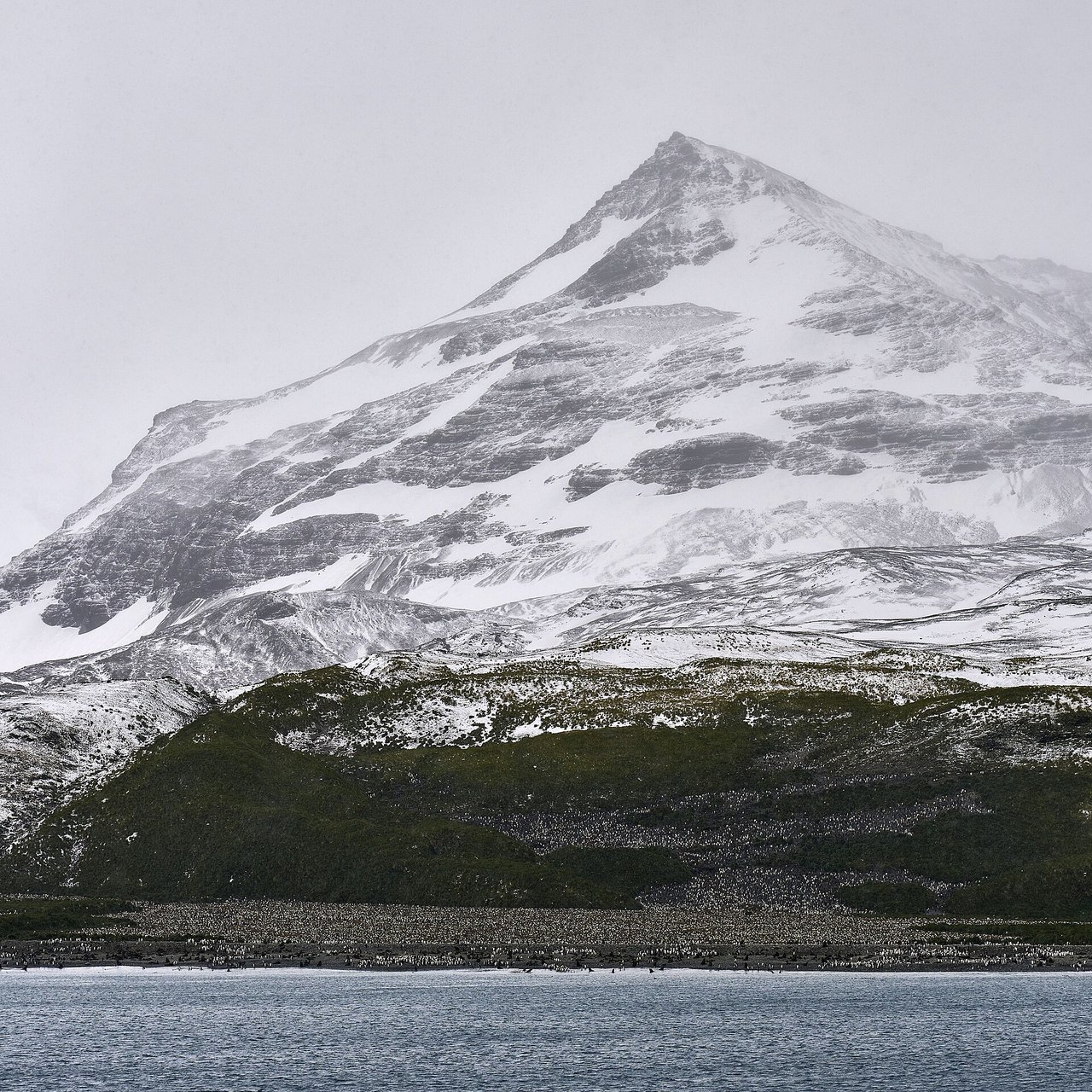
أما ما يقوله نيوتن عن إبادتها فليس في الحقائق المتاحة ما يغطيه، ولا ما يذكر تجمعات تكاثرها على وجه التحديد. والذي يرد في هذا الباب أن لفظ «البطريق» يستخدمه علماء الطيور الإنجليز دائماً على وجه العموم لطوائف من الطيور تسكن المحيط الجنوبي، وأن الفرنسيين يطلقون عليها اسم «مانشو»، وهو اسم انتقل في الأصل إلى طائر كان يسكن بحار نيوفاوندلاند ثم صار يُعرف لاحقاً بالأوك الكبير. فالتجمع الذي تصفه المعجم هو تجمع الطيور في المحيط الجنوبي على وجه العموم، لا مستعمرة بعينها، ولا دفاعاً موصوفاً عن موقع بعينه. 1
5. حقائق أساسية
| السمة | القيمة |
|---|---|
| الاسم الفرنسي | يسميه الفرنسيون مانشو 1 |
| الزعنفة | لا تنثني كما لا تنثني زعانف الحيتان 1 |
| في الماء | في الماء هي مجاذيف بالغة الكفاءة 1 |
| الريش | يتألف عموماً من ريش صغير حرشفي 1 |
| الأجناس المعروفة | قُسّم البطريق إلى ثمانية أجناس على الأقل 1 |
| مكانته بين الطيور | وهي في بعض الوجوه أغرب مجموعة في صفّ الطيور كله 1 |
6. أسئلة شائعة
ما معنى اسم البطريق هنا؟
أُطلق أولاً على طائر في بحار نيوفاوندلاند صار يُعرف بالأوك الكبير؛ ويستخدمه علماء الطيور الإنجليز الآن لطيور المحيط الجنوبي. 1
لماذا لا تنثني أجنحة البطاريق؟
الزعنفة لا تنثني كما لا تنثني زعانف الحيتان، مع أنها تتحرك بحرية في مفصل الكتف. 1
كم نوعاً معروفاً؟
قُسّمت الفصيلة إلى ثمانية أجناس على الأقل، مع أن ثلاثة أو أربعة فقط تبدو صحيحة. 1
هل تدافع البطاريق عن نفسها؟
لا تستطيع الفرار بالطيران، لكنها تعضّ بشدة إذا سنحت الفرصة. 1
7. خط زمني
- 1893ينشر نيوتن معجم الطيور.ينشر نيوتن معجم الطيور.
المراجع (1)
- 1A Dictionary of Birds — Adam and Charles Black, London (via Internet Archive) أرشيف↩عرض المصدر