Joan of Arc
The peasant visionary of the Hundred Years' War who raised the siege of Orléans, crowned Charles VII at Reims, was burned as a heretic at Rouen and became a saint of the Catholic Church.
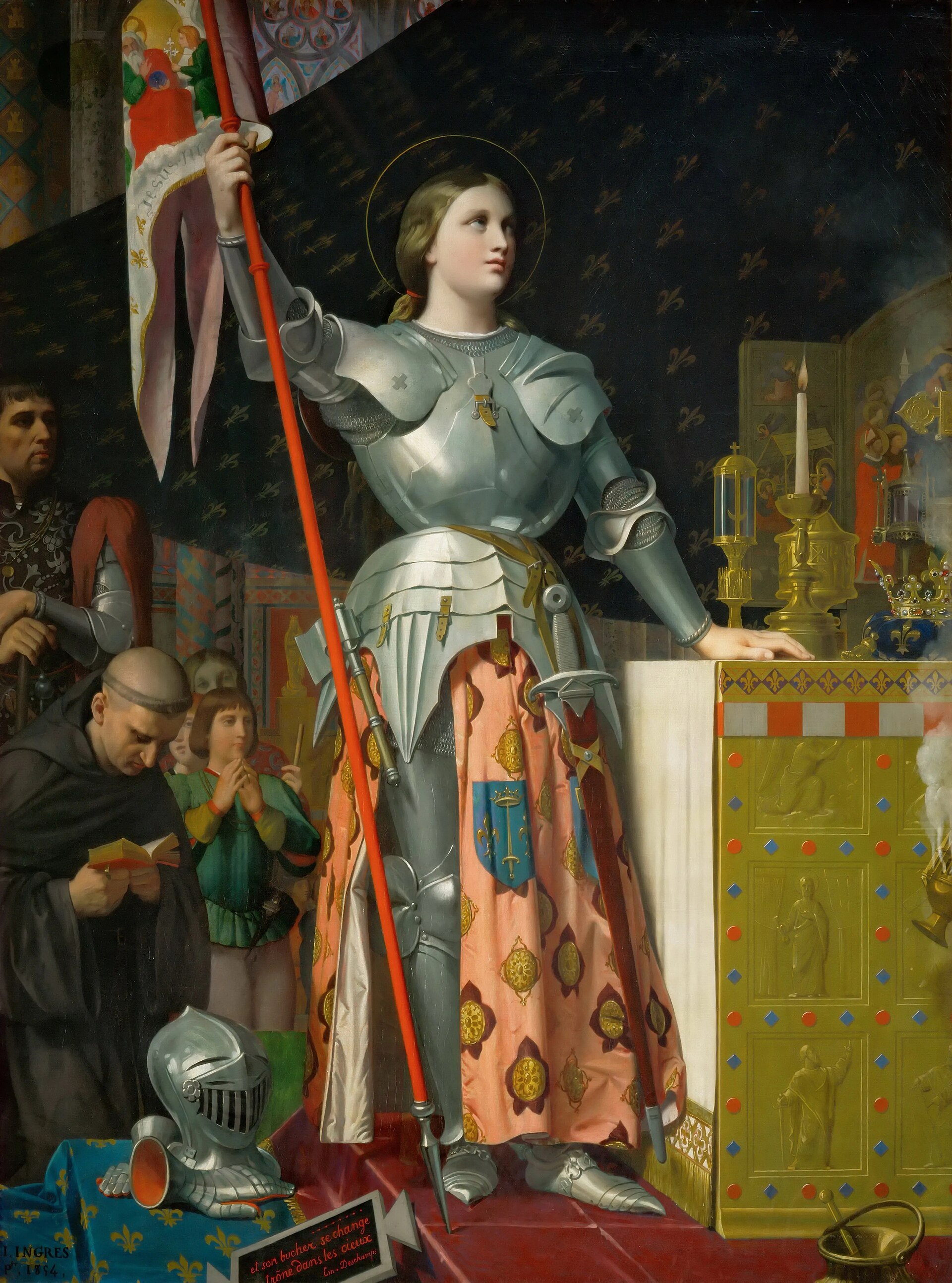
Joan of Arc (c. 1412–1431) was a peasant girl from Domrémy who, guided by the voices of St. Michael, St. Catherine and St. Margaret, led French forces to relieve the siege of Orléans in 1429 and stood beside the coronation of Charles VII at Reims. Captured by Burgundian forces at Compiègne in 1430 and sold to the English, she was tried for heresy by an ecclesiastical court at Rouen under Bishop Pierre Cauchon and burned at the stake on 30 May 1431. Her sentence was annulled in 1456, and she was canonized by Pope Benedict XV in 1920.
In this article
- 1Overview
- 2Early Life and Family
- 3Visions and Divine Mission
- 4Journey to the Dauphin
- 5The Relief of Orléans
- 6Coronation of Charles VII
- 7Capture and Handover
- 8Trial and Condemnation
- 9Execution
- 10Rehabilitation and Canonisation
- 11Historical Context
- 12Legacy and Veneration
- 13Timeline: from Domrémy in 1412 to canonisation in 1920
- 14Knowledge graph
Overview
Joan of Arc was a national heroine of France who led the French army in 1429 to a momentous victory at Orléans that repulsed an English attempt to conquer France during the Hundred Years' War.
She was known by the byname the Maid of Orléans, in French La Pucelle d'Orléans.
1. Early Life and Family
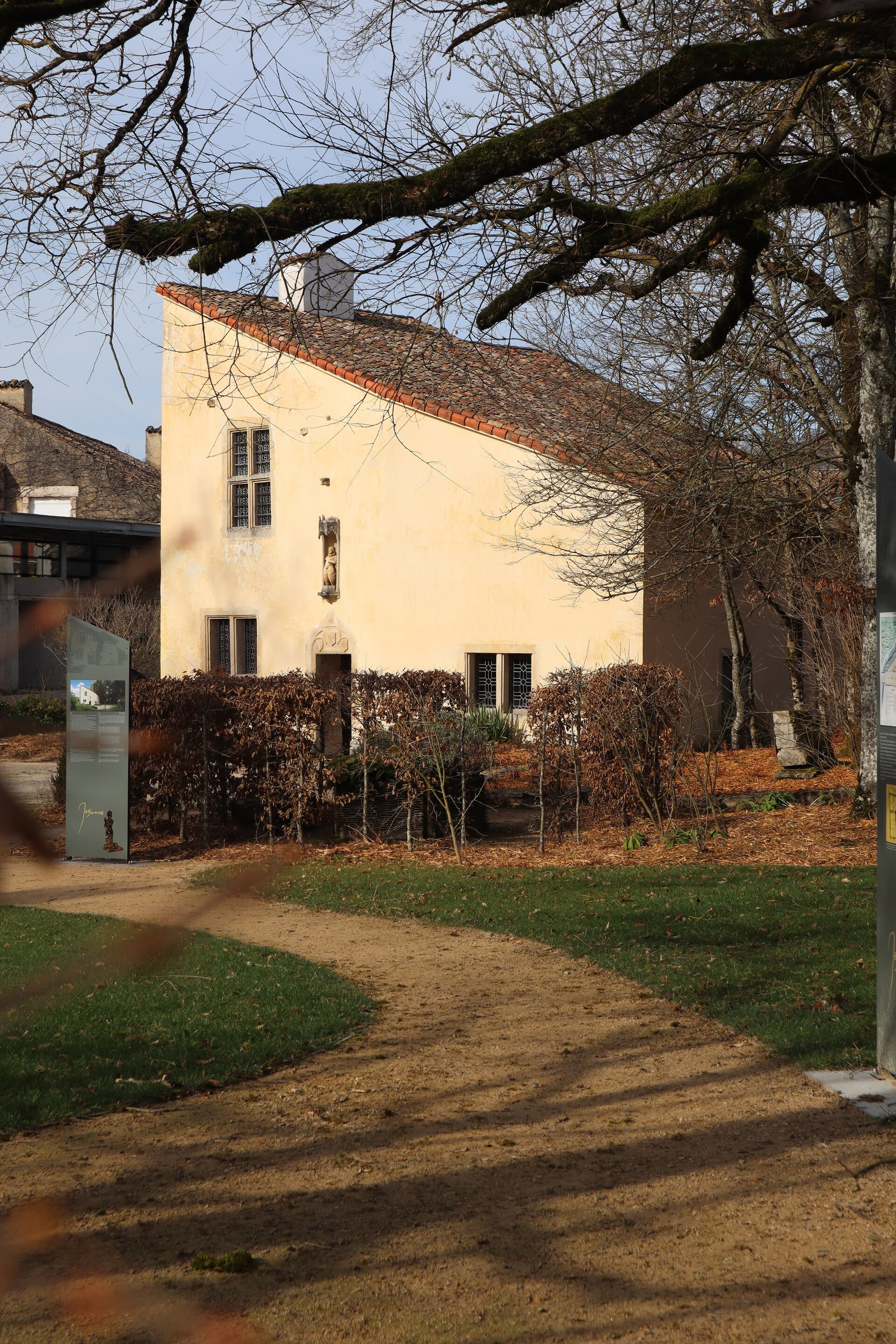
Joan of Arc was born around 1412 at Domrémy, a village in the barony of Bar on the borders of Bar and Lorraine. The record of her trial is the main source of information on her life.
The popular idea that she spent the days of her childhood in the pastures, alone with the sheep and cattle, is quite unfounded. Pope Benedict XVI likewise observed that Joan of Arc did not know how to read or write, while holding that the depths of her soul can be known thanks to two sources of exceptional historical value — the two trials that concern her.
2. Visions and Divine Mission
Joan of Arc was a peasant girl who believed she was acting under divine guidance. At that trial she claimed that she received a vision from God in 1425 when she was thirteen years old, when Saint Catherine, Saint Michael and Saint Margaret appeared to her in her father's garden and instructed her to drive the English from France and see that the dauphin was crowned king at Rheims. She felt herself guided by these voices in her mission of expelling the English and their Burgundian allies from the Valois kingdom of France.
At Rouen Joan recounted that she had a voice from God to aid her in self-discipline. It was during the summer of 1425 that Joan first became conscious of the manifestation she afterwards came to call her voices or her counsel — at first simply a voice, as if someone had spoken quite close to her, and it seems also clear that a blaze of light accompanied it.
As the French position worsened, Joan's voices became urgent and even threatening. She resisted, saying she was a poor girl who did not know how to ride or fight, and the voices only reiterated that it was God who commanded it. The voice told Joan that she must leave home and go to France, and that she should raise the siege of Orleans; it also told her to go to Robert de Baudricourt, captain of the fortress of Vaucouleurs, who would give her attendants, and she answered that she was a poor girl who knew not how to ride a horse nor head a campaign.
3. Journey to the Dauphin
In May 1428 Joan traveled from Domrémy to Vaucouleurs, where she asked the garrison captain Robert de Baudricourt to let her join the dauphin. Baudricourt did not take the sixteen-year-old and her visions seriously, and she returned home. Her approach to the captain was not a single appeal; she appeared at his office asking to be taken to the dauphin, and he laughed her away at least twice before she convinced him of the seriousness of her mission.
Joan went to Vaucouleurs again in January 1429. Her quiet firmness and piety won her respect, and the captain, persuaded that she was neither a witch nor feebleminded, allowed her to go to the dauphin at Chinon. She left about February 13 dressed in men's clothes with six men-at-arms and reached Chinon after traveling for 11 days. The journey from Vaucouleurs to Chinon thus fell between January and March 1429.
As a test Charles hid himself among his courtiers when Joan was granted her audience, but she quickly detected him. She told him that she wished to go to battle against the English and that she would have him crowned at Reims. Her cause had gained ground shortly before this audience: on 17 February she announced the great defeat which had befallen the French arms outside Orléans, the Battle of the Herrings, and as this statement was officially confirmed a few days later she was suffered to seek the king at Chinon.
At Chinon Joan met the dauphin of France, the future king Charles VII. She was taken to Poitiers for three weeks, where she was questioned by eminent theologians allied to the dauphin's cause; the record of these examinations has not survived, and they were occasioned by the ever-present fear of heresy after the end of the Western Schism. Joan told the ecclesiastics that it was at Orléans rather than at Poitiers that she would give proof of her mission, and on March 22 she dictated letters of defiance to the English; in their report the churchmen suggested that, given the desperate situation of the besieged city, the dauphin would be well-advised to make use of her.
4. The Relief of Orléans
Orléans had been besieged from 12 October 1428, and by the close of that year the city stood almost totally surrounded by a ring of English strongholds. Its defenders, under Jean d'Orléans, count de Dunois, were considering capitulation when Joan of Arc persuaded Charles VII to send an army to relieve the city. The siege had been begun by Thomas de Montacute, earl of Salisbury, after the English conquest of Maine, against the advice of Henry VI's regent in France, John duke of Bedford, who argued for an advance into Anjou instead.
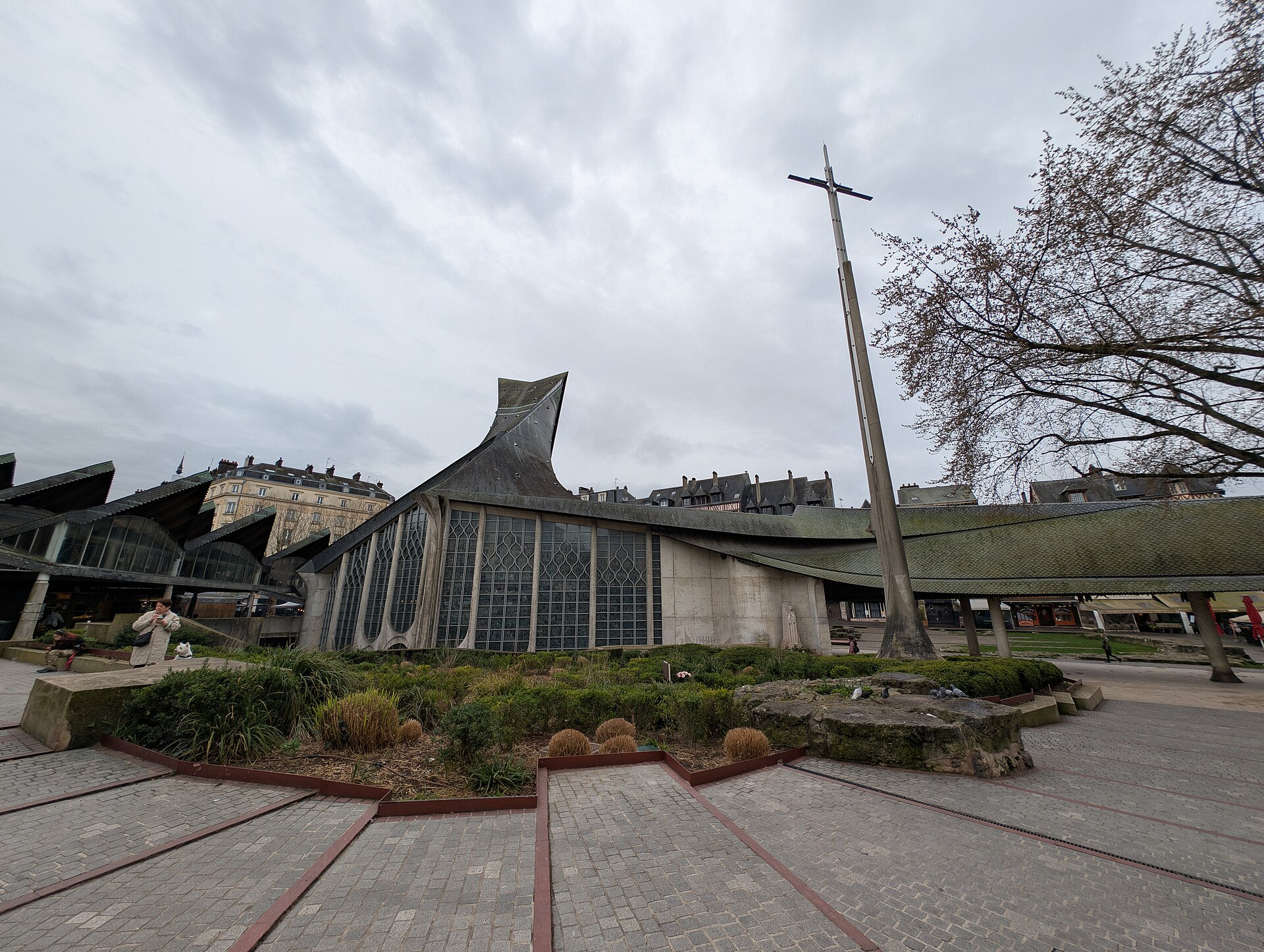
French troops mustered at Blois and set out for Orléans on 27 April 1429. Joan entered the city with supplies on 29 April. Prophecies had circulated in France that a maiden in armor would arise from the region of Lorraine to save the country, and Joan, travelling with the army to Orleans in full battle gear, fulfilled that prophecy so firmly that she was welcomed in the city as a hero.
Very early on May 7 1429 the French advanced against the fort of Les Tourelles. It was thanks in part to her example that the French commanders maintained the attack until the English capitulated.
In the week after Joan's entry the principal English forts were stormed, and the earl of Suffolk abandoned the siege. The siege was the military turning point of the Hundred Years' War between France and England.
In 1420 England and Burgundian-controlled France sealed that treaty at the altar of the cathedral of Troyes: Charles VI recognized Henry as the rightful heir to his throne, and power over France's government shifted to Henry's control.
5. Coronation of Charles VII
After the relief of Orléans, the Loire Campaign steadily cleared the region on a march toward Rheims. The Burgundians of Rheims surrendered the city and opened its gates without opposition.
The army followed Joan to Reims, where on Sunday 17 July 1429 Charles VII was solemnly crowned. The Maid stood by with her standard. As she explained, as it had shared in the toil, it was just that it should share in the victory. On that day holy oil was placed on Charles VII at Reims, the archbishop positioned the crown on his head to cries and trumpet sounds, and Joan knelt before her king and wept, saying: Noble king, God's will is done.
The campaign's series of successes on the Loire ended on 18 June with a great victory at Patay. There the English reinforcements sent from Paris under Sir John Fastolf were completely routed.
6. Capture and Handover
On 23 May 1430 Joan led a sortie from Compiègne and twice repelled the Burgundians, but she was outflanked by English reinforcements and unhorsed while protecting the rear guard as it crossed the Oise River. Her passion, as the record of her cause describes it, began when she fell into enemy hands and was taken prisoner.
On 14 July the bishop of Beauvais, Pierre Cauchon, asked the duke of Burgundy to hand the Maid over in return for a payment of 10,000 francs. By 3 January 1431 she was in the bishop's hands, and the trial was fixed to take place at Rouen. She was led to the city of Rouen on 23 December, where the long and dramatic Trial of Condemnation took place.
7. Trial and Condemnation
The proceedings against Joan took the form of an ecclesiastical court at Rouen under Bishop Pierre Cauchon, which opened in January 1431. The trial was presided over by two ecclesiastical judges, Bishop Pierre Cauchon and the inquisitor Jean le Maistre, but in fact it was conducted entirely by a large group of theologians from the University of Paris, who took part in the trial as assessors. The bishop had reviewed the evidence, created articles of accusation and prepared questions for the defendant. Joan was held in the English-controlled city of Rouen for trial; she should have been held in an ecclesiastical prison where she would have been tended to and guarded by women, but instead was kept in a secular jail, constantly harassed and threatened by male guards.
The chief charges were heresy: false revelations, wearing men's clothes, refusing submission to the Church. The charges against Joan were based mainly on the contention that her behavior showed blasphemous presumption: that she claimed for her pronouncements the authority of divine revelation, prophesied the future, endorsed her letters with the names of Jesus and Mary, professed to be assured of salvation, and wore men's clothing. Joan was summoned before her judges on 21 February; she was refused permission to attend mass beforehand, was ordered to swear to tell the truth, and always refused to reveal the things she had said to Charles.
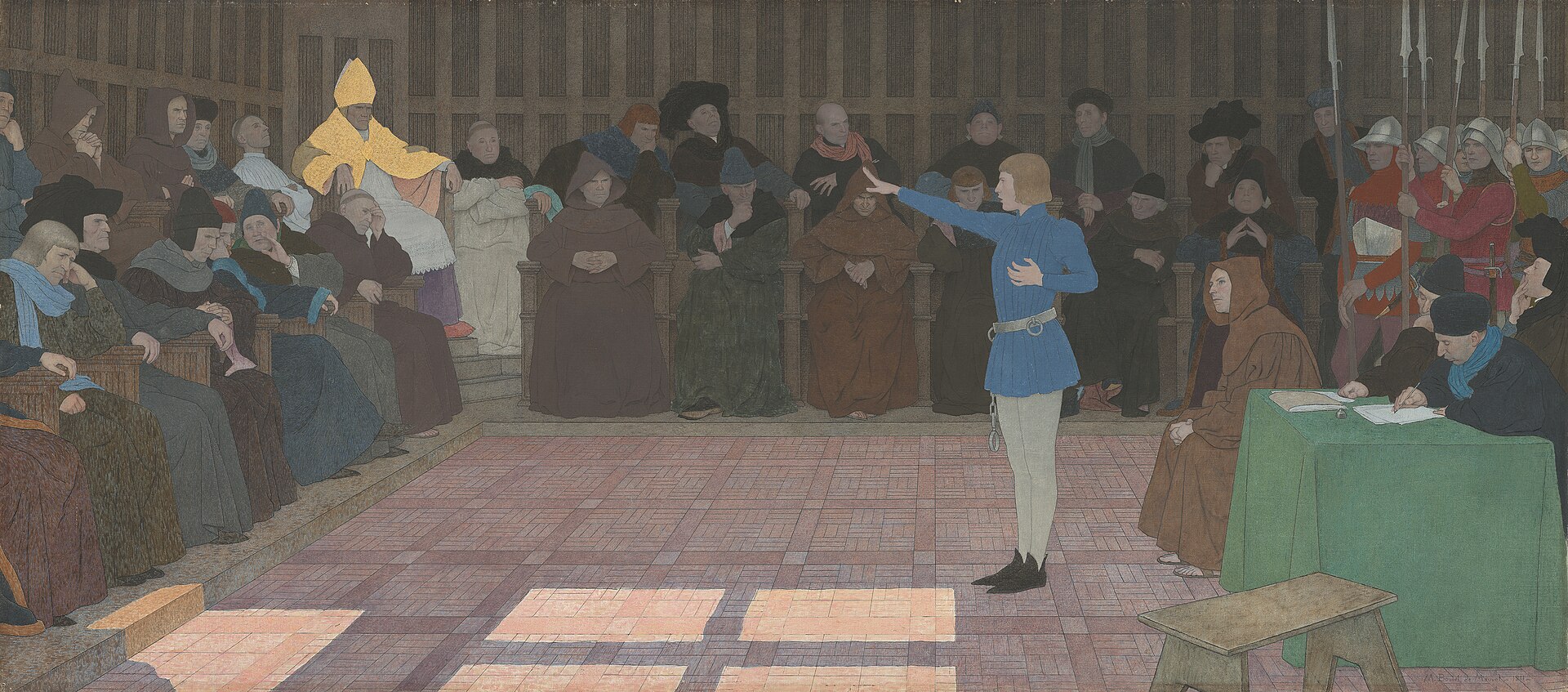
On May 9 the judges threatened Joan with torture if she did not clarify certain points; she answered that even if they tortured her to death she would not reply differently, and her interrogators decided that torture would be useless.
Presented at Saint-Ouen with a prepared form of abjuration, Joan hesitated, eventually signing it on condition that it was pleasing to our Lord; she was then condemned to perpetual imprisonment, and the judges required her to return to her former prison. Joan's abjuration of 24 May 1431 confessed that she had most grievously sinned in falsely pretending to have had revelations and apparitions from God, His angels, St. Two or three days after her abjuration the judges found Joan again in male attire; she said she had made the change of her own free will, preferring men's clothes, and that the voices of St. Margaret had censured her treason in making an abjuration. These admissions were taken to signify relapse, and on May 29 the judges and 39 assessors agreed unanimously that Joan must be handed over to the secular officials.
8. Execution
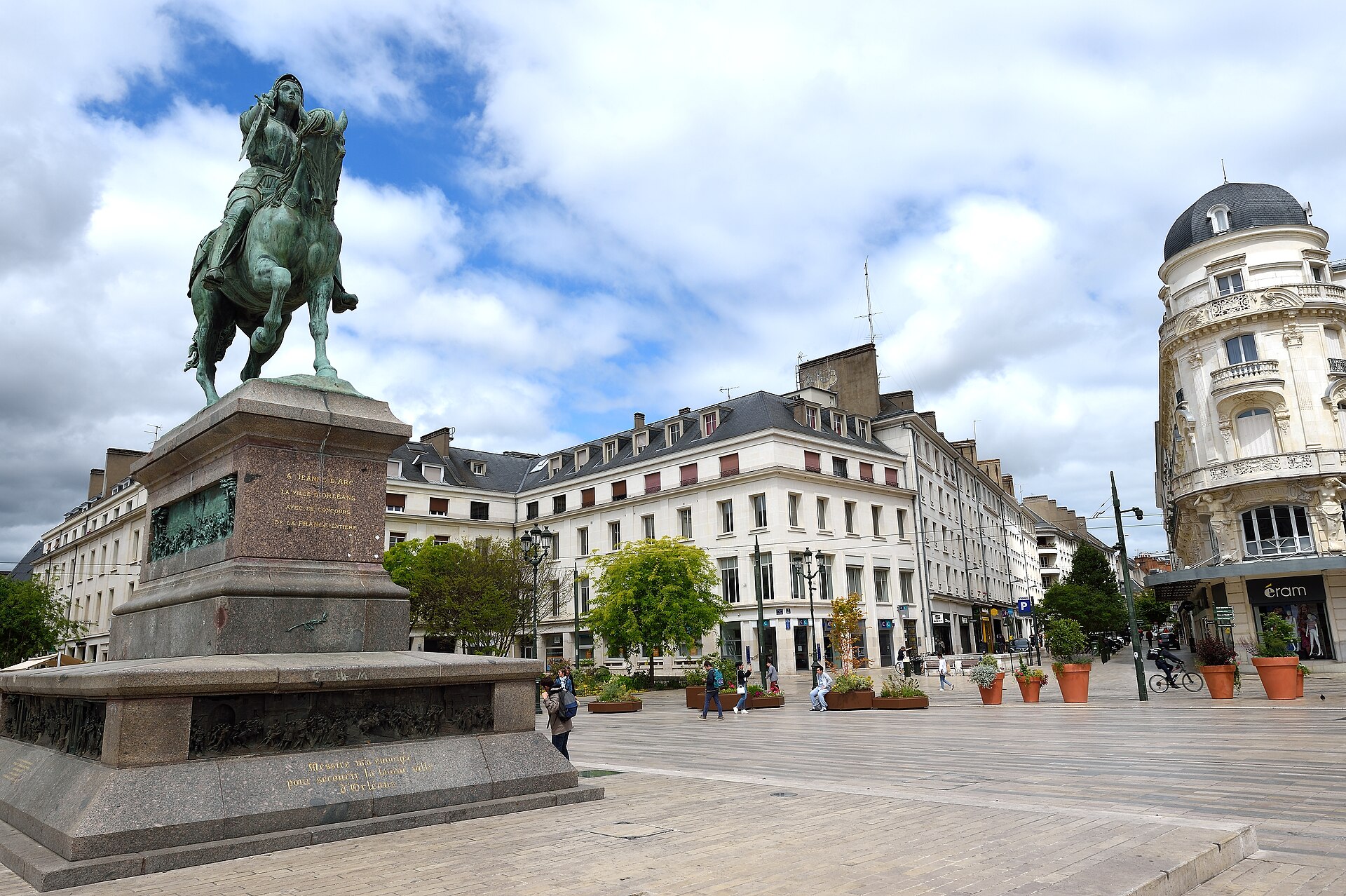
Joan was executed on 30 May 1431 at the Place du Vieux-Marché in Rouen, where she was burned at the stake. At the place of execution a Dominican consoled her, and she asked him to hold high a crucifix and to shout the assurances of salvation above the roar of the flames. To the last she maintained that her voices were sent by God and had not deceived her.
Her ashes were thrown into the Seine. She was about nineteen years old at the time of her death.
9. Rehabilitation and Canonisation
On the order of Pope Calixtus III, and following a petition from the d'Arc family, proceedings were instituted in 1455–56 that revoked and annulled the sentence of 1431. The verdict came on 7 July 1456, when the judges declared that the twelve articles on which Joan was condemned had been drafted corruptly, deceitfully, slanderously, fraudulently and maliciously. Her sentence was pronounced null and void, and a cross was to be erected at the spot in Rouen where she died.
The decree of beatification was published by Pope Pius X on 11 April 1909. Joan was canonised by Pope Benedict XV on 16 May 1920. Her feast day is 30 May.
10. Historical Context
The Hundred Years' War was an intermittent struggle between England and France in the 14th and 15th centuries, fought over a series of issues including disputes over English territorial possessions in France and the legitimate succession to the French throne. By convention the war is said to have started on 24 May 1337 with the confiscation of the English-held duchy of Guyenne by the French king Philip VI, though this was preceded by periodic fighting over English fiefs going back to the 12th century.
A contemporary account of conditions in France around 1422 records that, owing to the long wars, the lethargy and cowardliness of the officers and commanders under Charles VII, the destruction of military discipline and the rapacity of the troopers, the country had been laid waste from the Loire to the Seine.
At the end of 1427 the apparent hopelessness of the dauphin's cause was increased by the fact that, five years after his father's death, he still had not been crowned. Reims lay well within territory held by his enemies, and as long as he remained unconsecrated the rightfulness of his claim to be king of France was open to challenge.
11. Legacy and Veneration
The medieval French writer Christine de Pizan wrote her Tale of Joan of Arc to celebrate the liberation of Orleans. It was the first literary work written in Joan's honour and the only one produced in her lifetime.
12. Timeline: from Domrémy in 1412 to canonisation in 1920
- c. 6 January 1412Birth at DomrémyJoan of Arc is born in the village of Domrémy, on the frontier between the France of the Anglo-Burgundians and that of the dauphin.
- Summer 1425First visionsAt about the age of thirteen, Joan receives visions of St. Michael, St. Catherine and St. Margaret telling her to drive the English from France and bring the dauphin to Reims for coronation.
- 12 October 1428Siege of Orléans beginsEnglish forces under the earl of Salisbury lay siege to Orléans; by the close of the year complete defeat seems imminent for Charles VII.
- February–March 1429Vaucouleurs and ChinonJoan leaves Vaucouleurs about February 13 in men's clothes with six men-at-arms and, after an eleven-day journey through enemy territory, reaches the dauphin at Chinon.
- 22 March 1429Letter to the king of EnglandJoan dictates her letter of defiance to the king of England and his commanders besieging Orléans, calling on them to return the keys of the cities they have seized.
- 29–30 April 1429Joan enters OrléansDiversionary action against an English fort enables Joan to enter the besieged city with supplies.
- 8 May 1429Siege of Orléans liftedBy 8 May the English forts encircling Orléans have been captured and the siege is raised; Joan was wounded in the breast by an arrow on the 7th.
- 18 June 1429Battle of PatayThe English army under Sir John Fastolf is completely routed at Patay after a series of French successes along the Loire.
- 17 July 1429Coronation of Charles VII at ReimsCharles VII is solemnly crowned at Reims, with Joan standing by with her standard.
- 8 September 1429Assault on ParisJoan is shot through the thigh with a crossbow bolt while cheering on her men at the walls of Paris, and the assault is abandoned.
- 23 May 1430Capture at CompiègneDuring a sortie from Compiègne, Joan is outflanked by English reinforcements, unhorsed and taken prisoner by the Burgundians.
- 9 January – 30 May 1431Trial at RouenJoan is tried for heresy before an ecclesiastical court at Rouen led by Bishop Pierre Cauchon; she is interrogated nearly a dozen times between 21 February and 24 March.
- 30 May 1431Execution at RouenCondemned as a relapsed heretic, Joan is burned at the stake in the market square of Rouen, crying the name of Jesus.
- 7 July 1456Nullification of the sentenceThe Trial of Nullity opened under Pope Calixtus III ends with a solemn sentence declaring the condemnation null and void.
- 11 April 1909BeatificationThe decree of beatification is published by Pope Pius X.
- 16 May 1920CanonisationJoan of Arc is canonized by Pope Benedict XV; her feast day is 30 May.
References (14)
- 1St. Joan of Arc | Biography, Death, Trial & Facts — Encyclopaedia Britannica WebView source
- 2Joan of Arc — World History Encyclopedia WebView source
- 3St. Joan of Arc — The Catholic Encyclopedia (New Advent) WebView source
- 4General Audience of 26 January 2011: Saint Joan of Arc — The Holy See 2011 WebView source
- 5Medieval Sourcebook: The Trial of Joan of Arc, 1431 — Internet Medieval Sourcebook, Fordham University BookView source
- 6Siege of Orléans — Encyclopaedia Britannica WebView source
- 7The Trial of Joan of Arc: An Account — Famous Trials (Douglas O. Linder, UMKC) WebView source
- 8Capture, trial, and execution of St. Joan of Arc — Encyclopaedia Britannica WebView source
- 9Joan of Arc: Her Life and Trial — University of North Carolina at Greensboro WebView source
- 10The Trial of Joan of Arc — full transcript (trans. W. P. Barrett) — Internet Medieval Sourcebook, Fordham University WebView source
- 11Hundred Years' War | Summary, Causes, Effects, & Facts — Encyclopaedia Britannica WebView source
- 12Hundred Years War: Treaty of Troyes, 1420 and Conditions in France in 1422 — Internet Medieval Sourcebook, Fordham University WebView source
- 13Joan of Arc: Letter to the King of England, 1429 — Internet Medieval Sourcebook, Fordham University WebView source
- 14The Trial of Joan of Arc (1431) — Famous Trials (Douglas O. Linder, UMKC) WebView source