Michael Jordan
The career of the American basketball guard Michael Jordan, from Wilmington and Chapel Hill through six Chicago Bulls championships, two Olympic gold medals, a baseball season in Birmingham and a second career as an owner.
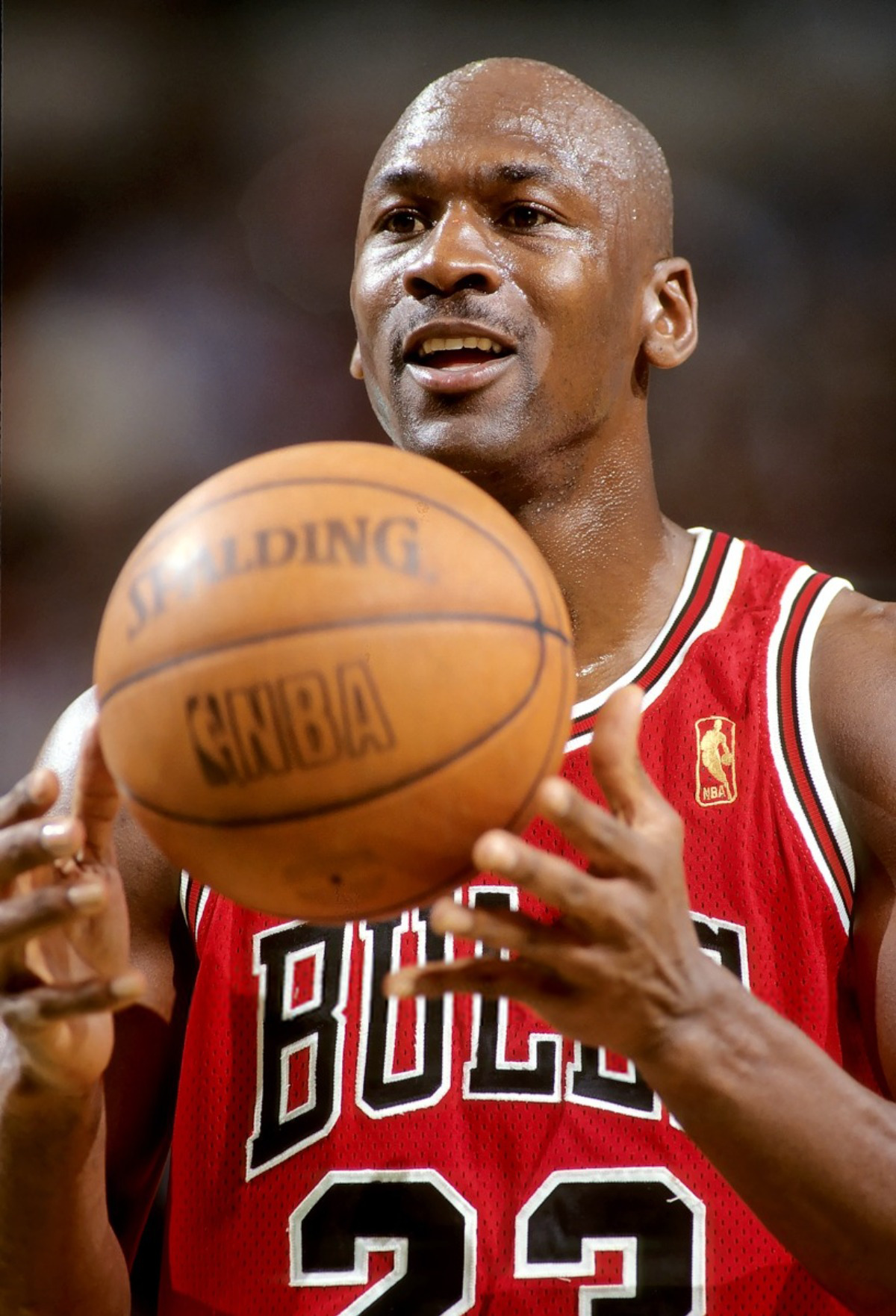
Michael Jordan, born in Brooklyn in 1963 and raised in Wilmington, North Carolina, played three seasons at the University of North Carolina before the Chicago Bulls drafted him third overall in 1984. With the Bulls he won six NBA championships in two three-peats, five regular-season MVP awards and six Finals MVP awards, and he won Olympic gold in 1984 and again with the 1992 Dream Team. He retired briefly in 1993 to play minor league baseball, returned in 1995, and after a final stint with the Washington Wizards became part-owner and then majority owner of the Charlotte Bobcats, later the Hornets, before selling his majority stake in 2023.
In this article
- 1Overview
- 2Early Life and High School
- 3College Career at North Carolina
- 4NBA Draft and Rookie Season
- 5Rise to Stardom and Early Playoff Feats
- 6Building a Champion: Pippen, Jackson and the Triangle
- 7First Three-Peat and First Retirement
- 8Baseball Interlude
- 9Return and Second Three-Peat
- 10Washington Wizards Comeback
- 11Career Statistics and Honors
- 12Business Ventures and Ownership
- 13Philanthropy and Public Recognition
- 14Legacy
- 15Timeline: from Brooklyn in 1963 to the Hall of Fame and ownership
- 16Frequently asked questions
- 17Knowledge graph
Overview
Michael Jeffrey Jordan was born on February 17, 1963 in Brooklyn, New York. He stands 6 feet 6 inches (1.98 meters) tall. Britannica describes him as widely considered one of the greatest all-around players in the history of the game. He earned the nickname Air Jordan for his leaping ability and acrobatic play, and the name became his Nike shoe line.
1. Early Life and High School
Michael Jordan grew up in Wilmington, North Carolina, where he attended Emsley A. As a 5-foot-11 sophomore he was cut from the varsity and assigned to the junior varsity while still under six feet tall. The summer before his junior year he grew to 6-foot-3. From that point he developed into a top national recruit.
2. College Career at North Carolina
Jordan enrolled at the University of North Carolina at Chapel Hill in autumn 1981, having first come to coach Dean Smith's attention at a camp in summer 1980 and signed the following year. As a freshman he made the winning basket against Georgetown in the 1982 NCAA national championship game, hitting a 16-foot jumper with about 15 seconds left for a 63-62 lead, after which James Worthy sealed the result with a steal.
His junior season produced the cradle dunk against Maryland with time winding down in a 74-62 win. Against Virginia in February 1983 he scored off an offensive rebound over the 7-foot-4 Ralph Sampson and stole the ball from Rick Carlisle for a breakaway slam. He reached a collegiate career high of 39 points against Georgia Tech in a 72-65 victory, and one week before that had 32 points, seven rebounds and five assists against Duke in a 103-82 win.
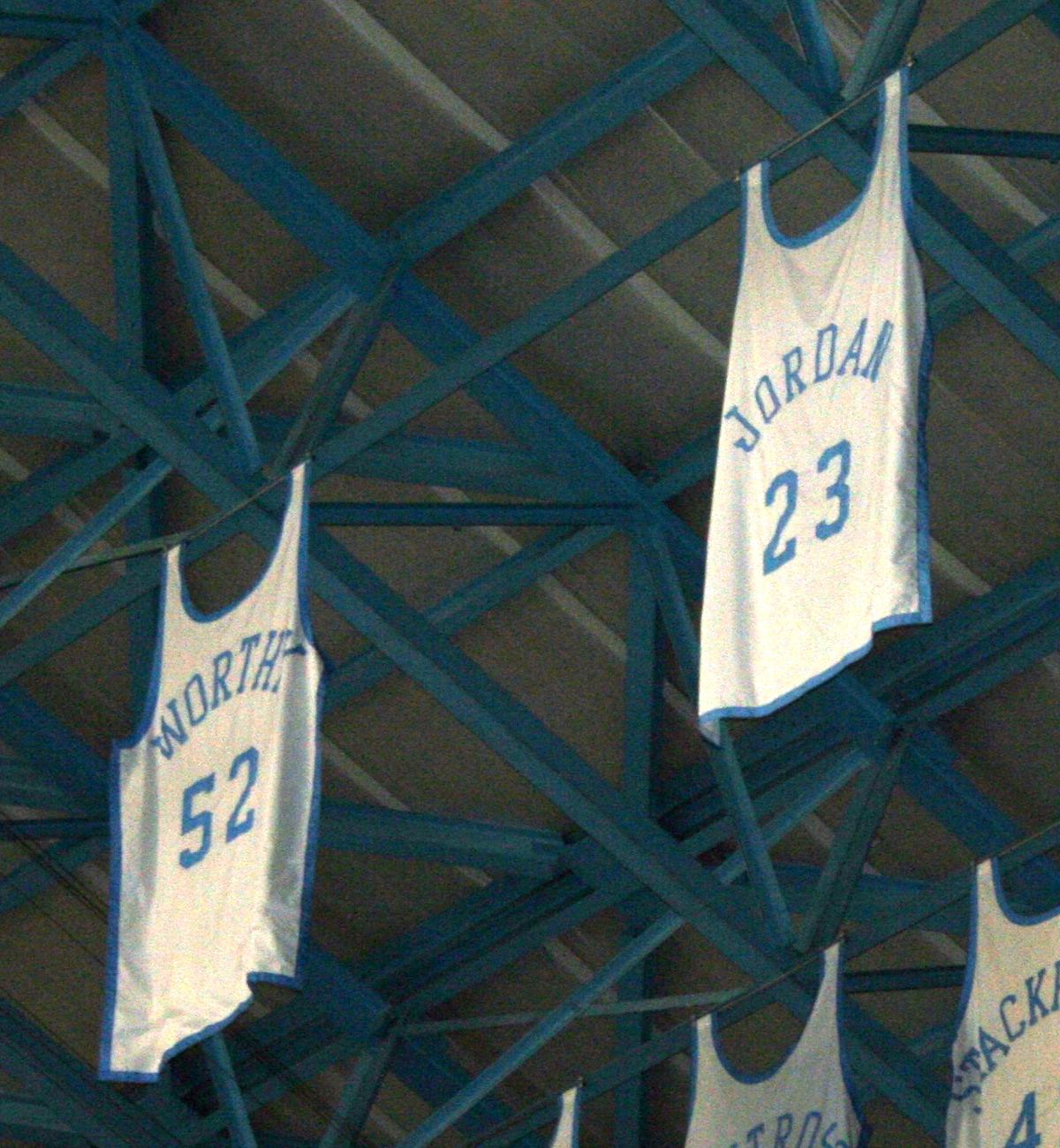
Jordan was named NCAA College Player of the Year in 1983 and 1984. His final college game was the 1984 regional semifinal against Indiana, where Dan Dakich held him to 13 points and he fouled out as Indiana won 72-68 behind 27 points from Steve Alford. He left after his junior year to join the NBA.
3. NBA Draft and Rookie Season
Michael Jordan entered the NBA Draft after his junior year and was selected third overall by the Chicago Bulls in 1984, behind Hakeem Olajuwon and Sam Bowie.
He was named the 1984-85 Rookie of the Year after averaging 28.2 points, 6.5 rebounds and 5.9 assists.
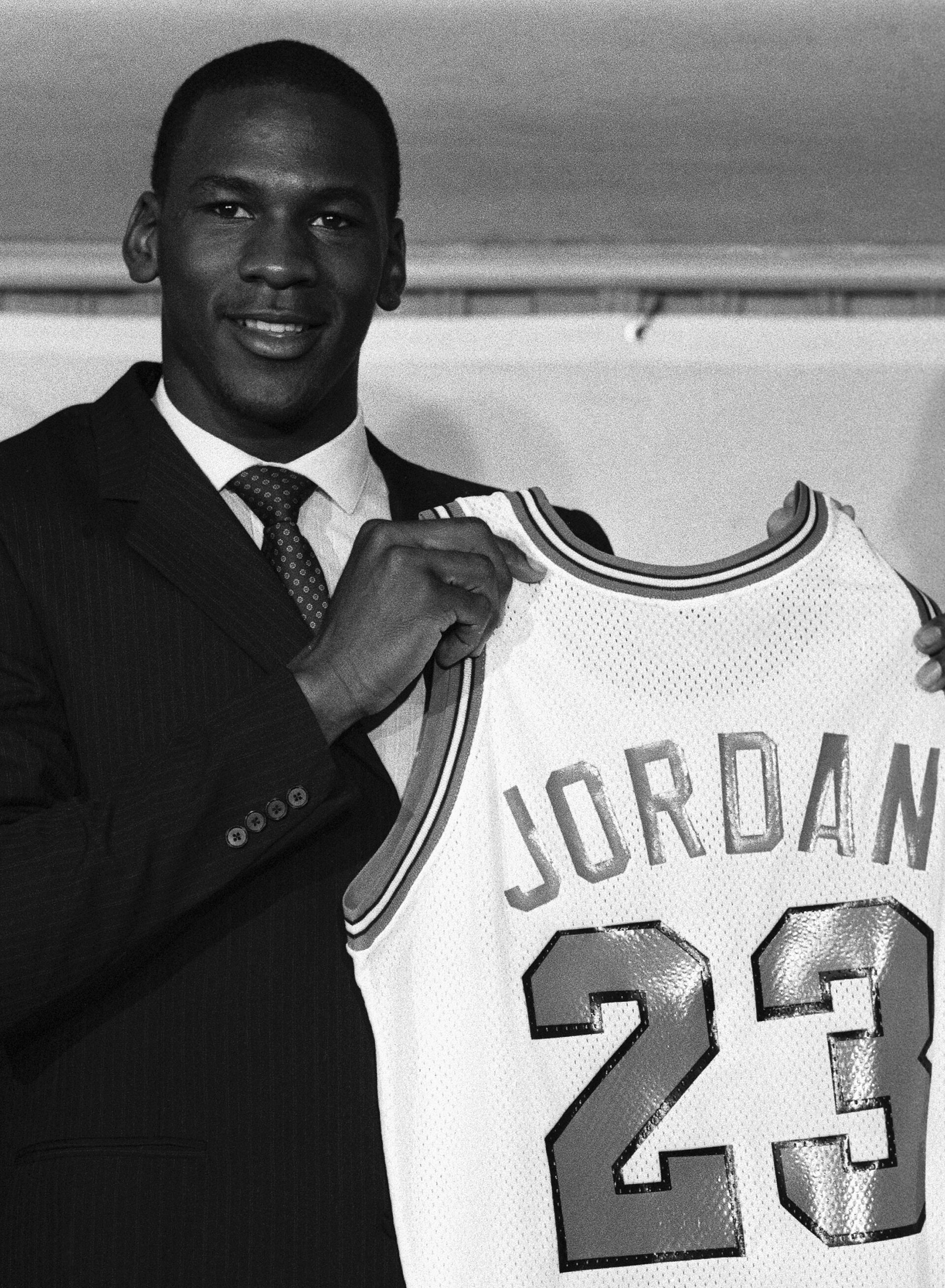
His arrival helped lift the Bulls to an 11-game improvement that season.
4. Rise to Stardom and Early Playoff Feats
Jordan's second season was cut to only 18 regular-season games after he broke a small bone in his foot. His return produced one of the most celebrated individual performances in playoff history: 63 points against the Celtics at Boston Garden, an NBA playoff record. He averaged 43.7 points across that series. Boston won 135-131 in double overtime and swept the Bulls, yet the scoring record still stands.
From 1986-87 he began a run of seven consecutive seasons leading the league in scoring, opening that stretch at 37.1 points per game. In 1987-88 he collected the MVP award, Defensive Player of the Year and All-Star MVP honors in the same campaign. That year he also edged Dominique Wilkins in the dunk contest held in Chicago.
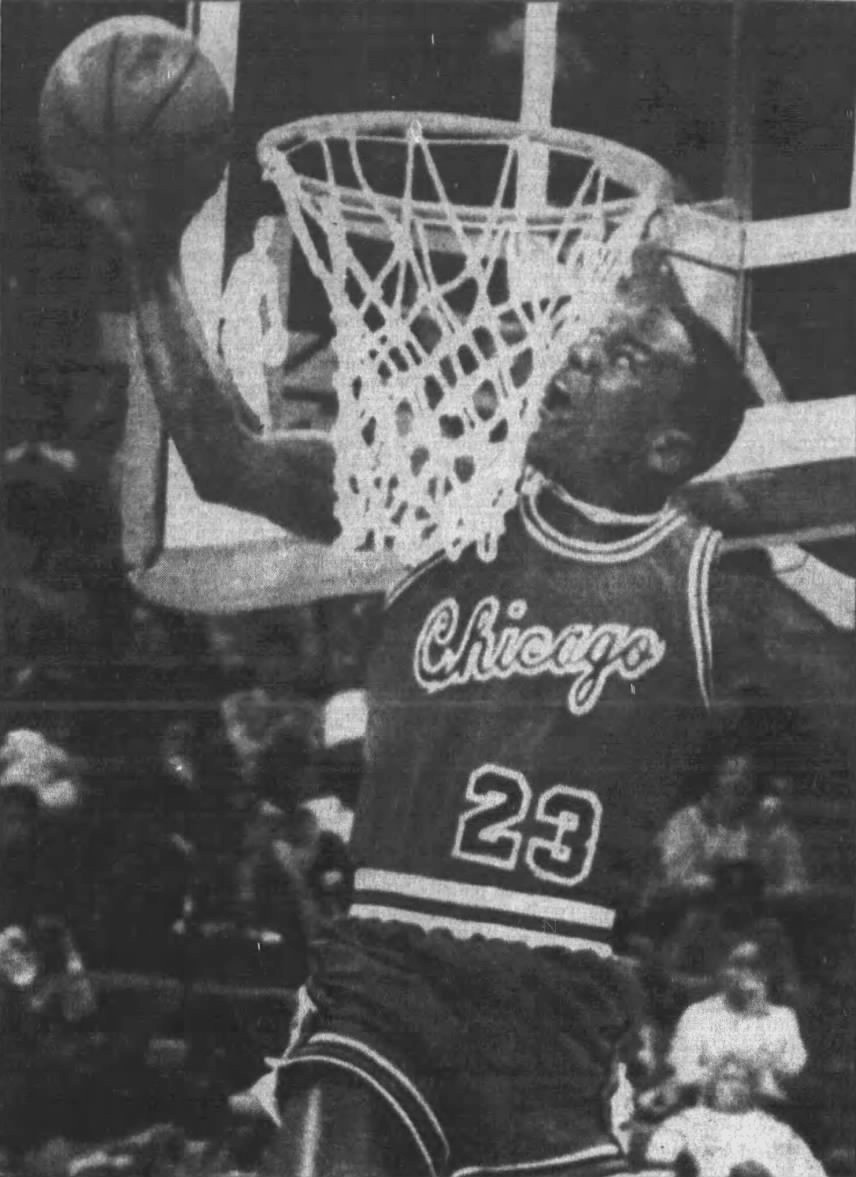
On 7 May 1989 he produced The Shot in Game 5 against the Cleveland Cavaliers, hanging in the air until Craig Ehlo was out of his way before releasing the jumper that won the series. Cleveland had improved by 15 games that season to a franchise-best 57-25 record.
5. Building a Champion: Pippen, Jackson and the Triangle
In 1987 Chicago added forward Scottie Pippen, whose skills complemented Jordan and improved the young team. Phil Jackson and assistant coach Tex Winter installed the triangle offense, a scheme designed to discourage opponents from double-teaming Jordan. In the 1990-91 season, with Phil Jackson coaching and Scottie Pippen entering his prime, the Bulls won their first championship.
6. First Three-Peat and First Retirement
In 1991 the Bulls swept Detroit and then defeated the Los Angeles Lakers for the franchise's first title. The Bulls repeated as champions in 1992 and again in 1993 and became the first NBA team to win three consecutive titles since the Boston Celtics.
Saying the desire just was not there, he announced the first of his three NBA retirements in October 1993 and left the Bulls.
7. Baseball Interlude
The 31-year-old Jordan spent the 1994 season with the Double-A Birmingham Barons under manager Terry Francona. Playing right field he batted 0.202 with three home runs, 51 RBIs and 30 stolen bases in 127 games. After the Barons season he played for the Scottsdale Scorpions in the Arizona Fall League, where he hit for a 0.252 average.
8. Return and Second Three-Peat
Jordan returned to basketball with Chicago in March 1995 and in 1995-96 led the Bulls to a 72-10 regular-season record, then the best in NBA history, as the team became the first in NBA history to win at least 70 games. He led the NBA with 30.4 points and the Bulls went 15-3 in the playoffs, winning the title over Seattle.
In Game 5 of the 1997 Finals he scored 38 points while suffering from flu-like symptoms, including 17 in the second quarter after looking lost in the first and seven in the fourth during a 10-0 run that erased Utah's 77-69 lead.
From 1996 to 1998 the Jordan-led Bulls won three more championships in a row and he was named Finals MVP each time. With the Jazz leading 86-85 and 18.9 seconds left in Game 6 he stole the ball from Karl Malone, then hit a 20-foot jumper for an 87-86 lead with 5.2 seconds to play as the Bulls clinched their third straight title. In his last game as a Bull on 14 June 1998 he made a key steal and hit the game-winning shot over Bryon Russell on the way to 45 points.
After six championships in eight years Phil Jackson left Chicago, and his departure spurred Jordan's second retirement.
9. Washington Wizards Comeback
Michael Jordan joined the Washington Wizards in 2000 as a part owner and president of basketball operations. He gave up those roles in 2001 in order to play again. That year he made a second comeback and averaged 20 points per game. His play during this period included appearances in the 2002 and 2003 All-Star Games.
10. Career Statistics and Honors
He ended his career with 32,292 points and a 30.1-point average, then the best in league history, plus 2,514 steals1Michael Jordan · Encyclopaedia Britannica ↗. His honors include 11 All-NBA teams, five regular-season MVPs, six Finals MVPs and six NBA titles3Legends profile: Michael Jordan · NBA.com ↗. In the 1991 Finals he averaged 31.4 points, 6.4 rebounds and 8.4 assists for his first Finals MVP3.
| Category | Figure |
|---|---|
| Career points | 32,292 |
| Career scoring average | 30.1 points, 6.2 rebounds and 5.3 assists per game |
| Career highs | 69 points in a game and 28 triple-doubles |
| Steals | 2,514 |
| Scoring titles | 10 |
| NBA championships | 6 |
| Finals MVP awards | 6 |
| Regular-season MVP awards | 5 |
| All-Star selections | 14 |
| All-Defensive First Team selections | 9 |
| All-NBA First Team selections | 10 |
| Olympic gold medals | 2 (1984 Los Angeles and 1992 Barcelona) |
| Hall of Fame | Enshrined as a player in 2009 |
| NBA 75th Anniversary Team | Selected in 2021 as one of 76 players |
11. Business Ventures and Ownership
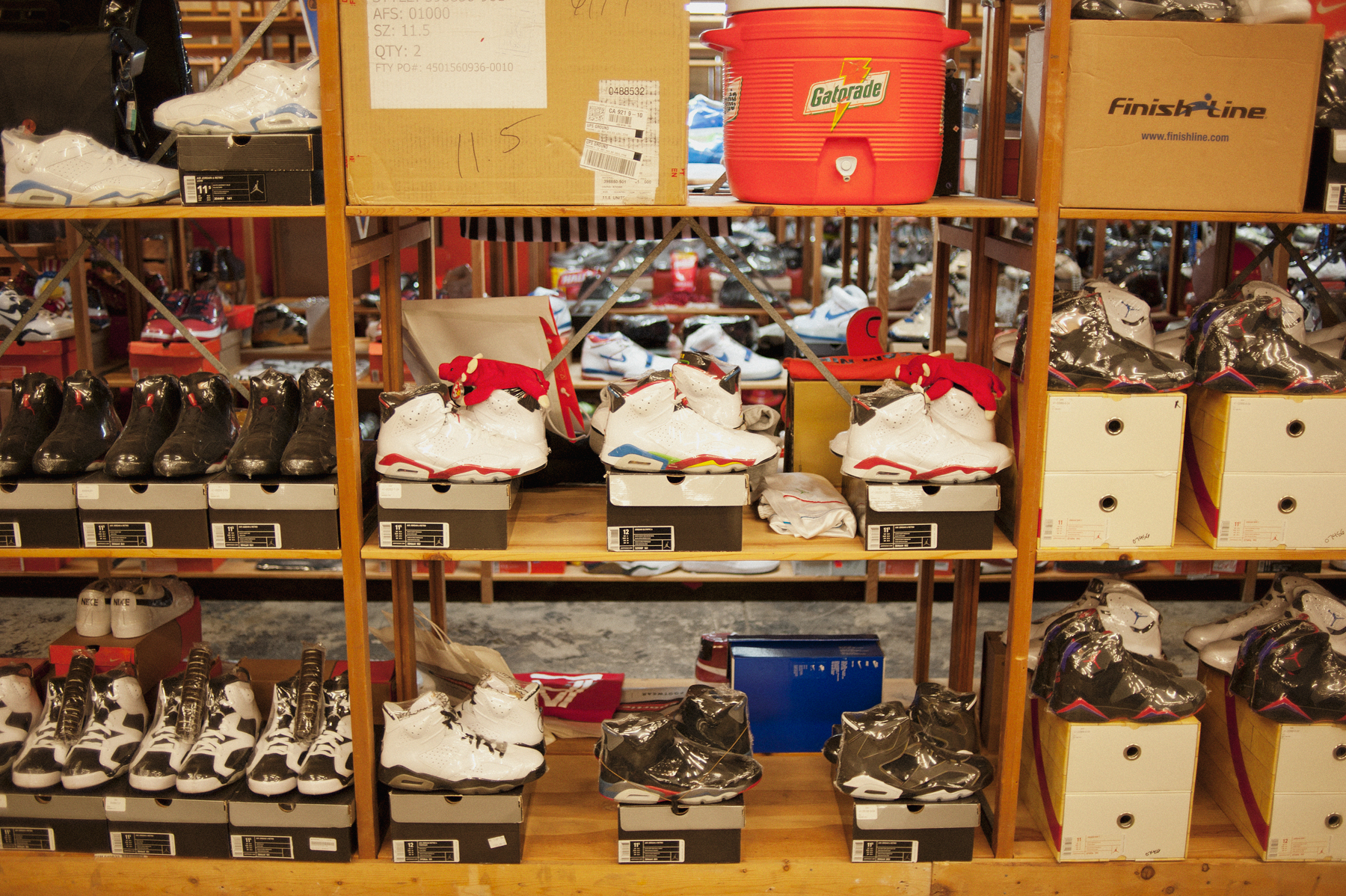
Jordan's commercial footprint was established early through a five-year, $2.5 million endorsement deal with Nike signed in 1984 that created the Air Jordan line. The company launched Air Jordan in 1985 with his initial contract giving him 25 percent in royalties. His earnings from playing professional basketball reached at least $94,022,500.
In 2006 he became a minority owner of the Charlotte Bobcats and in 2010 bought a controlling interest, becoming the first former NBA player to own a majority share of a league franchise. He owned the Hornets for 13 years and remained with the team as a minority owner after the sale. The sale of the majority stake in the Hornets from Jordan to Gabe Plotkin and Rick Schnall was finalized. He called owning the Hornets a tremendous honor but did not explain why he sold the franchise.
The Hornets never won a playoff series under Jordan and had missed the postseason for seven straight seasons. Between 2006 and October 2022 the franchise grew from a $175 million valuation to $1.7 billion. In April 2023 Forbes listed his net worth at $2 billion.
12. Philanthropy and Public Recognition
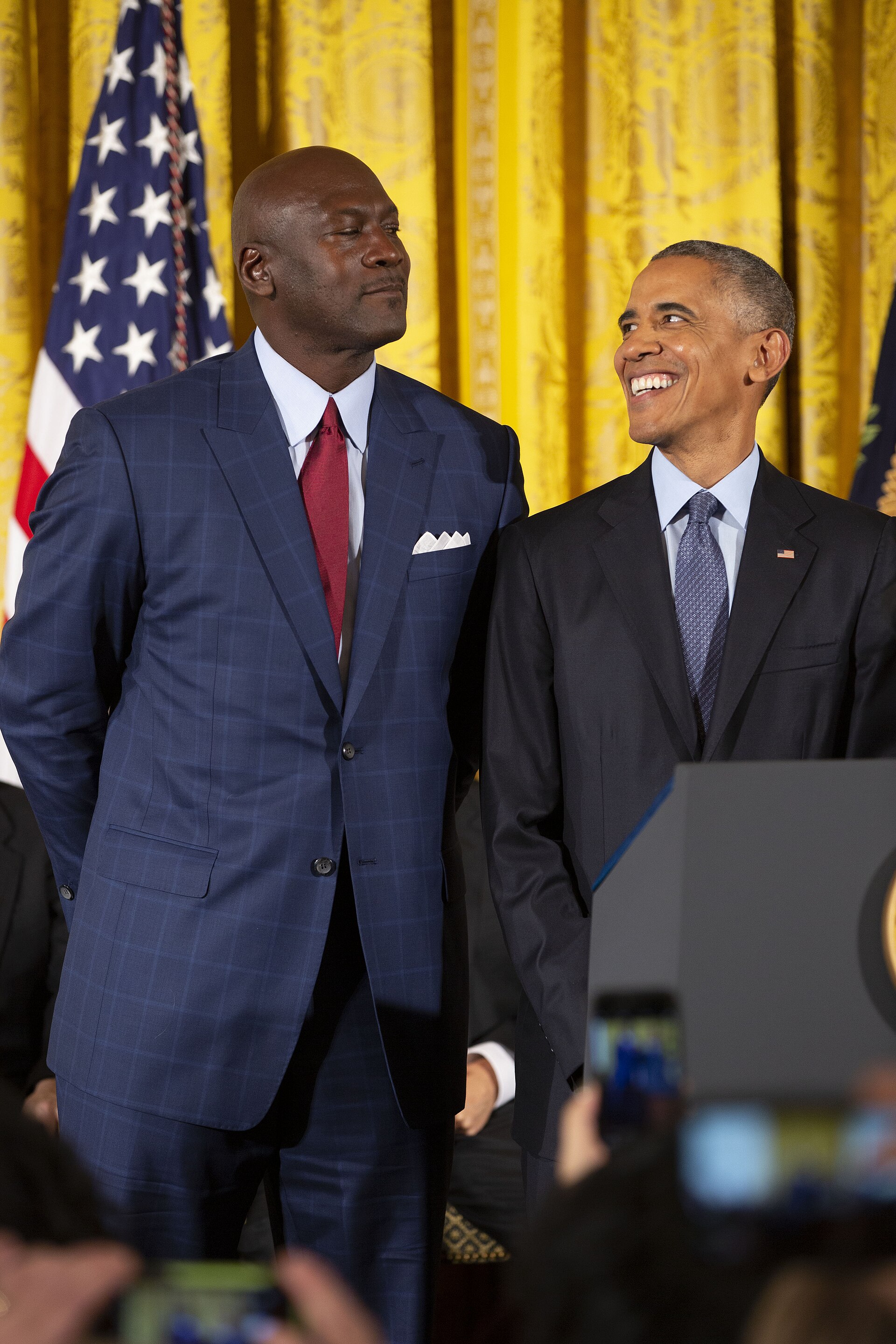
In 2016 Michael Jordan was awarded the Presidential Medal of Freedom, and the White House citation called him one of the greatest athletes of all time while noting 15 seasons with the Bulls and Wizards. His public recognition has also carried an institutional dimension: he was named Make-A-Wish Chief Wish Ambassador in 2008 for his work with wish children.
Jordan marked his 60th birthday by making a $10 million donation to Make-A-Wish, the largest donation ever received from an individual in the organization's 43-year history. He also began sharing details of how some of a $100 million pledge to the Black community would be allocated, saying the money would support social justice, economic justice and education and awareness.
13. Legacy
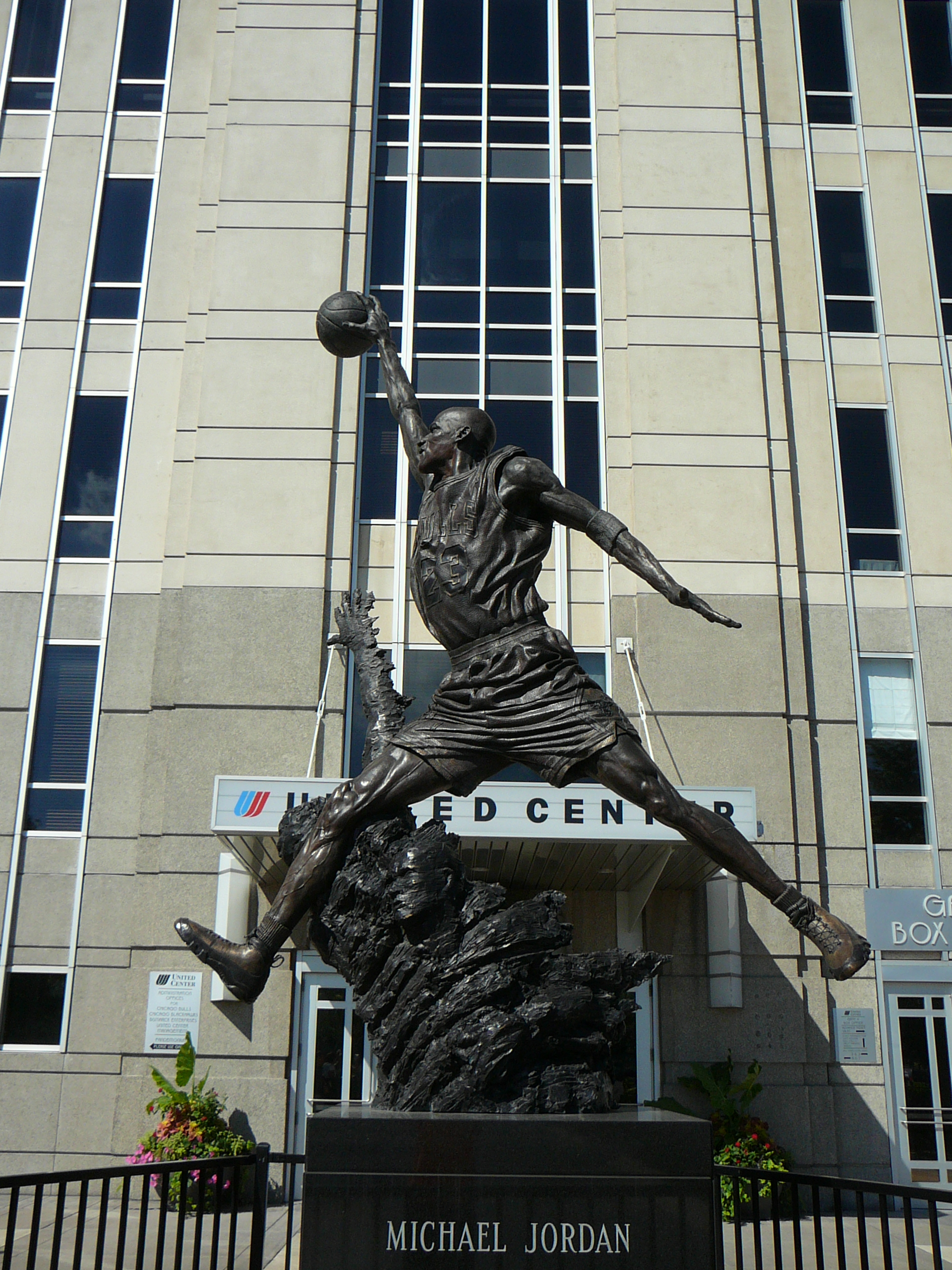
The NBA's own profile credits Jordan with single-handedly redefining the NBA superstar. In 2009 he headlined a Hall of Fame class that also included John Stockton, David Robinson and Jerry Sloan.
14. Timeline: from Brooklyn in 1963 to the Hall of Fame and ownership
- February 17, 1963Born in BrooklynMichael Jeffrey Jordan was born in Brooklyn, New York.
- 1981Enrols at North CarolinaAfter a high school career at Laney in Wilmington, Jordan enrolled at the University of North Carolina at Chapel Hill.
- March 29, 1982The NCAA title shotAs a freshman he hit a 16-foot jumper with about 15 seconds left to give North Carolina a 63-62 lead over Georgetown, and James Worthy sealed the national title with a late steal.
- 1984Drafted by the Chicago BullsChicago selected Jordan third overall in the 1984 NBA Draft, after Hakeem Olajuwon and Sam Bowie.
- 1991First NBA championshipThe Bulls swept Detroit in the conference finals and then beat the Los Angeles Lakers for the franchise's first title.
- October 6, 1993First retirementCiting a lack of desire, Jordan announced the first of his three NBA retirements and left the Bulls to play minor league baseball.
- March 1995Return to the NBAJordan returned to basketball in March 1995 after his season in minor league baseball.
- 1995-96 seasonA record 72 winsChicago won 72 regular-season games and Jordan led the league at 30.4 points before the Bulls beat Seattle in the Finals.
- June 14, 1998The final shot as a BullJordan stole the ball from Karl Malone and hit a 20-foot jumper with 5.2 seconds left to win a sixth championship.
- September 25, 2001Return with the WizardsJordan ended his second retirement by signing a two-year contract with the Washington Wizards, the team he had joined as an executive in 2000.
- April 16, 2003Final NBA gameIn his last game, at Philadelphia, Jordan scored 15 points with four rebounds and four assists.
- 2009Hall of Fame inductionJordan was elected to the Naismith Memorial Basketball Hall of Fame in a class that also included John Stockton, David Robinson and Jerry Sloan.
- 2010Majority owner in CharlotteThe NBA's Board of Governors approved Jordan as majority owner of the Charlotte Bobcats, buying the team from Bob Johnson.
- 2016Presidential Medal of FreedomPresident Barack Obama named Jordan among the recipients of the Presidential Medal of Freedom, the nation's highest civilian honor.
- August 3, 2023Sale of the HornetsThe sale of the majority stake in the Charlotte Hornets to a group led by Gabe Plotkin and Rick Schnall was finalized, with Jordan staying on as a minority owner.
15. Frequently asked questions
How many points did Michael Jordan score in the 1993 NBA Finals?
He scored 246 points at 41.0 per game across the six-game series2Michael Jordan Stats, Height, Weight, Position, Draft Status and more · Basketball-Reference.com (Sports Reference) ↗.
What did Jordan achieve in the 1992 Finals?
In Game 1 of that series he set a record with 35 points in the first half3.
Was Jordan part of the Olympic Dream Team?
He was the key figure in forming the 1992 Dream Team, which won Olympic gold in Barcelona3.
How did his baseball season with the Barons compare statistically with other players at that level?
What does Nike's revenue from the Air Jordan line show about the brand's scale?
Nike reported nearly $2.9 billion in revenue for the Air Jordan line in 2018 alone4Michael Jordan · Biography.com (Hearst Digital Media) ↗.
Why did the NBA's 75th Anniversary Team include 76 players?
A tie in the voting meant the 75th Anniversary Team featured 76 players14NBA 75th Anniversary Team announced · NBA.com ↗.
References (16)
- 1Michael Jordan — Encyclopaedia Britannica Archive↩View source
- 2Michael Jordan Stats, Height, Weight, Position, Draft Status and more — Basketball-Reference.com (Sports Reference) Web↩View source
- 3Legends profile: Michael Jordan — NBA.com Web↩View source
- 4Michael Jordan — Biography.com (Hearst Digital Media) Web↩View source
- 5Michael Jordan's greatest moments at North Carolina — NCAA.com 2017 WebView source
- 6North Carolina and Indiana: Michael Jordan's final college game — NCAA.com 2016 WebView source
- 7Chicago Bulls — Encyclopaedia Britannica ArchiveView source
- 8Michael Jordan's Hall of Fame career — Sports Illustrated 2012 WebView source
- 9Michael Jordan's season in baseball — Sports Illustrated 2013 Web↩View source
- 10Michael Jordan, Hall of Famers — Naismith Memorial Basketball Hall of Fame WebView source
- 11President Obama Names Recipients of the Presidential Medal of Freedom — The White House (Obama administration archives) 2016 WebView source
- 12Michael Jordan donating $10 million to Make-A-Wish for 60th birthday — NBA.com (Associated Press) BookView source
- 13Michael Jordan begins allocating $100 million pledge — NBA.com (Associated Press) BookView source
- 14NBA 75th Anniversary Team announced — NBA.com Web↩View source
- 15Top Finals Moments: Michael Jordan's last shot (1998) — NBA.com 1998 WebView source
- 16Michael Jordan's sale of majority ownership of Hornets finalized — NBA.com (Associated Press) BookView source