Fancy Pigeon
Varieties, colour and management, from a Victorian breeder's manual.
Lyell's 1887 manual describes the varieties breeders had shaped — Carriers, Pouters, Fantails, Tumblers — the colours they fixed in strains, and the feeding and breeding that keeps a loft healthy.
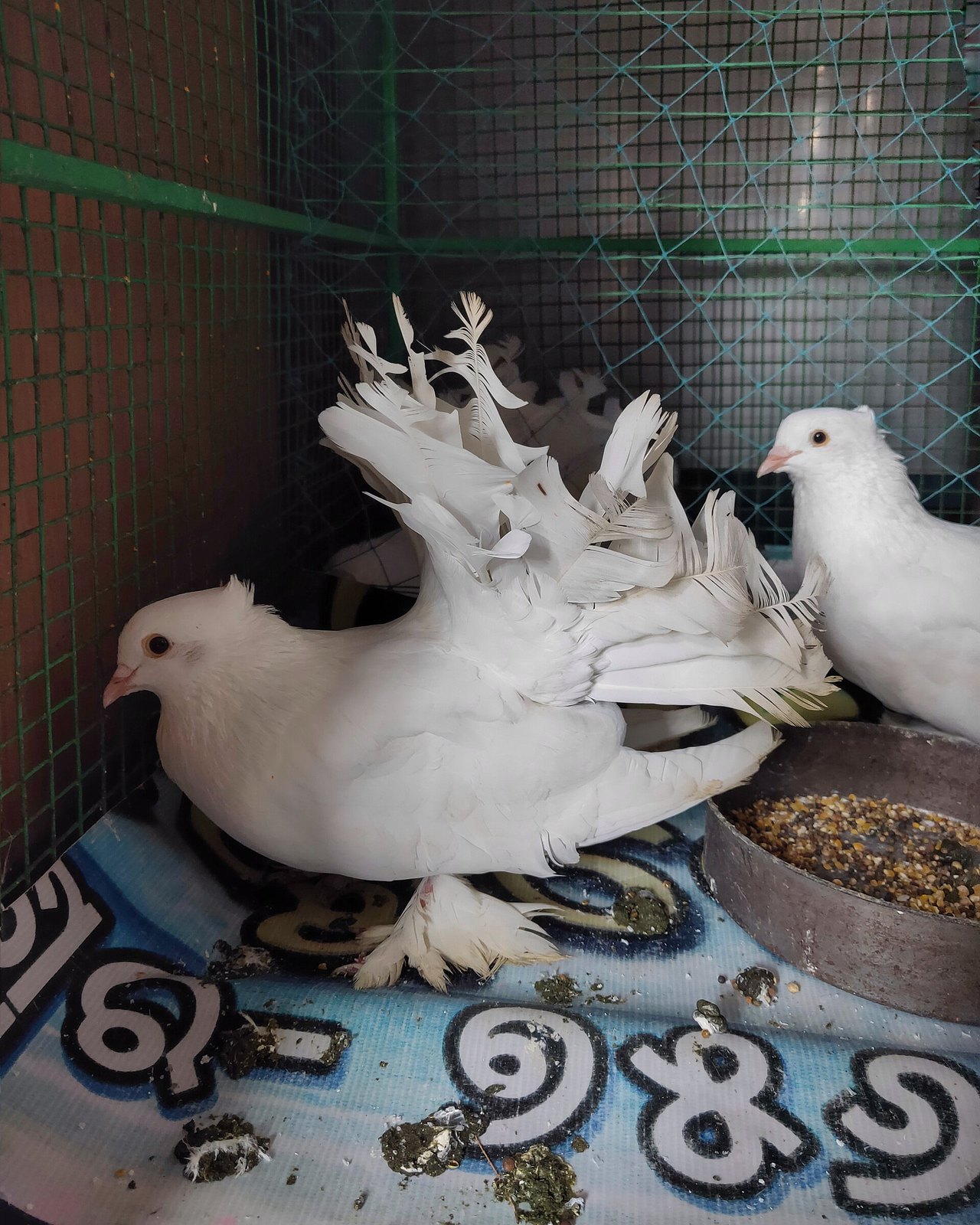
Overview
Lyell's Fancy Pigeons treats its subject as a bird made by fanciers rather than found in nature. The book's opening concern is the ordinary management on which that making depends: barley, which he uses to some extent all the year round and on which he has known good results from pigeons fed on nothing else, and green food such as lettuce, which those at liberty eat freely and which may be supplied occasionally to birds in confinement, though he never gives it in winter. Lime, salt and small gravel are needed by pigeons in confinement, the lime for the shells of their eggs and for medicinal purposes, the gravel to aid digestion. Breeding, he insists, requires considerable study. Good pigeons are not unfrequently produced from very ordinary stock, but such chance birds are not reliable for stock purposes, and the very best will produce young ones quite unfit to go on breeding from, as all races living in a strictly artificial state must necessarily do. 1Fancy Pigeons: containing full directions for their breeding and management, with descriptions of every known variety · London (via Internet Archive) ↗
From this groundwork the book passes to the varieties themselves, and its range is wide. German toys appear alongside English breeds: the White-spot Pigeon, generally known in England as the Blaze Face and in Germany as die Weiszblassige Taube, is the reverse in marking of the common Spot, while die Elstertau'be, der Verkehrtflugel, the Magpie or Reversed Wing, is marked like a Magpie Tumbler except that the head is white from a line running below the eyes, a coloured spot on the forehead being indispensable. The Bavette Pigeon, so named from its white bib, has been introduced into this country within the last few years. The Red Indian Pigeon is another breed of Asia Minor, with the make and shape of a common, clean-legged, large, flying Tumbler. On its re-introduction into England it was called by the name of an opposite character to it, the Frillback, and the Mane Pigeon has been occasionally exhibited at the principal shows during the last few years. 1
The book is equally at home among the established English breeds. Moore's description of the English Pouter, first bred in England and therefore called the English Powter, is quoted, together with the warning that these are the pigeons most apt to gorge if not kept constantly supplied with meat and water. The Carrier receives its due as the sort chiefly made use of in England for the carriage of letters or flying of wagers, since birds possessed of the true original Carriers, at present very scarce, are too valuable to be risked on every trifling wager. The Nun is described as compact and trimly built, of upright carriage, with a Tumbler's head, beak and pearl eye, the latter surrounded in the black variety by a narrow blackish cere. 1
What holds the survey together is Lyell's attention to how varieties arise and change. The blue rock pigeon, partially domesticated in field dovecotes, sometimes alters in colour until the wing coverts take on a dappled appearance, chequered on each feather with black, and the first decided change after the chequered variety is a whole plumage of red. This colour has been engrafted on the blue owl pigeon, a variation of it being known as powdered silver. Lyell has not known the natural change to occur in field dovecotes, but he has little doubt that the black of tame pigeons is owing to this natural propensity and is the foundation of all whole colours, such as red, yellow and dun. 1
1. Varieties
The fancy pigeons Lyell surveys are distinguished less by any single feature than by the combination of shape, carriage and marking that each breed has fixed in the hands of fanciers. The Carrier, scarce in its true original form, is valued so highly that it is seldom risked on trifling wagers, and it alone among high-class fancy pigeons is permitted the dun shade that elsewhere counts as an off colour. The Pouter, first bred in England and therefore called the English Powter, is a mixture of breeds in Moore's account, and is the sort most apt to gorge if not kept constantly supplied with meat and water. The Fantail and the Tumbler belong to the same artificial company, and the Tumbler's head, beak and pearl eye reappear in the Nun, a compact and trimly built bird of upright carriage whose black variety carries a narrow blackish cere about the eye. 1
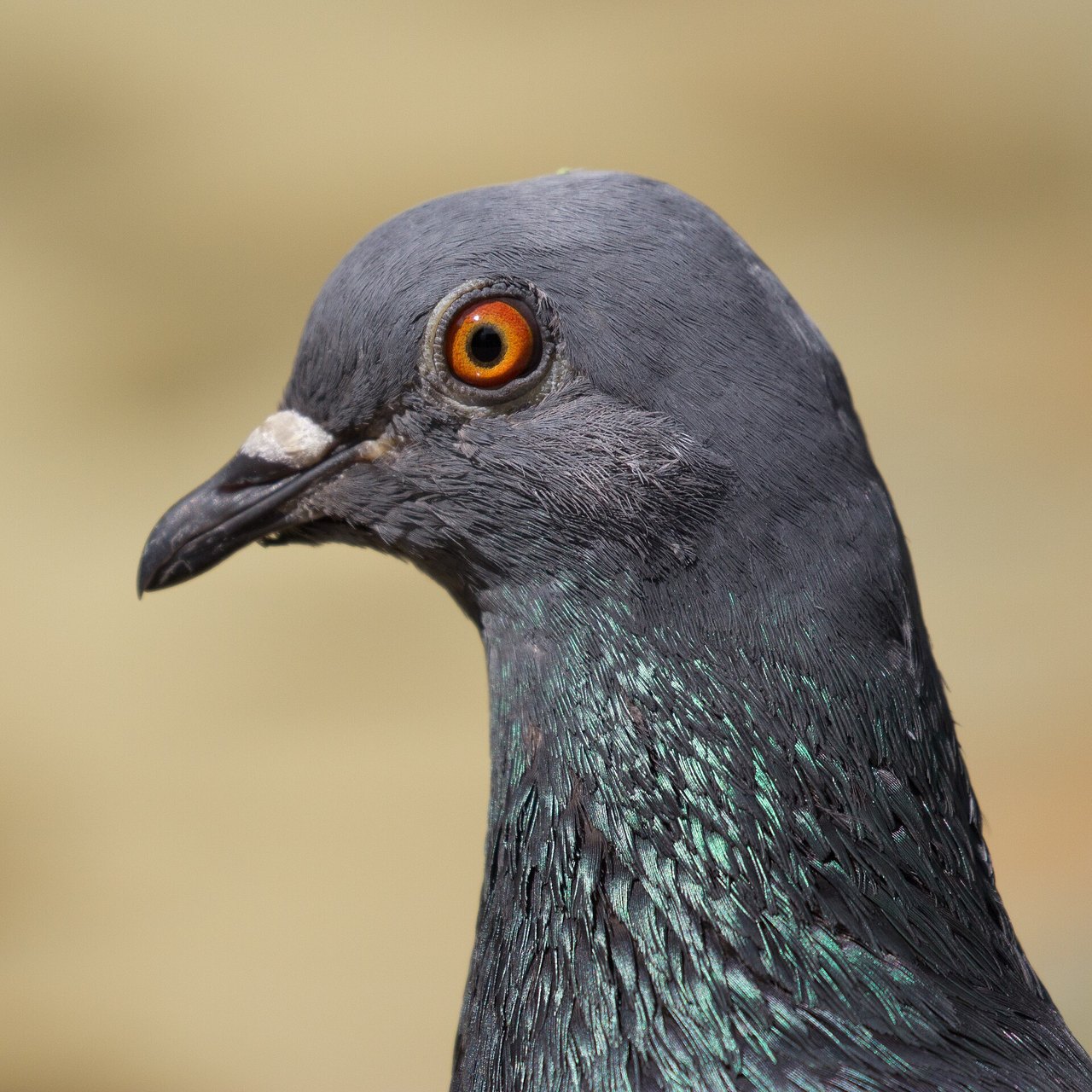
Some breeds are known chiefly by their markings. The White-spot Pigeon, called in Germany die Weiszblassige Taube, is the reverse in marking of the common Spot, while die Elstertau'be, der Verkehrtflugel, the Magpie or Reversed Wing, is marked like a Magpie Tumbler except that the head is white from a line running below the eyes, a coloured spot on the forehead being indispensable. The Bavette Pigeon, so named from its white bib, has been introduced into this country within the last few years. The Red Indian Pigeon is another breed of Asia Minor, with the make and shape of a common, clean-legged, large, flying Tumbler. On its re-introduction into England it was called by the name of an opposite character to it, the Frillback, and the Mane Pigeon has been occasionally exhibited at the principal shows during the last few years. 1
The Swift pigeon takes its name from the Swift or Hawk Swallow, on account of its abnormally long flight feathers. In some kinds the wing bars, both in barred and solid-coloured varieties, are changed to white or marked with white on the bar feathers, and the dun shade, an off colour in all high-class fancy pigeons except carriers, often fades with the advancing year, giving a mottled appearance at the moulting season until the new feathers are renewed, as happens also with many silver pigeons. The Pouter looks particularly well at two periods of its existence: when under a year old, its noble shape and carriage at their best, and again when its head properties are fully developed. 1
2. Colour
Colour in the fancy pigeon begins, in Lyell's account, with the blue rock pigeon and what happens to it under partial domestication. Kept in field dovecotes, the bird sometimes alters, its wing coverts taking on a dappled appearance as each feather becomes chequered with black. The first decided change after this chequered variety is a wholesale alteration of the plumage to a red tint. From such natural propensities Lyell derives the whole-coloured strains: he has not known the change occur in field dovecotes, but he holds it beyond doubt that the black of tame pigeons arises from this source and is the foundation of all whole colours, red, yellow and dun alike. The reasoning matters more than the list, for it makes the fancy shades a continuation of a process the fancier can observe in the dovecote rather than an invention of the loft. 1
Certain shades carry a standing penalty. Dun, an off colour in all high-class fancy pigeons except carriers, often fades with the advancing year, and while the bird is getting its new feathers at the moulting season it may show a mottled appearance until they are all renewed; many silver pigeons behave in the same way to a greater or less degree. Colour of this kind has been engrafted on the blue owl pigeon, a variation of it being known as powdered silver. Wing bars are equally subject to revision, for in some kinds, both barred and solid-coloured, they are changed to white or marked with white on the bar feathers. 1
How a colour is fixed in a strain is bound up with the quality of the birds chosen to breed from. The very best pigeons will produce young quite unfit to go on breeding from, as all races living in a strictly artificial state must necessarily do, so a fair amount of quality should be looked for in birds intended to commence breeding. Good pigeons are not unfrequently produced from very ordinary stock, yet such chance birds are not reliable for stock purposes. The fancier may read something of what is to come in the newly hatched squab, for washed-out or mealy hues, too often seen in yellow pigeons, are no uncertain indication of the quality of colour that will be developed in due time. 1
3. Food and Water
Barley serves Lyell as a staple rather than a mere change of grain, and he uses it to some extent all the year round; he has known of good results from pigeons fed on nothing else. Peas and beans belong to the same order of provision, and pigeons are fond of them. Given to the extent of one-fourth of their supply, they are beneficial during the breeding season. The proportion is the point: the pulse is a complement to the standing diet, not a substitute for it. 1
Green food occupies a different place in his scheme. Pigeons at liberty eat freely of lettuce and such things, and this may be supplied occasionally to birds kept in confinement; it is not, however, an absolute necessity for them, and Lyell never gives such food in the winter time. The distinction between what the free bird takes of its own accord and what the fancier must provide is one he draws repeatedly, and here it settles the question of quantity as well as kind. 1
Water and the mineral supply belong together in his account, for pigeons in confinement require lime, not only for the formation of the shells of their eggs but for medicinal purposes. It is best supplied in conjunction with salt and small gravel, the latter aiding in the digestion of their food. The practical test follows directly: should the fancier find his hen pigeons laying many eggs without shells, or with thin shells, it is time for him to attend to their supply of old lime and gravel. The complaint is read as a signal from the loft rather than as a disease to be treated in the bird. 1
Against gorging Lyell sets constant supply. The pigeons he describes in this connection are most apt to gorge if not kept constantly supplied with meat and water, and the warning is framed accordingly, as a matter of regularity rather than of measure. Economy enters the reckoning too, though from the other side: when the value of the manure from a few pairs of common pigeons kept in an aviary is taken into account, this, in addition to the value of the young ones they produce, will pay for the food they consume. 1
4. Breeding
The choice of birds with which to begin is not left to chance. Lyell observes that the very best of pigeons will produce plenty of young ones quite unfit to go on breeding from, as all races living in a strictly artificial state must necessarily do, so a fair amount of quality should be looked for in birds intended to commence breeding from. Successful pigeon breeding therefore requires considerable study, although good pigeons are not unfrequently produced from very ordinary stock; such chance birds, however, are not reliable for stock purposes. Pairing itself is less tidy than the fancier might wish. Birds should be kept apart from their former mates, should they have had such, for even when these are themselves rematched, and with young ones, they will occasionally be inclined to go together again; in this respect, and in many others, pigeons show the most various dispositions. 1
The eggs repay inspection. Held against a strong light, the heart and the blood vessels branching from it of the embryo squab will be clearly seen in a good egg. There is a great difference in the breeding powers of hen pigeons, and those that lay oftenest during their first season without any forcing generally breed longer than such as lay only twice or thrice in their first year. 1
Young pigeons when hatched are very helpless objects, and from their birth till seven days old they cannot long survive the want of their parents' warm protection, even in the heat of summer. When all goes well they grow so fast that a great increase in size may be observed day by day. If during this time a daily increase be not observed, or if one keeps getting behind the other, something is wrong; but unless the want is evidently from lack of food or warmth, nothing can be done with squabs so young. Certain indications of the sex will soon present themselves. 1
Pigeons are so productive that they often increase faster than accommodation can be provided, but nothing militates more against success in rearing young ones than overcrowded lofts, which are a fertile cause of disease; and when such does set in, the best seem to die first, or at least are more missed than the worst. 1
5. Health
The fancier who finds his hen pigeons laying many eggs without shells, or with thin shells, is being told something by the birds themselves. Lyell treats this as a signal to attend to their supply of old lime and gravel. Pigeons in confinement require lime not only for the formation of the shells of their eggs but for medicinal purposes, and it is best supplied in conjunction with salt and small gravel, the latter aiding in the digestion of their food. The same reasoning governs the green food that pigeons at liberty eat freely in the form of lettuce and such like; this may be given occasionally to birds kept in confinement, though it is not an absolute necessity, and Lyell never gives it in the winter time. Barley, by contrast, he uses to some extent all the year round, having known of good results from pigeons fed on nothing else, and when it makes up as much as one-fourth of their supply it is beneficial during the breeding season. 1
Illness in the nest is another matter, and here the fancier's room for action narrows sharply. When disease attacks young pigeons in the nest, which it does in some cases, there is no hope of their recovery; birds not attacked until six weeks old, however, have come through very severe attacks. A complaint that generally attacks young pouter pigeons early or late in the season is treated with a preparation that should be dusted over the nests occasionally, and which Lyell calls the best friend of the pigeon fancier. 1
Much of what the fancier watches for is colour, and colour in the newly hatched squab is read as a forecast. A washed-out or mealy hue, such as is too often the case with many yellow pigeons, is no uncertain indication of the quality of colour that will be developed in due time. The dun shade, an off colour in all high-class fancy pigeons except carriers, often fades with the advancing year, and when the bird is getting its new feathers at the moulting season it has sometimes a mottled appearance till they are all renewed; many silver pigeons behave in the same way to a greater or less degree. 1
6. The Fancier
Success in breeding, Lyell holds, is not a matter of luck but of study. Good pigeons are not unfrequently produced from very ordinary stock, yet such chance birds are not reliable for stock purposes, and the fancier who means to build a strain must therefore look for a fair amount of quality in the birds he intends to commence breeding from. Even the very best will produce plenty of young ones quite unfit to go on breeding from, as all races living in a strictly artificial state must necessarily do. The same patience is demanded in the loft itself, where pigeons are so productive that they often increase faster than accommodation can be provided; overcrowded lofts are a fertile cause of disease, and the fancier must be prepared to part with birds he values rather than let numbers outrun the space he has for them. 1
Breeding powers differ greatly between hens, and Lyell reads the difference as a promise of endurance. Those that lay oftenest during their first season without any forcing generally breed longer than such as lay only twice or thrice in their first year. From the egg onward the fancier is expected to look closely: held against a strong light, the heart and the blood vessels branching from it in the embryo squab will be clearly seen in a good egg. Once hatched, young pigeons are very helpless objects and cannot long survive the want of their parents' warm protection even in the heat of summer, though they grow so fast when all goes well that a great increase in size may be observed day by day. If that daily increase is not seen, or if one keeps getting behind the other, something is wrong; but unless the want is evidently from lack of food or warmth, nothing can be done with squabs so young. 1
Disposition, too, must be reckoned with, for pigeons show the most various dispositions. A pair will occasionally be inclined to go together again apart from their former mates, even when these are themselves rematched and with young ones. Certain indications of the sex of his young pigeons will soon present themselves to the observant breeder, and the eye that catches such signs is the same eye that notes a washed-out hue in a newly hatched squab. 1
What the fancier's study is worth is measured at the shows, held annually in great number in this country, where valuable prizes are offered for the best specimens. Good birds have year by year increased in value under this stimulus, till the sum of £100 has been paid on more than one occasion for a choice specimen. 1
7. Key Facts
| Attribute | Value |
|---|
8. Frequently asked questions
What is a fancy pigeon?
A domestic pigeon bred for a chosen shape, carriage or colour rather than for the table. 1
How many varieties does the book cover?
It sets out to describe every known variety, from Carriers and Pouters to Fantails and Tumblers. 1
What food suits pigeons?
Barley, peas and beans, with green food such as lettuce for birds at liberty, and clean water. 1
Why do hens lay thin-shelled eggs?
Lyell treats it as a sign the birds need lime, which they require both for the shell and for health. 1
9. Timeline
- 1887Lyell publishes Fancy Pigeons.Lyell publishes Fancy Pigeons.
References (1)
- 1Fancy Pigeons: containing full directions for their breeding and management, with descriptions of every known variety — London (via Internet Archive) Archive↩View source