Jericho
The oldest walled town on earth, settled 11,000 years ago.
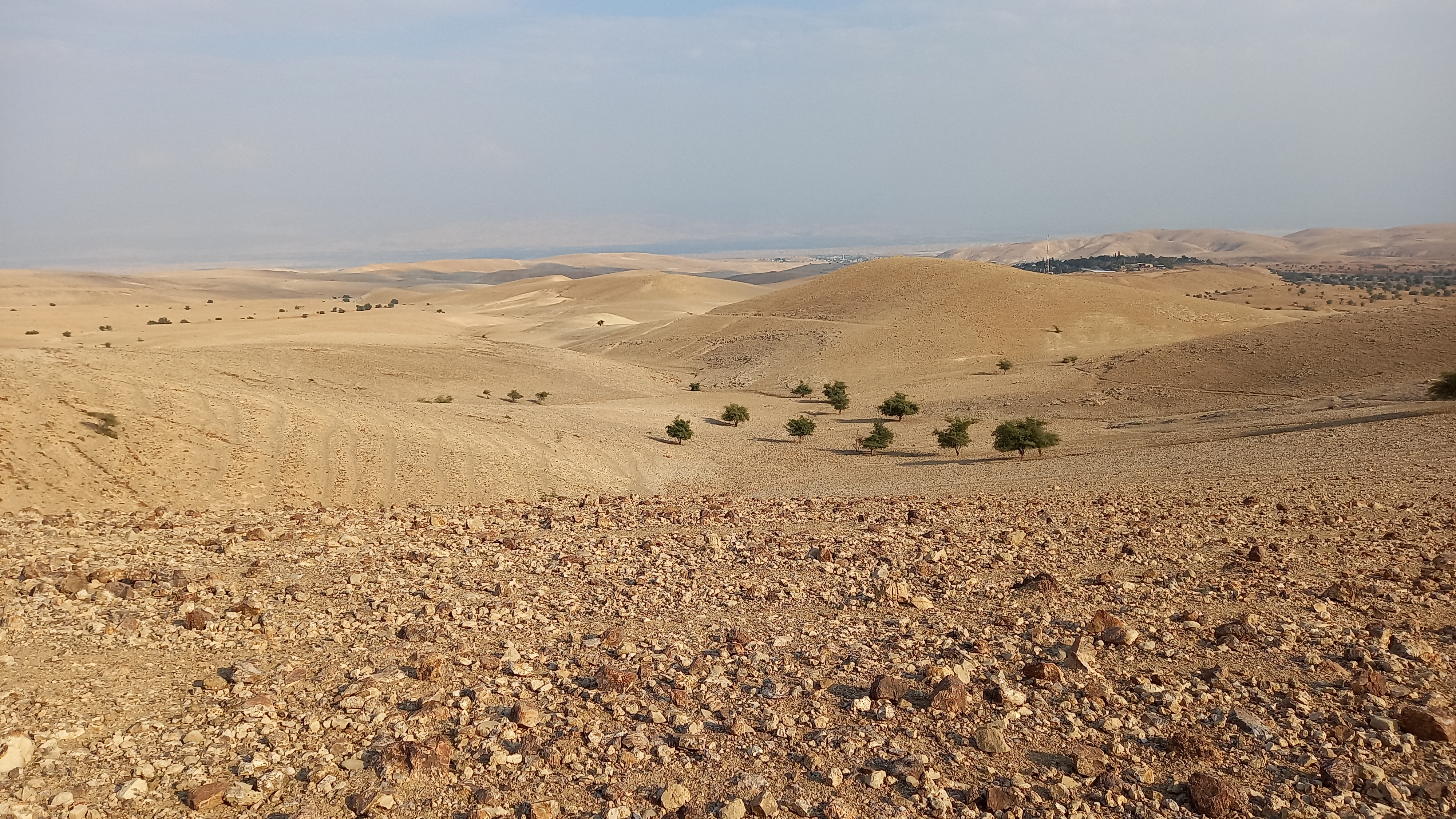
Overview
Jericho is a site of extraordinary archaeological depth, where excavators have unearthed the remains of more than 20 successive settlements, the first of which dates back 11,000 years (to 9000 BCE)1Jericho — wiki · Wikipedia ↗. That earliest horizon sits almost at the very beginning of the Holocene epoch of the Earth's history1. The site is the type site for the Pre-Pottery Neolithic A (PPNA) and Pre-Pottery Neolithic B (PPNB) periods2Jericho — sec3 · Wikipedia ↗. In 2023 the archaeological site in the center of the city, known as Tell es-Sultan / Old Jericho, was inscribed in UNESCO's list as a World Heritage Site in the State of Palestine, and described as the "oldest fortified city in the world"1.
The earliest excavated settlement was located at the present-day Tell es-Sultan (or Sultan's Hill), a couple of kilometers from the current city2. Epipaleolithic construction at the site appears to predate the invention of agriculture, with the construction of Natufian culture structures beginning earlier than 9000 BCE, the beginning of the Holocene epoch in geologic history3Jericho — sec4 · Wikipedia ↗. The first permanent settlement on the site of Jericho developed near the Ein es-Sultan spring between 9,500 and 9000 BCE4Jericho — sec6 · Wikipedia ↗. The Pre-Pottery Neolithic eras at Jericho are divided into PPNA and PPNB5Jericho — sec5 · Wikipedia ↗.
Its cultures lacked pottery, but featured small circular dwellings, burial of the dead under the floor of buildings, reliance on hunting of wild game, and cultivation of wild or domestic cereals4. The site is a 40,000 m (430,000 sq ft) settlement surrounded by a massive stone wall over 3.6 m (12 ft) high and 1.8 m (5 ft 11 in) wide at the base, inside of which stood a stone tower, over 8.5 metres (28 ft) high, containing an internal staircase with 22 stone steps and placed in the centre of the west side of the tell4.
After the PPNA settlement phase, there was a settlement hiatus of around five centuries, then the PPNB settlement was founded on the eroded surface of the tell6Jericho — sec7 · Wikipedia ↗. The PPNB was a period of about 1.4 millennia, from 7220 to 5850 BCE (though carbon-14-dates are few and early)6. In the late 4th millennium BCE, Jericho was occupied during Neolithic 2 and the general character of the remains on the site link it culturally with Neolithic 2 (or PPNB) sites in the West Syrian and Middle Euphrates groups6.
The Italian-Palestinian Expedition carried out 13 seasons in 20 years (1997–2017), with some major discoveries, like Tower A1 in the Middle Bronze Age southern Lower Town and Palace G on the eastern flanks of the Spring Hill overlooking the Spring of 'Ain es-Sultan dating from Early Bronze III7Jericho — sec2 · Wikipedia ↗. The Jericho Mafjar Project investigating the site was a collaboration between the ministry and archaeologists from the University of Chicago8Jericho — palace · Reference ↗. According to the Global Heritage Fund (GHF), the rapid urban development of Jericho, as well as expansion of agricultural activity in the area, are limiting archaeologists' access to the site, much of which remain unexplored8.
Excavation of Tell es-Sultan and Tulul Abu el-'Alayiq was undertaken by Ernst Sellin and Carl Watzinger between 1907 and 1909 and again in 1911, while John Garstang worked at the site between 1930 and 19367. In both Arabic and Hebrew the word tell denotes a "mound", the form that consecutive layers of habitation build up over time at ancient settlements across the Middle East and Anatolia2.
The Ein es-Sultan spring at what would become Jericho served as a popular camping ground for Natufian hunter-gatherer groups, who left behind a scattering of crescent-shaped microlith tools3. At Jericho circular dwellings were built of clay and straw bricks left to dry in the sun, plastered together with a mud mortar4.
Administrative control of Jericho was handed over to the Palestinian Authority in 19941. The archaeologist Michael Jennings suggests that separation provided protection, as Jericho was at the time a mostly Christian settlement8. The palace associated with the site lay immediately east of a road running north from Jericho through the Jordan Valley and connecting to Damascus8.
Elsewhere in the region, Shechem is now identified with the nearby site of Tell Balata in the Balata al-Balad suburb of the West Bank9Jericho — nablus · Reference ↗, and the 1927 Jericho earthquake destroyed many of Nablus' historic buildings, including the An-Nasr Mosque9. Another menorah relief was found nearby on a stone close to the remains of a monumental ancient wall10Jericho — hebron · Reference ↗.
1. Location and the Tell
The earliest excavated settlement at Jericho lay at Tell es-Sultan, a site a couple of kilometers from the present city. In both Arabic and Hebrew the word tell means "mound" 2. Such mounds accumulated through consecutive layers of habitation built up over time, a pattern common to ancient settlements across the Middle East and Anatolia 7.
The site drew its first occupants to the Ein es-Sultan spring, which served as a popular camping ground for Natufian hunter-gatherer groups 3. These groups left behind a scattering of crescent-shaped microlith tools 2.
The settlement that rose there covered 40,000 m (430,000 sq ft) and was surrounded by a massive stone wall over 3.6 m (12 ft) high and 1.8 m (5 ft 11 in) wide at the base 4. Its circular dwellings were built of clay and straw bricks left to dry in the sun and plastered together with a mud mortar 5.
Excavation of the tell began with Ernst Sellin and Carl Watzinger, who worked at Tell es-Sultan and Tulul Abu el-'Alayiq between 1907 and 1909 and again in 1911 7. John Garstang excavated between 1930 and 1936 1.
Within the wall stood a stone tower over 8.5 metres (28 ft) high, fitted with an internal staircase of 22 stone steps and set at the centre of the west side of the tell 4. This tower, together with the even older examples excavated at Tell Qaramel in Syria, ranks as the oldest tower ever discovered 4.
Occupation at the site is dated to 9500–6500 BCE 5. After the PPNA settlement phase came a hiatus of around five centuries, and the PPNB settlement was then founded on the eroded surface of the tell 6.
In 2023 the archaeological site in the centre of the city, known as Tell es-Sultan / Old Jericho, was inscribed on UNESCO's list as a World Heritage Site in the State of Palestine and described as the "oldest fortified city in the world" 1.
2. Epipaleolithic and Natufian Beginnings
The earliest construction at Jericho appears to predate the invention of agriculture, placing the site among the first places where people built permanent structures before they farmed.4 Structures associated with the Natufian culture at the site begin earlier than 9000 BCE, the threshold of the Holocene epoch.4 The calibrated carbon 14 dates for Jericho current as of 2013 anchor this early sequence.4 The reconstruction of the Natufian-Jericho skull belongs to this same formative horizon.4
The wall and tower at the site would have taken a hundred men more than a hundred days to construct, a labour demand that suggests some kind of social organization.4 The wall may have served as a defence against flood water, possibly to prevent the erosion of agricultural soil, while the tower was used for ceremonial purposes.5
The spring of Ein es-Sultan, at the spot that would become Jericho, drew Natufian hunter-gatherer groups as a favoured camping ground.3 What these groups left behind was a scatter of crescent-shaped microlith tools.3
3. Pre-Pottery Neolithic A (PPNA)
The first permanent settlement on the site of Jericho developed near the Ein es-Sultan spring between 9,500 and 9000 BCE4. This occupation belongs to the Pre-Pottery Neolithic A (PPNA), the earlier of the two Pre-Pottery Neolithic phases at the site4.
The culture of this phase lacked pottery4. Its settlements were characterized by small circular dwellings4. The dead were buried under the floor of buildings4. Subsistence rested on the hunting of wild game4. The community also cultivated wild or domestic cereals4.
Among the notable artifacts of the period is the head of an ancestor statue from Jericho4.
Jericho is the type site for the Pre-Pottery Neolithic A and Pre-Pottery Neolithic B periods2. The Pre-Pottery Neolithic eras at the site are divided into these two phases5. The earliest excavated settlement lay at the present-day Tell es-Sultan, or Sultan's Hill, a couple of kilometers from the current city2.
The PPNA wall may have served as a defence against flood water, possibly to prevent the erosion of agricultural soil, with the tower used for ceremonial purposes4.
After the PPNA settlement phase there was a settlement hiatus of around five centuries, and the PPNB settlement was then founded on the eroded surface of the tell6. The PPNB was a period of about 1.4 millennia, from 7220 to 5850 BCE, though carbon-14 dates are few and early6.
4. The Wall and Tower
The settlement at Jericho covers 40,000 m (430,000 sq ft) and is enclosed by a massive stone wall over 3.6 m (12 ft) high and 1.8 m (5 ft 11 in) wide at the base 4. Within this enclosure stood a stone tower over 8.5 metres (28 ft) high 5. The tower contained an internal staircase with 22 stone steps and was placed in the centre of the west side of the tell 4.
The wall may have served as a defence against flood water, possibly to prevent the erosion of agricultural soil, while the tower is thought to have been used for ceremonial purposes 4.
Later investigation of the site was carried out by the Italian-Palestinian Expedition, which completed 13 seasons in 20 years (1997–2017) and produced major discoveries such as Tower A1 in the Middle Bronze Age 7.
The construction of the wall and tower would have taken a hundred men more than a hundred days to complete, a scale of effort that points to some form of social organization 4. This tower, together with the even older examples excavated at Tell Qaramel in Syria, ranks among the oldest towers ever discovered 4.
The Italian-Palestinian Expedition also uncovered Palace G on the eastern flanks of the Spring Hill overlooking the Spring of 'Ain es-Sultan, a structure dating from Early Bronze III 7.
5. Pre-Pottery Neolithic B (PPNB)
The Pre-Pottery Neolithic B (PPNB) was a period of about 1.4 millennia, from 7220 to 5850 BCE, though carbon-14 dates are few and early 6. After the PPNA settlement phase there was a settlement hiatus of around five centuries, then the PPNB settlement was founded on the eroded surface of the tell 6. In the late 4th millennium BCE Jericho was occupied during Neolithic 2 and the general character of the remains on the site link it culturally with Neolithic 2 (or PPNB) sites in the West Syrian and Middle Euphrates groups 6.
Jericho is the type site for the Pre-Pottery Neolithic A (PPNA) and Pre-Pottery Neolithic B (PPNB) periods 2. The Pre-Pottery Neolithic eras at the site are divided into PPNA and PPNB 5. The first permanent settlement on the site developed near the Ein es-Sultan spring between 9,500 and 9000 BCE 4. The earliest excavated settlement was located at the present-day Tell es-Sultan (or Sultan's Hill), a couple of kilometers from the current city 2. Epipaleolithic construction at the site appears to predate the invention of agriculture, with the construction of Natufian culture structures beginning earlier than 9000 BCE, the beginning of the Holocene epoch in geologic history 3. Its cultures lacked pottery, but featured small circular dwellings, burial of the dead under the floor of buildings, reliance on hunting of wild game, and cultivation of wild or domestic cereals 4. The wall may have served as a defence against flood water (possibly to prevent the erosion of agricultural soil), with the tower used for ceremonial purposes 4.
6. Excavation History
The archaeological record of Jericho was first opened by Ernst Sellin and Carl Watzinger, who excavated Tell es-Sultan and Tulul Abu el-'Alayiq between 1907 and 1909 and again in 1911 7. John Garstang then directed work at the site between 1930 and 1936 7.
A later phase of fieldwork was undertaken by the Italian-Palestinian Expedition, which carried out 13 seasons in 20 years spanning 1997 to 2017 7. The campaign produced several major discoveries 7. Among them is Tower A1, located in the Middle Bronze Age southern Lower Town 7. A second is Palace G, situated on the eastern flanks of the Spring Hill overlooking the Spring of 'Ain es-Sultan and dating from Early Bronze III 7.
The earliest excavated settlement lay at Tell es-Sultan, also called Sultan's Hill, a couple of kilometers from the present-day city 2. In both Arabic and Hebrew the word tell denotes a mound, the form that successive layers of habitation built up over time, as is common at ancient settlements across the Middle East and Anatolia 2. Archaeologists have unearthed remains of more than 20 successive settlements at Jericho, the first dating back 11,000 years to 9000 BCE, almost to the beginning of the Holocene epoch 1.
Epipaleolithic construction at the site appears to predate the invention of agriculture, with Natufian culture structures beginning earlier than 9000 BCE 3. The Ein es-Sultan spring at what would become Jericho served as a popular camping ground for Natufian hunter-gatherer groups, who left behind a scattering of crescent-shaped microlith tools 3. The first permanent settlement developed near the same spring between 9,500 and 9000 BCE 4.
Jericho is the type site for the Pre-Pottery Neolithic A (PPNA) and Pre-Pottery Neolithic B (PPNB) periods 2. These cultures lacked pottery but featured small circular dwellings, burial of the dead beneath the floors of buildings, reliance on hunting of wild game, and cultivation of wild or domestic cereals 4. The PPNB spanned about 1.4 millennia, from 7220 to 5850 BCE, though carbon-14 dates for it are few and early 6. After the PPNA phase a settlement hiatus of around five centuries followed, after which the PPNB settlement was founded on the eroded surface of the tell 6.
7. Conservation and Heritage Status
According to the Global Heritage Fund (GHF) rapid urban development of Jericho and expansion of agricultural activity in the area are limiting archaeologists' access to the site, much of which remains unexplored 8.
In 2023 the archaeological site in the center of the city, known as Tell es-Sultan / Old Jericho, was inscribed in UNESCO's list as a World Heritage Site in the State of Palestine and described as the "oldest fortified city in the world" 1.
The earliest excavated settlement was located at the present-day Tell es-Sultan (or Sultan's Hill), a couple of kilometers from the current city 2.
Excavation at Tell es-Sultan and Tulul Abu el-'Alayiq was undertaken by Ernst Sellin and Carl Watzinger between 1907 and 1909 and again in 1911, and John Garstang worked at the site between 1930 and 1936 7. The Italian-Palestinian Expedition carried out 13 seasons in 20 years (1997–2017), with some major discoveries, like Tower A1 in the Middle Bronze Age southern Lower Town and Palace G on the eastern flanks of the Spring Hill overlooking the Spring of 'Ain es-Sultan dating from Early Bronze III 7.
Archaeologists have unearthed the remains of more than 20 successive settlements in Jericho, the first of which dates back 11,000 years (to 9000 BCE), almost to the very beginning of the Holocene epoch of the Earth's history 1. The first permanent settlement on the site of Jericho developed near the Ein es-Sultan spring between 9,500 and 9000 BCE 4. Epipaleolithic construction at the site appears to predate the invention of agriculture, with the construction of Natufian culture structures beginning earlier than 9000 BCE, the beginning of the Holocene epoch in geologic history 3. The Ein es-Sultan spring at what would become Jericho was a popular camping ground for Natufian hunter-gatherer groups, who left a scattering of crescent-shaped microlith tools behind them 3.
Jericho is the type site for the Pre-Pottery Neolithic A (PPNA) and Pre-Pottery Neolithic B (PPNB) periods 2. Its cultures lacked pottery, but featured small circular dwellings, burial of the dead under the floor of buildings, reliance on hunting of wild game, and cultivation of wild or domestic cereals 4. After the PPNA settlement phase, there was a settlement hiatus of around five centuries, then the PPNB settlement was founded on the eroded surface of the tell 6. The PPNB was a period of about 1.4 millennia, from 7220 to 5850 BCE (though carbon-14 dates are few and early) 6.
In both Arabic and Hebrew, tell means "mound"; consecutive layers of habitation built up a mound over time, as is common for ancient settlements in the Middle East and Anatolia 2. Administrative control of Jericho was handed over to the Palestinian Authority in 1994 1.
8. Key dates
- 1907Ernst Sellin and Carl Watzinger excavated Tell es-Sultan and Tulul Abu el-'Ala…Ernst Sellin and Carl Watzinger excavated Tell es-Sultan and Tulul Abu el-'Alayiq between 1907 and 1909, and in 1911, and John Garstang excavated between 1930 and 1936.
- 1927The 1927 Jericho earthquake destroyed many of the Nablus' historic buildings…The 1927 Jericho earthquake destroyed many of the Nablus' historic buildings, including the An-Nasr Mosque.
- 1994Administrative control of Jericho was handed over to the Palestinian Authority…Administrative control of Jericho was handed over to the Palestinian Authority in 1994.
- 1997The Italian-Palestinian Expedition carried out 13 seasons in 20 years (1997–20…The Italian-Palestinian Expedition carried out 13 seasons in 20 years (1997–2017), with some major discoveries, like Tower A1 in the Middle Bronze Age southern Lower Town and Palace G on the eastern flanks of the Spring Hill overlooking the Spring of 'Ain es-Sultan dating from Ea
- 2013 10,000 BCE Calibrated carbon 14 dates for Jericho as of 2013 Reconstruc… 10,000 BCE Calibrated carbon 14 dates for Jericho as of 2013 Reconstruction of the Natufian-Jericho skull Epipaleolithic construction at the site appears to predate the invention of agriculture , with the construction of Natufian culture structures beginning earlier than 9
- 2022( March 2022 ) ( Learn how and when to remove this message ) The Pre-Pottery( March 2022 ) ( Learn how and when to remove this message ) The Pre-Pottery Neolithic eras at Jericho are divided into PPNA and PPNB.
- 2023In 2023, the archaeological site in the center of the city, known as Tell es-S…In 2023, the archaeological site in the center of the city, known as Tell es-Sultan / Old Jericho, was inscribed in UNESCO's list as a World Heritage Site in the State of Palestine, and described as the "oldest fortified city in the world".
9. Frequently asked questions
What is the oldest tower ever discovered at Jericho, and how does it compare with others?
Who controlled Jericho administratively in the 1990s?
Administrative control of Jericho was handed over to the Palestinian Authority in 19941.
What did the Italian-Palestinian Expedition find at the Spring Hill?
Palace G lies on the eastern flanks of the Spring Hill overlooking the Spring of 'Ain es-Sultan and dates from Early Bronze III1.
How was the palace complex near Jericho laid out?
Where did the road beside the palace lead?
The palace was immediately east of a road running north from Jericho, through the Jordan Valley, and connecting to Damascus8.
What happened to Nablus in the 1927 earthquake?
The 1927 Jericho earthquake destroyed many of the Nablus' historic buildings, including the An-Nasr Mosque9.
References (10)
- 1Jericho — wiki — Wikipedia Web↩View source
- 2Jericho — sec3 — Wikipedia Web↩View source
- 3Jericho — sec4 — Wikipedia Web↩View source
- 4Jericho — sec6 — Wikipedia Web↩View source
- 5Jericho — sec5 — Wikipedia Web↩View source
- 6Jericho — sec7 — Wikipedia Web↩View source
- 7Jericho — sec2 — Wikipedia Web↩View source
- 8Jericho — palace — Reference Web↩View source
- 9Jericho — nablus — Reference Web↩View source
- 10Jericho — hebron — Reference Web↩View source