Palmyra
The desert caravan city destroyed by ISIS in 2015.
Overview
Palmyra is an oasis city of the Syrian desert, the center of the wider region known as Palmyrena or Palmyrene, which also takes in a hinterland of settlements, farms and forts1Palmyra — sec2 · Wikipedia ↗. The city lies 215 km (134 mi) northeast of Damascus, the Syrian capital1. Its position made Palmyrena a key stop along the trade routes linking the Mediterranean world with Mesopotamia and the Iranian plateau to the east and with the Arabian Peninsula to the south2Palmyra — palmyrena · Reference ↗.
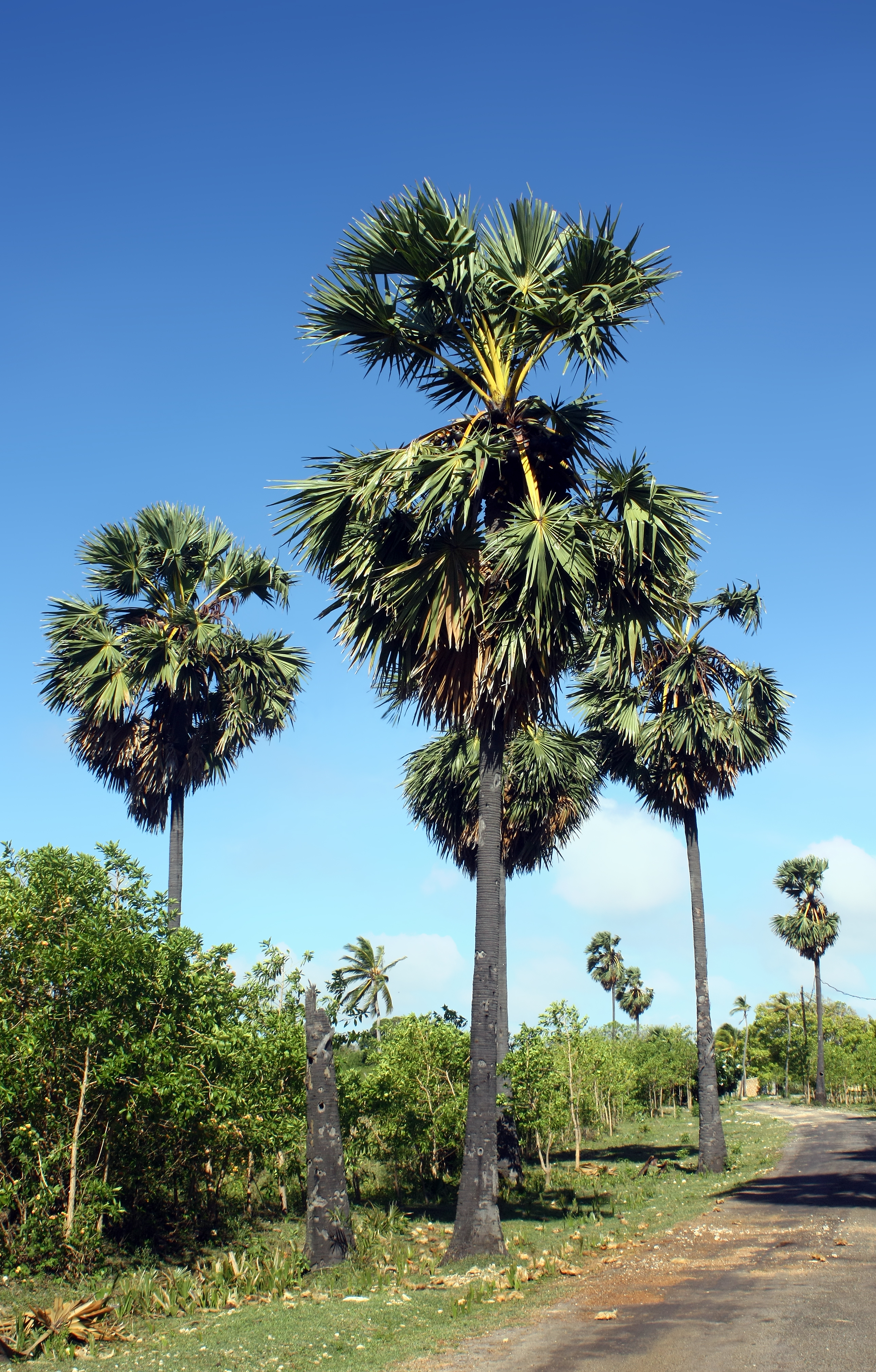
The city stands in an oasis surrounded by palms, of which twenty varieties have been reported1. A small wadi, al-Qubur (Valley of the Tombs), crosses the area, flowing from the western hills past the city before disappearing in the eastern gardens of the oasis1.
Palmyra changed hands on a number of occasions between different empires before becoming a subject of the Roman Empire in the first century AD3Palmyra — wiki · Wikipedia ↗. By the 1st century BCE it had become a client city of Rome and part of the Roman province of Syria2. Before 273 AD the city enjoyed autonomy and remained attached to the province of Syria, its political organization influenced by the Greek city-state model during the first two centuries AD3. By the time of Nero it had four tribes, each residing in an area of the city bearing its name4Palmyra — sec8 · Wikipedia ↗.
By the third century Palmyra had become a prosperous regional center3. At its height during the reign of Zenobia (around 270) the city had more than 200,000 residents5Palmyra — sec4 · Wikipedia ↗. In the 3rd century CE, under Queen Zenobia, it led a short-lived breakaway state known as the Palmyrene Empire, controlling much of the Eastern Mediterranean before being reconquered by Rome2. The city's population shrank following its integration into the Roman Empire after the rebellion of Zenobia, and during the succeeding Umayyad Caliphate Palmyra was mainly inhabited by the Banu Kalb5.
Palmyra declined after its destruction by Timur in 1400 and was a village of 6,000 inhabitants at the beginning of the 20th century5. Following that destruction the site maintained the life of a small settlement until its relocation in 19324.
During the Syrian civil war in 2015 the Islamic State captured Palmyra and destroyed large parts of the ancient city, which was recaptured by the Syrian Army on 2 March 20173.
The name Tadmor is attested from the early second millennium BC; tablets from Mari written in cuneiform in the 18th century BC record it as "Ta-ad-mi-ir", while Assyrian inscriptions of the 11th century BC give "Ta-ad-mar"6Palmyra — sec1 · Wikipedia ↗. Palmyrene inscriptions themselves show two variants, TDMR (Tadmar) and TDMWR (Tadmor)6. The Greek name Παλμύρα, Latinized as Palmyra, was first recorded by Pliny the Elder in the first century AD6.
Palmyra began as a small Neolithic settlement near the Efqa spring on the southern bank of Wadi al-Qubur, and the much later Hellenistic settlement was likewise placed near that spring on the same bank7Palmyra — sec3 · Wikipedia ↗. The Hellenistic period of West Asia shaped the city's culture, which produced a distinctive art and architecture combining different Mediterranean traditions3.
Classical Palmyra was a tribal community, though the scarcity of sources leaves the nature of its tribal structure beyond understanding4. Its population was a mixture of different peoples, reflected in Aramaic, Arabic and Amorite names among Palmyrene clans, and the ethnicity of the city remains a matter of debate8Palmyra — sec6 · Wikipedia ↗. Members of the Palmyrene diaspora consistently made their Palmyrene origin clear, used the Palmyrene language and kept their distinct religion even where the host society's religion was close to that of Palmyra8. Many scholars attribute the disappearance of the language to a change in society brought about by the reorganization of the Eastern Roman frontier after the fall of Zenobia9Palmyra — sec7 · Wikipedia ↗.
In 194 CE Palmyra became part of Syria Phoenice when Septimius Severus divided Syria2. Archaeological research devoted to Palmyrena as a region, and not only to the city, truly began in the first half of the 20th century under Alois Musil, Antoine Poidebard and Daniel Schlumberger2.
1. Etymology
Records of the name "Tadmor" reach back to the early second millennium BC; tablets from Mari written in cuneiform in the 18th century BC record the name as "Ta-ad-mi-ir" while Assyrian inscriptions of the 11th century BC record it as "Ta-ad-mar" 6. The city's own inscriptions preserved two variants of the name TDMR (that is Tadmar) and TDMWR (that is Tadmor) 6.
The Greek name Παλμύρα (Latinized Palmyra) was first recorded by Pliny the Elder in the first century AD 6. It is generally believed that "Palmyra" derives from "Tadmor" and linguists have presented two possibilities; one view holds that Palmyra was an alteration of Tadmor 6. The second view, supported by some philologists such as Jean Starcky holds that Palmyra is a translation of "Tadmor" (assuming that it meant palm) which had derived from the Greek word for palm "palame" 6.
2. Geography and Layout
The walls of the city at the time of Zenobia originally enclosed an extensive area on both banks of the wadi7. The walls rebuilt during Aurelian's reign surrounded only the northern-bank section1.
Palmyra lies 215 km (134 mi) northeast of Damascus, the Syrian capital1. Together with an expanded hinterland of several settlements, farms, and forts, the city belongs to the region known as Palmyrena or Palmyrene1. Palmyrena encompassed the oasis city and its surrounding desert hinterlands and formed a key stop along trade routes connecting the Mediterranean world with Mesopotamia and the Iranian plateau to the east, and with the Arabian Peninsula to the south2. The city sits in an oasis surrounded by palms, of which twenty varieties have been reported1.
Palmyra began as a small Neolithic settlement near the Efqa spring on the southern bank of Wadi al-Qubur7. The much later Hellenistic settlement was also located near the Efqa spring on the southern bank of Wadi al-Qubur7. By the time of Nero the city had four tribes, each residing in an area of the city bearing its name4.
The city changed hands on a number of occasions between different empires before becoming a subject of the Roman Empire in the first century AD3. By the 1st century BCE it had become a client city of the Roman Empire and part of the Roman province of Syria2. By the third century Palmyra had become a prosperous regional center3. At its height during the reign of Zenobia (around 270) the city had more than 200,000 residents5. Its population shrank following its integration into the Roman Empire after the rebellion of Zenobia, and during the succeeding Umayyad Caliphate Palmyra was mainly inhabited by the Banu Kalb5.
The Hellenistic period of West Asia influenced the culture of Palmyra, which produced distinctive art and architecture combining different Mediterranean traditions3. Classical Palmyra was a tribal community, but owing to the lack of sources the nature of its tribal structure cannot be understood4. Its population was a mixture of the different peoples inhabiting the city, as seen in the Aramaic, Arabic and Amorite names of Palmyrene clans, though the ethnicity of Palmyra remains a matter of debate8. Many scholars ascribe the disappearance of the Palmyrene language to a change in society resulting from the reorganization of the Eastern Roman frontier following the fall of Zenobia9.
3. History
Palmyra entered the orbit of Rome by the 1st century BCE, when it became a client city of the Roman Empire and was incorporated into the Roman province of Syria 2. The city's later decline was bound up with its integration into the empire, a process that followed the rebellion of Zenobia 5. Under the succeeding Umayyad Caliphate the settlement was mainly inhabited by the Banu Kalb 5.
In 2015 during the Syrian civil war the Islamic State captured Palmyra and destroyed large parts of the ancient city 3. The Syrian Army recaptured the site on 2 March 2017 3.
The name of the place is older than the city's classical phase. Records of "Tadmor" reach back to the early second millennium BC, with 18th-century BC cuneiform tablets from Mari writing the name as "Ta-ad-mi-ir" and Assyrian inscriptions of the 11th century BC writing it as "Ta-ad-mar" 6. Palmyrene inscriptions themselves preserve two variants, TDMR (Tadmar) and TDMWR (Tadmor) 6. The Greek form Παλμύρα, Latinized as Palmyra, was first recorded by Pliny the Elder in the first century AD 6.
Settlement at the site began as a small Neolithic community near the Efqa spring on the southern bank of Wadi al-Qubur 7. The much later Hellenistic town occupied a position near the same spring and the same bank 7. Palmyra passed between different empires on a number of occasions before it became a subject of Rome in the first century AD 3. Hellenistic culture in West Asia shaped the city's own, which produced a distinctive art and architecture combining different Mediterranean traditions 3. By the third century the city had grown into a prosperous regional center 3, and at its height under Zenobia around 270 it counted more than 200,000 residents 5.
The city stands in an oasis surrounded by palms, of which twenty varieties have been reported 1. It lies 215 km (134 mi) northeast of Damascus, the Syrian capital, and together with an expanded hinterland of settlements, farms and forts forms the region known as Palmyrena or Palmyrene 1. Scholarly research devoted to that wider region, rather than to the city alone, began in earnest in the first half of the 20th century under Alois Musil, Antoine Poidebard and Daniel Schlumberger 2.
In administrative terms the city was reassigned in 194 CE, when the division of Syria by Septimius Severus made it part of Syria Phoenice 2. Classical Palmyra was a tribal community, though the sources are too thin to establish the nature of its tribal structure 4; by the time of Nero it had four tribes, each residing in a district of the city bearing its name 4. Its population was a mixture of the peoples inhabiting the city, reflected in Aramaic, Arabic and Amorite clan names, and the question of Palmyrene ethnicity remains a matter of debate 8. Members of the Palmyrene diaspora abroad kept their origin and language explicit and maintained their own religion even where the host society's faith was close to Palmyra's 8.
The disappearance of the Palmyrene language is ascribed by many scholars to a change in society brought about by the reorganization of the Eastern Roman frontier after the fall of Zenobia 9. A commander named Zabdibel is mentioned in the texts as leading "the Arabs and neighbouring tribes to the number of ten thousands"; his men are not identified there as Palmyrenes, but the name Zabdibel is itself Palmyrene, which leads to the conclusion that he came from Palmyra 10Palmyra — sec5 · Wikipedia ↗.
4. Society and Culture
The population of classical Palmyra was a mixture of the different peoples inhabiting the city, a mixture visible in the Aramaic, Arabic and Amorite names borne by Palmyrene clans 8. The same composite character of the city's clans is recorded in the parallel account of its ethnic identity 5. What this mixture meant for the identity of the Palmyrenes themselves remains a matter of debate 8.
The tribal framework gave the community its durable shape, and the tribes still carried weight long after the city's political fortunes turned. The last Palmyrene inscription of 279/280 refers to the honoring of a citizen by the Maththabolians 4. That act of public honor indicates that the tribal system still carried weight after the fall of Zenobia 4.
Classical Palmyra was a tribal community, yet the sources are too thin to allow any real understanding of how its tribal structure worked 4. By the time of Nero the city had four tribes, each residing in an area of the city bearing its name 4.
The Hellenistic period of West Asia shaped the culture of Palmyra, which produced a distinctive art and architecture combining different Mediterranean traditions 3. Palmyrenes abroad always made their origin clear, used the Palmyrene language, and kept their own religion even where the host society's religion was close to that of Palmyra 8.
Many scholars attribute the disappearance of the language to a change in society brought about by the reorganization of the Eastern Roman frontier after the fall of Zenobia 9. The city's population shrank following its integration into the Roman Empire after Zenobia's rebellion, and during the succeeding Umayyad Caliphate Palmyra was mainly inhabited by the Banu Kalb 5.
At its height during the reign of Zenobia around 270 Palmyra had more than 200,000 residents 5. By the third century it had become a prosperous regional center 3.
5. Key dates
- 1400Palmyra declined after its destruction by Timur in 1400, and was a village of…Palmyra declined after its destruction by Timur in 1400, and was a village of 6,000 inhabitants at the beginning of the 20th century.
- 1715From 1715, the Qajar elite began to assert Merv's independence from the Safavi…From 1715, the Qajar elite began to assert Merv's independence from the Safavid government, but within a decade the oasis became insecure due to raids by Tatars and Turkmens.
- 1856Khiva contested the Tekkes' advance, but in about 1856, the latter became the…Khiva contested the Tekkes' advance, but in about 1856, the latter became the sovereign power in the country, and remained so until the Russians occupied the oasis in 1884.
- 1932Following its destruction by Timur , Palmyra maintained the life of a small se…Following its destruction by Timur , Palmyra maintained the life of a small settlement until its relocation in 1932.
- 2015During the Syrian civil war in 2015, the Islamic State captured Palmyra and de…During the Syrian civil war in 2015, the Islamic State captured Palmyra and destroyed large parts of the ancient city, which was recaptured by the Syrian Army on 2 March 2017.
6. Frequently asked questions
How did Palmyra come to be part of Syria Phoenice?
In 194 CE Palmyra became part of Syria Phoenice as a result of the division of Syria by Septimius Severus2.
What did Palmyra look like in its earliest phase?
What happened to the Palmyrene language?
Many scholars ascribe the disappearance of the language to a change in society resulting from the reorganization of the Eastern Roman frontier following the fall of Zenobia9.
How did Palmyra fare under Umayyad rule?
Palmyra benefited from Umayyad rule, since its role as a frontier city ended and the East-West trade route was restored, leading to the re-emergence of a merchant class4.
What did Palmyrene communities abroad keep of their homeland?
Palmyrene diaspora members always made clear their Palmyrene origin and used the Palmyrene language, and maintained their distinct religion even when the host society's religion was close to that of Palmyra8.
When did scholarly research on the wider region of Palmyrena begin?
Archeological research dedicated to Palmyrena, and not just Palmyra, truly began in the first half of the 20th century, conducted by Alois Musil, Antoine Poidebard and Daniel Schlumberger2.
References (11)
- 1Palmyra — sec2 — Wikipedia Web↩View source
- 2Palmyra — palmyrena — Reference Web↩View source
- 3Palmyra — wiki — Wikipedia Web↩View source
- 4Palmyra — sec8 — Wikipedia Web↩View source
- 5Palmyra — sec4 — Wikipedia Web↩View source
- 6Palmyra — sec1 — Wikipedia Web↩View source
- 7Palmyra — sec3 — Wikipedia Web↩View source
- 8Palmyra — sec6 — Wikipedia Web↩View source
- 9Palmyra — sec7 — Wikipedia Web↩View source
- 10Palmyra — sec5 — Wikipedia Web↩View source
- 11Palmyra — merv — Reference WebView source