Pompeii
The Roman city of Campania buried by the eruption of Vesuvius in 79 CE — its life and destruction, its rediscovery and excavation, the plaster casts of its victims, and its conservation as a UNESCO World Heritage site.
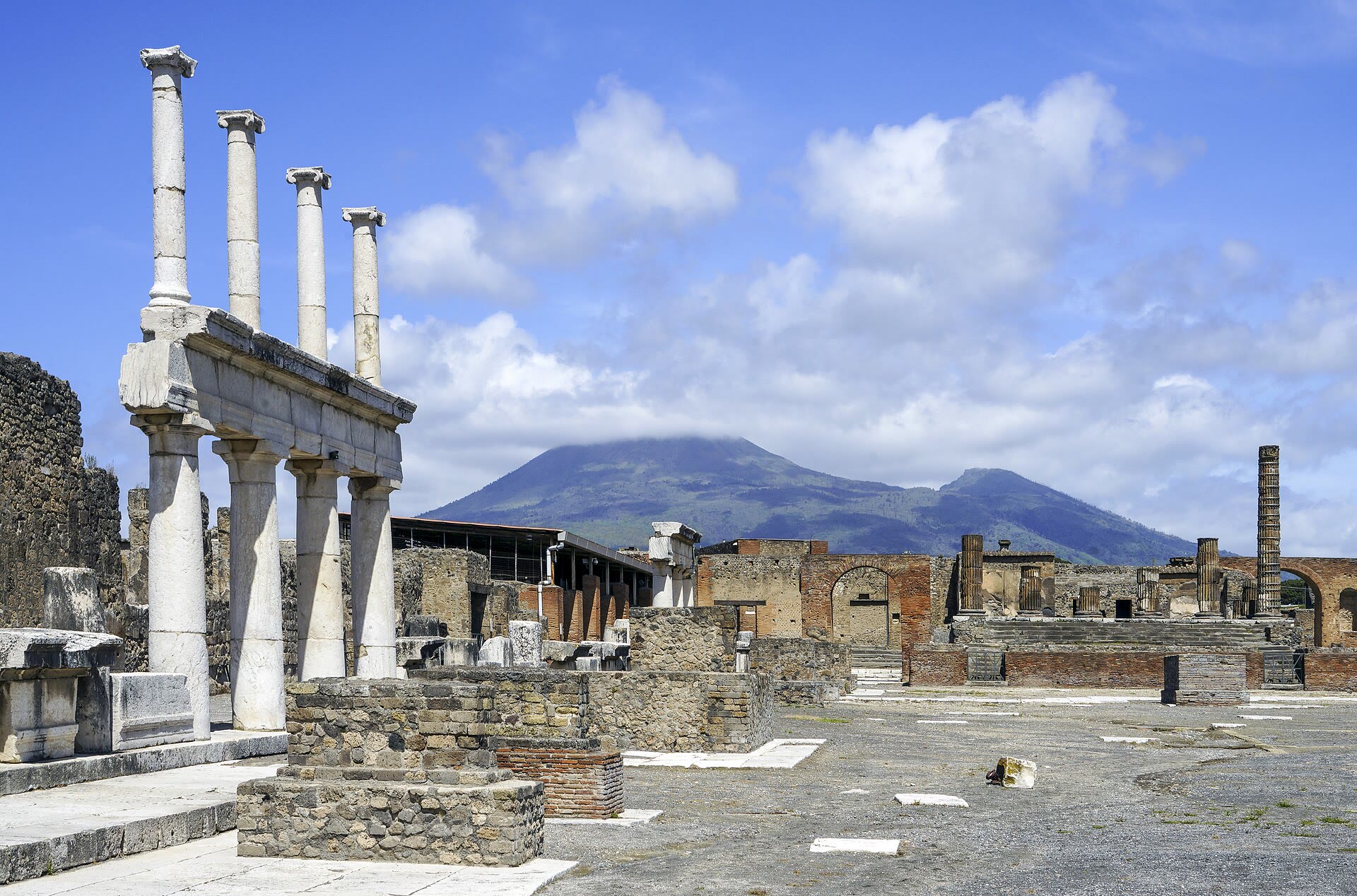
Pompeii was a Roman city of Campania, Italy, at the southeastern base of Mount Vesuvius. Buried under ash and pumice by the eruption of 79 CE — described in the letters of Pliny the Younger — it lay beneath the fields until excavations began in 1748, and its streets, houses, wall paintings and plaster casts of victims have made it the richest record of Roman daily life anywhere. In 1997 the archaeological areas of Pompeii, Herculaneum and Torre Annunziata were inscribed on the UNESCO World Heritage List.
In this article
- 1Overview
- 2Geographical and Volcanic Setting
- 3Early Settlement and Urban Development
- 4Roman Colony and Decline
- 5Eruption of 79 CE
- 6Rediscovery and Excavation History
- 7Archaeological Finds and Preservation
- 8UNESCO World Heritage Status
- 9Timeline: from the first settlement to the modern excavations
- 10Frequently asked questions
- 11Knowledge graph
Overview
Pompeii was a Roman town in Campania, Italy. The town was destroyed when Vesuvius erupted in 79 CE, an event that buried it under a deep layer of volcanic debris.
At the time of its destruction the population of Pompeii stood between 10,000 and 20,000.
1. Geographical and Volcanic Setting
Pompeii lies in Campania, Italy, southeast of Naples, at the southeastern base of Mount Vesuvius and north of the mouth of the Sarnus (Sarno) River. The town stood at the foot of Vesuvius, the mountain whose eruption buried it in 79 CE. Vesuvius itself has a typical frusto-conical shape, with its highest peak reaching 1,277 metres. Its crater currently has a diameter of 450 metres and a depth of 300 metres. The volcano's last eruption occurred in 1944.
Vesuvius is the only active volcano in continental Europe. It forms part of a large volcanic area formed nearly 2 million years ago. Its current shape results from a constant succession of explosive and effusive eruptions in the last 25,000 years. Explosive eruptions classified as plinian or subplinian, named after Pliny the Younger who first described the phenomenon, include those of 79 AD that destroyed Pompeii, Herculaneum, Stabia and Oplonti.
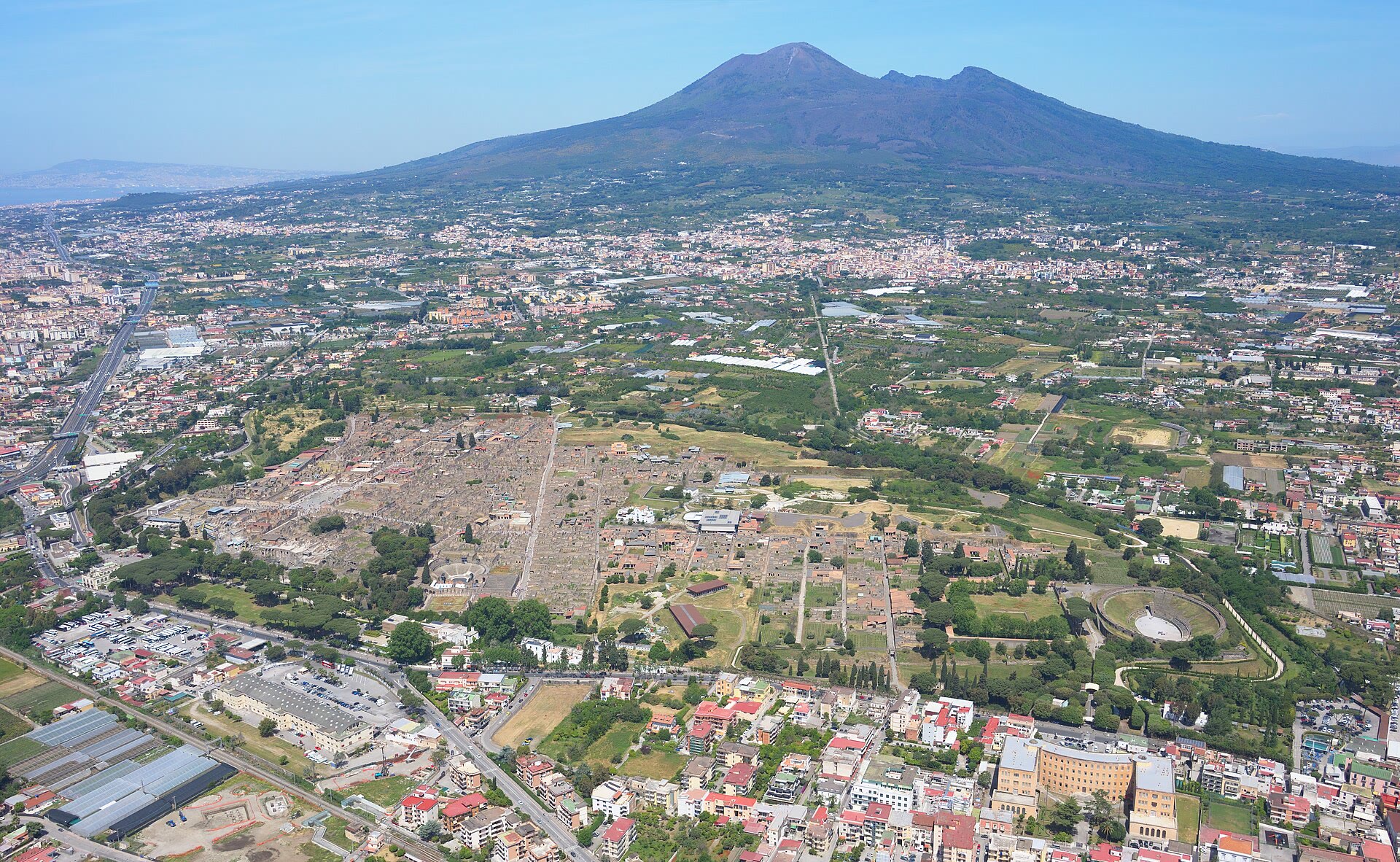
In the centuries preceding the eruption of 79 AD, the area around Vesuvius underwent significant uplift accompanied by seismic events and degassing, all phenomena connected to the deep recharge of magma.
2. Early Settlement and Urban Development
The earliest settlement at Pompeii belonged to Oscan-speaking descendants of the Neolithic inhabitants of Campania, and their village stood near the mouth of the Sarnus River. In the archaic period of the 7th to 6th centuries BCE the town underwent considerable urban development and was defended by a wall that was over 3 kilometres long.
In 308 BCE, two years after its territory had been destroyed by the Romans, the cities in the Sarno Valley concluded a treaty with Rome — the first historical evidence concerning Pompeii, as told by Livy.
3. Roman Colony and Decline
Pompeii's incorporation into the Roman order followed the Social War, during which the town sided with the coalition of rebels and was attacked by Sulla in 89 BCE; along the north-west sector of the walls the holes left by projectiles hurled from catapults are still visible. After 89 BCE a colony of Roman veterans was established under Publius Sulla, and Latin replaced Oscan as the official language. The settlement of veterans is also described as Sulla's colony of Venus, set up in 80 BCE with the re-settling of 4-5,000 legionaries in the town.
Civic life in the colony was not untroubled. A riot in the amphitheater between the Pompeians and the Nucerians in 59 CE is reported by Tacitus, and the Senate punished the town with a ten-year ban on gladiatorial contests. An earthquake in 62 CE did great damage in both Pompeii and Herculaneum, and the cities had not yet recovered when final destruction overcame them 17 years later.
4. Eruption of 79 CE
The eruption that destroyed Pompeii occurred on 24 August 79 CE, the date traditionally accepted, though some scholars believe the event came later in the year, possibly in October or November. A partial inscription discovered at the site in 2018 CE suggests the eruption of 79 CE was actually some time in mid-October. Most archaeologists now hold that the accepted reading of the manuscripts is wrong, and that the correct date was about 24 October.
As recent studies and discoveries suggest, on the 24th of August or October in 79 CE Vesuvius poured down a rain of lapilli and stone fragments onto Pompeii, and the eruption lasted until the next day, causing roofs to collapse and mowing down the first victims. A column of volcanic material rose to a height of 14 km, releasing a shower of lapilli and pumice that the wind began to deposit on Pompeii and the neighbouring towns. Those trapped in the first phase were buried by a shower of pumice stones and lapilli or killed by collapsing roofs, with the volcanic debris reaching about three metres in height. At 7.30 on the day after the eruption began, an extremely violent release of toxic gas and glowing ash devastated the town and penetrated everywhere, taking anyone attempting to escape by surprise and making any kind of defence useless.
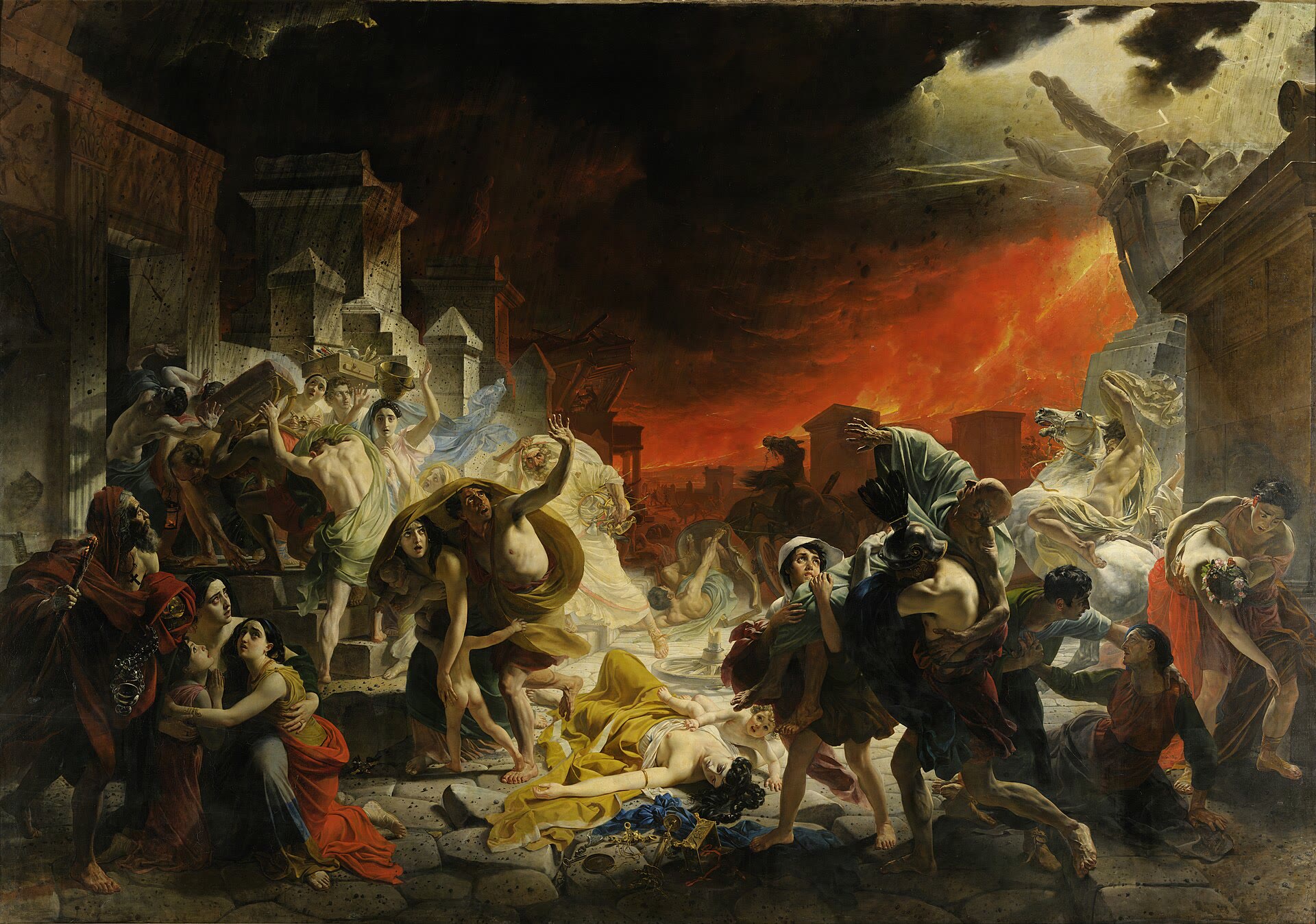
Pompeii remained buried under a layer of pumice stones and ash 19 to 23 feet (6 to 7 metres) deep, and the city’s sudden burial served to protect it for the next 17 centuries from vandalism, looting, and the destructive effects of climate and weather. When the blackness finally thinned and day returned, everything had been transformed and covered with a deep layer of ashes, like snow. Herculaneum, Stabiae, Torre Annunziata and other nearby communities were destroyed as well. Excavations at Pompeii have found the remains of over one thousand victims of the 79 AD eruption.
5. Rediscovery and Excavation History
The work followed a fortunate discovery of certain finds in the vicinity of Civita, which refocused the attention of the Bourbon excavations to this area. The time was not yet ripe, and it needed to wait until 1748 when King Charles III of Bourbon, after ten years of explorations at Herculaneum, decided to excavate on the Civita hill, where structures had emerged. The ruins were initially believed to be the city of Stabiae, and only in 1763 were they discovered to be instead those of the ancient city of Pompeii.
Interest in the buried city had been stirred long before, when at the end of the sixteenth century Count Muzio Tuttavilla had the architect Domenico Fontana construct a canal which crossed the entirety of the Civita hill, and thus the ancient city, without realising the true value of the structures, objects and inscriptions which were revealed during the excavation. Since the excavations begun in 1748 more than 1,000 human victims have been discovered among the city’s ruins. Ancient DNA collected from the famous body casts alters the history that has been written since the once forgotten town’s rediscovery in the 1700s.
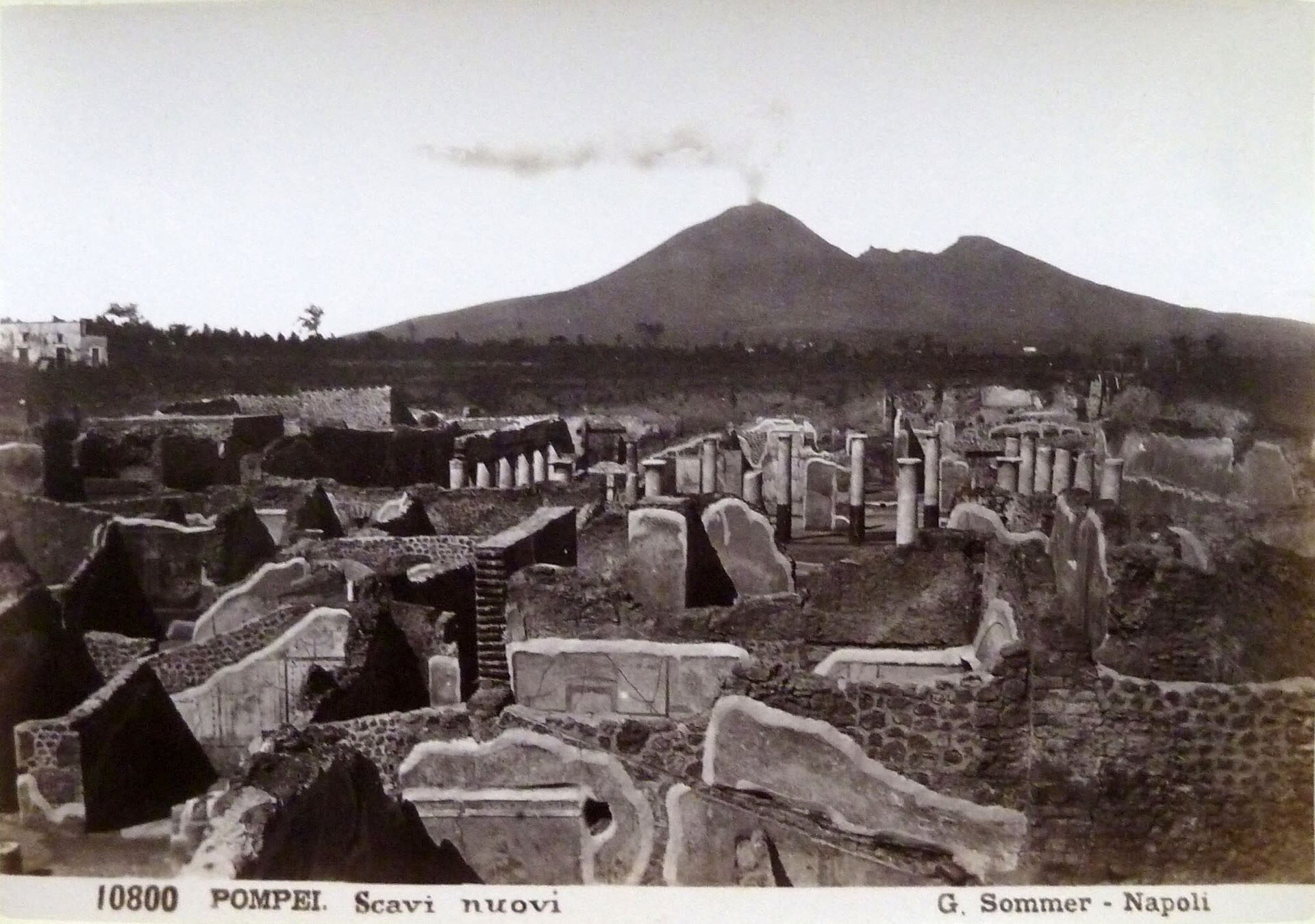
Modern intervention at the site has been organised on a large scale. The Great Pompeii Project arose from an initiative of the Italian government, which enacted Decree Law no. 34/2011 with the aim of developing a special urgent programme of conservation, maintenance, and restoration for the archaeological area of Pompeii. The comprehensive intervention across all fronts of the ancient city formed part of the work of the Great Pompeii Project, was to last approximately two years, and had a total cost of around €8.5 million. The new excavations formed part of a larger stabilisation intervention focusing on the more than 3 km of excavation fronts which run along the 22 hectares of the unexcavated area.
6. Archaeological Finds and Preservation
Since 1863 a little over a hundred casts have been made using the method perfected by Giuseppe Fiorelli. Often mistaken for petrified bodies, these casts are in fact the product of a unique process made possible by the conditions created by the eruption and by an archaeological technique that has evolved over time.
Among the locations where casts have been found is the Garden of the Fugitives, so called on account of the presence of thirteen casts of victims, all still in their original locations. The House with the Garden is known for the discovery of the charcoal inscription which changes the date of eruption, and next to its atrium is the room of skeletons, where the remains of a dozen individuals who took refuge in a vain attempt to save themselves were found. In Regio V, the Thermopolium is notable for the exceptional decoration of its painted counter, with images of a Nereid riding a hippocampus and of animals that were likely prepared and sold there.
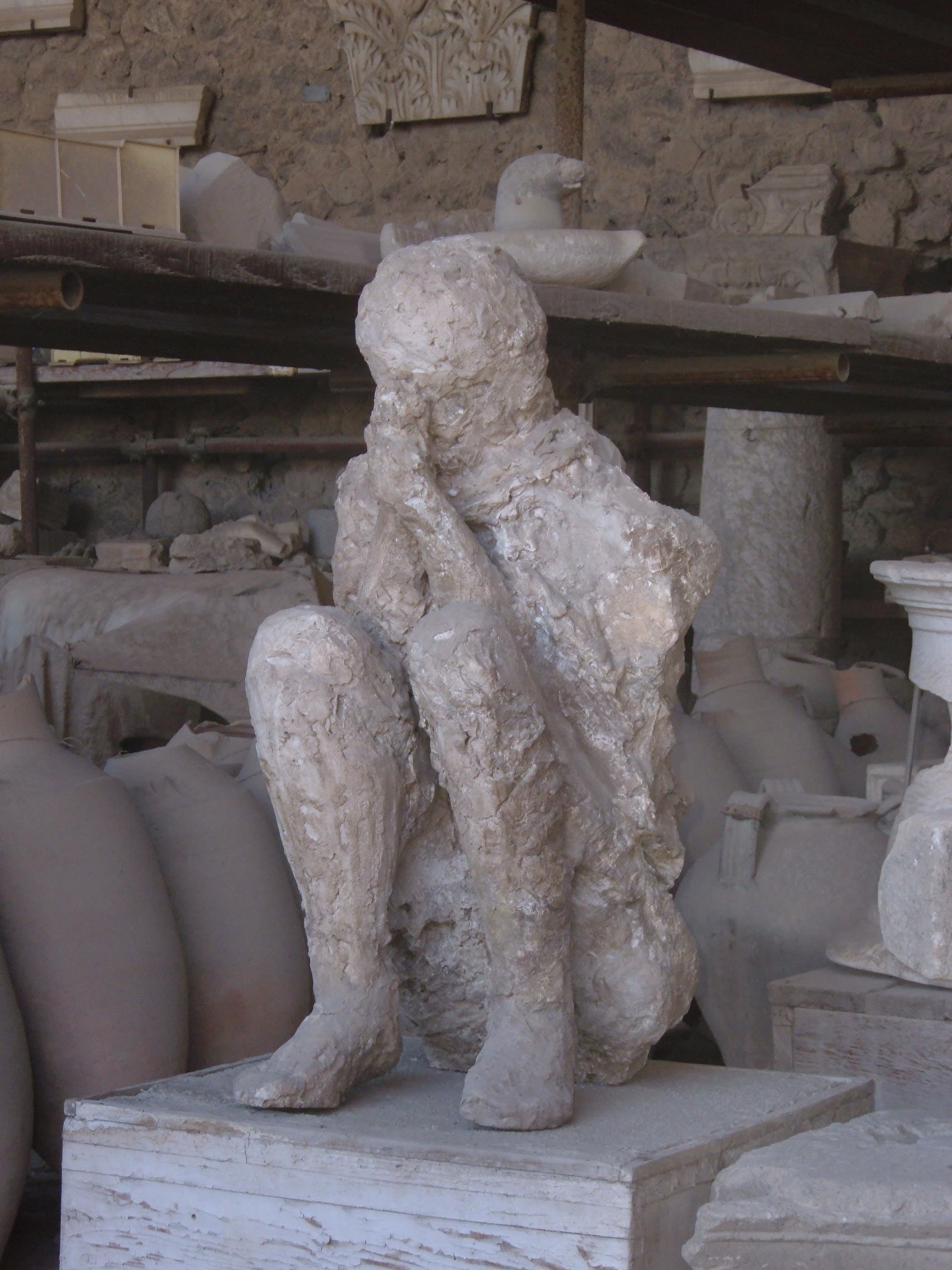
An almost life-size frieze, known as a megalography, was unearthed in a spacious banqueting room in Insula 10 of Region IX in the central part of Pompeii, running round three sides of the room while the fourth side opens onto the garden. A permanent exhibition recounts for the first time the origin, history and technique of the plaster casts, displaying 22 casts of victims selected from the most well-preserved and clearly intelligible examples. The site's recognition rests on its completeness and extent: owing to the eruptions the archaeological remains are unparalleled anywhere in the world.
7. UNESCO World Heritage Status
The Archaeological Areas of Pompei, Herculaneum and Torre Annunziata were inscribed on the World Heritage List in 1997 under criteria (iii), (iv) and (v). The inscribed property extends over 98.05 ha, with a buffer zone of 1,726.09 ha.
Under criterion (iii), Pompeii and Herculaneum are the only Roman cities ruins preserved in such an exceptional way and have no parallels in integrity and extent in the world.
8. Timeline: from the first settlement to the modern excavations
- 6th century BCEEarly settlement of PompeiiA Greek settlement arose near the mouth of the Sarno, perhaps from Cumae; remains from this early age include the Doric temple on the Triangular Forum.
- 308 BCETreaty with RomeThe cities in the Sarno Valley concluded a treaty with Rome; as told by Livy, these facts provide the first historical evidence concerning Pompeii.
- 89 BCESulla besieges PompeiiDuring the Social War Pompeii sided with the coalition of rebels, and Sulla attacked the town in 89 BCE; projectiles from the siege left holes that are still visible on the north-west sector of the walls.
- 80 BCERoman colony of VenusSulla set up his colony of Venus, re-settling 4-5,000 legionaries in the town.
- 59 CERiot in the amphitheatreA riot between the Pompeians and the Nucerians broke out in the amphitheater; the Senate punished the town with a ten-year ban on gladiatorial contests.
- 62 CEEarthquake damageAn earthquake in 62 CE did great damage in both Pompeii and Herculaneum; the cities had not yet recovered when final destruction overcame them 17 years later.
- 24 August 79 CEThe eruption of VesuviusMount Vesuvius erupted, showering Pompeii with volcanic debris and burying the city beneath a blanket of ash and pumice; pyroclastic surges on the following morning asphyxiated those who had not already fled.
- 1738Herculaneum rediscoveredAt the behest of Charles of Bourbon, the first systematic explorations of Herculaneum's subsoil began through a network of shafts and tunnels cut through about 20 m of volcanic material.
- 23 March 1748Excavations begin at PompeiiTen years after the discovery of Herculaneum, finds in the vicinity of Civita refocused the Bourbon excavations on the hill above the ancient city of Pompeii.
- 1763The ruins identified as PompeiiInitially believed to be the city of Stabiae, the ruins were recognised in 1763 as those of the ancient city of Pompeii.
- 1863The first plaster castsGiuseppe Fiorelli became the first person to succeed in recreating the original forms of the victims by pouring liquid plaster into the cavities left in the hardened ash.
- 1927Amedeo Maiuri at HerculaneumNew excavations of Herculaneum began under the direction of Amedeo Maiuri, who cleared, restored and opened to the public a large part of what is today the archaeological park.
- 7 December 1997UNESCO World Heritage listingThe Archaeological Areas of Pompei, Herculaneum and Torre Annunziata were inscribed on the World Heritage List on the basis of criteria (iii), (iv) and (v).
- 2012The Great Pompeii ProjectThe Grande Progetto Pompei, approximately a five-year project begun in 2012 with the European Union, stabilised and conserved buildings in the areas of highest risk at Pompeii.
- 7 November 2024Ancient DNA from the plaster castsA study in Current Biology reported genome-wide ancient DNA from skeletal material embedded in the casts, showing that the victims' sexes and family relationships did not match traditional interpretations.
9. Frequently asked questions
Where was Pompeii, and who lived there first?
Pompeii lay in Campania, Italy, southeast of Naples at the southeastern base of Mount Vesuvius and north of the mouth of the Sarnus (Sarno) River 1Pompeii | Eruption, Map, Population, History, Ruins, & Facts · Encyclopaedia Britannica ↗. Its first settlement was an Oscan village of Oscan-speaking descendants of the Neolithic inhabitants of Campania, standing near the mouth of the Sarnus River 1.
When did Vesuvius destroy Pompeii, and how deep was the burial?
How many people died, and how do we know what they looked like?
When were the ruins rediscovered and excavations begun?
Excavations at Pompeii began on 23 March 1748, ten years after the discovery of Herculaneum 10New excavations in Regio V · Archaeological Park of Pompeii ↗. The subsequent excavation of Pompeii and the surrounding areas in the mid-18th century marked the start of the modern science of archaeology 1.
How much of the city has been excavated, and what is a World Heritage property?
44 ha of the city has been excavated 19Archaeological Areas of Pompei, Herculaneum and Torre Annunziata · UNESCO World Heritage Centre ↗, while around the c. 22 ha marked by the excavation fronts remains unexcavated 10. In 1997 the Archaeological Areas of Pompei, Herculaneum and Torre Annunziata were inscribed under criteria (iii)(iv)(v) 19, as a World Heritage property of 98.05 ha with a buffer zone of 1,726.09 ha 19.
References (20)
- 1Pompeii | Eruption, Map, Population, History, Ruins, & Facts — Encyclopaedia Britannica Web↩View source
- 2Pompeii — Livius.org (Jona Lendering) WebView source
- 3Geology and Vulcanology — Vesuvius National Park (Parco Nazionale del Vesuvio) Web↩View source
- 4Vesuvius | Reconstructed the phenomena that preceded the eruption of 79 AD — Istituto Nazionale di Geofisica e Vulcanologia (INGV) WebView source
- 5Antiquarium — Archaeological Park of Pompeii WebView source
- 6Pompeii — World History Encyclopedia WebView source
- 7Pliny the Younger: Letters, Book 6 (translated by J. B. Firth) — Attalus (www.attalus.org) BookView source
- 8The Eruption — Parco Archeologico di Ercolano (Herculaneum Archaeological Park) WebView source
- 9The Casts — Archaeological Park of Pompeii Web↩View source
- 10New excavations in Regio V — Archaeological Park of Pompeii Web↩View source
- 11Pompeii after the Eruption — Archaeological Park of Pompeii WebView source
- 12Ancient DNA challenges prevailing interpretations of the Pompeii plaster casts — Pilli et al., Current Biology (via the Reich Lab, Harvard Medical School) BookView source
- 13DNA evidence rewrites histories for people buried in volcanic eruption in ancient Pompeii — EurekAlert! (AAAS) / Cell Press BookView source
- 14The Great Pompeii Project — Archaeological Park of Pompeii WebView source
- 15The Regio V Excavations (press kit) — Archaeological Park of Pompeii WebView source
- 16The plaster casts of Pompeii: an itinerary through the eruption of AD 79 — Archaeological Park of Pompeii WebView source
- 17From the 12th August the Thermopolium of Regio V is opening to the public — Archaeological Park of Pompeii WebView source
- 18Pompeii, discovery of a room with frescoes depicting the initiation into the mysteries and the Dionysiac procession — Archaeological Park of Pompeii WebView source
- 19Archaeological Areas of Pompei, Herculaneum and Torre Annunziata — UNESCO World Heritage Centre Web↩View source
- 20From discovery to archeological park — Parco Archeologico di Ercolano (Herculaneum Archaeological Park) WebView source
 Palmyra

