Italy
The country from the Alps to Sicily — geography and volcanoes, the arc from Rome through the medieval communes to unification and the Republic, its regions, economy and UNESCO heritage.
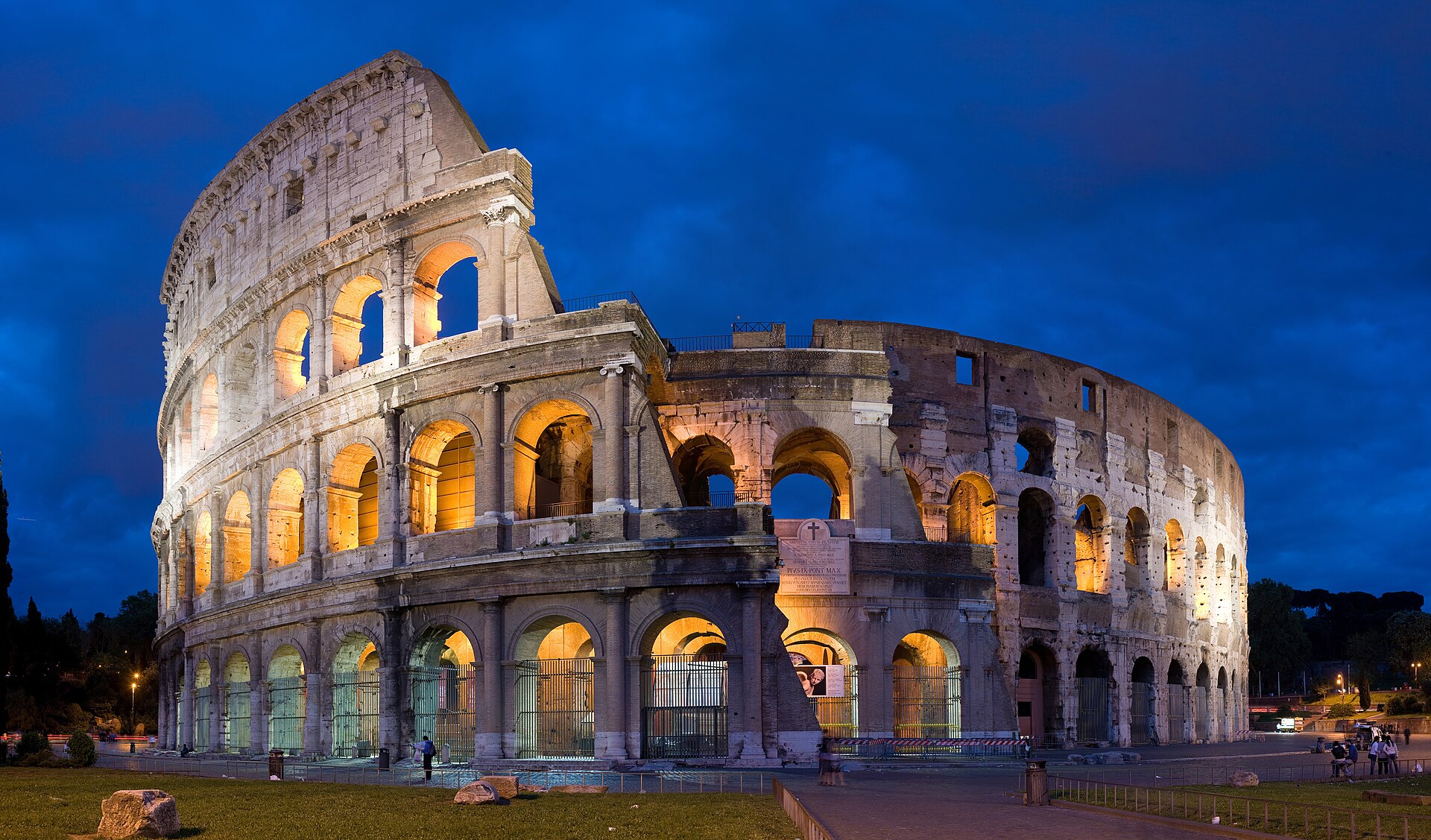
Italy is a southern European country extending from the Alps to Sicily, with Rome as its capital and a resident population of about 59 million. After the Roman world, the medieval communes and centuries of regional states, the peninsula was unified in 1861 as a kingdom and became a republic in 1946. It is a founder of the European integration process, one of the largest economies of the European Union, and hosts 62 UNESCO World Heritage Sites.
In this article
- 1Geography and Environment
- 2Demographics and Population Trends
- 3Government and Politics
- 4Economy and Public Finance
- 5History: From Unification to the Republic
- 6Cultural Heritage and UNESCO Sites
- 7Natural Landmarks and Volcanism
- 8Key Institutions and Education
- 9Archaeological Heritage
- 10Timeline: from the founding of Rome to the modern Republic
- 11Frequently asked questions
- 12Knowledge graph
Geography and Environment
Italy's territory is predominantly hilly, with hills covering 41.6 per cent of the overall surface. Only two regions, Valle d'Aosta and Trentino-Alto Adige, have an exclusively mountainous territory. Settlement follows an equally uneven pattern: almost 68 per cent of Italian municipalities fall in the low-urbanisation rural class, in which 24.3 per cent of the population lives on 72.5 per cent of the surface.
The Alps connect Italy with central Europe, and the chain borders France, Switzerland, Austria and Slovenia from west to east. Within the Apennines, the Central stretch is the highest, reaching 2912 metres above sea level at the Gran Sasso d'Italia. The movement of the margins of the European and African plates causes the seismicity that affects 80 per cent of Italy's surface.
Rainfall is distributed very unevenly across the country. The heaviest precipitation, over 3000 mm per year, is recorded in the Friulian mountains and on the Apuan Alps. The scantiest rainfall affects the central-southern coasts, with less than 500 mm in Puglia, Sicily and Sardinia.
Sicily, with 25 832.3 square kilometres equal to 8.6 per cent of the national total, is the largest Italian region. With 1 288.2 square kilometres the municipality of Rome is the largest in Italy and represents 0.4 per cent of the national territory. The Mezzogiorno is the largest geographic division with 24.4 per cent of the national surface, and the Isole alone account for 16.5 per cent. The outer perimeter of the coastal municipalities indicates a coastline development of more than nine thousand kilometres.
1. Demographics and Population Trends
Italy's resident population stands at 58 934 177 as of 2025. In 2024 the fertility rate fell to 1.18 children per woman, below the previous minimum recorded in 1995, while the number of births dropped from 526 thousand to about 370 thousand. Life expectancy at birth for the resident population rose to 83.4 years, almost five months more than in the previous year. Emigration to foreign countries boomed at 191 thousand departures, up 20.5 per cent over the previous year, of which 156 thousand were Italian citizens leaving the country. The number of new Italian citizens rose as 217 thousand citizenship acquisitions were granted to foreign residents, exceeding the previous maximum of 214 thousand.
Households are becoming increasingly small: over the last twenty years their average size dropped from 2.6 to 2.2 members. In the long term the population would fall to 45.8 million by 2080 — a further decrease of 8.8 million on the 2050 level. Population decline will affect all geographical areas, but the trajectory is different in the South, whose population could shrink by 7.9 million by 2080.
By 2050 the share of people aged 65 and older is projected to rise to 34.6 per cent from 24.3 per cent, while the share of individuals aged 15-64 falls to 54.3 per cent. By 2050 some 41.1 per cent of households will consist of lone persons, up from 36.8 per cent, while one in five households will be a couple with children. Under the median scenario the population decreases by 478 000 individuals to 58.5 million by 2030.
2. Government and Politics
Italy is a parliamentary republic in which the prime minister heads the government, while the president serves as head of state and appoints the prime minister. Legislative authority rests with the Italian Parliament, which is composed of two houses: the Chamber of Deputies and the Senate of the Republic.
The country is subdivided into 20 regions, 5 of which have a special autonomous status enabling them to pass legislation on some local matters. In the European Parliament, Italy is represented by 76 members.
Italy has been a member of the European Union since 1 January 1958. It has belonged to the Schengen area since 26 October 1997 and to the euro area since 1 January 1999. In foreign policy the country took part actively in the first initiatives of European integration.
3. Economy and Public Finance
Italy's economy is one of the larger components of the European Union, accounting for 12. 4 per cent of the bloc's total GDP, with a GDP per capita of €37 600 against an EU average of €38 100 in 2023. The country's gross public debt stood at 137. The government deficit is projected to fall from 3. 1 per cent of GDP in 2025 to 2. 9 per cent in 2027.
Real GDP grew by 0.5 per cent in 2025, supported by household consumption, which rose by 1.1 per cent, and by investment, which increased by 3.5 per cent. Growth of 0.5 per cent is expected again in 2026, sustained in part by investment financed through the Recovery and Resilience Facility. The unemployment rate is forecast to decline from 6.1 per cent in 2025 to 5.7 per cent in 2026 and 2027. Inflation is expected to increase to 3.2 per cent in 2026 before easing to 1.8 per cent in 2027.
4. History: From Unification to the Republic
The political unification of the peninsula acquired its formal shape on 17 March 1861, when the first national Parliament proclaimed Vittorio Emanuele II king of Italy in Turin. A decade later, the completion of the unification depended on the wider European balance: the liberation of Rome became possible with the fall of Napoleon III after the Franco-Prussian war of 1870, while on 20 September the breach of Porta Pia opened the way.
The constitutional monarchy survived into the twentieth century, but its final decades were marked by the rise of fascism. In October 1922 Mussolini started the march on Rome of the fascist Blackshirts, and the king, refusing to sign the state of siege, gave him the task of forming the government. The regime's collapse came on 24-25 July 1943, when the Grand Council of Fascism approved by a large majority an order of the day inviting the king to reassume his prerogatives; the king had Mussolini arrested and appointed Badoglio head of the new government.
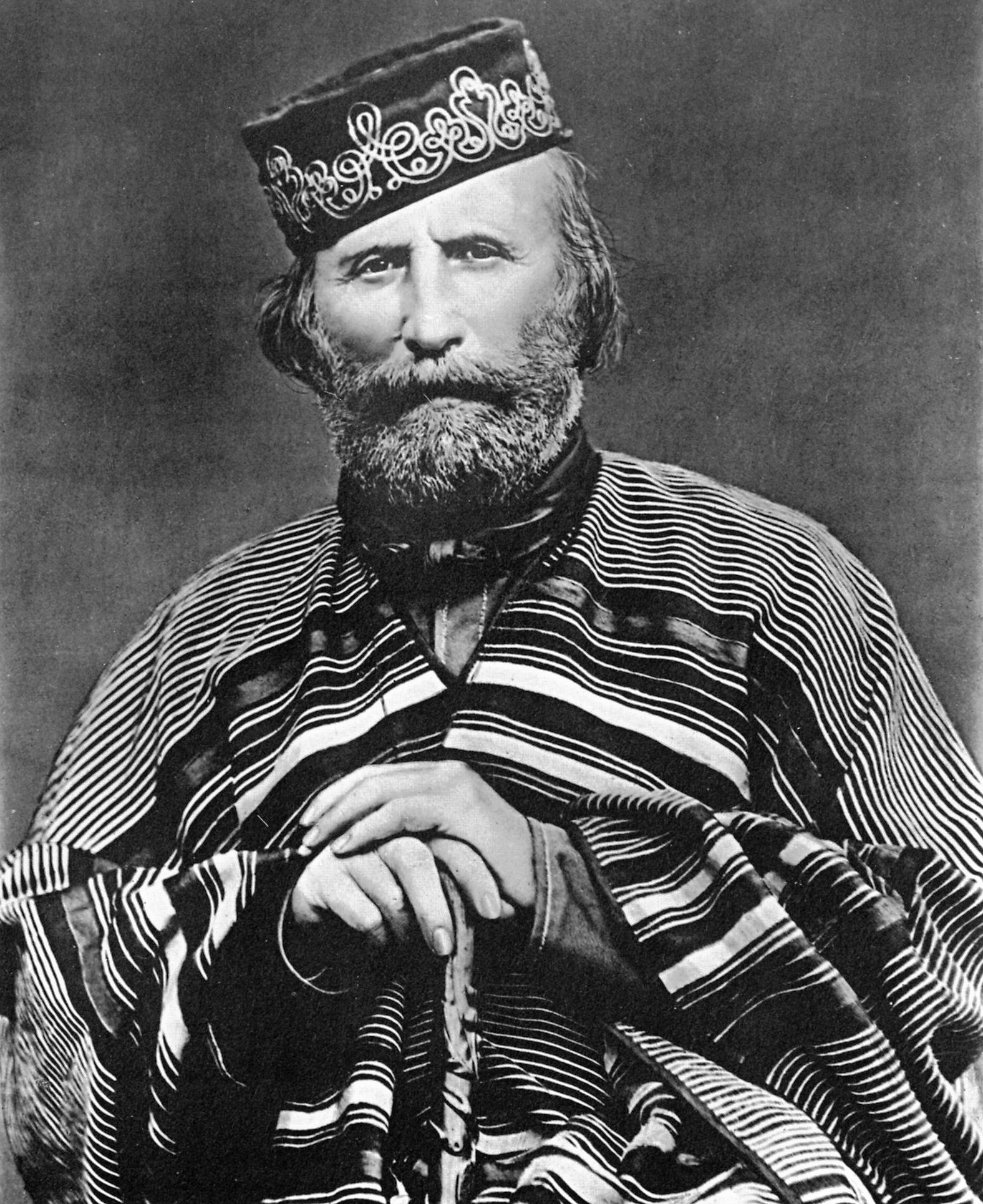

The institutional question was settled by popular vote. The referendum on the institutional form of the state and the election of the Constituent Assembly were held simultaneously under norms set by the decree of 16 March 1946. In that referendum, held on 2 June 1946, 12 718 641 votes were cast for the republic, 54.3 per cent of valid votes, against 10 718 502 votes for the monarchy. The electoral law divided Italy into 32 constituencies electing 573 deputies, but with no elections in the province of Bolzano and the Trieste-Venezia Giulia-Zara district the constituent members elected numbered 556 in total.
The Constituent Assembly was elected on 2 June 1946 and first convened on 25 June 1946 originally for eight months. On 28 June 1946 the Constituent Assembly elected Enrico De Nicola provisional Head of State with 396 votes out of 501 voters. Saragat was elected president of the Constituent Assembly with 401 votes out of 467 voters; after his resignation Terracini was elected on 8 February 1947 with 297 votes. The Assembly worked effectively until 31 January 1948 and held 375 public sittings, 170 of which were devoted to the Constitution and 210 to other matters.
The republican Constitution entered into force on 1 January 1948 as the fruit of a meeting between liberal-democratic principles and the social demands advanced by the popular forces.
Roman annalistic tradition traced the foundation of Rome by Romulus to 754 or 753 BCE and connected it with legends linking the city to the Trojans of Aeneas.
In foreign policy in 1949 Italy joined NATO as a founding member. In 1957 in Rome a decisive step in the process of European integration was taken with the signing of the treaties establishing the EEC.
5. Cultural Heritage and UNESCO Sites
Italy's presence on the UNESCO registers is extensive. The country counts 62 World Heritage Sites, alongside 21 cultural practices and expressions of intangible heritage safeguarded by the organisation. Forty-six UNESCO Chairs and UNITWIN Networks are hosted in Italy, together with 13 entries in the Memory of the World Register and 21 biosphere reserves. Twelve designations in Italy relate to UNESCO's International Geoscience and Geoparks Programme, and one Italian city has served as a World Book Capital.
Italy has been a UNESCO member since 1948 and belongs to the Europe and North America group. Its intangible heritage lists record 21 elements inscribed, ranging from the 2008 inscriptions of Sicilian puppet theatre and Sardinian pastoral songs to the 2025 inscription of Italian cooking. Among the practices recognised are the art of Neapolitan Pizzaiuolo, inscribed in 2017, and the traditional agricultural practice of the head-trained bush vines of Pantelleria, inscribed in 2014. Traditional violin craftsmanship in Cremona was inscribed in 2012 and the Mediterranean diet in 2013. The practice of opera singing in Italy was inscribed on the Representative List in 2023 together with traditional irrigation and transhumance.
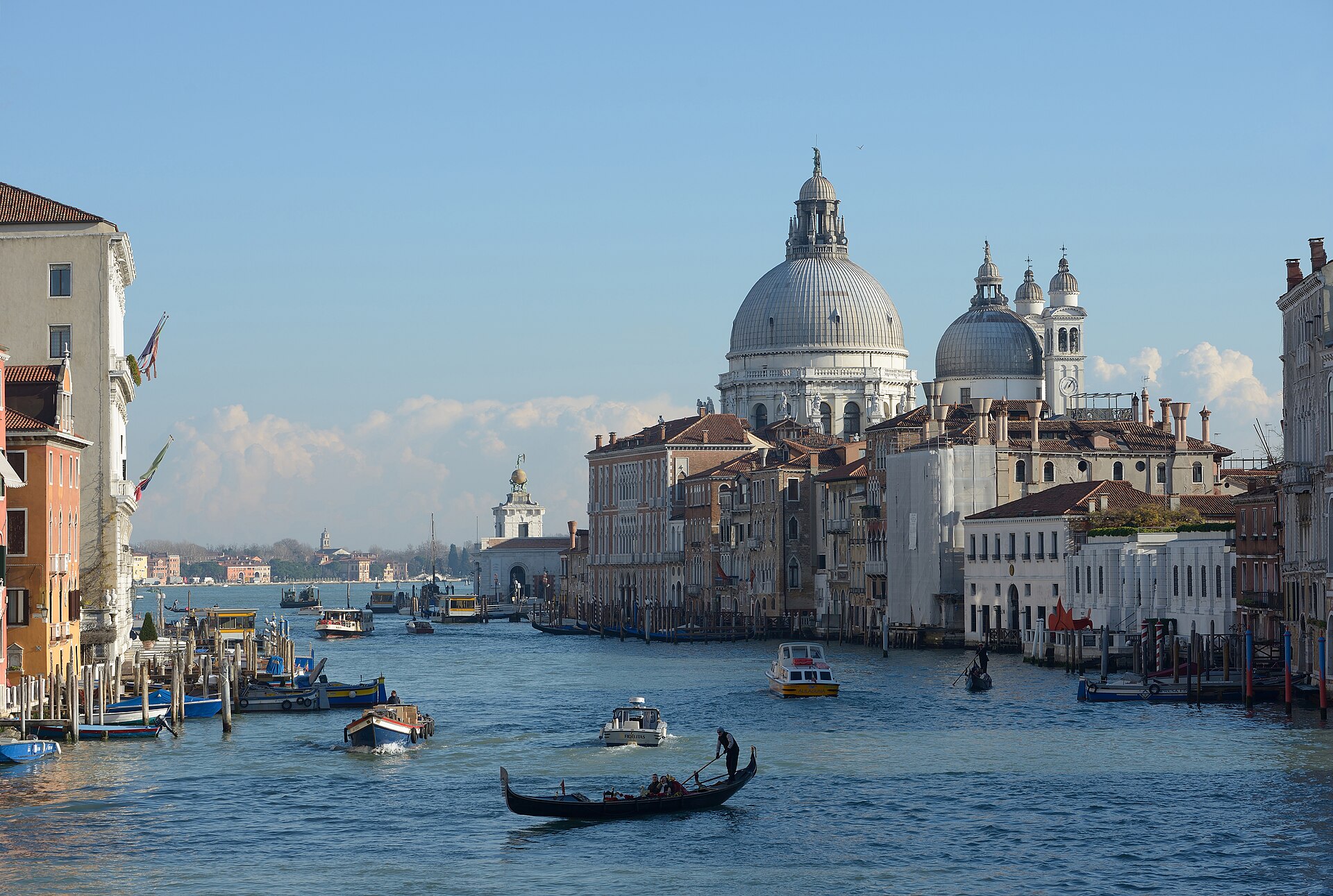
Italy ratified the UNESCO Convention on Intangible Cultural Heritage on 30 October 2007.
6. Natural Landmarks and Volcanism
Monte Bianco is the highest mountain of the Alps and of all Europe, rising in the innermost part of the Val d'Aosta. Its altitude is variable and is held to be between 4807 and 4810 metres, the cap of ice and snow giving the peak both its name and that variability. The massif has an almond shape, roughly 59 km long and 8 to 15 km wide, with a perimeter of 125 km and a surface of about 645 square kilometres.
Etna is the highest active volcano in Europe, also called Mongibello, and rises halfway along the eastern coast of Sicily. The Etna region, bounded by the Alcantara and Simeto rivers, has a perimeter of 212 km and a surface of 1570 square kilometres. Its activity began about 500 000 years ago in an area completely covered by the sea, with the first products being submarine basaltic lavas. In 2013 Etna was included by UNESCO in the world heritage of humanity. With about 50 paroxysmal episodes at the South-East Crater since 16 February 2021, Etna increased its height, reaching 3357 metres above sea level. That measurement carries an uncertainty of 3 metres and was obtained from two triplets of Pléiades satellite images acquired on 13 and 25 July 2021 in an international partnership.
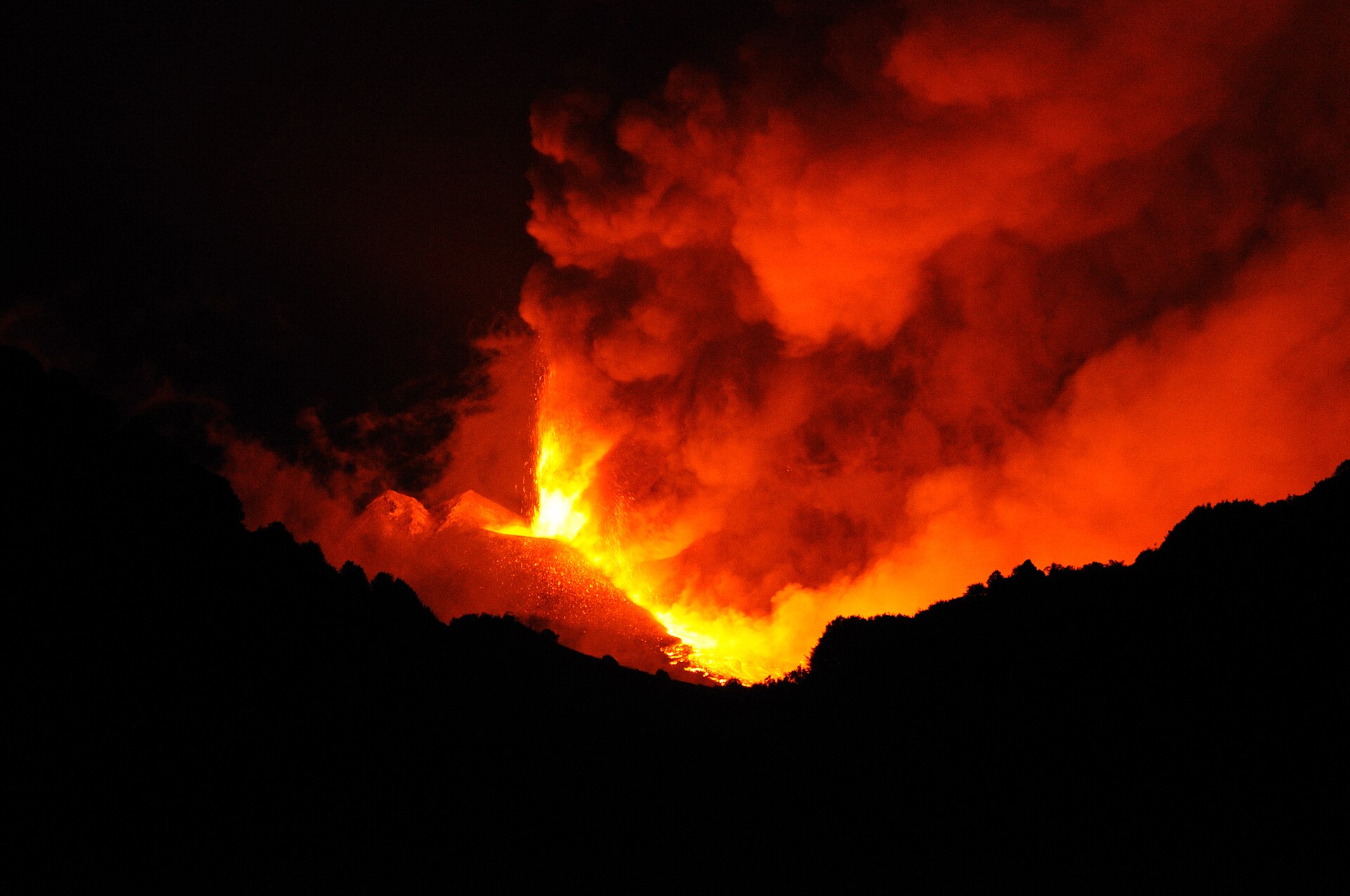
INGV, with the Department of Civil Protection, carries out surveillance of Italian active volcanoes through multi-parameter monitoring networks. For the Neapolitan area the reference section is the Naples Section of the Vesuvius Observatory, while the Sicilian volcanoes Etna, Stromboli, Vulcano and Pantelleria are assigned to the Catania Section. The surveillance rooms are manned continuously, 24 hours a day, by institute staff through shifts, and personnel on duty also transmit bulletins to the Civil Protection Department and other competent bodies.
7. Key Institutions and Education
The University of Bologna was not established at the behest of a sovereign or an organised group of teachers but was the outcome of the spontaneous and informal initiative of a few students. The Commune of Bologna immediately forged an unbreakable bond with its Studium and supported it with laws and decrees that protected and favoured it. In the 13th century students organised by places of origin in Nationes merged into prestigious supra-regional guilds called Universitates.
8. Archaeological Heritage
Among the country's inscribed properties is the serial site known as the Archaeological areas of Pompeii, Herculaneum and Torre Annunziata, which the UNESCO World Heritage Committee added to the World Heritage List in 1997 on the basis of criteria (iii)(iv)(v). In its assessment, UNESCO judged the Vesuvian sites to represent complete and living evidence of a society and of everyday life at a precise moment in time, with no parallel elsewhere in the world.
9. Timeline: from the founding of Rome to the modern Republic
- 754–753 BCE (traditional)Founding of RomeRoman tradition dates the founding of Rome by Romulus to 754 or 753 BCE.
- 509 BCE (traditional)End of the monarchyThe regal age ends conventionally in 509 BCE and the republican order replaces the lifelong king with two annual consuls.
- 27 BCEPrincipate of AugustusAugustus begins the principate, establishing the legal bases of his power without altering the fundamental features of the republican constitution.
- 476 CEFall of the Western Roman EmpireOdoacre, king of the Heruli, deposes Romulus Augustulus, the last Western Roman emperor.
- c. 1088Studium of BolognaThe Studium of Bologna is conventionally founded, the origin of the oldest university in the Western world.
- 17 March 1861Proclamation of the Kingdom of ItalyThe first national Parliament proclaims Vittorio Emanuele II king of Italy in Turin.
- 20 September 1870Breach of Porta PiaWith the fall of Napoleon III after the Franco-Prussian war, Italian troops enter Rome through the breach of Porta Pia.
- October 1922March on RomeMussolini's fascist Blackshirts march on Rome and the king gives him the task of forming the government.
- 2–3 June 1946Institutional referendumItalians vote to replace the monarchy with a republic, 12 718 641 votes against 10 718 502, and elect the Constituent Assembly.
- 1 January 1948Constitution in forceThe republican Constitution enters into force on 1 January 1948.
- 1957Treaty of RomeIn Rome the treaties establishing the European Economic Community are signed.
- 1997Pompeii inscribed by UNESCOThe serial site 'Archaeological areas of Pompeii, Herculaneum and Torre Annunziata' is added to the World Heritage List.
- 1 January 1999Euro areaItaly becomes a member of the euro area on 1 January 1999.
- 2013Etna inscribed by UNESCOMount Etna is included in UNESCO's world heritage of humanity.
10. Frequently asked questions
What is the capital of Italy, and how is the country governed?
The capital of Italy is Rome 4Italy – EU country profile · European Union ↗. Italy is a parliamentary republic with a prime minister who heads the government, while the president is head of state and appoints the prime minister 4. The Italian Parliament is composed of two houses: the Chamber of Deputies and the Senate of the Republic 4.
How many regions does Italy have, and do any of them have special status?
The country is subdivided into 20 regions, and 5 of them have a special autonomous status enabling them to pass legislation on some local matters 4. Sicily, with 25 832.3 square kilometres equal to 8.6 per cent of the national total, is the largest Italian region 3Principali statistiche geografiche sui comuni (Main geographical statistics on municipalities) · Italian National Institute of Statistics (Istat) ↗.
What are Italy's highest mountain and its highest active volcano?
Monte Bianco is the highest mountain of the Alps and of all Europe, rising in the innermost part of the Val d'Aosta 13BIANCO, MONTE · Istituto della Enciclopedia Italiana fondata da Giovanni Treccani ↗. Etna is the highest active volcano in Europe, also called Mongibello, rising halfway along the eastern coast of Sicily 14Etna · Istituto della Enciclopedia Italiana fondata da Giovanni Treccani ↗.
How many UNESCO World Heritage Sites does Italy have?
When did Italy join the European Union and adopt the euro?
Italy has been a member of the Schengen area since 26 October 1997 and of the euro area since 1 January 1999 4. In 1957 in Rome a decisive step in the process of European integration was taken with the signing of the treaties establishing the EEC 2Italia · Istituto della Enciclopedia Italiana fondata da Giovanni Treccani ↗.
What is Italy's oldest university?
The University of Bologna traces its Studium to 1088 and presents itself as the oldest university in the Western world 17Nine centuries of history · University of Bologna ↗. The Studium of Bologna was not established at the behest of a sovereign or an organised group of teachers but was the outcome of the spontaneous and informal initiative of a few students 17.
References (18)
- 1Superficie territoriale e urbanizzazione (Land area and urbanisation) — Italian National Institute of Statistics (Istat) WebView source
- 2Italia — Istituto della Enciclopedia Italiana fondata da Giovanni Treccani Web↩View source
- 3Principali statistiche geografiche sui comuni (Main geographical statistics on municipalities) — Italian National Institute of Statistics (Istat) Web↩View source
- 4Italy – EU country profile — European Union Web↩View source
- 5Demographic Indicators – Year 2024 — Italian National Institute of Statistics (Istat) 2024 WebView source
- 6Population and household projections – Base 1/1/2024 — Italian National Institute of Statistics (Istat) 2024 WebView source
- 7Economic forecast for Italy — European Commission, DG Economic and Financial Affairs WebView source
- 8Assemblea Costituente nelle carte dell'Archivio Storico – Il Referendum istituzionale e l'elezione dell'Assemblea costituente — Camera dei deputati WebView source
- 9Assemblea Costituente (02.06.1946 - 07.05.1948) – Profilo storico-biografico — Camera dei deputati – Archivio storico 1946 WebView source
- 10Roma — Istituto della Enciclopedia Italiana fondata da Giovanni Treccani WebView source
- 11Italy | UNESCO Member State profile — UNESCO Web↩View source
- 12Italy – Intangible Cultural Heritage — UNESCO Intangible Cultural Heritage WebView source
- 13BIANCO, MONTE — Istituto della Enciclopedia Italiana fondata da Giovanni Treccani Web↩View source
- 14Etna — Istituto della Enciclopedia Italiana fondata da Giovanni Treccani Web↩View source
- 15L'Etna si supera. Nuovo record di altezza a 3357 metri — INGV – Sezione di Catania, Osservatorio Etneo WebView source
- 16Active Volcano Surveillance Service — Istituto Nazionale di Geofisica e Vulcanologia (INGV) WebView source
- 17Nine centuries of history — University of Bologna Web↩View source
- 18Unesco Office — Archaeological Park of Pompeii – Ministry of Culture WebView source