Water Cycle
Evaporation, condensation, precipitation, runoff and storage — how water moves between ocean, atmosphere, ice, rivers, reservoirs and groundwater.
The water cycle is the continuous circulation of water among the ocean, atmosphere, land and living things, driven by solar energy and gravity. Water evaporates from oceans, lakes and soils, condenses into clouds, falls as rain, snow, sleet or hail, and returns through surface runoff, infiltration and groundwater flow — all while the total amount of water on Earth stays essentially constant. Oceans hold over 96 percent of Earth's water, ice sheets and glaciers about 1.7 percent, and groundwater most of the freshwater that is not frozen; growing populations depend on the same finite supply.
In this article
- 1Overview
- 2Water on Earth: Abundance and Distribution
- 3The Three States of Water
- 4Evaporation and Transpiration
- 5Condensation and Cloud Formation
- 6Precipitation
- 7Runoff and Infiltration
- 8Groundwater
- 9Ice, Snow, and Glaciers
- 10Lakes and Reservoirs
- 11The Atmosphere as a Water Reservoir
- 12Residence Times
- 13Human Impact and the Water Cycle
- 14Studying the Water Cycle from Space
- 15Measurement and Forecasting
- 16Timeline: from ancient ideas about rivers to satellite measurement
- 17Knowledge graph
Overview
The water cycle, also called the hydrologic cycle, is the continuous circulation of water within the Earth-atmosphere system, and its most important processes are evaporation, transpiration, condensation, precipitation, and runoff. It is a biogeochemical cycle, one defined by the continuous change in form of water across different reservoirs.
The total amount of water within the cycle remains essentially constant, yet its distribution among the various processes is continually changing.
1. Water on Earth: Abundance and Distribution
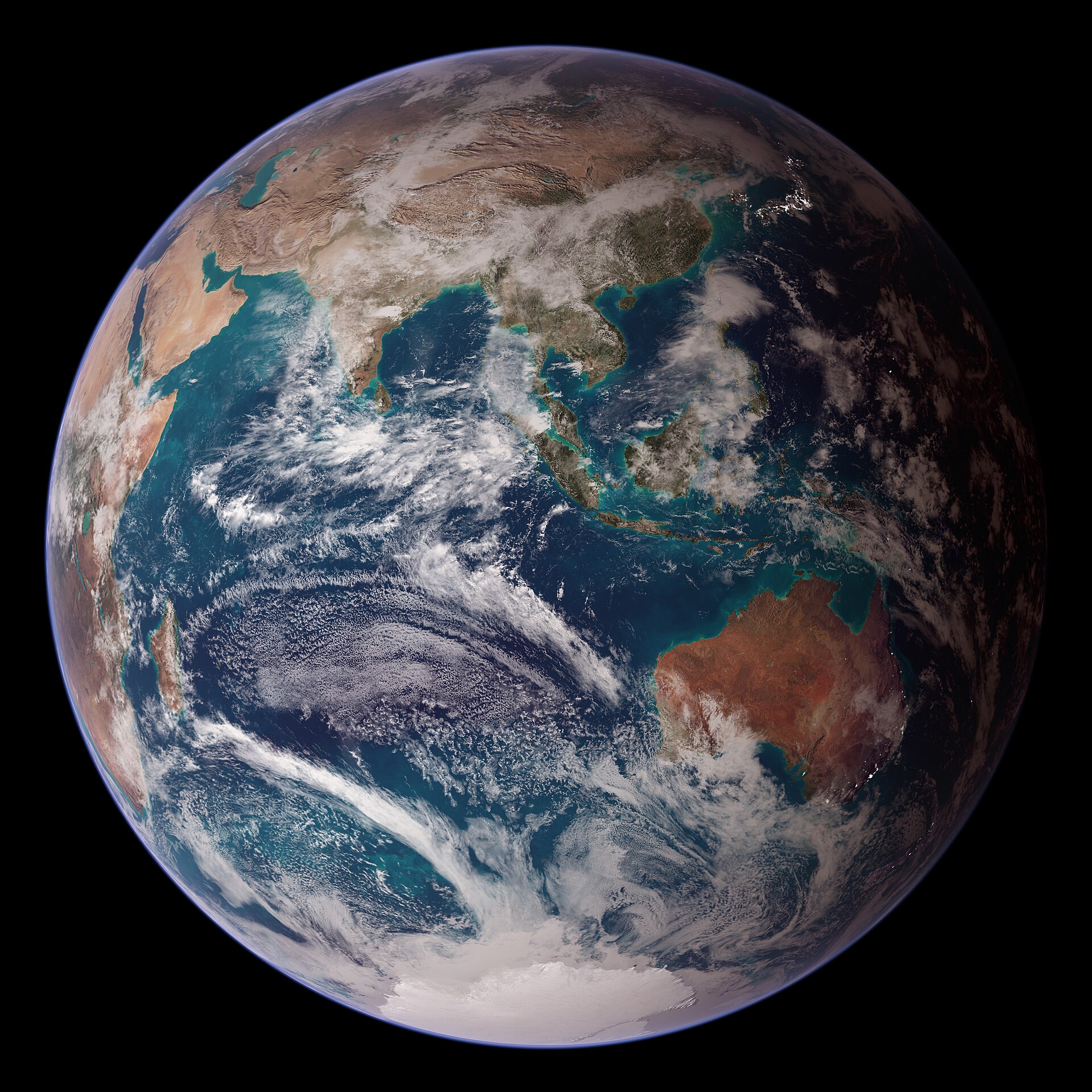
Water is stored in the atmosphere, on the land surface and below the ground, and it can be a liquid, a solid or a gas. The vast majority of water on the Earth's surface, over 96 percent, is saline water in the oceans, and the Earth's water content is about 1.39 billion cubic kilometers (331 million cubic miles), with about 96.5% of it in the global oceans. Water is the only common substance that can exist naturally as a gas, liquid, or solid within the relatively small range of temperatures and pressures found at the Earth's surface. Viewed from space, water is the most striking feature of our planet: in both liquid and frozen form it covers 75 percent of the Earth's surface. The volume of all water on, in and above the Earth is about 332,500,000 cubic miles (1,386,000,000 cubic kilometers), a sphere about 860 miles in diameter.
There is much more freshwater stored in the ground than there is in liquid form on the surface, and some of the water flowing in rivers comes from seepage of groundwater into river beds. The upper layer of the soil is the unsaturated zone, and below it lies the saturated zone, called groundwater, where liquid water is stored in pores, cracks and spaces between rock particles. The idea of rivers flowing underground is largely a myth: the vast majority of underground water occupies the spaces between rocks and subsurface material. Water may travel long distances or remain in groundwater storage for long periods before returning to the surface or seeping into other water bodies such as streams and the oceans. Ocean circulation is the largest water flux, estimated at about 7,100,000 cubic kilometers per year, followed by ocean evaporation at about 420,500 cubic kilometers per year. The transport of moisture from ocean to land and streamflow to the ocean are each estimated at about 46,000 cubic kilometers per year.
Almost 90 percent of Earth's ice mass is in Antarctica, while the Greenland ice cap contains 10 percent of the total global ice mass. Lake Baikal is the world's oldest, largest, and deepest freshwater lake, nearly a mile deep and holding over 23,000 cubic kilometers of water. Water vapor in the atmosphere is a powerful greenhouse gas and a major driver of weather and climate.
2. The Three States of Water
Water occurs naturally on Earth as a gas, a liquid, and a solid, and it is essential to life on the planet. Heat is absorbed as water transitions from liquid to vapor through evaporation, and released when water condenses or freezes.
3. Evaporation and Transpiration
Evaporation is the process that changes liquid water into gaseous water, or water vapor, moving water from the Earth's surface into the atmosphere. About 90 percent of the moisture in the atmosphere comes from water evaporating from oceans, seas, lakes, and rivers, while the other 10 percent comes from transpiration from plants. The ocean is the source of 86 percent of global evaporation.
Only about 10 percent of the water evaporated from the oceans is transported over land and falls as precipitation. Once evaporated, a water molecule spends about 10 days in the air.
4. Condensation and Cloud Formation
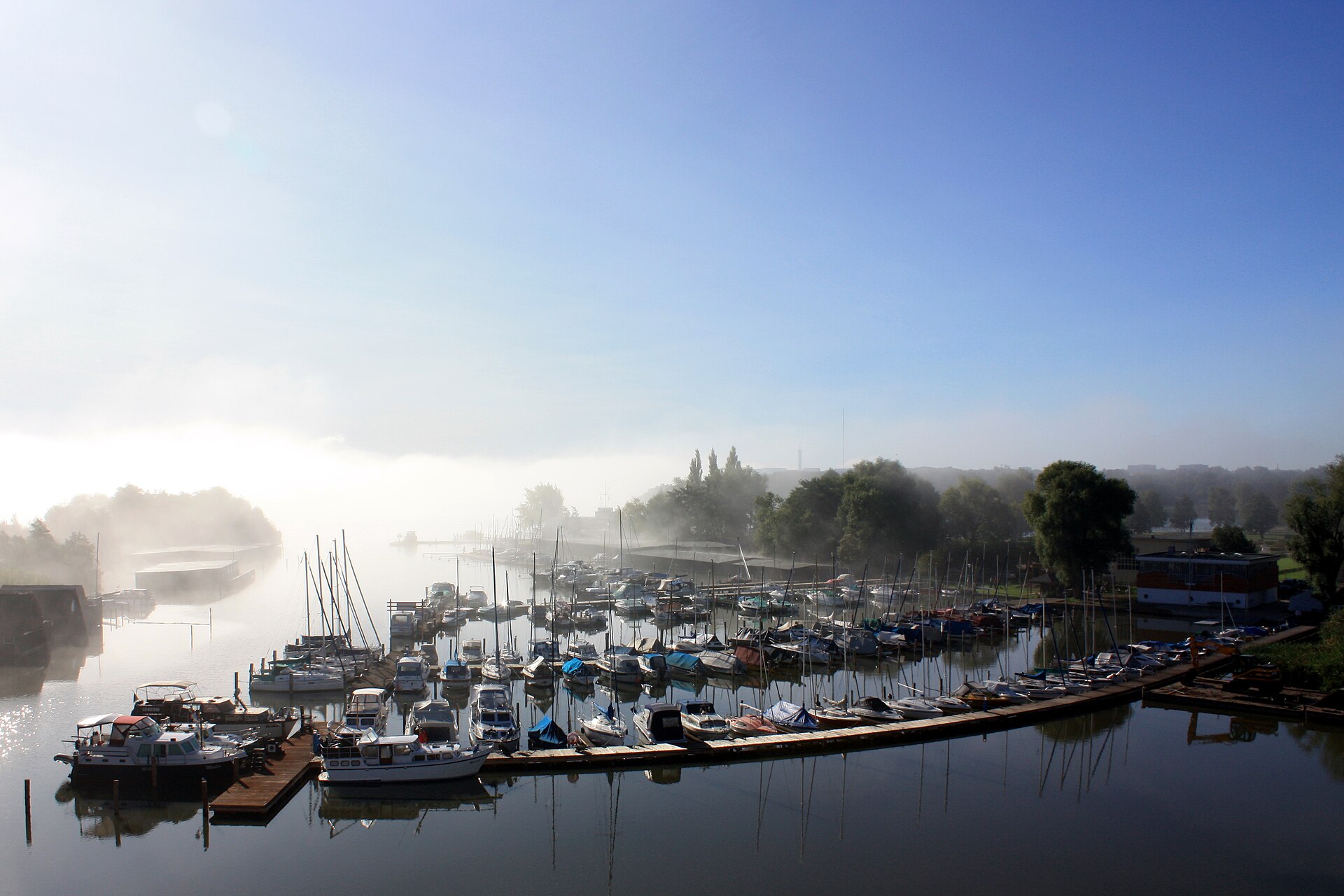
Condensation is the process by which water vapor in the air is changed into liquid water, and it is responsible for the formation of clouds. Whether it occurs is not a matter of one particular temperature but of a difference between two temperatures: the air temperature and the dewpoint temperature, the latter being the temperature at which air becomes saturated and cannot hold any more water vapor. As condensation proceeds and liquid water forms from vapor, the water molecules become more organized and heat is released into the atmosphere.
Clouds exist in the atmosphere because of rising air, and since they drift over the landscape they are one of the ways water moves geographically around the globe. They float because the density of the same volume of cloud material is less than the density of the same amount of dry air. One estimate of cumulus cloud density is about 0.5 gram per cubic meter, so a cloud of 1 cubic kilometer contains roughly 500,000,000 grams of water droplets.
5. Precipitation
Precipitation is water released from clouds in the form of rain, freezing rain, sleet, snow, or hail, and it is the main way atmospheric water returns to the surface of the Earth.
Millions of cloud droplets are required to produce a single raindrop. Ice crystals can grow rapidly at the expense of water vapor in a cloud in the Bergeron-Findeisen process.
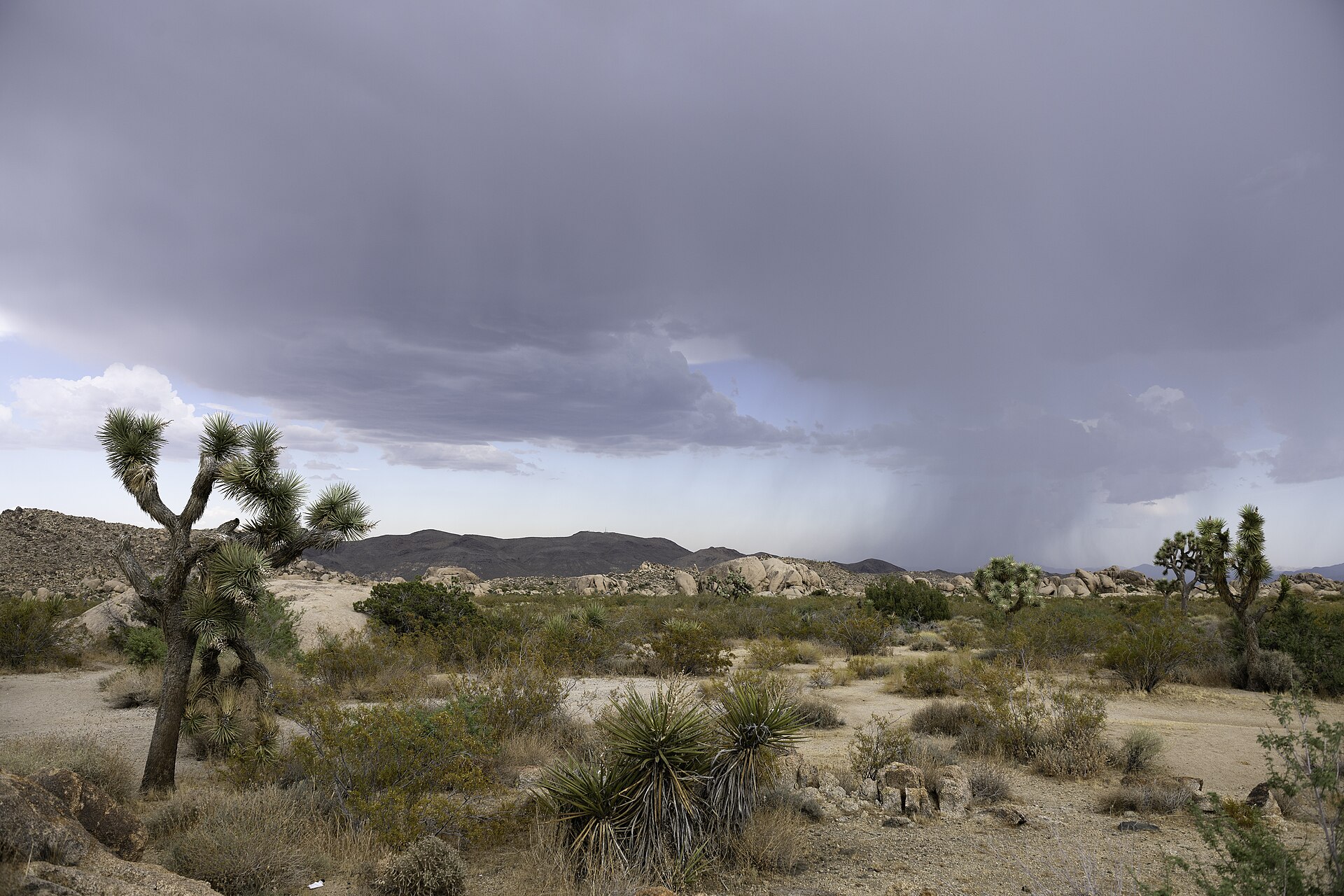
One process by which precipitation forms is collision and coalescence, or the warm rain process, in which cloud droplets of varying size collide and stick together into larger drops.
6. Runoff and Infiltration
Surface runoff, especially when it runs across surfaces like roads, can pick up and then deposit particulate matter and sediment into rivers, which is not good for water quality.
Some water that infiltrates will remain in the shallow soil layer, where it moves gradually vertically and horizontally through the soil and subsurface material.
7. Groundwater
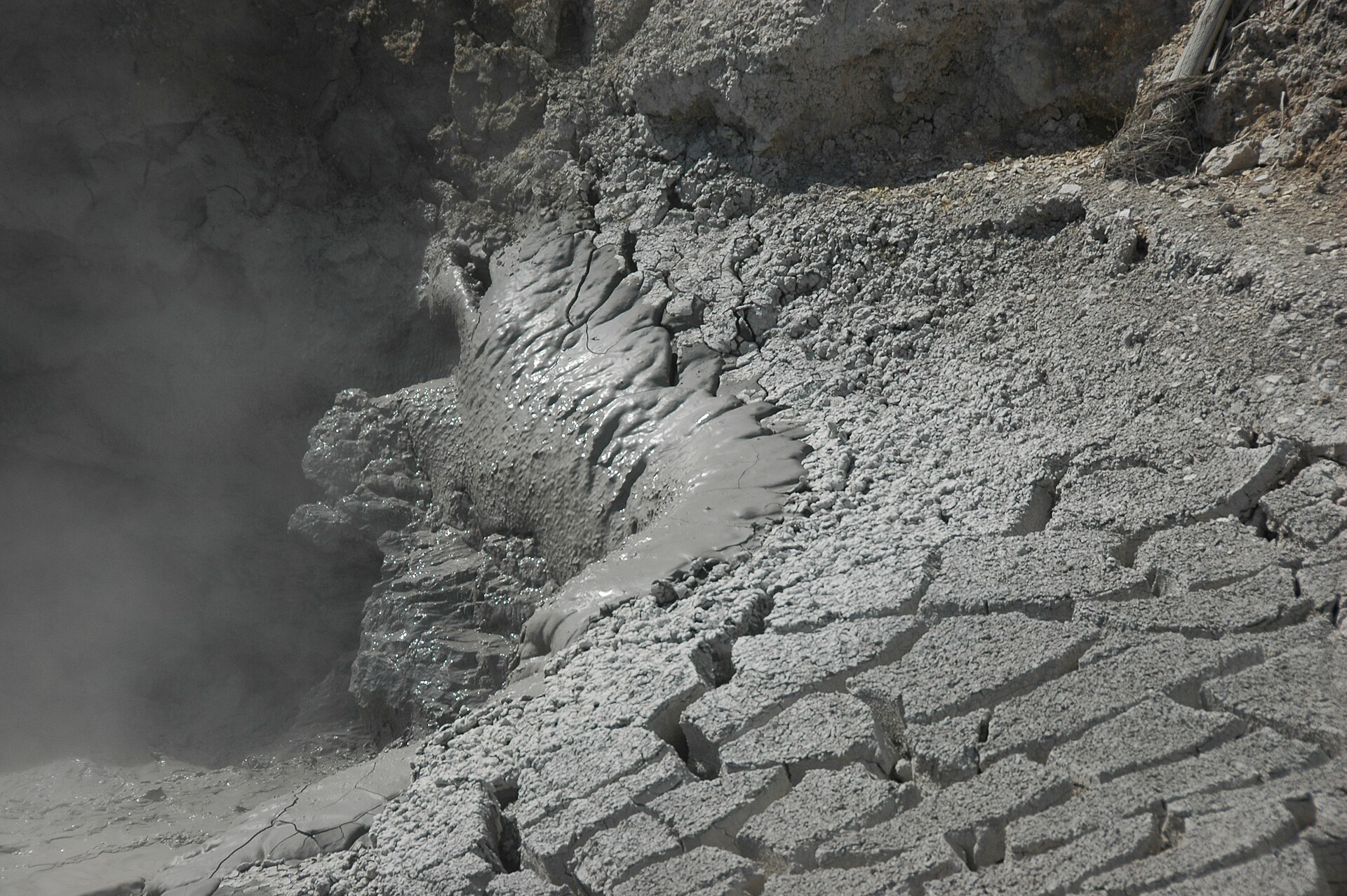
Gravity and pressure move water downward and sideways underground through spaces between rocks, and it eventually emerges back to the land surface, into rivers and the oceans. The estimated groundwater pool is about 22,600,000 cubic kilometers, and groundwater recharge is estimated at about 13,000 cubic kilometers per year.
8. Ice, Snow, and Glaciers
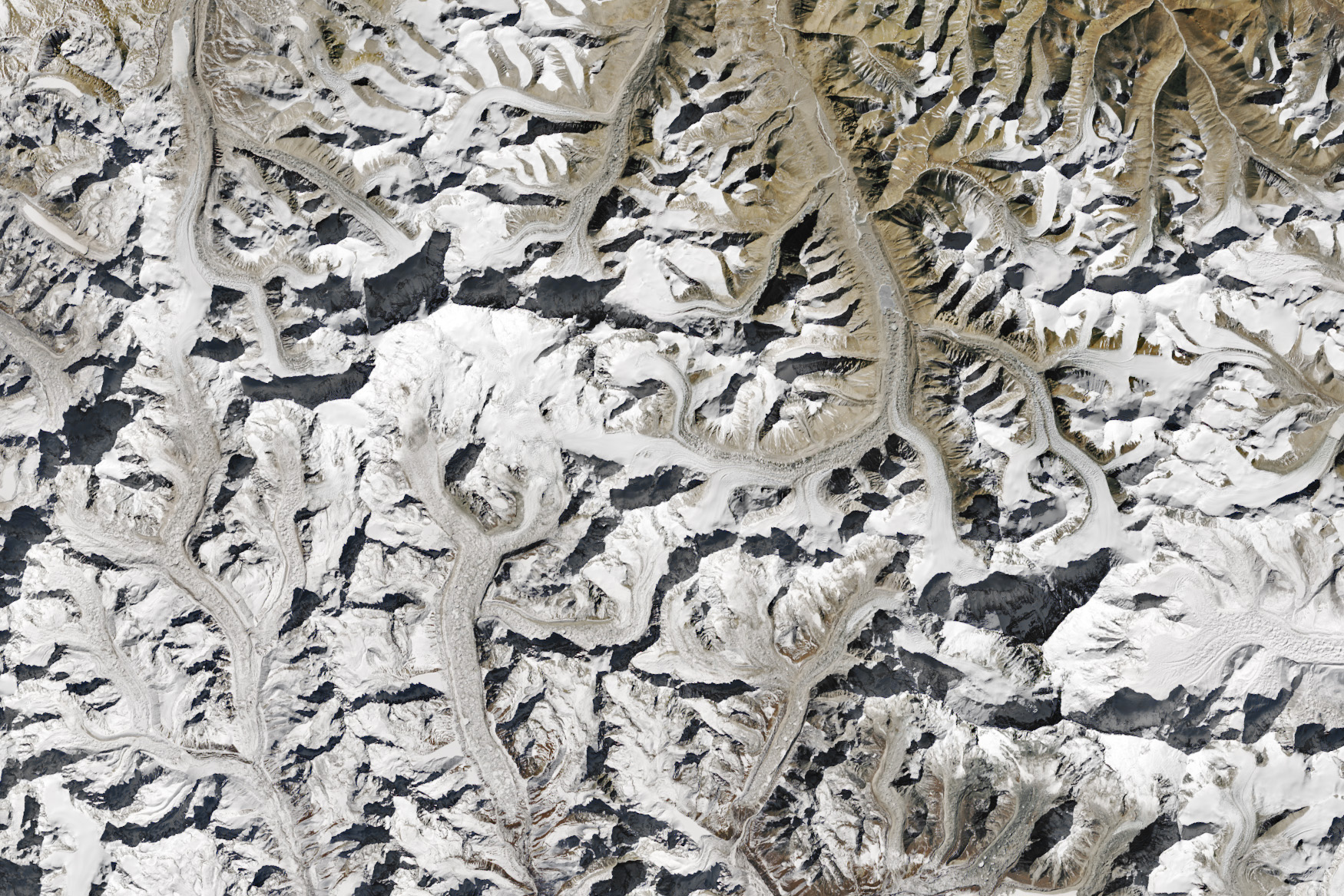
At high elevations or latitudes where snowpack persists year-round, the weight of the accumulated snow compresses it into ice. When ice forms in a steep mountain environment, it slowly flows downhill, forming a glacier. The Greenland ice sheet is about 600,000 cubic miles (2.5 million cubic kilometers) in volume and averages about 5,000 feet (1,500 meters) in thickness.
9. Lakes and Reservoirs
A lake forms where surface-water runoff and some groundwater seepage have accumulated in a low spot, with water entering faster than it can escape. A reservoir, by contrast, is a manmade lake created when a dam is built on a river, with river water backing up behind the dam.
Not all lakes are fresh. Some lakes, such as the Great Salt Lake in Utah, are saltier than the oceans, and the Dead Sea is too salty for aquatic life.
10. The Atmosphere as a Water Reservoir
The atmosphere functions as a superhighway in the sky, carrying water across the globe. Were all of that water to rain down at once, it would cover the globe to a depth of only 2.5 centimeters, about 1 inch.
One estimate of the volume of water held in the atmosphere at any one time is about 3,100 cubic miles (12,900 cubic kilometers), only about 0.001 percent of Earth's total water volume.
11. Residence Times
The water cycle is often taught as a simple, circular cycle of evaporation, condensation, and precipitation, but the reality of the cycle is much more complicated.12The water cycle · National Oceanic and Atmospheric Administration ↗
| Reservoir | Residence Time |
|---|---|
| Oceans | 3,000 to 3,230 years |
| Atmosphere | About 10 days |
| Other reservoirs | Variable amounts of time between these extremes |
One molecule of water takes more than 3,000 years to complete the water cycle.1Water cycle | Definition, Steps, Diagram, & Facts · Encyclopaedia Britannica ↗
12. Human Impact and the Water Cycle
Human water use, land use and climate change all impact the water cycle, and understanding these impacts helps work toward using water sustainably. The water in your watershed quenches thirst, grows food, washes clothes, and powers industry. Too much water can cause raging floods and flush pollutants and soil into rivers and streams.
13. Studying the Water Cycle from Space
-
1997–2015TRMMTRMM was a research satellite in operation from 1997 to 2015 and was designed to improve understanding of the distribution and variability of precipitation within the tropics.18The Tropical Rainfall Measuring Mission (TRMM) · NASA Global Precipitation Measurement ↗ By covering the tropical and sub-tropical regions of the Earth, TRMM provided information on rainfall and its associated heat release, which helps power the global atmospheric circulation.18
-
27 February 2014GPM Core ObservatoryBuilding upon the success of TRMM, the GPM concept centers on a Core Observatory satellite carrying an advanced radar and radiometer system to measure precipitation from space.19The Global Precipitation Measurement Mission (GPM) · NASA Global Precipitation Measurement ↗
-
22 May 2018GRACE-FOThe GRACE-FO orbiter launched on May 22 in 2018 with the objective of tracking Earth's water movement.20GRACE-FO · NASA Science ↗
GRACE-FO is a successor to the original GRACE mission, which orbited Earth from 2002 to 2017 and tracks Earth's water movement.
14. Measurement and Forecasting
Measurement of the water cycle relies on instruments that track where water is and how it moves. Rain gages are used to keep track of precipitation, while stream gages keep track of how much water is in rivers. These observations support a broader effort: NOAA is striving to expand understanding of the water cycle at global to local scales to improve the ability to forecast weather, climate, water resources, and ecosystem health.
15. Timeline: from ancient ideas about rivers to satellite measurement
- c. 570 BCEAnaximander on rivers and rainGreek thinkers such as Anaximander held that much of the water in rivers comes from rain, but they also maintained that water rising up through the earth contributed a great deal to rivers.
- c. 530 BCEXenophanes of ColophonXenophanes of Colophon shared the view that underground water contributed significantly to river flow, even though the origin of rain was known to these scholars.
- c. 460 BCEAnaxagoras and the closed cycleThe idea that the water cycle is a closed cycle can be found in the works of Anaxagoras of Clazomenae.
- c. 320 BCEChinese scholars on rain and riversWarring States period Chinese scholars such as Chi Ni Tzu and Lu Shih Ch'un Ch'iu recorded similar thoughts about the movement of water.
- 1240 CEBartholomew of EnglandBartholomew of England held that underground water pushing upwards from the oceans was the main contributor to river water.
- c. 1500 CELeonardo da VinciLeonardo da Vinci was among those who still held that subterranean water rising from the oceans fed the rivers.
- 1580 CEBernard Palissy argues rainfall sustains riversThe first published thinker to assert that rainfall alone was sufficient for the maintenance of rivers was Bernard Palissy, who is often credited as the discoverer of the modern theory of the water cycle.
- 1644 CEAthanasius KircherAthanasius Kircher also maintained the older view that underground water pushing upwards from the oceans was the main contributor to river water.
- 1674Pierre Perrault tests Palissy's theoryPalissy's theories were not tested scientifically until 1674, in a study commonly attributed to Pierre Perrault, who measured rainfall and runoff.
- 1997TRMM launchedTRMM began a research mission designed to improve understanding of the distribution and variability of precipitation within the tropics.
- 2002GRACE begins measuring Earth's waterThe original GRACE mission orbited Earth from 2002 to 2017, tracking water movement by measuring changes in the planet's gravity field.
- 27 February 2014GPM Core Observatory launchedThe GPM Core Observatory launched at 1:37pm EST from Tanegashima Space Center, Japan, carrying an advanced radar and radiometer system to measure precipitation from space.
- 2015TRMM mission endsTRMM ceased operations in 2015 after 17 years, having far exceeded its design life of three years and provided groundbreaking 3-D images of rain and storms.
- 22 May 2018GRACE-FO launchedGRACE-FO launched as the successor to GRACE, continuing to track Earth's water movement from orbit.
References (21)
- 1Water cycle | Definition, Steps, Diagram, & Facts — Encyclopaedia Britannica Web↩View source
- 2Water cycle — Wikipedia WebView source
- 3Water cycle — U.S. Geological Survey WebView source
- 4How Much Water is There on Earth? — U.S. Geological Survey WebView source
- 5The Water Cycle — NASA Science (Earth Observatory) WebView source
- 6Groundwater Storage and the Water Cycle — U.S. Geological Survey WebView source
- 7Groundwater Flow and the Water Cycle — U.S. Geological Survey WebView source
- 8Infiltration and the Water Cycle — U.S. Geological Survey WebView source
- 9Water Pools and Fluxes Data Tables — U.S. Geological Survey WebView source
- 10Ice, Snow, and Glaciers and the Water Cycle — U.S. Geological Survey WebView source
- 11Lakes and Reservoirs — U.S. Geological Survey WebView source
- 12The water cycle — National Oceanic and Atmospheric Administration Web↩View source
- 13Precipitation and the Water Cycle — U.S. Geological Survey WebView source
- 14Precipitation — NOAA JetStream / National Weather Service WebView source
- 15Surface Runoff and the Water Cycle — U.S. Geological Survey WebView source
- 16The Atmosphere and the Water Cycle — U.S. Geological Survey WebView source
- 17Watersheds, flooding, and pollution — National Oceanic and Atmospheric Administration WebView source
- 18The Tropical Rainfall Measuring Mission (TRMM) — NASA Global Precipitation Measurement Web↩View source
- 19The Global Precipitation Measurement Mission (GPM) — NASA Global Precipitation Measurement Web↩View source
- 20GRACE-FO — NASA Science Web↩View source
- 21Evaporation and the Water Cycle — U.S. Geological Survey WebView source