Kilwa Kisiwani
The Swahili port that minted its own gold coins.
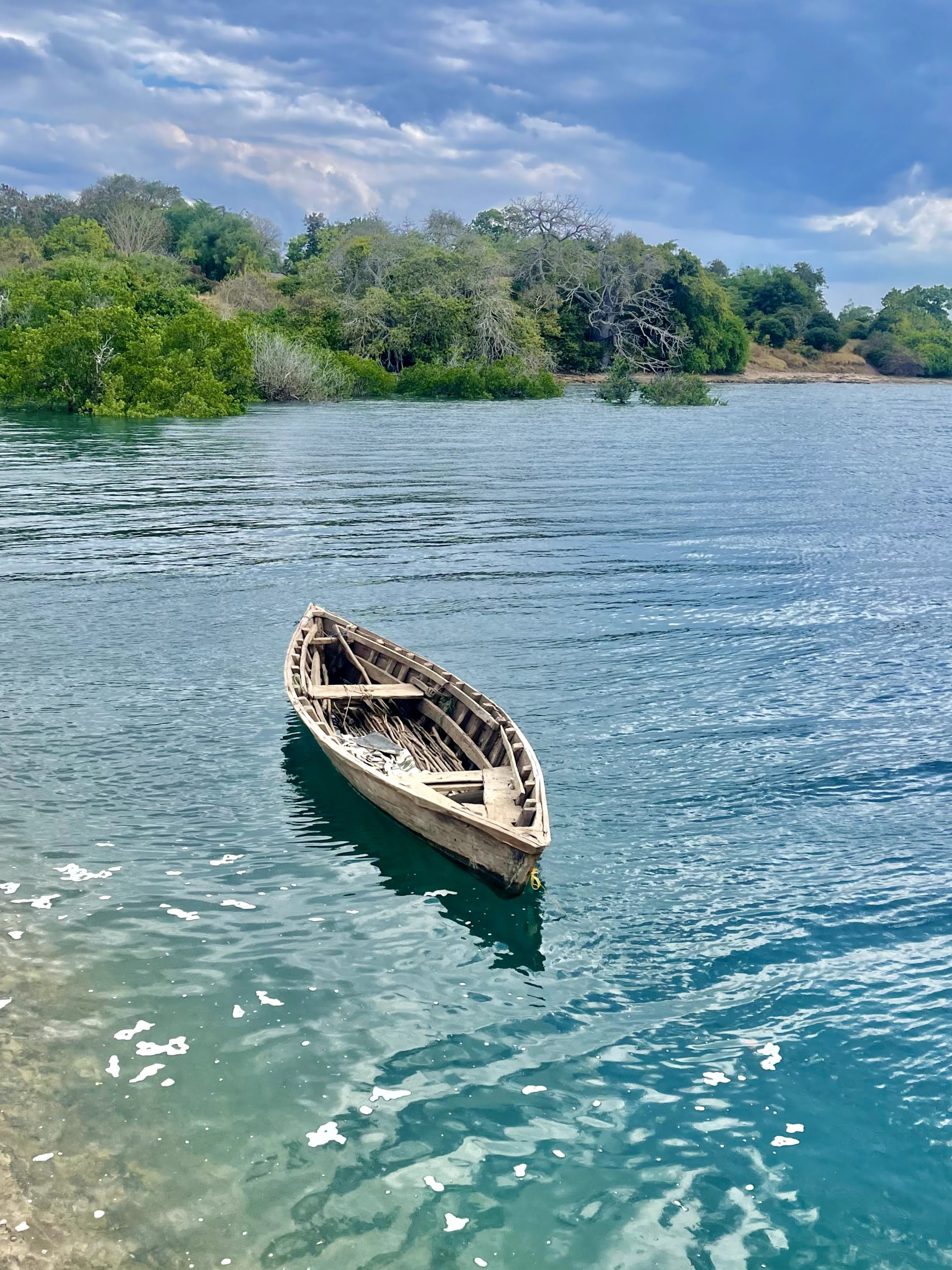
In this article
- 1Overview
- 2Geography and Setting
- 3Historical Significance
- 4Urban Layout and Society
- 5Archaeology and Material Culture
- 6Archaeological Research and Human Remains
- 7Repatriation of Ancestral Remains
- 8Preservation and Heritage Status
- 9Present-Day Community
- 10Key dates
- 11Frequently asked questions
- 12Knowledge graph
Overview
Kilwa Kisiwani is an island, a national historic site and a hamlet community within the township of Kilwa Masoko, the district seat of Kilwa District in the Lindi region of southern Tanzania1Kilwa Kisiwani — wiki · Wikipedia ↗. It is the largest of the nine hamlets in the town of Kilwa Masoko and also the least populated hamlet in the township, with around 1,150 residents1.
The island is a former Swahili city-state site located along the Swahili Coast on the Kilwa Archipelago2Kilwa Kisiwani — sec3 · Wikipedia ↗. Kilwa Kisiwani Island lies 9 degrees south of the equator1. Historically it was the center of the Kilwa Sultanate, a medieval Swahili sultanate whose authority at its height in the 13th, 14th and 15th centuries stretched the entire length of the Swahili Coast1.
Since 1981 the entire island of Kilwa Kisiwani has been designated by UNESCO as a World Heritage Site along with the nearby ruins of Songo Mnara1. The World Monuments Fund included Kilwa on its 2008 Watch List of 100 Most Endangered Sites, and since 2008 has been supporting conservation work on the site3Kilwa Kisiwani — sec6 · Wikipedia ↗. To protect the historical integrity of the island, non-island residents are strictly prohibited from visiting without a permit from the tourist information center in downtown Kilwa Masoko1.
Apart from its historical reputation, Kilwa Kisiwani remains home to a small and resilient community of natives who have inhabited the island for centuries1. Archaeological study of the site has addressed the creation of urban communities at Kilwa Kisiwani between CE 800 and 13004Kilwa Kisiwani — sec4 · Wikipedia ↗. All of the varieties of locally produced pottery found in the region were also uncovered at the site of Kilwa itself4, and imported ceramics played important symbolic roles along the Swahili Coast4.
During the late colonial period, archaeological excavations in the Kilwa region of present day Tanzania resulted in the removal of human skeletal remains for research purposes5Kilwa Kisiwani — sec7 · Wikipedia ↗. According to research published by Open Restitution Africa, Chittick removed unidentified human remains from graves in the Kilwa District5. The return of ancestral remains from Kilwa to Tanzania began in 2016 when the British Institute on Eastern Africa facilitated the return of a smaller group of human remains and cultural materials to the National Museum of Tanzania, although a larger collection remained in Nairobi5. In March 2023 the remaining human remains from Kilwa were transported by road from Nairobi, Kenya to Dar es Salaam, Tanzania in a repatriation coordinated by the British Institute in Eastern Africa and the National Museum of Tanzania5.
Kilwa's growth was shaped by trade connections with the Arabian Peninsula as well as India and China, and although Islamic words and customs were adapted into the local culture, its origins are African2. The Moroccan traveller and scholar Ibn Battuta visited Kilwa in 1331 CE and described it as one of the most beautiful cities in the world2. Many Swahili settlements of the region displayed complex layouts that reflected social relations between groups2.
In 2004 Kilwa Kisiwani was inscribed in UNESCO's List of World Heritage in Danger3. Among the archaeologists working in the region was Neville Chittick, who became Tanganyika's first conservator of antiquities in 1957 and subsequently conducted research on the archaeology and history of Swahili civilization5. Research published by Open Restitution Africa holds that Chittick removed unidentified human remains from graves in the Kilwa District during the late 1950s5.
Ceramics at the site distinguish between wares seen across the wider region and types mostly found within Kilwa itself4. The symbolism attached to imported ceramics was strong enough to carry on into modern Swahili culture4.
A study titled "Entwined African and Asian genetic roots of medieval peoples of the Swahili coast" completed ancient DNA analysis of several samples from the ruins of Kilwa in 20236Kilwa Kisiwani — sec5 · Wikipedia ↗. From medieval times until the modern day, subsequent interactions with different Asian and African people have changed the ancestry of the present-day people living on the Swahili coast compared to the medieval individuals whose DNA was sequenced6.
1. Geography and Setting
Kilwa Kisiwani lies within the authority of Kilwa Masoko township. The sea has shaped the settlement profoundly, supplying abundant marine resources and trade opportunities, and for this reason the archaeological investigation of its harbors and ports is regarded as being of high importance 2.
The topsoil that covers the limestone at Kilwa was of poor quality, so food sources on land came from the areas of higher ground 2. The soil of the Kilwa region was nonetheless suitable for growing cotton, which could be used in sail manufacturing 2.
Kilwa Kisiwani is an island, a national historic site and a hamlet community within the township of Kilwa Masoko, the district seat of Kilwa District in the Lindi region of southern Tanzania 1. The island lies 9 degrees south of the equator 1. It is the largest of the nine hamlets in the town of Kilwa Masoko and also the least populated, with around 1,150 residents 1. As a former Swahili city-state site, it sits along the Swahili Coast on the Kilwa Archipelago 2.
The island was the center of the Kilwa Sultanate, a medieval Swahili sultanate whose authority at its height in the 13th, 14th and 15th centuries stretched the entire length of the Swahili Coast 1. Trade connections with the Arabian Peninsula as well as India and China influenced the growth and development of Kilwa, and though Islamic words and customs have been adapted to the local culture, its origins are African 2. In 1331 CE the Moroccan traveller and scholar Ibn Battuta visited Kilwa and described it as one of the most beautiful cities in the world 2. Many Swahili settlements showed complex layouts that reflected social relations between groups 2.
Since 1981 the entire island has been designated by UNESCO as a World Heritage Site along with the nearby ruins of Songo Mnara 1. In 2004 Kilwa Kisiwani was inscribed in UNESCO's List of World Heritage in Danger 3. The World Monuments Fund included Kilwa on its 2008 Watch List of 100 Most Endangered Sites, and since 2008 has been supporting conservation work on various buildings 3. To protect the historical integrity of the island, non-island residents are strictly prohibited from visiting without a permit from the tourist information center in downtown Kilwa Masoko 7Kilwa Kisiwani — sec2 · Wikipedia ↗.
All of the varieties of locally produced pottery found in the region were also uncovered at the site of Kilwa itself 4. While kitchen wares could be seen throughout the region, there were ceramics mostly seen within Kilwa itself 4. These imported ceramics played important symbolic roles along the Swahili Coast 4.
During the late colonial period, archaeological excavations in the Kilwa region of present-day Tanzania resulted in the removal of human skeletal remains for research purposes 5. Among the archaeologists working in the region was Neville Chittick, who became Tanganyika's first conservator of antiquities in 1957 and subsequently conducted research on the archaeology and history of Swahili civilization 5. According to research published by Open Restitution Africa, Chittick removed unidentified human remains from graves in the Kilwa District during the late 1950s 5. In 2023 ancient DNA analysis of several samples from the ruins of Kilwa was completed 6. From medieval times until the modern day, subsequent interactions with different Asian and African people have changed the ancestry of the present-day people living on the Swahili coast compared to the medieval individuals whose DNA was sequenced 6.
2. Historical Significance
Kilwa stood at the center of the Kilwa Sultanate, a medieval Swahili sultanate whose authority at its height in the 13th, 14th and 15th centuries stretched the entire length of the Swahili Coast.
The city reached its highest point in wealth and commerce between the 13th and 15th centuries; at around this time it seized control of the gold trade at Sofala, Mozambique.
In 1331 CE the Moroccan traveller and scholar Ibn Battuta visited Kilwa and described it as one of the most beautiful cities in the world.
Trade connections with the Arabian Peninsula as well as India and China influenced Kilwa's growth and development, and although Islamic words and customs were adapted, its origins are African.
Kilwa Kisiwani is a former Swahili city-state site situated along the Swahili Coast on the Kilwa Archipelago1.
Beyond its historical reputation, the island remains home to a small and resilient community of natives who have inhabited it for centuries1.
To protect the historical integrity of the island, non-island residents are strictly prohibited from visiting without a permit from the tourist information center in downtown Kilwa Masoko1.
3. Urban Layout and Society
The wealthier residents of Kilwa owned exotic textiles and foreign ceramics, though items such as luxury clothes are not preserved in the archaeological record 2.
At Kilwa there are many questions still left unanswered about the town's layout after the Portuguese Empire sacked and burnt it to the ground in July 1505 2.
Many of the Swahili settlements showed complex layouts that reflected social relations between groups 2. The same observation is recorded for Kilwa's wider region 1.
The absence of imported goods in the hinterlands indicates that, while Kilwa was undergoing a process of urbanization, the other local communities did not undergo a dramatic transformation 4.
The archaeology of this urban development is treated in the study "Creating urban communities at Kilwa Kisiwani, Tanzania, CE 800-1300" 4.
4. Archaeology and Material Culture
Imported ceramics carried important symbolic roles along the Swahili Coast.4 The strength of that symbolism was such that it persisted into modern Swahili culture.2
The absence of imported goods in the hinterlands shows that Kilwa alone passed through a process of urbanization, while the other local communities did not undergo a dramatic transformation.4 This contrast frames the research on the site published as 'Creating urban communities at Kilwa Kisiwani, Tanzania, CE 800-1300'.2
Kilwa Kisiwani is a former Swahili city-state site on the Kilwa Archipelago of the Swahili Coast.2 It was historically the centre of the Kilwa Sultanate, a medieval Swahili sultanate whose authority at its height in the 13th, 14th and 15th centuries stretched the entire length of the Swahili Coast.1 Trade connections with the Arabian Peninsula as well as India and China influenced its growth and development; Islamic words and customs were adapted into the culture, whose origins are African.2 In 1331 CE the Moroccan traveller and scholar Ibn Battuta visited Kilwa and described it as one of the most beautiful cities in the world.2
Excavation in the Kilwa region during the late colonial period removed human skeletal remains for research purposes.5 Among the archaeologists working there was Neville Chittick, who became Tanganyika's first conservator of antiquities in 1957 and subsequently conducted research on the archaeology and history of Swahili civilization.5 Research published by Open Restitution Africa states that Chittick removed unidentified human remains from graves in the Kilwa District during the late 1950s.5 Repatriation began in 2016, when the British Institute on Eastern Africa facilitated the return of a smaller group of human remains and cultural materials to the National Museum of Tanzania, although a larger collection remained in Nairobi.5
Ancient DNA analysis of several samples from the ruins of Kilwa was completed in 2023.6 From medieval times until the modern day, subsequent interactions with different Asian and African people have changed the ancestry of the present-day people living on the Swahili coast compared to the medieval individuals whose DNA was sequenced.6
Kilwa Kisiwani was inscribed in UNESCO's List of World Heritage in Danger in 2004.3 The World Monuments Fund included Kilwa on its 2008 Watch List of 100 Most Endangered Sites, and since 2008 has been supporting conservation work on various buildings.3
5. Archaeological Research and Human Remains
Excavations carried out in the Kilwa region during the late colonial period removed human skeletal remains from their burial contexts for research purposes. Among the archaeologists working in the region was Neville Chittick, who became Tanganyika's first conservator of antiquities in 1957 and subsequently conducted research on the archaeology and history of Swahili civilization.5
According to research published by Open Restitution Africa, Chittick removed unidentified human remains from graves in the Kilwa District during the late 1950s.8Kilwa Kisiwani — sec8 · Wikipedia ↗
In 2023 ancient DNA analysis of several samples from the ruins of Kilwa was completed.6 The study, titled 'Entwined African and Asian genetic roots of medieval peoples of the Swahili coast', examined the ancestry of medieval individuals from the site.6 From medieval times until the modern day, subsequent interactions with different Asian and African people have changed the ancestry of the present-day people living on the Swahili coast compared to the medieval individuals whose DNA was sequenced.6
The return of ancestral remains from Kilwa to Tanzania began in 2016 when the British Institute in Eastern Africa facilitated the return of a smaller group of human remains and cultural materials to the National Museum of Tanzania, although a larger collection remained in Nairobi.5
In March 2023 the remaining human remains from Kilwa were transported by road from Nairobi, Kenya to Dar es Salaam, Tanzania in a repatriation coordinated by the British Institute in Eastern Africa and the National Museum of Tanzania.5
The wealthier residents of Kilwa owned exotic textiles and foreign ceramics, though items such as luxury clothes are not preserved in the archaeological record.2 Because of the impact the sea had on Kilwa, including abundant marine resources and trade opportunities, the archaeological investigation of the harbors and ports is considered to be of high importance.2
6. Repatriation of Ancestral Remains
During the late colonial period archaeological excavations in the Kilwa region of present day Tanzania resulted in the removal of human skeletal remains for research purposes5.
The return of the ancestral remains from Kilwa to Tanzania began in 2016 when the British Institute on Eastern Africa facilitated the return of a smaller group of human remains and cultural materials to the National Museum of Tanzania although a larger collection remained in Nairobi5.
In March 2023 the remaining human remains from Kilwa were transported by road from Nairobi, Kenya to Dar es Salaam, Tanzania in a repatriation coordinated by the British Institute in Eastern Africa and the National Museum of Tanzania5.
Research published by Open Restitution Africa identifies Chittick as the figure who removed unidentified human remains from graves in the Kilwa District during the late 1950s5.
7. Preservation and Heritage Status
The entire island of Kilwa Kisiwani has been designated by UNESCO as a World Heritage Site since 1981 along with the nearby ruins of Songo Mnara.3 In 2004 it was inscribed on UNESCO's List of World Heritage in Danger.3
The World Monuments Fund included Kilwa on its 2008 Watch List of 100 Most Endangered Sites.3 Since 2008 the organization has been supporting conservation work on various buildings.3
To protect the historical integrity of the island non-island residents are strictly prohibited from visiting the island without a permit from the tourist information center in downtown Kilwa Masoko.71
Kilwa Kisiwani is not only a protected site but a living settlement: it is the largest of the nine hamlets in the town of Kilwa Masoko and the least populated of them, with around 1,150 residents.1 The island lies within the township of Kilwa Masoko, the district seat of Kilwa District in the Tanzanian region of Lindi in southern Tanzania.1
The site's historical weight rests on its past as a former Swahili city-state on the Swahili Coast of the Kilwa Archipelago.2 It was the center of the Kilwa Sultanate, a medieval Swahili sultanate whose authority at its height in the 13th, 14th and 15th centuries stretched the entire length of the Swahili Coast.1 Trade connections with the Arabian Peninsula as well as India and China influenced the growth and development of Kilwa, and though Islamic words and customs have been adapted into the culture, its origins are African.2 In 1331 CE the Moroccan traveller and scholar Ibn Battuta visited Kilwa and described it as one of the most beautiful cities in the world.2
Archaeological work in the Kilwa region has also shaped the site's modern record. During the late colonial period excavations there resulted in the removal of human skeletal remains for research purposes.5 Among the archaeologists working in the region was Neville Chittick, who became Tanganyika's first conservator of antiquities in 1957 and subsequently conducted research on the archaeology and history of Swahili civilization.5 According to research published by Open Restitution Africa, Chittick removed unidentified human remains from graves in the Kilwa District during the late 1950s.5
Scientific study of the ruins continued into the present decade: in 2023 ancient DNA analysis of several samples from the ruins of Kilwa was completed.6 From medieval times until the modern day, subsequent interactions with different Asian and African people have changed the ancestry of the present-day people living on the Swahili coast compared to the medieval individuals whose DNA was sequenced.6
8. Present-Day Community
Apart from its significant historical reputation Kilwa Kisiwani is still home to a small and resilient community of natives who have inhabited the island for centuries1.
Kilwa Kisiwani is an island, a national historic site, and a hamlet community within the township of Kilwa Masoko, the district seat of Kilwa District in the Tanzanian region of Lindi in southern Tanzania1. It is the largest of the nine hamlets in the town of Kilwa Masoko and also the least populated, with around 1,150 residents1. The island lies along the Swahili Coast on the Kilwa Archipelago and is a former Swahili city-state site2.
Access to the island is controlled. To protect its historical integrity, non-island residents are strictly prohibited from visiting without a permit from the tourist information center in downtown Kilwa Masoko7. The entire island has been designated by UNESCO as a World Heritage Site since 1981, together with the nearby ruins of Songo Mnara1. In 2004 Kilwa Kisiwani was inscribed in UNESCO's List of World Heritage in Danger3, and the World Monuments Fund included Kilwa on its 2008 Watch List of 100 Most Endangered Sites, supporting conservation work on various buildings since that year3.
The community's deeper past is one of long exchange. Trade connections with the Arabian Peninsula as well as India and China influenced the growth and development of Kilwa; although Islamic words and customs have been adapted to the culture, its origins are African2. From medieval times until the modern day, subsequent interactions with different Asian and African people have changed the ancestry of the present-day people living on the Swahili coast compared to the medieval individuals whose DNA was sequenced6. In 2023 ancient DNA analysis of several samples from the ruins of Kilwa was completed6, work published under the title "Entwined African and Asian genetic roots of medieval peoples of the Swahili coast"6.
Excavation in the Kilwa region during the late colonial period removed human skeletal remains for research purposes5. Among the archaeologists working there was Neville Chittick, who became Tanganyika's first conservator of antiquities in 1957 and subsequently conducted research on the archaeology and history of Swahili civilization5. According to research published by Open Restitution Africa, Chittick removed unidentified human remains from graves in the Kilwa District during the late 1950s5.
9. Key dates
- 1300"Creating urban communities at Kilwa Kisiwani, Tanzania, CE 800-1300"."Creating urban communities at Kilwa Kisiwani, Tanzania, CE 800-1300".
- 1331In 1331 CE, Moroccan traveller and scholar Ibn Battuta visited Kilwa andIn 1331 CE, Moroccan traveller and scholar Ibn Battuta visited Kilwa and described it as one of the most beautiful cities in the world.
- 1505However at Kilwa, there are many questions still left unanswered about theHowever at Kilwa, there are many questions still left unanswered about the town's layout after the Portuguese Empire sacked and burnt it to the ground in July 1505.
- 1957Among the archeologists working in the region was Neville Chittick , woAmong the archeologists working in the region was Neville Chittick , wo became Tanganyika's first conservator of antiquities in 1957 and subsequently conducted research on the archeology and history of Swahili civilization.
- 1981Since 1981, the entire island of Kilwa Kisiwani has been designated bySince 1981, the entire island of Kilwa Kisiwani has been designated by UNESCO as a World Heritage Site along with the nearby ruins of Songo Mnara.
- 2004Preservation In 2004, Kilwa Kisiwani was inscribed in UNESCO's List of WorPreservation In 2004, Kilwa Kisiwani was inscribed in UNESCO's List of World Heritage in Danger .
- 2008The World Monuments Fund included Kilwa on its 2008 Watch List ofThe World Monuments Fund included Kilwa on its 2008 Watch List of 100 Most Endangered Sites, and since 2008 has been supporting conservation work on various buildings.
- 2016Early returns and renewed repatriation efforts The return of the ancestralEarly returns and renewed repatriation efforts The return of the ancestral remains from Kilwa to Tanzania begam in 2016 when the British Institute on Eastern Africa facilitated the return of a smaller group of human remains and cultural materials to the National Museum of Tanzani
- 2023in 2023 completed ancient DNA analysis of several samples from the ruinsin 2023 completed ancient DNA analysis of several samples from the ruins of Kilwa.
10. Frequently asked questions
How large is Kilwa Kisiwani's resident community today?
What did Ibn Battuta think of Kilwa when he saw it?
The Moroccan traveller and scholar visited Kilwa in 1331 CE and described it as one of the most beautiful cities in the world2.
What happened to Kilwa's town layout after the Portuguese arrived?
Who was Neville Chittick and what was his connection to Kilwa?
When did the return of ancestral remains from Kilwa begin?
The return began in 2016 when the British Institute on Eastern Africa facilitated the return of a smaller group of human remains and cultural materials to the National Museum of Tanzania, although a larger collection remained in Nairobi5.
What did the ancient DNA study of Kilwa's medieval population find?
References (8)
- 1Kilwa Kisiwani — wiki — Wikipedia Web↩View source
- 2Kilwa Kisiwani — sec3 — Wikipedia Web↩View source
- 3Kilwa Kisiwani — sec6 — Wikipedia Web↩View source
- 4Kilwa Kisiwani — sec4 — Wikipedia Web↩View source
- 5Kilwa Kisiwani — sec7 — Wikipedia Web↩View source
- 6Kilwa Kisiwani — sec5 — Wikipedia Web↩View source
- 7Kilwa Kisiwani — sec2 — Wikipedia Web↩View source
- 8Kilwa Kisiwani — sec8 — Wikipedia Web↩View source