Babylon
The city that built the first legal code, the Ishtar Gate, and a wonder that may never have existed.
Babylon was the capital of southern Mesopotamia and, under Nebuchadnezzar II, the largest city in the world at roughly four square miles. It produced the Code of Hammurabi, the Ishtar Gate with its life-size glazed beasts, and the legend of the Hanging Gardens. Cyrus the Great took the city in 539 BCE, and UNESCO inscribed the ruins in 2019.
Overview
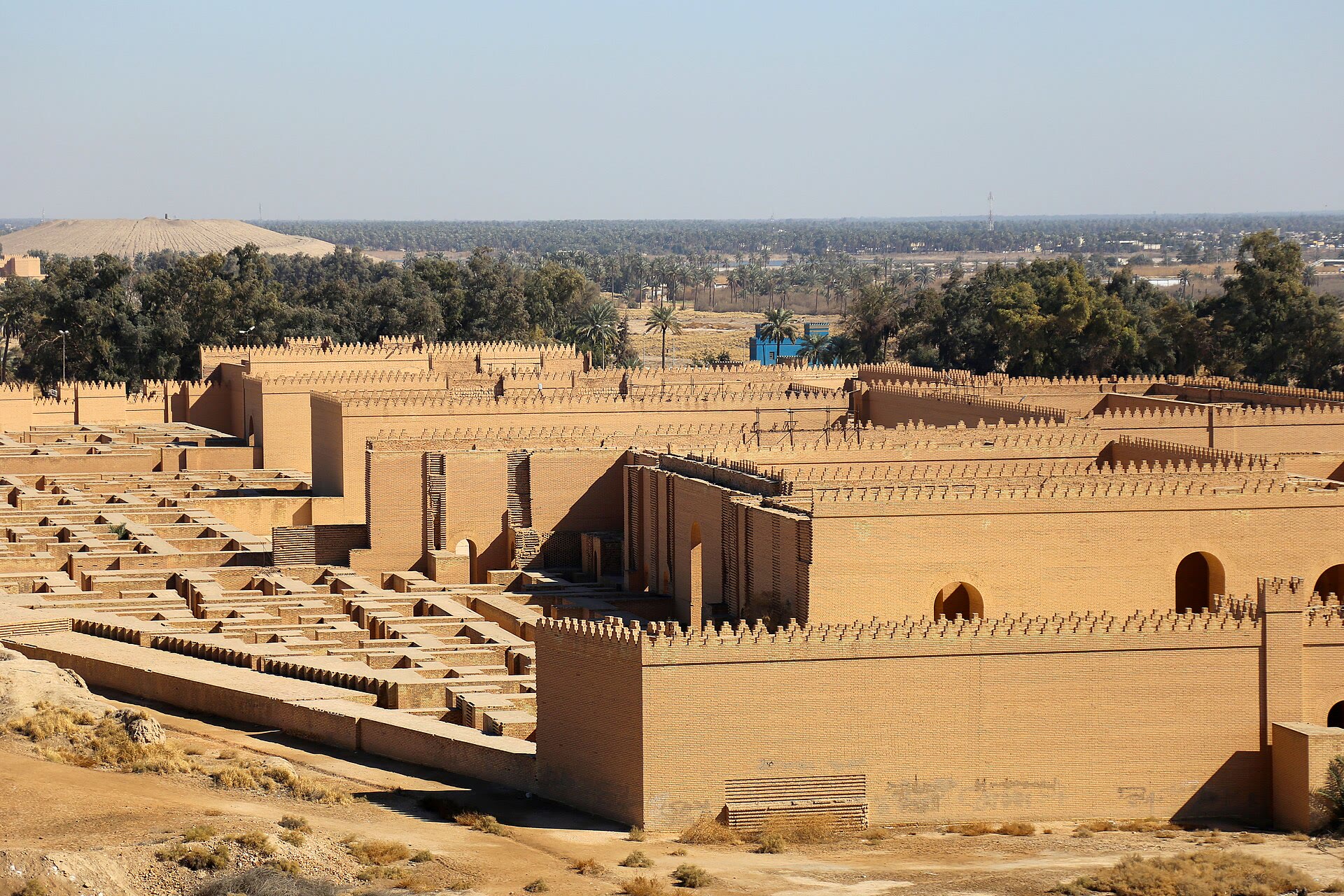
Babylon is an ancient city of southern Mesopotamia in Iraq, known in Arabic as Babil and situated 85 km (55 mi) south of Baghdad. Its remains spread across a site of about 10 km². At its height the city was the cosmopolitan center of a vast ancient Middle Eastern empire, carefully built and richly decorated to emphasize its political and religious importance.
The city lay on the Euphrates, which has since shifted its course, with the older part of the city on the east bank. It stood near present-day Hillah in Babil province. Babylon was once the center of a sprawling empire, renowned for its towers and mudbrick temples.
The Neo-Babylonian Empire, which held the city from 626 to 539 BCE, retains a notable position in modern cultural memory owing to the portrayal of Babylon and its greatest king Nebuchadnezzar II in the Bible. Babylonian sources describe Nebuchadnezzar's reign as a golden age that transformed Babylonia into the greatest empire of its time. The reports of Herodotus largely relate to the Babylon built by Nebuchadnezzar, and that city was the largest in the world, covering about 4 square miles (10 square km).
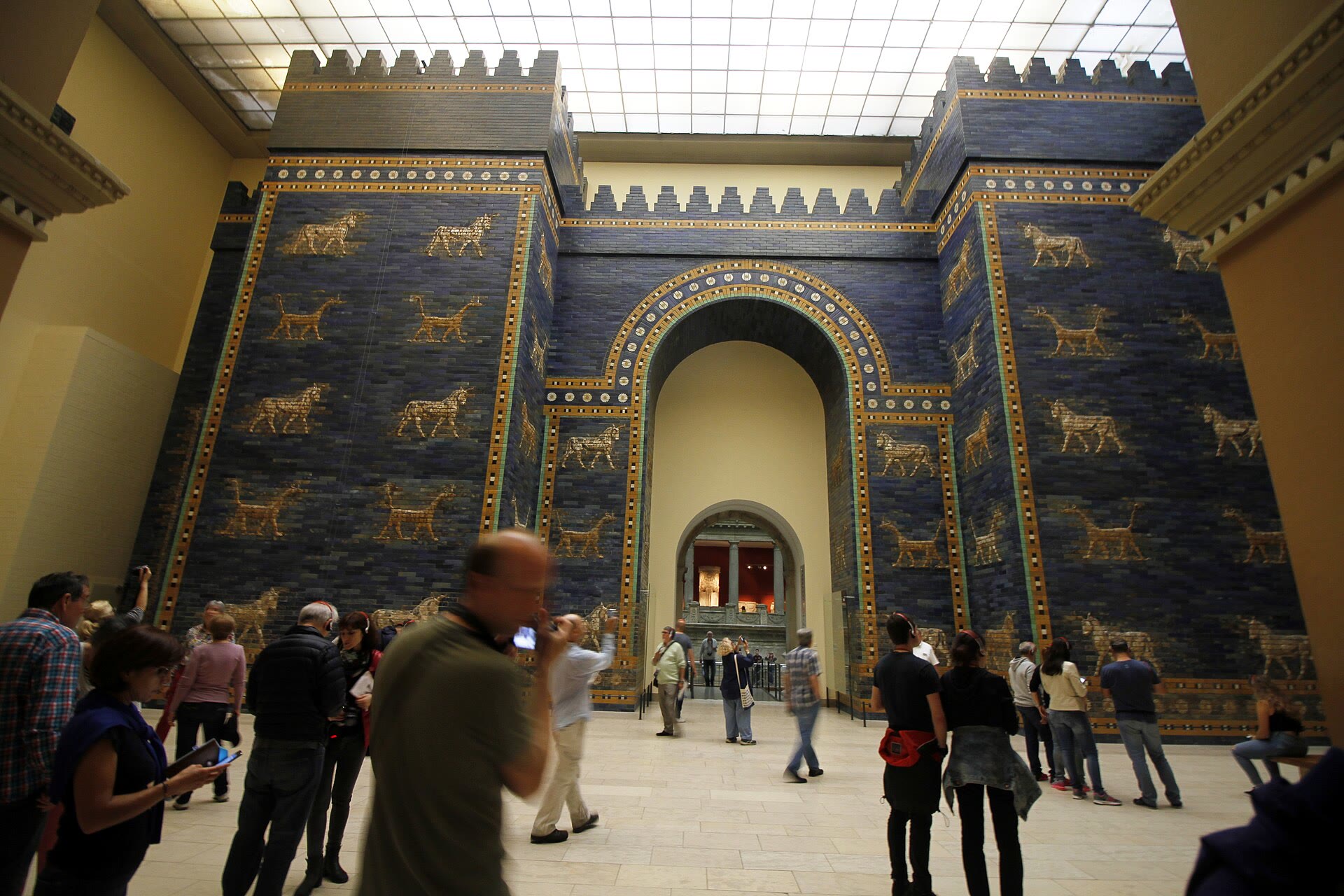
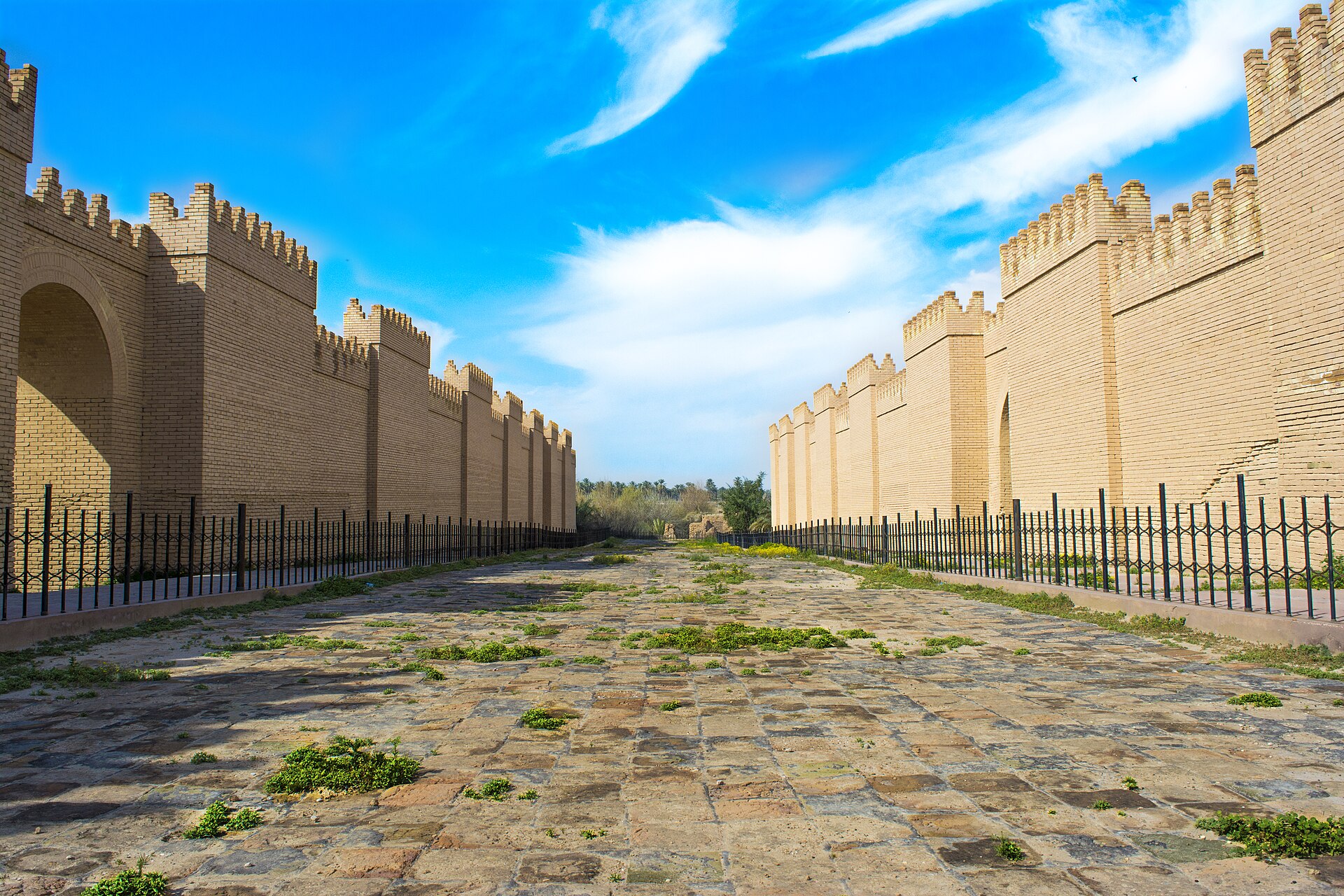
Among the city's most spectacular monuments was the Ishtar Gate and its affiliated Processional Way, a double gate and long causeway featuring hundreds of colorful, life-size beasts. Linked to the gods, these creatures provided a divinely protected and ritualized entryway into the inner city of Babylon. Visitors today can stroll through the remnants of the brick and clay structures and see the famed Lion of Babylon statue as well as large portions of the original Ishtar Gate.
The defeat of the Assyrian Empire and the subsequent return of power to Babylon marked the first time that the city, and southern Mesopotamia in general, had risen to dominate the ancient Near East since the collapse of the Old Babylonian Empire under Hammurabi nearly a thousand years earlier. The Code of Hammurabi, one of the most recognizable legal texts from the ancient Near East, was written in the Old Babylonian dialect of Akkadian and purportedly by Hammurabi, sixth king of the First Dynasty of Babylon. Cyrus invaded Babylonia in 539 BCE as Marduk's champion restoring order to Mesopotamia, and the Persian army went on to capture the cities of Sippar and Babylon itself without further conflict, Cyrus being reported to have been received with joy by the city's inhabitants and to have appointed local governors. After the conquest Babylon remained culturally distinct for centuries, with references to people with Babylonian names and to the Babylonian religion known from as late as the Parthian Empire in the 1st century BC.
Knowledge of the city's ancient layout rests on excavations, cuneiform texts, and the descriptions left by Herodotus and other Classical authors. The Ishtar Gate itself was the eighth gate to the capital city of Babylon, and substantial portions of it are now held in the Pergamon Museum in Berlin. In the voice attributed to Nebuchadnezzar II, king of Babylon, the gates were filled with splendor for the wonder of all people.
The Hanging Gardens of Babylon were counted among the Seven Wonders of the Ancient World listed by Hellenic culture. They were described as a remarkable feat of engineering: an ascending series of tiered gardens holding a wide variety of trees, shrubs, and vines, resembling a large green mountain constructed of mud bricks. The name derives from the Greek word kremastós. The gardens were said to have been built in Babylon near present-day Hillah, Babil province, in Iraq, and the account was attested by the Babylonian priest Berossus writing in about 290 BC, a description later quoted by Josephus.
The Code of Hammurabi is one of the most recognizable legal texts from the ancient Near East, written in the Old Babylonian dialect of Akkadian and purportedly by Hammurabi, sixth king of the First Dynasty of Babylon. Its stele carries at the top a relief image of Hammurabi with Shamash, the Babylonian sun god and god of justice, and in the prologue Hammurabi claims to have been granted his rule by the gods to prevent the strong from oppressing the weak. Modern scholars responded to the Code with admiration at its perceived fairness and respect for the rule of law, and at the complexity of Old Babylonian society. Despite uncertainty surrounding these issues, Hammurabi is regarded outside Assyriology as an important figure in the history of law and the document as a true legal code.
Babylon's inscription as a world heritage site was decided by vote at a UNESCO World Heritage Committee meeting in Azerbaijan's capital Baku, making the ancient Mesopotamian city on the Euphrates River the sixth world heritage site within the borders of a country known as a cradle of civilization.
1. Topography and Sources
The physical shape of ancient Babylon is known from three kinds of testimony that rarely agree in detail: the excavated remains, the cuneiform tablets recovered from the site, and the accounts left by Classical writers. The Classical descriptions, Herodotus among them, relate in the main to the city as it was rebuilt under Nebuchadnezzar II, the greatest of its kings. At its peak under that ruler the city covered about 4 square miles (10 km²).
The river Euphrates ran through the built-up area, dividing the older quarter, which lay on the east bank, from the later additions across the water. The channel has since shifted its course, so that the relation of river to ruins on the ground today no longer matches the arrangement the ancient sources describe.
The scale of the city belongs to a wider transformation of the region. Neo-Babylonian rule produced unprecedented economic and population growth across Babylonia and sparked a cultural and artistic renaissance as its kings initiated major building projects, chiefly in Babylon, reviving many elements of the preceding two thousand years of Sumero-Akkadian culture.
The site lies on the Euphrates in modern-day Iraq, sixty miles from Baghdad, and about 85 kilometers (55 miles) south of the capital. The built remains that visitors walk today are brick and clay structures stretching across 10 square kilometers, among them the Lion of Babylon statue and large portions of the original Ishtar Gate. In the same year that the UNESCO World Heritage Committee met in Baku, the city on the Euphrates was inscribed as the sixth world heritage site within the country's borders.
The Ishtar Gate and its affiliated Processional Way formed a double gate and long causeway set with hundreds of colorful, life-size beasts. Linked to the gods, these creatures gave the entryway into the inner city a divinely protected and ritualized character. The gate was the eighth to the capital city of Babylon, and a reconstruction of it stands in the Pergamon Museum in Berlin. In the king's own words, the gates were filled with splendor for the wonder of all people.
Babylonian sources treat Nebuchadnezzar's reign as a golden age that made Babylonia the greatest empire of its time. At its height the city was the cosmopolitan center of a vast ancient Middle Eastern empire, carefully built and richly decorated to emphasize its political and religious importance. It was renowned for its towers and mudbrick temples.
The Hanging Gardens were counted among the Seven Wonders of the Ancient World listed by Hellenic culture. They were described as a remarkable feat of engineering: an ascending series of tiered gardens holding a wide variety of trees, shrubs and vines, resembling a large green mountain built of mud bricks. The gardens were said to have stood in Babylon near present-day Hillah, in Babil province, and their name derives from the Greek word kremastós.
Among the tablets are legal texts as well as administrative and descriptive ones. The Code of Hammurabi, written in the Old Babylonian dialect of Akkadian and purportedly by Hammurabi, sixth king of the First Dynasty of Babylon, is one of the most recognizable legal texts from the ancient Near East. Its stele carries at the top a relief of the king with Shamash, the Babylonian sun god and god of justice, and in the prologue Hammurabi claims that the gods granted him rule to prevent the strong from oppressing the weak. Modern scholars admired the Code for its perceived fairness, its respect for the rule of law and the complexity of Old Babylonian society it reveals; despite uncertainty surrounding these issues, Hammurabi is regarded outside Assyriology as an important figure in the history of law and the document as a true legal code.
2. The Ishtar Gate and Processional Way
The Ishtar Gate and Processional Way stand as the signature monument of Babylon. The complex joined a double gate to a long causeway, and its surfaces carried hundreds of colorful, life-size beasts associated with the gods. Together these elements formed a divinely protected and ritualized entryway into the inner city.
I filled those gates with splendor for the wonder of all people.
Nebuchadnezzar II
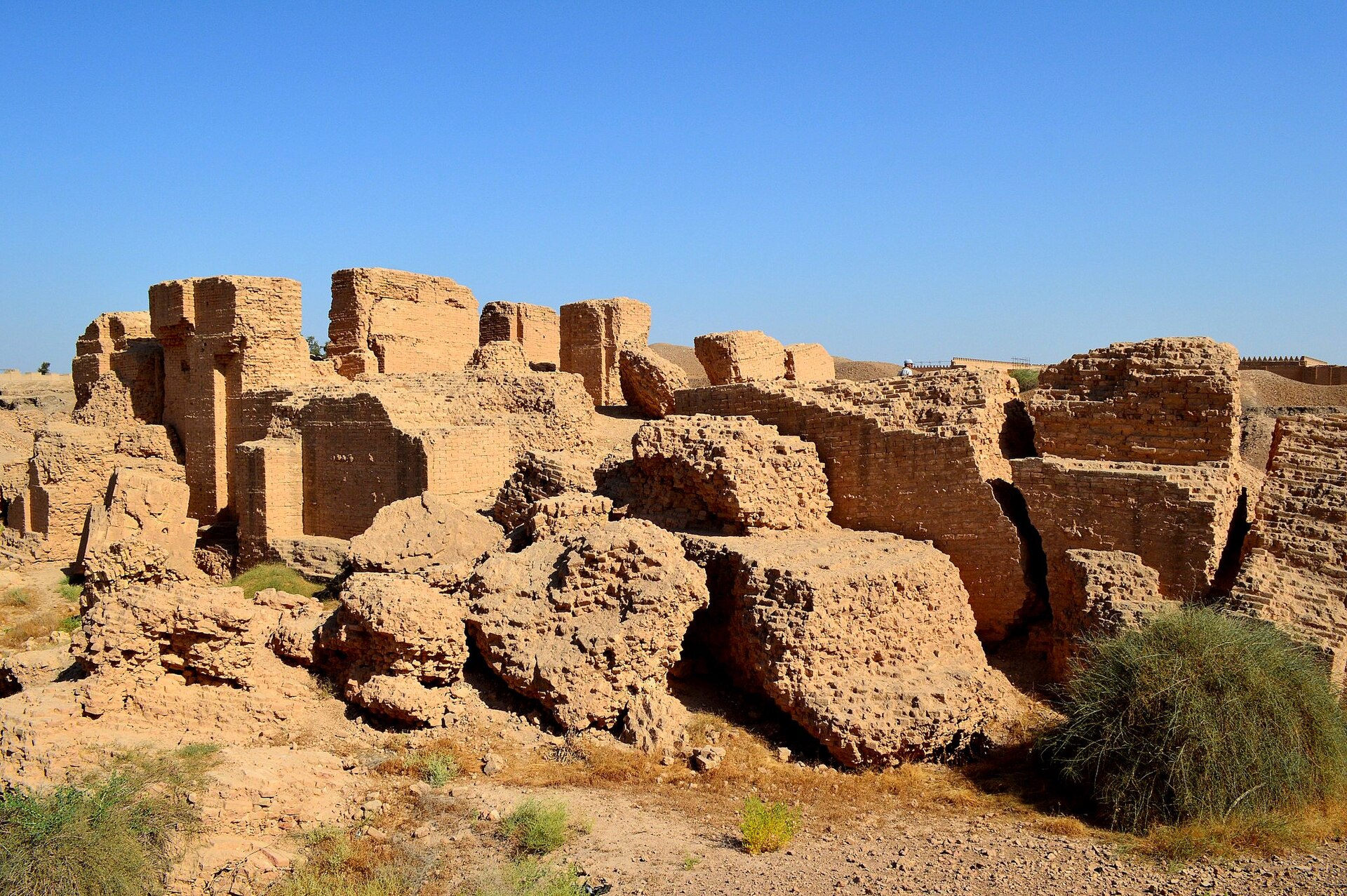
Visitors can see large portions of the original Ishtar Gate among the brick and clay remnants stretching across 10 square kilometers. The famed Lion of Babylon statue also remains visible at the site.
The gate and its affiliated Processional Way were among the most spectacular monuments of the city, built as a double gate with a long causeway whose walls carried hundreds of colorful, life-size beasts. The creatures were linked to the gods, and in that role they provided a divinely protected and ritualized entryway into the inner city of Babylon. An inscription preserved from the monument records a royal voice claiming the work: I filled those gates with splendor for the wonder of all people. The king credited in the source material with the monument is Nebuchadnezzar II, king of Babylon.
The Ishtar Gate was the eighth gate to the capital city of Babylon. Babylon itself lay on the banks of the Euphrates River, sixty miles from Baghdad in modern-day Iraq. Substantial portions of the gate are now held in the Pergamon Museum in Berlin.
3. Hammurabi and the Code
Hammurabi, sixth king of the First Dynasty of Babylon, is presented as the author of the Code of Hammurabi, one of the most recognizable legal texts from the ancient Near East, written in the Old Babylonian dialect of Akkadian. In the prologue Hammurabi claims to have been granted his rule by the gods "to prevent the strong from oppressing the weak". Modern scholars responded to the Code with admiration at its perceived fairness and respect for the rule of law, and at the complexity of Old Babylonian society.
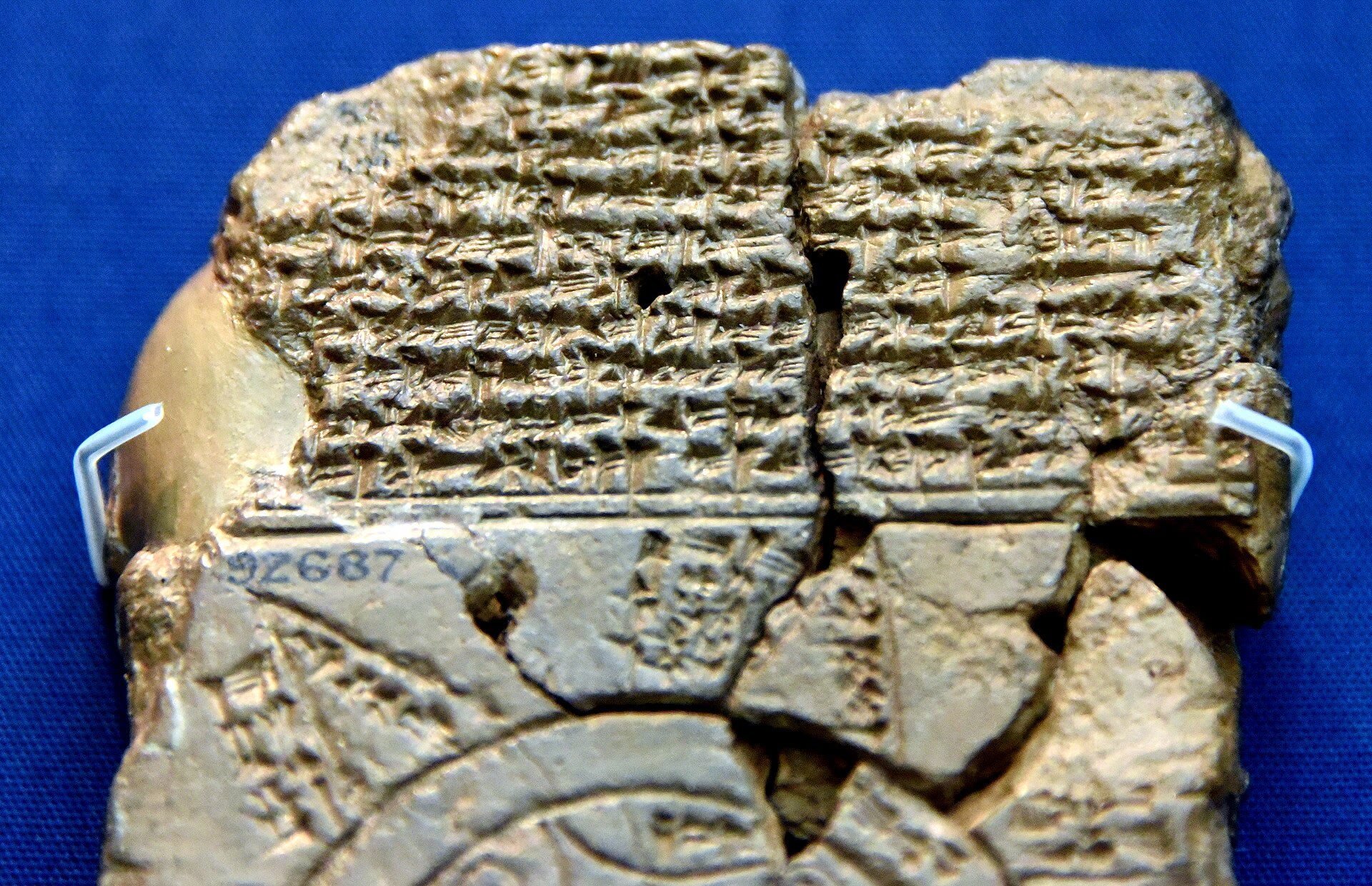
The text is conventionally identified as the Code of Hammurabi, composed in Old Babylonian Akkadian. Its attribution to Hammurabi, the sixth king of the First Dynasty of Babylon, is presented as purported rather than certain.
At the top of the stele a relief shows Hammurabi together with Shamash, the Babylonian sun god and god of justice.
Outside Assyriology the uncertainties surrounding the document are often set aside: Hammurabi is treated as an important figure in the history of law and the text as a true legal code.
The city's later imperial ascent, following the defeat of the Assyrian Empire and the return of power to Babylon, was the first time the city and southern Mesopotamia had dominated the ancient Near East since the collapse of the Old Babylonian Empire under Hammurabi nearly a thousand years earlier.
4. The Neo-Babylonian Empire
The defeat of the Assyrian Empire and the subsequent return of power to Babylon marked the first time that the city, and southern Mesopotamia in general, had risen to dominate the ancient Near East since the collapse of the Old Babylonian Empire under Hammurabi nearly a thousand years earlier. Neo-Babylonian rule produced unprecedented economic and population growth across Babylonia. It also sparked a cultural and artistic renaissance as its kings initiated major building projects, chiefly in Babylon, reviving many elements of the preceding two thousand years of Sumero-Akkadian culture.
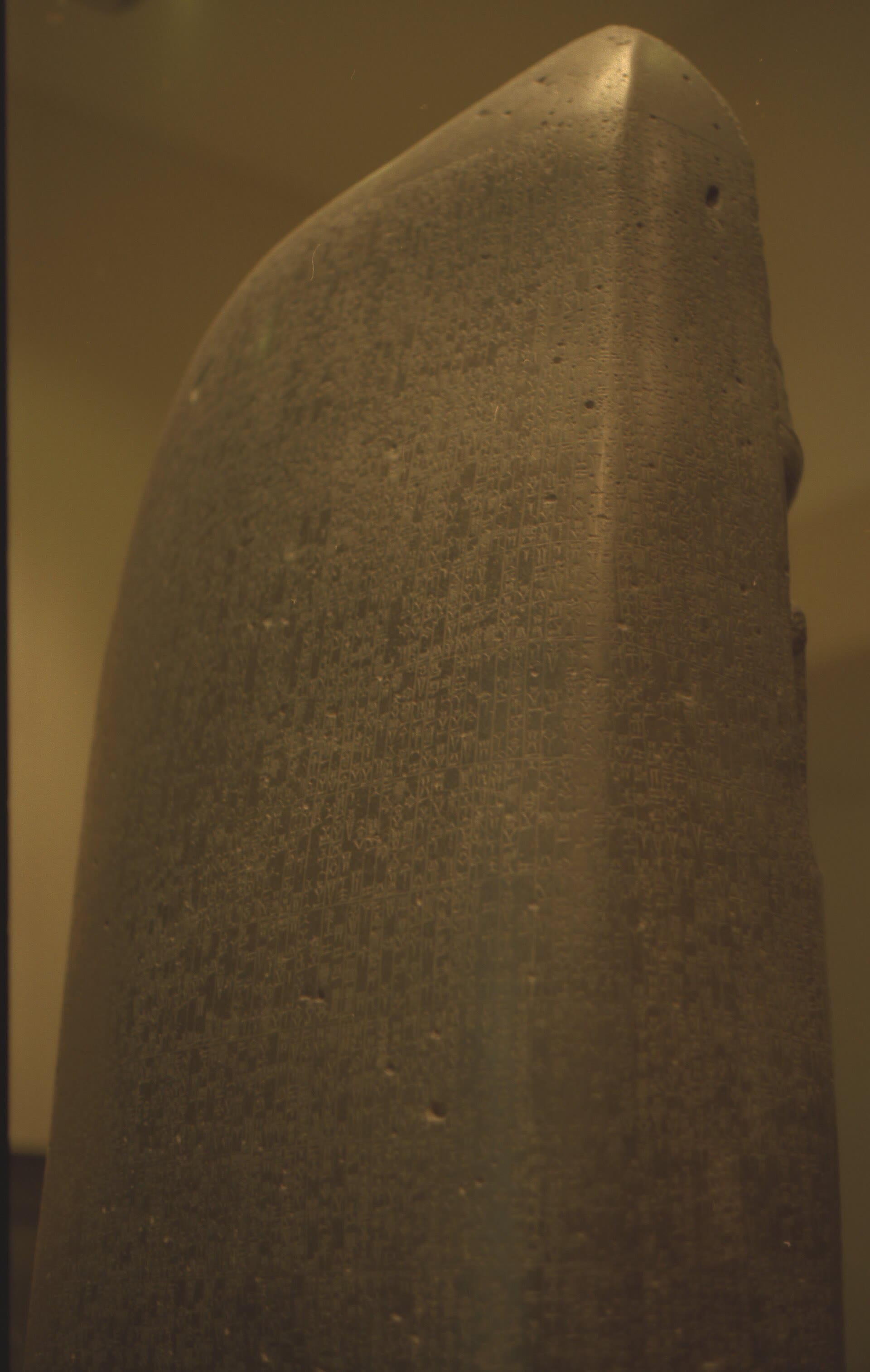
The biblical account of Nebuchadnezzar describes his military campaign against the Kingdom of Judah, and in particular the Babylonian siege of Jerusalem in 587 BC which resulted in the destruction of Solomon's Temple and the subsequent Babylonian captivity.
The Neo-Babylonian Empire came to an end with its fall to Cyrus the Great in 539 BCE.
The empire is dated to the span 626-539 BCE. Babylonian sources portray the reign of Nebuchadnezzar as a golden age that transformed Babylonia into the greatest empire of its time. At its height the city stood as the cosmopolitan center of a vast ancient Middle Eastern empire, and it lay about 85 kilometers (55 miles) south of Baghdad, renowned for its towers and mudbrick temples.
The empire holds a notable place in modern cultural memory chiefly through the biblical portrayal of Babylon and of its greatest king, Nebuchadnezzar II. The Babylonian Chronicles, like others of their kind, record the key events of each year in annalistic fashion, including accessions and deaths of kings, major military events and notable religious occurrences. One such chronicle gives a terse description of the Battle of Opis, where the Persians decisively defeated the army of Nabonidus, massacred the retreating Babylonians and took a great haul of loot.
After the conquest Babylon remained culturally distinct for centuries; references to people bearing Babylonian names and to the Babylonian religion are known from as late as the Parthian Empire in the 1st century BC.
5. Fall of Babylon
The Babylonian Chronicles offer a terse, annalistic record of the events that ended the Neo-Babylonian Empire, and among them is the Battle of Opis, in which the Persians decisively defeated Nabonidus's army, massacred the retreating Babylonians and took a great haul of loot. The Persian army went on to capture the cities of Sippar and Babylon itself without further conflict. Cyrus is reported to have been received with joy by the city's inhabitants and appointed local governors.
After the conquest, Babylon remained culturally distinct for centuries, with references to people with Babylonian names and to the Babylonian religion known from as late as the Parthian Empire in the 1st century BC.
The Neo-Babylonian Empire that Cyrus brought down had held power from 626 to 539 BCE. Its fall is dated to Cyrus the Great in 539 BCE, and the same year saw his invasion of Babylonia, in which he presented himself as Marduk's champion restoring order to Mesopotamia.
The empire's rise had itself been a turning point: the defeat of the Assyrian Empire and the return of power to Babylon marked the first time the city and southern Mesopotamia had dominated the ancient Near East since the collapse of the Old Babylonian Empire under Hammurabi nearly a thousand years earlier. Neo-Babylonian rule brought unprecedented economic and population growth across Babylonia and a cultural and artistic renaissance, as its kings undertook major building projects chiefly in Babylon and revived many elements of the preceding two thousand years of Sumero-Akkadian culture. Babylonian sources describe the reign of Nebuchadnezzar as a golden age that transformed Babylonia into the greatest empire of its time.
The empire's place in later memory owes much to the Bible's portrayal of Babylon and of Nebuchadnezzar II. The biblical account describes his campaign against the Kingdom of Judah, including the siege of Jerusalem in 587 BC, the destruction of Solomon's Temple and the ensuing Babylonian captivity.
6. The Hanging Gardens
The Hanging Gardens of Babylon were described as a remarkable feat of engineering with an ascending series of tiered gardens containing a wide variety of trees, shrubs, and vines, resembling a large green mountain constructed of mud bricks. The name derives from the Greek word kremastós, and the gardens were attributed to Babylon near present-day Hillah in Babil province. The description is attested by the Babylonian priest Berossus writing in about 290 BC and later quoted by Josephus.
One British academic has amassed a wealth of textual evidence to show that the garden was instead created at Nineveh, 300 miles from Babylon, in the early 7th century BC. According to this reading the garden formed part of a complex system of canals, dams and aqueducts to bring mountain water from streams 50 miles away to the citadel of Nineveh and the hanging garden. So situated, the garden fulfills the criteria for a wonder of the world as 'magnificent in conception, spectacular in engineering, and brilliant in artistry'.
The Hanging Gardens belong to the Seven Wonders of the Ancient World as listed by Hellenic culture, and are counted among that company as a legendary wonder. The name itself comes from the Greek word κρεμαστός (kremastós).
The case for Nineveh rests on ancient texts pieced together by Stephanie Dalley, who read them as describing a garden that recreated a mountain landscape. In that reconstruction the waterworks served both the citadel of Nineveh and the hanging garden.
Babylon itself lay on the banks of the Euphrates River, sixty miles from Baghdad in modern-day Iraq; other accounts place it about 85 kilometers (55 miles) south of Baghdad, once the center of a sprawling empire renowned for its towers and mudbrick temples. At its height the city was the cosmopolitan center of a vast ancient Middle Eastern empire, carefully built and richly decorated to emphasize its political and religious importance. Evidence of its ancient topography comes from excavations, cuneiform texts, and descriptions by Herodotus and other Classical authors, and the reports of Herodotus largely relate to the Babylon built by Nebuchadnezzar. That city was the largest in the world, covering about 4 square miles (10 square km), with the Euphrates, which has since shifted its course, flowing through it and the older part of the city on the east bank.
Among the city's most spectacular monuments was the Ishtar Gate and its affiliated Processional Way—a double gate and long causeway featuring hundreds of colorful, life-size beasts. Linked to the gods, these creatures provided a divinely protected and ritualized entryway into the inner city of Babylon. In the words attributed to Nebuchadnezzar II, king of Babylon: "I filled those gates with splendor for the wonder of all people". The gate, the eighth to the capital city of Babylon, is now represented at the Pergamon Museum in Berlin. Visitors can stroll through the remnants of the brick and clay structures which stretch across 10 square kilometers, and see the famed Lion of Babylon statue, as well as large portions of the original Ishtar Gate. A vote at a UNESCO World Heritage Committee meeting in Azerbaijan's capital Baku made the ancient Mesopotamian city on the Euphrates River the sixth world heritage site within the borders of a country known as a cradle of civilization.
The city is also tied to one of the most recognizable legal texts from the ancient Near East, written in the Old Babylonian dialect of Akkadian and purportedly by Hammurabi, sixth king of the First Dynasty of Babylon. The top of the stele features an image in relief of Hammurabi with Shamash, the Babylonian sun god and god of justice, and in the prologue Hammurabi claims to have been granted his rule by the gods "to prevent the strong from oppressing the weak". Modern scholars responded to the Code with admiration at its perceived fairness and respect for the rule of law, and at the complexity of Old Babylonian society. Despite the uncertainty surrounding these issues, Hammurabi is regarded outside Assyriology as an important figure in the history of law and the document as a true legal code.
7. Heritage Status
Babylon was inscribed as a UNESCO World Heritage site in 2019 at the 43rd session. The decision followed a vote at a UNESCO World Heritage Committee meeting held in Azerbaijan's capital Baku. The listing made the ancient Mesopotamian city on the Euphrates River the sixth world heritage site within the borders of a country known as a cradle of civilization.
The city lies on the banks of the Euphrates River, sixty miles from Baghdad in modern-day Iraq; Reuters places it about 85 kilometers (55 miles) south of Baghdad and describes it as once the center of a sprawling empire renowned for its towers and mudbrick temples. The Euphrates, which has since shifted its course, flowed through the city, with the older part standing on the east bank. Evidence of the ancient topography comes from excavations, cuneiform texts, and descriptions by Herodotus and other Classical authors, though the reports of Herodotus largely relate to the Babylon built by Nebuchadnezzar.
At its height Babylon was the cosmopolitan center of a vast ancient Middle Eastern empire, carefully built and richly decorated to emphasize its political and religious importance. Nebuchadnezzar's Babylon was the largest city in the world, covering about 4 square miles (10 square km). Among its most spectacular monuments was the Ishtar Gate and its affiliated Processional Way, a double gate and long causeway featuring hundreds of colorful, life-size beasts; linked to the gods, these creatures provided a divinely protected and ritualized entryway into the inner city. The king himself declared that he filled those gates with splendor for the wonder of all people. The gate is the eighth gate to the capital city of Babylon, and a reconstruction stands in the Pergamon Museum in Berlin.
The site today preserves the remnants of brick and clay structures stretching across 10 square kilometers, where visitors can see the famed Lion of Babylon statue as well as large portions of the original Ishtar Gate. Babylonian law is represented by a text written in the Old Babylonian dialect of Akkadian and purportedly set down by Hammurabi, sixth king of the First Dynasty of Babylon; it is one of the most recognizable legal texts from the ancient Near East. The top of the stele bears a relief of Hammurabi with Shamash, the Babylonian sun god and god of justice, and in the prologue Hammurabi claims to have been granted his rule by the gods "to prevent the strong from oppressing the weak". Modern scholars responded with admiration at its perceived fairness and respect for the rule of law, and at the complexity of Old Babylonian society; despite uncertainty surrounding these issues, Hammurabi is regarded outside Assyriology as an important figure in the history of law and the document as a true legal code.
The Hanging Gardens of Babylon were one of the Seven Wonders of the Ancient World listed by Hellenic culture, described as a remarkable feat of engineering with an ascending series of tiered gardens containing a wide variety of trees, shrubs, and vines, resembling a large green mountain constructed of mud bricks. They were said to have been built in the ancient city of Babylon, near present-day Hillah, Babil province, in Iraq, and the name derives from the Greek word κρεμαστός (kremastós). The account was attested to by the Babylonian priest Berossus, writing in about 290 BC, a description later quoted by Josephus.
8. Key Dates
- 587 BCSiege of JerusalemThe Babylonian siege of Jerusalem destroyed Solomon's Temple and led to the Babylonian captivity.5Neo-Babylonian Empire · Wikipedia ↗
- about 290 BCBerossus writesThe Babylonian priest Berossus set down his account, later quoted by Josephus.3Hanging Gardens of Babylon · Wikipedia ↗
- 1st century BCParthian-era referencesUnder the Parthian Empire the Babylonian religion was still attested.5
9. Frequently Asked Questions
Who was the greatest king of the Neo-Babylonian Empire?
Nebuchadnezzar II is portrayed as Babylon's greatest king, and it is this biblical portrayal of him and of the city that gives the Neo-Babylonian Empire its notable place in modern cultural memory.5
What is the Code of Hammurabi?
It is one of the most recognizable legal texts from the ancient Near East, written in the Old Babylonian dialect of Akkadian and purportedly the work of Hammurabi, sixth king of the First Dynasty of Babylon.6Code of Hammurabi · Wikipedia ↗
What were the Hanging Gardens of Babylon?
They were one of the Seven Wonders of the Ancient World as listed by Hellenic culture.3
10. From Hammurabi to UNESCO
- c. 290 BCEBerossus describes the gardensThe Babylonian priest Berossus records the Hanging Gardens, a description later quoted by Josephus.
- 539 BCEBattle of OpisThe Persian army defeats Nabonidus decisively, then takes Sippar and Babylon without further fighting.
- 539 BCECyrus enters BabylonCyrus is received with joy by the city's inhabitants and appoints local governors.
- 556 BCENabonidus takes the throneThe last Neo-Babylonian king seizes power by overthrowing Labashi-Marduk.
- 587 BCESiege of JerusalemNebuchadnezzar's campaign against Judah ends in the destruction of Solomon's Temple and the Babylonian captivity.
- 626 BCENeo-Babylonian risePower returns to Babylon after the defeat of Assyria, dominating the Near East for the first time in a millennium.
- c. 1750 BCECode of HammurabiHammurabi, sixth king of the First Dynasty of Babylon, issues a legal text in Old Babylonian Akkadian.
- 2019UNESCO inscriptionBabylon becomes a World Heritage Site, the sixth in Iraq, at the committee meeting in Baku.
11. Frequently asked questions
Where does the name of the Hanging Gardens come from?
The name is derived from the Greek word κρεμαστός (kremastós)3.
Who was the last king of the Neo-Babylonian Empire, and how did he take power?
What does the stele of the Code of Hammurabi show at its top?
The top of the stele features an image in relief of Hammurabi with Shamash, the Babylonian sun god and god of justice6.
How is Hammurabi regarded by scholars today?
Despite uncertainty surrounding certain issues, Hammurabi is regarded outside Assyriology as an important figure in the history of law and the document as a true legal code6.
Where is the Ishtar Gate kept now?
The Ishtar Gate, the eighth gate to the capital city of Babylon, is held at the Pergamon Museum in Berlin9Ishtar Gate · Wikipedia ↗.
What kind of record are the Babylonian Chronicles?
Like the other Babylonian Chronicles, the text lists in an annalistic, year-by-year fashion the key events of each year, such as the accession and deaths of kings, major military events, and notable religious occurrences8Nabonidus Chronicle · Wikipedia ↗.
References (10)
- 1A Wonder to Behold: Craftsmanship and the Creation of Babylon's Ishtar Gate — ISAW, New York University WebView source
- 2Babylon: the ancient city — Encyclopaedia Britannica WebView source
- 3Hanging Gardens of Babylon — Wikipedia Web↩View source
- 4Ancient Iraqi city of Babylon designated UNESCO World Heritage Site — Reuters WebView source
- 5Neo-Babylonian Empire — Wikipedia Web↩View source
- 6Code of Hammurabi — Wikipedia Web↩View source
- 7Fall of Babylon — Wikipedia Web↩View source
- 8Nabonidus Chronicle — Wikipedia Web↩View source
- 9Ishtar Gate — Wikipedia Web↩View source
- 10Babylon's hanging garden may have been in Nineveh — The Guardian 2013 WebView source