Brain
The organ of the central nervous system — its anatomy from cortex to neurons, its functions from the senses to memory and language, and the medical science that mapped it.
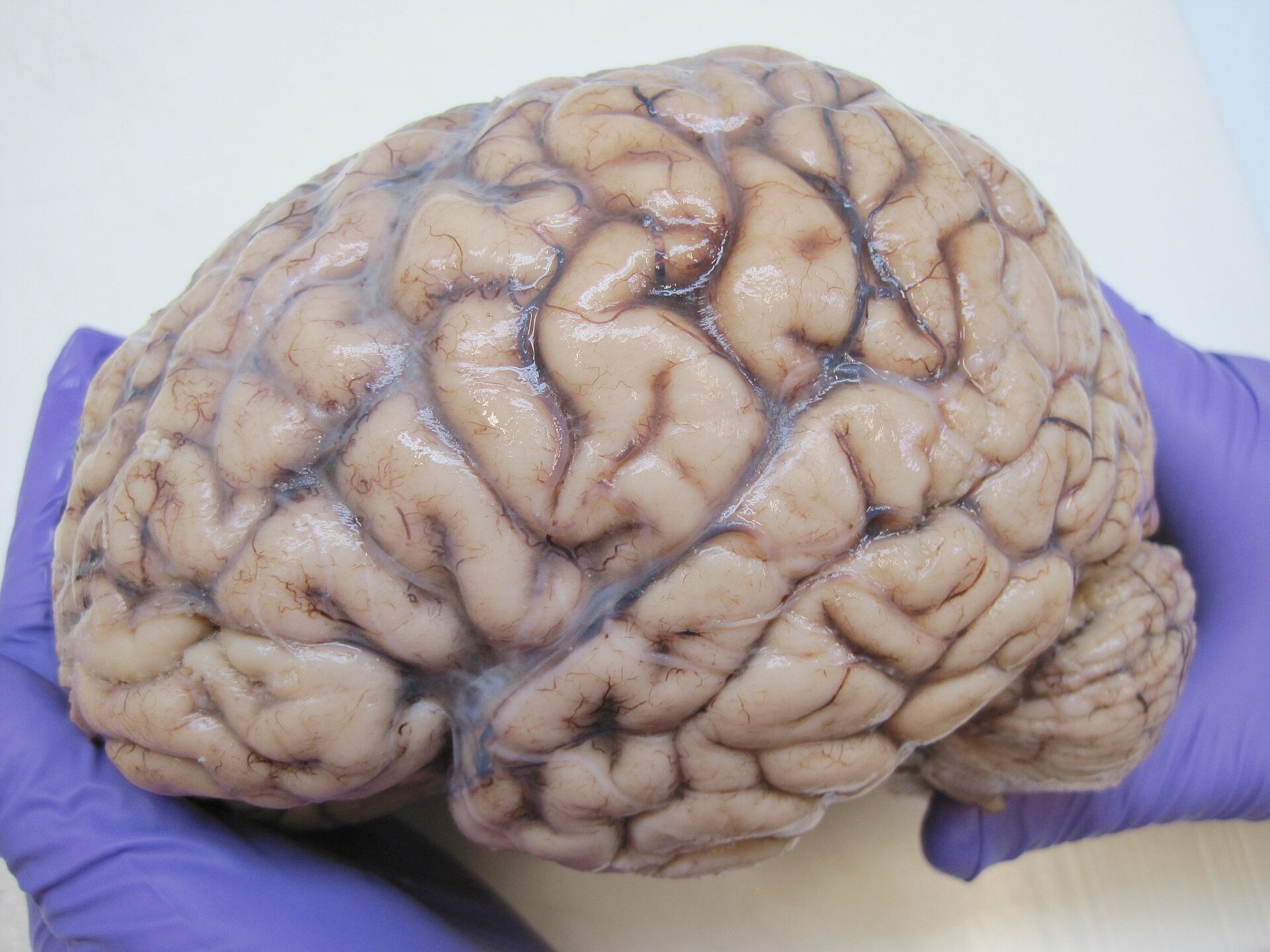
The brain is the mass of nerve tissue that integrates sensory information and directs motor responses, weighing about 1.4 kg in humans and built from roughly 86 billion neurons. Its cerebral cortex is folded into four lobes per hemisphere, while the cerebellum, brainstem and deep structures such as the thalamus, hypothalamus and hippocampus handle coordination, vital functions, sensation and memory. Knowledge of the brain grew from the Edwin Smith papyrus and Hippocratic writings through Willis, Broca, Golgi and Ramon y Cajal to Nobel-winning work on neurons, place cells and MRI — and modern methods such as CLARITY now map its circuits in unprecedented detail.
In this article
- 1Overview
- 2Gross Anatomy and Major Divisions
- 3Cellular Composition
- 4Protection and Circulation
- 5Functional Organization
- 6Development and Growth
- 7Sleep and the Brain
- 8Sensory and Perceptual Processing
- 9Cognitive and Brain Health
- 10Historical Understanding
- 11Nobel Prize Milestones
- 12Research Methods
- 13Timeline: from the Edwin Smith papyrus to CLARITY
- 14Knowledge graph
Overview
The brain is the mass of nerve tissue at the anterior end of an organism, and in the human case it weighs approximately 1.4 kg (3 pounds) and is built from billions of cells called neurons. It serves as the seat of intelligence, the interpreter of the senses, the initiator of body movement, and the controller of behavior. Those neurons send messages throughout the body, making possible everything from breathing to talking, eating, walking, and thinking.
1. Gross Anatomy and Major Divisions
The vertebrate brain is organized into three distinct regions — the hindbrain, the midbrain, and the forebrain — and although the brain of higher vertebrates undergoes considerable modification during embryonic development, these three regions remain discernible. The forebrain includes the cerebral hemispheres and, beneath them, the brainstem, which contains the thalamus and the hypothalamus. The brainstem itself is the lower extension of the brain, located in front of the cerebellum and connected to the spinal cord, and it regulates automatic body functions such as heart rate, breathing, sleep and wake cycles, and swallowing.
The cerebrum is split into two hemispheres by a deep fissure, and the hemispheres communicate through a thick tract of nerve fibers called the corpus callosum. Coating the cerebrum and cerebellum is the cortex, a layer of tissue about the thickness of a stack of two or three dimes, named from the Latin word for bark. Two major furrows — the central sulcus and the lateral sulcus — divide each cerebral hemisphere into four sections: the frontal, parietal, temporal, and occipital lobes, giving four pairs of cerebral lobes in all. Each side of the cerebrum has four lobes with different functions, and the frontal lobe controls voluntary movements, social understanding, thinking and learning, while the temporal lobes help a person retrieve memories and understand language and emotions.
2. Cellular Composition
The adult male brain averages 86 billion neurons and 85 billion non-neuronal cells, deviating from expectation by 7 and 24 percent respectively, which suggests that the ubiquitous figure of 100 billion neurons deserves updating. Glial cells are at most 50 percent of all brain cells, a trait shared with other primates, and in the gray matter of the cerebral cortex they outnumber neurons by a factor below 2.
The cerebral cortex averages 1233 g and 16 billion neurons, representing 82 percent of brain mass but only 19 percent of all neurons, a fraction similar to that found in other primates, rodents, and insectivores. The cerebellum averages 154 g and 69 billion neurons.
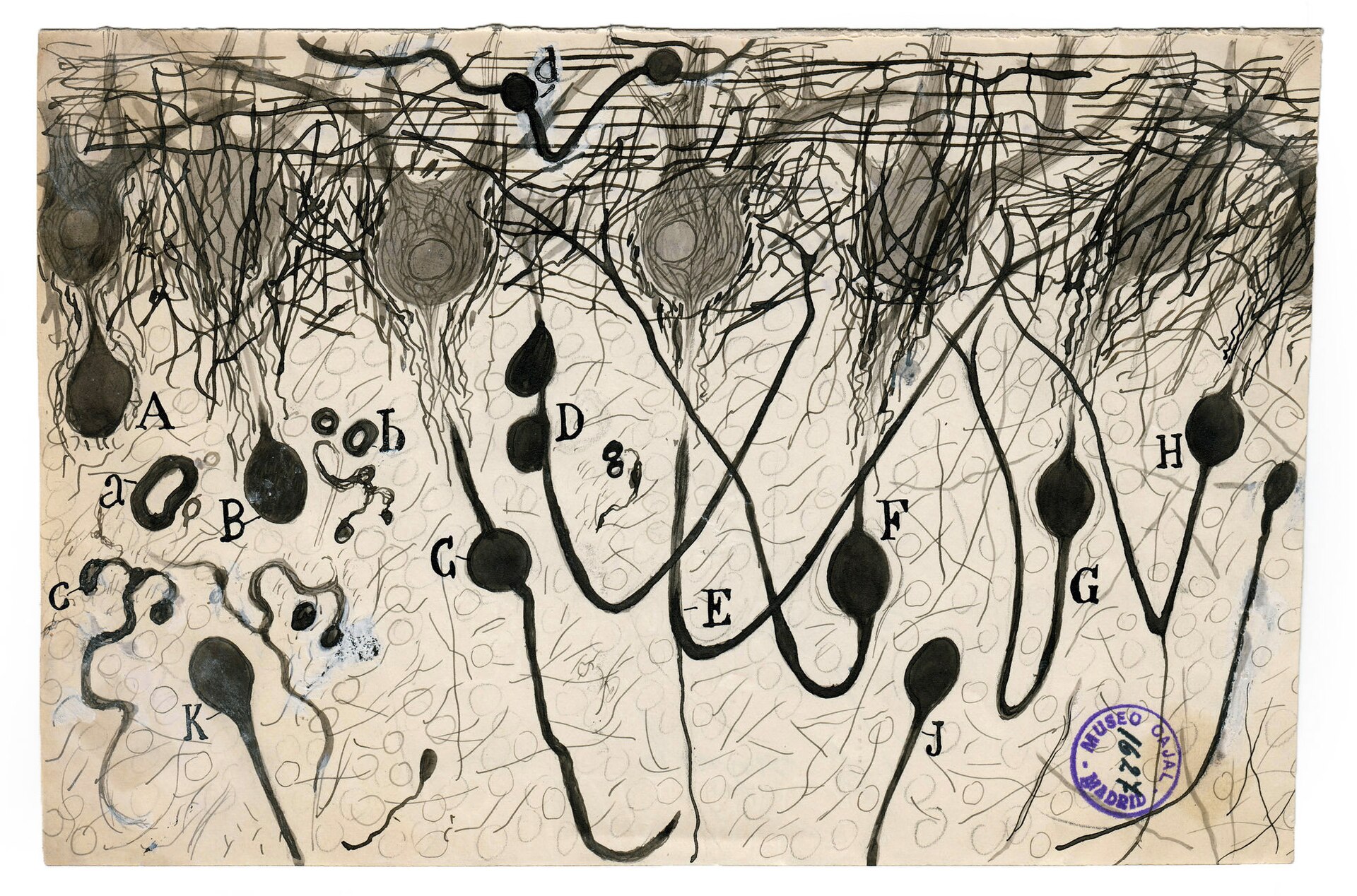
Neurons are nerve cells that send messages throughout the body, enabling breathing, talking, eating, walking, and thinking. They fall into three kinds: sensory neurons, which carry information from the sense organs to the brain; motor neurons, which carry messages from the brain to the muscles; and interneurons, which connect them. Most neurons are created before birth, but evidence supports neurogenesis as a lifelong process, and scientists think that only about a third of neurons reach their destination during migration, while some cells die in development or while traveling.
Myelin is a fatty molecule that insulates the axon and helps nerve signals travel faster and farther. GABA, or gamma-aminobutyric acid, is an inhibitory neurotransmitter that helps control muscle activity and is an important part of the visual system.
3. Protection and Circulation
The brain is cushioned within the skull, suspended in cerebrospinal fluid that absorbs the shocks of ordinary movement. Three membranes, the meninges, enclose it. The dura mater is the tough outer covering, its Latin name meaning "tough mother"; beneath it lies the arachnoid membrane; and closest to the neural tissue is the pia mater, a thin fibrous membrane whose Latin name means "tender mother".
Blood reaches the brain through the circle of Willis, a confluence of arteries that can maintain perfusion even if one artery narrows or is blocked. The central nervous system filters blood into cerebrospinal fluid, which is circulated through the ventricles.
4. Functional Organization
The brain receives messages through the five senses of sight, smell, hearing, touch and taste, and it controls thoughts, memory, speech, arm and leg movements, and the function of many organs. Messages for movement and sensation cross to the opposite side of the brain.
The primary motor cortex produces movement, while the prefrontal cortex plays a part in memory, intelligence, concentration, temper and personality.
The somatosensory cortex receives information about temperature, taste, touch, and movement. The thalamus is a collection of nuclei that relays information between the cortex and the periphery, spinal cord, or brain stem. All sensory information except smell passes through the thalamus.
The hypothalamus is a pearl-sized structure that directs many important functions and gets adrenaline flowing during a test or job interview. The hippocampus acts as a memory indexer, sending memories to the cerebral hemisphere for long-term storage and retrieving them.
Ten of the 12 cranial nerves originate in the brainstem, while the nerves for smell and vision originate in the cerebrum.
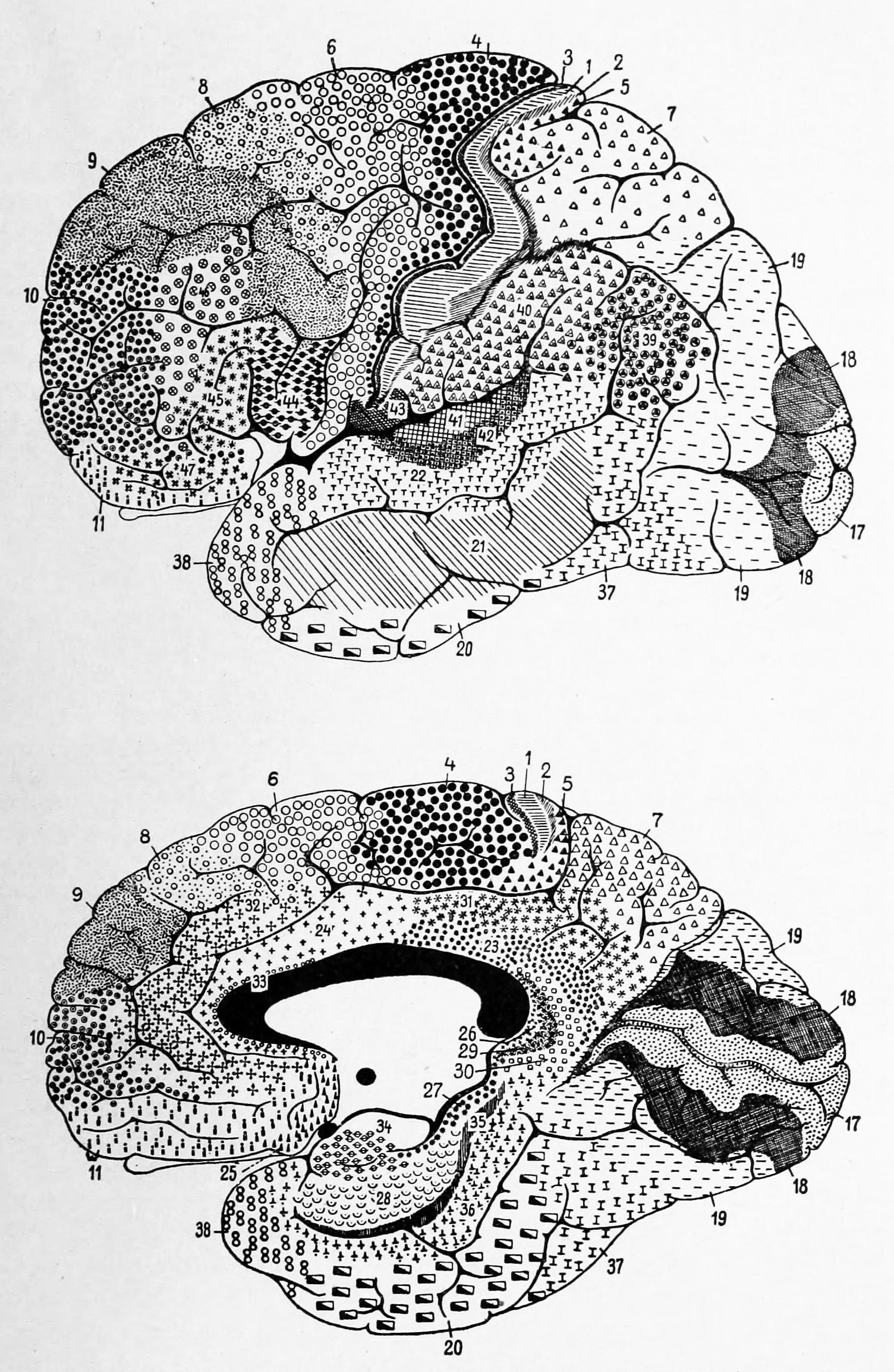
Localization of function was advanced by Korbinian Brodmann, who mapped the cortex through its microscopic anatomy, the cytoarchitecture. Broca's area is responsible for language production and is located only on the left side in the vast majority of people.
Lateralization describes the left side being devoted to language and the right to spatial and nonverbal reasoning, with no monopoly by either side. After sectioning the corpus callosum, a split-brained patient has trouble producing verbal responses based on sensory information processed on the right side.
5. Development and Growth
As the neural folds converge, the structure beneath the ectoderm forms a tube known as the neural tube, while cells separating from the neural folds gather into a cluster called the neural crest.
At the first stage of brain development, three vesicles form, called primary vesicles, and they are named from Greek words whose main root, enkephalon, means brain. The telencephalon is the cerebrum, the major portion of the human brain, whereas the diencephalon is the region through which all projections pass between the cerebrum and the rest of the nervous system.
6. Sleep and the Brain
Sleep is not merely rest but a condition the brain requires for learning: without sleep a person cannot form or maintain the pathways in the brain that let them learn and create new memories.
The hypothalamus contains groups of nerve cells that act as control centers affecting sleep and wakefulness. Among these is the suprachiasmatic nucleus, which receives information about light exposure from the eyes.
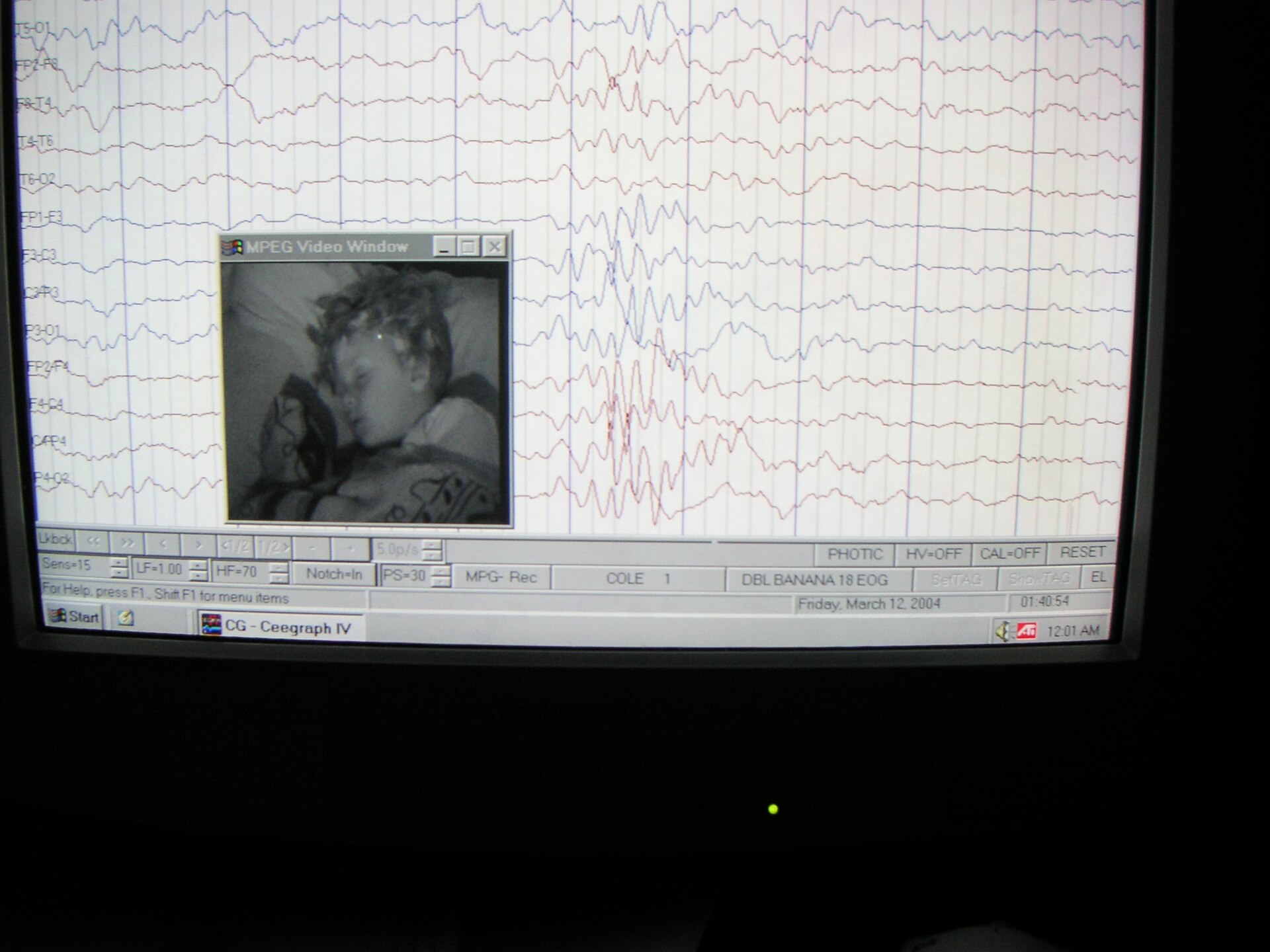
During REM sleep the arm and leg muscles become temporarily paralyzed, which prevents a person from acting out dreams. The time spent in that stage declines with age.
7. Sensory and Perceptual Processing
Within the papillae of the tongue lie taste buds containing specialized gustatory receptor cells that release neurotransmitters and can activate sensory neurons in the facial, glossopharyngeal, and vagus cranial nerves. In the sense of taste, or gustation, only four tastes were recognized until recently — sweet, salty, sour, and bitter — with umami recognized as the fifth taste during the mid-1980s.
Hubel and Wiesel demonstrated that the message about the image falling on the retina is progressively analyzed in the visual cortex, where each cell is responsible for a specific detail in the pattern of the retinal image.
8. Cognitive and Brain Health
Cognitive health concerns the capacity to think, learn, and remember clearly, while brain health is the broader measure of how well a person's brain functions across several areas, among them cognitive health, motor function, and emotional function.
Decades of observational studies show that having high blood pressure in midlife increases the risk of cognitive decline later in life. One large trial found that lowering systolic blood pressure reduced that risk.
In Parkinson's disease, neurons that produce the neurotransmitter dopamine die off in the basal ganglia, an area of the brain that controls body movements.
9. Historical Understanding
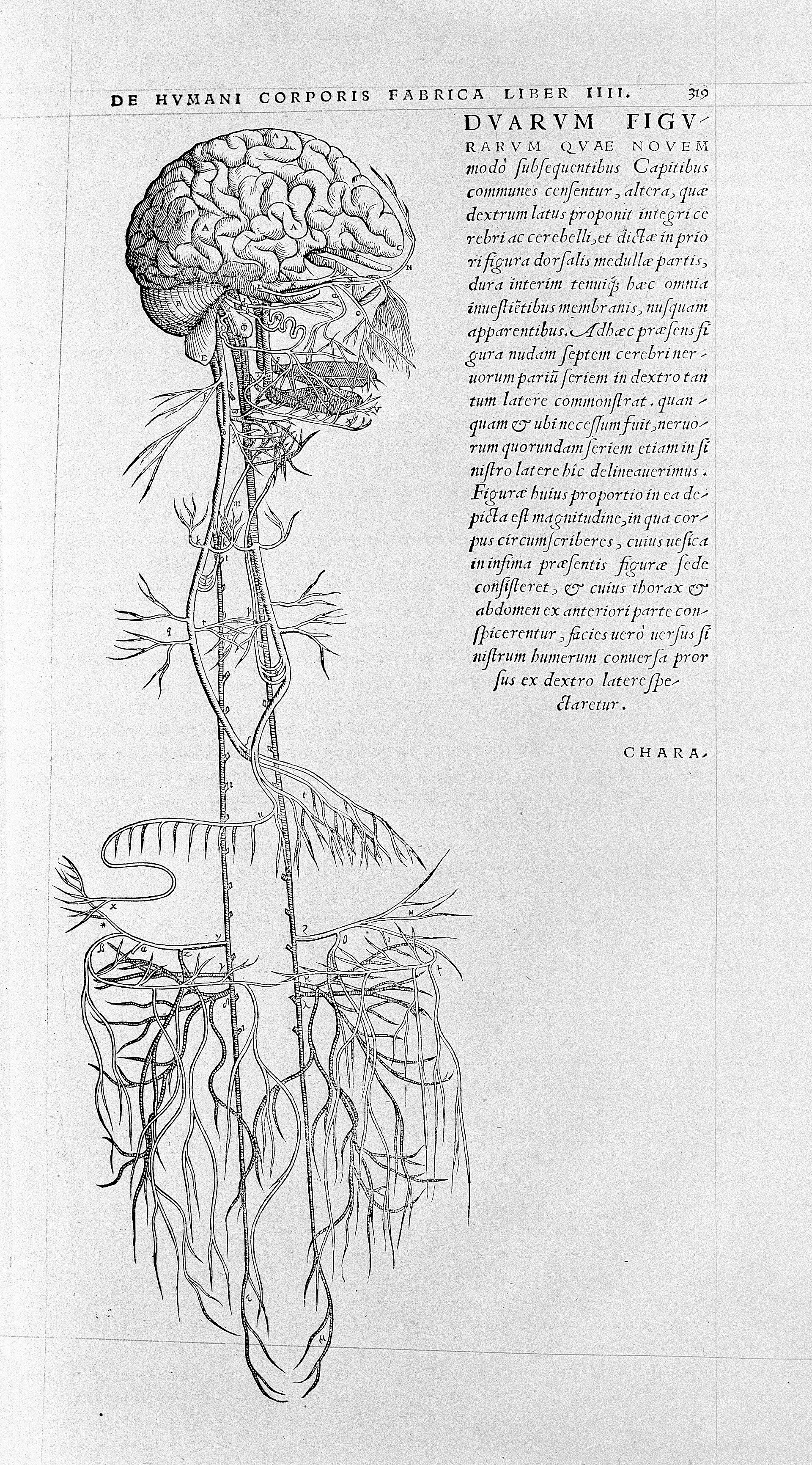
The Edwin Smith surgical papyrus is the first written record about the nervous system. It presents information on 48 cases of injuries, primarily to the head, neck, and upper torso, including detailed descriptions of symptoms such as skull fractures, spinal injuries, and paralysis that reflect an early understanding of the brain and cerebrospinal fluid.
Paul Broca (1824-1880) was a French surgeon and anthropologist whose study of brain lesions contributed significantly to understanding the origins of aphasia, the loss or impairment of the ability to form or articulate words. In 1861 Broca announced his discovery of the seats of articulate speech in the left frontal region of the brain, since known as the convolution of Broca.
10. Nobel Prize Milestones
-
1963Ionic Mechanisms of Excitation and InhibitionThe Nobel Prize in Physiology or Medicine was awarded jointly to Sir John Carew Eccles, Alan Lloyd Hodgkin and Andrew Fielding Huxley for discoveries concerning the ionic mechanisms of excitation and inhibition in nerve cell membranes.14The Nobel Prize in Physiology or Medicine 1963 · Nobel Prize (nobelprize.org) ↗
-
2000Signal Transduction in the Nervous SystemThe Nobel Prize in Physiology or Medicine was awarded jointly to Arvid Carlsson, Paul Greengard and Eric R. Kandel for their discoveries concerning signal transduction in the nervous system.15The Nobel Prize in Physiology or Medicine 2000 · Nobel Prize (nobelprize.org) ↗
-
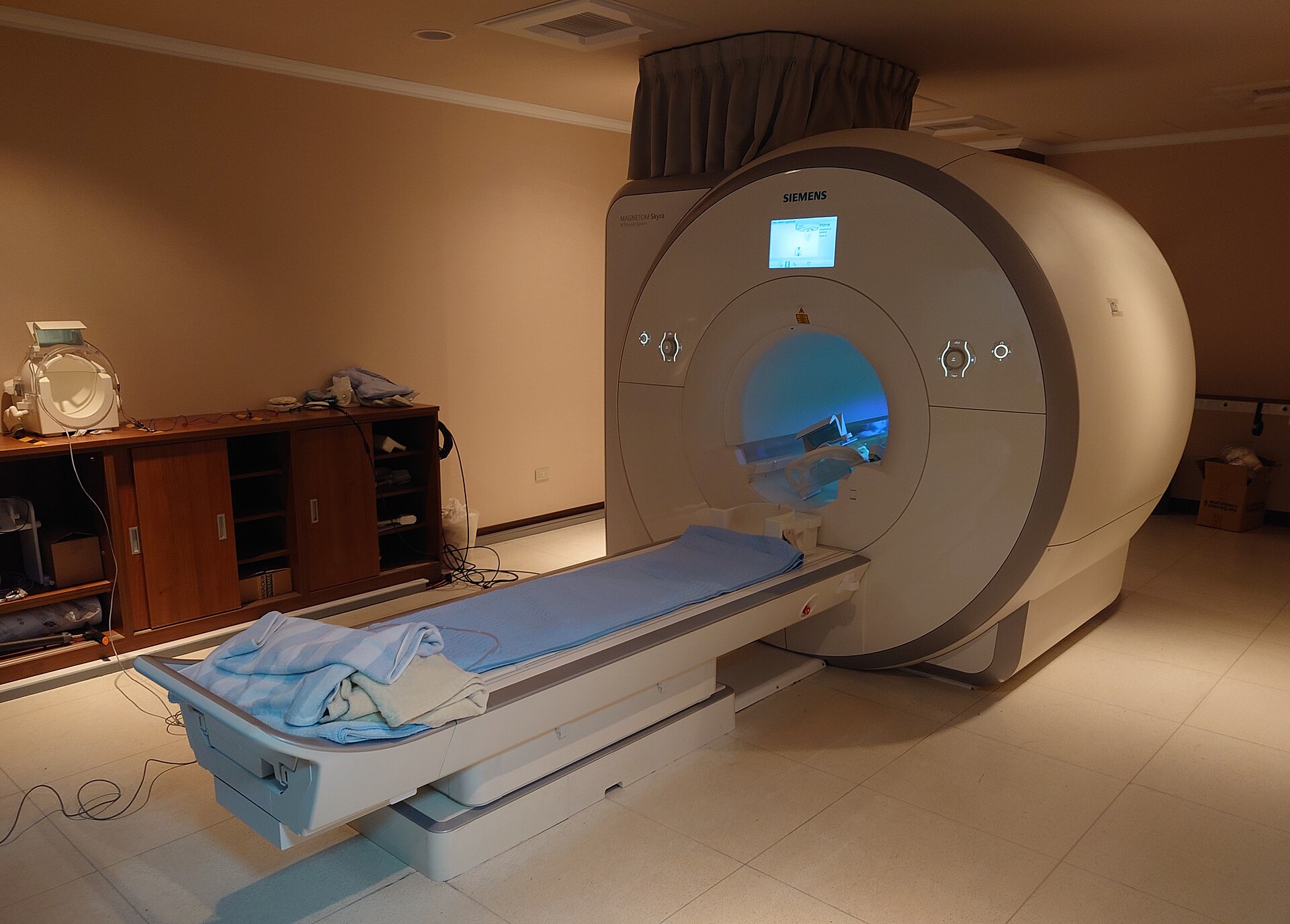
2003Magnetic Resonance ImagingThe laureates of the Nobel Prize made seminal discoveries concerning the use of magnetic resonance to visualize different structures, leading to the development of modern magnetic resonance imaging.16The Nobel Prize in Physiology or Medicine 2003 — Press release · Nobel Prize (nobelprize.org) ↗
11. Research Methods
CLARITY transforms intact tissue into a nanoporous hydrogel-hybridized form that is optically transparent and macromolecule-permeable. Using mouse brains, the method enables intact-tissue imaging of long-range projections, local circuit wiring, cellular relationships, subcellular structures, protein complexes, nucleic acids and neurotransmitters.
12. Timeline: from the Edwin Smith papyrus to CLARITY
- c. 1600 BCEEdwin Smith papyrusAn Egyptian treatise copied around 1600 BCE presents 48 surgical cases with observations on the brain, cerebrospinal fluid and meninges, and is the oldest surviving surgical document.
- c. 400 BCEHippocrates and the sacred diseaseOn the Sacred Disease argues that epilepsy is a disturbance of the brain rather than a divine affliction, and that joys, sorrows and reasoning arise from the brain.
- 177 CEGalen lectures on the brainThe Greek physician Galen gives public lectures On the Brain, shaping views of the brain and its ventricles that dominated medicine for centuries.
- 1664Willis publishes Cerebri anatomeThomas Willis publishes Cerebri anatome, a landmark anatomical account of the brain whose name gave rise to the term neurology.
- 1791Galvani and animal electricityLuigi Galvani publishes work on the electrical stimulation of frog nerves, linking electricity to the workings of nerves.
- 1861Broca localizes speechPaul Broca announces the seat of articulate speech in the left frontal region of the brain, the first anatomical proof of the localization of brain function.
- 1873Golgi's silver methodCamillo Golgi publishes the first work on the silver nitrate method, which made individual nerve cells visible under the microscope.
- 1889Cajal and the neuron doctrineSantiago Ramon y Cajal argues that nerve cells are independent elements, a cornerstone of the neuron doctrine.
- 1906Nobel recognition for the nervous systemCamillo Golgi and Santiago Ramon y Cajal share the Nobel Prize in Physiology or Medicine for their work on the structure of the nervous system.
- 1924First human EEGHans Berger records the first human electroencephalogram, opening a window onto the electrical activity of the brain.
- 1932Nobel for neuron functionSir Charles Scott Sherrington and Edgar Douglas Adrian receive the Nobel Prize for their discoveries regarding the functions of neurons.
- 1971Place cells discoveredJohn O'Keefe discovers place cells in the hippocampus, nerve cells that fire at particular locations and together form a map of the environment.
- 1979Nobel for CT scanningAllan Cormack and Godfrey Hounsfield receive the Nobel Prize for the development of computer assisted tomography, bringing cross-sectional images of the living brain.
- 1981Nobel for hemisphere specializationRoger Sperry is honored for the functional specialization of the cerebral hemispheres, and David Hubel and Torsten Wiesel for information processing in the visual system.
- 2003Nobel for MRIPaul Lauterbur and Peter Mansfield receive the Nobel Prize for discoveries concerning magnetic resonance imaging.
- 2013CLARITY makes brains transparentNature publishes CLARITY, a method that turns intact tissue into a transparent hydrogel hybrid and enables imaging of whole circuits in the brain.
References (25)
- 1Brain — Encyclopaedia Britannica WebView source
- 2Brain Basics: Know Your Brain — National Institute of Neurological Disorders and Stroke (NINDS), NIH WebView source
- 3Brain Basics: The Life and Death of a Neuron — National Institute of Neurological Disorders and Stroke (NINDS), NIH WebView source
- 4Anatomy of the Brain — American Association of Neurological Surgeons WebView source
- 5Brain — Cleveland Clinic WebView source
- 6Anatomy and Physiology 2e — 13.3 Circulation and the Central Nervous System — OpenStax, Rice University WebView source
- 7Anatomy and Physiology 2e — 13.1 The Embryologic Perspective — OpenStax, Rice University WebView source
- 8Brain Basics: Understanding Sleep — National Institute of Neurological Disorders and Stroke (NINDS), NIH WebView source
- 9Anatomy and Physiology 2e — 14.1 Sensory Perception — OpenStax, Rice University WebView source
- 10The Nobel Prize in Physiology or Medicine 1981 — Press release — Nobel Prize (nobelprize.org) 1981 WebView source
- 11Cognitive Health and Older Adults — National Institute on Aging, NIH WebView source
- 12Edwin Smith papyrus — Encyclopaedia Britannica WebView source
- 13Paul Broca — Encyclopaedia Britannica WebView source
- 14The Nobel Prize in Physiology or Medicine 1963 — Nobel Prize (nobelprize.org) 1963 Web↩View source
- 15The Nobel Prize in Physiology or Medicine 2000 — Nobel Prize (nobelprize.org) 2000 Web↩View source
- 16The Nobel Prize in Physiology or Medicine 2003 — Press release — Nobel Prize (nobelprize.org) 2003 Web↩View source
- 17Structural and molecular interrogation of intact biological systems (CLARITY; Chung et al., 2013) — Nature 2013 JournalView source
- 18The human brain in numbers: a linearly scaled-up primate brain (Herculano-Houzel, 2009) — Frontiers in Human Neuroscience 2009 JournalView source
- 19Anatomy and Physiology 2e — 13.2 The Central Nervous System — OpenStax, Rice University WebView source
- 20On the Sacred Disease (trans. Francis Adams) — Internet Classics Archive, MIT WebView source
- 21Milestones in Neuroscience Research — University of Washington (Eric H. Chudler) WebView source
- 22The Nobel Prize in Physiology or Medicine 1906 — Nobel Prize (nobelprize.org) 1906 WebView source
- 23The Nobel Prize in Physiology or Medicine 1932 — Nobel Prize (nobelprize.org) 1932 WebView source
- 24The Nobel Prize in Physiology or Medicine 2014 — Press release — Nobel Prize (nobelprize.org) 2014 WebView source
- 25The Nobel Prize in Physiology or Medicine 1979 — Nobel Prize (nobelprize.org) 1979 WebView source