Human Body
The human body's cells, tissues, organs, and organ systems — from the 206 bones of the skeleton and the beating heart to the genome — together with the key numbers and medical milestones that revealed how it works.
The human body is composed of trillions of cells organized into tissues, organs, and eleven organ systems, from the skeletal and muscular systems to the circulatory, nervous, and digestive systems. Its best-known figures range from 206 bones in the adult skeleton and a heart that beats about 100,000 times a day to roughly 60,000 miles of blood vessels, while medical milestones — from Vesalius's dissections and Harvey's circulation to X-rays, blood groups, insulin, penicillin, the DNA double helix, organ transplants and the Human Genome Project — progressively revealed how the body works.
In this article
- 1Overview
- 2Levels of Organization
- 3Chemical and Genetic Foundations
- 4Skeletal System
- 5Muscular System
- 6Circulatory System and Blood
- 7Nervous System and Brain
- 8Digestive System
- 9Cell Census and Composition
- 10Milestones in Understanding the Body
- 11Disease Burden
- 12Timeline: from Vesalius's anatomy to the human genome
- 13Frequently asked questions
- 14Knowledge graph
Overview
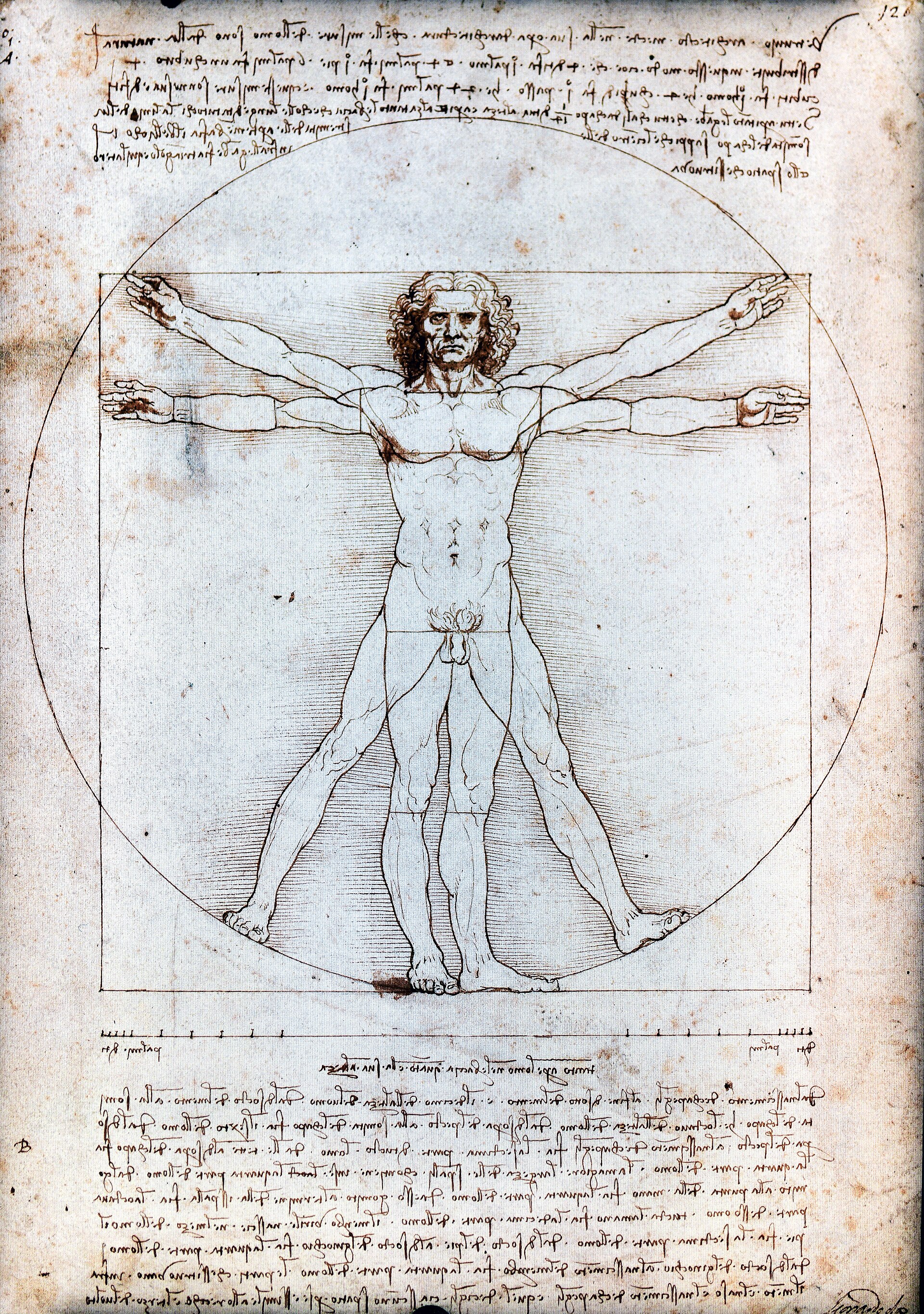
The human body is the physical substance of the human organism, composed of living cells and extracellular materials and organized into tissues, organs, and systems. Water is the body's principal chemical constituent, accounting for about 60 percent of body weight. The body contains some 200 different types of cells, which can be grouped into four basic classes that with their extracellular materials form the fundamental tissues.
1. Levels of Organization
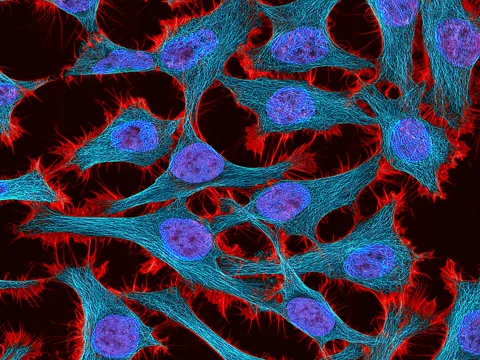
The human body can be understood as a series of levels of increasing complexity, beginning with chemical building blocks and ending with a unique human organism. The cell is the smallest independently functioning unit of the body, and a tissue is a group of similar cells working together. An organ is an anatomically distinct structure composed of two or more tissue types, while an organ system consists of organs working together to carry out major functions. The body has eleven distinct organ systems, though assigning organs to systems can be imprecise because most organs contribute to more than one.
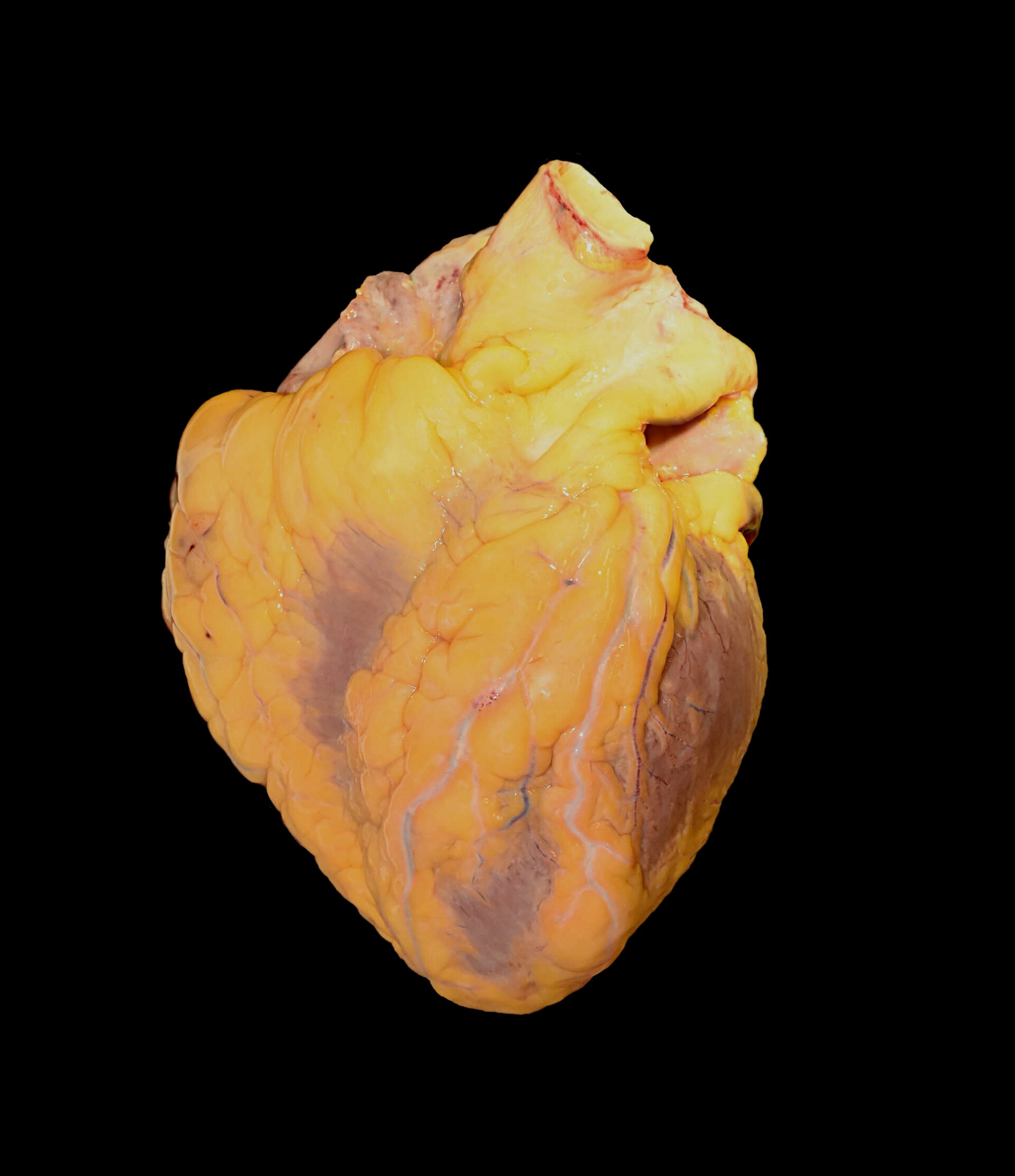
There are four basic classes of tissue. Epithelial tissues cover surfaces and line organs, cavities, and passageways; muscle tissues are capable of contraction; and nerve tissues conduct electrical impulses. Connective tissue is implied by extracellular materials. The heart is an example of an organ composed of all four tissue types, and it pumps blood throughout the body.
2. Chemical and Genetic Foundations
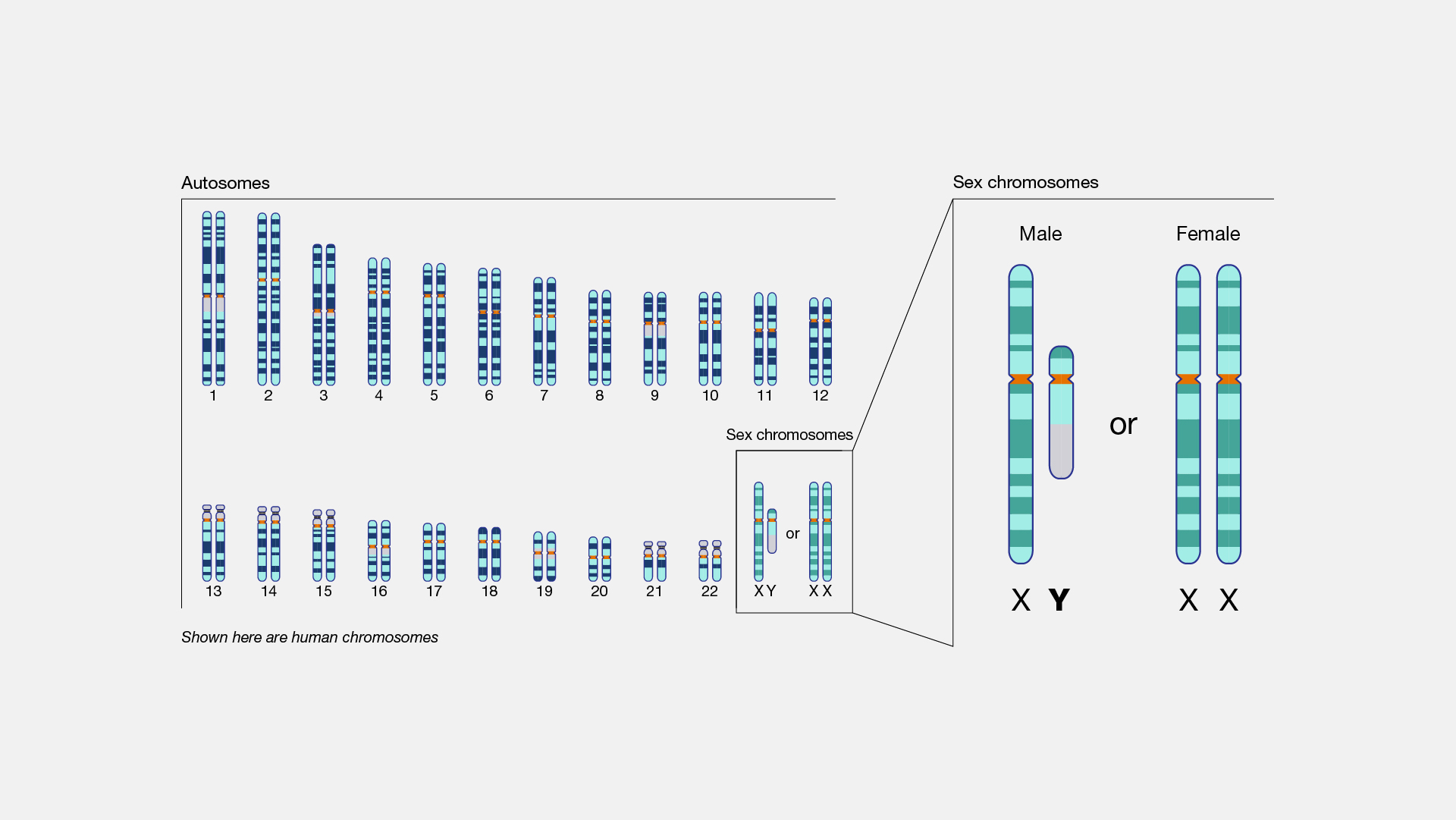
Deoxyribonucleic acid carries the body's hereditary master code, the set of instructions according to which each cell operates. James Watson and Francis Crick determined the structure of the DNA molecule in 1953 — a long double helix whose pairs of nitrogen bases allow it to function like a code. Humans have more than 20,000 genes, some of which direct how the brain grows and works.
3. Skeletal System
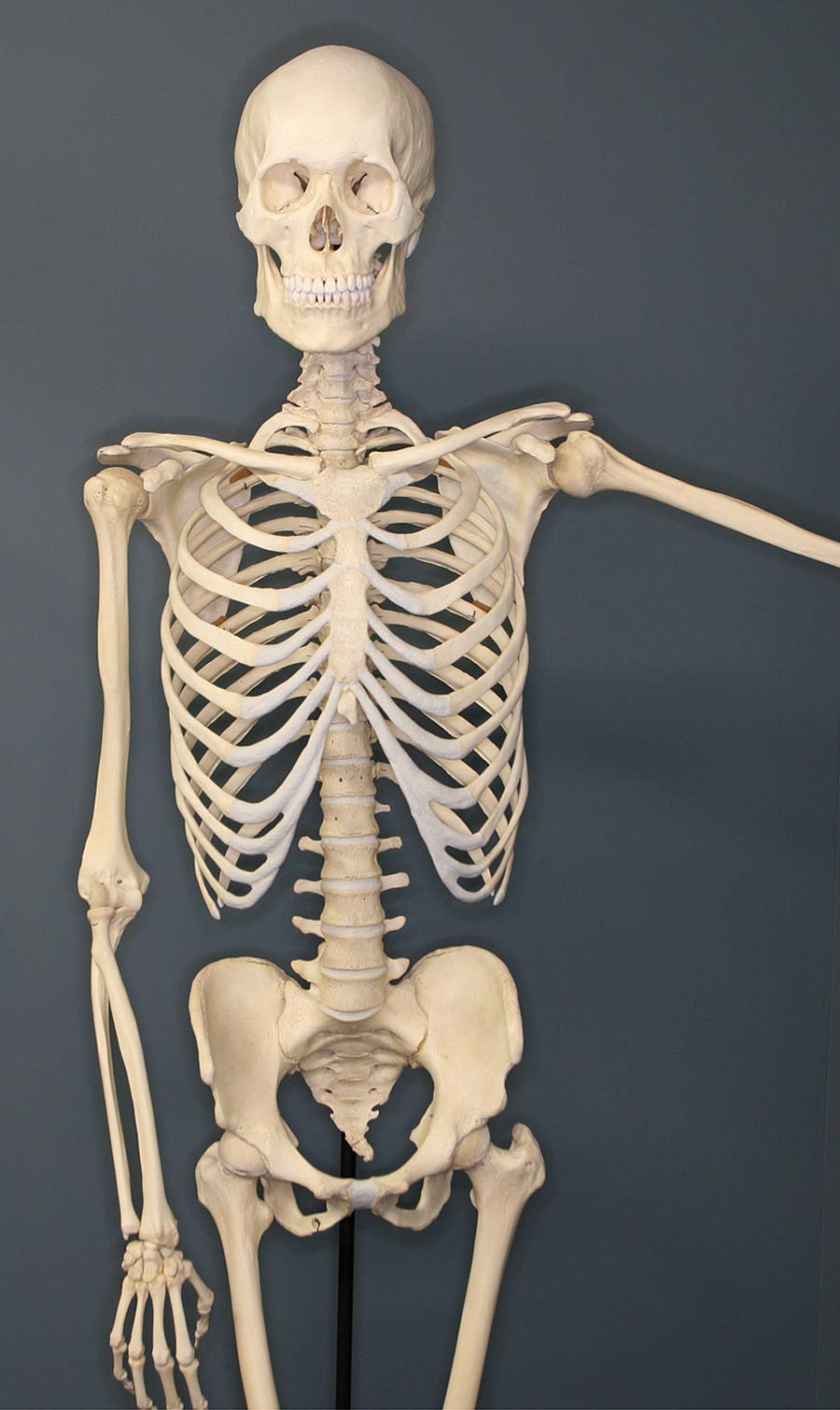
The adult human body contains 206 bones, while a baby is born with about 300 that eventually fuse together. These are organized into the axial skeleton of 80 bones in the head, neck, back, chest, and pelvis, and the appendicular skeleton of the shoulders, arms, and legs. The spine consists of 33 ring-shaped vertebrae, and the rib cage of 12 pairs protects the heart, lungs, and liver. The wrists, hands, and fingers together contain 54 bones.
The femur, or thigh bone, is the longest and strongest bone, around 18 inches (46 centimeters) long in most adults, and it can support up to 30 times body weight. The smallest bone is the stapes, at about 0.1 to 0.13 inches (2.5 to 3.3 millimeters). The kneecap protects the knee joint. Bone tissue is constantly renewed: osteoblasts form new bone tissue, while osteoclasts break down old bone tissue to make room for new tissue. During childhood, cartilage is replaced by bone with calcium, and growth is complete by about age 25. Bone marrow produces red blood cells, white blood cells, and platelets.
4. Muscular System
The human body contains more than 600 muscles, which carry out functions ranging from pumping blood to lifting heavy objects. These muscles fall into three types: smooth, cardiac, and skeletal. Skeletal muscles are voluntary and striated, working together with bones to provide power and strength. Tendons are tough cords that connect muscle to bone, so that when a muscle contracts it moves the tendon and, through it, the bone.
5. Circulatory System and Blood
The heart is a fist-sized organ that pumps blood throughout the body and serves as the main organ of the circulatory system. Its rhythm and pace are governed by the heart's electrical conduction system, with signals beginning at the sinoatrial (SA) node.
Blood is a specialized body fluid composed of four main components: plasma, red blood cells, white blood cells, and platelets.
6. Nervous System and Brain
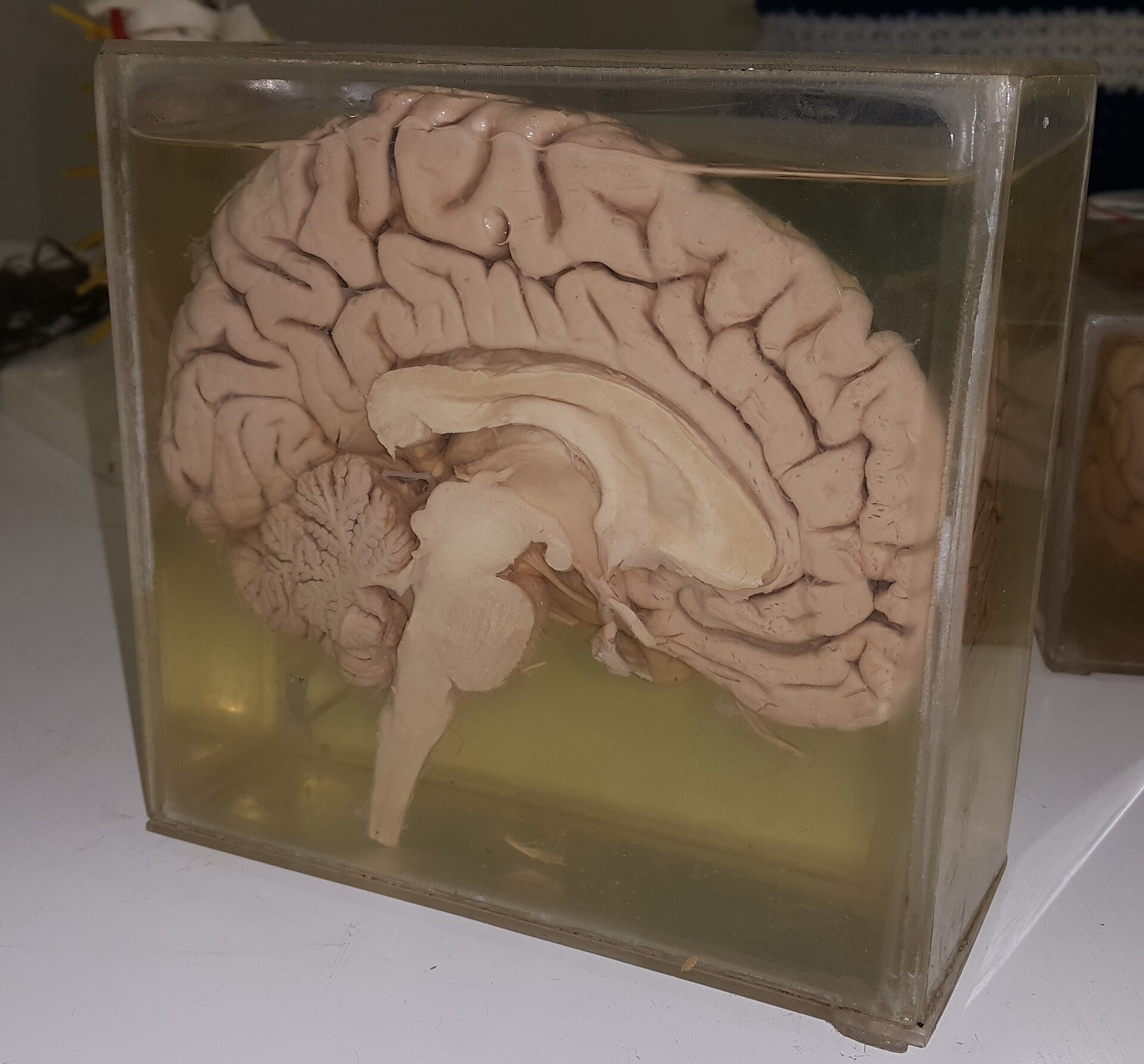
The brain is the most complex part of the human body. As a three-pound organ, it is the seat of intelligence, the interpreter of the senses, the initiator of body movement, and the controller of behavior. Some 100 million Americans suffer from devastating brain disorders at some point in their lives.
7. Digestive System
The digestive system is made up of the gastrointestinal tract plus the liver, pancreas, and gallbladder. The GI tract is a series of hollow organs joined in a long, twisting tube from the mouth to the anus, including the esophagus, stomach, and intestines. After food enters the stomach, the stomach muscles mix it with digestive juices and slowly empty the contents, called chyme, into the small intestine.
8. Cell Census and Composition
An international team of scientists created the first comprehensive index of human cells, mapping the sizes and abundance of all cell types across the entire body. The researchers compiled a dataset of over 1200 distinct cell groups across 60 tissue systems in three reference humans. Cell counts in the body are dominated by white blood cells, with approximately 3.4 trillion cells, most of which are located in tissues.
9. Milestones in Understanding the Body
-
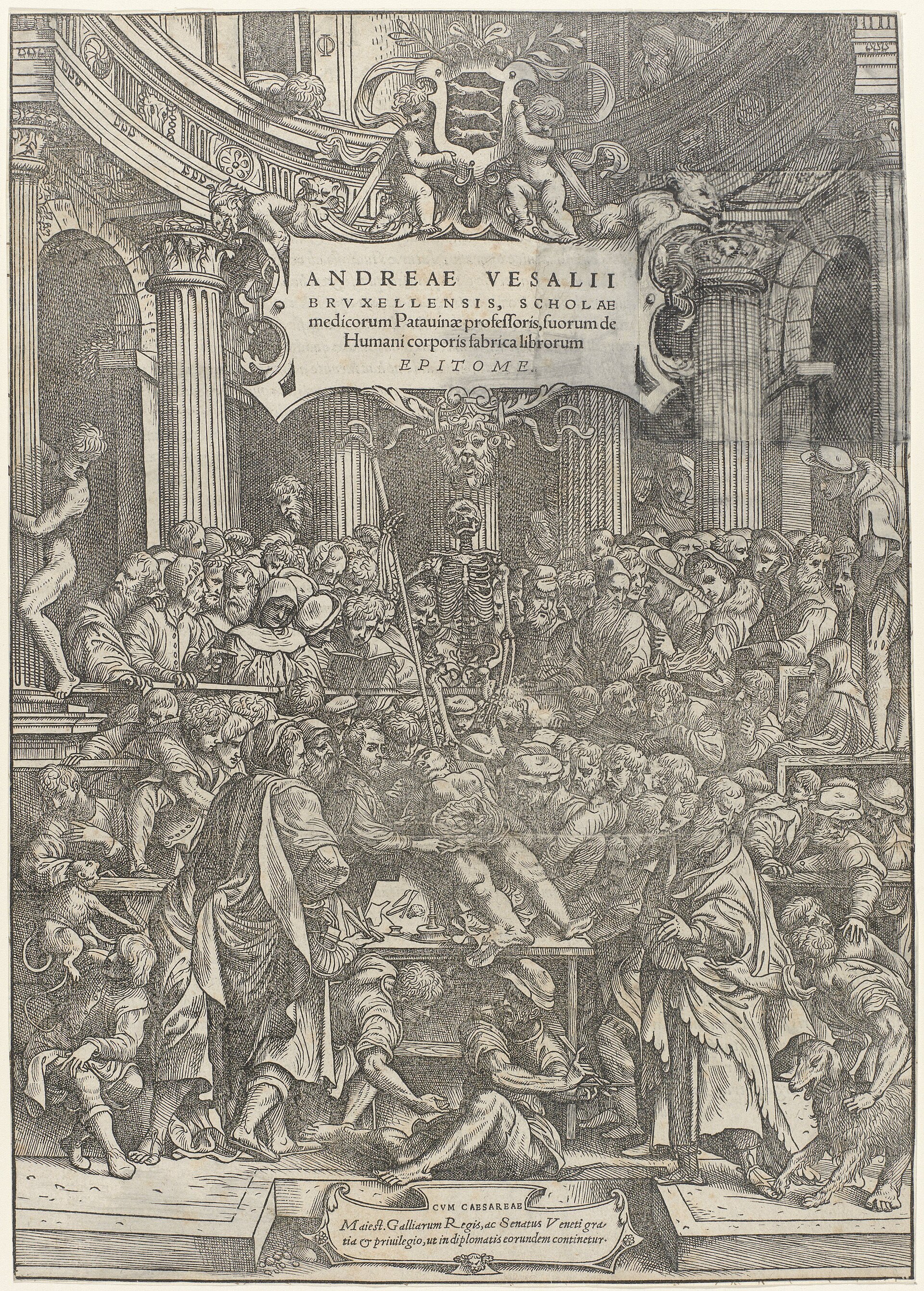
1543Vesalius publishes De corporis humani fabrica libri septemVesalius published De corporis humani fabrica libri septem, or Seven books on the fabric of the human body, gaining both fame and notoriety.8Historical Anatomies on the Web: Vesalius — Author & Title Description · U.S. National Library of Medicine ↗
-
1628Harvey describes the circulation of the bloodWilliam Harvey published De Motu Cordis, the book in which he recognized the full circulation of the blood and supported the idea with experiments and arguments.9William Harvey · Encyclopaedia Britannica ↗
-
1796Jenner creates the first successful vaccineEdward Jenner created the smallpox vaccine — the first successful vaccine to be developed — after observing that milkmaids who had caught cowpox did not catch smallpox.10Smallpox · World Health Organization (WHO) ↗
-
1895Röntgen discovers X-raysWhile studying cathode radiation, Wilhelm Röntgen noticed a penetrating, previously unknown type of radiation that became a powerful tool for examining the body's interior.11Wilhelm Conrad Röntgen – Facts · Nobel Prize Outreach (Nobel Prize in Physics 1901) ↗
-
1901Landsteiner explains the human blood groupsKarl Landsteiner showed that people have different types of red blood cells — different blood groups — a discovery that led to safe blood transfusions.12Karl Landsteiner – Facts · Nobel Prize Outreach (Nobel Prize in Physiology or Medicine 1930) ↗
-
1921Banting and Best extract insulinIn John MacLeod's laboratory, Frederick Banting and Charles Best treated dogs so that they no longer produced trypsin; insulin could then be extracted and used to treat diabetes.13Frederick G. Banting – Facts · Nobel Prize Outreach (Nobel Prize in Physiology or Medicine 1923) ↗
-
1928Fleming observes penicillinAlexander Fleming noticed that a mold fungus growing in a bacteria culture had impeded the bacteria's growth; the substance was named penicillin and became the basis of antibiotics.14Sir Alexander Fleming – Facts · Nobel Prize Outreach (Nobel Prize in Physiology or Medicine 1945) ↗
-
1954First successful kidney transplantJoseph Murray avoided rejection using radiotherapy and immunosuppressants and successfully transplanted a kidney between identical twins, paving the way for other organ transplants.15Joseph E. Murray – Facts · Nobel Prize Outreach (Nobel Prize in Physiology or Medicine 1990) ↗
-
1956First stopped-heart surgeryThe world's first stopped-heart surgery took place in 1956 at Cleveland Clinic.1630 Facts About Your Heart · Cleveland Clinic (Health Essentials) ↗
-
the 1960sComputed tomography is developedGodfrey Hounsfield developed an apparatus in which clusters of X-ray beams sent through the body from different angles are registered and converted by computer calculations into images of the body's cross sections.17Godfrey N. Hounsfield – Facts · Nobel Prize Outreach (Nobel Prize in Physiology or Medicine 1979) ↗
-
October 1990 – April 2003Human Genome ProjectThe Human Genome Project was launched in October 1990 and completed in April 2003; the project generated the first sequence of the human genome.18The Human Genome Project · National Human Genome Research Institute (NIH) ↗
10. Disease Burden
Heart disease is the greatest single threat to health and the leading cause of death globally. Stroke was the second leading cause of death worldwide in 2023 and was responsible for approximately 11% (6.8 million) of total deaths. In 2023 eight of the ten leading causes of death worldwide were noncommunicable diseases, accounting for 47% of all deaths.
11. Timeline: from Vesalius's anatomy to the human genome
- 1543Vesalius publishes De humani corporis fabricaThe anatomist Andreas Vesalius published De corporis humani fabrica libri septem in Basel, a work based on his own dissections that confirmed and refuted many of Galen's teachings and whose woodcut illustrations shaped anatomy for centuries.
- 1628Harvey describes the circulation of the bloodWilliam Harvey published De Motu Cordis, the book in which he recognized the full circulation of the blood and supported the idea with experiments and arguments.
- 1796Jenner creates the first successful vaccineEdward Jenner created the smallpox vaccine — the first successful vaccine to be developed — after observing that milkmaids who had caught cowpox did not catch smallpox.
- 1895Röntgen discovers X-raysWhile studying cathode radiation, Wilhelm Röntgen noticed a penetrating, previously unknown type of radiation that became a powerful tool for examining the body's interior.
- 1901Landsteiner explains the human blood groupsKarl Landsteiner showed that people have different types of red blood cells — different blood groups — a discovery that led to safe blood transfusions.
- 1903Einthoven builds a practical electrocardiographWillem Einthoven constructed the string galvanometer, which precisely measures the tiny currents behind the electrocardiogram, giving doctors a picture of how the heart functions.
- 1921Banting and Best extract insulinIn John MacLeod's laboratory, Frederick Banting and Charles Best treated dogs so that they no longer produced trypsin; insulin could then be extracted and used to treat diabetes.
- 1928Fleming observes penicillinAlexander Fleming noticed that a mold fungus growing in a bacteria culture had impeded the bacteria's growth; the substance was named penicillin and became the basis of antibiotics.
- 1953Watson and Crick determine the structure of DNAJames Watson and Francis Crick determined the structure of the DNA molecule — a long double helix whose nitrogen bases allow it to function like a code and to copy itself.
- 1954First successful kidney transplantJoseph Murray avoided rejection using radiotherapy and immunosuppressants and successfully transplanted a kidney between identical twins, paving the way for other organ transplants.
- the 1960sComputed tomography is developedGodfrey Hounsfield developed an apparatus in which clusters of X-ray beams sent through the body from different angles are registered and converted by computer calculations into images of the body's cross sections.
- 3 December 1967First human heart transplantChristiaan Barnard led a team of 20 surgeons in replacing the heart of Louis Washkansky with a heart taken from a fatally injured accident victim; Washkansky died 18 days later.
- October 1990Human Genome Project launchedThe international Human Genome Project began, aiming to study all of the DNA of a select set of organisms, and completed with the first sequence of the human genome in April 2003.
- April 2003First human genome sequence completedThe Human Genome Project's signature accomplishment, generating the first sequence of the human genome, provided fundamental information about the human blueprint and accelerated the study of human biology.
12. Frequently asked questions
How many times does the heart beat in a day, and how many times over a lifetime?
The heart beats about 100,000 times per day, and during an average lifetime it beats more than 2.6 billion times.16
How much blood does the heart pump each minute, and how long is the blood vessel network it serves?
How heavy is the heart, and does that differ between men and women?
The heart weighs between 7 and 15 ounces (200 to 425 grams), and the average male's heart weighs about 2 ounces more than the average female's.16
How much blood does an adult have, and what is blood made of?
How long does a red blood cell live, and what does it carry?
Where do blood cells come from?
Blood cells develop from hematopoietic stem cells and are formed in the bone marrow through the process of hematopoiesis.5
References (24)
- 1Human body | Organs, Systems, Structure, Diagram, & Facts — Encyclopaedia Britannica WebView source
- 2Heart: Anatomy & Function — Cleveland Clinic WebView source
- 3James Watson – Facts — Nobel Prize Outreach (Nobel Prize in Physiology or Medicine 1962) 1962 WebView source
- 4Brain Basics — National Institute of Neurological Disorders and Stroke (NIH) WebView source
- 5Blood Basics — American Society of Hematology Web↩View source
- 6Your Digestive System & How it Works — National Institute of Diabetes and Digestive and Kidney Diseases (NIH) WebView source
- 7Cellular Cartography — Charting the Sizes and Abundance of Our Body's Cells — Max Planck Institute for Mathematics in the Sciences WebView source
- 8Historical Anatomies on the Web: Vesalius — Author & Title Description — U.S. National Library of Medicine Web↩View source
- 9William Harvey — Encyclopaedia Britannica Web↩View source
- 10Smallpox — World Health Organization (WHO) Web↩View source
- 11Wilhelm Conrad Röntgen – Facts — Nobel Prize Outreach (Nobel Prize in Physics 1901) 1901 Web↩View source
- 12Karl Landsteiner – Facts — Nobel Prize Outreach (Nobel Prize in Physiology or Medicine 1930) 1930 Web↩View source
- 13Frederick G. Banting – Facts — Nobel Prize Outreach (Nobel Prize in Physiology or Medicine 1923) 1923 Web↩View source
- 14Sir Alexander Fleming – Facts — Nobel Prize Outreach (Nobel Prize in Physiology or Medicine 1945) 1945 Web↩View source
- 15Joseph E. Murray – Facts — Nobel Prize Outreach (Nobel Prize in Physiology or Medicine 1990) 1990 Web↩View source
- 1630 Facts About Your Heart — Cleveland Clinic (Health Essentials) Web↩View source
- 17Godfrey N. Hounsfield – Facts — Nobel Prize Outreach (Nobel Prize in Physiology or Medicine 1979) 1979 Web↩View source
- 18The Human Genome Project — National Human Genome Research Institute (NIH) Web↩View source
- 19The top 10 causes of death — World Health Organization WebView source
- 20Your Bones (for Kids) — Nemours KidsHealth WebView source
- 21Bones: How Many Do Humans Have, Types, Anatomy & Function — Cleveland Clinic WebView source
- 22Your Muscles (for Kids) — Nemours KidsHealth WebView source
- 23Willem Einthoven – Facts — Nobel Prize Outreach (Nobel Prize in Physiology or Medicine 1924) 1924 WebView source
- 24Christiaan Barnard — Encyclopaedia Britannica WebView source
 United Kingdom
 Evolution
 Cell