Evolution
The scientific theory of how life on Earth changes over time — from Darwin and Wallace's discovery of natural selection and the evidence for common descent to the modern synthesis, the mechanisms of change, and today's research.
Evolution is the change in the heritable characteristics of populations over generations; its central mechanism, natural selection, was proposed independently by Charles Darwin and Alfred Russel Wallace and presented jointly at the Linnean Society in 1858, followed by Darwin's On the Origin of Species in 1859. Evidence from fossils, comparative anatomy, biogeography, and molecular genetics supports the descent of living things from common ancestors, and the modern synthesis of the 1930s and 1940s united genetics with Darwinian selection. Research today combines selection with mutation, gene flow, and genetic drift, and continues to debate extensions such as developmental bias and epigenetic inheritance.
Overview
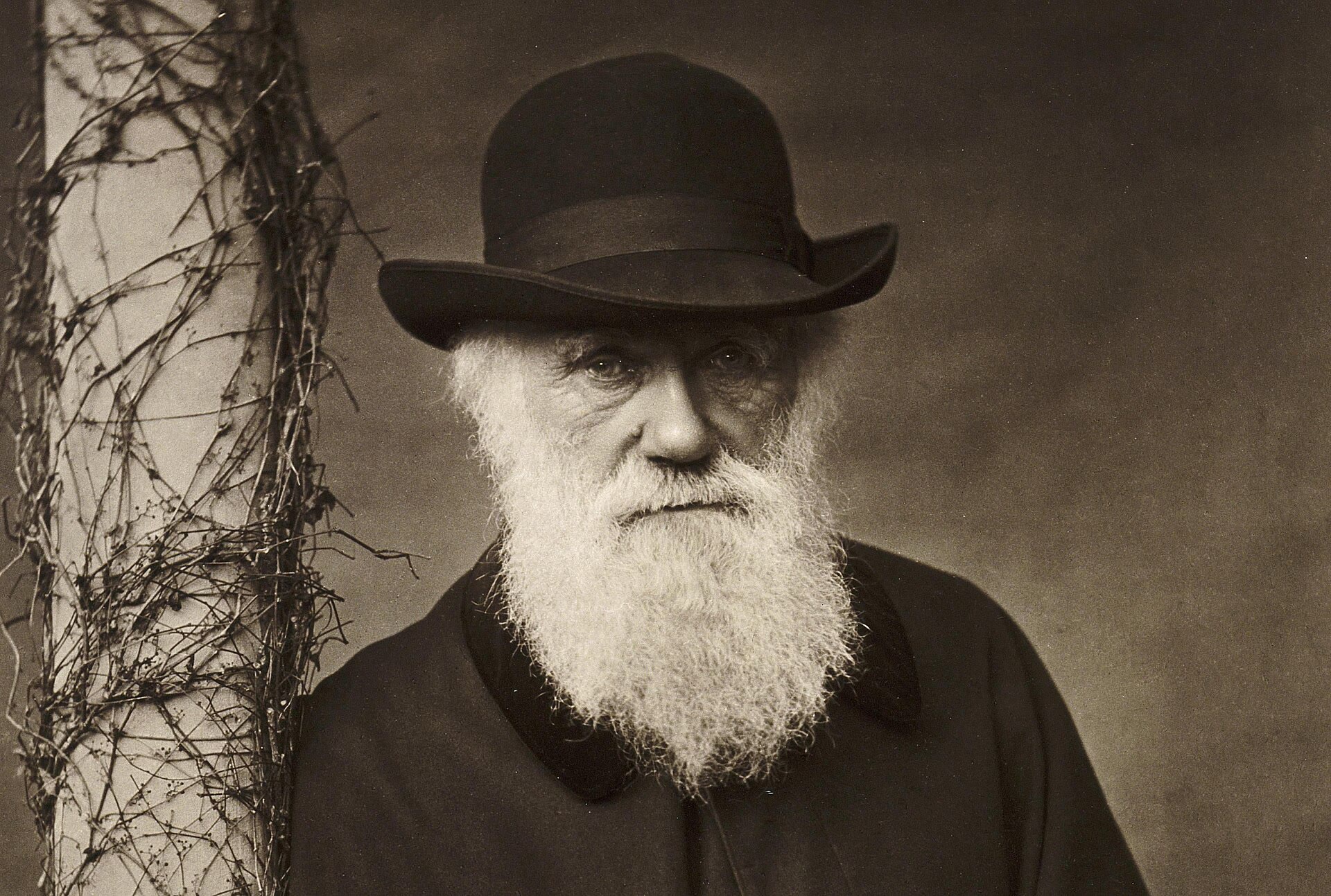
Darwin did not use the term in the first edition of On the Origin of Species, referring instead to descent with modification. In the introduction to the Origin Darwin suggests that a naturalist reflecting on affinities, embryology, geographical distribution, and geological succession might conclude that species had not been independently created but had descended from other species.
1. Historical Development
Evolutionary thought did not begin with Darwin. In 1801 the French naturalist Jean Baptiste Pierre Antoine de Monet, Chevalier de Lamarck, took a great conceptual step and proposed a full-blown theory of evolution. Rejected by some on religious grounds and shunned by scientists for lack of deductive rigor, Lamarck died in 1829 in poverty and obscurity, but the notion of evolution did not die with him.
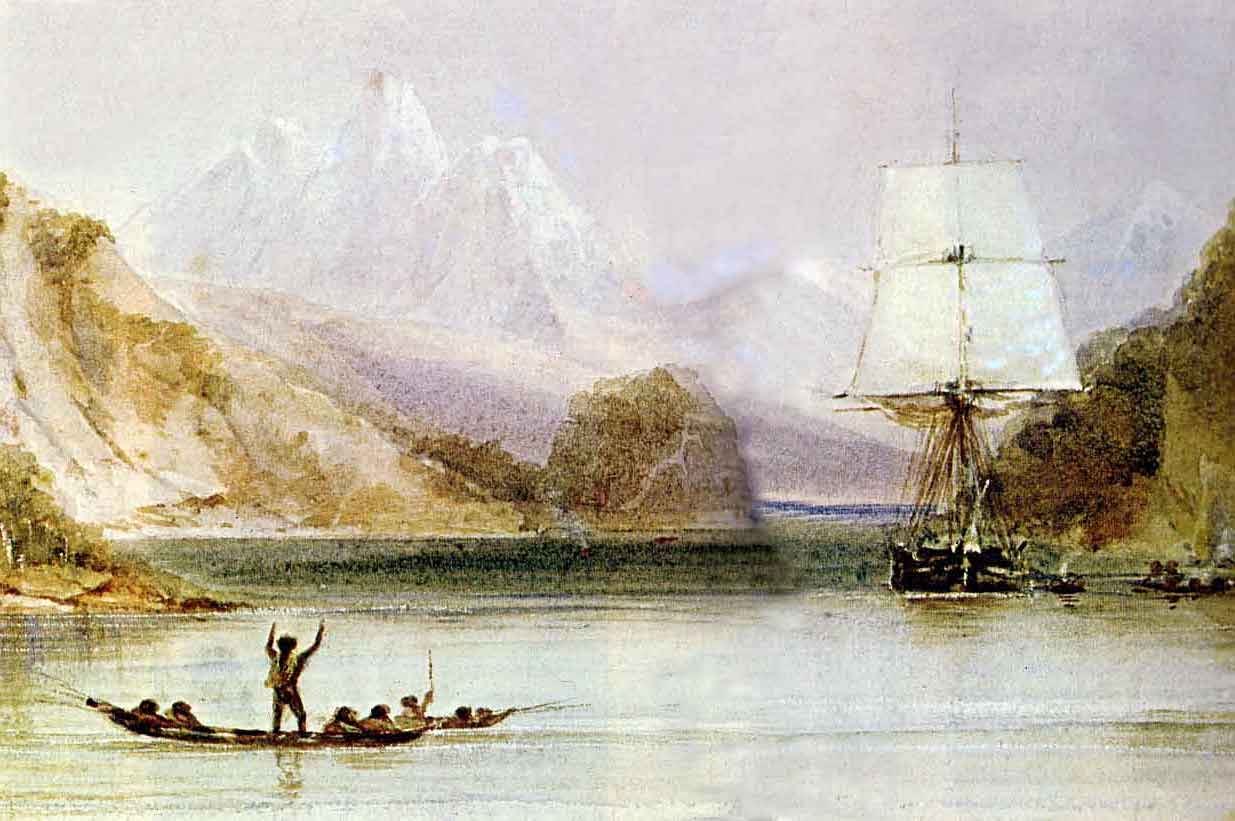
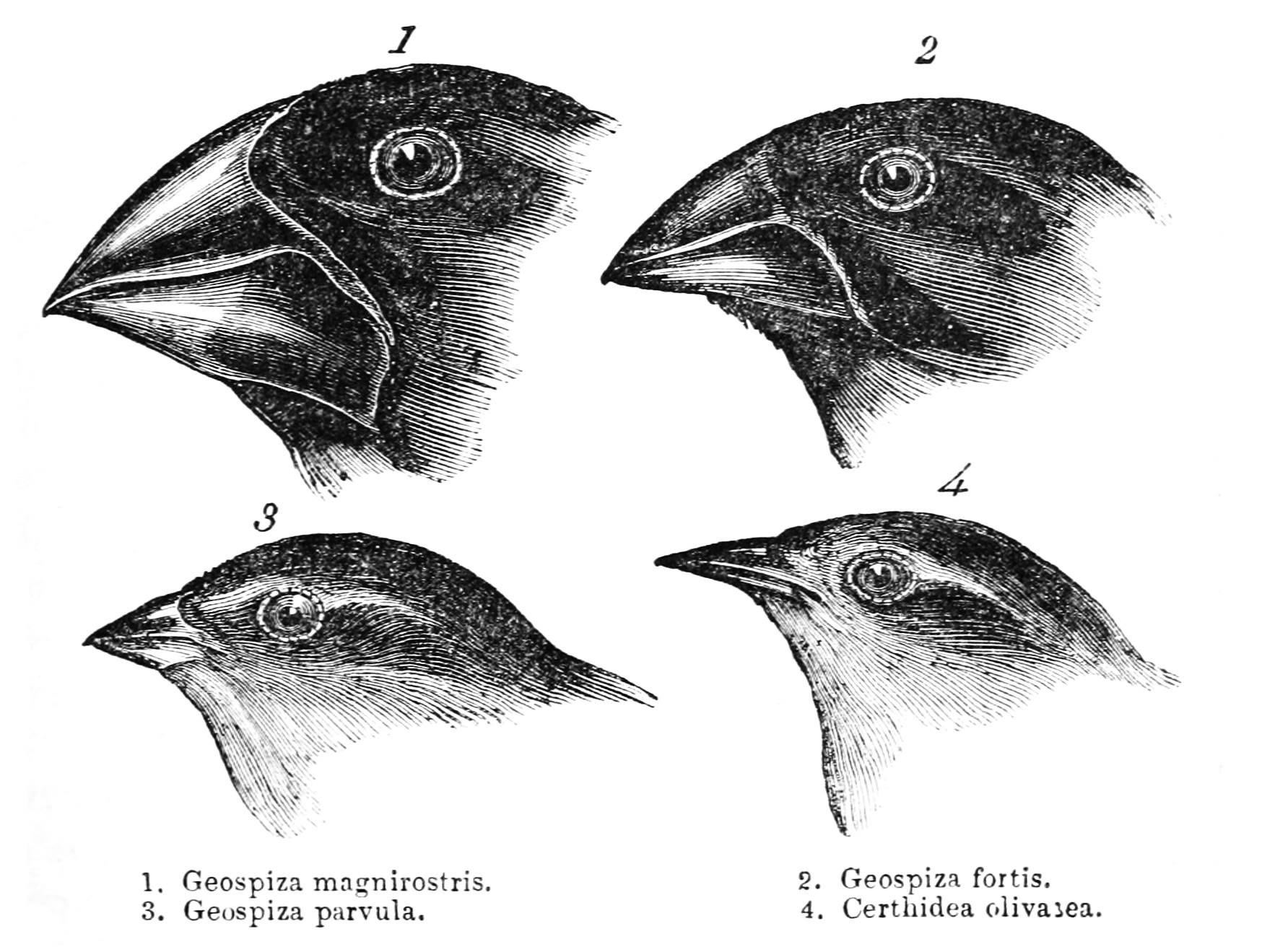
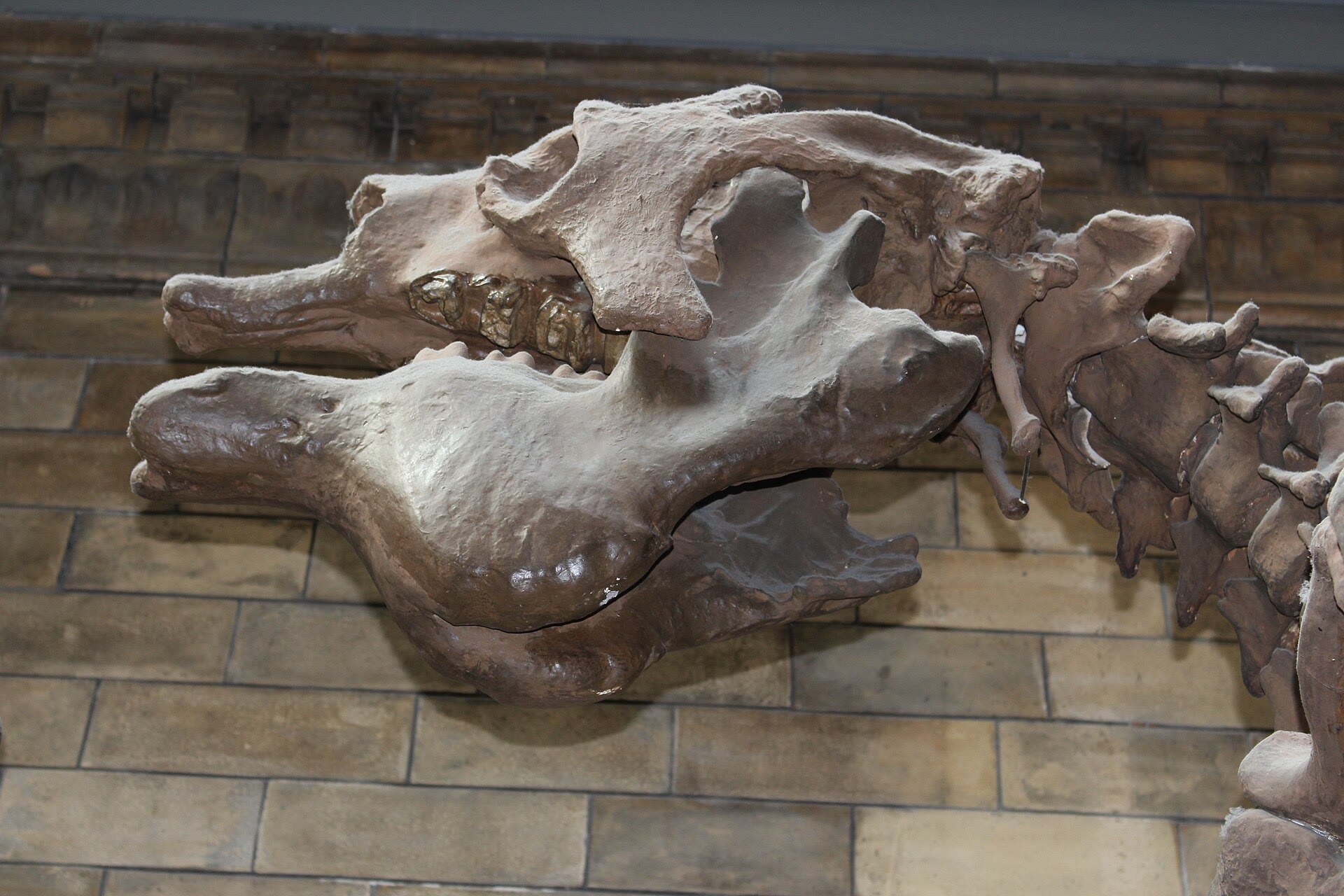
Charles Darwin spent five years aboard HMS Beagle, and his collections from the voyage include a Megatherium skull and Toxodon specimens. A visit to the Galapagos Islands in 1835 helped him formulate his ideas on natural selection; he found several species of finch adapted to different environmental niches. In his garden he bred pigeons, crossing birds with different characteristics to generate different offspring and gathering valuable evidence for his theory of evolution by natural selection.
In the mid-1800s Darwin and the British biologist Alfred Russel Wallace independently conceived of a natural, even observable way for life to change — a process Darwin called natural selection. The theory was proposed by Charles Darwin and Alfred Russel Wallace, independently, in the 1850s. When Darwin and Wallace read Malthus on population, it occurred to both that animals and plants should also be experiencing the same population pressure.
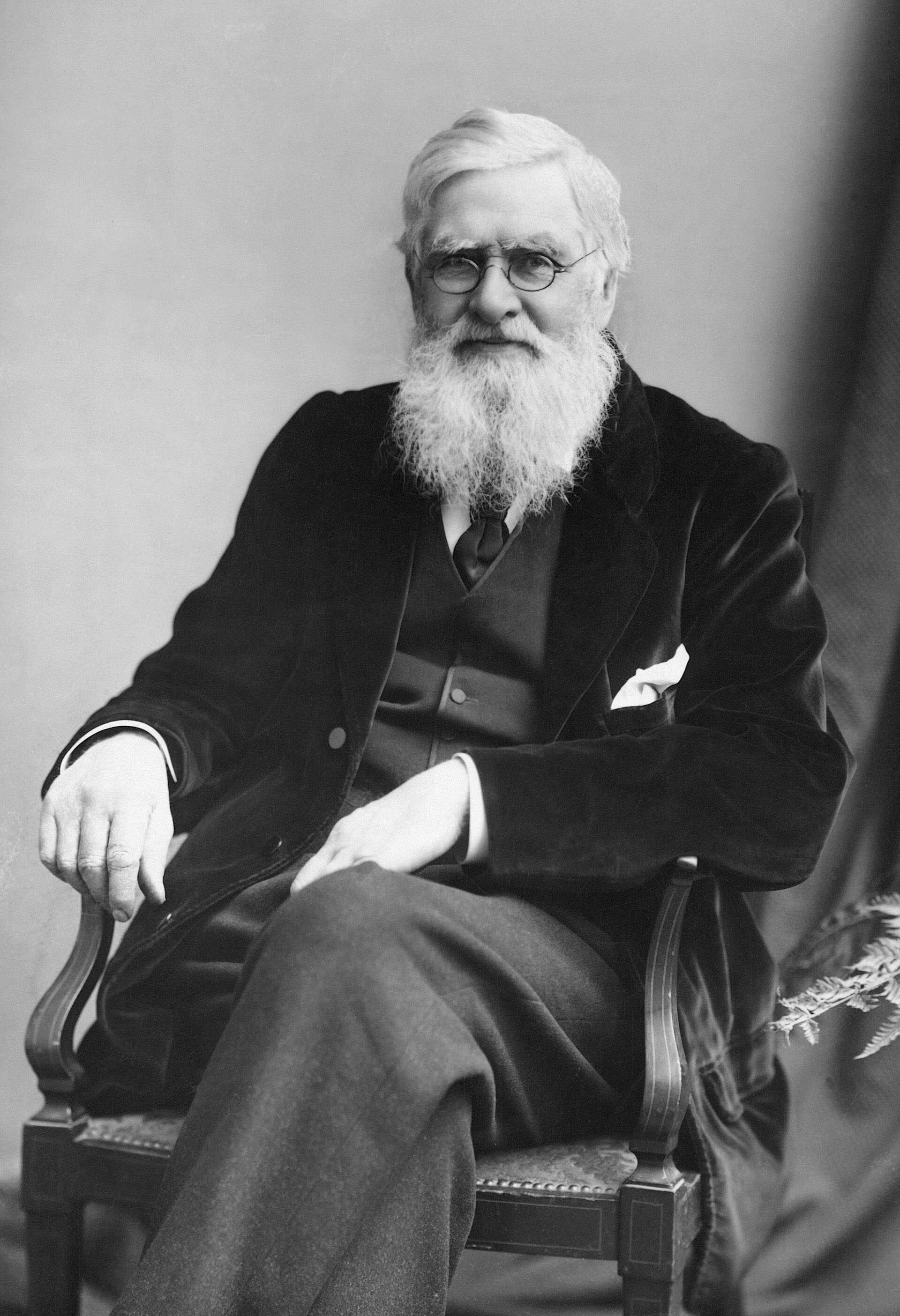
Wallace was a leading Victorian naturalist with wide-ranging interests from biogeography and evolutionary theory to spiritualism and politics; he was born in 1823 in Usk, a small town in south-east Wales. Between 1854 and 1862 he travelled some 14,000 miles across different islands and collected around 125,000 specimens, especially butterflies and birds, many unknown to European science.
Wallace's essay On the Tendency of Varieties to depart indefinitely from the Original Type was written at Ternate in February 1858 and sent to Darwin with the wish that it be forwarded to Sir Charles Lyell. On 18 June 1858 Darwin had received from Wallace a letter containing an essay that formulated the same hypothesis Darwin had worked on for the last twenty years but had never published. Charles Lyell and Joseph Dalton Hooker arranged for the Darwin and Wallace theories to be presented to a meeting of the Linnaean Society in 1858. The Darwin and Wallace paper was read before the Linnean Society on 1 July 1858 and published as On the tendency of species to form varieties; and on the perpetuation of varieties and species by natural means of selection. In his presidential address Thomas Bell reported that the year had not been marked by any of those striking discoveries which at once revolutionise the department of science on which they bear.
The following year Darwin's On the Origin of Species was published. The key publication was On the Origin of Species by Means of Natural Selection, London, 1859. The theory is also known as evolution by natural selection, or Darwinism.
On the death of Charles Darwin on April 19 in 1882 the president of the Royal Society asked that he be buried in Westminster Abbey, in the place where the kings and queens of England had long been crowned and interred. Twenty years after Darwin's death his theory lay on its own deathbed; only a handful of scientists believed natural selection to be the driving force of evolution. Astronomer Sir John Herschel described natural selection as the 'law of higgledy-piggledy', voicing a widespread feeling that so important a process as the development of life on earth could not be explained as an endless sequence of unpredictable migrations.
2. Mechanisms of Evolution
Natural selection is the core mechanism of evolution, acting on heritable variation within populations. He called the principle by which each slight variation, if useful, is preserved the term Natural Selection, to mark its relation to man's power of selection.
In each generation some individuals may, just by chance, leave behind a few more descendants than others, and the next generation's genes are those of the lucky individuals.
By sequencing ancient DNA researchers reconstructed the entire Neanderthal genome and found that ancient humans and Neanderthals interbred, introducing new genetic variation to the human population.
Other mechanisms include mutation, migration (gene flow), genetic drift, and sexual selection. Barriers to gene flow that may contribute to speciation result from natural selection, sexual selection, or even genetic drift.
Sickle-cell anemia illustrates selection in the wild: one copy of the allele gives some protection against malaria, and natural selection finds a balance between that advantage and the disadvantage of two copies.
3. Evidence for Evolution
The case for evolution rests on several independent streams of evidence: the fossil record, comparative anatomy and homologies, biogeography, embryology, and DNA. The National Academy of Sciences describes the discovery and understanding of the processes of evolution as one of the most powerful achievements in the history of science and the foundation for modern biology.
Comparative anatomy supplies some of the most direct evidence, through homologous characters — characters in different organisms that are similar because they were inherited from a common ancestor that also had that character. Birds, bats, mice, and crocodiles all have four limbs inherited from the ancestor of tetrapods, so the presence of four limbs is a homology. As forelimbs, bird and bat wings are homologous: birds and bats did not inherit wings from a common ancestor with wings, but they did inherit forelimbs from a common ancestor with forelimbs. The wings themselves are analogous, with separate evolutionary origins, and are superficially similar because natural selection shaped both for flight — an example of convergent evolution.
The fossil record displays a consistent pattern: fossils that more closely resemble today's life forms are found in younger rock layers, while many fossils that only distantly resemble life today occur in older layers. The record is also predictive. Using principles of evolution, scientists predicted what type of creature existed and where it would be found, and in 2004 a team found the fossil Tiktaalik with features of fish and of land-dwellers. For any two species living today, their evolutionary lines can be traced back in time until the two lines intersect in a common ancestor.
Genetic evidence independently corroborates the fossil pattern: species that appear more distantly related in the fossil record show correspondingly greater differences in their DNA than species that appear more closely related. Dating the events these comparisons reveal relies on radiometric dating, which depends on the half-life decay of radioactive elements; on stratigraphy, which gives a sequence of events; and on molecular clocks, which use genetic divergence to estimate dates. Life began 3.8 billion years ago, and insects diversified 290 million years ago.
The scientific standing of evolution is not in dispute among researchers; the debate in the scientific community is focused on the details of how evolution occurs, not whether it occurs, and nearly all scientists agree that biological evolution is the most sound theory to explain the diversity of life. In science, a theory is not a guess but a well-supported explanatory framework, and evolution holds that status. A 1998 National Academy of Sciences guidebook reported that many public school students receive little or no exposure to the theory of evolution, the most important concept in understanding biology.
4. Genetics and Molecular Evolution
The physical basis of heredity was clarified when Watson joined Francis Crick at Cambridge to analyze x-ray data collected by Rosalind Franklin and others, and in 1953 they built a model of DNA. That model described the molecule as a double helix. The discovery of DNA gave scientists a means of comparing genetic codes, working down to the deepest branches of life dating back billions of years.
Molecular evolution acquired a distinctive theoretical framework when Kimura introduced the neutral theory in 1968. The theory posited that differences between species are due to neutral substitutions rather than adaptive evolution, and that polymorphisms within species have dynamics dominated by mutation-drift equilibrium. Kimura in 1968, together with King and Jukes in 1969, played important roles in the field's acceptance of neutral mutations at all. In a review published fifty years after the theory's introduction, the authors argue that in light of modern genome-scale data its universality can be firmly rejected.
The ubiquity of adaptive variation both within and between species means that a more comprehensive theory of molecular evolution must be sought.
Dobzhansky analyzed the genes of wild fruit flies from Canada to Mexico and found that different populations of Drosophila pseudoobscura did not have identical sets of genes. In 1937 he published the landmark book Genetics and the Origin of Species, sketching out an explanation for how species come into existence.
5. The Modern Synthesis and Beyond
During the 1930s and 1940s, the Modern Synthesis unified genetics with Darwinian selection, drawing genetics, paleontology, systematics, and many other sciences into a single powerful explanation of evolution.
The theoretical population geneticists Ronald A. Haldane, and Sewall Wright laid the foundation of the Modern Synthesis. Their work demonstrated that Mendelian inheritance could produce the continuous variation required by Darwinian natural selection, and they built sophisticated mathematical models of evolution. Wright introduced the 'adaptive landscape' metaphor, imagining the varying fitness of gene combinations as a hilly landscape whose valleys are less-fit combinations and whose peaks are the fitter ones.
The Extended Evolutionary Synthesis remains an ongoing debate over developmental bias, epigenetic inheritance, plasticity, niche construction, and non-genetic forms of inheritance. It has yet to crystallize into a fully integrated theoretical model. Advocates argue for incorporating these factors, while critics contend that the Modern Synthesis is flexible enough to accommodate them.
6. Human Evolution
Human evolution is the lengthy process of change by which people originated from apelike ancestors, and the traits shared by all people evolved over a period of approximately six million years. The human and chimpanzee lineages diverged only five million years ago.
Humans and the great apes of Africa share a common ancestor that lived between 8 and 6 million years ago. The fossils of early humans who lived between 6 and 2 million years ago come entirely from Africa.
One of the earliest defining human traits, bipedalism, evolved over 4 million years ago. Other characteristics, such as a large and complex brain and the capacity for language, developed more recently.
7. Species and Speciation
A species is often defined as a group of individuals that actually or potentially interbreed in nature, forming the biggest gene pool possible under natural conditions. This interbreeding definition is difficult to apply to bacteria that reproduce mainly asexually.
Hybridization complicates the picture further, since many plants and some animals form hybrids in nature. In some areas hooded crows and carrion crows hybridize, although they largely mate within their own groups.
An external barrier such as a river or mountain range may start speciation, but the evolution of genetically based internal barriers to gene flow is necessary for the process to be complete.
8. Timeline: from Lamarck to the extended synthesis
- 1797Malthus on populationThomas Malthus published his Essay on the Principle of Population; Darwin and Wallace later applied its lesson about population pressure to animals and plants.
- 1801Lamarck proposes a theory of evolutionThe French naturalist Jean Baptiste Lamarck took a great conceptual step and proposed a full-blown theory of evolution, in which use and disuse of organs could be inherited.
- 1831–1836The voyage of HMS BeagleDarwin spent five years aboard HMS Beagle; the Natural History Museum cares for many specimens he collected on the voyage, including corals, shells, and fossils.
- 1844Vestiges of a Natural CreationThe British writer Robert Chambers authored a best-selling argument for evolution, keeping the notion of evolution alive before Darwin published.
- 1 July 1858Joint papers at the Linnean SocietyPapers by Charles Darwin and Alfred Russel Wallace outlining the theory of evolution by natural selection were presented at a meeting of the Linnean Society; neither author was present.
- 1859On the Origin of SpeciesDarwin published On the Origin of Species by Means of Natural Selection, the book that launched the modern study of evolution.
- 19 April 1882The death of Charles DarwinDarwin died on April 19 in 1882, and the president of the Royal Society successfully asked that he be buried in Westminster Abbey.
- around 1900Rediscovery of MendelThe first geneticists rediscovered Gregor Mendel's insights around 1900, work that eventually reconciled natural selection with heredity.
- 1930Fisher's Genetical TheoryRonald A. Fisher's The Genetical Theory of Natural Selection showed that small heritable mutations under selection could lead to gradual evolutionary change.
- 1937Genetics and the Origin of SpeciesTheodosius Dobzhansky published a landmark book that sketched how genetic variation and isolation produce new species, helping start the Modern Synthesis.
- 1930s–1940sThe Modern SynthesisCombined work across genetics, paleontology, and systematics produced one powerful explanation of evolution, showing how mutations and natural selection could produce large-scale change.
- 1953The structure of DNAWatson and Crick built a model of DNA showing the double helix, using x-ray data collected by Rosalind Franklin and others; it transformed the study of evolution.
- 1968The neutral theory of molecular evolutionMotoo Kimura introduced the neutral theory, holding that molecular differences between species are due to neutral substitutions; later genomic data led researchers to reject its universality.
- 2004Tiktaalik discoveredA team found the fossil Tiktaalik with features of fish and of land-dwellers, exactly as evolutionary theory had predicted.
- 2015–presentThe extended synthesis debateAdvocates of an Extended Evolutionary Synthesis argue for incorporating developmental bias, epigenetic inheritance, plasticity, and niche construction; critics reply the Modern Synthesis can absorb these insights.
References (24)
- 1Evolution — Stanford Encyclopedia of Philosophy WebView source
- 2On the Origin of Species by Means of Natural Selection, or the Preservation of Favoured Races in the Struggle for Life (1st edition, 1859) — The Complete Work of Charles Darwin Online (darwin-online.org.uk) 1859 WebView source
- 3Early Concepts of Evolution: Jean Baptiste Lamarck — Understanding Evolution, UC Museum of Paleontology, University of California, Berkeley WebView source
- 4Museum highlights: Charles Darwin — Natural History Museum, London WebView source
- 5Natural Selection: Charles Darwin & Alfred Russel Wallace — Understanding Evolution, UC Museum of Paleontology, University of California, Berkeley WebView source
- 6On the Tendency of Species to Form Varieties; and on the Perpetuation of Varieties and Species by Natural Means of Selection (Darwin & Wallace, 1858) — The Complete Work of Charles Darwin Online (darwin-online.org.uk) 1858 WebView source
- 7Alfred Russel Wallace — Darwin Correspondence Project, University of Cambridge BookView source
- 8160th anniversary of the presentation of 'On the tendency of Species to form Varieties' — The Linnean Society of London 2018 WebView source
- 9A World without Darwin — Science History Institute (Distillations magazine) WebView source
- 10Natural Selection — Understanding Evolution, UC Museum of Paleontology, University of California, Berkeley WebView source
- 11Genetic drift — Understanding Evolution, UC Museum of Paleontology, University of California, Berkeley WebView source
- 12Gene flow — Understanding Evolution, UC Museum of Paleontology, University of California, Berkeley WebView source
- 13Reproductive isolation — Understanding Evolution, UC Museum of Paleontology, University of California, Berkeley WebView source
- 14Random Mutations and Evolutionary Change: Ronald Fisher, JBS Haldane, & Sewall Wright — Understanding Evolution, UC Museum of Paleontology, University of California, Berkeley 1900 WebView source
- 15Science, Evolution, and Creationism — Evolution brochure — National Academy of Sciences / National Academies Press BookView source
- 16Homologies and analogies — Understanding Evolution, UC Museum of Paleontology, University of California, Berkeley WebView source
- 17How we know what happened when — Understanding Evolution, UC Museum of Paleontology, University of California, Berkeley WebView source
- 18Learning About Evolution Critical for Understanding Science — National Academy of Sciences WebView source
- 19DNA, the Language of Evolution: Francis Crick & James Watson — Understanding Evolution, UC Museum of Paleontology, University of California, Berkeley 1900 WebView source
- 20The Neutral Theory in Light of Natural Selection — Molecular Biology and Evolution (Oxford University Press) BookView source
- 21Starting the Modern Synthesis: Theodosius Dobzhansky — Understanding Evolution, UC Museum of Paleontology, University of California, Berkeley 1900 WebView source
- 22From natural theology to the extended synthesis: Historical milestones and conceptual expansions in evolutionary biology — Genetics and Molecular Biology (Sociedade Brasileira de Genética) WebView source
- 23Introduction to Human Evolution — Smithsonian Institution — Human Origins Program WebView source
- 24Defining a species — Understanding Evolution, UC Museum of Paleontology, University of California, Berkeley WebView source
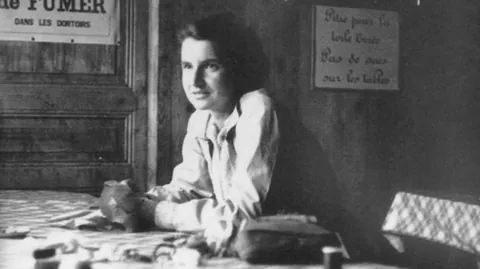 Rosalind Franklin: X-ray Crystallography and the Structure of DNA
 Winston Churchill
 United States
