Genetics
The science of genes and heredity — from Mendel's pea plants and the rediscovery of his laws to the double helix, the Human Genome Project and CRISPR genome editing.
Genetics is the branch of biology concerned with the study of inheritance, including the interplay of genes, DNA variation and their interactions with environmental factors. Founded as a scientific discipline on Gregor Mendel's pea-plant experiments of 1856-1863, it was transformed in the twentieth century by the chromosome theory of Thomas Hunt Morgan, by the discovery of the DNA double helix in 1953, and by the deciphering of the genetic code. The Human Genome Project carried out from 1990 to 2003 produced the first sequence of the human genome, and later tools such as CRISPR/Cas9 genome editing — recognized with the 2020 Nobel Prize in Chemistry — have made genetics central to medicine, agriculture and biology.
In this article
- 1Overview
- 2Foundations: Gregor Mendel and the Laws of Inheritance
- 3Rediscovery and the Naming of the Discipline
- 4Chromosomes and the Physical Basis of Heredity
- 5DNA: Structure and Function
- 6The Genetic Code and Gene Expression
- 7The Human Genome Project and Complete Sequencing
- 8Gene Editing and Biotechnology
- 9DNA Fingerprinting and Forensic Genetics
- 10Inheritance Patterns and Genetic Conditions
- 11Gene Therapy
- 12Timeline: from Mendel's peas to genome editing
- 13Knowledge graph
Overview
Genetics is the branch of biology concerned with the study of inheritance, including the interplay of genes, DNA variation and their interactions with environmental factors. It is devoted to the study and manipulation of heredity and variation in living organisms. More broadly, it is the study of heredity in general and of genes in particular, and it forms one of the central pillars of biology.
Genetics refers to the study of genes and their roles in inheritance — the way that certain traits or conditions are passed down from one generation to another. Genomics is a more recent term describing the study of all of a person's genes, including interactions of those genes with each other and with the person's environment.
1. Foundations: Gregor Mendel and the Laws of Inheritance
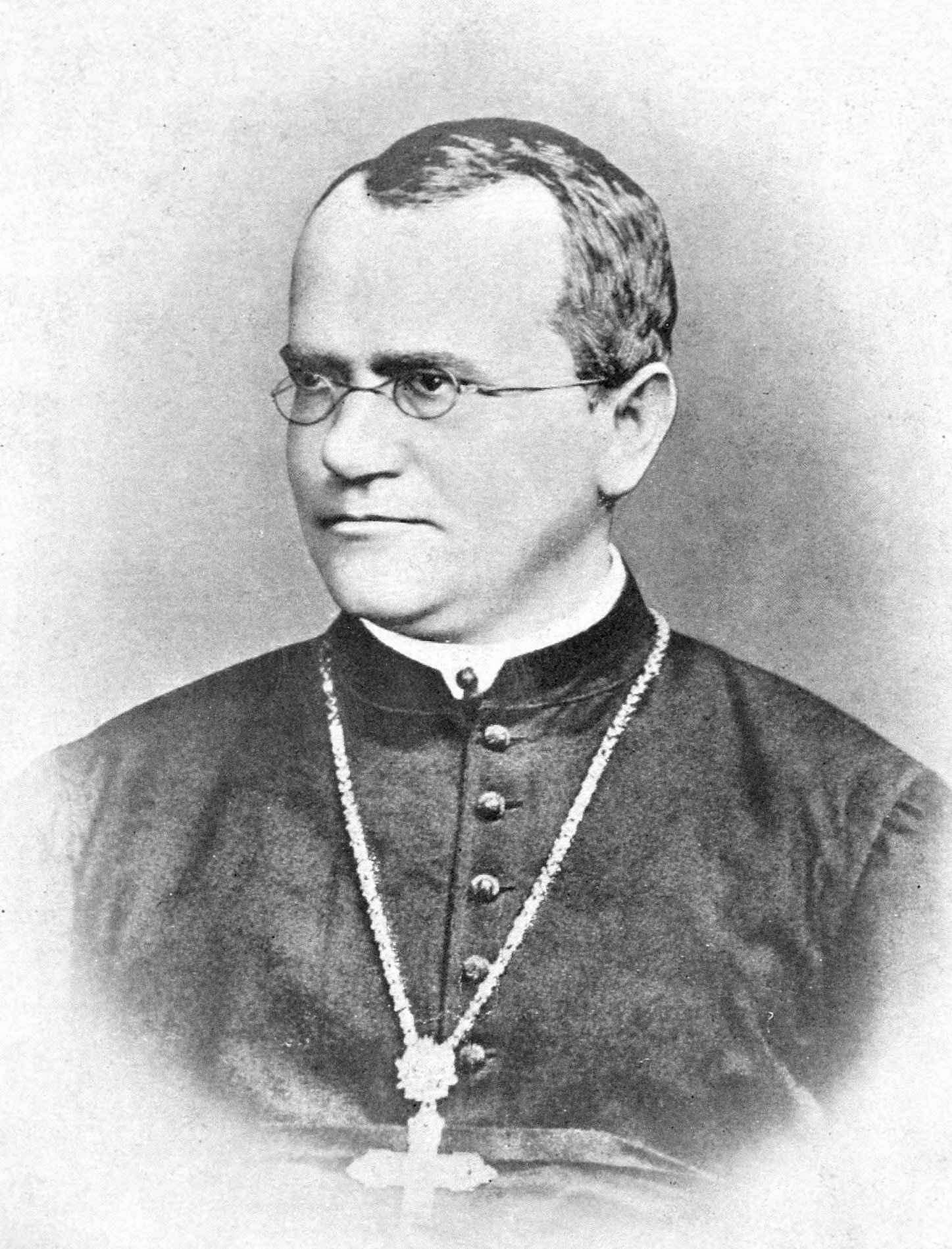
Gregor Mendel (1822-1884) is the founder of genetics, a position earned through his work on pea plants. He was born on 20 July 1822 into a German-speaking family in Hynčice, where the local school recommended him to the Piarist school in Lipník nad Bečvou. Genetics as a scientific discipline stemmed from his work in the middle of the 19th century, and he suspected that traits were inherited as discrete units.
Mendel's genetic experiments with pea plants took him eight years, from 1856 to 1863, and he grew over 10,000 pea plants, keeping track of progeny number and type. In 1865 he reported on the results of breeding experiments hybridizing pea plants, during which he tracked how a series of traits passed down through generations.
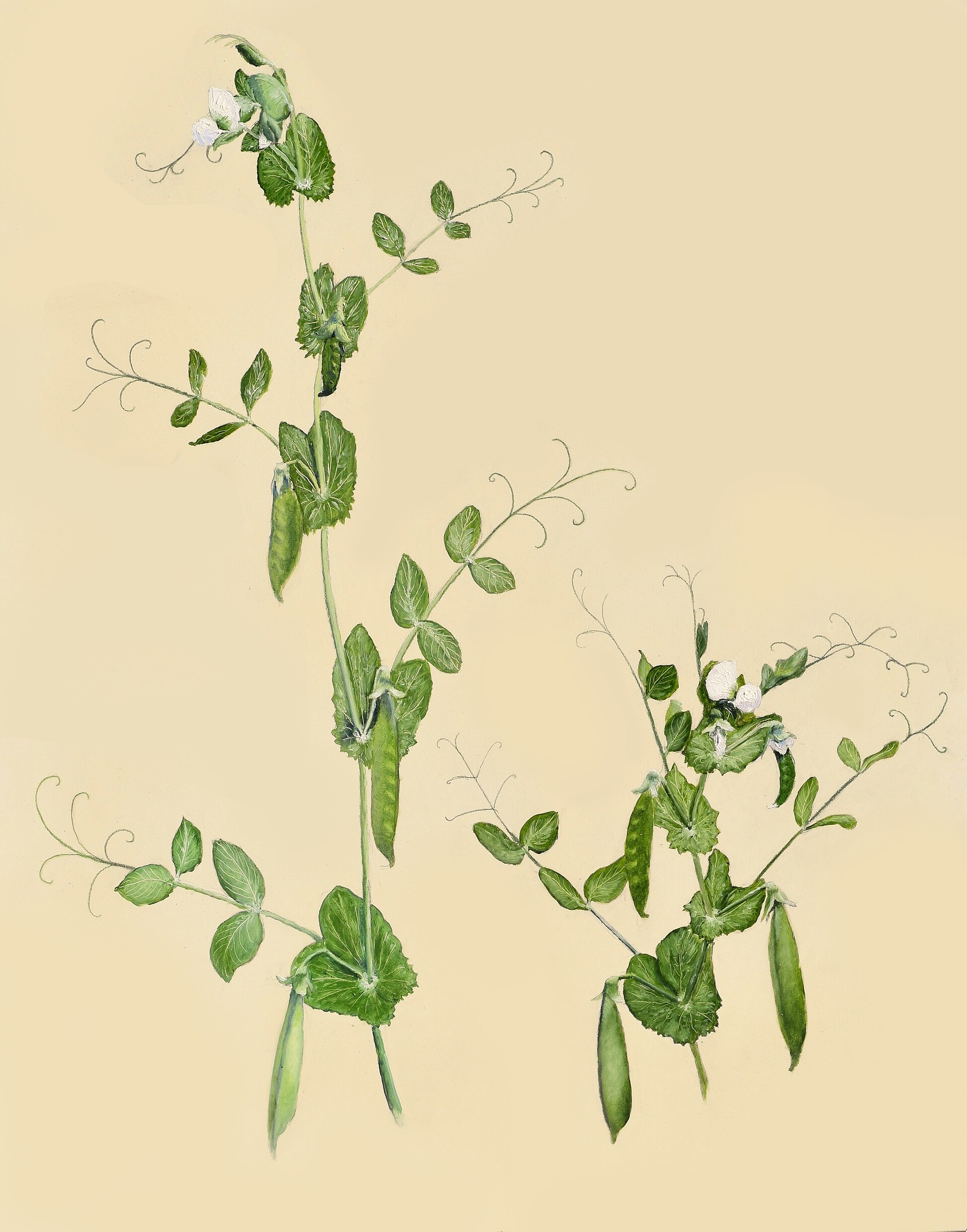
From this work Mendel deduced that genes come in pairs and are inherited as distinct units, one from each parent. He tracked the segregation of parental genes and their appearance in the offspring as dominant or recessive traits, and he recognized the mathematical patterns of inheritance from one generation to the next.
Mendel's laws of heredity are usually stated as the law of segregation, the law of independent assortment and the law of dominance. Under the law of segregation, each inherited trait is defined by a gene pair, and parental genes are randomly separated to the sex cells so that sex cells contain only one gene of the pair. Under the law of independent assortment, genes for different traits are sorted separately from one another so that the inheritance of one trait is not dependent on the inheritance of another. Under the law of dominance, an organism with alternate forms of a gene will express the form that is dominant.
In February and March in 1865 Mendel lectured on his plant-hybrid experiments to the Society of Natural Sciences in Brno, and in 1866 he published his lectures under the title Experiments with Plant Hybrids.
2. Rediscovery and the Naming of the Discipline
Mendel's work and his laws of inheritance were not appreciated in his time; not until 1900, when three different European botanists linked their own breeding results back to his work, were his experimental results understood and absorbed by the scientific community.
The three scientists who rediscovered Mendel's laws in 1900 were Hugo de Vries, Carl Correns and Erich von Tschermak-Seysenegg.
The word genetics was introduced in 1905 by English biologist William Bateson, one of the discoverers of Mendel's work. Bateson called the new discipline genetics, and gene became the term for the factor that was inherited.
Mendel received recognition only around 1900 when his discoveries were confirmed and he was dubbed the father of genetics.
3. Chromosomes and the Physical Basis of Heredity
Genes are stored in chromosomes inside cell nuclei, a conclusion established through Thomas Hunt Morgan's studies of the fruit fly. For these discoveries concerning the role played by the chromosome in heredity, Morgan was awarded the Nobel Prize in 1933.
By conducting statistical studies of the way genetic traits are passed on in fruit flies, Morgan broke new ground in genetics during the first decade of the 20th century. With a team of young scientists he crossed thousands upon thousands of fruit flies. Through this work he came to understand that genes are organized in a long row inside chromosomes.
Morgan also discovered the crossover phenomenon, in which parts of different chromosomes can trade places with one another. He and his students produced the first gene maps, charts of genes' relative locations to one another, and determined that certain traits were sex-linked due to their location on sex chromosomes.
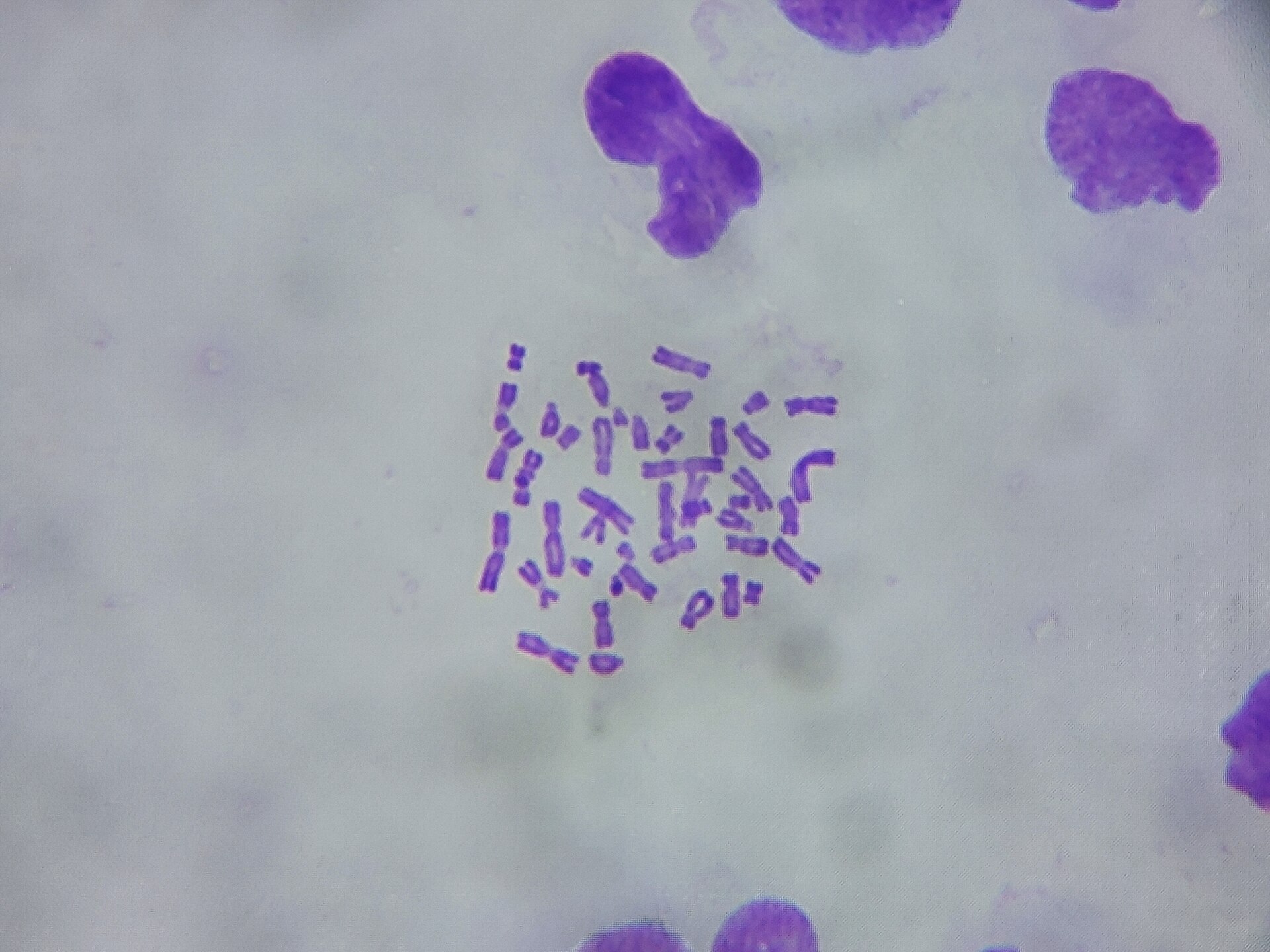
In the nucleus of each cell, the DNA molecule is packaged into thread-like structures called chromosomes, each made of DNA tightly coiled around proteins called histones. Each chromosome has a constriction point called the centromere, which divides the chromosome into two sections called arms, labeled the p arm and the q arm.
Human genes are located on 23 pairs of chromosomes packed into the nucleus of a human cell.
4. DNA: Structure and Function
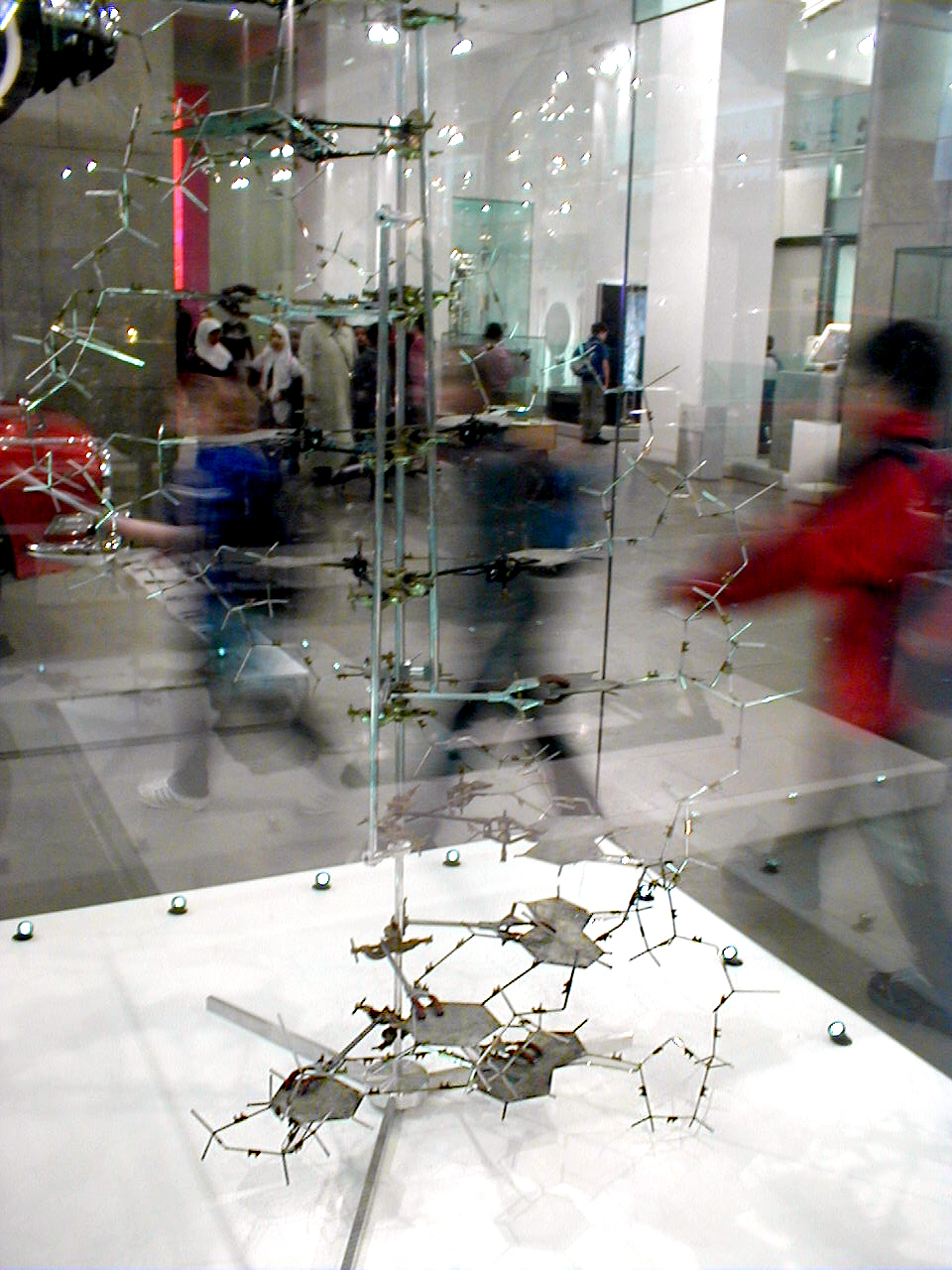
DNA, or deoxyribonucleic acid, is the hereditary material in humans and almost all other organisms, and nearly every cell in a person's body has the same DNA. Its structure was worked out in 1953 through X-ray diffraction patterns and model building. The importance of DNA became clear in that year thanks to the work of James Watson, Francis Crick, Maurice Wilkins and Rosalind Franklin, who figured out the double helix structure of DNA.
The information in DNA is stored as a code made up of four chemical bases: adenine, guanine, cytosine and thymine. These bases pair up with each other, A with T and C with G, to form units called base pairs. Human DNA consists of about 3 billion bases, and more than 99 percent of those bases are the same in all people.
A gene is the basic physical and functional unit of heredity. Some genes act as instructions to make proteins, while many genes do not code for proteins and instead help control other genes.
5. The Genetic Code and Gene Expression
Transcription and translation are the means by which cells read out, or express, the genetic instructions in their genes. The first step a cell takes in reading out a needed part of its genetic instructions is to copy a portion of its DNA nucleotide sequence, a gene, into an RNA nucleotide sequence. During transcription, the information stored in a gene's DNA is passed to a similar molecule called RNA in the cell nucleus.
Translation, the second step in getting from a gene to a protein, takes place in the cytoplasm, where the mRNA interacts with a specialized complex called a ribosome. Most genes in a cell produce mRNA molecules that serve as intermediaries on the pathway to proteins. In the year 2000 the elaborate machinery by which cells read the genetic code, the ribosome, was revealed in atomic detail.
Each group of three consecutive nucleotides in RNA is called a codon, and each codon specifies either one amino acid or a stop to the translation process. The coding problem, how information in a linear sequence of nucleotides in RNA is translated into the amino acid sequence of a protein, attracted the attention of biologists in the late 1950s.
6. The Human Genome Project and Complete Sequencing
The Human Genome Project was a landmark global scientific effort whose signature goal was to generate the first sequence of the human genome. It was carried out from 1990 to 2003 and stands among the most ambitious and important scientific endeavors in human history. The work was met with the largest and most expensive biological collaboration in history.
The initially projected cost for the project was $3 billion, based on its envisioned length of 15 years, and most experts agree that this rough amount is close to the accurate number. The International Human Genome Sequencing Consortium announced the successful completion of the project in April 2003, more than two years ahead of schedule. The media hailed the effort as uncovering the Holy Grail of biology.
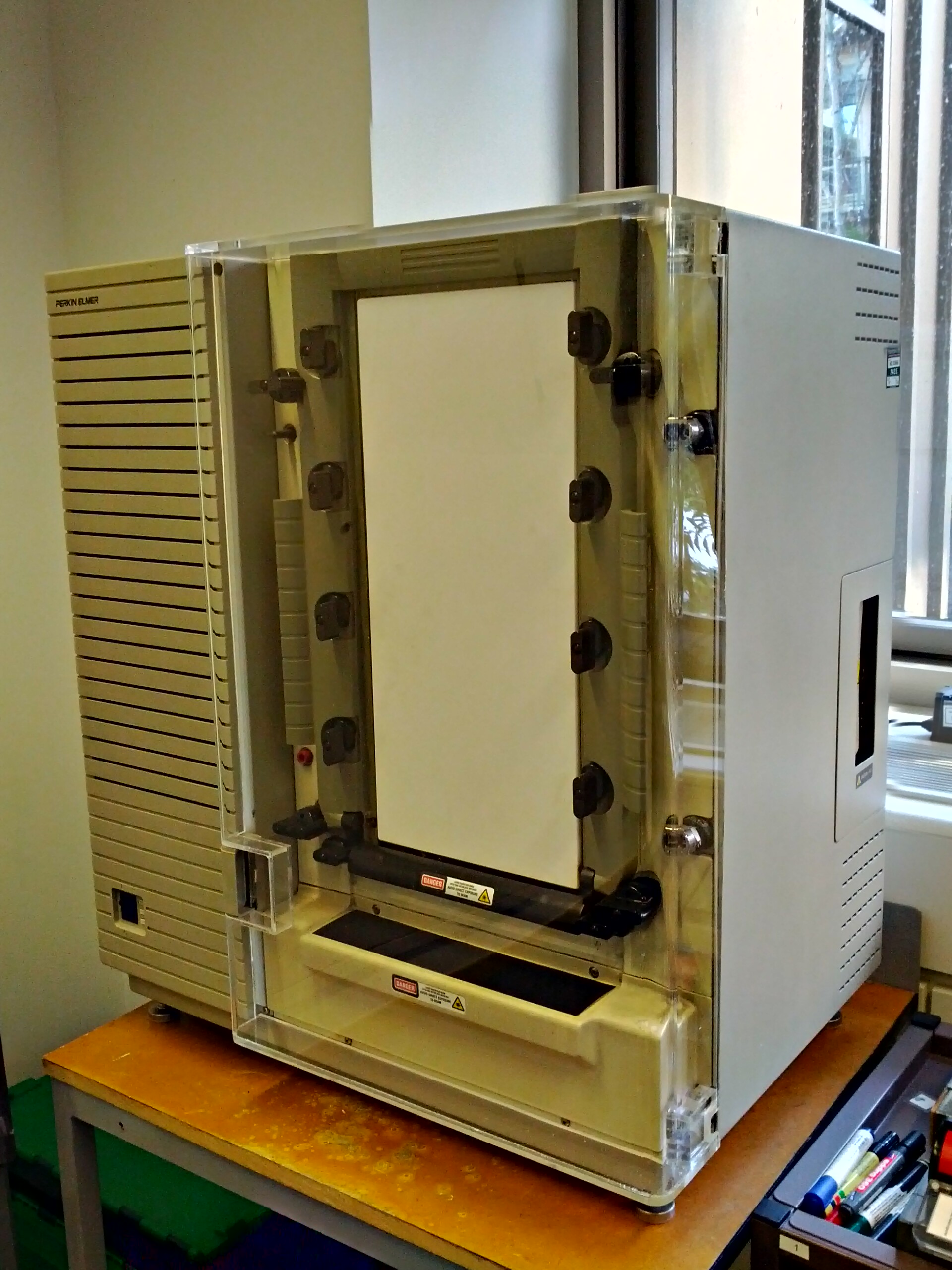
Ultimately, the project used one particular method for DNA sequencing, called Sanger DNA sequencing, but first greatly advanced this basic method through major technical innovations. An international consortium of scientists at twenty different sequencing centers across the United States, the United Kingdom, France, Germany, Japan and China broke up the genome into smaller and smaller overlapping segments. The consortium announced the first draft of the human sequence in June 2000, and researchers then worked to convert the draft sequence into a finished sequence. A team of British, Japanese and U.S. researchers produced a finished sequence for human chromosome 22 in 1999 and thereby met the finished-sequence standard for the first time. The finished sequence covers about 99 percent of the human genome's gene-containing regions and has been sequenced to an accuracy of 99.99 percent.
Scientists have published the first complete, gapless sequence of a human genome, two decades after the Human Genome Project produced the first draft human genome sequence. This gapless Telomere to Telomere sequence was published in 2022. The work was done by the Telomere to Telomere consortium, with leadership from researchers at NHGRI, the University of California, Santa Cruz and the University of Washington, Seattle. The full sequencing builds upon the work of the Human Genome Project, which mapped about 92% of the genome. The T2T consortium used the complete genome sequence as a reference to discover more than 2 million additional variants in the human genome, including within 622 medically relevant genes.
The human genome contains about 19,900 genes used to produce proteins.
The genetic code of 64 three-nucleotide codons was deciphered in the early 1960s.
7. Gene Editing and Biotechnology
Genome editing, also called gene editing, is a group of technologies that give scientists the ability to change an organism's DNA. Among these tools, the CRISPR/Cas9 genetic scissors were discovered in 2012, and the Nobel Prize in Chemistry was awarded for them in 2020. Emmanuelle Charpentier and Jennifer A. Doudna discovered the CRISPR/Cas9 genetic scissors, one of gene technology's sharpest tools, which let researchers change the DNA of animals, plants and microorganisms with extremely high precision.
The CRISPR-Cas9 system was adapted from a natural genome editing system that bacteria use as an immune defense. When introduced into cells, the guide RNA recognizes the intended DNA sequence and the Cas9 enzyme cuts the DNA at the targeted location. In an epoch-making experiment, Charpentier and Doudna reprogrammed the genetic scissors so they could cut any DNA molecule at a predetermined site.
Since Charpentier and Doudna discovered the CRISPR/Cas9 genetic scissors in 2012 their use has exploded, and plant researchers have been able to develop crops that withstand mould, pests and drought. Genetically engineered seed varieties were commercially introduced in 1996 and adoption rates increased rapidly in the years that followed. More than 90 percent of U.S. corn, upland cotton, soybeans, canola and sugarbeets are produced using genetically engineered varieties.
8. DNA Fingerprinting and Forensic Genetics
The first DNA fingerprint was produced in 1984 by Alec Jeffreys at the University of Leicester. Jeffreys later recalled that his life changed at 9.05 am on 10 September 1984, when what emerged was the world's first genetic fingerprint.
The research team immediately grasped that the technique could be applied to crime, paternity and identical twins, as well as conservation and diversity among non-human species. The first real immigration case using the technique came in March 1985, a decade earlier than Sir Alec had anticipated, driven by the demand from families and lawyers.
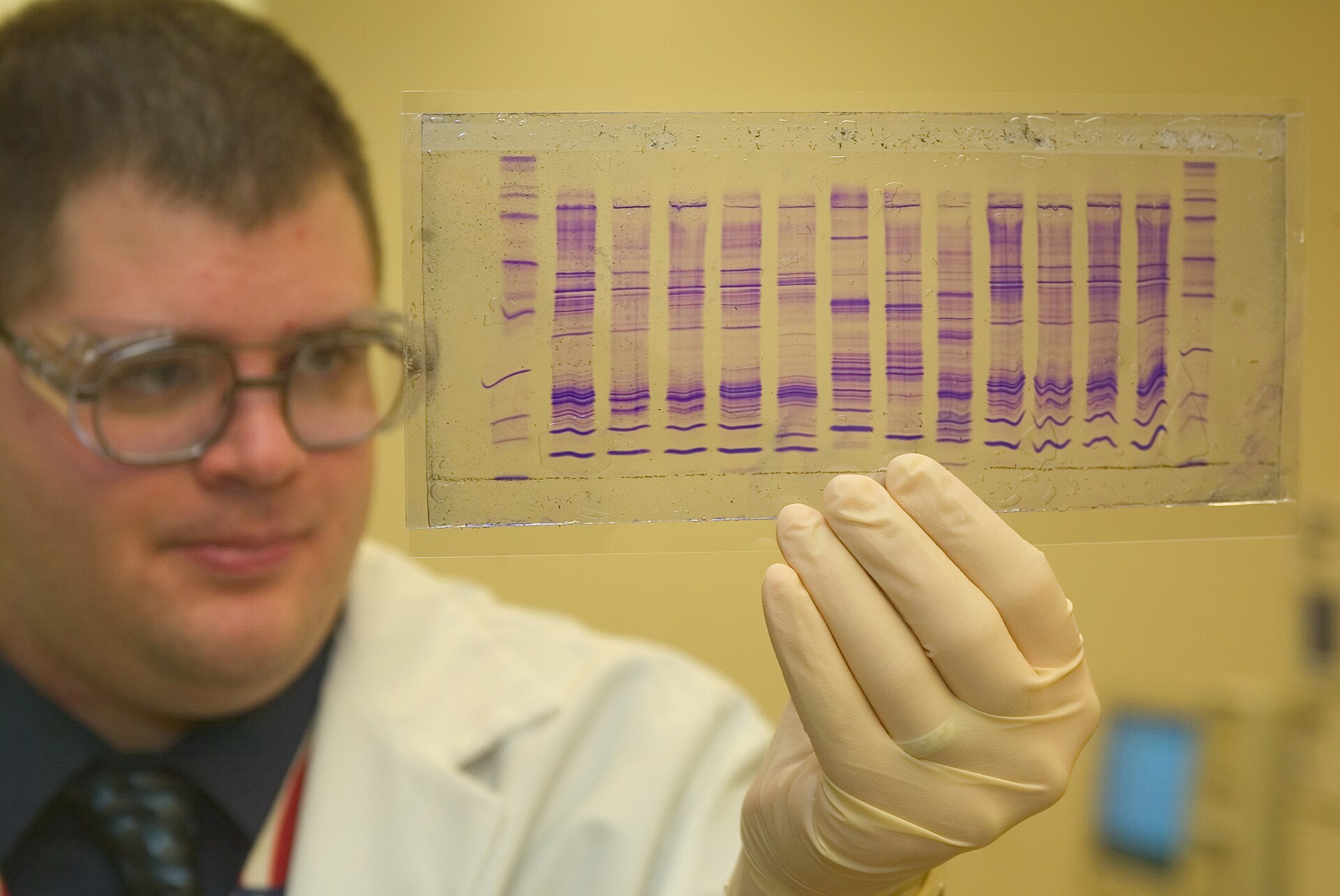
From 1985 Sir Alec and his team developed a variation of the method they called genetic profiling for forensic use. NIST has played a key role in the historical development of forensic DNA analysis and conducts research to advance forensic DNA methods, including groundwork for next generation DNA sequencing.
9. Inheritance Patterns and Genetic Conditions
Some genetic conditions arise from variants, also known as mutations, in a single gene, and such conditions are usually inherited in one of several patterns. The pattern that applies depends on the gene involved and on whether the altered forms are inherited as dominant or recessive traits.
In autosomal recessive inheritance, variants occur in both copies of the gene in each cell. The parents of an affected individual each carry one altered copy of the gene, yet they typically do not show signs and symptoms of the condition.
X-linked disorders are caused by variants in genes located on the X chromosome. A characteristic of X-linked inheritance is that fathers cannot pass X-linked traits to their sons.
Most commonly, traits are influenced by multiple genes and by the environment, so for most traits the patterns of inheritance are complex and unpredictable. A small number of traits, by contrast, are influenced primarily by a single gene, and such traits usually have predictable patterns of inheritance.
10. Gene Therapy
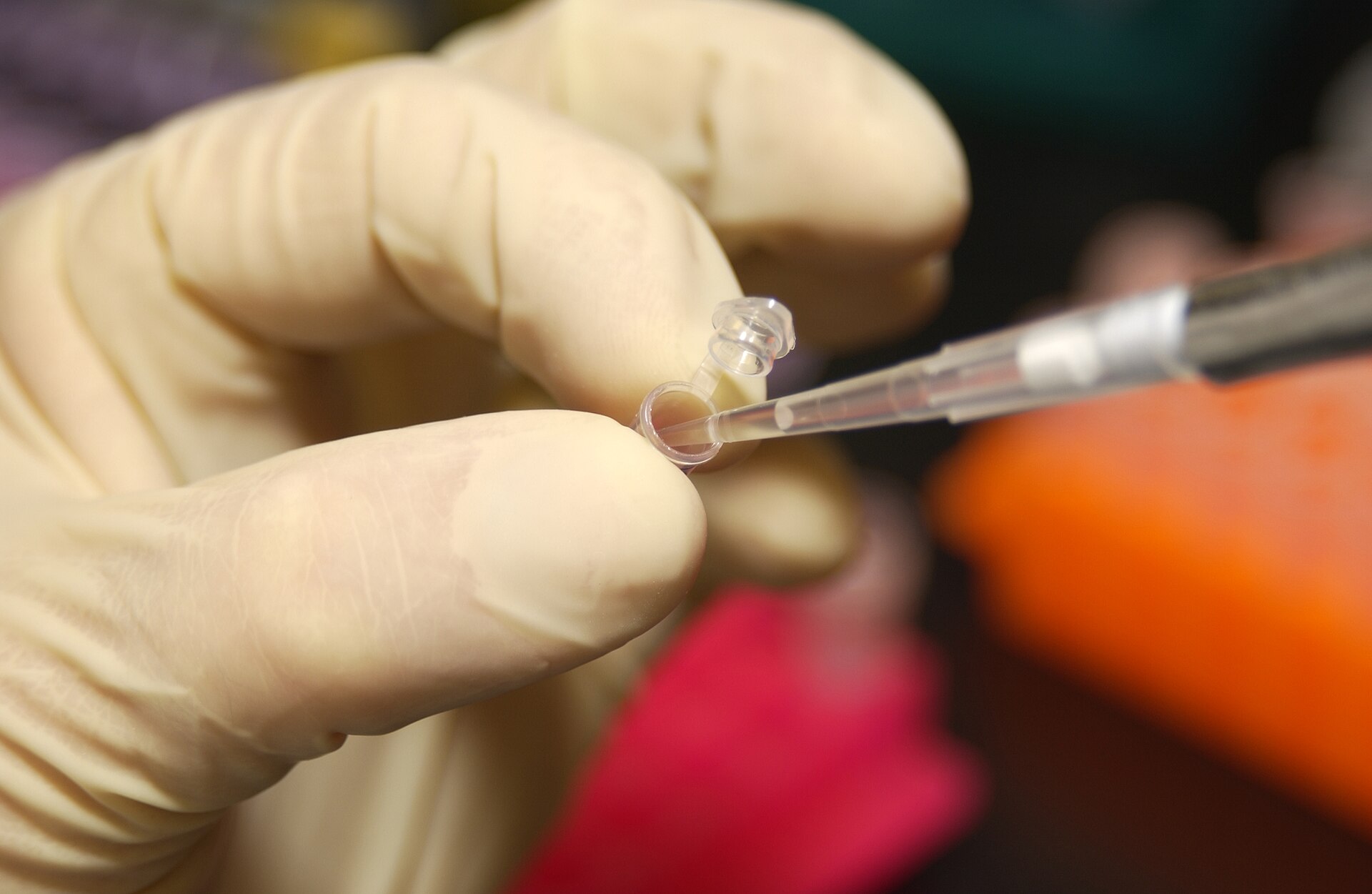
Gene therapy is a medical approach that treats or prevents disease by correcting the underlying genetic problem.
11. Timeline: from Mendel's peas to genome editing
- 20 July 1822Birth of Gregor MendelJohann Mendel was born in Hynčice in Silesia; the humble genius would become an Augustinian friar and, decades later, be dubbed the father of genetics.
- 1856-1863Mendel's pea plant experimentsMendel's crossing experiments with pea plants took him eight years, during which he grew over 10,000 plants and tracked progeny number and type.
- February-March 1865Lectures in BrnoMendel lectured on his plant-hybrid experiments to the Society of Natural Sciences in Brno, but his work was barely noted.
- 1866Experiments with Plant Hybrids publishedMendel published his lectures under the title Experiments with Plant Hybrids, the founding text of genetics.
- 1900Rediscovery of Mendel's lawsHugo de Vries, Carl Correns and Erich von Tschermak-Seysenegg rediscovered Mendel's laws, and his experimental results were finally understood.
- 1905The word genetics is introducedEnglish biologist William Bateson, a champion of Mendel's principles, introduced the word genetics for the new science of heredity.
- 1933Nobel Prize for the chromosome theoryThomas Hunt Morgan received the Nobel Prize in Physiology or Medicine for his discoveries concerning the role played by the chromosome in heredity.
- 1944DNA identified as the genetic materialAvery, MacLeod and McCarty indicated in research on mice that the genetic material was DNA, not protein, though the conclusion was not yet universally accepted.
- 25 April 1953The double helixWatson and Crick published their model of DNA in Nature, suggesting a structure for the salt of deoxyribose nucleic acid.
- 8 August 1970The central dogmaFrancis Crick published Central Dogma of Molecular Biology in Nature, stating that sequential information cannot be transferred from protein to either protein or nucleic acid.
- 10 September 1984First genetic fingerprintAlec Jeffreys' team at Leicester produced the world's first genetic fingerprint, opening the way to forensic and paternity applications.
- 1990Human Genome Project launchedThe Human Genome Project set out to sequence the 3 billion DNA letters of the human genome.
- April 14, 2003Human Genome Project completedThe International Human Genome Sequencing Consortium announced the successful completion of the Human Genome Project more than two years ahead of schedule.
- 2012CRISPR/Cas9 genetic scissors discoveredCharpentier and Doudna discovered the CRISPR/Cas9 genetic scissors and showed they could be reprogrammed to cut any DNA molecule at a predetermined site.
- 2020Nobel Prize for genome editingEmmanuelle Charpentier and Jennifer A. Doudna received the Nobel Prize in Chemistry for the development of a method for genome editing.
- 31 March 2022First complete, gapless human genomeThe Telomere to Telomere consortium published the first complete, gapless sequence of a human genome.
References (29)
- 1Genetics — Talking Glossary of Genomic and Genetic Terms — National Human Genome Research Institute (NHGRI), National Institutes of Health WebView source
- 2Genetics — Stanford Encyclopedia of Philosophy WebView source
- 3Genetics — Encyclopaedia Britannica WebView source
- 4Genetics vs. Genomics Fact Sheet — National Human Genome Research Institute (NHGRI), National Institutes of Health WebView source
- 5Gregor Mendel (1822-1884) — DNA Learning Center, Cold Spring Harbor Laboratory 1822 WebView source
- 6Gregor Johann Mendel — Mendel Museum, Masaryk University WebView source
- 7Thomas Hunt Morgan — Nobel Prize Outreach 1933 WebView source
- 8What is a chromosome? — MedlinePlus Genetics, U.S. National Library of Medicine WebView source
- 9A Brief Guide to Genomics — National Human Genome Research Institute (NHGRI), National Institutes of Health WebView source
- 10What is DNA? — MedlinePlus Genetics, U.S. National Library of Medicine WebView source
- 11Deoxyribonucleic Acid (DNA) Fact Sheet — National Human Genome Research Institute (NHGRI), National Institutes of Health WebView source
- 12What is a gene? — MedlinePlus Genetics, U.S. National Library of Medicine WebView source
- 13From DNA to RNA — Molecular Biology of the Cell, 4th edition (Alberts et al.) — NCBI Bookshelf, National Center for Biotechnology Information WebView source
- 14How do genes direct the production of proteins? — MedlinePlus Genetics, U.S. National Library of Medicine WebView source
- 15From RNA to Protein — Molecular Biology of the Cell, 4th edition (Alberts et al.) — NCBI Bookshelf, National Center for Biotechnology Information WebView source
- 16Human Genome Project Fact Sheet — National Human Genome Research Institute (NHGRI), National Institutes of Health WebView source
- 17International Consortium Completes Human Genome Project — National Human Genome Research Institute (NHGRI), National Institutes of Health 2003 WebView source
- 18Researchers generate the first complete, gapless sequence of a human genome — National Human Genome Research Institute (NHGRI), National Institutes of Health WebView source
- 19What are genome editing and CRISPR-Cas9? — MedlinePlus Genetics, U.S. National Library of Medicine WebView source
- 20Press release: The Nobel Prize in Chemistry 2020 — Genetic scissors: a tool for rewriting the code of life — Nobel Prize Outreach 2020 WebView source
- 21Biotechnology — U.S. Department of Agriculture, Economic Research Service WebView source
- 22The history of genetic fingerprinting — University of Leicester WebView source
- 23Forensic Genetics — National Institute of Standards and Technology (NIST) WebView source
- 24What are the different ways a genetic condition can be inherited? — MedlinePlus Genetics, U.S. National Library of Medicine WebView source
- 25What is Inheritance? — Learn.Genetics, University of Utah WebView source
- 26What is gene therapy? — MedlinePlus Genetics, U.S. National Library of Medicine WebView source
- 27The Nobel Prize in Physiology or Medicine 1933 — Nobel Prize Outreach 1933 WebView source
- 28Molecular Structure of Nucleic Acids: A Structure for Deoxyribose Nucleic Acid — Nature JournalView source
- 29Central Dogma of Molecular Biology — Nature JournalView source
 United States
 United Kingdom
 Evolution