United States
The fifty-state federal republic of North America — how thirteen British colonies became the world's largest economy, from the Declaration of Independence to the present day.
The United States is a federal republic of 50 states in North America, bordered by Canada to the north, Mexico and the Gulf of Mexico to the south, and the Atlantic and Pacific oceans to the east and west. Thirteen British colonies declared independence on July 4, 1776, won international recognition in the Treaty of Paris of 1783, and framed in 1787 a Constitution that still governs the country through three branches of government. A civil war over slavery (1861–1865) preserved the Union and ended slavery; the 20th century brought two world wars, the New Deal, the civil rights movement and the Apollo 11 Moon landing, while mass immigration built a population of about 342 million and the largest economy on Earth.
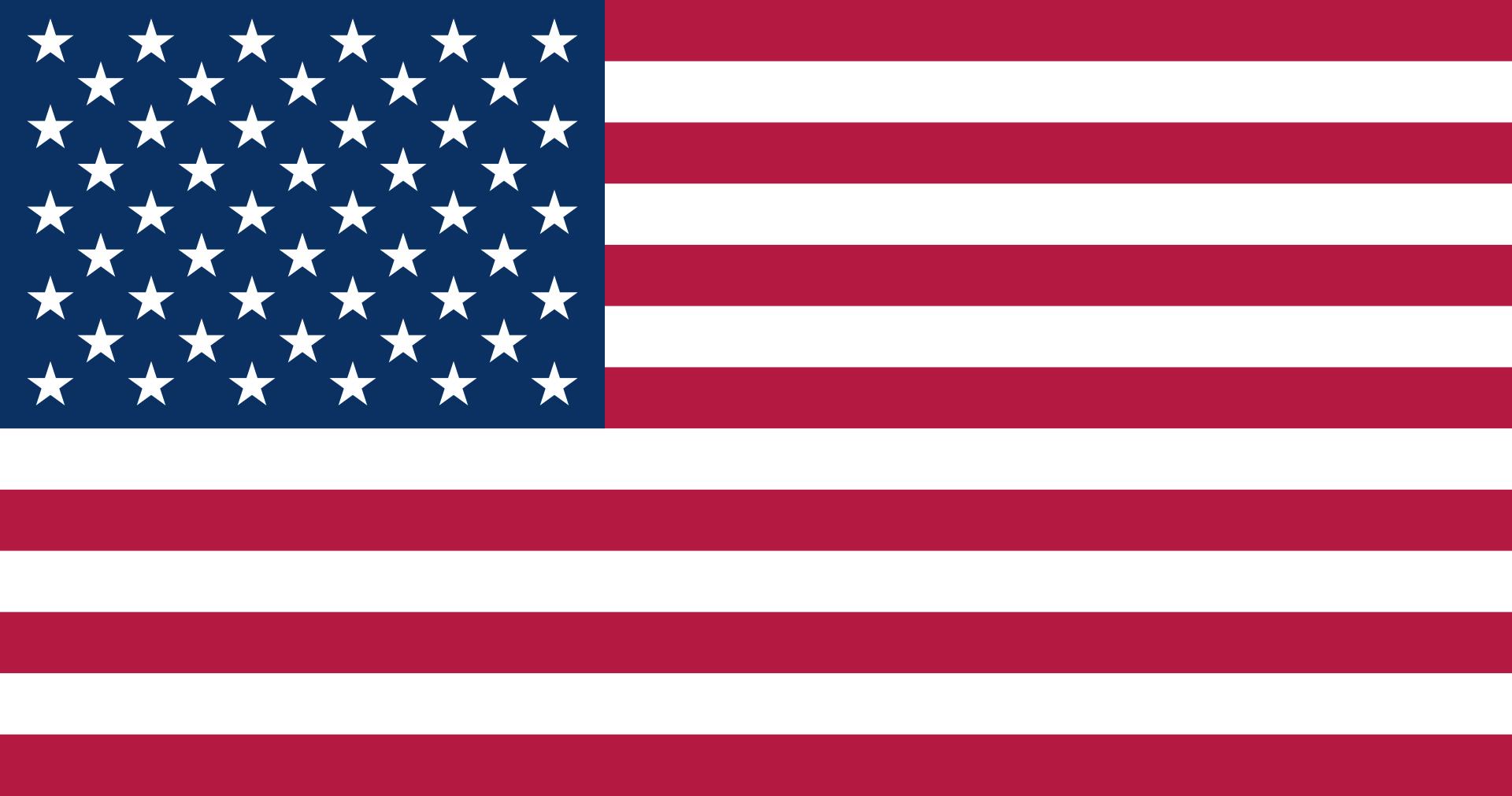
Overview
The United States is a federal republic of 50 states in North America. Beyond the 48 conterminous states, the country includes Alaska in the northwest of North America and Hawaii in the mid-Pacific. The conterminous states are bounded by Canada to the north, the Atlantic Ocean to the east, the Gulf of Mexico and Mexico to the south, and the Pacific Ocean to the west.
The national capital is Washington, coextensive with the District of Columbia, the federal capital region created in 1790. The largest city is New York City. By area the United States is the fourth largest country in the world, after Russia, Canada and China. Rhode Island is the smallest state by area at 1,545 square miles; Alaska is the largest at 665,384 square miles.
The country's form of government is a federal republic with two legislative houses. English is the official language, and while many languages are spoken in the United States, English is by far the most commonly spoken and written. The national anthem is The Star-Spangled Banner, and the national bird is the bald eagle.
1. Land and Climate
The United States is a federal republic of 50 states in North America, and its physical environment is correspondingly vast in range. Its landscapes run from the Arctic to the subtropical, from rain forest to desert, and from mountain peaks to prairie. Beyond the 48 conterminous states, the country also includes Alaska in the northwest of North America and Hawaii in the mid-Pacific. The conterminous states are bounded by Canada to the north, the Atlantic Ocean to the east, the Gulf of Mexico and Mexico to the south, and the Pacific Ocean to the west. By area, the United States is the fourth largest country in the world, after Russia, Canada and China.
The Great Plains span the full distance between Canada and Mexico in a swath nearly 500 miles wide. East of the 100th meridian, the climate ranges from humid continental in the north to humid subtropical in the south. The climate is arid in the Southwest, Mediterranean in coastal California, and oceanic in coastal Oregon, Washington and southern Alaska.
Denali in Alaska, at 20,310 feet, is the highest peak in the country and on the continent. At the opposite extreme lies Death Valley, which holds the driest and lowest spot in North America and the hottest in the world. The states themselves vary enormously in scale: Rhode Island is the smallest by area at 1,545 square miles, while Alaska is the largest at 665,384 square miles.
2. People and Population
The 2020 census counted 331,449,281 people in the United States. By July 1, 2025, the population had reached 341.8 million. Growth between July 2024 and July 2025 slowed to 0.5 percent, according to the Census Bureau's Vintage 2025 estimates.
In the 2020 census, the White alone population accounted for 204.3 million people, or 61.6 percent of the country. The Black or African American alone population numbered 41.1 million, equal to 12.4 percent of all people in the United States. The multiracial population grew especially fast over the decade, rising 276 percent.
In 2022, immigrants and U.S.-born children of immigrants numbered 87.7 million, nearly 27 percent of the population. Probably no other country has a wider range of racial, ethnic and cultural types than the United States, a diversity built largely by sustained immigration.
While many languages are spoken in the United States, English is by far the most commonly spoken and written. English was designated the official language by Executive Order 14224 in March 2025, though Congress has never passed a statutory official language.
3. Government and Politics
The United States is a federal republic of 50 states in North America, organized around a federal republic with two legislative houses. Under the Constitution the federal government has three branches — legislative, judicial and executive. Each branch can respond to the actions of the others through the system of checks and balances. The national capital is Washington, coextensive with the District of Columbia, the federal capital region created in 1790.
The vice president supports the president, becomes president if the president cannot serve, and presides over the Senate, breaking tie votes. The Supreme Court consists of the Chief Justice and Associate Justices fixed by Congress; the number of Associate Justices is currently eight. Supreme Court justices are nominated by the President and appointed with the advice and consent of the Senate.
The number of representatives with full voting rights in the House is 435, set by Public Law 62-5 in 1911 and in effect since 1913. The Constitution of the United States of America is the supreme law of the land. The First Amendment bars Congress from making laws respecting an establishment of religion or prohibiting its free exercise, or abridging speech or the press. Under the First Amendment, the United States is considered to have the strongest protections of free speech of any country.
4. History
The first inhabitants of North America migrated from Siberia at least 15,000 years ago, crossing the Bering land bridge or following the Ice Age coastline. Beginning in 1607, British colonization established the Thirteen Colonies along the Atlantic seaboard, and on July 4, 1776, the Declaration of Independence was adopted, two days after the Second Continental Congress passed the Lee Resolution for an independent nation. Both the Declaration and the framing of the Constitution took place in Philadelphia's Independence Hall.
The Articles of Confederation, ratified in 1781, established a decentralized government that operated until 1789. The Treaty of Paris, signed September 3, 1783, ended the American Revolution and formally recognized the United States as an independent nation. The Constitution was signed by the Constitutional Convention on the seventeenth day of September, 1787. Ten of the twelve amendments proposed in 1789 were ratified by three-fourths of the state legislatures on December 15, 1791. The First Amendment bars Congress from making laws respecting an establishment of religion or prohibiting its free exercise, or abridging speech or the press.
The Louisiana Purchase of 1803 from France nearly doubled the territory of the United States, and the National Archives counts the Louisiana Purchase Treaty among its milestone documents of American history. A sectional division over slavery led 11 Southern states to secede and form the Confederate States of America, fighting the Union in the Civil War of 1861–1865. President Abraham Lincoln issued the Emancipation Proclamation on January 1, 1863, declaring enslaved people in rebellious areas free. The 13th Amendment, passed by Congress on January 31, 1865 and ratified on December 6, 1865, abolished slavery in the United States.
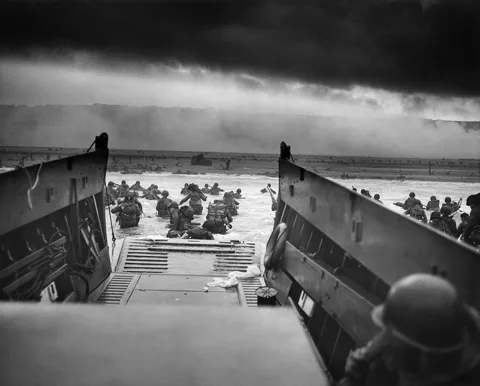
The United States entered World War I alongside the Allies in 1917, and in 1920 a constitutional amendment granted nationwide women's suffrage. The Wall Street Crash of 1929 triggered the Great Depression, and President Franklin D. Roosevelt responded with the New Deal. Following Japan's attack on Pearl Harbor in 1941, the United States entered World War II on the Allied side. developed the first nuclear weapons and used them on Hiroshima and Nagasaki in August 1945, which historians consider central to ending World War II in Asia.
The war's aftermath left the U.S. and the Soviet Union as rival superpowers during the Cold War; the Soviet collapse in 1991 left the U.S. as the world's sole superpower. The civil rights movement emerged after World War II, with Martin Luther King Jr. becoming a prominent leader in the early 1960s. The Civil Rights Act, signed by President Lyndon Johnson on July 2, 1964, prohibited discrimination in public places, provided for school integration and made employment discrimination illegal. The Voting Rights Act was signed into law on August 6, 1965, by President Lyndon Johnson. The September 11 attacks of 2001 by al-Qaeda led the U.S. to launch the war on terror and military interventions in Afghanistan and Iraq.
5. Economy
The United States is the world's greatest economic power, measured in terms of gross domestic product. Its economy is a highly developed mixed economy that has been the world's largest nominally since about 1890. The country ranks first in the world by nominal GDP and second when adjusted for purchasing power parity.
In 2024 the U.S. GDP exceeded $29 trillion. That figure constituted over 25% of nominal global economic output, or 15% at purchasing power parity. The national currency is the U.S. dollar, which is the most-used currency in international transactions and the world's foremost reserve currency.
Monetary policy is entrusted to the Federal Reserve System, which comprises the Board of Governors in Washington, D.C., and 12 Federal Reserve Banks around the nation. The Board of Governors is run by seven members serving staggered 14-year terms, nominated by the President and confirmed by the Senate.
In the first quarter, U.S. real GDP increased 2.5 percent (revised). The United States is the wealthiest country by disposable household income per capita among OECD members, though its wealth inequality is highly pronounced.
6. Culture
Probably no other country has a wider range of racial, ethnic and cultural types than the United States, a diversity built largely by sustained immigration. Baseball and American football evolved from European practices, whereas basketball, volleyball, skateboarding and snowboarding are American inventions.
Hollywood, a district of Los Angeles, is synonymous with the American filmmaking industry. Under the First Amendment, the United States is considered to have the strongest protections of free speech of any country. That amendment bars Congress from making laws respecting an establishment of religion or prohibiting its free exercise, or abridging speech or the press.
The Star-Spangled Banner is the national anthem of the United States. The United States recognizes 12 federal holidays.
7. Landmarks and Natural Heritage
Yellowstone holds the distinction of being established as the world's first national park in 1872. Its underground systems are extraordinary in scale, containing half of the world's known geothermal features — more than 10,000 — along with the largest concentration of geysers anywhere. The Grand Canyon, by contrast, is a gorge that plunges 1.5 kilometers deep and varies in width from 500 m to 30 km.
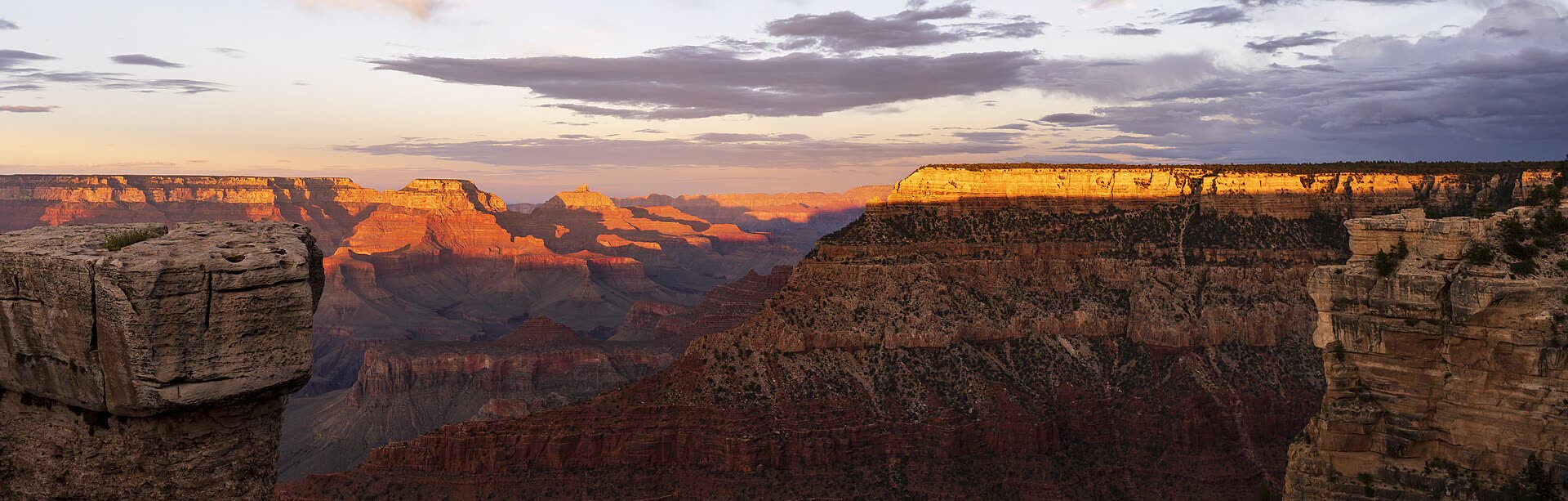
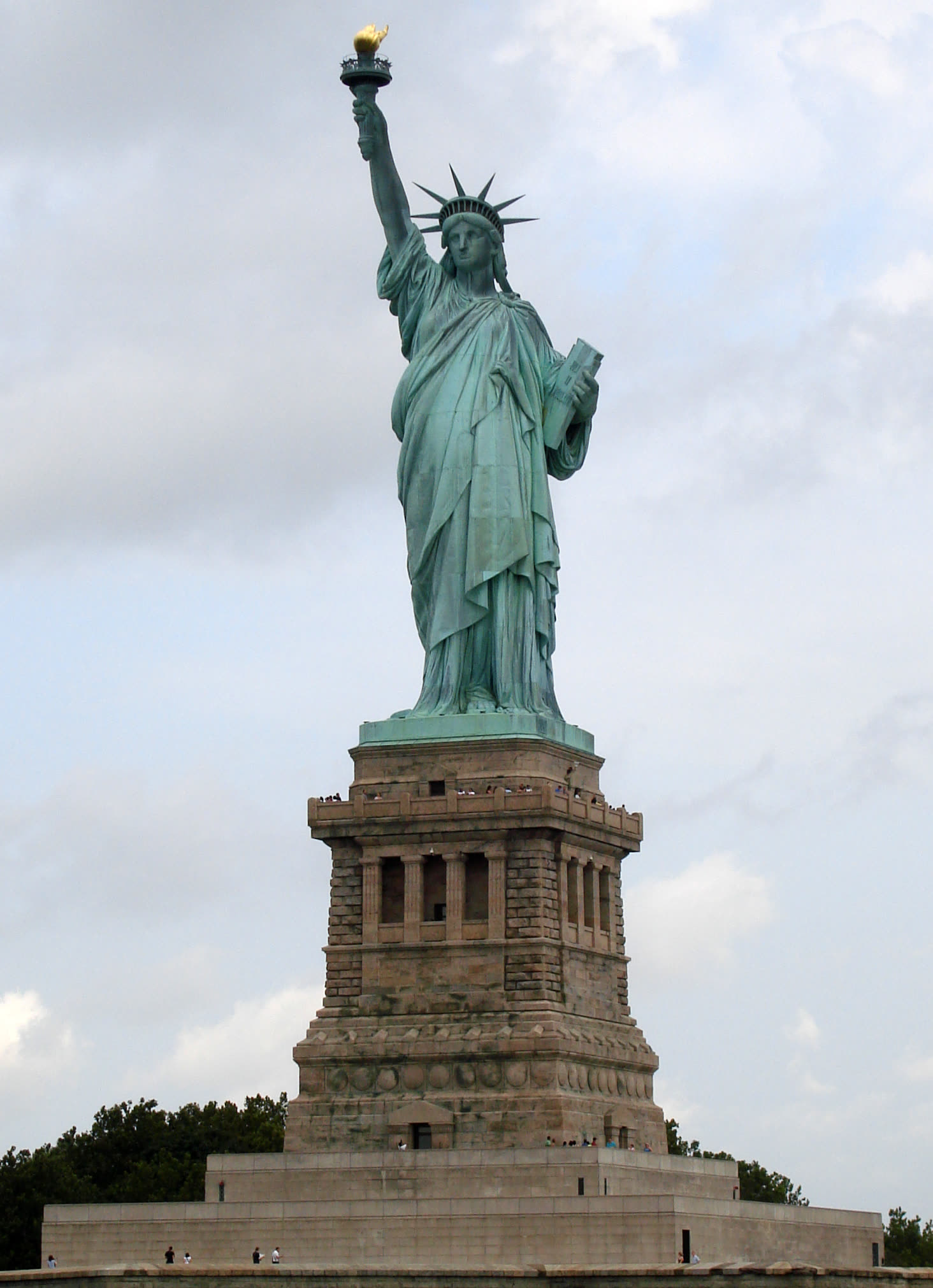
Philadelphia's Independence Hall carries the weight of the nation's founding: both the Declaration of Independence and the Constitution were framed within its walls. The Declaration itself was adopted on July 4, 1776, two days after the Second Continental Congress passed the Lee Resolution for an independent nation. Farther north, the Statue of Liberty was inaugurated in 1886 and has welcomed millions of immigrants to New York Harbour. It was designed by sculptor Frédéric Bartholdi with engineer Gustave Eiffel, a gift from France on the centenary of American independence.
8. Key Facts
The United States is a federal republic of 50 states in North America, with two legislative houses at the federal level 1United States · Encyclopædia Britannica ↗. Its national capital is Washington, coextensive with the District of Columbia, the federal capital region created in 1790 1. The largest city is New York City 2United States · Wikipedia ↗. Beyond the 48 conterminous states, the country includes Alaska in the northwest of North America and Hawaii in the mid-Pacific 1.
Independence was declared on July 4, 1776 26Declaration of Independence: A Transcription · U.S. National Archives and Records Administration ↗, and the Declaration of Independence was adopted that same day, two days after the Second Continental Congress passed the Lee Resolution for an independent nation 2. The Treaty of Paris, signed September 3, 1783, ended the American Revolution and formally recognized the United States as an independent nation 12Treaty of Paris (1783) · U.S. National Archives and Records Administration ↗. The Constitution was signed by the Constitutional Convention on the seventeenth day of September, 1787 13The Constitution of the United States: A Transcription · U.S. National Archives and Records Administration ↗, and stands as the supreme law of the land 10Our Government · The White House (whitehouse.gov) ↗.
The population reached 341.8 million on July 1, 2025 5U.S. Population Growth Slows Due to Historic Decline in Net International Migration · U.S. Census Bureau ↗, following growth of 0.5% between July 2024 and July 2025 according to the Census Bureau's Vintage 2025 estimates 5. The 2020 census count was 331,449,281 1. English was designated the official language by Executive Order 14224 in March 2025, though Congress has never passed a statutory official language 2. The Star-Spangled Banner is the national anthem 3U.S. facts and figures · USAGov (U.S. General Services Administration) ↗, and the country recognizes 12 federal holidays 3.
| Fact | Value |
|---|---|
| Capital | Washington, coextensive with the District of Columbia 1 |
| Largest city | New York City 2 |
| Population (July 1, 2025) | 341.8 million 5 |
| 2020 census count | 331,449,281 1 |
| Area | Fourth largest country in the world, after Russia, Canada and China 1 |
| Number of states | 50 1 |
| Independence declared | July 4, 1776 26 |
| Constitution signed | September 17, 1787 13 |
| Form of government | Federal republic with two legislative houses 1 |
| Currency | U.S. dollar 2 |
| Official language | English 3 |
| National anthem | The Star-Spangled Banner 3 |
| National bird | Bald eagle 27S. 4610 (ENR) — An Act to designate the bald eagle as the national bird · U.S. Government Publishing Office (GovInfo) ↗ |
| Highest point | Denali in Alaska, 20,310 feet 2 |
| Lowest point | Badwater Basin in Death Valley, −282 feet — the lowest elevation in North America 4Nature — Death Valley National Park · U.S. National Park Service (NPS) ↗ |
| Federal holidays | 12 3 |
| GDP (2024) | More than $29 trillion 2 |
9. Quotations
The foundational text of the United States opens with a declaration of popular authority. The Constitution begins with the phrase 'We the People of the United States', ordaining the document to form a more perfect Union, establish justice and promote the general welfare 13. This document is the supreme law of the land 10. It was signed by the Constitutional Convention on the seventeenth day of September, 1787 13.
We the People of the United States
Preamble to the Constitution of the United States 13
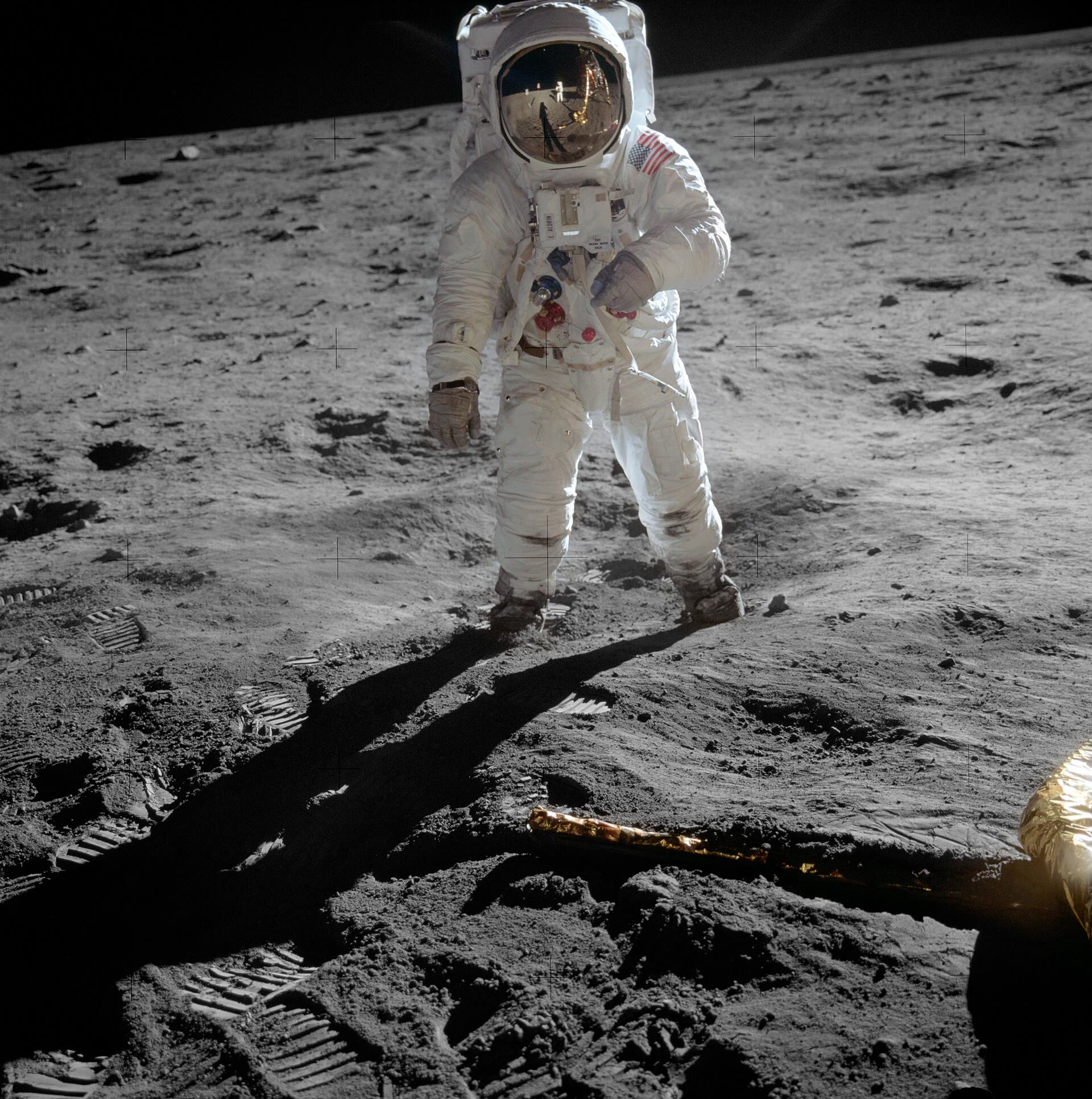
The nation's history of exploration produced a transmission that became one of its most recognized quotations. From Tranquility Base, Armstrong radioed: 'Houston, Tranquility Base here. The Eagle has landed.' 28July 20, 1969: One Giant Leap For Mankind · NASA ↗. NASA lists Neil Armstrong as the first human to set foot on the Moon 29Apollo 11 · NASA ↗.
Houston, Tranquility Base here. The Eagle has landed.
Neil Armstrong, from Tranquility Base 28
10. Timeline: from independence to a global power
- July 4, 1776Thirteen colonies declare independenceThe Second Continental Congress adopts the Declaration of Independence, styled the unanimous declaration of the thirteen united States of America.
- September 3, 1783Treaty of Paris recognizes the United StatesThe treaty between the American colonies and Great Britain ends the American Revolution and formally recognizes the United States as an independent nation.
- September 17, 1787Constitution signed in PhiladelphiaDelegates to the Constitutional Convention sign the Constitution, which opens 'We the People of the United States, in Order to form a more perfect Union'.
- December 15, 1791Bill of Rights ratifiedTen of the twelve proposed amendments are ratified by three-fourths of the state legislatures, constituting the first 10 amendments of the Constitution.
- 1803Louisiana Purchase doubles U.S. territoryThe United States purchases Louisiana from France, nearly doubling the territory of the country.
- 1861–1865The Civil WarEleven Southern slave states secede and form the Confederate States of America, fighting the Union in the American Civil War.
- January 1, 1863Emancipation ProclamationPresident Abraham Lincoln issues the Emancipation Proclamation, announcing that enslaved persons in the rebellious areas 'are, and henceforward shall be free.'
- December 6, 186513th Amendment abolishes slaveryRatified on December 6, 1865, the 13th Amendment abolishes slavery in the United States, following passage by Congress on January 31, 1865.
- 1917United States enters World War IThe United States entered World War I alongside the Allies.
- 1920Women win nationwide suffrageA constitutional amendment grants women's suffrage throughout the United States.
- 1929Wall Street Crash and the Great DepressionThe Wall Street Crash triggered the Great Depression; the New Deal followed.
- 1941Pearl Harbor brings the U.S. into World War IIFollowing Japan's attack on Pearl Harbor, the United States enters World War II on the Allied side.
- August 1945Atomic bombings and the end of World War IIThe U.S. used the first nuclear weapons on Hiroshima and Nagasaki, ending the war.
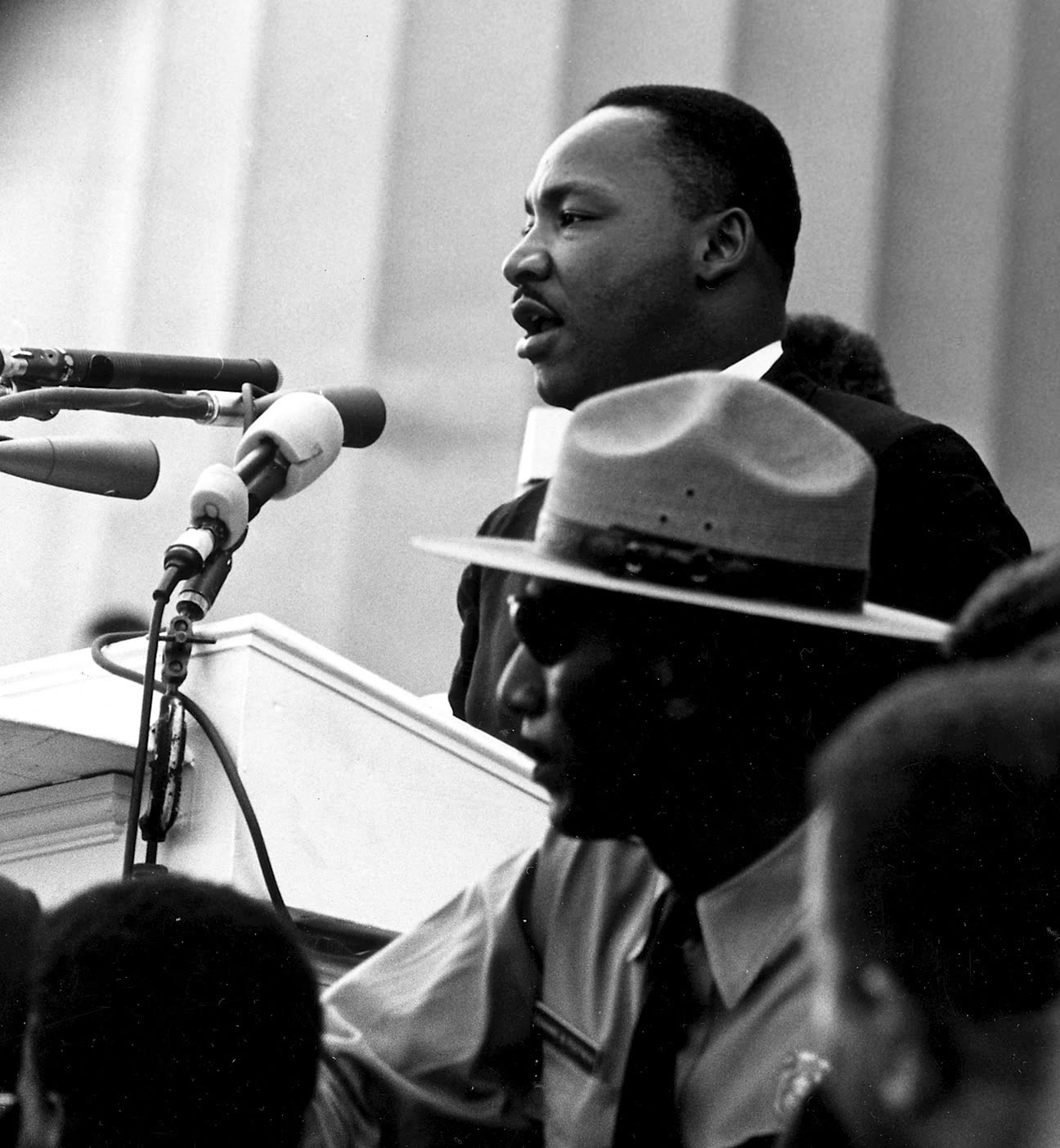
- August 1963March on WashingtonCivil rights activists march on Washington for Jobs and Freedom in August 1963, at a high point of the movement in which Martin Luther King Jr. had emerged as a prominent leader.
- July 2, 1964Civil Rights Act signedPresident Lyndon Johnson signs the Civil Rights Act, prohibiting discrimination in public places, providing for the integration of schools and making employment discrimination illegal.
- August 6, 1965Voting Rights Act signedPresident Lyndon Johnson signs the Voting Rights Act into law, outlawing discriminatory voting practices such as literacy tests.
- July 20, 1969Apollo 11 lands on the MoonNeil Armstrong becomes the first human to set foot on the Moon, radioing 'Houston, Tranquility Base here. The Eagle has landed.'
- 1991End of the Cold WarThe collapse of the Soviet Union left the United States as the sole superpower.
- September 11, 2001September 11 attacksAl-Qaeda attacks on the United States lead to the launch of the war on terror and military interventions in Afghanistan and Iraq.
11. Frequently asked questions
What is the capital of the United States, and what is its largest city?
How many states make up the United States, and what form of government does it have?
When did the United States declare independence, and when was the Constitution signed?
How large is the United States in area and population?
What are the highest and lowest points in the United States?
References (29)
- 1United States — Encyclopædia Britannica Web↩View source
- 2United States — Wikipedia Web↩View source
- 3U.S. facts and figures — USAGov (U.S. General Services Administration) Web↩View source
- 4Nature — Death Valley National Park — U.S. National Park Service (NPS) Web↩View source
- 5U.S. Population Growth Slows Due to Historic Decline in Net International Migration — U.S. Census Bureau 2026 Web↩View source
- 62020 Census Illuminates Racial and Ethnic Composition of the Country — U.S. Census Bureau 2020 WebView source
- 7Branches of the U.S. government — USAGov (U.S. General Services Administration) WebView source
- 8About the Court — Supreme Court of the United States WebView source
- 9The House Explained — U.S. House of Representatives (house.gov) WebView source
- 10Our Government — The White House (whitehouse.gov) Web↩View source
- 11Independence Hall — UNESCO World Heritage Centre — UNESCO World Heritage Centre WebView source
- 12Treaty of Paris (1783) — U.S. National Archives and Records Administration 1783 Web↩View source
- 13The Constitution of the United States: A Transcription — U.S. National Archives and Records Administration Web↩View source
- 14The Bill of Rights: A Transcription — U.S. National Archives and Records Administration WebView source
- 15Milestone Documents — U.S. National Archives and Records Administration WebView source
- 16Emancipation Proclamation (1863) — U.S. National Archives and Records Administration 1863 WebView source
- 1713th Amendment to the U.S. Constitution: Abolition of Slavery (1865) — U.S. National Archives and Records Administration 1865 WebView source
- 18Civil Rights Act (1964) — U.S. National Archives and Records Administration 1964 WebView source
- 19Voting Rights Act (1965) — U.S. National Archives and Records Administration 1965 WebView source
- 20The Fed Explained — Who We Are — Board of Governors of the Federal Reserve System WebView source
- 21Gross Domestic Product — U.S. Bureau of Economic Analysis (BEA) WebView source
- 22History & Culture — Yellowstone National Park — U.S. National Park Service (NPS) WebView source
- 23Yellowstone National Park — UNESCO World Heritage Centre — UNESCO World Heritage Centre WebView source
- 24Grand Canyon National Park — UNESCO World Heritage Centre — UNESCO World Heritage Centre WebView source
- 25Statue of Liberty — UNESCO World Heritage Centre — UNESCO World Heritage Centre WebView source
- 26Declaration of Independence: A Transcription — U.S. National Archives and Records Administration Web↩View source
- 27S. 4610 (ENR) — An Act to designate the bald eagle as the national bird — U.S. Government Publishing Office (GovInfo) Book↩View source
- 28July 20, 1969: One Giant Leap For Mankind — NASA 1969 Web↩View source
- 29Apollo 11 — NASA Web↩View source
 World War II
 World War I
 William Shakespeare