Mexico
The geography, peoples and history of Mexico — from the Olmec and Maya civilizations through New Spain, independence and revolution to the modern federal republic.
Mexico (official name Estados Unidos Mexicanos) is a federal republic of 32 entities spanning 1 964 375 km² between the United States and Central America, with 126 014 024 inhabitants at the 2020 census and coasts on both the Pacific and the Atlantic. One of the world's megadiverse countries and the centre of Mesoamerican civilizations such as Teotihuacan, the Maya and the Mexica of Tenochtitlan, its territory was the core of the Viceroyalty of New Spain from 1521 until the independence war of 1810–21, and a federal republic from 1824. It ranks among the fifteen largest economies in the world and counts 36 World Heritage Sites.
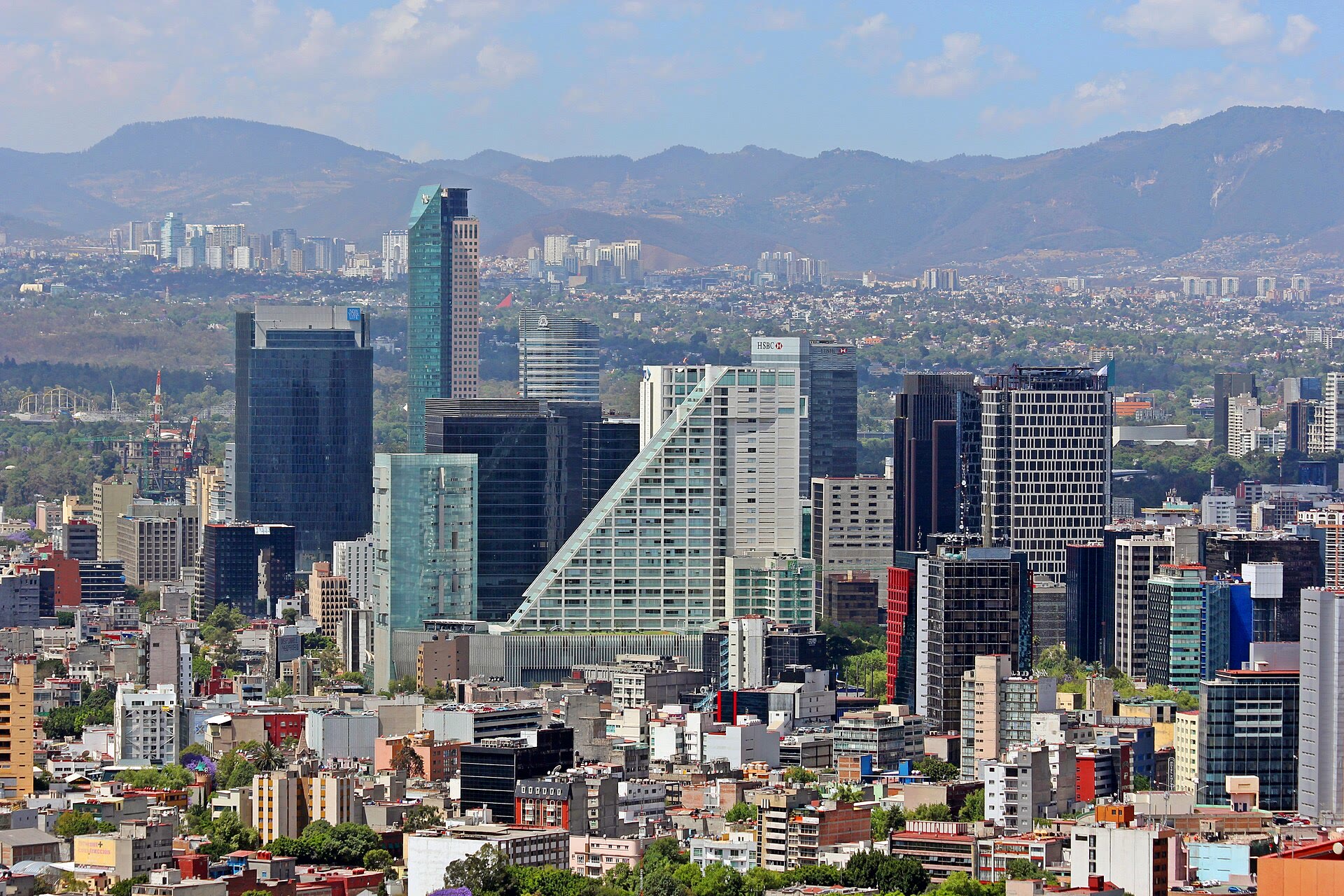
Overview
Mexico is a representative, democratic, secular, federal republic.
The political authority is divided into Executive, Legislative and Judiciary branches, which cannot be united in one single person or corporation.
Mexico, officially the United Mexican States (Estados Unidos Mexicanos), has its capital at Mexico City.
1. Geography and Environment
The country is eminently mountainous and surrounded by seas, and its complex landscapes bring a diversity of environments, soils and climates. Its territory covers 1 964 375 km², of which 1 959 248 km² are continental and 5 127 km² insular. Mexico is one of only three megadiverse countries, together with the United States and Colombia, with coasts on both the Atlantic and the Pacific.
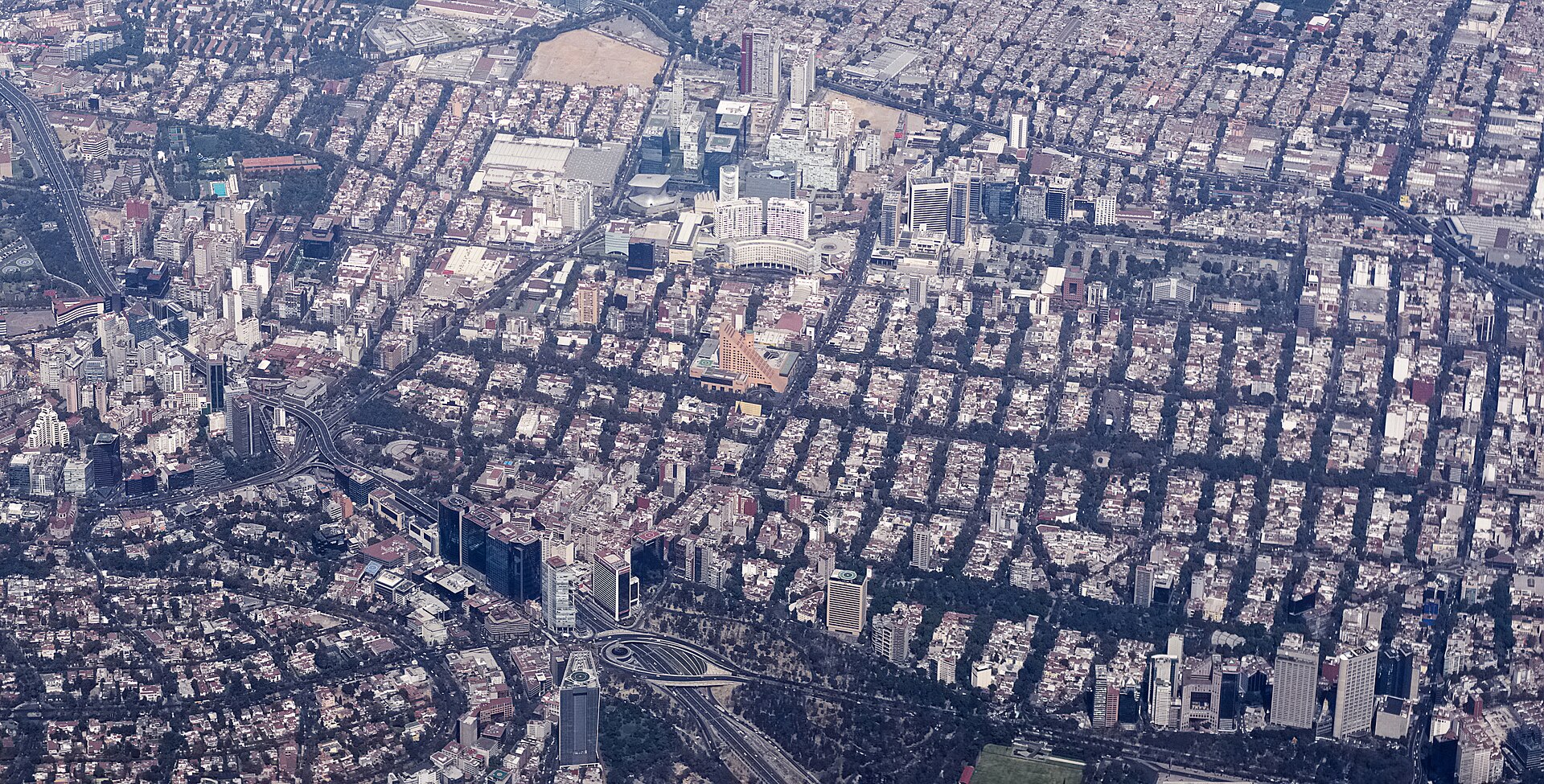
The total coastline of Mexico extends 11 122 km, of which 7 828 km face the Pacific and 3 294 km face the Gulf of Mexico and the Caribbean. The international land borders extend 3 152 km with the United States, 956 km with Guatemala and 193 km with Belize.
The Pico de Orizaba, or Citlaltépetl, at 5 610 metres above sea level, is the highest elevation of the country. The deepest point of Mexico's seabed is the Mesoamerican Trench at 6 884 metres below sea level, off Puerto Madero in Chiapas. The three highest summits are the volcanoes Pico de Orizaba at 5 610 m, Popocatépetl at 5 419 m and Iztaccíhuatl at 5 220 m.
In the north Mexico has dry climates with rainfall from under 100 up to 600 mm a year, while the warm humid south receives from 800 to 4 500 mm; the mountain regions have temperate and cold climates. By area the territory divides into dry climate at 50.46%, warm at 24.48%, temperate at 25.05% and cold at 0.01%.
Mexico occupies the 14th place in the world by its continental surface of 1.96 million km², and adding its exclusive economic zone of 3.15 million km² the country reaches a total of 5.11 million km².
Among Mexico's physiographic provinces, the Sierra Madre Occidental extends over Sonora, Chihuahua, Sinaloa, Nayarit, Durango, Zacatecas, Aguascalientes and Jalisco.
2. Population and Demography
The 2020 census recorded a population of 126,014,024 inhabitants in Mexico. Of that total, 64,540,634 were women, or 51.2 percent, and 61,473,390 were men, or 48.8 percent. The median age of the population stood at 29 years.
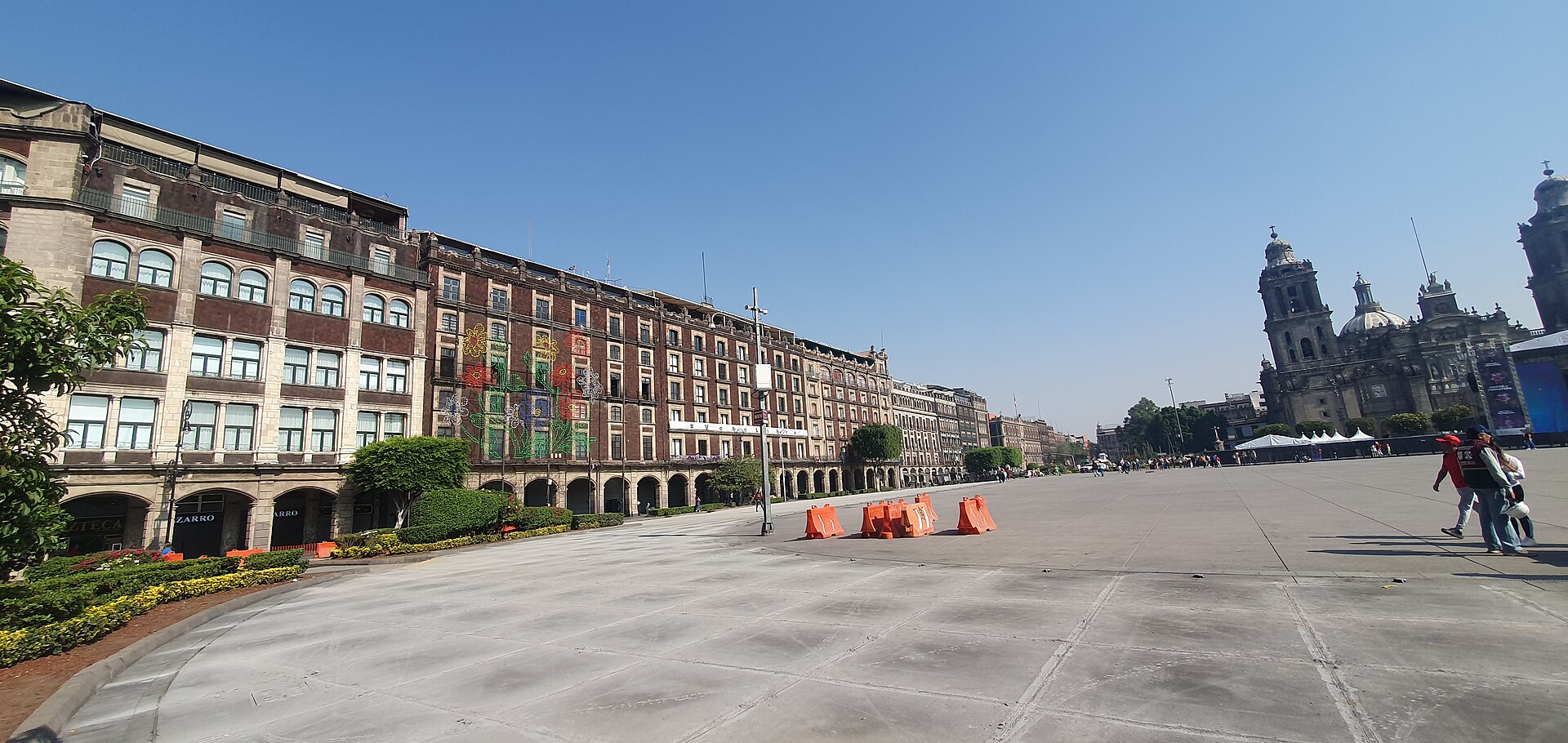
In 2020, 7,364,645 people in Mexico spoke an indigenous language. That figure represents 451,000 more speakers than in 2010, even as their share of the population fell from 6.6 to 6.1 percent. The country counts 68 native languages, promoted by the National Institute of Indigenous Languages.
In the same census, 2,576,213 people self-recognized as Afro-Mexican or Afro-descendant, amounting to 2.0 percent of the total population. A further 20,838,108 people, or 16.5 percent of the population, reported a disability, a limitation in daily activity, or a mental problem or condition.
Mexico City was the most populous federal entity, with 16,992,418 inhabitants in 2020.
In 2020 some 77% of Mexicans were Catholic, 11.2% Protestant or evangelical and 2.5% agnostic.
Mexico ranks 11th in the world by population, below Japan and above Ethiopia. The 2020 census was taken from 2 to 27 March 2020 and used 15 March 2020 as its reference date.
These languages belong to 11 linguistic families and comprise more than 360 variants, coexisting with Spanish, which is spoken by practically 100% of the population; about 6% of the population speaks indigenous languages.
The 2020 census, conducted from 2 to 27 March with 15 March as its reference date, recorded a population of 126,014,024, comprising 64,540,634 women (51.2%) and 61,473,390 men (48.8%). In that census, 2,576,213 people self-identified as Afro-Mexican or Afro-descendant (2.0% of the total), while 20,838,108 people (16.5%) reported a disability, a daily-activity limitation, or a mental problem or condition.
3. Government and Administration
Its currency is the Mexican peso.
Mexico is administratively divided into 32 federal entities: 31 states and Mexico City. Article 44 establishes Mexico City as the capital of the United Mexican States and seat of the federal government and the Powers of the Union. Article 40 of the Constitution establishes the will of the Mexican people to constitute a representative, democratic, secular, federal republic made up of free and sovereign states united in a federation.
The Constitution guarantees all people the right to education provided by the State from preschool to high school, and preschool, elementary, middle and high school education are mandatory.
Mexico has 17 coastal states: 11 on the Pacific and 6 on the Atlantic. Between 2003 and 2016 the 17 coastal states produced around 44% of Mexico's GDP.
4. Economy
Mexico's gross domestic product at market prices stood at 1,626,888 million US dollars in 2025, a total in which services contributed approximately 63.2 percent. On this measure the country ranks among the fifteen largest economies in the world and is the second largest in Latin America.
GDP per capita reached 13,889.2 US dollars in 2025. The country recorded a Human Development Index of 0.779 in 2023, a figure that placed it 77th among 193 countries.
Between 1980 and 2022 the Mexican economy grew by just over 2 percent annually on average. Over a shorter span, official multidimensional poverty fell from 43.2 percent in 2016 to 36.3 percent by 2022, lifting 5.4 million people out of poverty.
In 2018 Mexico's gross domestic product in basic values at current prices stood at 22 221 190 million pesos.
5. History
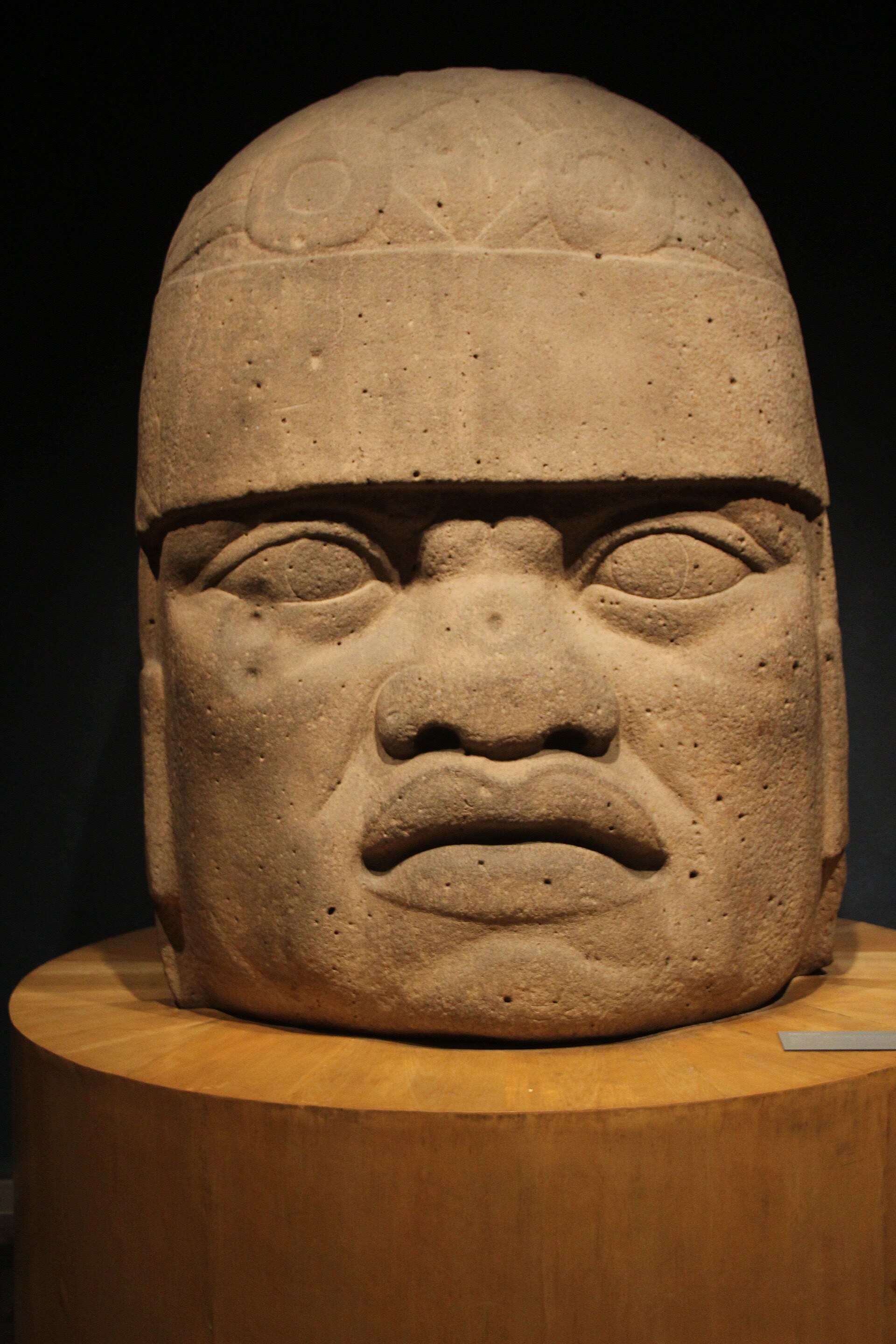
Pre-Columbian Mexico was one of the world's cradles of civilization and home to civilizations including the Olmec, Maya, Zapotec, Teotihuacan, Purepecha and Aztecs. The Olmec culture, which began around 1500 BC, was the first major Mesoamerican civilization. At the beginning of the tenth century the Maya of low-lying tropical sites like Tikal faced war, famine or disease that led to the collapse of authority and the abandonment of the great culture centers.
Spaniards under Hernán Cortés sailed from Cuba, landed in present-day Veracruz in 1519 and eventually penetrated most Mesoamerican regions. In 1519 Hernán Cortés and about 500 soldiers landed near the modern town of Cempoala, where emissaries of Motecuhzoma II met them with elaborate costumes, feather fans and headdresses. At the time of the Spanish conquest in 1521 Tenochtitlan was among the largest cities in the world, with perhaps as many as 200,000 inhabitants. On a fateful day in August 1521 the Spaniards razed Tenochtitlan and built the capital of the Viceroyalty of New Spain on its ruins, naming it Mexico City. The Viceroyalty of New Spain was established in 1535 and stretched from Mexico to the Isthmus of Panama.
Mexico was previously under Spanish sovereignty, until Napoleon's invasion of Spain in 1808 opened the way to fight for independence from colonial rule. The War of Independence of 1810–21 ended with the creation of the short-lived Mexican Empire, which included Central America and what is now the south-western United States. The United States recognized Mexico on December 12 in 1822 when President James Monroe received José Manuel Zozaya as Mexican minister. In 1845 the Mexican minister of foreign affairs informed the United States that Mexico was severing diplomatic relations over the annexation of Texas. The Treaty of Guadalupe-Hidalgo was signed in Mexico City on February 2 in 1848 and ended the Mexican-American War.
The Mexican Revolution of 1910–1920 left some 900,000 people killed out of a population of 15 million, and a further 900,000 migrated to the United States. The National Revolutionary Party, formed in 1929 and later renamed the Institutional Revolutionary Party (PRI), dominated Mexican politics until 2000 when Vicente Fox won the presidency for the opposition.
6. Culture and Heritage
UNESCO lists 36 World Heritage Sites in Mexico, alongside 13 cultural practices and expressions of intangible heritage and 41 biosphere reserves. The country also holds 14 entries in the Memory of the World International Register and 31 UNESCO Chairs and UNITWIN Networks. Mexico has been a member of UNESCO since 1946 as part of the Latin America and the Caribbean group.
Traditional Mexican cuisine is a comprehensive cultural model of farming, ritual practices, age-old skills, culinary techniques and ancestral community customs, founded on corn, beans and chili. It was inscribed in 2010 on the Representative List of the Intangible Cultural Heritage of Humanity. Its farming methods include milpas and chinampas, and cooking processes such as nixtamalization increase the nutritional value of maize.
Mariachi was inscribed in 2011 as traditional Mexican music and a fundamental element of Mexican culture. Traditional mariachi groups wear regional costumes adapted from the charro costume, and modern ensembles with trumpets, violins, vihuela and guitarrón may have four or more musicians. Learning by ear is the main means of transmission, passed from fathers to sons and through performances at festive, religious and civil events.
In 2008 UNESCO inscribed the Indigenous festivity dedicated to the dead on the Representative List for Mexico. The 2010 round inscribed Pirekua traditional song of the P'urhépecha and the Parachicos feast of Chiapa de Corzo. In 2023 UNESCO inscribed Bolero: identity, emotion and poetry turned into song on the Representative List.
7. Biodiversity
Mexico belongs to a select group of 17 megadiverse countries, a set whose members together hold almost 70% of the world's species diversity in the best-studied groups. The principal criterion for inclusion in that group is endemism: a country must have at least 5,000 endemic plant species.
Islands make up 0.3% of Mexico's territory: 1,133 islands and cays lie in ocean waters, and 82 inhabited islands are home to 294,855 people. Isla Tiburón, measuring 1,199 km², is the most extensive island of Mexico.
8. Archaeological and Historical Sites
The Instituto Nacional de Antropología e Historia has under its care 194 archaeological zones and one paleontological zone open to the public all year. Among these, the archaeological zone of Palenque in Chiapas is listed in category I. It is reached from the federal highway 186 Escárcega–Campeche.
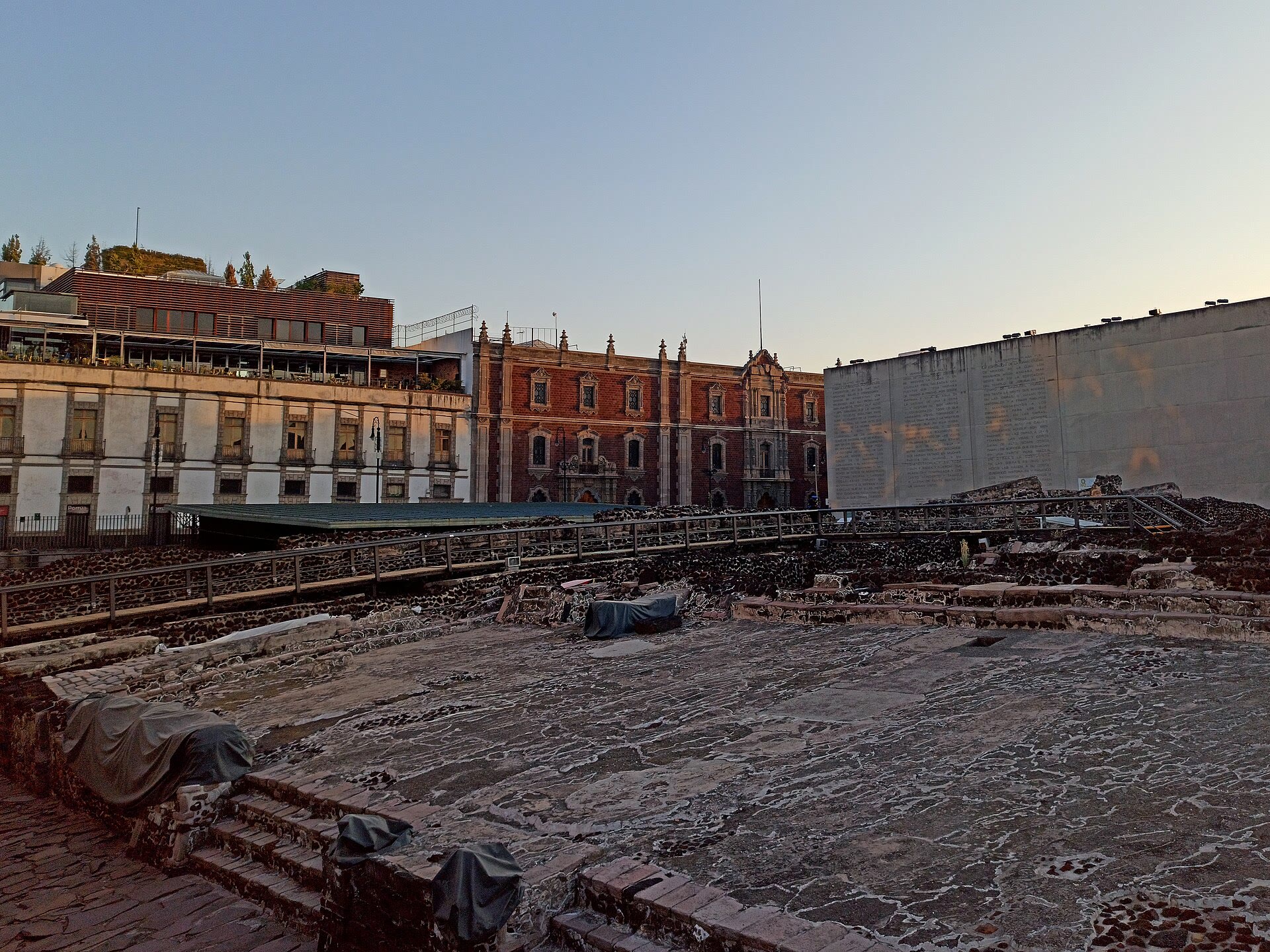
The Templo Mayor, dedicated to Tláloc and Huitzilopochtli, was the centre of Mexica religious and political life. Its treasures include a wall of skulls altar, the House of the Eagles and a monolithic sculpture of the goddess Coyolxauhqui. The structure was expanded seven times. The final iteration seen and destroyed by the Spanish was 150 feet high with a square base measuring 440 yards on each side.
The Templo Mayor site museum opened on October 12 in 1987. Its establishment followed the discovery of more than 7,000 objects in the first excavations.
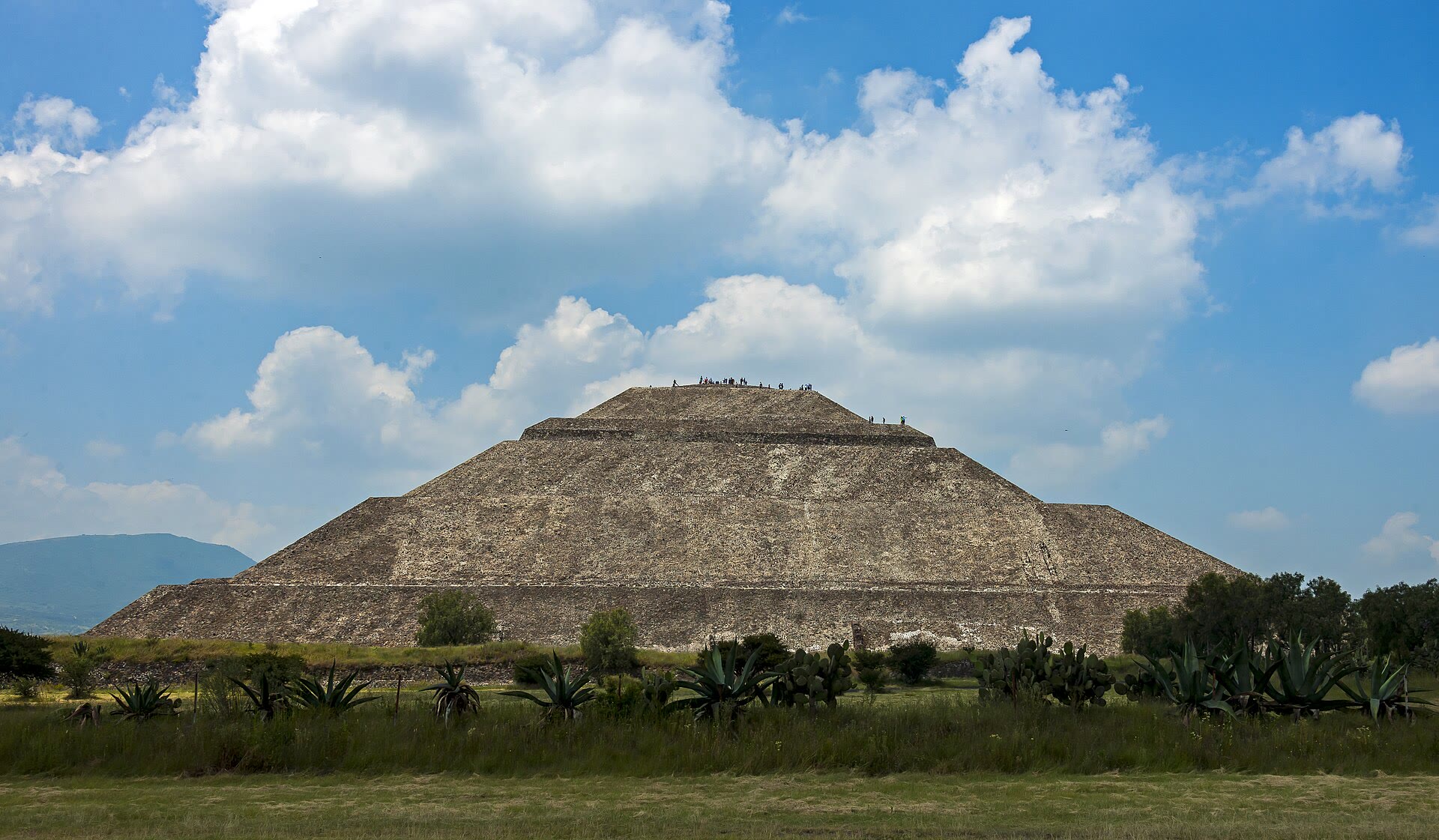
Teotihuacan was occupied from about 100 BCE to 800 CE. It was the largest city of the ancient Americas, with an estimated population of 125,000–200,000 residents at its height around 400 CE. The city was a complex urban grid of public monuments and residential apartment compounds, unique in Mesoamerica for its scale and organization. It produced mural painting, mold-pressed ceramics and stone sculpture, and interacted with Maya capitals including Tikal and Copán.
9. Timeline: from the Olmecs to modern Mexico
- c. 1500 BCEBeginning of Olmec cultureThe Olmec culture, the first major Mesoamerican civilization, begins.
- c. 250 CERise of the MayaMayan civilization, based around Yucatan, grows to become one of the most dominant groups; it reaches its peak around 600 CE in alliance with the Teotihuacán.
- 14th centuryTenochtitlán foundedThe Chichimecha — or Aztecs — settle in Mexico's central valley and found Tenochtitlán near Lake Texcoco.
- 1519Cortés lands near CempoalaHernán Cortés and about 500 soldiers land near the modern town of Cempoala, where emissaries of Motecuhzoma II meet them.
- 1521Fall of TenochtitlanCortés and his local allies defeat the Aztec forces and capture Tenochtitlan; the city is razed and Mexico City built on its ruins.
- 1535Viceroyalty of New Spain establishedThe Viceroyalty of New Spain is established, stretching from Mexico to the Isthmus of Panama.
- 1810–21War of IndependenceThe War of Independence ends with the creation of the short-lived Mexican Empire, which includes Central America and what is now the south-western US.
- 1824Federal republicMexico becomes a federal republic; the Central American provinces secede.
- 1836Texas declares independenceTexas, then part of Mexico, declares independence; Santa Anna's forces are defeated at San Jacinto.
- February 2, 1848Treaty of Guadalupe-HidalgoThe treaty signed in Mexico City ends the Mexican-American War.
- 1867French withdrawal and execution of MaximilianFrance withdraws its troops under US pressure; Maximilian is captured by Mexican forces and executed.
- 1910–1920Mexican RevolutionThe decade-long conflict leads to modern Mexico's constitutional republic; some 900 000 people are killed and a further 900 000 migrate to the US.
- 1929National Revolutionary Party foundedThe party that later becomes the Institutional Revolutionary Party (PRI) is formed and dominates politics until 2000.
- 2000End of PRI dominanceVicente Fox wins the presidential election, breaking the PRI's seven-decade dominance.
References (22)
- 1Mexico's Constitution of 1917 with Amendments through 2015 — FAO FAOLEX / Constitute Project 1917 WebView source
- 2México — Ficha país — Ministerio de Asuntos Exteriores, Unión Europea y Cooperación de España WebView source
- 3México megadiverso | Biodiversidad Mexicana — Comisión Nacional para el Conocimiento y Uso de la Biodiversidad (CONABIO) WebView source
- 4Anuario estadístico y geográfico por entidad federativa 2020 — Instituto Nacional de Estadística y Geografía (INEGI) 2020 WebView source
- 5Conociendo México. Quinta edición — Instituto Nacional de Estadística y Geografía (INEGI) WebView source
- 6En México somos 126 014 024 habitantes: Censo de Población y Vivienda 2020 (comunicado de prensa) — Instituto Nacional de Estadística y Geografía (INEGI) 2020 WebView source
- 7Instituto Nacional de Lenguas Indígenas — Instituto Nacional de Lenguas Indígenas (INALI) WebView source
- 8Censo de Población y Vivienda 2020: principales resultados (Estados Unidos Mexicanos) — Instituto Nacional de Estadística y Geografía (INEGI) 2020 WebView source
- 9El impacto de los ciclones tropicales en la actividad económica regional (Recuadro, Reporte sobre las Economías Regionales) — Banco de México WebView source
- 10Mexico | World Bank — World Bank Group WebView source
- 11Mexico country profile — BBC News WebView source
- 12Tikal (Heilbrunn Timeline of Art History) — The Metropolitan Museum of Art WebView source
- 13Mexico, 1400–1600 A.D. (Heilbrunn Timeline of Art History) — The Metropolitan Museum of Art 1600 WebView source
- 14Tenochtitlan (Heilbrunn Timeline of Art History) — The Metropolitan Museum of Art WebView source
- 15A Guide to the United States' History of Recognition, Diplomatic, and Consular Relations, by Country, since 1776: Mexico — Office of the Historian, U.S. Department of State 1776 WebView source
- 16Mexico | UNESCO — UNESCO WebView source
- 17Traditional Mexican cuisine - ancestral, ongoing community culture, the Michoacán paradigm — UNESCO Intangible Cultural Heritage WebView source
- 18Mariachi, string music, song and trumpet — UNESCO Intangible Cultural Heritage WebView source
- 19Mexico — Elements on the Lists of Intangible Cultural Heritage — UNESCO Intangible Cultural Heritage WebView source
- 20Zonas Arqueológicas — Instituto Nacional de Antropología e Historia (INAH) WebView source
- 21Templo Mayor — Lugares INAH — Instituto Nacional de Antropología e Historia (INAH) WebView source
- 22Teotihuacan (Heilbrunn Timeline of Art History) — The Metropolitan Museum of Art WebView source