United Kingdom
The island country of four nations — from Magna Carta and the British Empire to the constitutional monarchy, Parliament, the Industrial Revolution, Shakespeare, the Beatles and London.
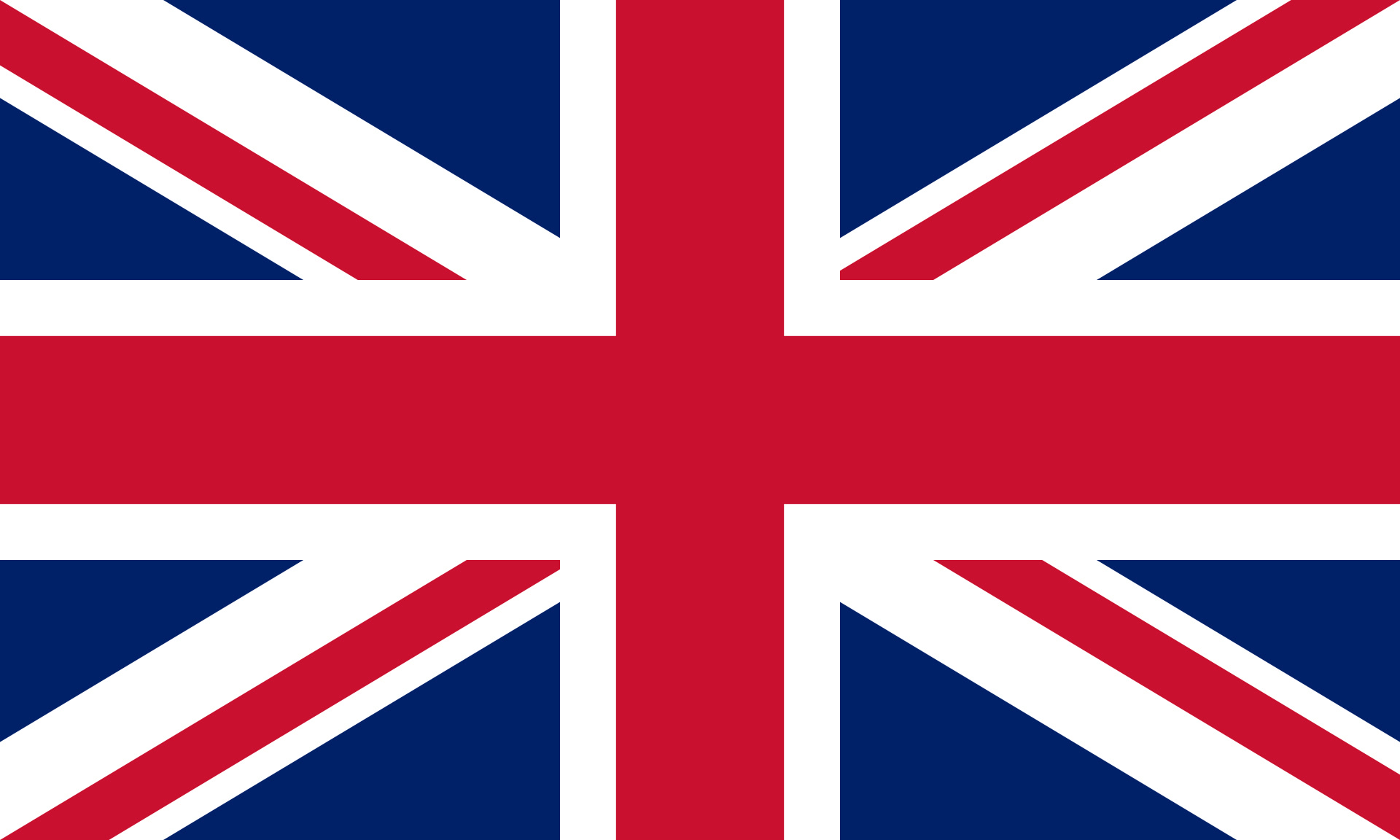
The United Kingdom of Great Britain and Northern Ireland is an island country off the northwestern coast of Europe comprising England, Scotland, Wales and Northern Ireland. It is a constitutional monarchy and parliamentary democracy whose Parliament at Westminster — the House of Commons and the House of Lords — is the supreme law-making authority, while Scotland, Wales and Northern Ireland have their own devolved governments. Shaped by Magna Carta (1215), the Acts of Union (1536–1807), the British Empire and its Commonwealth successor, and by victory in the Second World War under Winston Churchill, the UK led the Industrial Revolution from the 18th century and remains one of the world's largest economies, with London as a global financial and cultural centre. Its cultural reach — Shakespeare, the Beatles, and the English language itself — has been described as the country's greatest export.
In this article
- 1Overview
- 2Key Facts at a Glance
- 3Geography and Climate
- 4Constitutional Framework and Monarchy
- 5Parliament and Government
- 6Historical Development
- 7Magna Carta and the Rule of Law
- 8Empire, Commonwealth and Global Role
- 9Industrial Revolution and Economic History
- 10Second World War and Winston Churchill
- 11Culture and Society
- 12Timeline: from Magna Carta to modern Britain
- 13Frequently asked questions
- 14Knowledge graph
Overview
The United Kingdom is an island country lying off the northwestern coast of mainland Europe. It comprises the whole of the island of Great Britain — England, Wales and Scotland — together with the northern portion of the island of Ireland. Four geographic and historical parts make up the country: England, Scotland, Wales and Northern Ireland. Its capital is London, among the oldest of the world's great cities, with a history spanning nearly two millennia, and by far Britain's largest metropolis.
The state is a constitutional monarchy with two legislative houses, the House of Commons and the House of Lords. The head of state is King Charles III, while the head of government is Prime Minister The Rt Hon Andy Burnham MP, as listed by GOV.UK in October 2026. The official languages are English, with Welsh in Wales and Scots Gaelic in Scotland.
The United Kingdom covers a total area of 242,500 km² (93,630 sq mi). Its population stood at an estimated 69.5 million in mid-2025, according to the ONS. The highest point is Ben Nevis, which rises to 1,345 m (4,413 ft). Ben Nevis, in the Highland council area, is the highest mountain of the British Isles and the highest peak in the Grampian Mountains.
1. Key Facts at a Glance
The United Kingdom is an island country off the northwestern coast of mainland Europe, comprising the whole of the island of Great Britain — England, Wales and Scotland — together with the northern portion of the island of Ireland 1United Kingdom · Encyclopaedia Britannica ↗. It is divided into four geographic and historical parts: England, Scotland, Wales and Northern Ireland 1. Its system of government is a constitutional monarchy, a system in which a monarch shares power with a constitutionally organized government 6Constitutional monarchy · Encyclopaedia Britannica ↗. The reigning head of state is King Charles III 1.
Legislative authority rests with Parliament, which is made up of three central elements: the House of Commons, the House of Lords and the monarchy 7What is the role of Parliament? · UK Parliament ↗. The House of Commons is the popularly elected legislative body of the bicameral British Parliament and, although technically the lower house, it is predominant over the House of Lords 8House of Commons · Encyclopaedia Britannica ↗. The United Kingdom is currently divided into 650 parliamentary constituencies, each represented by one Member of Parliament in the House of Commons 9Elections and voting · UK Parliament ↗. The Prime Minister leads His Majesty's Government and is ultimately responsible for all policy and decisions 3How government works · GOV.UK ↗.
The population of the United Kingdom reached an estimated 69.5 million in the year to mid-2025, an increase of 228,000 (0.3%) from mid-2024 4Population estimates · Office for National Statistics ↗. The highest mountain of the British Isles is Ben Nevis, in the Highland council area, which is also the highest peak in the Grampian Mountains 5Ben Nevis · Encyclopaedia Britannica ↗. The United Kingdom joined the European Union in 1973 and withdrew on 31 January 2020, becoming the first country to leave the bloc 1.
| Item | Detail |
|---|---|
| Capital | London |
| Head of state | King Charles III 1 |
| Head of government | Prime Minister The Rt Hon Andy Burnham MP (as listed by GOV.UK, October 2026) 3 |
| Form of government | Constitutional monarchy with two legislative houses: House of Commons and House of Lords 1 |
| Legislature | Parliament: House of Commons (650 members) and House of Lords 1 |
| Total area | 242,500 km² / 93,630 sq mi |
| Population | 69.5 million (mid-2025 estimate, ONS) 4 |
| Highest point | Ben Nevis — 1,345 m (4,413 ft) 5 |
| Currency | Pound sterling £ |
| Official languages | English; Welsh in Wales; Scots Gaelic in Scotland 1 |
| Central bank | Bank of England, founded 1694 10Our History · Bank of England ↗ |
| EU membership | Joined 1973; withdrew on 31 January 2020 1 |
2. Geography and Climate
The United Kingdom is an island country lying off the northwestern coast of mainland Europe, and it comprises the whole of the island of Great Britain — England, Wales and Scotland — together with the northern portion of the island of Ireland. Great Britain itself is the island east of Ireland and off the northwestern coast of Europe, made up of England, Scotland and Wales and forming part of the British Isles. The four geographic and historical parts of the country are England, Scotland, Wales and Northern Ireland. Northern Ireland occupies about one-sixth of the island of Ireland and is separated from Scotland by the North Channel. The total area of the United Kingdom is 242,500 km² (93,630 sq mi).
The weather of the United Kingdom is known for its variability from day to day, season to season, year to year and place to place, shaped by the country's position in the mid-latitude westerly wind belt on the edge of the Atlantic Ocean. Within this setting, the highest point of the British Isles is Ben Nevis, which rises to 1,345 m (4,413 ft). Ben Nevis stands in the Highland council area and is the highest peak in the Grampian Mountains.
3. Constitutional Framework and Monarchy
A monarchy is a political system in which supreme authority is vested in a monarch who functions as head of state and who takes the position through heredity. A constitutional monarchy, by contrast, is a system in which a monarch shares power with a constitutionally organized government; the monarch may be a de facto head of state or a purely ceremonial leader. The United Kingdom takes the form of a constitutional monarchy with two legislative houses, the House of Commons and the House of Lords. Its head of state is King Charles III.
The throne passed to the present reign after Elizabeth II, who was queen of the United Kingdom of Great Britain and Northern Ireland from 6 February 1952 to 8 September 2022. Her coronation was held at Westminster Abbey on June 2, 1953. Beyond the United Kingdom, King Charles III is Head of the Commonwealth, an association of 56 member countries.
4. Parliament and Government
Parliament is made up of three central elements: the House of Commons, the House of Lords and the monarchy. One of Parliament's main roles is to examine and challenge the work of the government. Parliamentary sovereignty is a principle of the UK constitution: it makes Parliament the supreme legal authority in the UK, which can create or end any law. The United Kingdom is a constitutional monarchy with two legislative houses, the House of Commons and the House of Lords.
The House of Commons is the popularly elected legislative body of the bicameral British Parliament, and although it is technically the lower house it is predominant over the House of Lords. The House of Commons alone has the right to impose taxes and to vote money to, or withhold it from, the various public departments and services. The United Kingdom is currently divided into 650 parliamentary constituencies, each represented by one Member of Parliament in the House of Commons. A general election gives people in every part of the UK the chance to choose their MP, who represents their local area (constituency) in the House of Commons for up to five years.
The House of Lords comprises 92 hereditary peers (from November 1999) and life peers and peeresses created under the Life Peerages Act of 1958 (from January 1980). Under the Parliament Act of 1911, money bills become law one month after being sent to the House of Lords, with or without that house's consent. In 1998 the Labour government of Tony Blair legislated to deprive hereditary peers of their right to sit and vote in the Lords; a compromise allowed 92 of them, elected by their fellow peers, to remain as temporary members.
The Prime Minister leads His Majesty's Government and is ultimately responsible for all policy and decisions. As listed on GOV.UK when fetched in October 2026, the Prime Minister is The Rt Hon Andy Burnham MP. Ministers are chosen by the Prime Minister from the members of the House of Commons and House of Lords, and are responsible for the actions, successes and failures of their departments. In Scotland, Wales and Northern Ireland, devolved governments are responsible for many domestic policy issues, and their parliaments and assemblies have law-making powers for those areas.
5. Historical Development
The historical record of the United Kingdom reaches back to the prehistoric monuments of Stonehenge and Avebury, which were built and used between around 3700 and 1600 BC. London's founding is traced to 43 CE, when Roman armies under Emperor Claudius established a settlement called Londinium north of the marshy valley of the River Thames. London is among the oldest of the world's great cities, its history spanning nearly two millennia, and it remains by far Britain's largest metropolis.
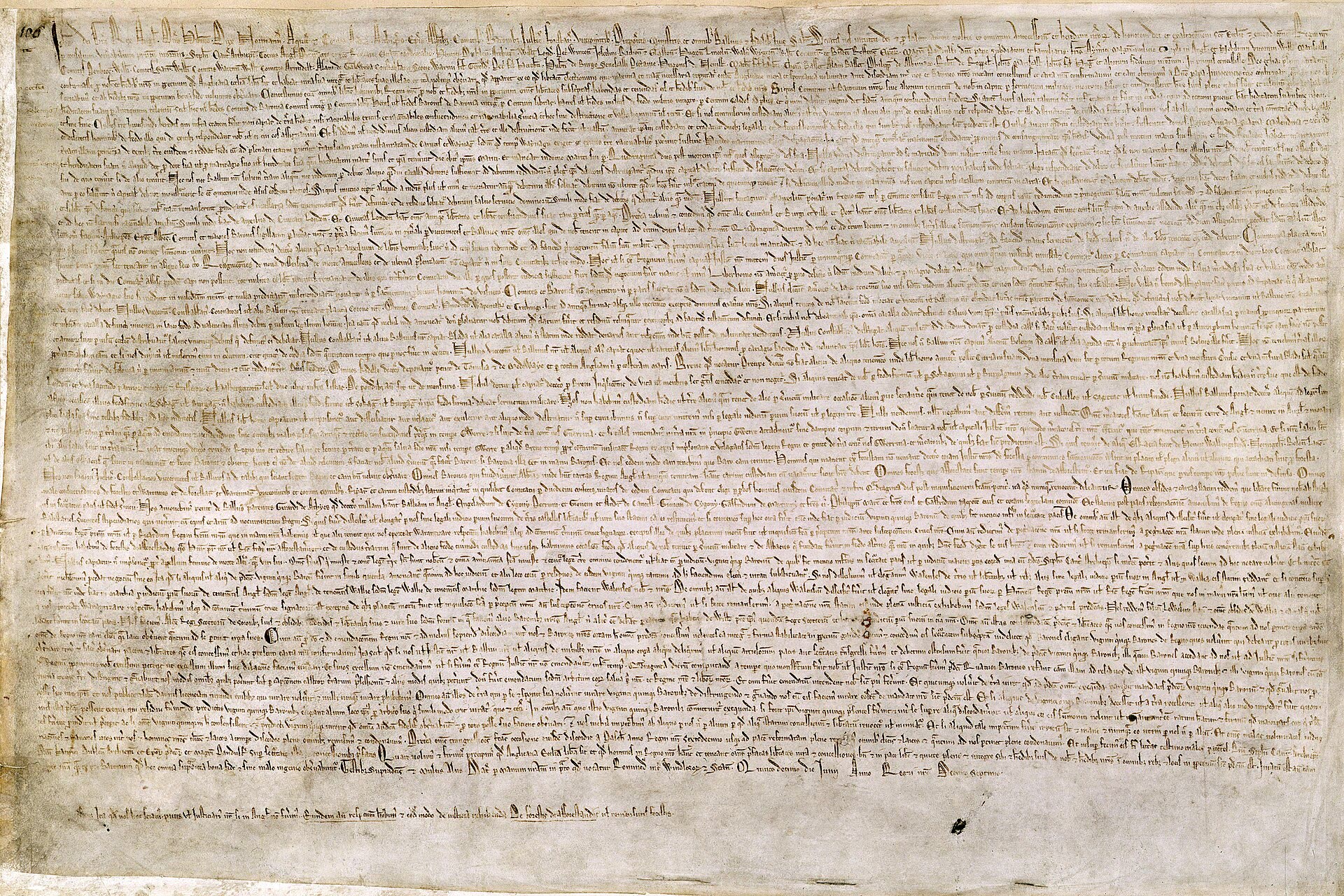
Magna Carta was drafted at Runnymede, a meadow by the River Thames, and signed by King John on June 15, 1215, under pressure from his rebellious barons. Parliament describes the charter, issued in June 1215, as the first document to put into writing the principle that the king and his government were not above the law. It was not intended as a great charter of rights for all people, but was designed by the barons to ensure their rights were protected against the king's power. The right to petition and habeas corpus and the concept of due process derive from the language of Magna Carta, which was also a forerunner of Parliament, the Declaration of Independence, the U.S. Constitution and the U.S.
Wales was formally united with England by the Acts of Union of 1536 and 1542. Scotland, ruled from London since 1603, was formally joined with England and Wales in 1707 to form the United Kingdom of Great Britain. Ireland came under English control during the 1600s and was formally united with Great Britain through the Act of Union of 1800. The republic of Ireland gained independence in 1922, but six of Ulster's nine counties remained part of the United Kingdom as Northern Ireland.
In a referendum in June 2016 on whether the United Kingdom should remain in the EU, 52 percent of British voters chose to leave. On January 31, 2020, the United Kingdom became the first country to withdraw from the European Union.
6. Magna Carta and the Rule of Law
Magna Carta, meaning 'Great Charter', was drafted at Runnymede, a meadow by the River Thames, and signed by King John on June 15, 1215, under pressure from his rebellious barons. By declaring the sovereign subject to the rule of law and documenting the liberties of 'free men', it provided the foundation for individual rights in Anglo-American jurisprudence. The right to petition and habeas corpus and the concept of due process derive from the language of Magna Carta, which was also a forerunner of Parliament, the Declaration of Independence, the U.S. Constitution and the U.S.
Four original copies of the 1215 Magna Carta survive — two held by Lincoln and Salisbury cathedrals and two in the British Library in London. Parliament describes Magna Carta, issued in June 1215, as the first document to put into writing the principle that the king and his government were not above the law. Yet Magna Carta was not intended as a great charter of rights for all people, but was designed by the barons to ensure their rights were protected against the king's power.
7. Empire, Commonwealth and Global Role
The British Empire was a worldwide system of dependencies — colonies, protectorates and other territories — brought under the sovereignty of the British crown and government over some three centuries. Its reach was global, and its legacy continues to shape the United Kingdom's external relationships. Britain abolished the trade in enslaved people in 1807 and slavery itself in its dominions in 1833.
The Commonwealth is a voluntary association of 56 independent and equal countries, home to 2.7 billion people, 33 of whose members are small states. The London Declaration of 1949 marked the beginning of the modern Commonwealth, establishing its members as free and equal partners. King Charles III is Head of the Commonwealth.
8. Industrial Revolution and Economic History
The Industrial Revolution was the process of change from an agrarian and handicraft economy to one dominated by industry and machine manufacturing. The term was first popularized by the English economic historian Arnold Toynbee to describe Britain's economic development from 1760 to 1840. The factory system and mass production consigned large numbers of people, including women and children, to long hours of tedious and often dangerous work at subsistence wages. Their miserable conditions gave rise to the trade union movement in the mid-19th century.
Ironbridge is known throughout the world as the symbol of the Industrial Revolution, containing the elements of progress that drove the 18th-century industrial region, from the mines to the railway lines. The bridge at Ironbridge was the world's first bridge constructed of iron and had considerable influence on developments in technology and architecture. In Coalbrookdale in 1709, Abraham Darby I developed the technique of smelting iron with coke, beginning the great 18th-century iron revolution. The Iron Bridge over the Severn Gorge was built in 1779 by Abraham Darby III from the drawings of the architect Thomas Farnolls Pritchard.
The Bank of England was founded in 1694 as a private bank to act as banker to the government and is today the UK's central bank. The first Bank of England banknote printed on polymer — the £5 note featuring Sir Winston Churchill — was issued in September 2016. The £20 note issued in 1970 featured William Shakespeare on the back with the balcony scene from Romeo and Juliet, beginning a series of banknotes featuring historical figures.
9. Second World War and Winston Churchill
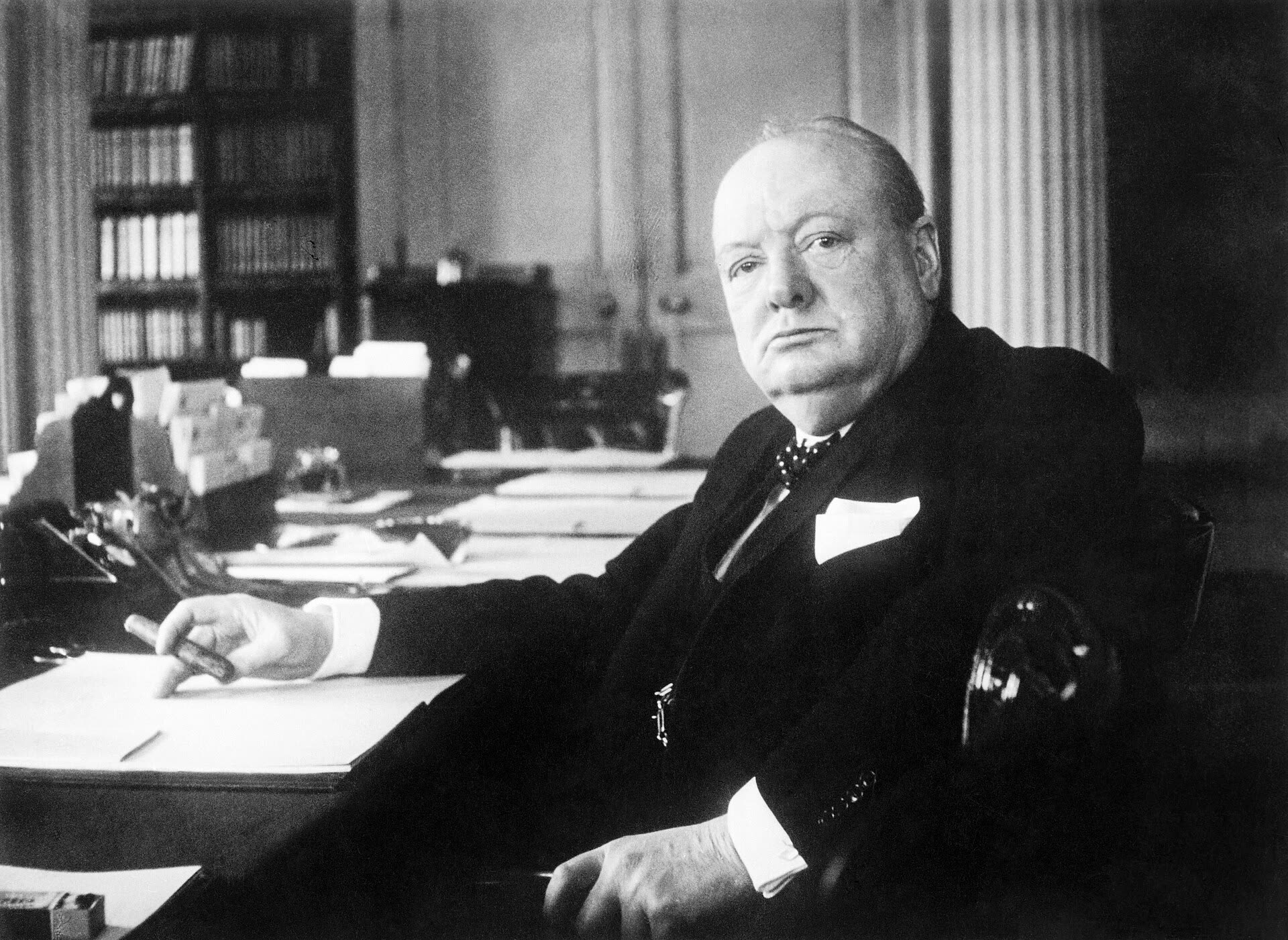
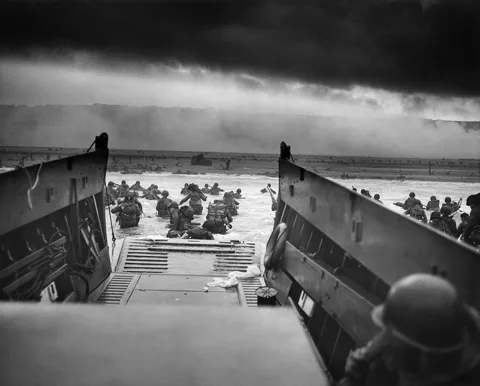
The Second World War, which ran from 1939 to 1945, was the most destructive conflict in history. The German invasion of Poland on 1 September 1939 led Britain and France to declare war on Germany two days later. Following Neville Chamberlain's resignation in 1940, Churchill was chosen to succeed him as prime minister of an all-party coalition government. Britannica describes Churchill as a British statesman, orator and author who, as prime minister in 1940–45 and 1951–55, rallied the British people during the Second World War and led his country from the brink of defeat to victory. Roosevelt and Joseph Stalin, Churchill shaped Allied strategy in the Second World War, and after the alliance broke down he alerted the West to the expansionist threat of the Soviet Union.
The Battle of Britain was a major air campaign fought over southern England from 10 July to 31 October 1940. Around 1,733 German aircraft were destroyed in the Battle of Britain compared with 915 British — a decisive defensive victory that prevented invasion. Just 3,000 RAF pilots stood between Britain and a German invasion — the airmen Winston Churchill famously called 'The Few'. From September 1940, Hitler ordered the Luftwaffe to bomb British cities; over the next nine months, over 43,500 civilians were killed in the Blitz. In the Blitz of September 1940 to May 1941, London suffered intense aerial bombardment: an estimated 43,000 Londoners died and a further 50,000 were injured.
10. Culture and Society
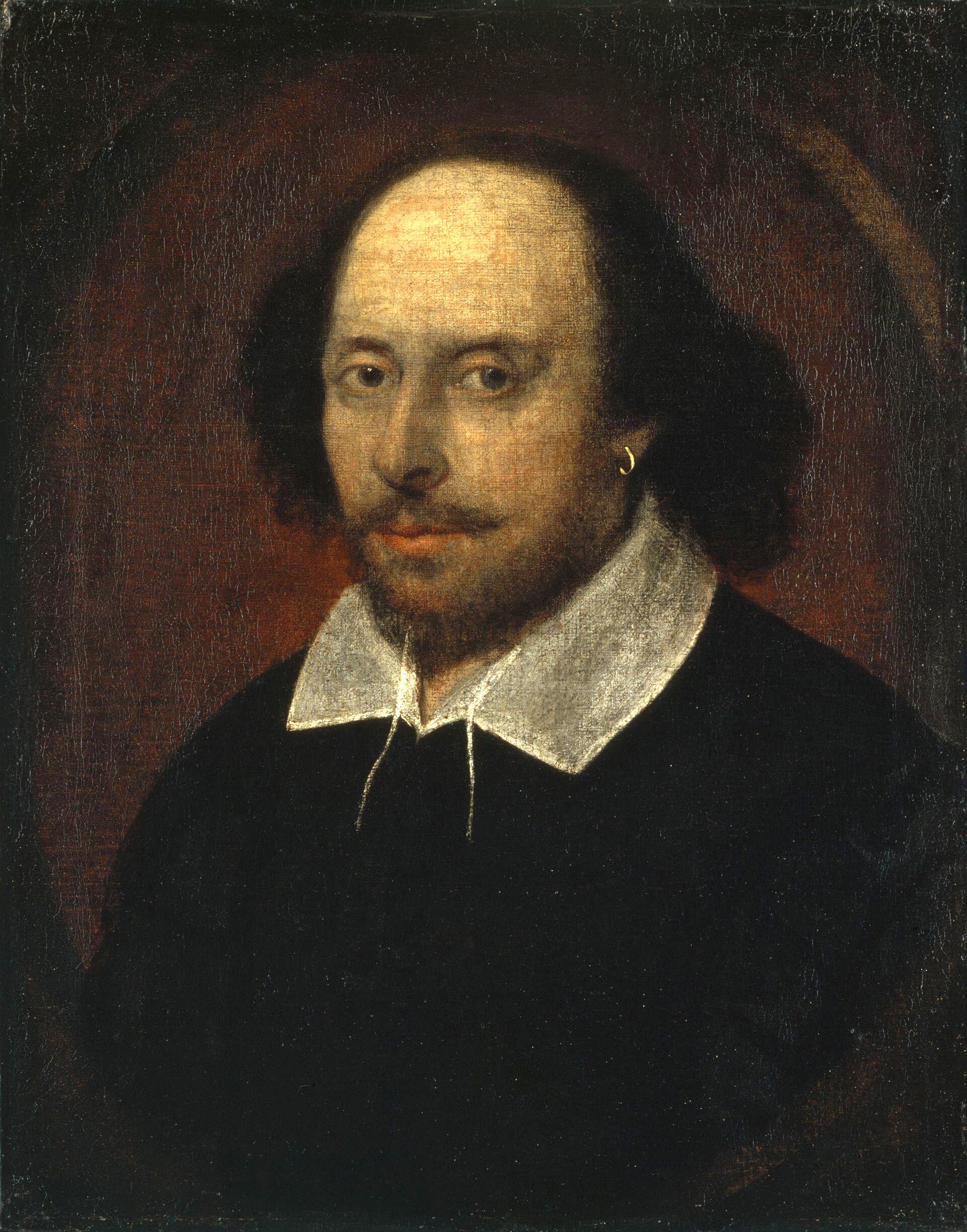
William Shakespeare, baptized on April 26, 1564, in Stratford-upon-Avon and dead on April 23, 1616, was a poet, dramatist and actor often called the English national poet. By general consensus he wrote 37 plays, and 154 sonnets are attributed to him. No writer's living reputation compares to his, and his plays are now performed and read more often and in more countries than ever before. The First Folio, published in 1623, was the first published edition of his collected works.
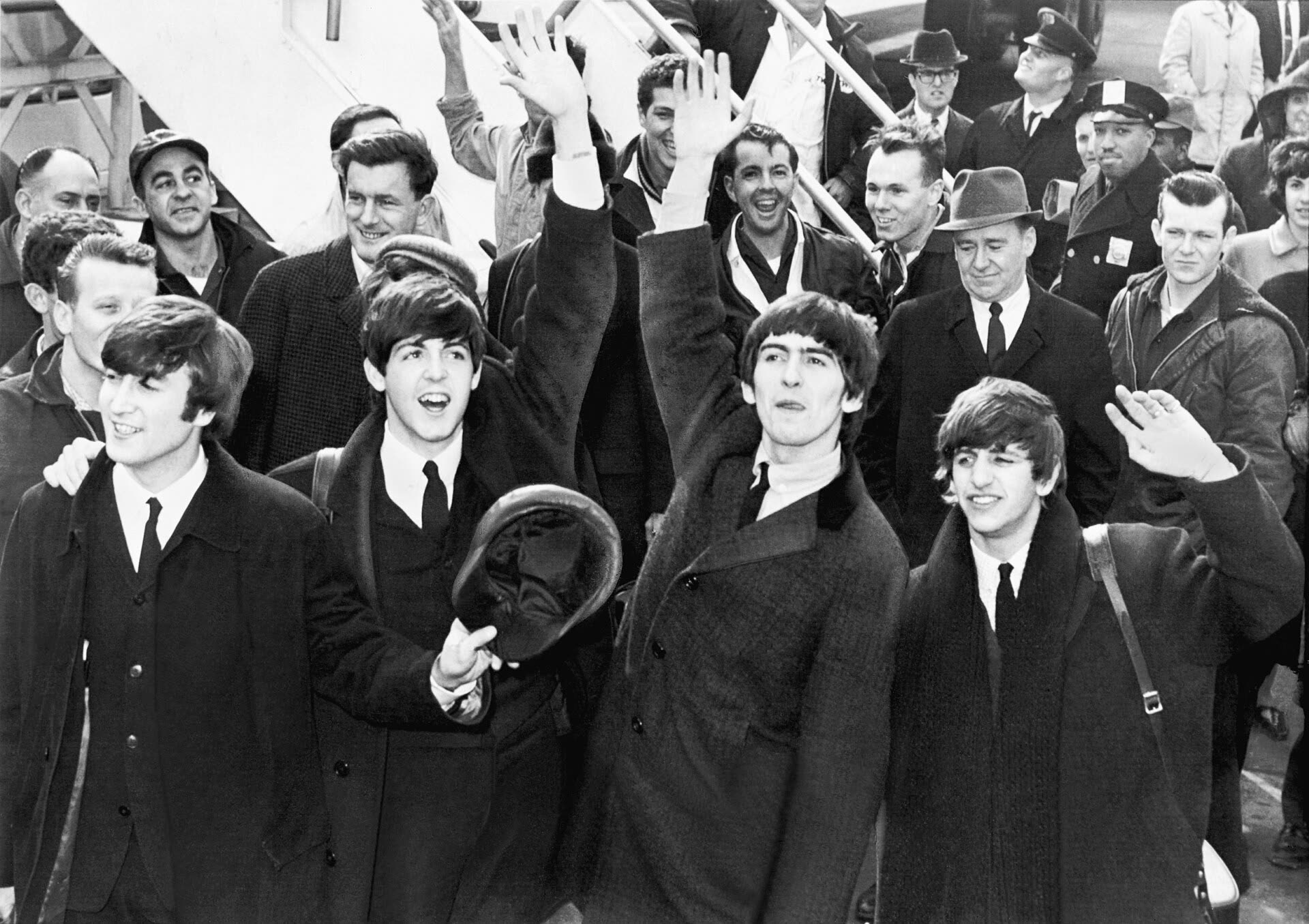
The Beatles were four young musicians from the working-class seaport city of Liverpool, England, who changed the course of rock and roll and transformed youth culture. The band formed around John Lennon and Paul McCartney, who first performed together in Liverpool in 1957. Beatlemania — the popular frenzy around the band — was named by British newspapers after their first appearances on British television in 1963. In 1965 each of the four Beatles was made a Member of the Order of the British Empire, on the recommendation of Prime Minister Harold Wilson. The group retired from public performing in 1966 and released Sgt. Pepper's Lonely Hearts Club Band in June 1967.
Edinburgh is Scotland's capital and a cultural centre, while Glasgow is the largest city in Scotland. Scotland is divided into 32 council areas, and Glasgow is the most populous, with roughly 600,000 people. In 1999 a new Scottish Parliament — the first since 1707 — was elected and given significant powers over Scottish affairs. The Good Friday Agreement of 1998 aimed to establish devolved government in Northern Ireland with three strands of administrative relationships.
11. Timeline: from Magna Carta to modern Britain
- 15 June 1215King John seals Magna Carta at RunnymedeRebellious barons force King John to accept Magna Carta, which declares the sovereign subject to the rule of law and is reissued in altered form in 1216, 1217 and 1225.
- 1603Union of the Crowns: Scotland ruled from LondonScotland is ruled from London from 1603, though it remains a separate kingdom until the Acts of Union of 1707.
- 27 July 1694Bank of England foundedThe Bank of England begins as a private bank acting as banker to the government, founded primarily to fund the war effort against France; it opens for business on 1 August 1694.
- 1707Acts of Union create the United Kingdom of Great BritainScotland is formally joined with England and Wales to form the United Kingdom of Great Britain.
- 1800Act of Union with IrelandIreland is formally united with Great Britain through the Act of Union of 1800, creating the United Kingdom of Great Britain and Ireland.
- 1922Irish independence; Northern Ireland remains in the UKThe republic of Ireland gains independence, but six of Ulster's nine counties remain part of the United Kingdom as Northern Ireland.
- September 1939Britain enters the Second World WarAfter Germany's invasion of Poland on 1 September 1939, Britain and France declare war on Germany two days later.
- 1940Churchill becomes prime ministerFollowing Neville Chamberlain's resignation in 1940, Winston Churchill is chosen to succeed him as prime minister of an all-party coalition government.
- 10 July – 31 October 1940Battle of BritainThe RAF defeats the Luftwaffe's air campaign over southern England, a decisive defensive victory that prevented a German invasion.
- 1949London Declaration begins the modern CommonwealthThe London Declaration marks the beginning of the modern Commonwealth, establishing its members as free and equal partners.
- 6 February 1952Elizabeth II accedes to the throneOn the death of her father George VI, Elizabeth II becomes queen; her coronation is held at Westminster Abbey on 2 June 1953.
- 1998Good Friday AgreementThe accord aims to establish devolved government in Northern Ireland with three strands of administrative relationships.
- June 2016Brexit referendumIn a referendum on whether the United Kingdom should remain in the EU, 52 percent of British voters choose to leave.
- 31 January 2020The UK leaves the European UnionThe United Kingdom becomes the first country to withdraw from the European Union.
- 8 September 2022Death of Elizabeth IIElizabeth II, queen from 1952 and the longest-reigning monarch in British history, dies at Balmoral Castle aged 96.
12. Frequently asked questions
What is the capital of the United Kingdom, and what kind of government does the country have?
Who is the head of state and who is the head of government?
How large is the United Kingdom, and how many people live there?
What is the highest point in the United Kingdom, and what currency is used?
What are the official languages of the United Kingdom?
The official languages are English, with Welsh in Wales and Scots Gaelic in Scotland 1.
When did the United Kingdom join and leave the European Union?
The United Kingdom joined the European Union in 1973 and withdrew on 31 January 2020 1.
References (30)
- 1United Kingdom — Encyclopaedia Britannica Web↩View source
- 2London — Encyclopaedia Britannica WebView source
- 3How government works — GOV.UK Web↩View source
- 4Population estimates — Office for National Statistics Web↩View source
- 5Ben Nevis — Encyclopaedia Britannica Web↩View source
- 6Constitutional monarchy — Encyclopaedia Britannica Web↩View source
- 7What is the role of Parliament? — UK Parliament Web↩View source
- 8House of Commons — Encyclopaedia Britannica Web↩View source
- 9Elections and voting — UK Parliament Web↩View source
- 10Our History — Bank of England Web↩View source
- 11Great Britain — Encyclopaedia Britannica WebView source
- 12Northern Ireland — Encyclopaedia Britannica WebView source
- 13UK regional climates — Met Office WebView source
- 14Monarchy — Encyclopaedia Britannica WebView source
- 15Elizabeth II — Encyclopaedia Britannica WebView source
- 16About us — The Commonwealth WebView source
- 17House of Lords — Encyclopaedia Britannica WebView source
- 18Stonehenge, Avebury and Associated Sites — UNESCO World Heritage Centre WebView source
- 19Magna Carta — Encyclopaedia Britannica WebView source
- 20Magna Carta — UK Parliament WebView source
- 21British Empire — Encyclopaedia Britannica WebView source
- 22Industrial Revolution — Encyclopaedia Britannica WebView source
- 23Ironbridge Gorge — UNESCO World Heritage Centre WebView source
- 24Second World War — Imperial War Museums WebView source
- 25Sir Winston Churchill — GOV.UK (Past Prime Ministers) WebView source
- 26Winston Churchill — Encyclopaedia Britannica WebView source
- 27Battle of Britain — Imperial War Museums WebView source
- 28William Shakespeare — Encyclopaedia Britannica WebView source
- 29the Beatles — Encyclopaedia Britannica WebView source
- 30Scotland — Encyclopaedia Britannica WebView source
 YouTube
 Google
 World War II