Television
The invention, technology and history of television — from the scanning disk and Baird's Televisor to electronic camera tubes, the first regular BBC service, colour, satellite relays and the digital transition.
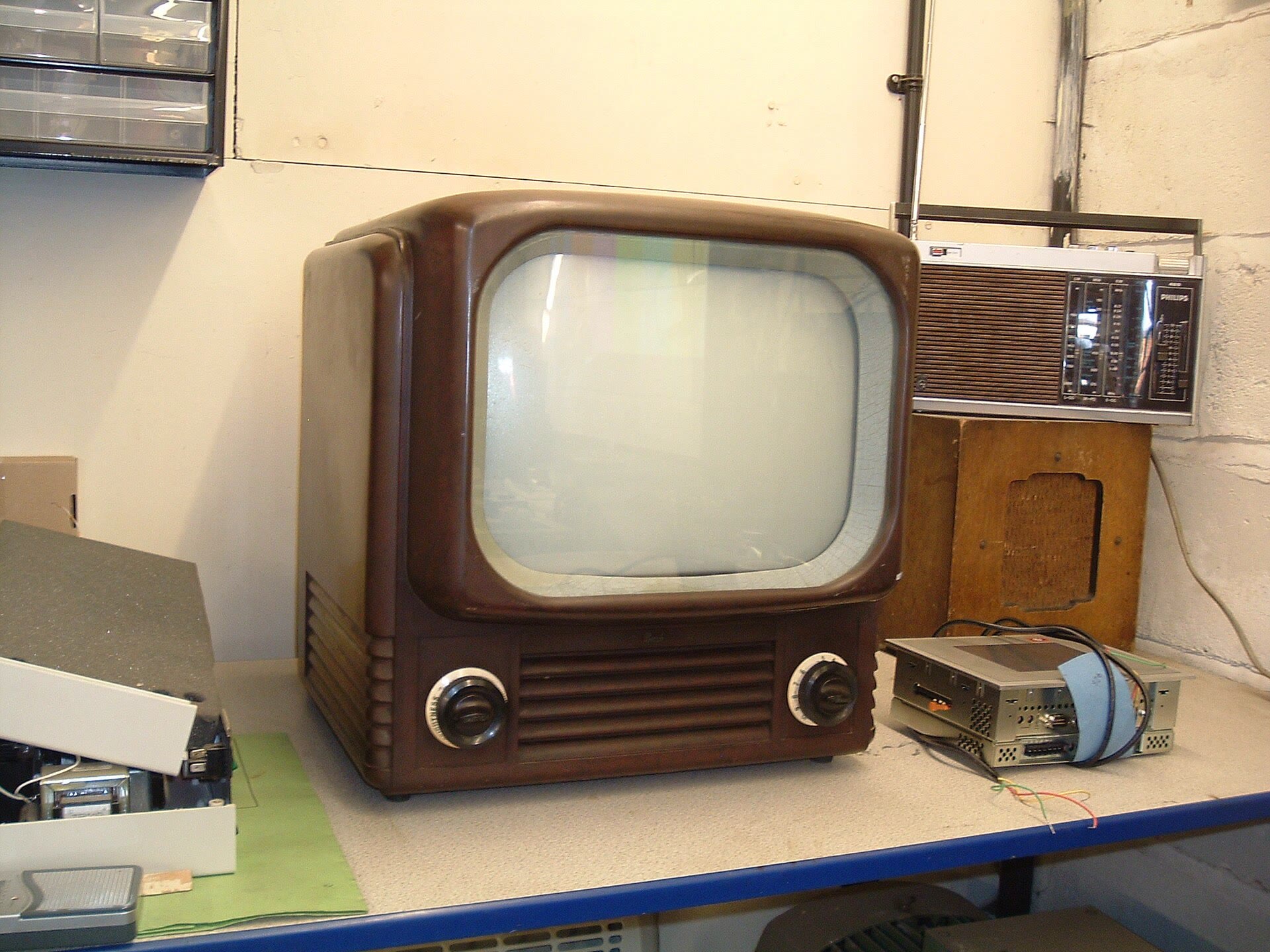
Television transmits moving pictures and sound by converting images into electronic signals that are broadcast to receivers in homes. Developed through competing mechanical and electronic systems in the 1920s and 1930s, it became the dominant mass medium of the twentieth century, and was later transformed by colour, satellite relays and digital broadcasting.
In this article
- 1Overview
- 2Mechanical Beginnings
- 3Baird: The Inventor
- 4Electronic Television: Farnsworth and Zworykin
- 5Sarnoff and RCA
- 6Early Broadcasting in Britain
- 7The Baird–Marconi-EMI Competition
- 8Standards and the American Scene
- 9Post-War Resumption in Britain
- 10Satellites and Transoceanic Transmission
- 11Colour Television
- 12The Digital Transition
- 13Key Facts at a Glance
- 14Timeline: from the scanning disk to the digital transition
- 15Knowledge graph
Overview
Electronic television works by making moving pictures out of a fast stream of still pictures, each one slightly different from the picture before it. In the receiver, the signals control an electron gun that shoots out electrons at a phosphor-coated picture tube, and the beam sweeps row after row so fast that it looks like one continuous picture. When television became a reality in the 1920s there was no single inventor: a large number of experimenters, entrepreneurs and public organisations were involved, though not, at first, the BBC.
1. Mechanical Beginnings
In 1884 the German inventor Paul Nipkow received the first patent for a television-like machine, a system that used a large spinning scanning disk to break a picture into pieces and reassemble it on a picture receiver. The first television systems were mechanical. The Scottish inventor John Logie Baird began experimenting with Nipkow disks and created a better mechanical system that even included the first video recording system. Baird's system relied on a Nipkow disc, a perforated rotating disc that disaggregated the televised image and reassembled it for view. An important new feature of the Baird system, given that radio broadcasting had recently appeared, was that it transmitted its signal by wireless, making mass distribution of televised images seem possible for the first time.
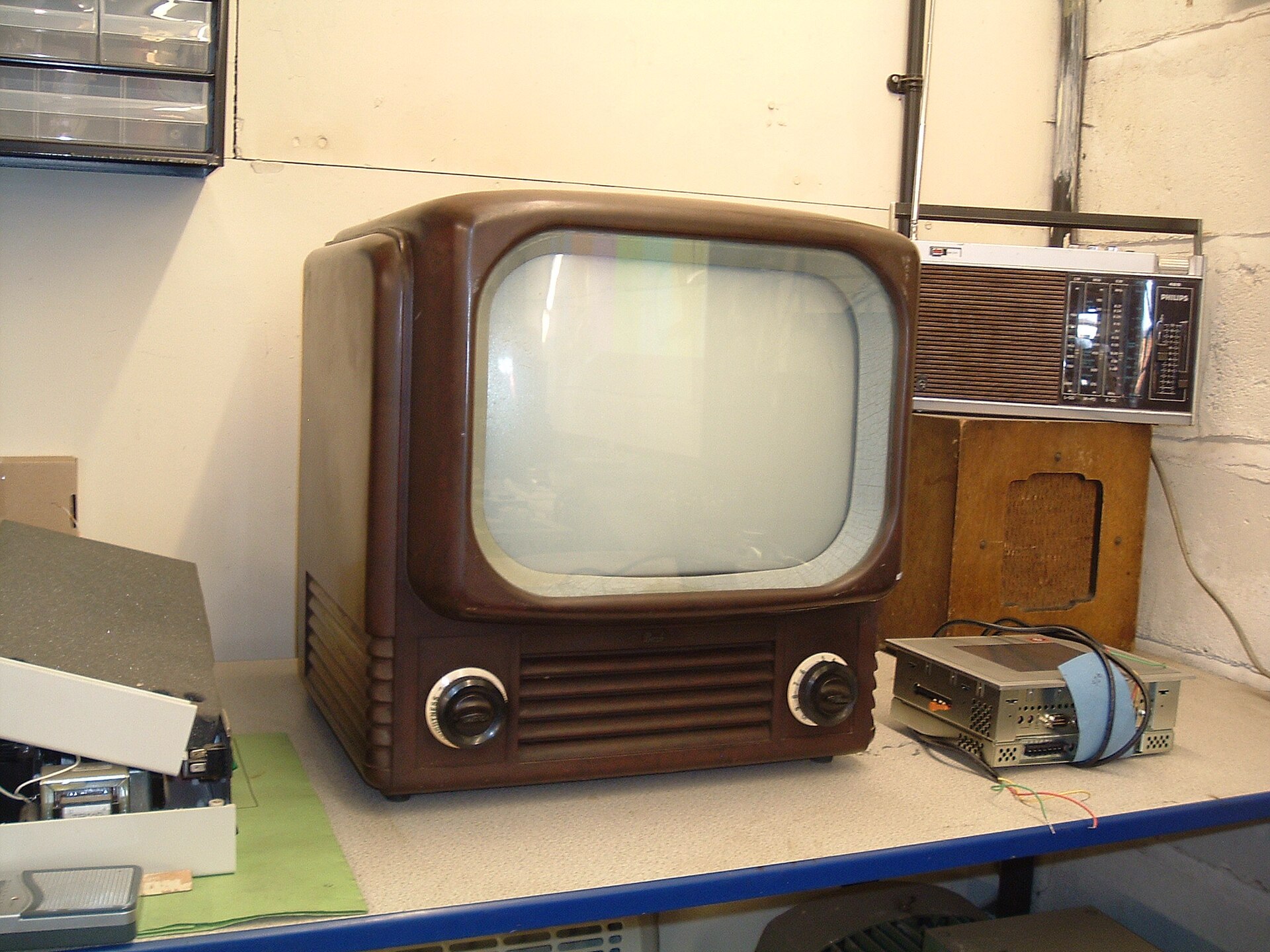
He made steady progress, transmitting the outline of objects by 1924 and recognizable faces by 1925. In 1926 he demonstrated televised moving objects to the Royal Institution in London, the first such demonstration on record. Baird's invention, known as the Televisor, was shown to the public on January 26 in 1926 and is considered the first demonstration of television. By 1927 Baird had successfully transmitted moving images over telephone wires between London and Glasgow, and the following year he sent the first transatlantic and first shore-to-ship moving images. Baird demonstrated color television in 1928 and was reported to have completed his researches on stereoscopic television by the time of his death.
2. Baird: The Inventor
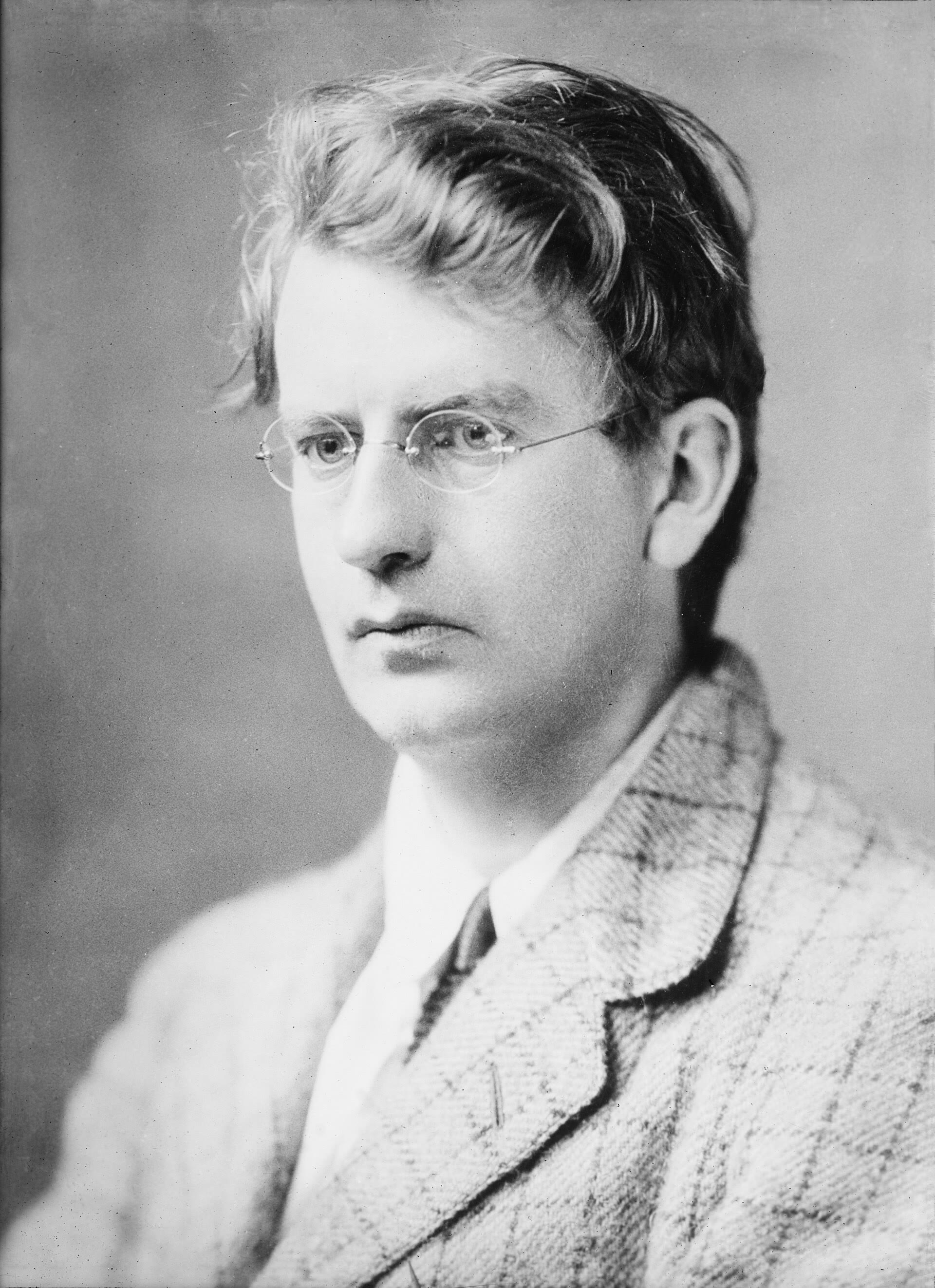
John Logie Baird was a Scottish engineer and the first man to televise pictures of objects in motion. He was born in Helensburgh, Scotland in 1888, and as a teenager he tried to electrify his family home, experiments that led to his interest in seeing over distance. By 1923 his interest in transmitting moving pictures had become an obsession, and he turned to the project almost full time. A friend described his Hastings attic workshop as an apparatus made up of an old tea-chest, an empty biscuit box, hat-boxes, cardboard, darning needles and scrap timber, all held together with glue, sealing wax and string. In 1925 the retail impresario Gordon Selfridge invited Baird to demonstrate the new attraction at his Oxford Street department store, and a few months later the Post Office licensed Baird's Television Limited.
Baird's public image has remained that of a brilliant inventor and perpetual underdog. He died on 14 June 1946 in Bexhill-on-Sea.
3. Electronic Television: Farnsworth and Zworykin
Farnsworth was 15 years old he drew an image dissector on the blackboard in chemistry class, his idea for electronic television. He first proposed his television system to that chemistry class in 1922 and afterward raised money from friends to build it. Farnsworth invented a special electron tube for use as a camera tube in television systems, the Image Dissector, for which he filed a patent in 1927 with the U.S. The tube saw the outside world through a glass lens that focused an image onto a plate coated with cesium oxide; because light striking cesium oxide emits electrons, the plate acted like a mirror that reflected an image made of electrons rather than light. It worked well but was not sensitive enough to capture scenes unless there was plenty of light, sometimes requiring very hot and bright arc lights. Farnsworth received a patent for his electronic camera tube in 1930, when he was 24 years old, and became a media star.
Vladimir Zworykin created the iconoscope in 1924, the first practical, all-electronic television camera tube, and in 1929 he invented the kinescope, a cathode-ray picture tube. The iconoscope, its name taken from the Greek words for image and to look at, was a new approach to television that relied entirely on electronics, projecting an image onto a plate covered with tiny dots of a light-sensitive chemical that broke the image into thousands of picture elements or pixels. An electron beam swept across the face of the plate, charging the pixels; the retained electric charge was fed to the camera output, converting a visual image into an electric signal without heavy rotating wheels. Zworykin filed his iconoscope patent application on 29 December 1923, and the patent was not issued until 20 December 1938 after a long examination.
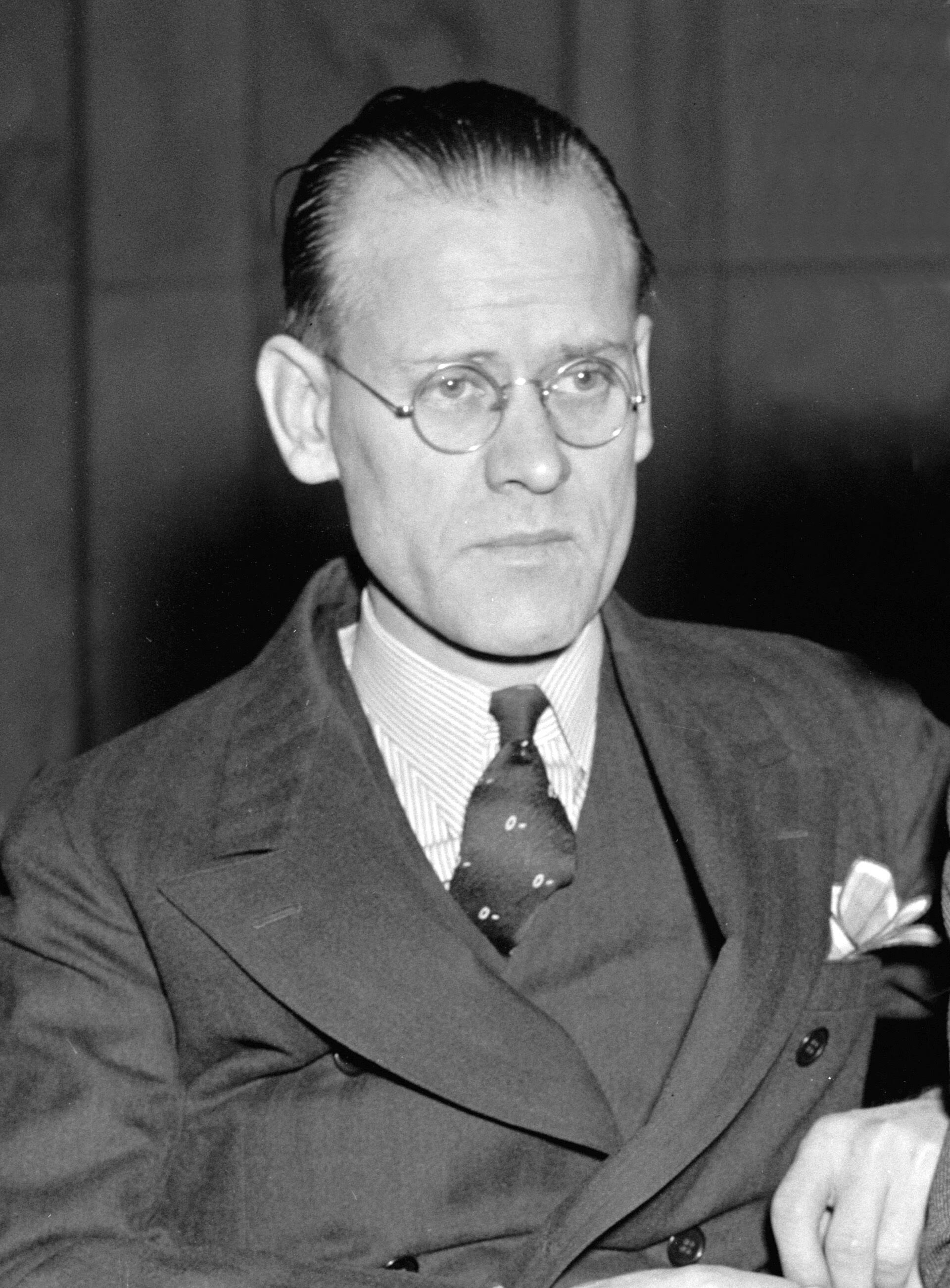
Zworykin was born in Russia on 30 July 1889, worked for the physicist Boris Rosing as a young engineering student, and moved to the United States in 1919 after the Russian Revolution. In 1929 he moved from Westinghouse to RCA after not getting the support he needed to build electronic televisions, and there David Sarnoff gave him strong support. In early 1929 Zworykin told Sarnoff he hoped that in two years and at a cost of $100,000 he could produce a workable television system, and Sarnoff replied that it was worth it. In May 1932 RCA demonstrated its latest television system using the newly developed 120-line, 24-frame kinescope receiver, whose picture tube had a green phosphor. A February 1933 demonstration finally incorporated an electronic camera equipped with Zworykin's recently developed spherical iconoscope. In that system an image focused on the photosensitive mosaic globules liberated electrons and left them positively charged in bright areas, while the electron gun's scanning beam additionally charged the globules. For the demonstration a newly developed test receiver reproduced a 243-line interlaced 60-frame picture, although officially RCA claimed only 240 non-interlaced lines.
In 1939 Farnsworth won his long battle with David Sarnoff and RCA, meaning one of the biggest companies on earth would have to pay him for the right to make televisions. With World War II looming the United States government stopped television development, and by the time manufacturing resumed after the war Farnsworth's patents had expired and his company had collapsed. He felt somewhat vindicated when he watched a man walking on the moon in 1969, and his romance with the electron earned him over 150 patents for TV, amplifiers, cathode-ray tubes, vacuum tubes, fusion reactors and satellites. When daily television broadcasts began in the late 1940s the iconoscope was made obsolete by improved designs, one of its biggest shortcomings having been the need for very bright studio lights, which made studios very hot places for actors to work. Farnsworth's tube was left behind when commercial broadcasts began in the late 1930s, though it remained useful for closed-circuit uses such as monitoring the interior of industrial furnaces.
4. Sarnoff and RCA
David Sarnoff's vision, inexhaustible energy and aggressive personality led to the creation of twentieth-century radio and television broadcasting and to the roots of wireless communications today. He was born on 27 February 1891 outside Minsk in imperial Russia and immigrated with his family to the United States in 1900, settling on the Lower East Side of Manhattan. As RCA's president during the Great Depression, between 1929 and 1939 he convinced the board of directors to allocate $10 million to develop an electronic television system despite the company's losses. He advocated network broadcasting through NBC and the application of radio electronics to the phonograph industry, portable radios, facsimile and sound films for the movie industry.
The National Broadcasting Company was formed in 1926 under the auspices of RCA, beginning with two networks of 24 stations, and by 1928 a third network, CBS, had been introduced with 16 stations. NBC held its first broadcast at the 1939 World's Fair, and the public was intrigued by the new medium of television. That year Farnsworth won a major patent suit against RCA.
5. Early Broadcasting in Britain
The BBC resisted at first, but the Post Office leaned on it, and in 1929 the Corporation grudgingly relented, with a series of regular experimental broadcasts using BBC transmitters beginning from the end of September. Baird himself calculated there were fewer than a hundred viewers, or lookers-in, for these early crude test transmissions. Baird's system scanned only 30 lines, not nearly enough to create even a half-decent picture, and it relied on medium wave transmitters.
Once the Selsdon Inquiry had agreed that the BBC should run Britain's first television service, preparations began in earnest in 1935: facilities were built, people hired and on-air talent discovered. Even Baird admitted his original low-definition 30-line system was no longer sustainable, and in September 1935 the BBC stopped using it completely. The several thousand televisors bought by the public since 1928 were designed only for 30 lines and were suddenly useless, and for the next 11 months there were no regular television broadcasts at all. The BBC used the lull in public activity to decide the shape and character of its future high-definition service, using images of 405 lines. From deep inside Alexandra Palace the very first live high-definition television programmes intended for the public were broadcast by the BBC on Wednesday 26 August 1936 to the Radiolympia Exhibition.
The BBC and the world gained their first regular high-definition television service when it started on Monday the 2nd of November 1936 from Alexandra Palace. A German service had begun the year before but offered pictures with only 180 lines, so the BBC decided that high-definition meant 240 lines or higher, conveniently putting it ahead of all rival claims. Before the first variety show began, the grand total of 400 or so lookers-in dotted around London and the Home Counties had had to endure some short speeches from government officials and BBC bigwigs. Madden and his team were immediately faced with working out how to ensure a steady supply of programme material, all on a budget of about 100 pounds a day.
6. The Baird–Marconi-EMI Competition
The BBC had long been suspicious of Baird's mechanically scanned 30-line system, sensing that the picture quality was simply not good enough to persuade the British people to spend money on sets. The corporation considered it an insult to the public to put on such a poor service and encourage the idea that the broadcast pictures would improve. Once a clear alternative appeared and the BBC had witnessed for itself EMI's new electronic system, with its clearer and more stable pictures, in 1932 the die was cast. At Alexandra Palace there was Studio A, equipped with the Marconi-EMI system and its Emitron cameras, and Studio B, which used the Baird system, with Baird days and Marconi-EMI days.
In 1935 the BBC set up a side-by-side competition between Baird's system and Marconi's all-electric system, and by 1937 the BBC had dropped Baird's system altogether. Baird had some success in the 1920s, but by the mid-1930s everyone, including Baird himself, knew mechanical television could not compete with the emerging electronic television systems.
7. Standards and the American Scene
The cathode ray tube, invented by Ferdinand Braun in 1897, was first used to produce images in 1907, an essential step in the invention of television. By the end of the 1920s the United States had fifteen experimental stations for mechanical television, and in 1929 Herbert Hoover, then Secretary of Commerce, appeared on the mechanical television of AT&T. On the eve of World War II the National Television System Committee, created by the FCC, made recommendations for electronic television system standards, adopted in the spring of 1941 and used after the war.
At the close of World War II there were fewer than 7,000 working television sets and only nine stations on the air in the entire United States. The earliest American television networks — NBC, CBS, ABC and DuMont — were part of the larger radio network systems, and many early television shows were simulcasts of popular radio shows.
8. Post-War Resumption in Britain
The return of television to British screens on 7 June 1946 represented a considerable victory on several fronts after the long years of conflict. Jasmine Bligh, one of the original pre-war presenters, greeted viewers on the steps of Alexandra Palace when regular broadcasts were relaunched just in time to televise the Victory Parade. The cartoon Mickey's Gala Premiere had been the last item transmitted before the Television Service closed down on 1 September 1939 for the duration of the war. After the war a regular timetable of television broadcasting was re-established: an hour during the day, two hours in the evening from 8.30pm, and demonstration films at 11am. In the seven years between the shutdown of the television service in 1939 and its re-opening in 1946, television in the United Kingdom had effectively been deep frozen for the duration.
The Coronation of King George VI and Queen Elizabeth on 12 May 1937 gave the BBC Television Service its first major outside broadcasting challenge, just six months after inauguration. By 1953 the BBC was using more than twenty cameras in multiple locations, and the scale, ambition and visual clarity of the production were incomparable. The completion of a network of high definition transmitters across the United Kingdom by the end of 1952 meant that television had, for the first time, the reach to convene the nation. By 1953 over two million households had the combined radio and television licence, and within the BBC it was argued that well over half the nation would be ready to watch. For the BBC Director-General, Ian Jacob, the Coronation was the thing that made the Television Service take off, with everybody wanting television from that moment on.
9. Satellites and Transoceanic Transmission
The idea of the active communications satellite — one that would amplify and retransmit radio signals rather than simply reflecting them — was conceived in 1945 by the science fiction writer Arthur C. By January 1960 AT&T and NASA had agreed to a joint project: AT&T would design and construct an experimental satellite and pay NASA to launch it, the first privately sponsored space launch. At Bell Telephone Laboratories, a team led by Eugene O'Neill designed Telstar, a 34.5-inch, 170-pound satellite intended to receive microwave radio signals from a ground station, amplify them and rebroadcast them. Telstar 1 was the first satellite capable of relaying television signals from Europe to North America, a 171-pound, 34.5-inch sphere loaded with transistors and covered with solar panels. It was placed in orbit by a Delta rocket launched from Cape Canaveral on July 10 in 1962, and it was also the first launch attempt. Telstar was the first privately financed satellite: Bell Laboratories designed and built the spacecraft, which was paid for by AT&T under a NASA-AT&T agreement.
Within 30 minutes Telstar also transmitted faxes, high-speed data and television, and a shot of the American flag outside the Andover station was received in France as the first live transmission of television across an ocean. On 11 July 1962 British television viewers saw pictures beamed live from the United States via the Telstar satellite. The first pictures, received in Britain just after 1am, were of the chairman of AT&T and of poor quality, while in France they were picked up clearly. The technical problems of the first night were traced to a component in the Goonhilly Down aerial, specially constructed by the Post Office, that had been fitted the wrong way round. Later in the month the BBC took the lead in producing a complex outside broadcast from nine European countries to the US, and Telstar also achieved the first transatlantic colour transmission, sent from Britain on 16 July. Information Agency poll showed that Telstar was better known in Great Britain than Sputnik had been in 1957 — a sign of the satellite's international fame.
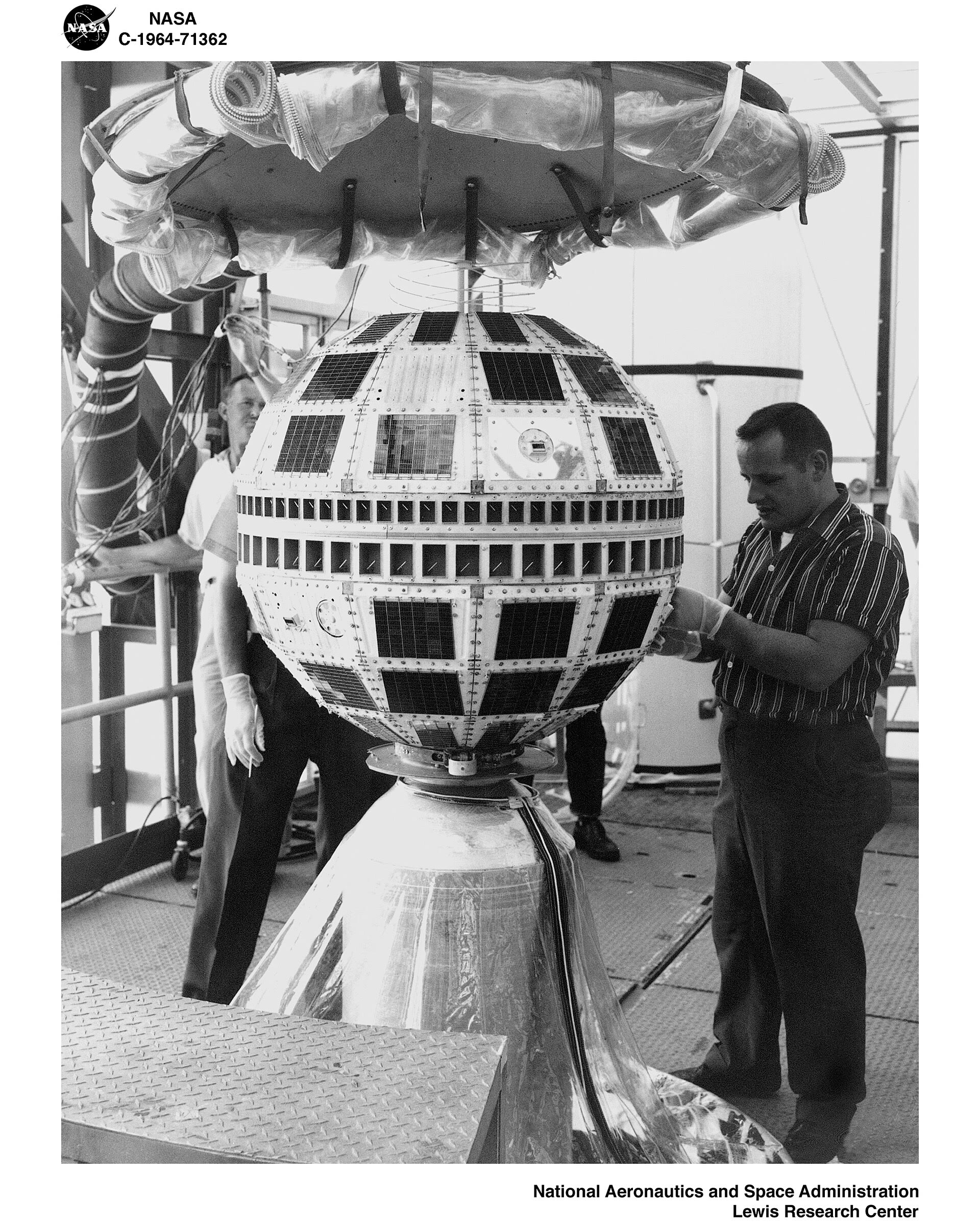
In August 1962 the U.S. Congress passed a law establishing a single private corporation, Comsat, to assume the U.S. role in international satellite communications. Comsat in turn helped found Intelsat, an international consortium that owned and operated commercial communications satellites, beginning with Early Bird, launched by NASA in 1965 and followed by hundreds more.
10. Colour Television
The first practical colour television system was developed under Peter Goldmark's direction at CBS Laboratories, and the first colour broadcast in history was made on 27 August 1940 from the CBS television transmitter in New York. Goldmark had been inspired by the lush colour of the film Gone with the Wind and decided that television could deliver colour images. The Goldmark system, sponsored by CBS, briefly became the standard in the United States in 1950 but was abandoned several years later in favour of a competing system developed by RCA.
Loughren directed Hazeltine Corporation's research on colour television, and his findings became part of the National Television System Committee's standards for colour television. That research produced the constant luminance principle, the shunted monochrome design of transmitter and receiver, and the concept that the colour television system was not sequential. These developments became basic features of the NTSC standards for colour television, which were adopted by the U.S. Federal Communications Commission in 1953 and are still in use. Although colour television was developed in the 1950s, it did not become common until the late 1960s in the United States, and the basic design stayed much the same until the late 1990s.
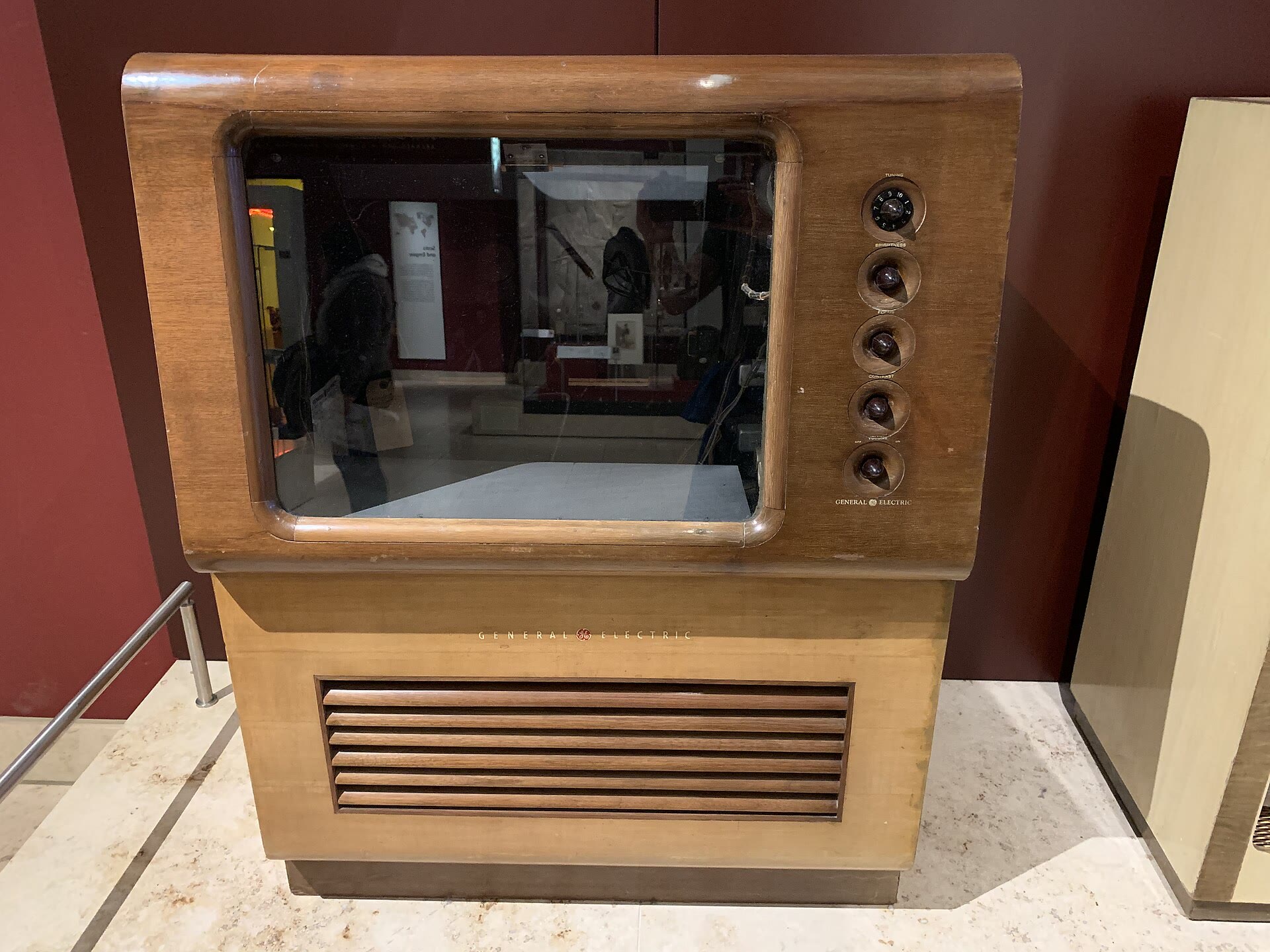
Regular colour television in Britain began when the Wimbledon Tennis Championships were shown on BBC Two in July 1967, making the BBC the first colour broadcaster in Europe. David Attenborough, Controller of BBC Two, announced that the channel would initially broadcast in colour about 5 hours a week, and by December 80% of programmes were in colour. The launch date was brought forward from December to July so the BBC could claim to be the first colour broadcaster in Europe, beating France, Germany and Holland. In Britain, with fewer than 5000 colour sets in circulation when the service began, the audience for colour was very small.
11. The Digital Transition
In 1996 Congress authorized the distribution of an additional broadcast channel to every full-power television station, so that each could launch a digital broadcast channel while continuing analog broadcasting. Congress set June 12 in 2009 as the deadline for full power television stations to stop broadcasting analog signals, and on that date the Nation's full-power television stations were to switch to all-digital programming, freeing airwaves for broadband and enhanced emergency communications. In February 2009 the president worked with Congress to postpone the deadline for television broadcasters to end their analog signals, because millions of Americans would have been left in the dark. By June 2009 the number of households unprepared for digital television had been cut in half, though some people were still not ready, and the president promised there would be no further delay and urged everyone who was not yet prepared to act so as not to lose important news and emergency information. Since June 13 in 2009 full-power television stations nationwide have been required to broadcast exclusively in a digital format.
12. Key Facts at a Glance
| Milestone | Date | Detail |
|---|---|---|
| First public demonstration | January 26, 1926 | London; Baird's Televisor 4John Logie Baird | Television Pioneer, Televisor, Mechanical Television · Encyclopaedia Britannica ↗ |
| First electronic camera patent filing | 1927 | Farnsworth's Image Dissector tube 6Farnsworth's Image Dissector · Engineering and Technology History Wiki (IEEE) ↗ |
| Iconoscope patent | filed 29 December 1923, issued 20 December 1938 | 8Iconoscope · Engineering and Technology History Wiki (IEEE) ↗ |
| First regular high-definition service | 2 November 1936 | BBC Television Service from Alexandra Palace, London 14Opening Night: November 1936 (The Birth of TV) · BBC History of the BBC ↗ |
| Systems alternating at launch | 1936 | 240-line Baird mechanical system and 405-line Marconi-EMI electronic system 15Abandoning the Baird System (The Birth of TV) · BBC History of the BBC ↗ |
| German pre-war service | 1935 | 180-line pictures 14 |
| US electronic television standards | spring 1941 | recommendations of the National Television System Committee 11Radio & TV | Digital Collections Blog · Duke University Libraries ↗ |
| US receivers at end of World War II | 1945 | fewer than 7,000 working television sets; nine stations on the air 11 |
| BBC television service return | 7 June 1946 | from Alexandra Palace 16Resurrection: 1946 (The Birth of TV) · BBC History of the BBC ↗ |
| UK combined radio-television licences by 1953 | 1953 | over two million households 17Two Coronations (The Birth of TV) · BBC History of the BBC ↗ |
| 1953 coronation coverage | 1953 | more than twenty cameras in multiple locations, against three in 1937 17 |
| First active communications satellite | July 10, 1962 | Telstar 1, launched from Cape Canaveral 19Telstar Opened Era of Global Satellite Television · NASA ↗ |
| Telstar 1 orbit | 1962 | 3,503-mile by 593-mile elliptical orbit 19 |
| First live television across an ocean | 11 July 1962 | via Telstar, to France and Britain 20First live television transmission from the US via Telstar satellite · BBC History of the BBC ↗ |
| Regular colour service in Britain | 1 July 1967 | BBC Two; about 5 hours a week initially 23First regular colour television programme Wimbledon · BBC History of the BBC ↗ |
| NTSC colour standards | 1953 | adopted by the U.S. Federal Communications Commission and still in use 22Arthur V. Loughren · Engineering and Technology History Wiki (IEEE) ↗ |
| US digital television transition | June 12, 2009 | deadline; digital-only requirement since June 13, 2009 24Digital Television · Federal Communications Commission ↗ |
13. Timeline: from the scanning disk to the digital transition
- 1884Nipkow's scanning diskThe German inventor Paul Nipkow received the first patent for a television-like machine, a system that broke pictures into pieces with a spinning scanning disk and reassembled them at a receiver.
- 1897The cathode ray tubeFerdinand Braun invented the cathode ray tube, an essential step in the invention of television; the first time the tube was used to produce images was in 1907.
- 29 December 1923Iconoscope patent applicationVladimir Zworykin filed a patent application for his Iconoscope camera tube; the patent was not issued until 20 December 1938.
- 1924Baird in outlineIn 1924 a young Scottish engineer, John Logie Baird, scanned and transmitted simple outline images using a beam of light through a rapidly spinning disc punched with holes.
- 26 January 1926The Televisor shown in publicBaird's invention, known as the Televisor, was shown to the public in London and is considered the first demonstration of television.
- 15 November 1926NBC formedThe National Broadcasting Company was formed under the auspices of RCA, beginning with two networks of 24 stations; by 1928 CBS had been introduced with 16 stations.
- 1927Image Dissector patent filingPhilo T. Farnsworth filed a patent for the Image Dissector, the camera tube of his all-electronic television system.
- September 1929BBC experimental broadcasts beginAfter the Post Office leaned on the BBC, a series of regular experimental television broadcasts using BBC transmitters began from the end of September.
- 2 November 1936The world's first regular serviceThe BBC's - and the world's - first regular high-definition television service started from Alexandra Palace, with 240-line Baird and 405-line Marconi-EMI systems alternating.
- February 1937Electronic wins in BritainThe BBC adopted the Marconi EMI electronic system exclusively, ending the alternation with Baird's mechanical system.
- 1939NBC at the World's FairThe National Broadcasting Corporation held its first broadcast at the 1939 World's Fair and the public was intrigued by the new medium.
- Spring 1941US standards adoptedOn the eve of World War II the National Television System Committee, created by the FCC, made recommendations for electronic television system standards, adopted in the spring of 1941.
- 7 June 1946Television returns after the warThe return of television to British screens on 7 June 1946 represented a considerable victory, and Jasmine Bligh greeted viewers on the steps of Alexandra Palace.
- 2 June 1953The Coronation makes televisionCoverage of the Coronation of Queen Elizabeth II brought television into the mainstream, with more than twenty BBC cameras and over two million households holding the combined radio and television licence.
- 10 July 1962Telstar opens satellite televisionNASA launched AT&T's Telstar, the world's first active communications satellite, from Cape Canaveral; within 30 minutes it had relayed television across an ocean for the first time.
- 1 July 1967Colour comes to BritainThe Wimbledon Tennis Championships shown on BBC Two began regular colour television in Britain, making the BBC the first colour broadcaster in Europe.
- 12 June 2009US analog shutdownFull-power television stations in the United States switched to all-digital programming on June 12, 2009, freeing airwaves for broadband and emergency communications.
References (25)
- 1Television — Engineering and Technology History Wiki (IEEE) WebView source
- 2Early experiments: 1924-1929 (The Birth of TV) — BBC History of the BBC 1924 WebView source
- 3John Logie Baird — Engineering and Technology History Wiki (IEEE) WebView source
- 4John Logie Baird | Television Pioneer, Televisor, Mechanical Television — Encyclopaedia Britannica Web↩View source
- 5Philo T. Farnsworth — Engineering and Technology History Wiki (IEEE) WebView source
- 6Farnsworth's Image Dissector — Engineering and Technology History Wiki (IEEE) Web↩View source
- 7Vladimir Zworykin — Engineering and Technology History Wiki (IEEE) WebView source
- 8Iconoscope — Engineering and Technology History Wiki (IEEE) Web↩View source
- 9RCA TV Development: 1929 - 1949 (AWA Review) — Early Television Museum 1929 WebView source
- 10David Sarnoff — Engineering and Technology History Wiki (IEEE) WebView source
- 11Radio & TV | Digital Collections Blog — Duke University Libraries Web↩View source
- 12The BBC steps in: 1929-1935 (The Birth of TV) — BBC History of the BBC 1929 WebView source
- 13A new service: 1935-36 (The Birth of TV) — BBC History of the BBC 1935 WebView source
- 14Opening Night: November 1936 (The Birth of TV) — BBC History of the BBC 1936 Web↩View source
- 15Abandoning the Baird System (The Birth of TV) — BBC History of the BBC Web↩View source
- 16Resurrection: 1946 (The Birth of TV) — BBC History of the BBC 1946 Web↩View source
- 17Two Coronations (The Birth of TV) — BBC History of the BBC Web↩View source
- 18NASA Launches Telstar — Engineering and Technology History Wiki (IEEE) WebView source
- 19Telstar Opened Era of Global Satellite Television — NASA Web↩View source
- 20First live television transmission from the US via Telstar satellite — BBC History of the BBC Web↩View source
- 21Peter Goldmark — Engineering and Technology History Wiki (IEEE) WebView source
- 22Arthur V. Loughren — Engineering and Technology History Wiki (IEEE) Web↩View source
- 23First regular colour television programme Wimbledon — BBC History of the BBC Web↩View source
- 24Digital Television — Federal Communications Commission Web↩View source
- 25Statement on the Transition to Digital Television Programming, June 4, 2009 — U.S. Government Publishing Office (DCPD-200900437) 2009 BookView source