Elizabeth II
The life and seventy-year reign of Queen Elizabeth II, from her birth in Mayfair in 1926 and the abdication crisis that made her heir, through the wartime years, her marriage and coronation, her constitutional role and the Commonwealth, to her death at Balmoral in 2022 and the state funeral at Westminster Abbey.
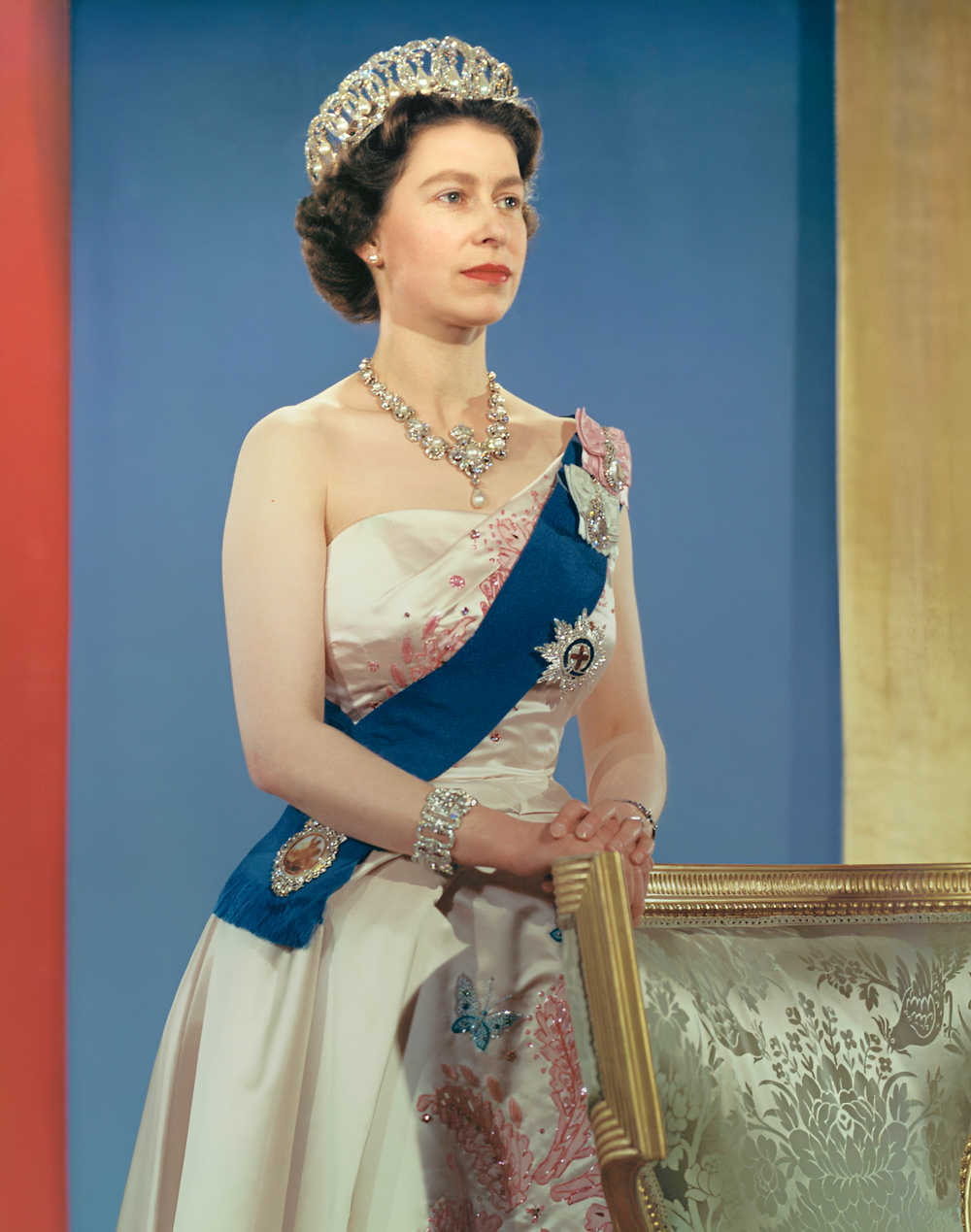
Elizabeth II was queen of the United Kingdom and its other realms from 6 February 1952 until her death at Balmoral on 8 September 2022, a reign of seventy years and 214 days and the longest in British history. She came to the throne at twenty-five when her father, George VI, died during a Commonwealth tour, and was crowned at Westminster Abbey on 2 June 1953 in the first coronation to be televised. Her reign spanned the transition from empire to Commonwealth, fifteen British prime ministers and a sequence of jubilees, and ended with ten days of national mourning and a state funeral at the Abbey where she had married and been crowned.
In this article
- 1Overview
- 2Early Life and Family
- 3Education and Upbringing
- 4Accession to the Throne
- 5War Years
- 6Marriage and Children
- 7Death of George VI and Proclamation
- 8Coronation
- 9Constitutional Role and Commonwealth
- 10Travels and State Visits
- 11Jubilees and Public Life
- 12Difficult Years
- 13Death, Funeral and Burial
- 14Key Facts
- 15Timeline: from her birth in 1926 to the state funeral in 2022
- 16Knowledge graph
Overview
Elizabeth II was queen of the United Kingdom and its other realms from 6 February 1952 until her death at Balmoral on 8 September 2022. Her reign lasted 70 years and 214 days, the longest in British history. She was succeeded by Charles III, who became head of state in 15 Commonwealth realms including the United Kingdom. In her reign she had fifteen prime ministers, from Winston Churchill to Liz Truss.
1. Early Life and Family
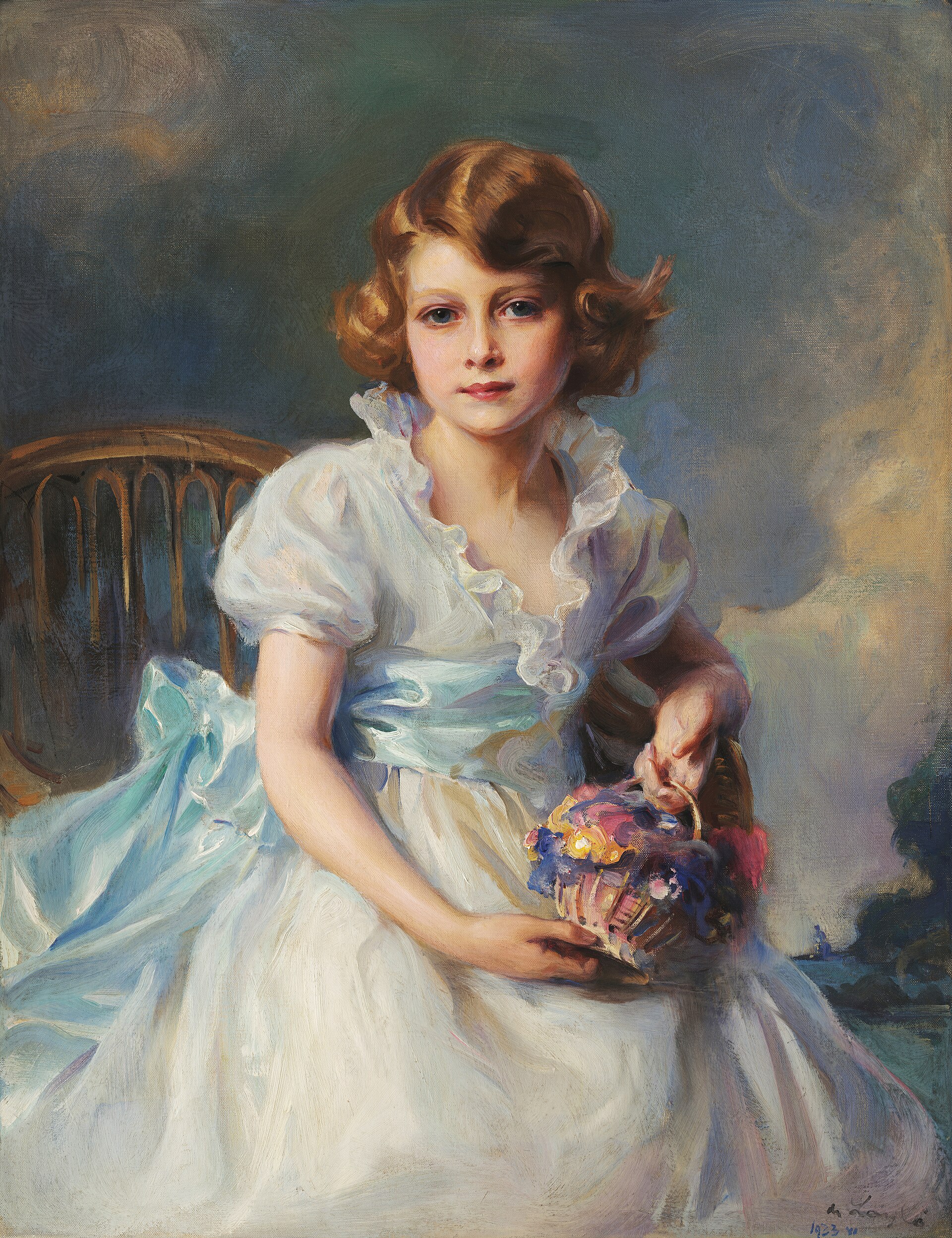
Elizabeth Alexandra Mary was born on 21 April 1926 at 17 Bruton Street in London, the first child of the Duke and Duchess of York. At birth she stood third in line to the throne, and the prospect of her ever becoming queen seemed remote. In 1927 the family moved into its first permanent London home at 145 Piccadilly. Her sister Margaret Rose was born at Glamis Castle in August 1930 and was at first too young to be a playmate. Known within the family as Lilibet, she became heir to the throne at the age of ten.
2. Education and Upbringing
Her first full-time governess was Marion Crawford, a Scot appointed to teach her when she was seven.
Constitutional history and law were taught twice a week by Henry Marten, then vice-provost of Eton College.
A Girl Guide company was formed at Buckingham Palace, and Elizabeth became second-in-command of the Kingfisher patrol.
3. Accession to the Throne
Because her father was a younger son of King George V, her path to the throne opened only with Edward VIII's abdication. George V died on 20 January 1936 and her uncle David became King Edward VIII. Edward VIII signed the abdication papers on 10 December 1936 and his brother Bertie became George VI. She was named heiress presumptive, since only the birth of a brother could have displaced her. Her father was crowned on 12 May 1937 on the date originally fixed for Edward VIII.
4. War Years
She and Princess Margaret spent much of the war at Windsor Castle after their parents rejected evacuating them to Canada. On 13 October 1940 she gave her first broadcast, speaking in Children's Hour to children separated from their homes. Her father made her honorary colonel of the Grenadier Guards, and she inspected the regiment on her birthday. On her eighteenth birthday she became a counsellor of state, able to carry out state business if required.
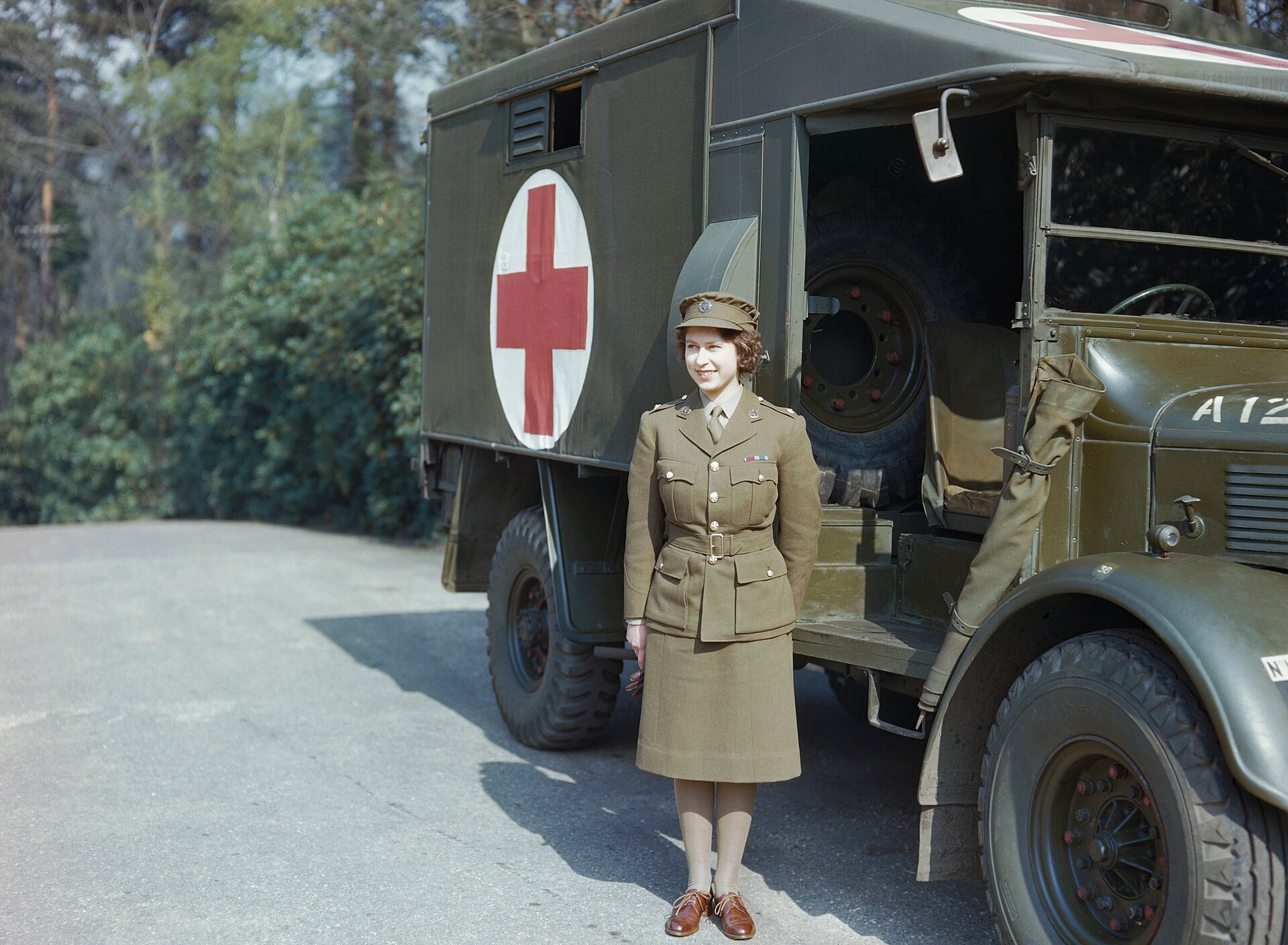
At eighteen she was appointed an honorary second subaltern in the Auxiliary Territorial Service. By joining it she became the first woman in the royal family to serve in the armed forces in wartime. She trained as a driver and mechanic, and in July 1945 she was made an honorary junior commander in the ATS. On VE Day the princesses were allowed to join the celebrating crowds, and again on VJ Day in August.
5. Marriage and Children
Her engagement to Lieutenant Philip Mountbatten was announced in July 1947 after he renounced his place in the Greek and Danish royal families. On 20 November 1947 she married him, a Royal Navy officer and her distant cousin, in Westminster Abbey. She was the tenth royal bride to be married there. On the eve of the wedding the King created Philip Duke of Edinburgh, Earl of Merioneth and Baron Greenwich. Because of postwar austerity very little extra seating was provided, and about 2,000 guests attended. Her wedding dress, designed by Norman Hartnell, was of ivory silk decorated with 10,000 pearls, and only the wedding procession was filmed.
In November 1948 their first child, Charles Philip Arthur George, was born at Buckingham Palace, and in August 1950 their second child and only daughter, Princess Anne, was born at Clarence House. Prince Andrew was born in 1960 and Prince Edward in 1964 to complete a family of four children. In 1960 she created the hyphenated surname Mountbatten-Windsor for descendants not styled prince or princess. The couple had eight grandchildren and, at her death, twelve great-grandchildren.
6. Death of George VI and Proclamation
George VI died in his sleep at Sandringham in the early hours of 6 February 1952, and Elizabeth was proclaimed sovereign throughout her realms. After a night watching wildlife from Treetops she learned of her father's death at Sagana Lodge in Kenya, and she was the first sovereign since George I in 1714 to be outside the realm when succeeding to the Crown. Aged 25 she made her accession declaration to the Privy Council at St James's Palace two days after her father died. Around 300 privy counsellors were summoned to St James's Palace for the Accession Council held that same evening, and after she returned from Kenya on 7 February the second part of the council met the next morning. The accession proclamation was read by Garter King of Arms Sir George Bellew at Friary Court.
7. Coronation
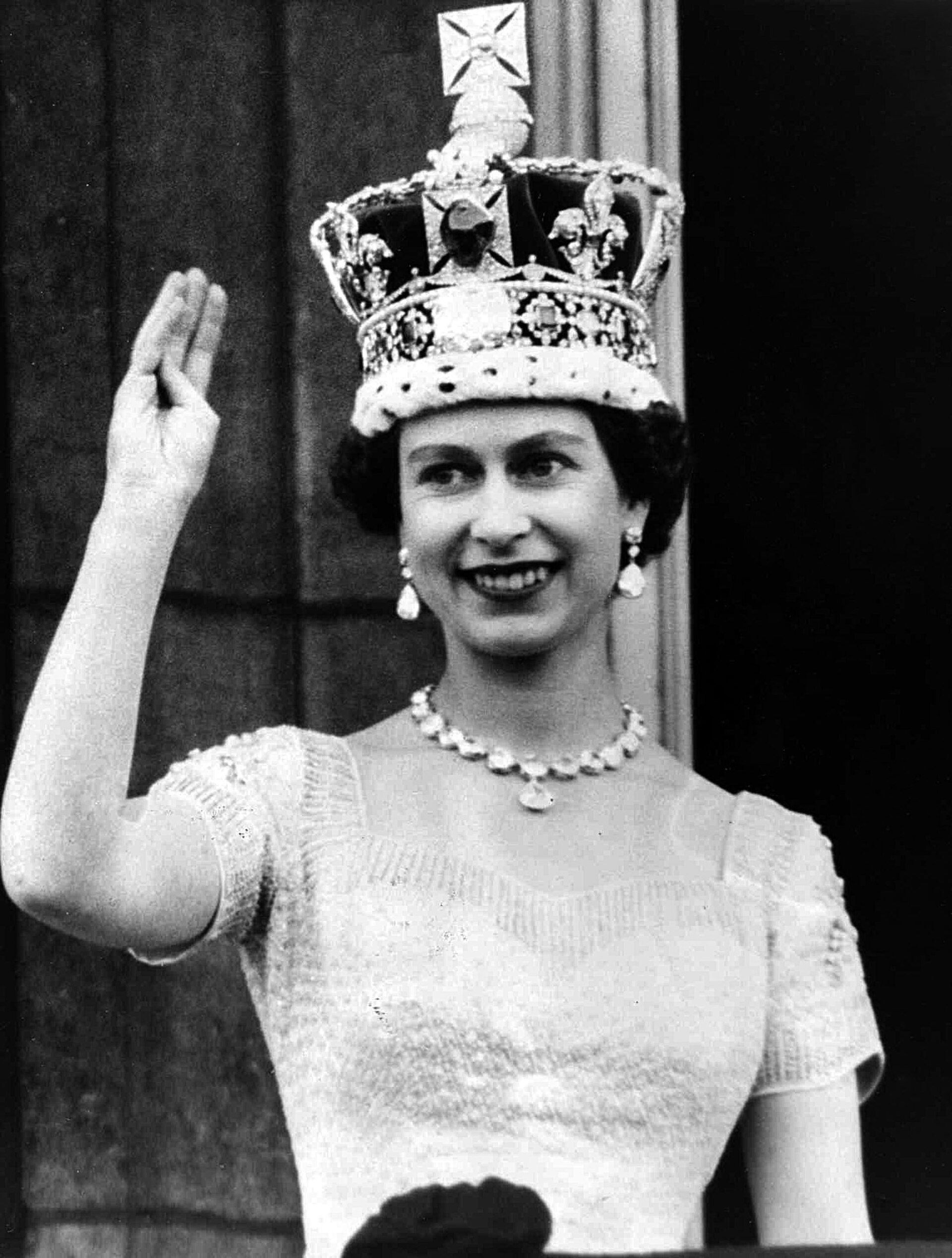
The coronation took place on Tuesday 2 June 1953 at Westminster Abbey, with all arrangements made by the Earl Marshal and his Coronation Committee. A 200-strong labour force built the coronation theatre and tiered seating for 8,251 guests. Representatives of 129 nations and territories attended, and the ceremony was the first coronation to be televised. It was watched by 27 million people in the United Kingdom and heard on radio by another 11 million. About 30,000 service personnel took part in the coronation procession, including 16,100 from the Army.
The service was conducted in six parts, and the sovereign sat in St Edward's Chair, made in 1300 for Edward I. At 12.34pm she was crowned in the Coronation Chair with St Edward's Crown.
8. Constitutional Role and Commonwealth
As head of state she opened parliamentary sessions, formally appointed prime ministers and represented the country abroad. In November 1952 she carried out her first state opening of Parliament after moving to Buckingham Palace.
The Commonwealth she headed is a voluntary association of 56 independent and equal countries home to about 2.7 billion people. The role of Head of the Commonwealth is symbolic, has no fixed term and is not hereditary, with future heads chosen by Commonwealth leaders. The London Declaration of 1949 marked the beginning of the modern Commonwealth, with members as free and equal partners. Thirty-three of the world's forty-two small states are Commonwealth members, each with a population of 1.5 million or less. Between 1971 and 2018 she missed only one Heads of Government Meeting.
9. Travels and State Visits
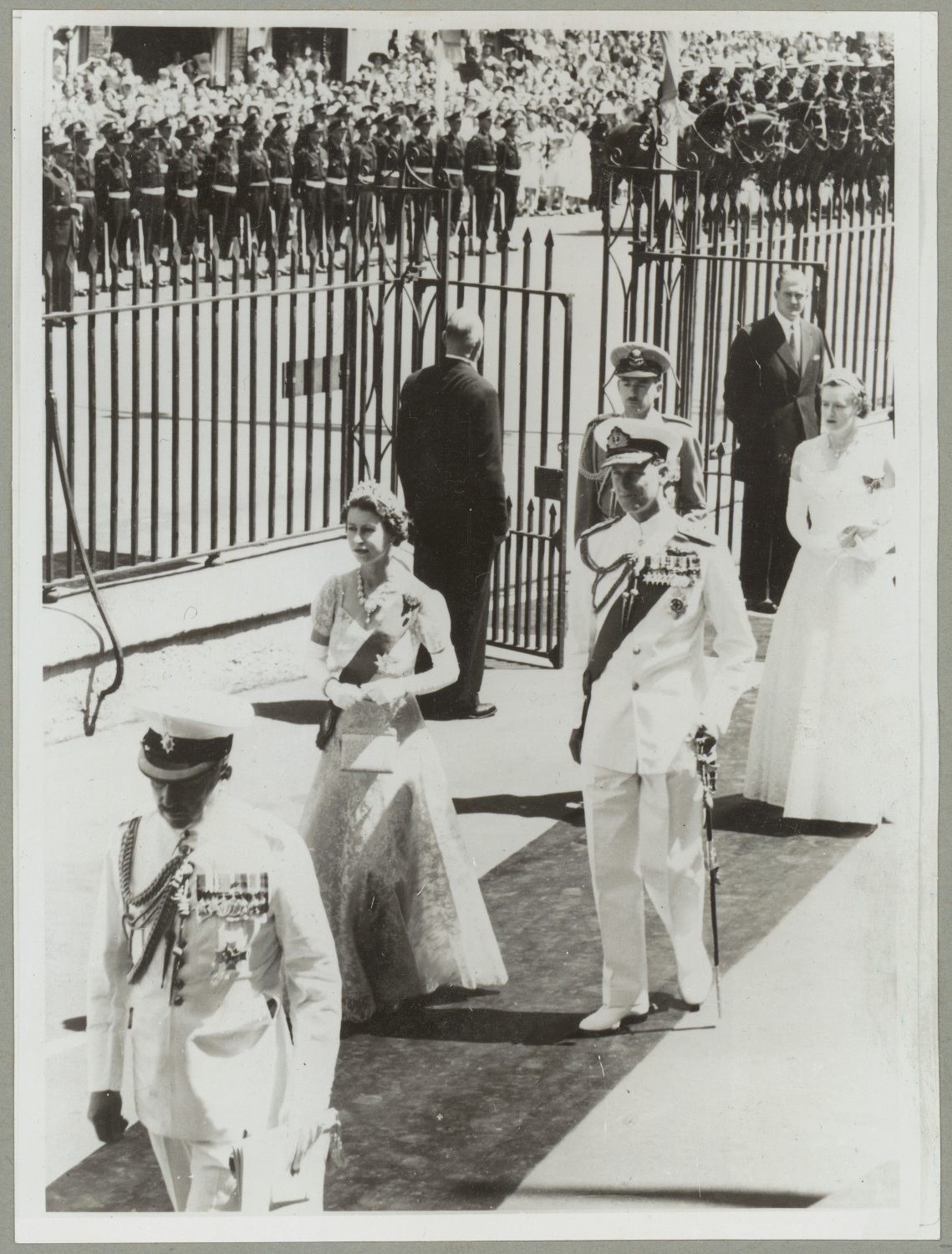
From November 1953 the Queen and the Duke made a six-month tour of the Commonwealth, the first by a reigning monarch to Australia and New Zealand. Their arrival in Cape Town marked the first time a reigning British monarch had set foot in South Africa. She made the first royal British tour of the Indian subcontinent in fifty years and was the first reigning monarch to visit South America. She visited more than 100 countries, often accompanied by the Duke of Edinburgh. In May 2011 she became the first British monarch to visit the Irish republic, and the first to set foot in Ireland since 1911.
10. Jubilees and Public Life
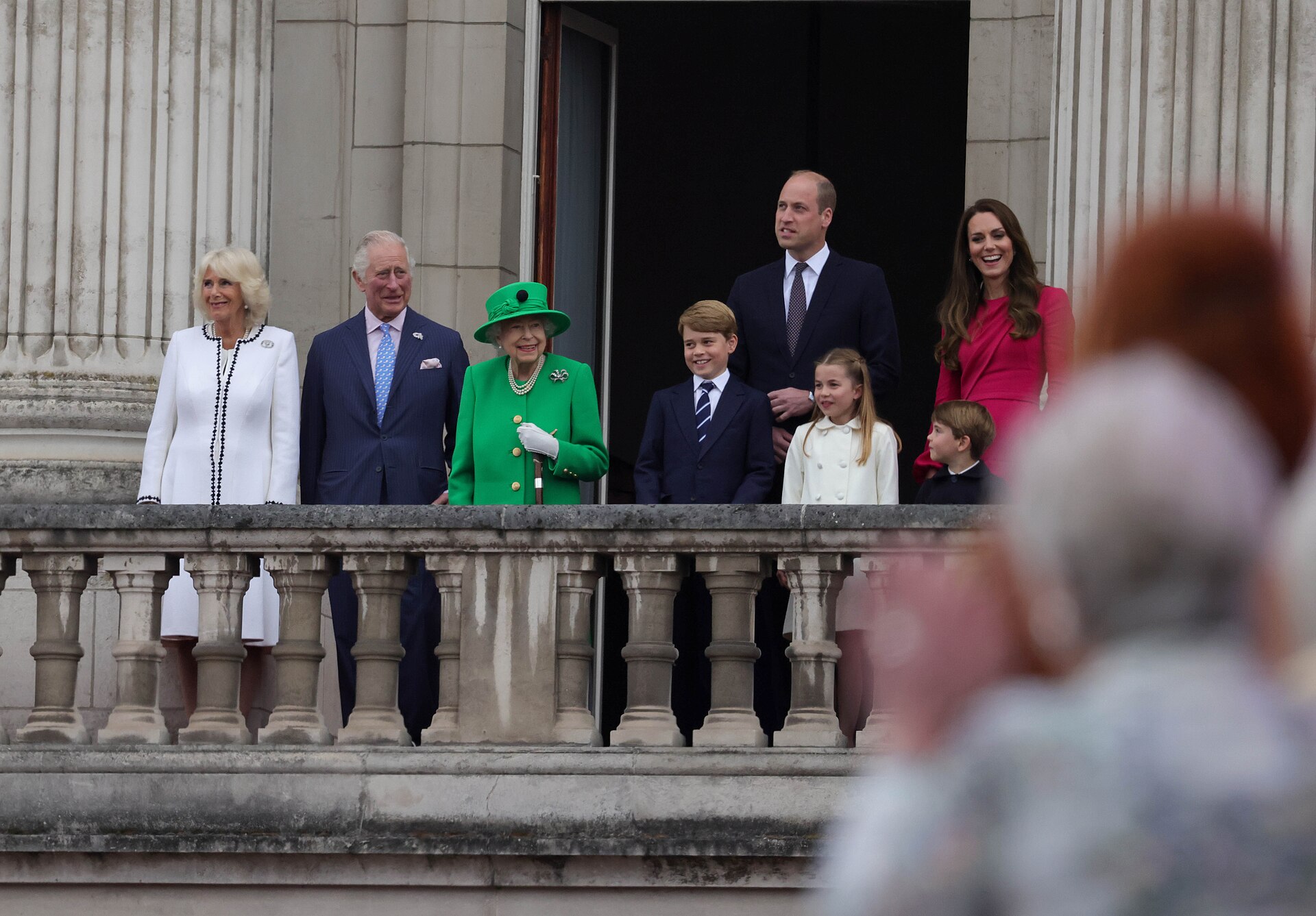
In 1977 she celebrated her Silver Jubilee to mark twenty-five years on the throne. In 2002 she marked fifty years on the throne by visiting seventy cities and towns across Britain over thirty-eight days. Her Diamond Jubilee in 2012 was marked by a special Gazette supplement carrying addresses from parliament and privileged bodies. On 9 September 2015 she surpassed Queen Victoria's record and became the longest-reigning monarch in British history, and in 2022 she became the first sovereign to celebrate a Platinum Jubilee, marking seventy years on the throne.
11. Difficult Years
Elizabeth called 1992 her annus horribilis, a year in which two of her children's marriages broke down. Princess Anne divorced, and a fire gutted the royal residence at Windsor Castle. As the country struggled with recession she agreed to pay taxes on her private income, although personally exempt. After Diana's death in 1997 the Queen drew criticism for appearing reluctant to respond publicly, and Diana's funeral service took place at the Abbey before burial at her family home at Althorp. The Sovereign Grant Act came into force in April 2012 and sets how the grant paid by the Treasury is calculated.
12. Death, Funeral and Burial
Elizabeth died at Balmoral Castle on the afternoon of 8 September 2022, and Charles succeeded to the Crown. A period of national mourning ran from 8 September until the State Funeral on 19 September, and flags on royal residences, government buildings and military establishments were half-masted after her death.
Her state funeral was the first at the Abbey for a reigning monarch since George II. Before the funeral the Abbey's tenor bell tolled once a minute for 96 minutes, one for each year of her life, and the congregation of about two thousand included heads of state, governors-general and realm prime ministers.
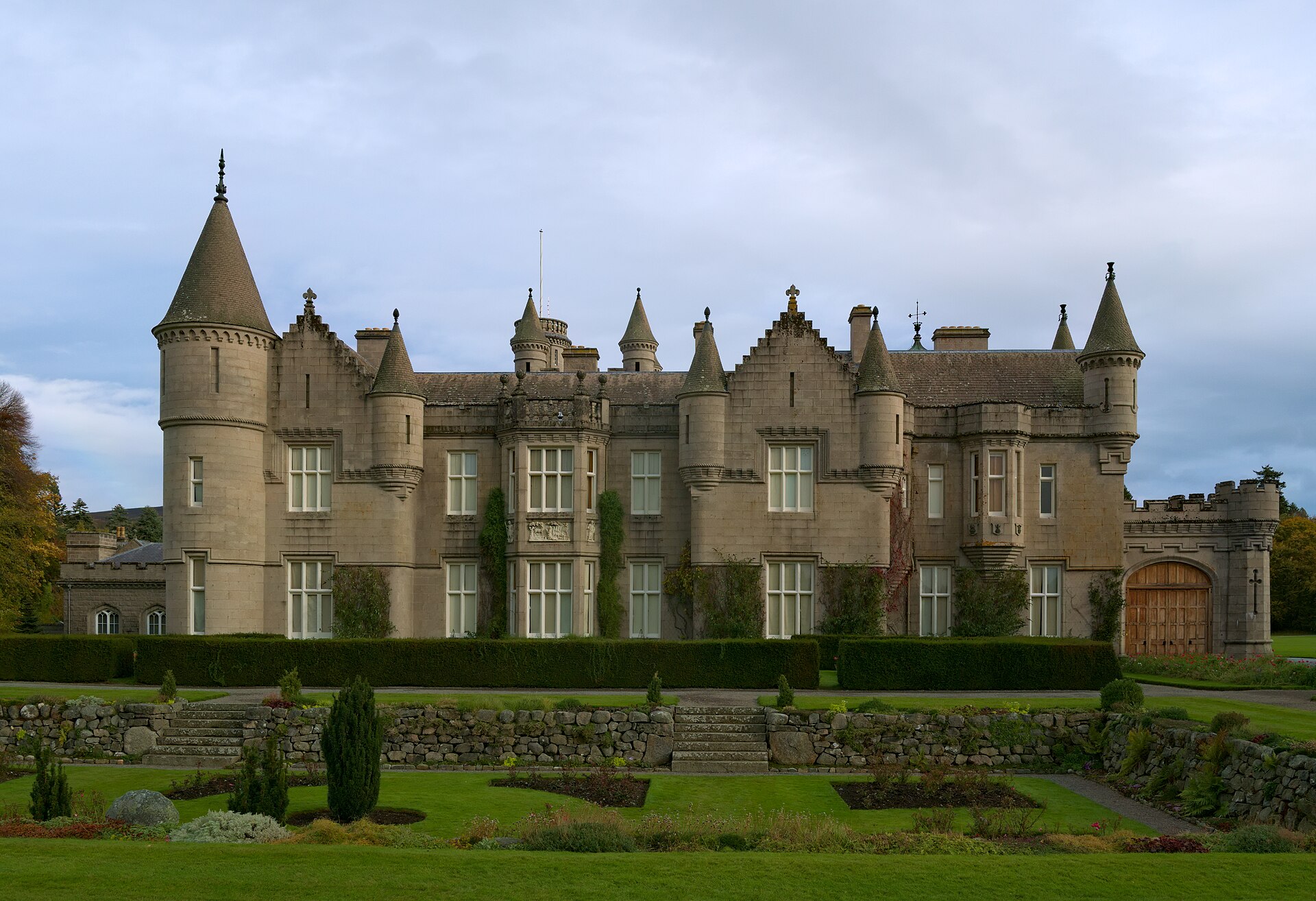
She was laid to rest in the vault that held Prince Philip, her parents George VI and Queen Elizabeth, and her sister Margaret. That evening she was buried at a private family service in St George's Chapel beside the Duke of Edinburgh.
13. Key Facts
| Born | 21 April 1926, 17 Bruton Street, London |
| Died | 8 September 2022, Balmoral Castle |
| Reign | 6 February 1952 – 8 September 2022 |
| Reign length | 70 years and 214 days |
| Coronation | 2 June 1953, Westminster Abbey |
| Age at accession | 25 |
| Spouse | Philip, Duke of Edinburgh (married 20 November 1947) |
| Children | Charles, Anne, Andrew and Edward |
| Predecessor | George VI |
| Successor | Charles III |
| House | House of Windsor |
| Burial place | St George's Chapel, Windsor Castle |
14. Timeline: from her birth in 1926 to the state funeral in 2022
- 21 April 1926Birth of Princess ElizabethElizabeth Alexandra Mary, elder daughter of the Duke and Duchess of York, was born at 17 Bruton Street in London and stood third in line to the throne.
- 10 December 1936Abdication of Edward VIIIEdward VIII signed the abdication papers, his brother became George VI, and the ten-year-old princess became heir presumptive.
- 24 February 1945Joins the Auxiliary Territorial ServiceAt eighteen she was appointed an honorary second subaltern in the ATS, trained as a driver and mechanic and passed out as a qualified driver.
- 20 November 1947Marriage to Philip MountbattenPrincess Elizabeth married Lieutenant Philip Mountbatten at Westminster Abbey before about 2,000 guests in an austerity Britain still under rationing.
- 6 February 1952Accession to the throneGeorge VI died in his sleep at Sandringham while Elizabeth was in Kenya, and she returned at once as queen.
- 2 June 1953Coronation at Westminster AbbeyElizabeth II was crowned in the Coronation Chair before 8,251 guests, in the first coronation to be televised.
- June 1977Silver JubileeShe marked twenty-five years on the throne, and the Silver Jubilee and Birthday honours were announced in June 1977.
- 1992The annus horribilisTwo of her children's marriages broke down, Princess Anne divorced and a fire gutted Windsor Castle.
- 1997Death of Diana, Princess of WalesDiana died in a car accident in Paris, the Queen faced public criticism over her response, and the funeral was held at Westminster Abbey before burial at Althorp.
- 2002Golden JubileeTo mark fifty years on the throne she visited seventy cities and towns in Britain and fifty counties over thirty-eight days.
- May 2011State visit to IrelandShe became the first British monarch to visit the Irish republic and the first to set foot in Ireland since 1911.
- June 2012Diamond JubileeA special supplement of The London Gazette printed the addresses given to the Queen for her Diamond Jubilee.
- 9 September 2015Longest-reigning British monarchShe surpassed Queen Victoria's record and became the longest-reigning monarch in British history.
- 6 February 2022Platinum Jubilee anniversaryThe seventieth anniversary of her accession was marked by a commemorative medal, the seventh in the succession series.
- 8 September 2022Death at BalmoralThe Queen died at Balmoral aged 96 after seventy years on the throne, and Charles succeeded as King Charles III.
- 19 September 2022State funeral at Westminster AbbeyThe state funeral was held at the Abbey, followed by burial at St George's Chapel, Windsor, beside Prince Philip.
References (16)
- 1Elizabeth II — Encyclopaedia Britannica ArchiveView source
- 2The State Funeral of HM Queen Elizabeth II — Westminster Abbey WebView source
- 3Queen Elizabeth II has died — BBC News WebView source
- 4The early life of Princess Elizabeth: from birth to accession as Elizabeth II — The Gazette (The Stationery Office) WebView source
- 5Queen Elizabeth II - In Memoriam — The Gazette (The Stationery Office) WebView source
- 6Elizabeth II — Westminster Abbey WebView source
- 7Succession to the Crown: Queen Elizabeth II — The Gazette (The Stationery Office) WebView source
- 8This month in history: The coronation of Queen Elizabeth II — The Gazette (The Stationery Office) WebView source
- 9About us — Commonwealth Secretariat WebView source
- 10Member countries — Commonwealth Secretariat WebView source
- 11Her Late Majesty Queen Elizabeth II — Commonwealth Secretariat WebView source
- 12Tribute to Queen Elizabeth II — Governor General of Canada WebView source
- 13A history of royal burials and funerals — Westminster Abbey WebView source
- 14Royal Household spending and accountability — National Audit Office WebView source
- 15The Demise of Her Majesty Queen Elizabeth II: National Mourning Guidance — GOV.UK (Cabinet Office) WebView source
- 16Queen Elizabeth II's funeral: As it happened — BBC Newsround WebView source
 Galileo Galilei
 Gravity
 Antarctica