Diana, Princess of Wales
The life of Diana, Princess of Wales, from her birth at Sandringham in 1961 and her marriage into the royal family to her humanitarian work, her death in Paris in 1997 and the memorials that carry her name.
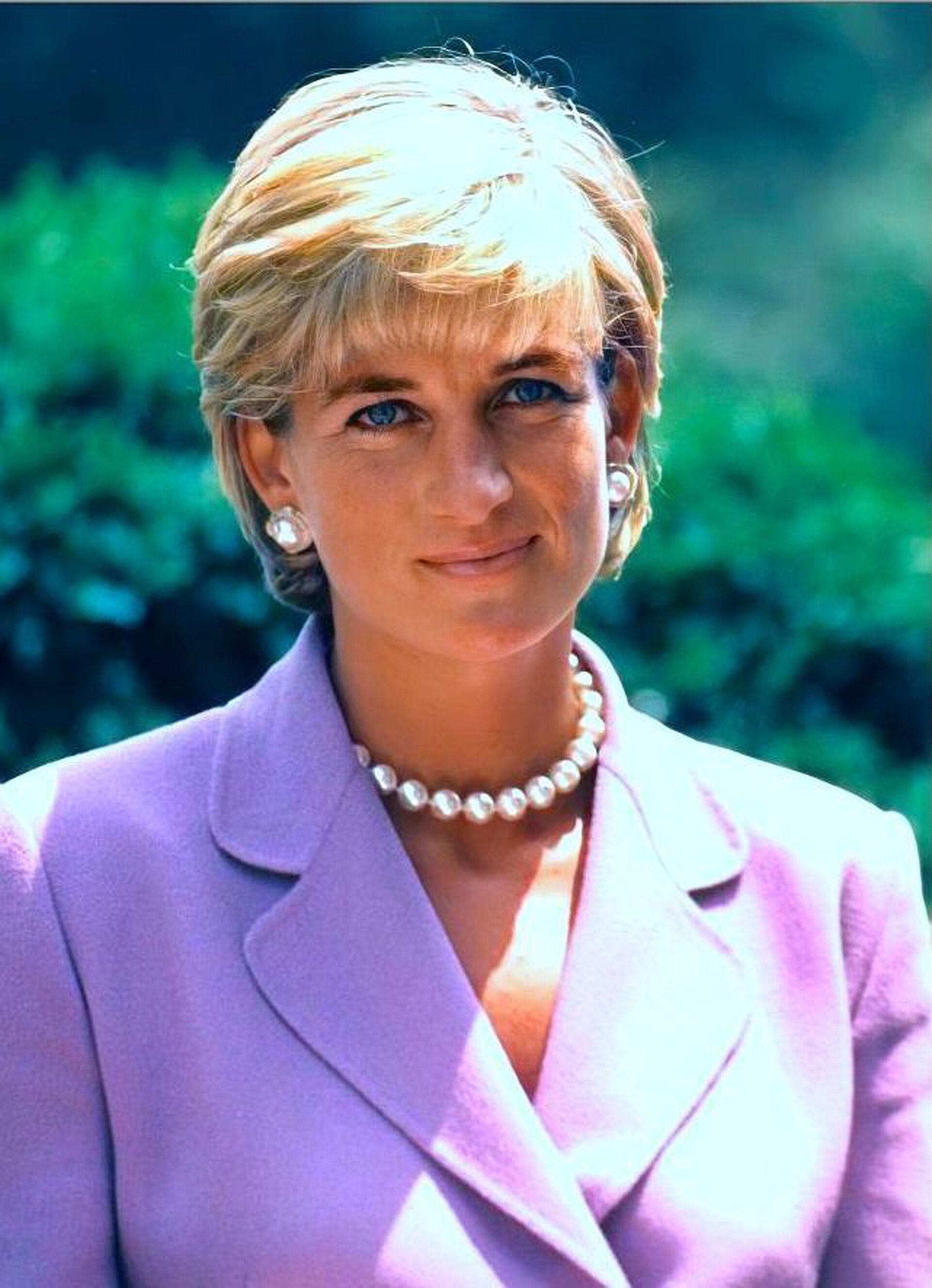
Diana, Princess of Wales, was born Diana Frances Spencer on 1 July 1961 into the British nobility and married Charles, prince of Wales, in 1981 in a ceremony watched around the world. She became one of the most photographed women of her era, using her public profile for charitable causes that ranged from AIDS awareness and homelessness to a campaign against anti-personnel land mines. After her divorce in 1996 she retained her title and much of her public work until her death in a car crash in Paris on 31 August 1997, which was followed by an exceptional period of national mourning and a funeral at Westminster Abbey.
In this article
- 1Overview
- 2Early Life and Family
- 3Engagement and Marriage
- 4Children and Public Role
- 5Charitable Work
- 6Landmine Campaign
- 7Separation and Divorce
- 8Death
- 9Funeral and Burial
- 10Legacy and Memorials
- 11Key Dates
- 12Timeline: from a 1961 birth at Sandringham to the 1997 funeral at Westminster Abbey
- 13Frequently asked questions
- 14Knowledge graph
Overview
Diana Frances Spencer was born on 1 July 1961 at Sandringham in Norfolk, England. She died on 31 August 1997 in Paris, France. She was the first Englishwoman to marry an heir to the throne for 300 years.
1. Early Life and Family
Diana was born at Park House on the Sandringham estate, the third child and youngest daughter of Edward John Spencer, Viscount Althorp, later the 8th Earl Spencer, and Frances Ruth Burke Roche, daughter of the 4th Baron Fermoy. Her childhood playmates included the queen's younger sons.
Her parents married in 1954 at Westminster Abbey, with the Queen as chief guest at a ceremony counted among the social events of the year. The marriage ended in divorce when Diana was a child, and she remained with her father along with her brother and two sisters.
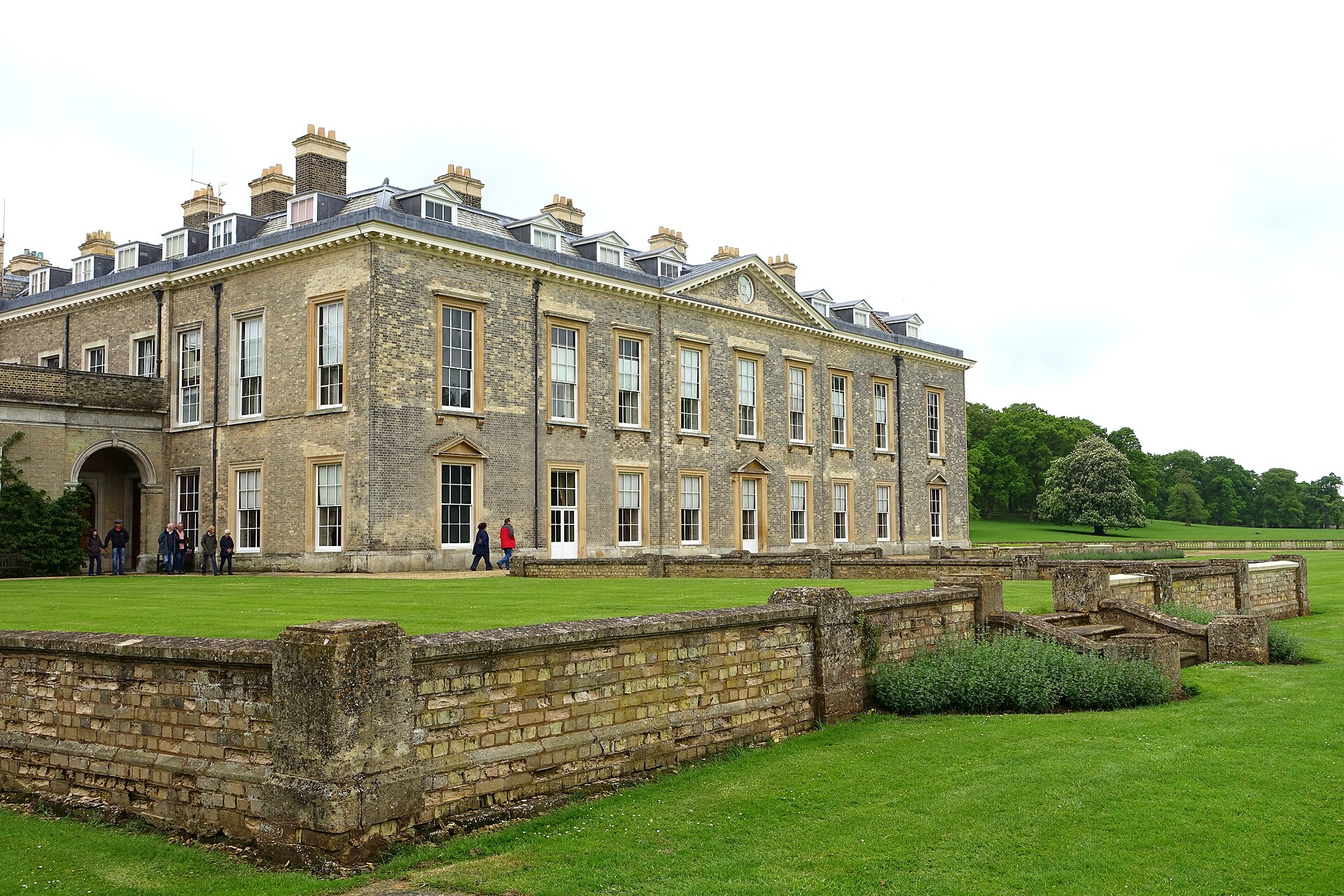
In 1975 the family moved to the Spencer seat at Althorp, a stately house dating from 1508 in the English Midlands.
Riddlesworth Hall near Thetford in Norfolk and West Heath School near Sevenoaks in Kent provided her schooling. At West Heath she excelled at sport, particularly swimming, but she failed all her O levels. After a finishing school at Chateau d'Oex in Switzerland she returned to England and became a kindergarten assistant at the Young England school in Pimlico.
2. Engagement and Marriage
As her friendship with the Prince of Wales grew more serious during 1980 the press and television besieged her, and the engagement was announced on 24 February 1981. Her beauty and shy demeanour earned her the nickname Shy Di.
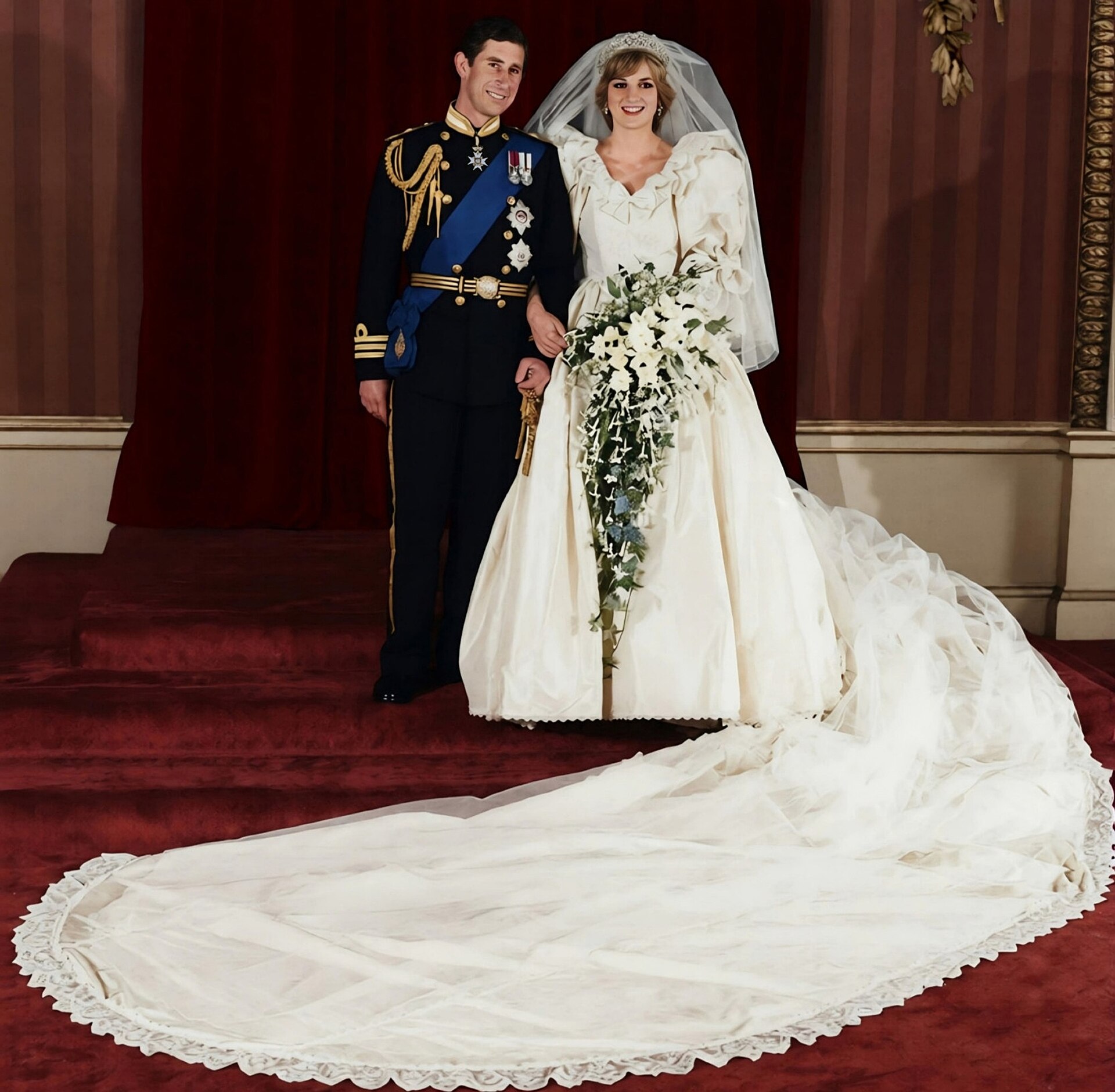
They were married at St Paul's Cathedral on 29 July 1981 in a ceremony that drew a global television and radio audience estimated at around 1,000 million people. The Prince was 13 years older than Diana, and the couple appeared to have little in common.
3. Children and Public Role
Diana's public role extended to her children, Prince William, born on 21 June 1982, and Prince Henry, known as Harry, born on 15 September 1984, the second of two sons. Rather than being taught by private tutors, the boys attended school alongside other children.
Royal walkabouts were not a new practice, but Diana brought to them a spontaneity that charmed almost everyone she met. Through this she pioneered a refreshingly modern image for the royal family, and her popularity earned her the title of the people's princess.
4. Charitable Work
Diana's charitable commitments extended well beyond a single cause. She helped raise awareness about AIDS, and simple gestures such as shaking hands with AIDS patients proved to the public that social contact with sufferers was risk-free. She was one of the first high profile figures in the world to be photographed shaking hands with an AIDS sufferer, during a visit to America. The Princess made regular visits to Great Ormond Street Children's Hospital in London, of which she was president.
When divorce proceedings led her to sever official links with her charities, she wrote personally to all the charities she dropped, explaining that she could not provide the level of commitment they deserved.
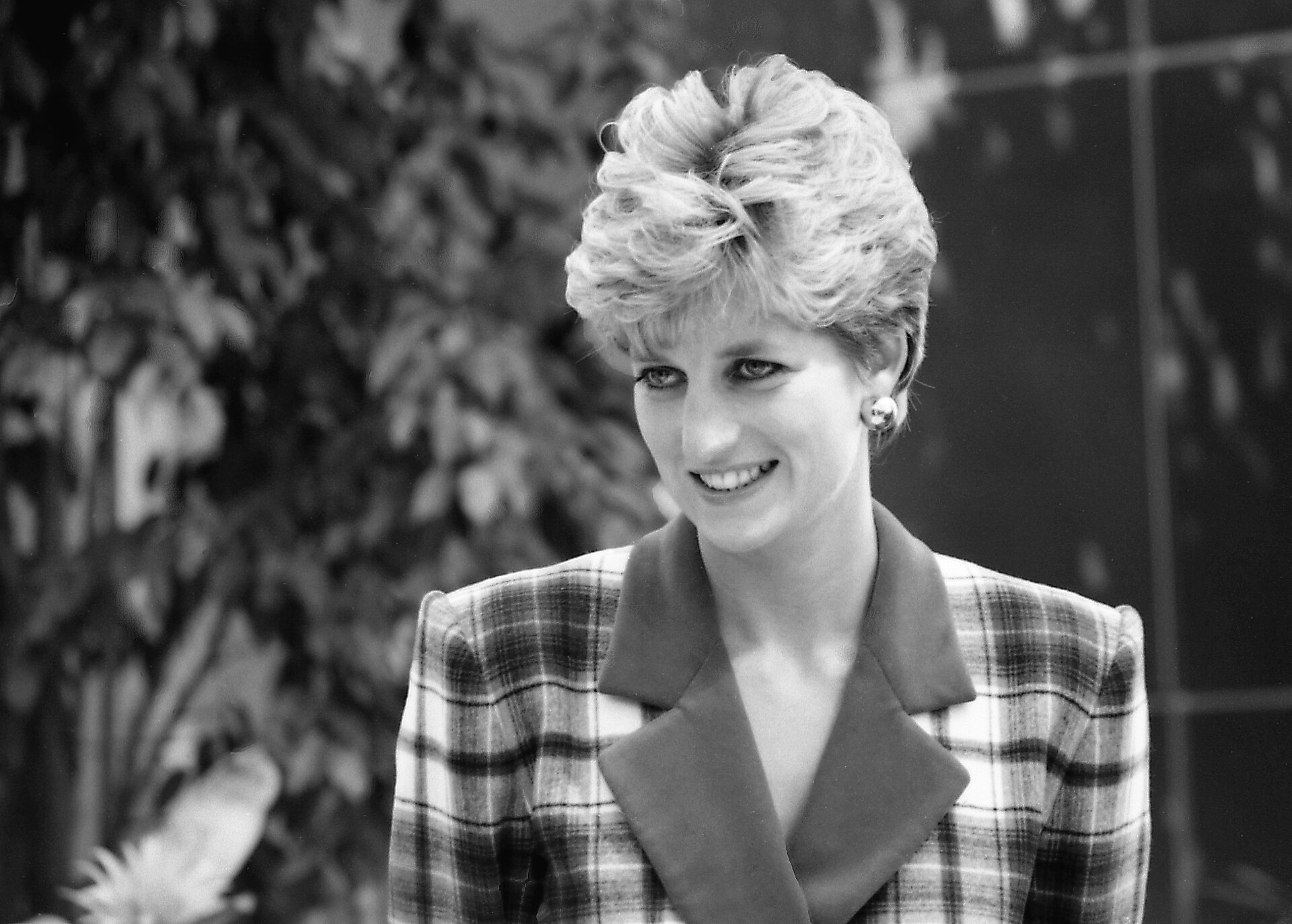
On a visit to Indonesia in 1989 she was praised for publicly shaking hands with lepers, dispelling widely held myths about the disease. English National Ballet said she worked tirelessly with the company after she became patron in 1989 and was one of its staunchest allies.
5. Landmine Campaign
Diana, Princess of Wales became a leading campaigner against the use of landmines, and in 1997 the issue shot to international prominence when she walked through a minefield during a visit to HALO in Angola. She had already been involved with the International Committee of the Red Cross on the issue before the British government declared its ban. Robin Cook briefed her on the Angola visit and said she showed a depth of understanding and huge bravery.
In June 1997 she spoke at a landmines conference at the Royal Geographical Society in London and then visited Washington to promote the American Red Cross landmines campaign. She used her popularity to focus the attention of the world's news media on the issue. Lord Steel told the BBC that many had pursued the cause for years before Diana took it up and made it headline news. She faced criticism for being too political.
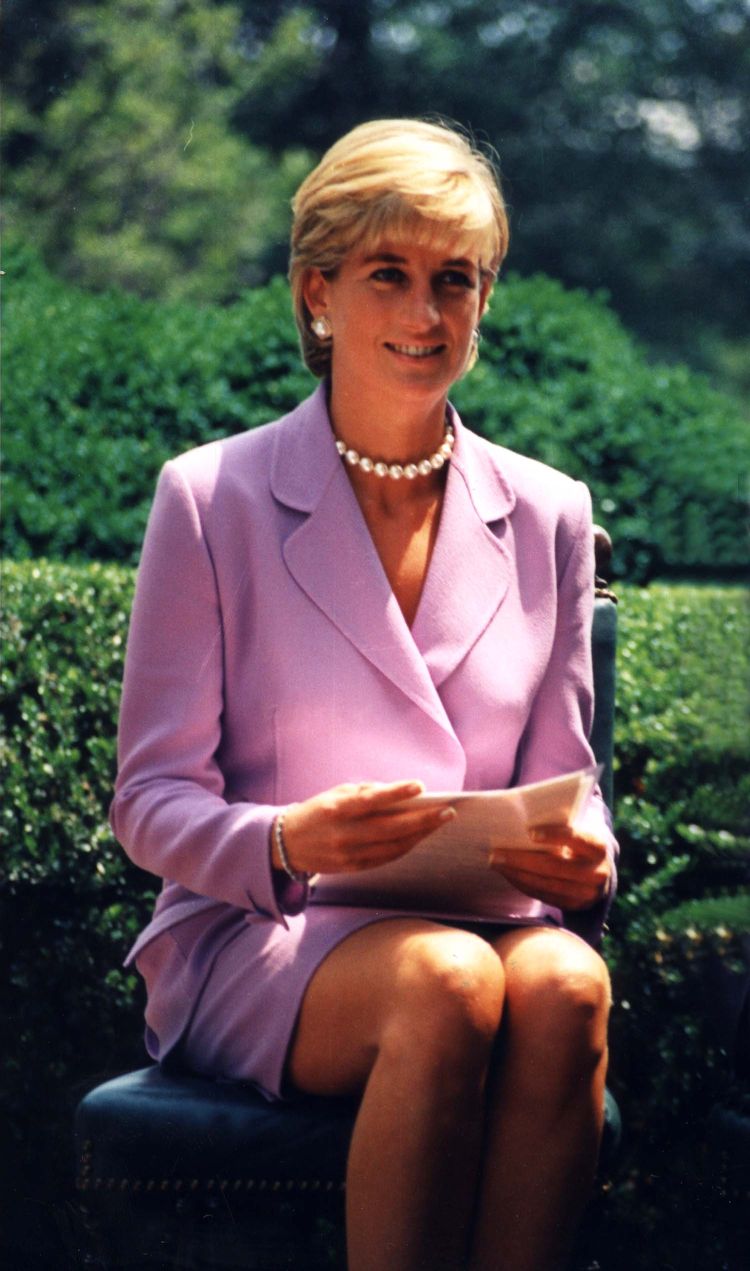
Delegates at an international conference in Oslo trying to agree a worldwide ban on land mines paid tribute to Diana, Princess of Wales. The International Campaign to Ban Landmines received the 1997 Nobel Peace Prize jointly with its coordinator Jody Williams for its efforts to bring about the Mine Ban Treaty. The Mine Ban Convention counted 162 parties as at 17 October 2026.
Shortly after her Angola visit the Ottawa Mine Ban Treaty was signed by 122 countries, calling for the world to unite to get rid of landmines. The convention was concluded at Oslo on 18 September 1997, opened for signature at Ottawa on 3 December 1997 and entered into force on 1 March 1999 under article 17.
6. Separation and Divorce
The end of the marriage was not a single event but a process. In December 1992 it was announced that the Prince and Princess of Wales had agreed to separate. On 20 November 1995 she gave an unprecedented and remarkably open interview with the BBC's Panorama programme.
After prolonged negotiations their divorce became final on 28 August 1996 and left Diana with a substantial financial settlement but without the title Her Royal Highness. The couple continued to share equal responsibility for the upbringing of their children. She gave up all but a small nucleus of her charity work as she sought a new role. Also in June she auctioned off 79 dresses and ballgowns that had appeared on front covers of magazines around the world.
After the divorce Diana maintained her high public profile and continued many of the charitable activities she had undertaken, supporting the arts, children's issues and AIDS patients.
7. Death
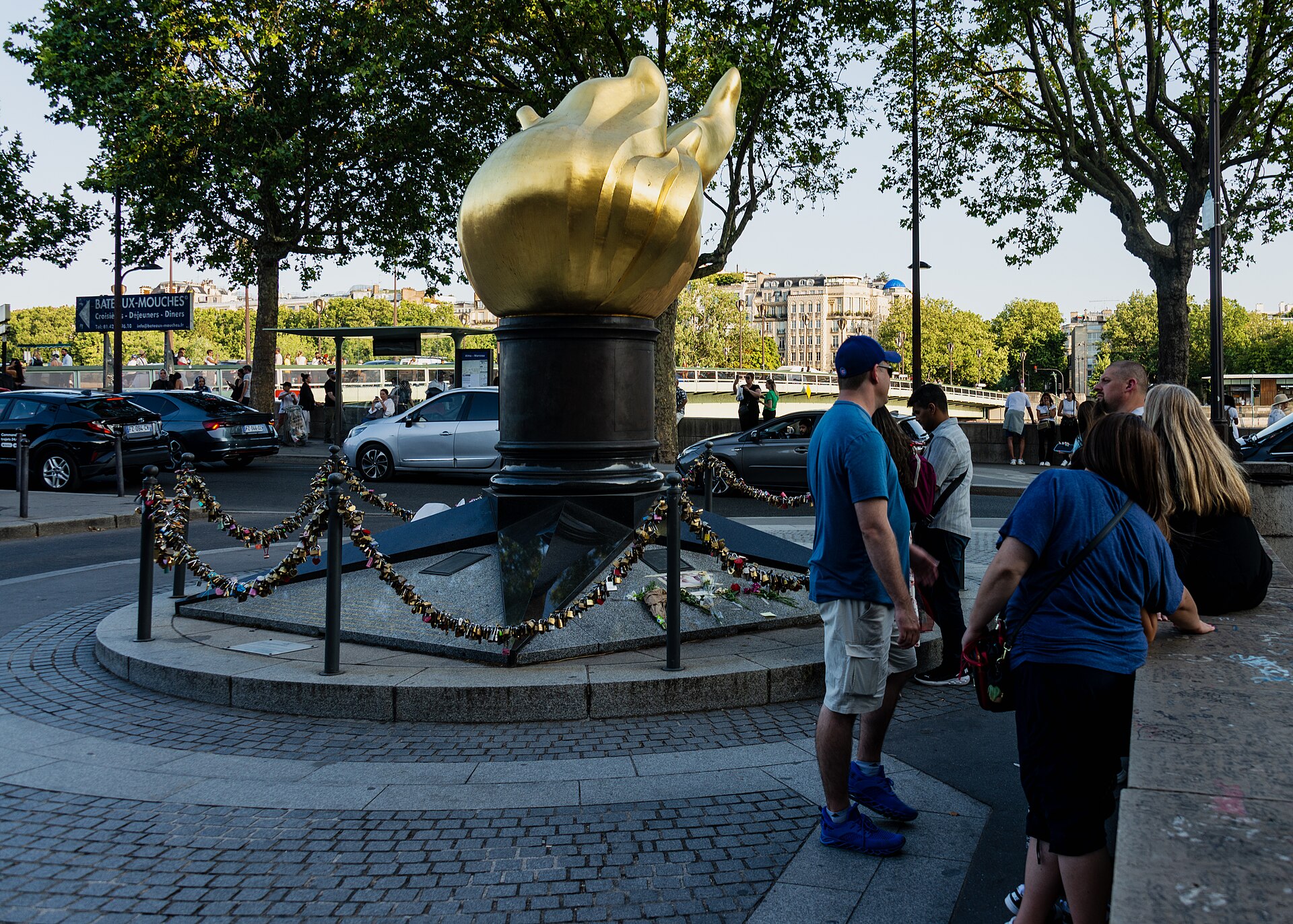
The Princess died on Sunday 31 August 1997 after the vehicle in which she was travelling was involved in a high-speed accident in the Place de l'Alma underpass in central Paris shortly before midnight on Saturday 30 August. Early on Sunday morning the 36-year-old Princess and Mr Fayed were in a Mercedes car which went out of control at high speed as it entered an underground tunnel in the French capital. The car crashed in a tunnel at the Pont de l'Alma bridge along the Seine, less than a half-mile from the Eiffel Tower.
The Princess was killed along with her close friend Dodi Fayed, the 41-year-old son of Harrods owner Mohamed Al Fayed, and the car's driver; their black Mercedes was pursued by paparazzi on motorcycles, photographers who constantly tailed Diana to snatch pictures of her.
8. Funeral and Burial
Diana's funeral was held at Westminster Abbey in London on 6 September 1997, after her body had lain in the chapel at St James's Palace. The cortege left from Kensington Palace, Diana's home, and the coffin was carried on a gun carriage by riders of the King's Troop and escorted by mounted police. Five hundred representatives of charities linked with the Princess followed her coffin on its way to the Abbey. The service lasted about 50 minutes and was relayed to a large screen near the Abbey and by loudspeaker to the crowds, and a one-minute silence was observed afterwards.
The image of Prince William and Prince Harry, then aged fifteen and twelve, walking with their father behind Diana's casket became iconic. At the funeral Elton John performed a version of Candle in the Wind with lyrics revised by Bernie Taupin to reflect on Diana's life and death.
Following the funeral service the coffin was taken by road to Althorp for a private interment, and she was buried on an island in the centre of an ornamental lake.
9. Legacy and Memorials
Her death in a car crash in 1997 at the age of 36 shocked the world and sparked a remarkable outpouring of public grief, and the royal family broke with tradition in arranging an internationally televised royal funeral after being caught off guard by that mourning. The recording of Elton John's Candle in the Wind became the most successful pop single in history to date, selling more than 30 million copies.
The Diana Award describes itself as the only charity set up in memory of the late Diana, Princess of Wales and her belief that young people have the power to change the world. Its award and development programme recognises outstanding young people selflessly creating and sustaining positive social change in memory of Diana.
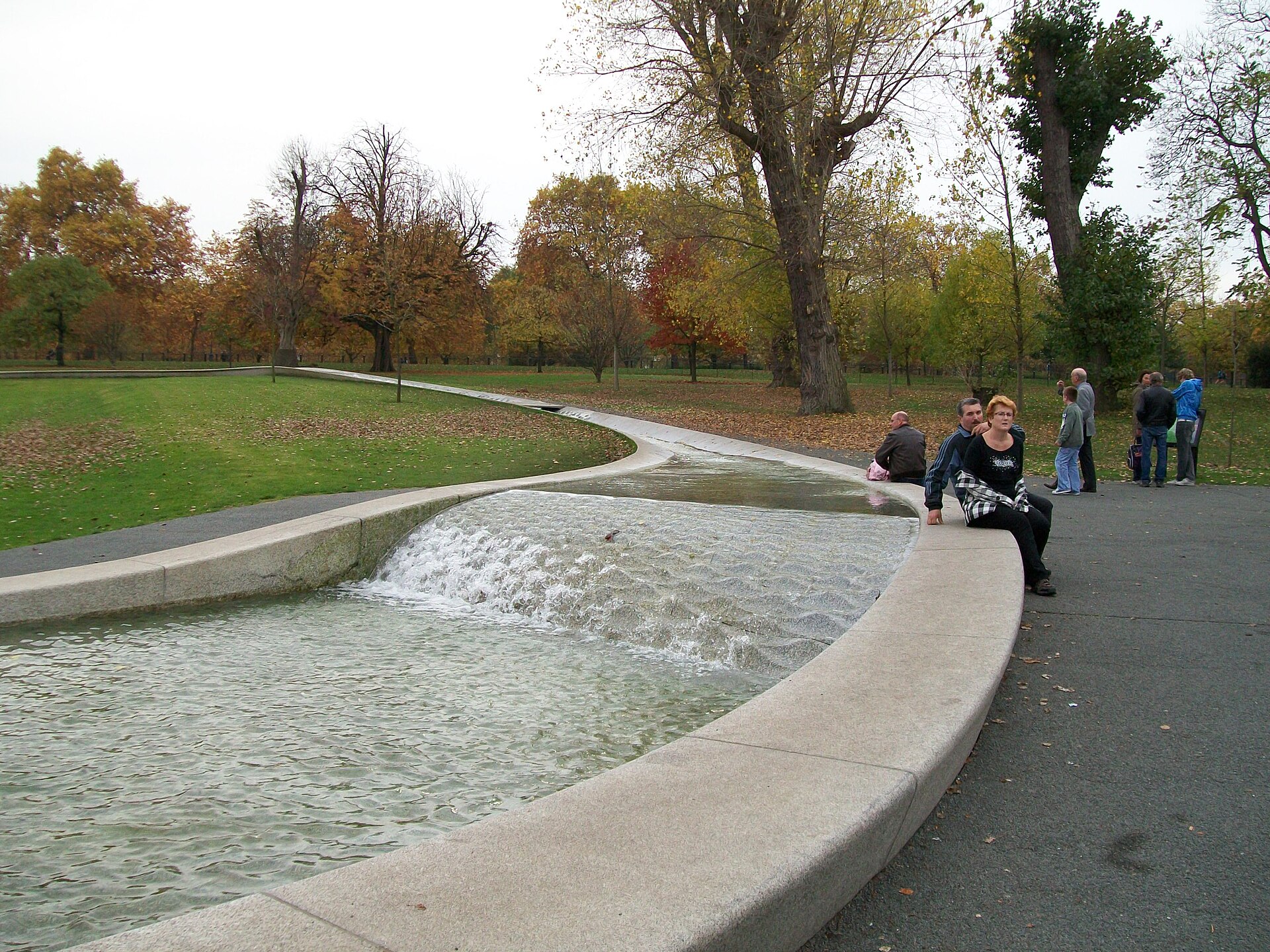
The Diana Memorial Fountain in Hyde Park contains 545 pieces of Cornish granite, each shaped by computer-controlled machinery and pieced together by hand.
Since 2011 Prince Harry has continued in his mother's footsteps in support of The HALO Trust.
10. Key Dates
-
1 July 1961BirthDiana is born.
-
1975Move to AlthorpThe family moves to the Spencer seat at Althorp, a stately house dating from 1508 in the English Midlands 2Diana, Princess of Wales · The Royal Household ↗.
-
24 February 1981EngagementThe engagement is announced.
-
29 July 1981MarriageThe wedding takes place.
-
21 June 1982Prince William bornPrince William arrives as the first of the couple's two sons 1Diana, princess of Wales · Encyclopaedia Britannica ↗.
-
15 September 1984Prince Harry bornPrince Henry, known as Harry, follows as the second son 1.
-
1989English National Ballet patronageShe becomes patron of the English National Ballet 5Charities devastated by Diana's death · BBC News ↗.
-
December 1992Separation announcedThe separation is made public.
-
20 November 1995Panorama interviewThe interview is broadcast.
-
June 1997Landmines conference and dress auctionShe attends a landmines conference and a charity dress auction.
-
31 August 1997DeathDiana dies.
-
6 September 1997FuneralThe funeral is held.
11. Timeline: from a 1961 birth at Sandringham to the 1997 funeral at Westminster Abbey
- 1 July 1961Birth at Park HouseDiana Frances Spencer was born at Park House near Sandringham in Norfolk, the home her parents rented on the queen's estate.
- 1967Parents separateLady Diana's parents separated in 1967; their marriage was dissolved two years later.
- 1975The Spencer earldom and AlthorpHer father succeeded to the earldom and the family moved to the Spencer seat at Althorp in Northamptonshire.
- 1980Friendship with the Prince of WalesHer friendship with Charles, prince of Wales, grew during 1980 as she renewed her contacts with the royal family.
- 24 February 1981Engagement announcedIt was announced that Lady Diana Spencer was to marry the Prince of Wales.
- 29 July 1981Wedding at St Paul's CathedralThe couple married at St Paul's Cathedral in London in a ceremony broadcast around the world.
- 21 June 1982Prince William bornWithin a year of the wedding Diana gave birth to a son, Prince William.
- 15 September 1984Prince Henry bornA second son, christened Henry and known as Harry, was born.
- December 1992Separation announcedIt was announced that the Prince and Princess of Wales had agreed to separate.
- 20 November 1995Panorama interviewDiana gave an unusually open television interview to the BBC's Panorama programme.
- 28 August 1996Divorce finalThe divorce of the Prince and Princess of Wales became final.
- January 1997Angola landmine visitShe visited Angola as part of her campaign against land mines and met victims of mines.
- 31 August 1997Death in ParisDiana died after a car crash in a tunnel in central Paris.
- 6 September 1997Funeral at Westminster AbbeyHer funeral was held at Westminster Abbey and watched by millions worldwide.
- 18 September 1997Oslo landmine convention concludedThe Anti-Personnel Mine Ban Convention was concluded at Oslo less than three weeks after her death.
- 1 March 1999Mine Ban Convention in forceThe convention entered into force on 1 March 1999.
12. Frequently asked questions
How many people watched Diana and Charles marry?
The wedding at St Paul's Cathedral on 29 July 1981 drew a global television and radio audience estimated at around 1,000 million people 2.
How many charities did Diana support during her marriage?
How many godchildren did she have?
Diana had 17 godchildren 2.
Where is Diana buried?
She was buried by private interment on an island in the ornamental lake at Althorp 12Diana, Princess of Wales · Westminster Abbey ↗.
How is Diana represented in the National Portrait Gallery?
The National Portrait Gallery holds 58 portraits of Diana 16Diana, Princess of Wales (1961-1997) · National Portrait Gallery, London ↗.
What are the registered charity numbers of the Diana Award?
The Diana Award is registered as 1117288 in England and Wales and SC041916 in Scotland 14About the Diana Award · The Diana Award ↗.
References (17)
- 1Diana, princess of Wales — Encyclopaedia Britannica Archive↩View source
- 2Diana, Princess of Wales — The Royal Household Archive↩View source
- 3The life of Diana, Princess of Wales — BBC News WebView source
- 4Family life — BBC News WebView source
- 5Charities devastated by Diana's death — BBC News Web↩View source
- 6Championing the anti-land mine cause — BBC News WebView source
- 7The International Campaign to Ban Landmines — ICBL-CMC WebView source
- 8Convention on the Prohibition of the Use, Stockpiling, Production and Transfer of Anti-Personnel Mines and on their Destruction — United Nations Treaty Collection WebView source
- 9History of HALO — The HALO Trust WebView source
- 10Separation and divorce — BBC News WebView source
- 11Diana, Princess of Wales, killed in car crash — BBC News WebView source
- 12Diana, Princess of Wales — Westminster Abbey Web↩View source
- 13Palace announces further changes to funeral route — BBC News WebView source
- 14About the Diana Award — The Diana Award Web↩View source
- 15Diana Memorial Fountain, Hyde Park — The Royal Parks WebView source
- 16Diana, Princess of Wales (1961-1997) — National Portrait Gallery, London 1961 Archive↩View source
- 17Our history — Great Ormond Street Hospital Children's Charity WebView source
 Charles Darwin
 Galileo Galilei
 Discovery of Radioactivity