William Shakespeare
The life and work of William Shakespeare of Stratford-upon-Avon: his family and schooling, his marriage and lost years, his career as actor, playwright and sharer in the Lord Chamberlain's Men, the plays and sonnets, the First Folio, and the memorials that followed his death.
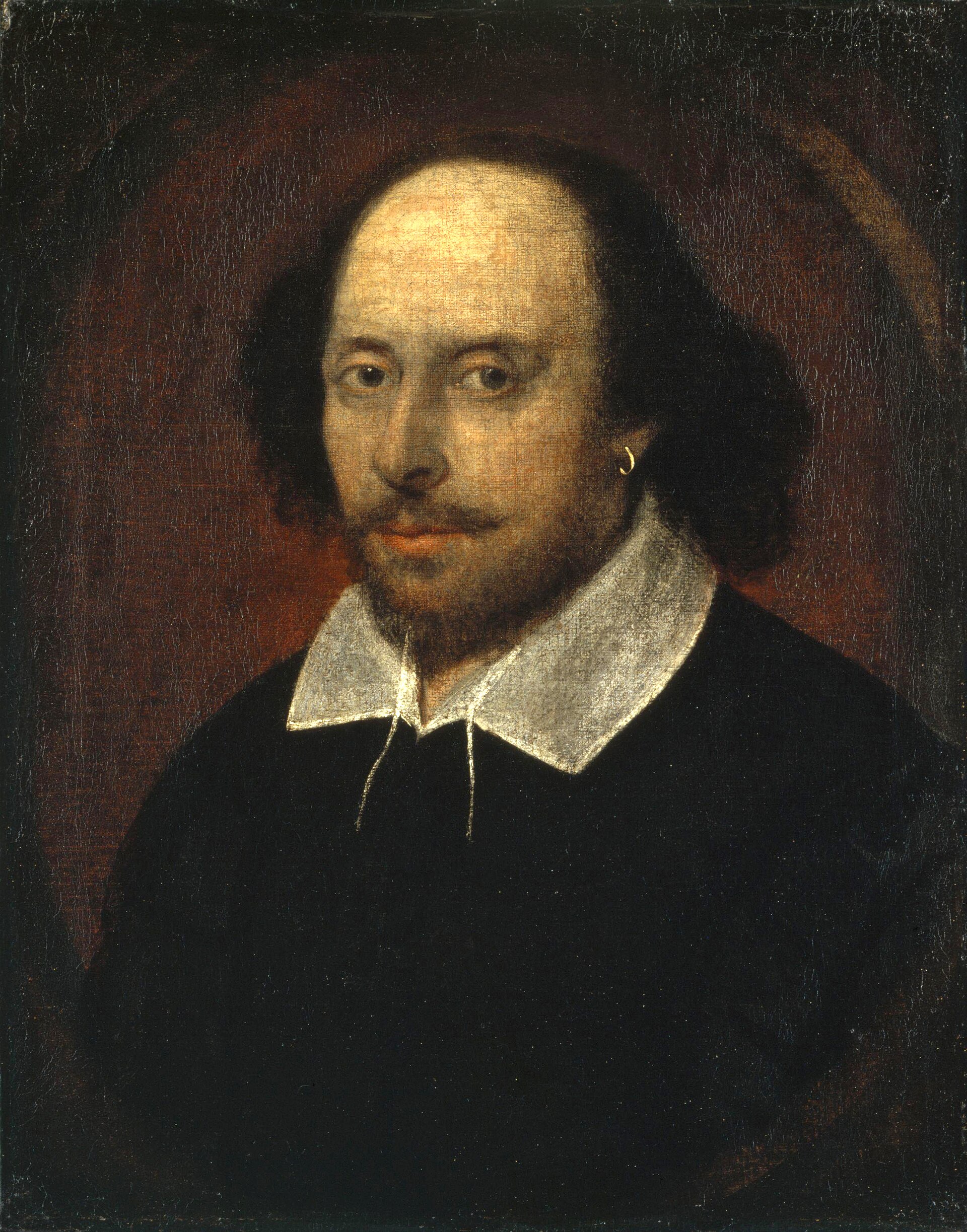
William Shakespeare was an English poet, playwright and actor, baptised at Stratford-upon-Avon in April 1564 and buried there in April 1616. He married Anne Hathaway in 1582, worked in the London theatre for more than two decades, and became a sharer in the Lord Chamberlain's Men, later the King's Men, for whom he wrote histories, comedies, tragedies and late romances. His plays survive chiefly through the First Folio of 1623, assembled by two fellow actors, and his 154 sonnets were published in 1609.
In this article
- 1Overview
- 2Early Life and Family
- 3Marriage and Children
- 4The Lost Years
- 5London Career and the Theatre Companies
- 6The Globe and Blackfriars
- 7Poems and Sonnets
- 8The Plays
- 9The First Folio
- 10Death and Burial
- 11Reputation and Authorship
- 12Memorials and Later Commemoration
- 13Timeline: from Stratford in 1564 to the First Folio of 1623
- 14Knowledge graph
Overview
William Shakespeare was an English poet, playwright and actor born at Stratford-upon-Avon in 1564. His life moved between Stratford, where he grew up and later bought property, and London, where he worked at the center of English theater.
1. Early Life and Family
William Shakespeare was baptised on 26 April 1564 at Holy Trinity Church in Stratford-upon-Avon, the record of the ceremony standing in place of a birth date that has not come down to us. His birth is most often celebrated on 23 April.
His father John Shakespeare was a glove-maker who also traded as a wool dealer and was involved in money-lending. John married Mary Arden, the daughter of a farmer from the nearby village of Wilmcote. The family home stood in Henley Street and is now known as Shakespeare's Birthplace. John rose in the town's civic life, becoming high bailiff in 1568.
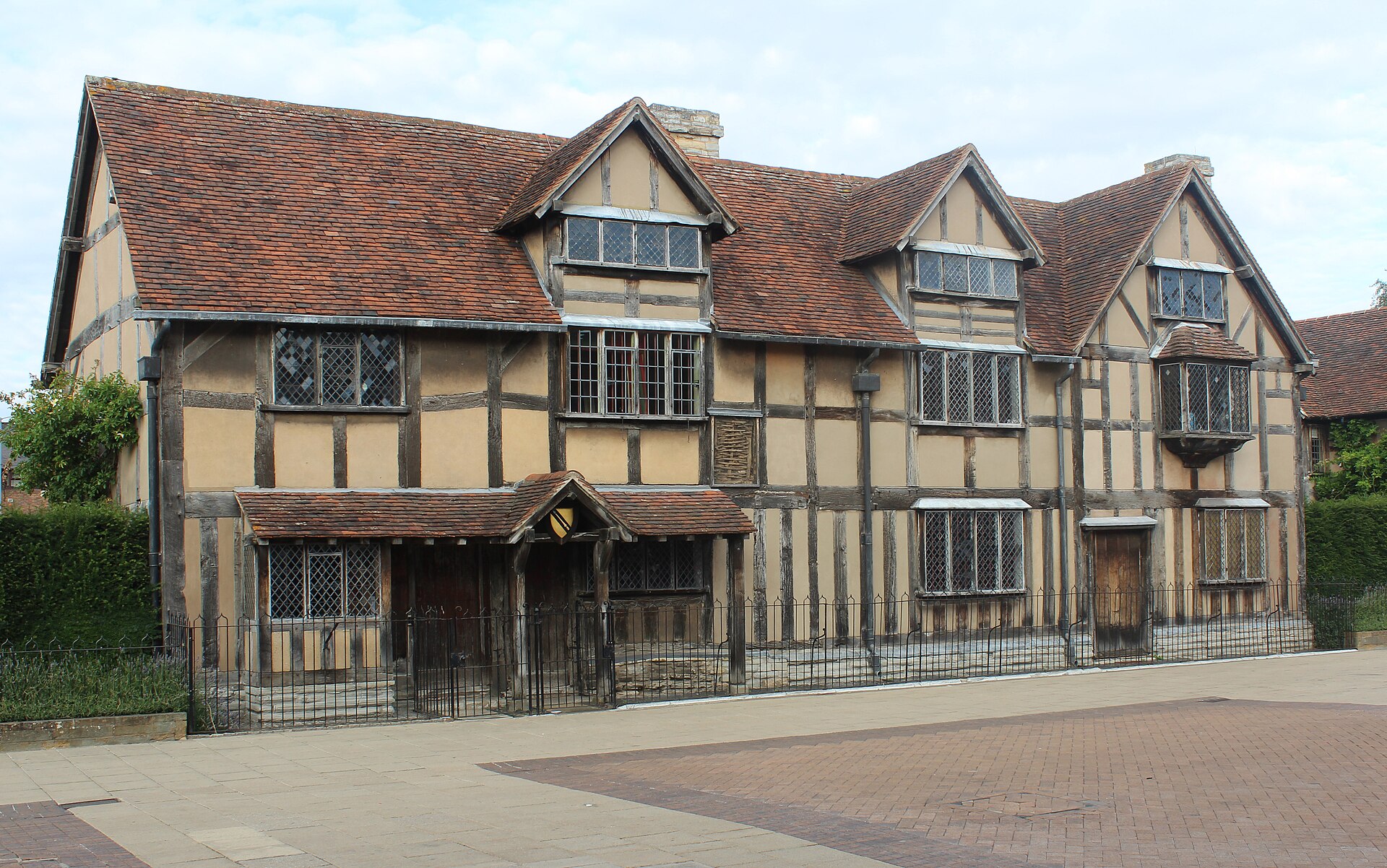
William was the oldest surviving child of John and Mary Shakespeare, whose first two children, both girls, died in infancy. The couple had eight children in all.
As the son of a leading Stratford citizen Shakespeare almost certainly attended the town's grammar school, where the curriculum emphasized the Latin classics. The school's demanding curriculum taught Latin, both spoken and written, and pupils studied Terence, Virgil and Horace in the original. No record survives of Shakespeare attending university, although several of his contemporary playwrights, including Christopher Marlowe, did.
2. Marriage and Children
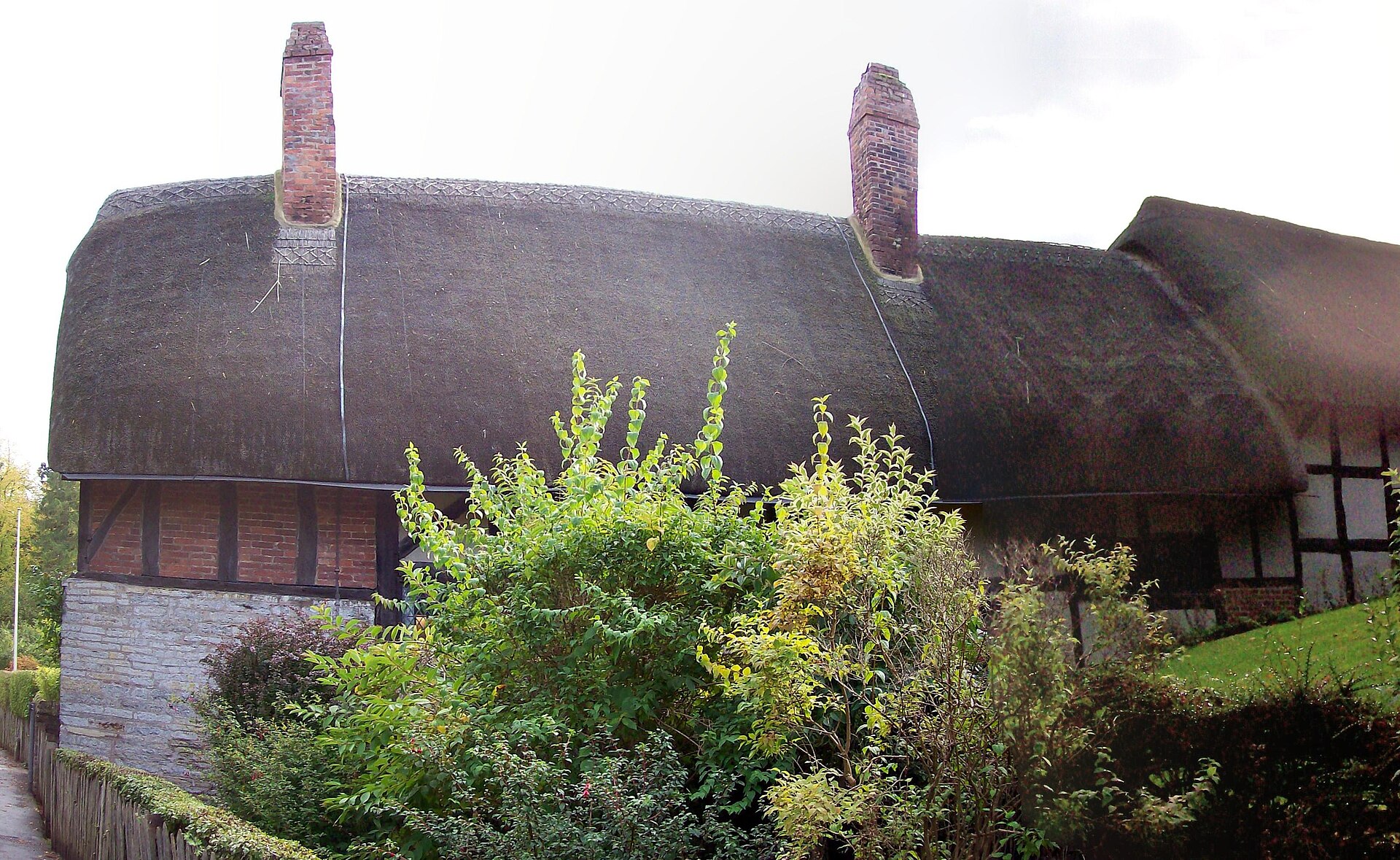
Shakespeare married Anne Hathaway of Shottery in November 1582 by licence from the Bishop's Court at Worcester. The licence was sought to avoid scandal over Anne's pregnancy, permitting the wedding outside the parish of normal residence. Their first daughter Susanna was born six months after the marriage, followed by the twins Judith and Hamnet.
In his will Shakespeare left Anne his second-best bed. Some read the bequest as a slight, though it was probably the couple's marriage bed.
3. The Lost Years
No surviving record explains when or why Shakespeare left Stratford for London, nor what he did in the interval before he emerged as a professional actor and dramatist.
By oral tradition Shakespeare was said to have poached deer from Sir Thomas Lucy's estate at Charlecote Park and to have fled to London to escape punishment. A separate report, set down by John Aubrey in 1681, holds that Shakespeare had worked as a country schoolmaster.
4. London Career and the Theatre Companies
By 1592 Shakespeare had established a reputation in London, with early plays that include the Henry VI plays, The Two Gentlemen of Verona and Titus Andronicus. Titus Andronicus stands as his earliest tragedy and his earliest Roman play.
Once the plague subsided the Lord Chamberlain's Men took shape, with Richard Burbage as its leading actor. Shakespeare was a founding member of the company and served as its regular dramatist for almost twenty years, holding a share in its income. He also belonged to the syndicates that owned the Globe and the Blackfriars Theatre. In 1603 the company was renamed the King's Men.
His wealth by 1597 was sufficient to buy New Place, the largest house in Stratford-upon-Avon. A coat of arms was granted to John Shakespeare in 1596, at an estimated cost of as much as £20, and it carried the motto Non Sans Droict.
5. The Globe and Blackfriars
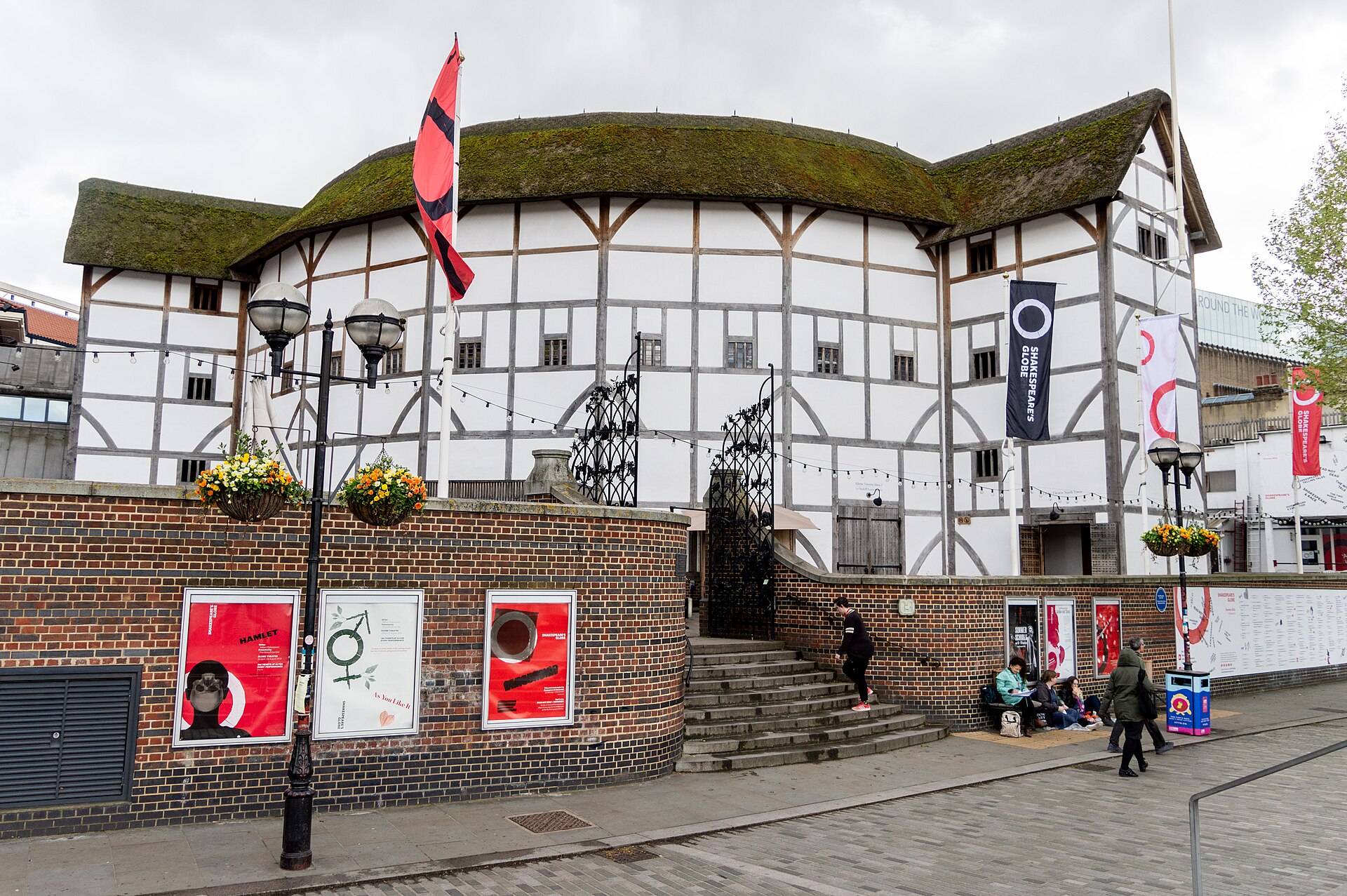
The first Globe opened in 1599 and was built by the Lord Chamberlain's Men, the company that Shakespeare wrote for and part-owned. In 1599 Shakespeare may have written Julius Caesar as the first of his plays to be performed at the Globe.
In 1613 a mis-fired prop cannon during a performance of Henry VIII set the thatch roof alight and the theatre burnt down within two hours.
6. Poems and Sonnets
Shakespeare's earliest fame as a poet rested on Venus and Adonis, which appeared in 1593 in the minor epic genre and was dedicated to the 18-year-old Henry Wriothesley, third Earl of Southampton. Southampton became his patron, and Shakespeare also dedicated The Rape of Lucrece to him.
Thomas Thorpe published the 154 sonnets in 1609 together with A Lover's Complaint. The sonnets were written throughout his career, and none of Shakespeare's works has been so tirelessly ransacked for biographical clues.
7. The Plays
The conventional count of 38 plays sits alongside 154 sonnets and two narrative poems. The First Folio divided the plays into Comedies, Histories and Tragedies. Later editors have further divided the plays into Romances, which include The Tempest, The Winter's Tale, Cymbeline and Pericles.
Hamlet stands as a revenge tragedy set against Claudius. After James VI of Scotland became James I of England in 1603 London's interest in all things Scottish led Shakespeare to Scottish history for Macbeth. The Two Noble Kinsmen was written by Shakespeare and John Fletcher and is based on The Knight's Tale in Chaucer's Canterbury Tales.
8. The First Folio
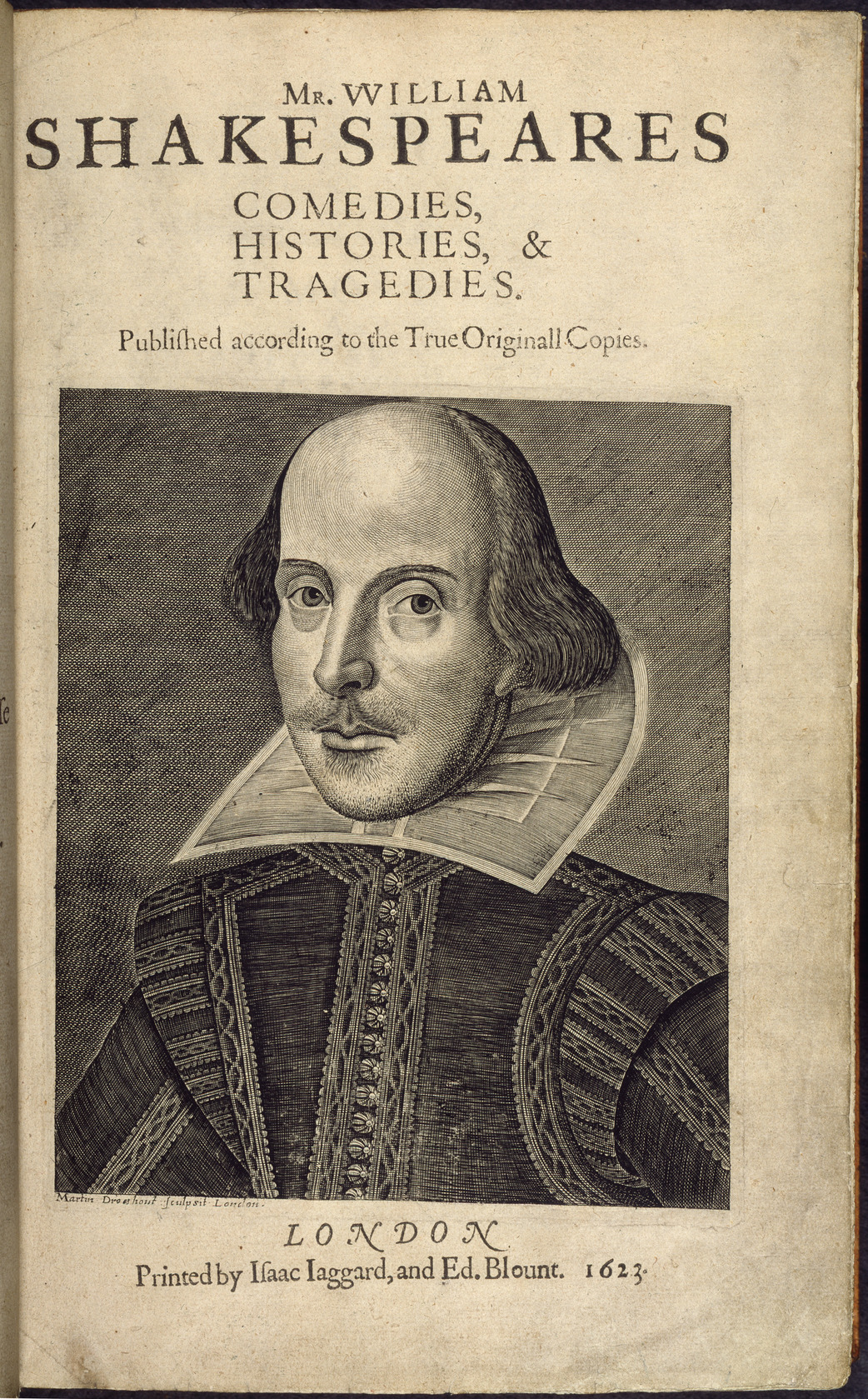
The collection known as the First Folio was published in 1623, seven years after Shakespeare's death, and gathered 36 plays, half of which had not previously been printed. John Heminges and Henry Condell assembled it, drawing on original prompt books, quartos and notes to collate the texts. It was the first printed folio to contain only plays. Between 750 and 1,000 copies were printed, and about 230 have survived. Ben Jonson described Shakespeare in the First Folio as the sweet swan of Avon.
Pericles and The Two Noble Kinsmen are left out of the First Folio, while Troilus and Cressida appears despite not being listed on the contents page. Without the First Folio half of Shakespeare's plays would have been lost, since they had not previously been published in quarto form.
9. Death and Burial
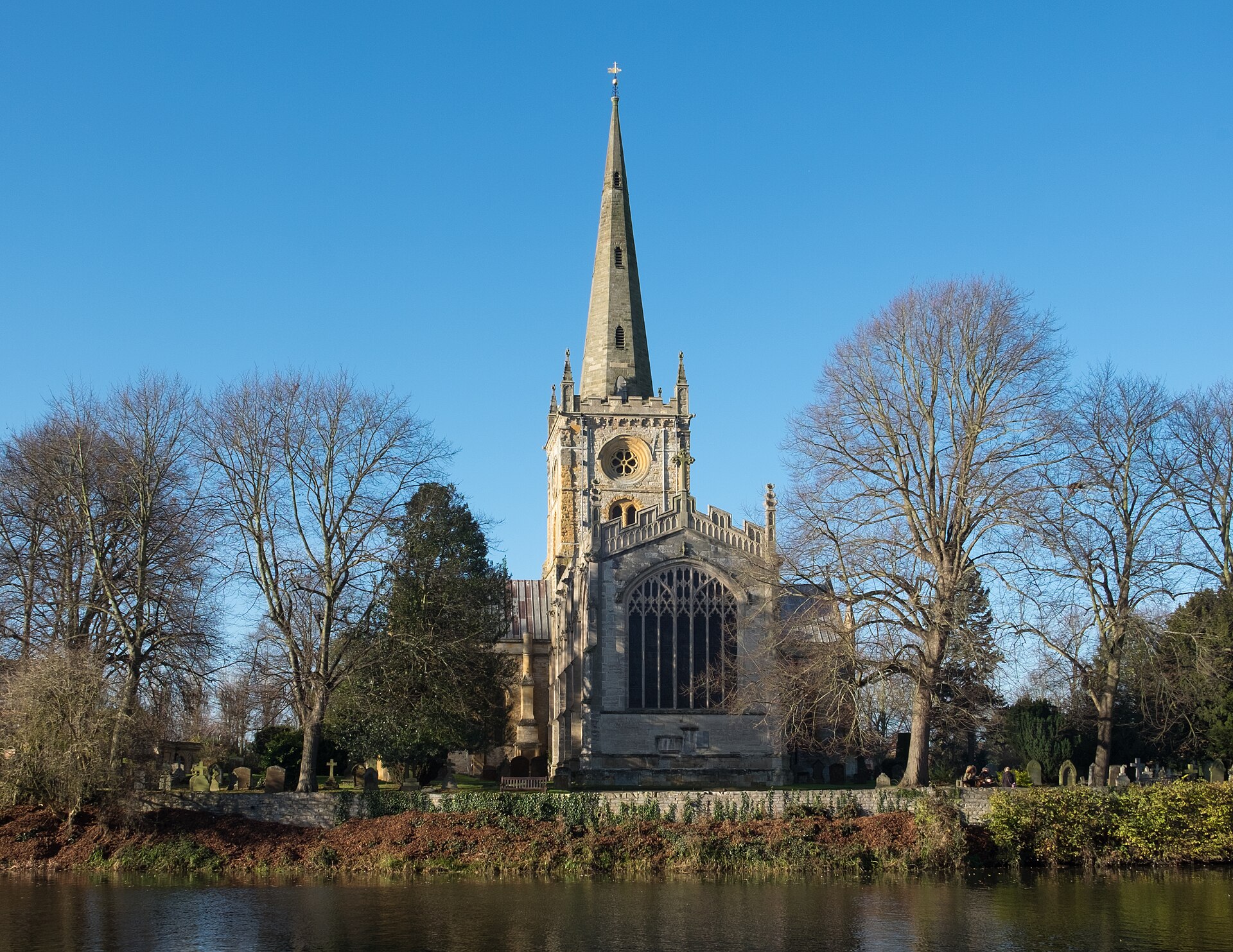
Shakespeare died on 23 April 1616 at Stratford-upon-Avon, the date recorded on his monument in Holy Trinity Church, and the cause of his death is unknown. He made a will on 25 March 1616 describing himself as in perfect health and memory. His burial on 25 April 1616 is recorded in the parish register, and he was interred in the chancel of Holy Trinity Church.The gravestone below the monument does not bear his name but was believed to be his from at least 1656 onward. Shakespeare's four grandchildren all died without heirs, so no direct descendants of his line survive.
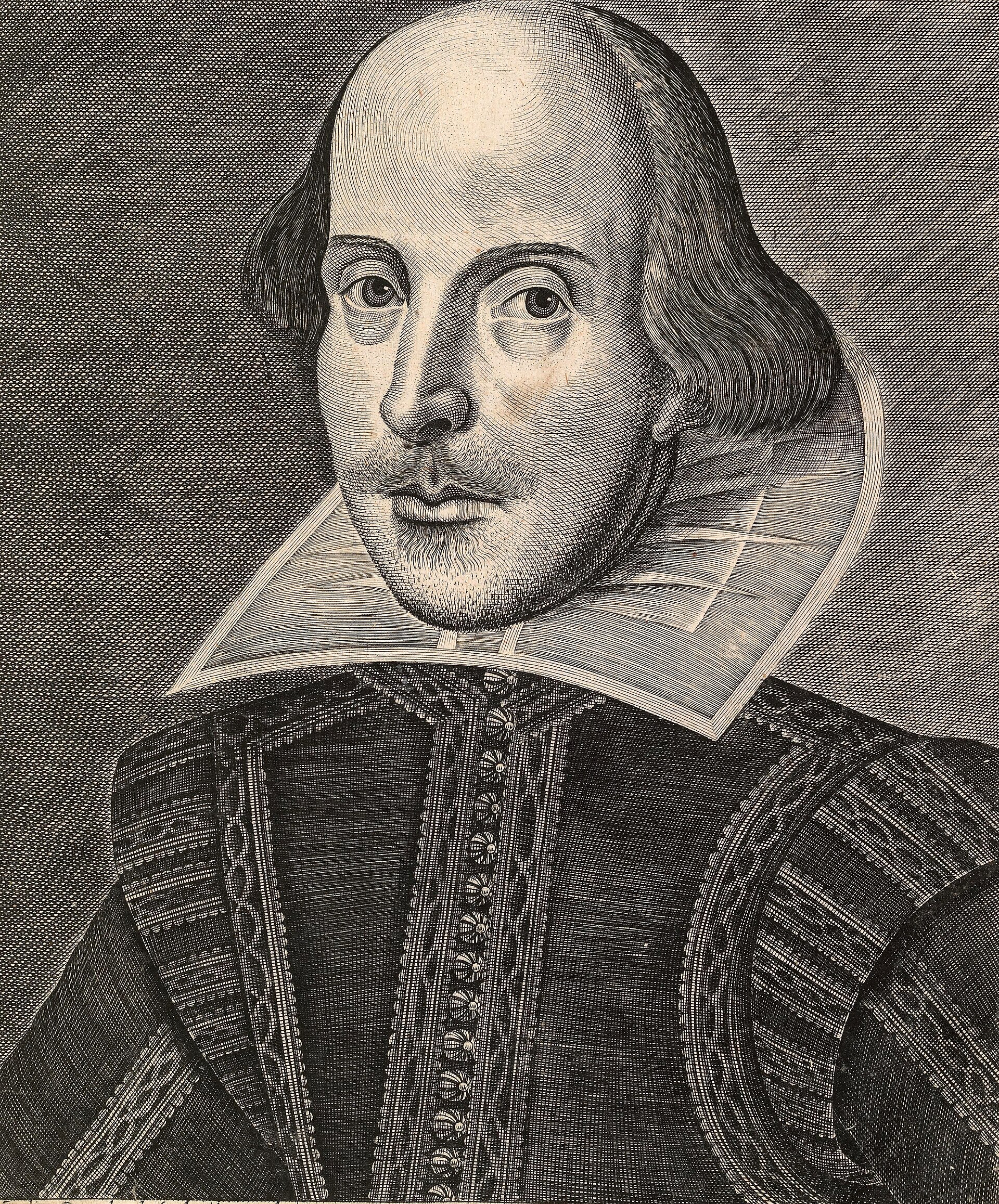
The monument in Holy Trinity Church describes Shakespeare as having the greatest intellect since Socrates and being the greatest poet since Virgil. The memorial bust is considered one of two authentic likenesses because it was approved by people who knew him, the other being the Droeshout engraving in the First Folio.
10. Reputation and Authorship
Documentary evidence shows that William Shakespeare of Stratford-upon-Avon became an actor and a playwright before returning to Stratford, where he died. The idea that the actor from Stratford was not the author of the plays emerged around the Victorian period, more than 200 years after Shakespeare's death. Francis Meres in a book published in 1598 ranked Shakespeare among the English writers who had glorified the English language.
Christopher Marlowe, Francis Bacon and Edward de Vere, the Earl of Oxford, have all been proposed as the true author of the plays.
11. Memorials and Later Commemoration
Talk shortly after his death of moving his remains to Westminster Abbey was soon abandoned. A life-size white marble statue of Shakespeare was finally erected in Poets' Corner on 29 January 1741 and dated 1740 in Old Style dating. The monument was designed by William Kent and executed by Peter Scheemakers. The impetus for it came from the Shakespeare Ladies Club.
Modern commemoration owes much to Sam Wanamaker, who founded the Shakespeare Globe Trust in 1970. The reconstructed Globe Theatre holds 1,570 people, 700 of them standing, in an auditorium shaped as a 20-sided polygon with an open central yard. The Sam Wanamaker Playhouse opened in January 2014 with a production of John Webster's The Duchess of Malfi, lit by over one hundred beeswax candles. The Globe welcomes over 1.25 million visitors a year, and the 2012 Globe to Globe Festival presented every play in a different language.
12. Timeline: from Stratford in 1564 to the First Folio of 1623
- 26 April 1564Baptism at Holy TrinityShakespeare is baptised in the parish church at Stratford-upon-Avon, the event on which his birth year rests.
- November 1582Marriage to Anne HathawayShakespeare marries Anne Hathaway of Shottery by a licence obtained from the Bishop's Court at Worcester.
- 26 May 1583Baptism of SusannaThe couple's first daughter Susanna is baptised at Stratford, six months after the wedding.
- 2 February 1585Baptism of the twinsHamnet and Judith, the twins, are baptised at Stratford, completing the family.
- 1592Established in LondonShakespeare's reputation is established in London, where his earliest plays are already being performed.
- 1593Venus and Adonis printedShakespeare's narrative poem Venus and Adonis is entered in the Stationers' Register and printed by Richard Field.
- 1594Lord Chamberlain's Men formedAfter the plague closures end, Shakespeare and other actors combine to form the Lord Chamberlain's Men.
- 1596Coat of arms grantedJohn Shakespeare is granted a coat of arms, which allows the family to style itself gentle.
- 1599The Globe opensThe Lord Chamberlain's Men build the first Globe on Bankside, probably opening it with Julius Caesar.
- 1603The King's MenThe company passes under the patronage of James I and is thereafter known as the King's Men.
- 1609Sonnets publishedThomas Thorpe issues a quarto of 154 sonnets, and the company begins playing at the indoor Blackfriars.
- 1613The Globe burnsA mis-fired prop cannon during Henry VIII sets the thatched roof alight and the theatre burns down within two hours.
- 23 April 1616Death at StratfordShakespeare dies at Stratford-upon-Avon and is buried in the chancel of Holy Trinity Church two days later.
- 1623First Folio publishedHeminges and Condell collect 36 of the plays for the First Folio, seven years after Shakespeare's death.
- 29 January 1741 (1740 Old Style)Westminster memorialA marble statue by Peter Scheemakers, designed by William Kent, is erected in Poets' Corner.
- 1997Globe reconstructedThe present Globe Theatre, campaigned for by Sam Wanamaker, opens on Bankside.
References (20)
- 1William Shakespeare Biography — Shakespeare Birthplace Trust WebView source
- 2Shakespeare's Life — Folger Shakespeare Library WebView source
- 3When Was Shakespeare Born? — Shakespeare Birthplace Trust WebView source
- 4William Shakespeare's Family — Shakespeare Birthplace Trust WebView source
- 5Shakespeare's School — Shakespeare Birthplace Trust WebView source
- 6Shakespeare's Wife and Marriage — Shakespeare Birthplace Trust WebView source
- 7Shakespeare's Lost Years — Shakespeare Birthplace Trust WebView source
- 8Shakespeare's Career — Shakespeare Birthplace Trust WebView source
- 9Shakespeare's Works — Folger Shakespeare Library WebView source
- 10Shakespeare Coat of Arms — Shakespeare Birthplace Trust WebView source
- 11The Globe Theatre — Shakespeare's Globe WebView source
- 12William Shakespeare — Poetry Foundation WebView source
- 13Shakespeare's Plays — Shakespeare Birthplace Trust WebView source
- 14Shakespeare's First Folio — Shakespeare Birthplace Trust WebView source
- 15Shakespeare Authorship Question — Shakespeare Birthplace Trust WebView source
- 16How did Shakespeare Die? — Shakespeare Birthplace Trust WebView source
- 17William Shakespeare — Westminster Abbey WebView source
- 18Our Story — Shakespeare's Globe WebView source
- 19Sam Wanamaker Playhouse — Shakespeare's Globe WebView source
- 20Shakespeare — Royal Shakespeare Company WebView source
 Diana, Princess of Wales
 The Internet
 Antarctica