Queen Elizabeth I
The life and reign of the last Tudor monarch — from her improbable accession in 1558 and the religious settlement to the defeat of the Spanish Armada and the final years of the Elizabethan Age.
Queen Elizabeth I (1533–1603) was queen of England from 1558 until her death, the last of the Tudor monarchs. Her reign established a secure Protestant Church of England, saw the execution of Mary, Queen of Scots and the defeat of the Spanish Armada, and produced a celebrated flowering of English culture — while war, inflation and the unresolved succession cast shadows over her final years. James VI of Scotland succeeded her, ending the Tudor dynasty.
In this article
- 1Overview
- 2Early Life and Education
- 3Path to the Throne
- 4Accession and Coronation
- 5Religious Settlement
- 6Marriage and the Succession
- 7Mary, Queen of Scots
- 8The Spanish Armada
- 9Government and Ministers
- 10Later Reign, Finance and the Poor Laws
- 11Exploration, Trade and the Arts
- 12Death and Legacy
- 13Timeline: from birth to the end of the Tudor dynasty
- 14Knowledge graph
Overview
Elizabeth I was the last monarch of the House of Tudor.
Her reign lasted 45 years, from 1558 to 1603. She was known by the bynames the Virgin Queen, Good Queen Bess and Gloriana.
1. Early Life and Education
Elizabeth was born at Greenwich on 7 September 1533, the daughter of Henry VIII and his second wife, Anne Boleyn. Her earliest years were anything but auspicious: before her third birthday her father had her mother beheaded on charges of adultery and treason. Henry VIII then had Parliament annul his marriage to Anne Boleyn, which made Elizabeth illegitimate and removed her from the line of succession until a later parliamentary act returned her to it.
Her prospects of ever reaching the throne appeared slight, and they grew more distant still when her half-brother Edward was born in 1537, leaving her third in line behind her Roman Catholic half-sister, Princess Mary. Roman Catholics would always consider Elizabeth illegitimate, and after the failed rebellion against Queen Mary in 1554 she only narrowly escaped execution.
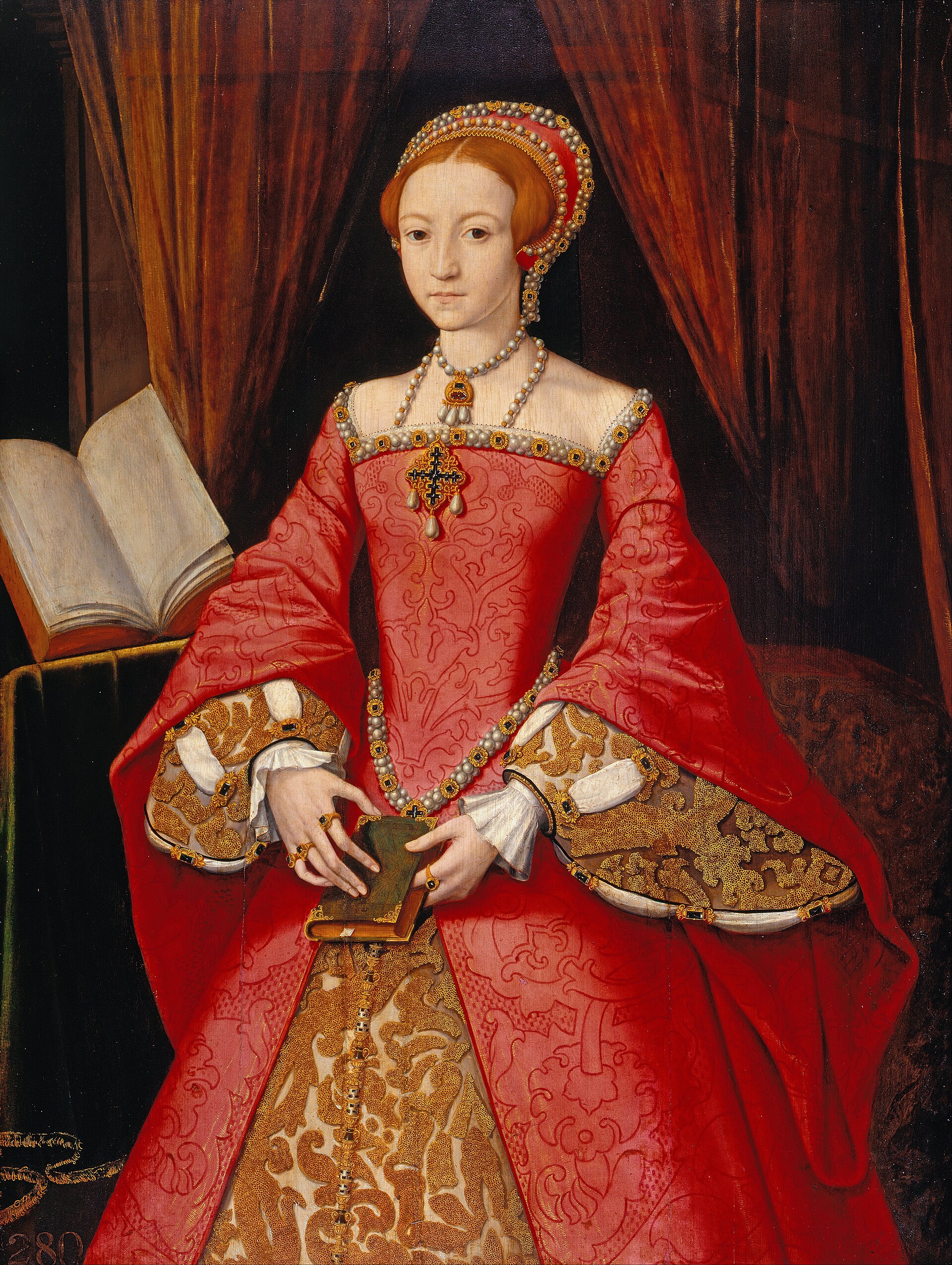
Under distinguished tutors, the best known of whom is the Cambridge humanist Roger Ascham, Elizabeth received the rigorous education normally reserved for male heirs and became fluent in French and Italian. She was also a talented musician, dancer and horsewoman.
2. Path to the Throne
In January 1549 Thomas Seymour was arrested for treason and accused of plotting to marry Elizabeth in order to rule the kingdom; under humiliating close questioning she was extraordinarily circumspect and poised. Arrested and sent to the Tower of London after Sir Thomas Wyatt's rebellion in January 1554, Elizabeth narrowly escaped her mother's fate and was later placed in close custody for a year at Woodstock.
Having heard that she was to be taken to the Tower, Elizabeth wrote the 'Tide Letter' in a desperate attempt to secure an audience with her sister, writing deliberately slowly so that the tide would turn and spare her for an extra day. Mary I had placed her half-sister under what amounted to constant surveillance, even jailing Elizabeth in the Tower of London for a short period of time.
3. Accession and Coronation
Elizabeth succeeded to the throne on the death of her half-sister Mary I on 17 November 1558. Her accession was met with great rejoicing, with church bells rung and bonfires lit.
In her first speech at Hatfield on 20 November 1558 she charged Cecil with her privy council and told the assembled lords that she was but one body natural though by God's permission a body politic to govern.
Elizabeth was crowned at Westminster Abbey on 15 January 1559 by Dr Oglethorpe, Bishop of Carlisle, since the see of Canterbury was vacant and the Archbishop of York had refused to take the service. The coronation celebrations came two months after the accession, and as Elizabeth walked along the carpet to Westminster Abbey the crowds rushed forward to cut out pieces as souvenirs.
4. Religious Settlement
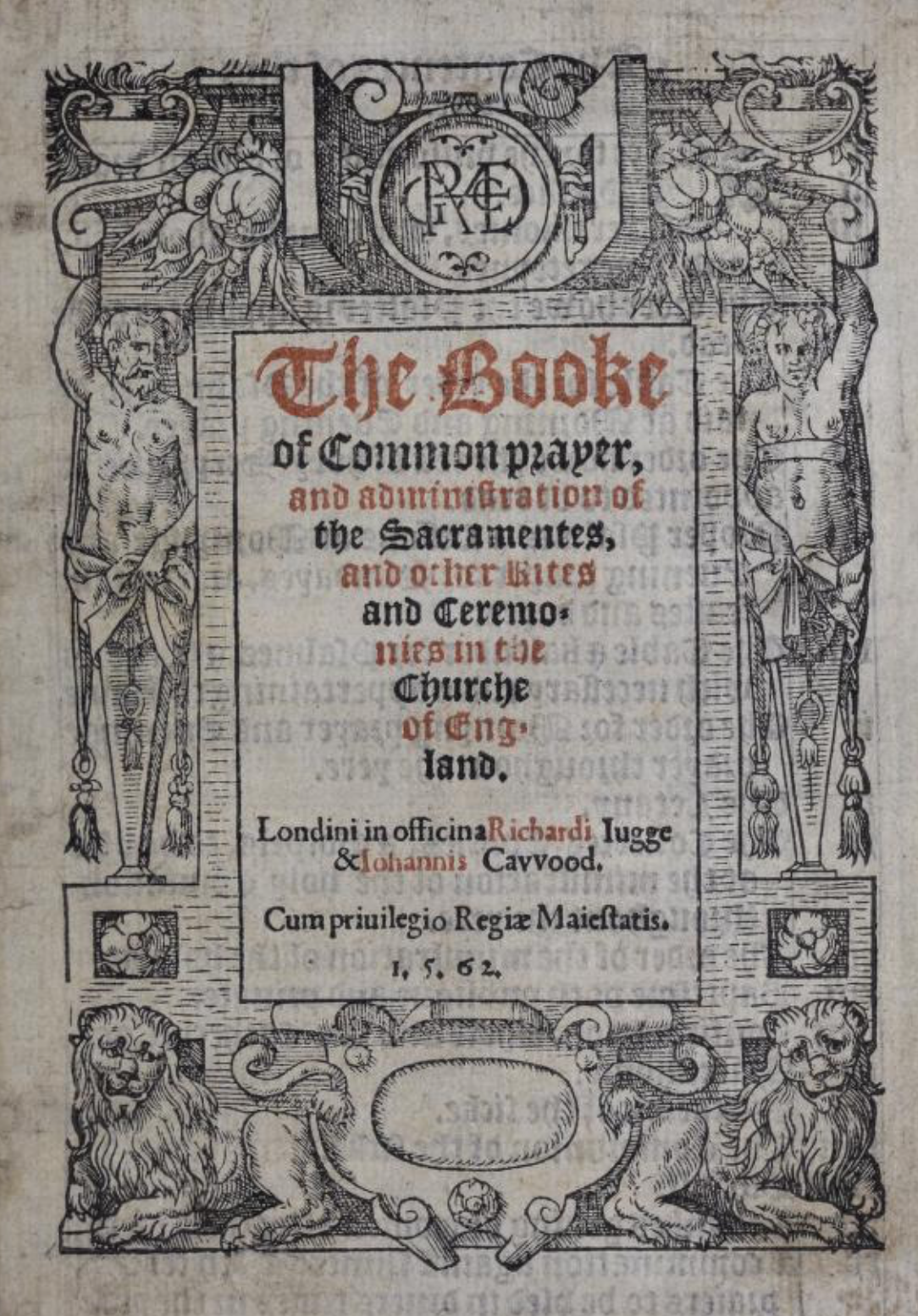
Elizabeth restored England to Protestantism, and her religious policies, notably the Act of Supremacy and the Act of Uniformity, consolidated the church's power under her. The two acts together are known as the Elizabethan Settlement. Between 1559 and 1563 she introduced the acts that made up the Church Settlement, returning England to the Protestant faith with public worship conducted in English rather than Latin. During her reign a secure Church of England was established, its doctrines laid down in the 39 Articles of 1563 as a compromise between Roman Catholicism and Protestantism.
Elizabeth refused to make windows into men's souls, asking instead for outward uniformity. Addressing Parliament on religion in 1583, she told the clergy that if they did not amend faults and negligence she meant to depose them.
Much of northern England was in rebellion in 1569 and 1570, and a papal bull of 1570 specifically released Elizabeth's subjects from their allegiance to her.
5. Marriage and the Succession
Elizabeth chose never to marry, using her marriage prospects as a political tool while her subjects were presented with a selfless Virgin Queen who sacrificed personal happiness for the nation. Responding to a parliamentary delegation in 1559 on her marriage, she said she would be content that a marble stone should declare that a Queen having reigned such a time lived and died a virgin. She objected to Parliament's wish to 'draw my love to your likings or frame my will to your fantasies', calling it unfitting for subjects to take upon themselves to bind and limit whose duties are to obey. In her reply to King Erik XIV of Sweden in 1560 she said that she did not conceive in her heart to take a husband but highly commended the single life.
In 1566 Parliament refused to grant Elizabeth any further funds until the matter of her marriage was settled, but she addressed members and banned further discussion of it as a personal matter. After her near-fatal attack of smallpox in October 1562 Parliament again petitioned her to marry, and she side-stepped the issue claiming she could not respond as a woman 'wanting wit and memory'. In November 1566 a delegation of 60 Lords and Commoners urged the queen over her marriage and the succession, and her unusually haughty response was followed by a gagging order forbidding Parliament to debate the succession. In her 1566 dressing-down of the parliamentary delegation Elizabeth declared, 'I am your anointed Queen.
Anjou, Duke of Alençon, was the last serious contender for Elizabeth's hand in marriage; when this letter was written Elizabeth was 45 and her suitor just 23 years old, and the pair became very close. Elizabeth told her courtiers, 'I will have but one mistress here, and no master', and her single state became one of the cornerstones of her success, securing her place as the Virgin Queen of legend.
6. Mary, Queen of Scots
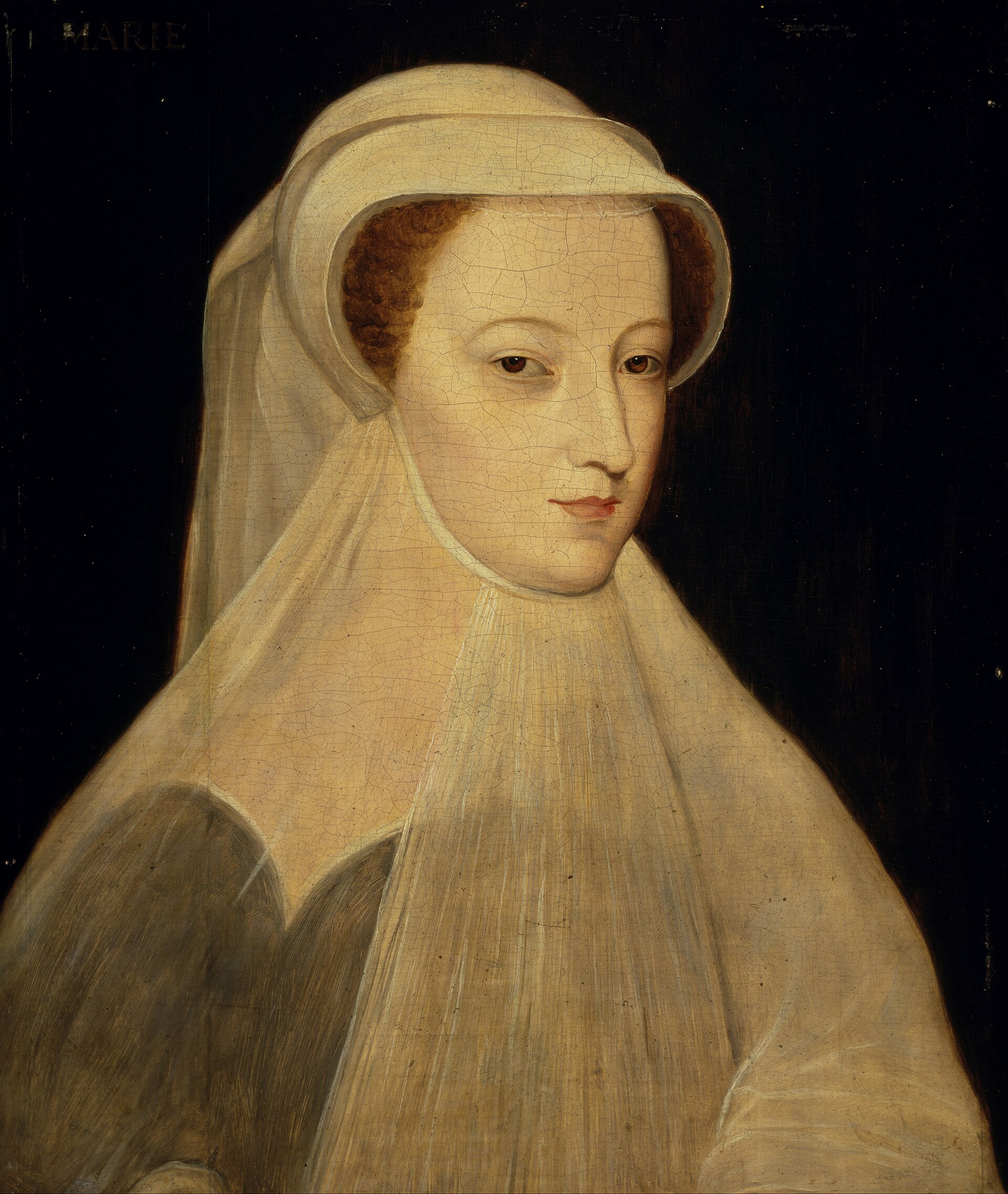
Mary, Queen of Scots fled to England in 1568 and spent nineteen years as Elizabeth's prisoner, becoming the focus of rebellion and of plots such as the Babington Plot of 1586. She was tried at Fotheringhay in a proceeding that began on 15 October 1586, and, found guilty of treason, she was executed in February 1587. The warrant for her execution was finally signed that February, and the execution took place; Elizabeth was horrified, locked herself in her room and wept for days.
7. The Spanish Armada
The Spanish Armada was a naval fleet dispatched by King Philip II of Spain in 1588 to invade England along with a Spanish army from Flanders, consisting of about 130 ships. It sailed from Lisbon in May 1588 under the command of the duke of Medina-Sidonia, a replacement for the marquess de Santa Cruz, who had died in February. The English fleet was under the command of Charles Howard, Lord Howard of Effingham, with Sir Francis Drake as his second in command; in December 1587 Elizabeth had put Lord Howard of Effingham in charge of England's defence against the Armada, with Drake appointed his Vice-Admiral.
On 19 July 1588 the Spanish Armada was sighted off the Lizard in Cornwall, and a series of beacons was lit along the coast to spread the warning. The English sent in eight fireships on the night of 28 July 1588; the Spaniards panicked and scattered to sea, and a day of fierce fighting followed, later called the Battle of Gravelines. The fleet was defeated in the Channel and driven north, and Drake's letter of 8 August 1588 announced that the Spanish army had been left so far to the north that it could recover neither England nor Scotland. Only 60 ships are known to have reached Spain after the Armada's long voyage home through autumn gales, and perhaps 15,000 men perished.
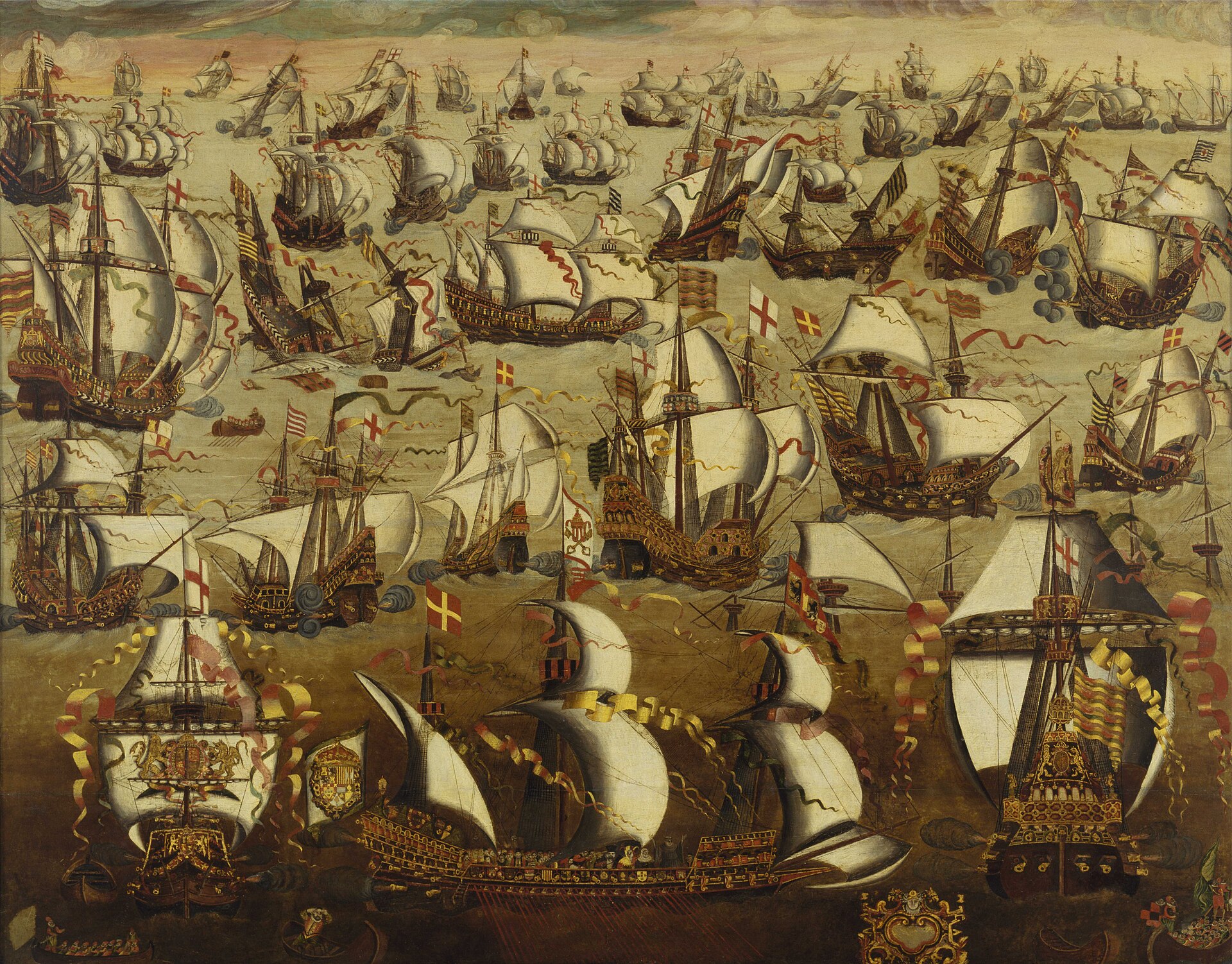
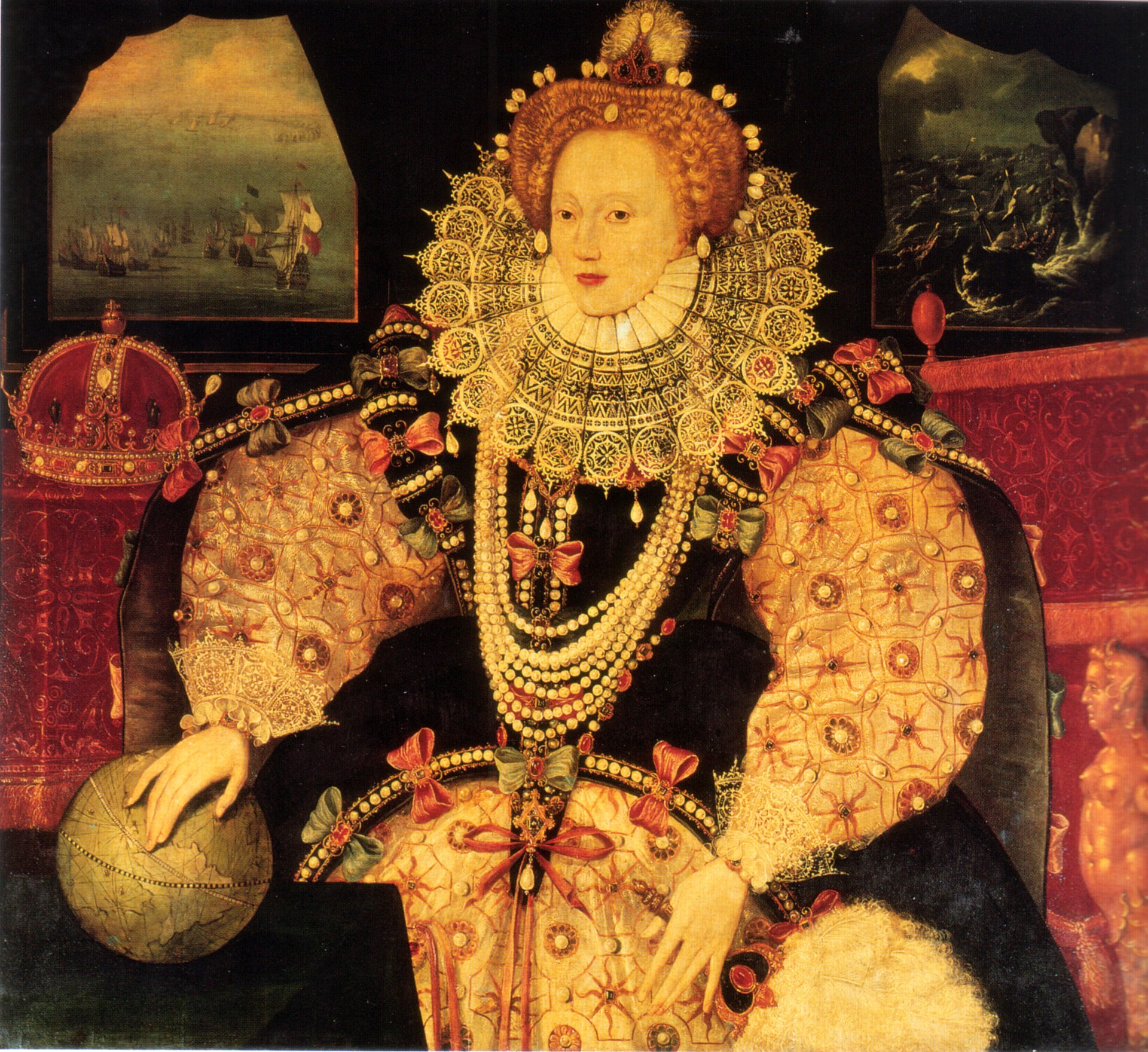
In her address to the troops at Tilbury in 1588 Elizabeth said she had but the body of a weak and feeble woman, but the heart of a king, and of a king of England too. She told her army at Tilbury that she had placed her chiefest strength and safeguard in the loyal hearts and good will of her subjects, and promised her troops that rewards and crowns already deserved would be duly paid, and that her lieutenant general would stand in her stead. The Armada Portrait commemorates the failed invasion of England by the Spanish Armada in summer 1588 and was designed as a spectacle of female power and majesty.
8. Government and Ministers
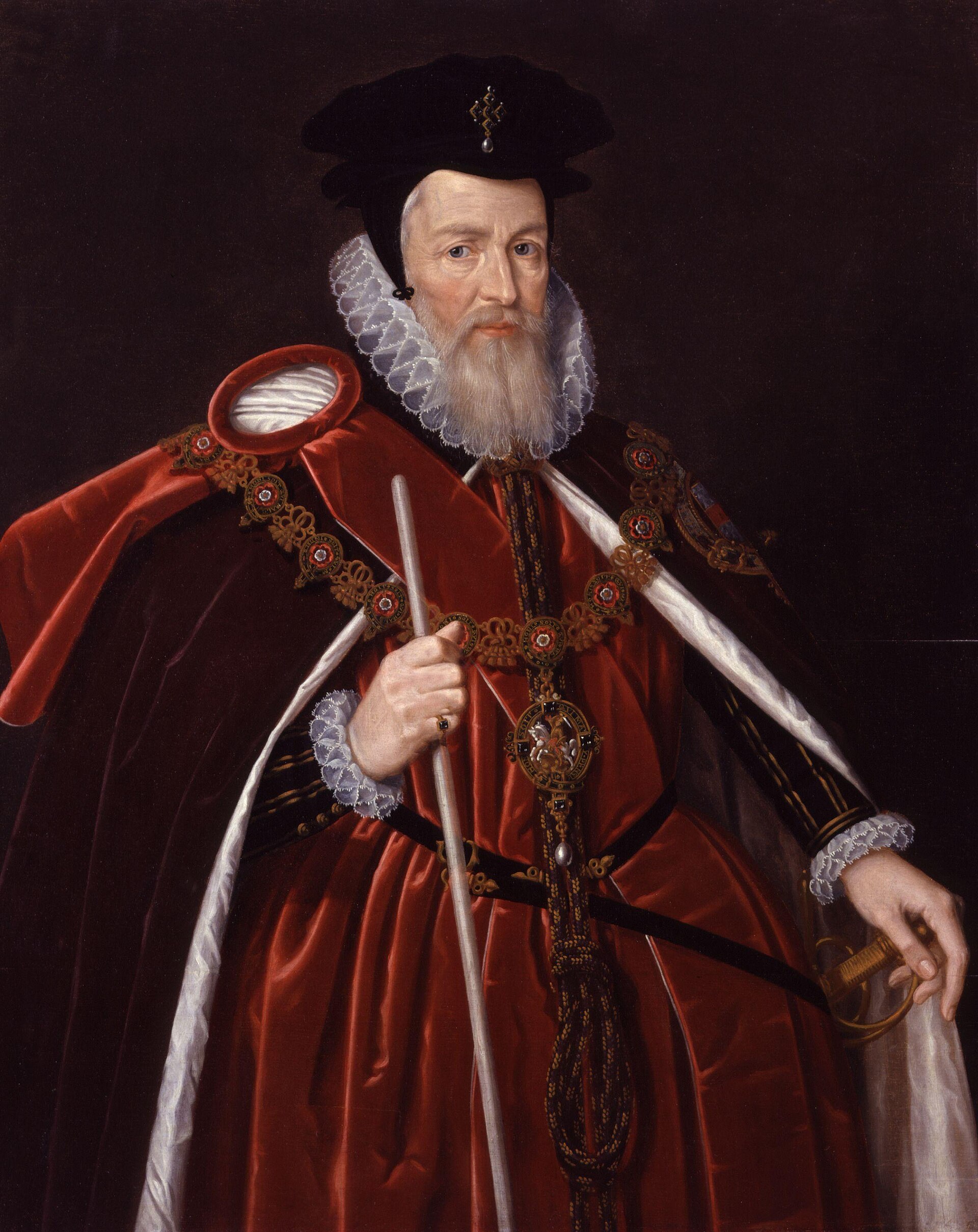
Elizabeth governed through ministers she chose with care, among them William Cecil, later Lord Burghley, Sir Christopher Hatton and Sir Francis Walsingham. Her accession itself fell on 17 November 1558, on the death of Mary I.
Parliament under Elizabeth was summoned by the monarch and functioned as a branch of royal government, and its members saw themselves as the monarch's servants. That conception of the relationship did not go unchallenged. Peter Wentworth became a famous Member of Parliament in her reign after he was arrested on three separate occasions for arguing that the Commons should have the freedom to discuss whatever it wished without fear of reprisal from the Queen.
9. Later Reign, Finance and the Poor Laws
The 1590s proved a difficult decade, with the Nine Years War beginning in 1594 in Ireland and hundreds of English troops killed. A succession of failed harvests and economic hardship in the later years of the reign prompted Elizabeth to introduce poor laws, including an Act for the Relief of the Poor in 1597 and a similar act four years later creating a national poor law system for England and Wales. Wars during Elizabeth's reign are estimated to have cost over £5 million, and in 1588 her total annual revenue amounted to some £392,000 a year.
10. Exploration, Trade and the Arts
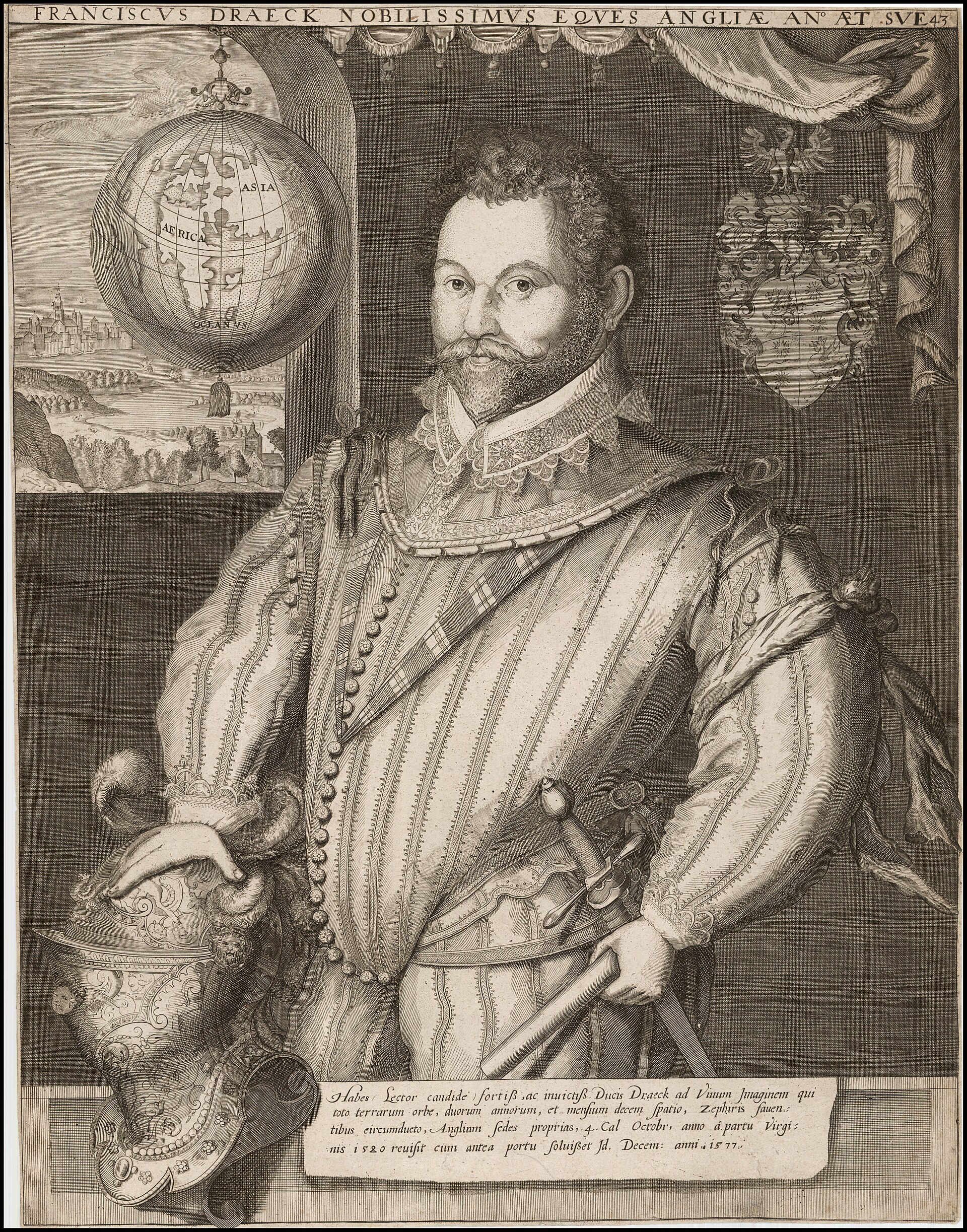
English enterprise overseas took organised form in 1600, when the Queen granted London merchants a royal charter conferring exclusive rights over English trade east of the Cape of Good Hope; the corporation became known as the East India Company. Earlier, Sir Francis Drake had become the first Englishman to circumnavigate the globe, a secret pirate mission sanctioned by Elizabeth against the Spanish. Only Elizabeth and Drake knew the exact amount he looted on that voyage, and his expeditions were classified as 'the Queen's secrets of the Realm'. Colonising efforts sponsored by Sir Walter Raleigh ended in the disappearance of 116 men, women and children, including two born in the New World — the 'lost colony'. At Fort Raleigh on Roanoke Island, the first infant cries of English colonization in the New World burst upon the world between 1584 and 1590, as part of the first English attempts at settlement.
Elizabeth was an active and generous patron of the theatre, maintaining her own acting company, the 'Queen's Men', and standing against the puritans who wished to close down the theatres. Shakespeare's company was selected more than any other for court performances in the 1590s, and Elizabeth is said to have asked for a play showing Falstaff in love, inspiring The Merry Wives of Windsor. Both The Merry Wives of Windsor and Love's Labor's Lost are recorded in print as having been acted before Elizabeth, proof that she saw Shakespeare's plays.
The arts flourished during the reign: country houses such as Longleat and Hardwick Hall were built, miniature painting reached its high point and theatres thrived. The queen's second Great Seal, engraved by Nicholas Hilliard, became the unwritten official portrayal of Elizabeth and was reproduced in numerous portraits and illuminations. She cultivated her image through regional visits known as progresses, making at least 25 during her reign.
11. Death and Legacy
Elizabeth died at Richmond Palace on 24 March 1603, having become a legend in her lifetime. Only on her deathbed, when pressed by a minister to formally name the King of Scots as her heir, did she draw a circlet above her head to indicate assent. Toward the end of her life she had forestalled the successional crisis by designating King James VI of Scotland as the next in line to the throne. The crown passed to the Protestant King James VI of Scotland, who became King James I of England.
Her funeral procession to Westminster Abbey on 28 April 1603 drew thousands amid 'such a general sighing, groaning and weeping as the like hath not been seen or known in the memory of man'. Her memorial hails her as 'Mother of her country, a nursing-mother to religion and all liberal sciences, skilled in many languages'.
The queen was grief-stricken at the death of her favourite Robert Dudley on 4 September 1588, and years later his last letter was found in a casket by her bed, inscribed 'his Last lettar'. In 1593, shortly after her 60th birthday, she translated Boethius's Consolation of Philosophy while staying at Windsor Castle, dictating the prose while writing the verse herself.
Henry IV of France was a great admirer of Elizabeth and is reported to have remarked on her skill in suppressing rebels: 'She only is a king! She only knows how to rule.' The Treaty of Nonsuch of 10 August 1585 pledged her financial and military support for the Dutch rebels against Philip II, and the Dutch handed over the key towns of Brill and Flushing. Greeting the Polish ambassador in extempore Latin, she exclaimed 'How I have been deceived!
12. Timeline: from birth to the end of the Tudor dynasty
- 7 September 1533Birth at GreenwichElizabeth was born at Greenwich, the daughter of Henry VIII and his second wife Anne Boleyn, and grew up third in line to the throne.
- 1536Anne Boleyn executedBefore Elizabeth reached her third birthday her father had her mother beheaded on charges of adultery and treason, and an act of Parliament declared the marriage invalid.
- 17 March 1554The Tide Letter and the TowerImprisoned on suspicion of involvement in the Wyatt rebellion, Elizabeth wrote the 'Tide Letter' to Mary I and narrowly escaped her mother's fate; she was later held at Woodstock.
- 17 November 1558AccessionMary I died and Elizabeth became Queen at the age of twenty-five, receiving the news at Hatfield House.
- 15 January 1559Coronation at Westminster AbbeyElizabeth was crowned at Westminster Abbey by Dr Oglethorpe, Bishop of Carlisle, with the ceremony partly in Latin and partly in English.
- 1559 to 1563The Church SettlementElizabeth restored England to Protestantism through the acts of the Church Settlement, with public worship in English rather than Latin.
- November 1566Marriage and succession clashA delegation of Lords and Commons pressed Elizabeth on marriage and the succession, and her haughty reply was followed by an order forbidding Parliament to debate the succession.
- 1568Mary, Queen of Scots flees to EnglandMary fled Scotland and was taken into custody in England, where she remained a prisoner for nineteen years.
- 10 August 1585Treaty of NonsuchElizabeth allied with the United Provinces of the Netherlands, pledging support for the Dutch rebels against Philip II.
- February 1587Execution of Mary, Queen of ScotsAfter the Babington Plot and her trial, Mary was executed; Elizabeth was horrified, locked herself in her room and wept for days.
- July to August 1588Defeat of the Spanish ArmadaThe Armada was sighted off the Lizard on 19 July and, after the fire ships and the Battle of Gravelines, was driven north into a ruinous voyage home.
- 30 November 1601The Golden SpeechElizabeth addressed her last Parliament and expressed the love she felt for her subjects in the speech that became known as the Golden Speech.
- 24 March 1603Death and the end of the Tudor dynastyElizabeth died at Richmond Palace, having become a legend in her lifetime; James VI of Scotland succeeded her as James I of England.
References (18)
- 1Elizabeth I | Biography, Facts, & Accomplishments — Encyclopaedia Britannica WebView source
- 2Elizabeth I (r.1558-1603) — The Royal Household (royal.uk) 1558 WebView source
- 3Queen Elizabeth I | Folger Shakespeare Library — Folger Shakespeare Library WebView source
- 4Elizabeth I's monarchy, part one (teaching resource) — The National Archives (UK) WebView source
- 5Elizabeth I: An Overview — BBC History WebView source
- 6Why was Queen Elizabeth I so important? — English Heritage WebView source
- 7Elizabeth I | Westminster Abbey — Westminster Abbey WebView source
- 8Modern History Sourcebook: Queen Elizabeth I of England (b. 1533, r. 1558-1603): Selected Writing and Speeches — Internet History Sourcebooks Project, Fordham University 1533 BookView source
- 9Spanish Armada | Definition, Defeat, & Facts — Encyclopaedia Britannica WebView source
- 10Elizabeth I and the Spanish Armada — Royal Museums Greenwich WebView source
- 11Elizabeth I's monarchy, part two (teaching resource) — The National Archives (UK) WebView source
- 12Modern History Sourcebook: Queen Elizabeth I: Against the Spanish Armada, 1588 — Internet History Sourcebooks Project, Fordham University 1588 BookView source
- 13The Armada Portrait of Elizabeth I — Royal Museums Greenwich WebView source
- 14Elizabethan Parliaments — UK Parliament (Living Heritage) WebView source
- 15Traders: the East India Company & Asia — Royal Museums Greenwich WebView source
- 16Sir Francis Drake facts — Royal Museums Greenwich WebView source
- 17Fort Raleigh National Historic Site — History & Culture — US National Park Service WebView source
- 18Shakespeare's Career — Shakespeare Birthplace Trust WebView source
 Galileo Galilei
 United Kingdom
 Gravity


