Chichén Itzá
The Maya pyramid that casts a serpent shadow at equinox.
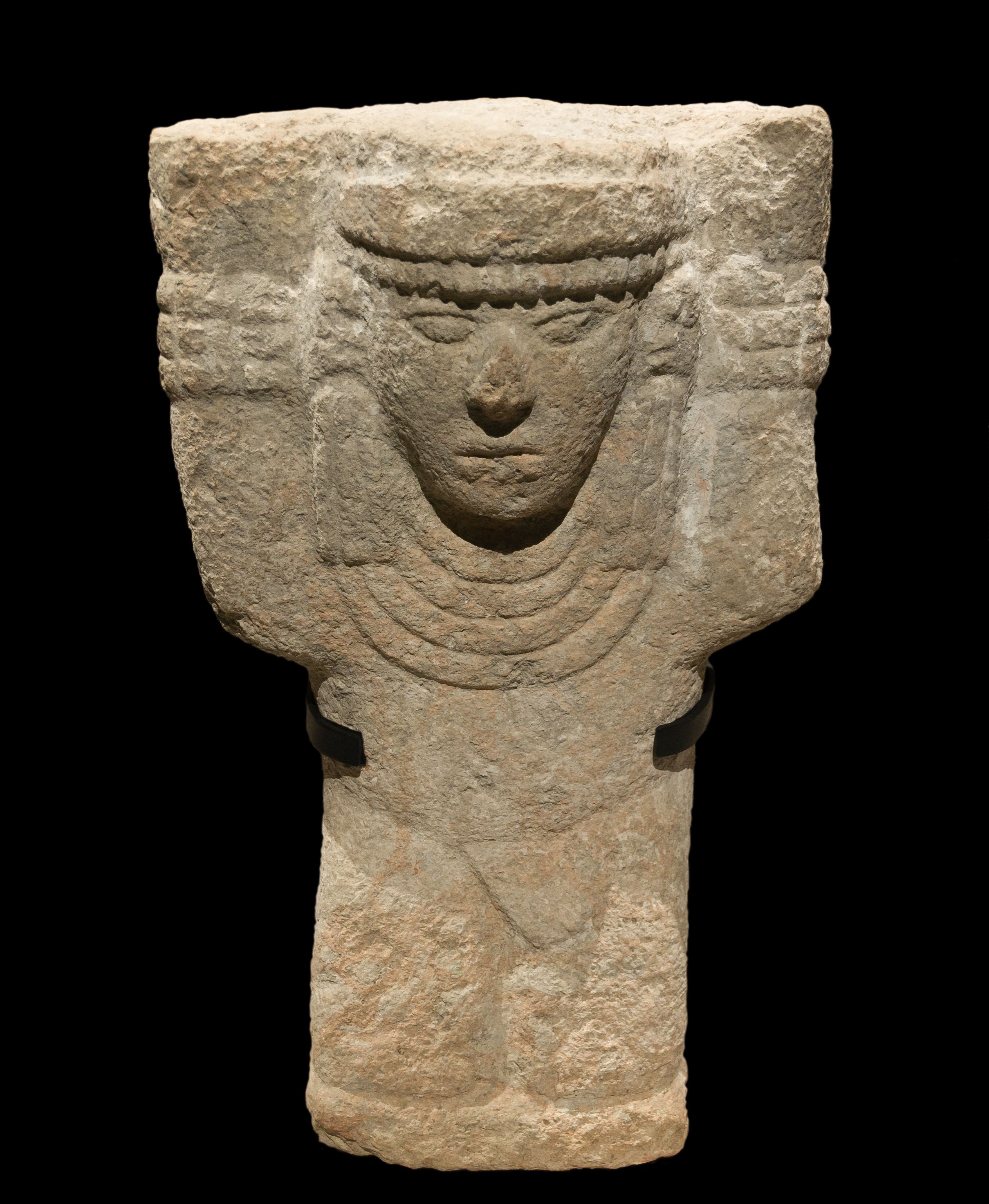
In this article
- 1Overview
- 2Architecture and Urban Character
- 3El Castillo (Temple of Kukulcan)
- 4The Red Jaguar Throne
- 5Kukulkan and the Itza
- 6The Itza People
- 7Chacmools and the Toltec Question
- 8Maya Ballgame
- 9Astronomical Orientation
- 10Comparative Sites: Mayapan and Uxmal
- 11Chichén Itzá in Ethnographic Film
- 12Key dates
- 13Frequently asked questions
- 14Knowledge graph
Overview
Chichen Itza was a large pre-Columbian city built by the Maya people of the Terminal Classic period1Chichén Itzá — wiki · Wikipedia ↗. It was one of the largest Maya cities and it was likely to have been one of the mythical great cities, or Tollans, referred to in later Mesoamerican literature1. The Maya civilization that produced it was a Mesoamerican civilization that existed from antiquity to the early modern period2Chichén Itzá — civilization · Reference ↗, and its script is the most sophisticated and highly developed writing system in the pre-Columbian Americas2.
El Castillo, also known as the Temple of Kukulcan, is a Mesoamerican step-pyramid that dominates the center of the Chichen Itza archaeological site in the Mexican state of Yucatán3Chichén Itzá — itza · Reference ↗. Built by the pre-Columbian Maya civilization sometime between the 8th and 12th centuries CE, the building served as a temple to the deity Kukulcán, the Yucatec Maya Feathered Serpent deity closely related to Quetzalcoatl, a deity known to the Aztecs and other central Mexican cultures of the Postclassic period3. The temple building is more formally designated by archaeologists as Chichen Itza Structure 5B183.
Kukulkan has its origins among the Maya of the Classic Period, when it was known as Waxaklahun Ubah Kan, the War Serpent4Chichén Itzá — kukulkan · Reference ↗. Although heavily Mexicanised, Kukulkan has its origins among the Maya of the Classic Period4. Prominent temples to Kukulkan are found at archaeological sites in the Yucatán Peninsula, such as Chichen Itza, Uxmal and Mayapan4.
The Red Jaguar Throne is a Maya throne located inside the substructure of the Temple of Kukulcan (or El Castillo) in the Maya city of Chichen Itza, Mexico5Chichén Itzá — throne · Reference ↗. The Red Jaguar Throne was for a period the sacred seat of power of the rulers of the Maya city of Chichen Itza, located in the second chamber of the upper temple of a stepped pyramidal base over which the Temple of Kukulcan (or El Castillo), as it is known today, would later be built5. It was the royal seat of the rulers of Chichen Itza for a period in its history and represented the strength and sacred power of the jaguar, an important animal in Maya mythology linked to authority, the night, and the underworld, and whose spirit was embodied by those who acceded to the Red Jaguar Throne5.
The term chacmool is derived from the name "Chaacmol," which Augustus Le Plongeon in 1875 gave to a sculpture that he and his wife Alice Dixon Le Plongeon excavated within the Temple of the Eagles and Jaguars at Chichén Itzá in 1875; he translated Chaacmol from Yucatecan Mayan as the "paw swift like thunder."6Chichén Itzá — chacmool · Reference ↗ Le Plongeon believed the statue, which he had found buried beneath the Platform of the Eagles and the Jaguars, depicted a former ruler of Chichen Itza6.
The ball court itself was a focal point of Maya cities and symbolized the city's wealth and power7Chichén Itzá — ballgame · Reference ↗. Mayapan (Màyapáan in Modern Maya; in Spanish Mayapán) is a Pre-Columbian Maya site a couple of kilometers south of the town of Telchaquillo in Tecoh Municipality, approximately 40 km south-east of Mérida and 100 km west of Chichen Itza; in the state of Yucatán, Mexico8Chichén Itzá — mayapan · Reference ↗. Mayapan was the political and cultural capital of the Maya in the Yucatán Peninsula during the Late Post-Classic period from the 1220s until the 1440s8. However, the Mayapan temple appears to be an inferior imitation of the one at Chichen Itza, and the city's buildings in general are not constructed as well as those in other Mayan cities8.
The city of Uxmal was designated a UNESCO World Heritage Site in 1996, as it is considered that the ruins of the ceremonial structures represent the pinnacle of late Maya art and architecture in their design, layout and ornamentation9Chichén Itzá — magician · Reference ↗. The Itza are one of the smallest Maya groups and have the lowest population; the few Itza descendants are settled in the town of San José, north of Lake Petén Itzá in the department of Petén, Guatemala, and are considered highly acculturated to mestizo society, with only 36 elderly people remaining as native speakers of the language10Chichén Itzá — people · Reference ↗. They migrated to Bacalar and northern Yucatán during the 10th century, later arriving to Champotón and finally in the 15th century settling around Lake10. During the Spanish colonial era and later by the Guatemalan government, the Itza were victims of repressive policies that accelerated the extinction of the Itza culture and language, leading to the loss of much of their ethnic identity10.
The architecture of the site draws on more than one tradition: it exhibits a multitude of architectural styles, reminiscent of styles seen in central Mexico and of the Puuc and Chenes styles of the Northern Maya lowlands1. Among the structures that carry this mixed character is the El Castillo pyramid, where a light-and-shadow effect can be observed during several weeks around the equinoxes11Chichén Itzá — architecture · Reference ↗. The Maya ballgame, a part of the Mesoamerican ballgame, was a sporting event played throughout the Mesoamerican era by the Maya civilization, which was distributed throughout much of Central America7.
The chacmools of Chichen Itza and Tula depict young men with warrior attributes, while the chacmools of Michoacán depict elderly men with wrinkled faces and erect penises6. The Itza themselves are traced through a sequence of movements: they migrated to Bacalar and northern Yucatán during the 10th century, later arriving to Champotón and finally in the 15th century settling around Lake Petén Itzá where they remained independent until 169710. In the Toltec narrative, violence drove many supporters of Ce Acatl Topiltzin to flee Tollan, with a sizeable portion of these exiles heading towards the Maya cultural area12Chichén Itzá — empire · Reference ↗.
The Pyramid of the Magician is the central structure in the Maya ruin complex of Uxmal9. Incidents of Travel in Chichén Itzá is an ethnographic film, an ethnographic documentary13Chichén Itzá — itz · Reference ↗.
1. Architecture and Urban Character
The site exhibits a multitude of architectural styles, reminiscent of styles seen in central Mexico and of the Puuc and Chenes styles of the Northern Maya lowlands 1. The city may have had the most diverse population in the Maya world, a factor that could have contributed to the variety of architectural styles at the site 1.
In form, the Temple of Kukulcan (Structure Q-162 on the site map) is a radial four-staircase temple with nine terraces; it is generally similar to the Temple of Kukulcan at the earlier site of Chichen Itza 8. The construction of the Temple of Kukulcán ("El Castillo"), like other Mesoamerican temples, likely reflected the common practice by the Maya of executing several phases of construction for their temples 3.
The 19th century discovery of chacmools in both central Mexico and the Yucatán Peninsula helped to promote the idea of a Toltec empire although the chacmool sculptures may have originated in the Maya region 6. Museum worker Jesús Sanchez realised that the Chichen Itza sculpture was stylistically similar to two sculptures from central Mexico and the wide occurrence of the form within Mesoamerica was first recognised 6.
Vincent H Malmstrom has argued that this is because of a general wish to align the pyramids to face the sunset on August 13, which was the beginning date of the Maya Long Count calendar 11. However, recent research has shown that the earliest orientations marking sunsets on August 13 (and April 30) occur outside of the Maya area 11. These conclusions are supported by the results of systematic research accomplished in various Mesoamerican regions, including central Mexico, the Maya Lowlands, Oaxaca, the Gulf Coast lowlands, and western and northern Mesoamerica 11.
El Castillo, also called the Temple of Kukulcan, is a Mesoamerican step-pyramid that dominates the center of the Chichen Itza archaeological site in the Mexican state of Yucatán 3. Archaeologists designate the temple building more formally as Chichen Itza Structure 5B18 3. Within its substructure lies the Red Jaguar Throne, a Maya throne 5.
The pyramid is a famous example of a light-and-shadow effect observable during several weeks around the equinoxes 11. Prominent temples to Kukulkan are found at archaeological sites in the Yucatán Peninsula, among them Chichen Itza, Uxmal and Mayapan 4. Although heavily Mexicanised, Kukulkan has origins among the Maya of the Classic Period 4.
The term chacmool derives from the name "Chaacmol," which Augustus Le Plongeon gave in 1875 to a sculpture that he and his wife Alice Dixon Le Plongeon excavated within the Temple of the Eagles and Jaguars at Chichén Itzá in 1875; he translated Chaacmol from Yucatecan Mayan as the "paw swift like thunder" 6. Le Plongeon believed the statue, found buried beneath the Platform of the Eagles and the Jaguars, depicted a former ruler of Chichen Itza 6. The chacmools of Chichen Itza and Tula depict young men with warrior attributes, while those of Michoacán depict elderly men with wrinkled faces and erect penises 6.
The Pyramid of the Magician is the central structure in the Maya ruin complex of Uxmal 9. Uxmal was designated a UNESCO World Heritage Site in 1996, as its ceremonial structures are considered to represent the pinnacle of late Maya art and architecture in their design, layout and ornamentation 9. Mayapan lies a couple of kilometers south of the town of Telchaquillo in Tecoh Municipality, approximately 40 km south-east of Mérida and 100 km west of Chichen Itza, in the state of Yucatán, Mexico 8.
The Maya civilization was a Mesoamerican civilization that existed from antiquity to the early modern period 2, and its script is the most sophisticated and highly developed writing system in the pre-Columbian Americas 2. The Maya ballgame, part of the Mesoamerican ballgame, was played throughout the Mesoamerican era by the Maya civilization, which was distributed throughout much of Central America 7. The Itza migrated to Bacalar and northern Yucatán during the 10th century, later arriving to Champotón and finally in the 15th century settling around Lake Petén Itzá where they remained independent until 1697 10; during the Spanish colonial era and later under the Guatemalan government they were victims of repressive policies that accelerated the extinction of their culture and language, leading to the loss of much of their ethnic identity 10.
2. El Castillo (Temple of Kukulcan)
El Castillo is a Mesoamerican step-pyramid and a famous example of the light-and-shadow effect that can be observed during several weeks around the equinoxes at Chichen Itza 11. Archaeologists designate the temple building more formally as Chichen Itza Structure 5B18 3. The pyramid is also known as the Temple of Kukulcan 3.
According to Mexican archaeologist Román Piña Chan, the cult of Quetzalcoatl, known as Kukulkan in Yucatan, was introduced in the region by the Itza around 987 AD 12. The census of 2002 counted 1,983 ethnic Itza, who retain some aspects of their indigenous culture 10.
Conservation efforts are still underway and, as with El Castillo in Chichen Itza, visitors to the site are now prohibited from climbing the pyramid 9. The equinox event at Chichen Itza has drawn filmmakers: a film was shot during the event and includes interviews and footage with New Age Spiritualists, State archaeology authorities, secular tourists, artisans, venders and local political leaders 13.
The chacmools of Chichen Itza and Tula depict young men with warrior attributes, while the chacmools of Michoacán depict elderly men with wrinkled faces and erect penises 6.
The structure is a radial temple with four staircases and nine terraces 8. On the site map it carries the designation Structure Q-162 8. A comparable temple to Kukulkan at the earlier site of Mayapan follows the same radial plan, though that building is judged an inferior imitation of the Chichen Itza monument, and Mayapan's buildings generally are not constructed as well as those of other Maya cities 8.
The pre-Columbian Maya built the temple sometime between the 8th and 12th centuries CE, and it served as a temple to Kukulcán, the Yucatec Maya Feathered Serpent deity closely related to Quetzalcoatl, a god known to the Aztecs and other central Mexican cultures of the Postclassic period 3. Its construction, like that of other Mesoamerican temples, likely reflects the Maya practice of executing several phases of building 3. Prominent temples to Kukulkan are found at archaeological sites across the Yucatán Peninsula, among them Chichen Itza, Uxmal and Mayapan 4.
Beneath the pyramid lies the Red Jaguar Throne, a Maya throne for a period the sacred seat of power of the rulers of Chichen Itza, situated in the second chamber of the upper temple of a stepped pyramidal base over which the Temple of Kukulcan would later be built 5.
The term chacmool derives from "Chaacmol," the name Augustus Le Plongeon gave in 1875 to a sculpture he and his wife Alice Dixon Le Plongeon excavated within the Temple of the Eagles and Jaguars at Chichén Itzá in 1875; he translated the word from Yucatecan Mayan as "paw swift like thunder" and believed the statue, found buried beneath the Platform of the Eagles and the Jaguars, depicted a former ruler of Chichen Itza 6.
3. The Red Jaguar Throne
The Red Jaguar Throne was for a period the sacred seat of power of the rulers of the Maya city of Chichen Itza, located in the second chamber of the upper temple of a stepped pyramidal base over which the Temple of Kukulcan (or El Castillo) would later be built 5.
It was the royal seat of the rulers of Chichen Itza for a period in its history 5. The throne represented the strength and sacred power of the jaguar, an important animal in Maya mythology linked to authority, the night, and the underworld 5. Its spirit was embodied by those who acceded to the Red Jaguar Throne 5.
The throne lies within the substructure of the Temple of Kukulcan, also called El Castillo, in the Maya city of Chichen Itza in Mexico 5. The stepped pyramidal base that housed it was later surmounted by that temple as it is known today 5. Chichen Itza itself was one of the largest Maya cities and was likely one of the mythical great cities, or Tollans, referred to in later Mesoamerican literature 1.
The building above the throne was raised by the pre-Columbian Maya civilization sometime between the 8th and 12th centuries CE and served as a temple to the deity Kukulcán, the Yucatec Maya Feathered Serpent deity closely related to Quetzalcoatl, a deity known to the Aztecs and other central Mexican cultures of the Postclassic period 3.
The term chacmool derives from the name "Chaacmol," which Augustus Le Plongeon in 1875 gave to a sculpture that he and his wife Alice Dixon Le Plongeon excavated within the Temple of the Eagles and Jaguars at Chichén Itzá in 1875 6. He translated Chaacmol from Yucatecan Mayan as the "paw swift like thunder" 6. Le Plongeon believed the statue, which he had found buried beneath the Platform of the Eagles and the Jaguars, depicted a former ruler of Chichen Itza 6.
The equinox event at the site is a state-sponsored tourism ritual and celebration of the Maya 13. Elsewhere in the Maya world, the city of Uxmal was designated a UNESCO World Heritage Site in 1996, as it is considered that the ruins of the ceremonial structures represent the pinnacle of late Maya art and architecture in their design, layout and ornamentation 9.
4. Kukulkan and the Itza
The Itza were a group of mixed Putún Maya and Toltec descent, which had welcomed immigrants from Tollan time moving into the Yucatán Peninsula, and had adopted the religious teachings of the Toltecs 12. According to Mexican archaeologist Román Piña Chan, the cult of Quetzalcoatl (known as Kukulkan in Yucatan) was introduced in the region by the Itza around 987 AD 12.
Because of the violence, many of those who supported Ce Acatl Topiltzin fled Tollan, with a sizeable portion of these exiles heading towards the Maya cultural area 12.
Kukulkan is not purely a foreign import: although heavily Mexicanised, the deity has its origins among the Maya of the Classic Period 4. Prominent temples to Kukulkan are found at archaeological sites across the Yucatán Peninsula, among them Chichen Itza, Uxmal and Mayapan 4. The best-known of these is El Castillo, also called the Temple of Kukulcan, a Mesoamerican step-pyramid that dominates the center of the Chichen Itza archaeological site in the Mexican state of Yucatán 3; archaeologists designate the temple building more formally as Chichen Itza Structure 5B18 3. A light-and-shadow effect can be observed at the pyramid during several weeks around the equinoxes 11.
Inside the substructure of the Temple of Kukulcan stands the Red Jaguar Throne, a Maya throne that served as the royal seat of the rulers of Chichen Itza for a period in its history 5. It represented the strength and sacred power of the jaguar, an animal in Maya mythology linked to authority, the night and the underworld, whose spirit was embodied by those who acceded to the throne 5. The later Temple of Kukulcan at Mayapan, Structure Q-162 on that site's map, is a radial four-staircase temple with nine terraces, generally similar to the Temple of Kukulcan at the earlier site of Chichen Itza 8.
Chichen Itza was a large pre-Columbian city built by the Maya people of the Terminal Classic period 1, and it was one of the largest Maya cities; it was likely one of the mythical great cities, or Tollans, referred to in later Mesoamerican literature 1. The Itza themselves survive only marginally: they are one of the smallest Maya groups and have the lowest population, with the few descendants settled in the town of San José, north of Lake Petén Itzá in the department of Petén, Guatemala, considered highly acculturated to mestizo society and with only 36 elderly people remaining as native speakers of the language 10. The census of 2002 counted 1,983 ethnic Itza, who retain some aspects of their traditions 10. During the Spanish colonial era and later under the Guatemalan government the Itza were victims of repressive policies that accelerated the extinction of their culture and language and led to the loss of much of their ethnic identity 10.
5. The Itza People
The Itza migrated to Bacalar and northern Yucatán during the 10th century, later arriving to Champotón and finally in the 15th century settling around Lake Petén Itzá where they remained independent until 1697 10. They are one of the smallest Maya groups and have the lowest population 10. The few Itza descendants are settled in the town of San José, north of Lake Petén Itzá in the department of Petén, Guatemala, and are considered highly acculturated to mestizo society, with only 36 elderly people remaining as native speakers of the language 10.
During the Spanish colonial era and later by the Guatemalan government, the Itza were victims of repressive policies that accelerated the extinction of the Itza culture and language, leading to the loss of much of their ethnic identity 10.
The Itza were a group of mixed Putún Maya and Toltec descent, which had welcomed immigrants from Tollan time moving into the Yucatán Peninsula, and had adopted the religious teachings of the Toltecs 12. According to Mexican archaeologist Román Piña Chan, the cult of Quetzalcoatl (known as Kukulkan in Yucatan) was introduced in the region by the Itza around 987 AD 12. According to the census of 2002, there are 1,983 ethnic Itza, who retain some aspects of their culture 10.
6. Chacmools and the Toltec Question
The term chacmool is derived from the name "Chaacmol," which Augustus Le Plongeon in 1875 gave to a sculpture that he and his wife Alice Dixon Le Plongeon excavated within the Temple of the Eagles and Jaguars at Chichén Itzá in 18756. He translated Chaacmol from Yucatecan Mayan as the "paw swift like thunder"6. Le Plongeon believed the statue, which he had found buried beneath the Platform of the Eagles and the Jaguars, depicted a former ruler of Chichen Itza6.
Museum worker Jesús Sanchez realised that the Chichen Itza sculpture was stylistically similar to two sculptures from central Mexico and the wide occurrence of the form within Mesoamerica was first recognised6. The 19th century discovery of chacmools in both central Mexico and the Yucatán Peninsula helped to promote the idea of a Toltec empire although the chacmool sculptures may have originated in the Maya region6.
The chacmools of Chichen Itza and Tula depict young men with warrior attributes, while the chacmools of Michoacán depict elderly men with wrinkled faces and erect penises6.
The Toltec question extends beyond the sculptures themselves. The Itza were a group of mixed Putún Maya and Toltec descent, which had welcomed immigrants from Tollan time moving into the Yucatán Peninsula, and had adopted the religious teachings of the Toltecs12. Because of the violence, many of those who supported Ce Acatl Topiltzin fled Tollan, with a sizeable portion of these exiles heading towards the Maya cultural area12. They migrated to Bacalar and northern Yucatán during the 10th century, later arriving to Champotón and finally in the 15th century settling around Lake Petén Itzá where they remained independent until 169710. During the Spanish colonial era and later by the Guatemalan government, the Itza were victims of repressive policies that accelerated the extinction of the Itza culture and language, leading to the loss of much of their ethnic identity10.
7. Maya Ballgame
Maya ballgame, which is a part of the Mesoamerican ballgame, is a sporting event that was played throughout the Mesoamerican era by the Maya civilization, which was distributed throughout much of Central America 7. The ball court itself was a focal point of Maya cities and symbolized the city's wealth and power 7.
The Popol Vuh describes the history of the Kʼicheʼ people and their rulers and mentions the important position of the Maya ballgame 7.
Chichen Itza was a large pre-Columbian city built by the Maya people of the Terminal Classic period 14Chichén Itzá — itza · Reference ↗. It was one of the largest Maya cities and it was likely to have been one of the mythical great cities, or Tollans, referred to in later Mesoamerican literature 1. The site exhibits a multitude of architectural styles, reminiscent of styles seen in central Mexico and of the Puuc and Chenes styles of the Northern Maya lowlands 14.
Prominent temples to Kukulkan are found at archaeological sites in the Yucatán Peninsula, such as Chichen Itza, Uxmal and Mayapan 4. Although heavily Mexicanised, Kukulkan has its origins among the Maya of the Classic Period 4. The Red Jaguar Throne is a Maya throne located inside the substructure of the Temple of Kukulcan (or El Castillo) in the Maya city of Chichen Itza, Mexico 5. It was the royal seat of the rulers of Chichen Itza for a period in its history and represented the strength and sacred power of the jaguar, an important animal in Maya mythology linked to authority, the night, and the underworld, and whose spirit was embodied by those who acceded to the Red Jaguar Throne 5.
Mayapan (Màyapáan in Modern Maya; in Spanish Mayapán) is a Pre-Columbian Maya site a couple of kilometers south of the town of Telchaquillo in Tecoh Municipality, approximately 40 km south-east of Mérida and 100 km west of Chichen Itza; in the state of Yucatán, Mexico 8. Mayapan was the political and cultural capital of the Maya in the Yucatán Peninsula during the Late Post-Classic period from the 1220s until the 1440s 8.
The term chacmool is derived from the name "Chaacmol," which Augustus Le Plongeon in 1875 gave to a sculpture that he and his wife Alice Dixon Le Plongeon excavated within the Temple of the Eagles and Jaguars at Chichén Itzá in 1875; he translated Chaacmol from Yucatecan Mayan as the "paw swift like thunder." Le Plongeon believed the statue, which he had found buried beneath the Platform of the Eagles and the Jaguars, depicted a former ruler of Chichen Itza 6.
Vincent H Malmstrom has argued that this is because of a general wish to align the pyramids to face the sunset on August 13, which was the beginning date of the Maya Long Count calendar 11. However, recent research has shown that the earliest orientations marking sunsets on August 13 (and April 30) occur outside of the Maya area 11.
This ethnographic film was shot entirely on location at the archaeological and tourism site of Chichén Itzá and the nearby Maya Indian community of Pisté, Yucatán, México, during the spring equinox of 1995 and 1997 13.
8. Astronomical Orientation
Vincent H Malmstrom has argued that this is because of a general wish to align the pyramids to face the sunset on August 13, which was the beginning date of the Maya Long Count calendar11. However, recent research has shown that the earliest orientations marking sunsets on August 13 (and April 30) occur outside of the Maya area11.
These conclusions are supported by the results of systematic research accomplished in various Mesoamerican regions, including central Mexico, the Maya Lowlands, Oaxaca, the Gulf Coast lowlands, and western and northern Mesoamerica11.
9. Comparative Sites: Mayapan and Uxmal
Mayapan is a Pre-Columbian Maya site a couple of kilometers south of the town of Telchaquillo in Tecoh Municipality, approximately 40 km south-east of Mérida and 100 km west of Chichen Itza; it lies in the state of Yucatán, Mexico 8.
In form, the Temple of Kukulcan (Structure Q-162 on the site map) is a radial four-staircase temple with nine terraces; it is generally similar to the Temple of Kukulcan at the earlier site of Chichen Itza 8.
The city of Uxmal was designated a UNESCO World Heritage Site in 1996, as it is considered that the ruins of the ceremonial structures represent the pinnacle of late Maya art and architecture in their design, layout and ornamentation 9.
Mayapan served as the political and cultural capital of the Maya in the Yucatán Peninsula during the Late Post-Classic period from the 1220s until the 1440s 8.
Prominent temples to Kukulkan are found at archaeological sites in the Yucatán Peninsula, such as Chichen Itza, Uxmal and Mayapan 4. The Mayapan temple, however, appears to be an inferior imitation of the one at Chichen Itza, and the city's buildings in general are not constructed as well as those in other Mayan cities 8.
At Uxmal the Pyramid of the Magician is the central structure in the Maya ruin complex 9.
10. Chichén Itzá in Ethnographic Film
Incidents of Travel in Chichén Itzá is an ethnographic documentary. The film was shot entirely on location at the archaeological and tourism site of Chichén Itzá and at the nearby Maya Indian community of Pisté, Yucatán, México, during the spring equinox of 1995 and 199713.
The filming took place during the equinox event at Chichén Itzá and brings together interviews and footage with New Age Spiritualists, State archaeology authorities, secular tourists, artisans, venders and local political leaders13. In its ethnographic analysis the equinox event is treated as a state-sponsored tourism ritual and a celebration of the Maya13.
11. Key dates
- 1697They migrated to Bacalar and northern Yucatán during the 10th century, later a…They migrated to Bacalar and northern Yucatán during the 10th century, later arriving to Champotón and finally in the 15th century settling around Lake Petén Itzá where they remained independent until 1697.
- 1875The term chacmool is derived from the name "Chaacmol," which Augustus Le Plong…The term chacmool is derived from the name "Chaacmol," which Augustus Le Plongeon in 1875 gave to a sculpture that he and his wife Alice Dixon Le Plongeon excavated within the Temple of the Eagles and Jaguars at Chichén Itzá in 1875; he translated Chaacmol from Yucatecan Mayan as
- 1995== Film Locations == This ethnographic film was shot entirely on location at t…== Film Locations == This ethnographic film was shot entirely on location at the archaeological and tourism site of Chichén Itzá and the nearby Maya Indian community of Pisté, Yucatán, México, during the spring equinox of 1995 and 1997.
- 1996The city of Uxmal was designated a UNESCO World Heritage Site in 1996, as it i…The city of Uxmal was designated a UNESCO World Heritage Site in 1996, as it is considered that the ruins of the ceremonial structures represent the pinnacle of late Maya art and architecture in their design, layout and ornamentation.
- 2002== Numbers of ethnic group members and Itza speakers == According to the censu…== Numbers of ethnic group members and Itza speakers == According to the census of 2002, there are 1,983 ethnic Itza, who retain some aspects of their indigenous culture.
12. Frequently asked questions
What does the name Kukulkan look like in the Yucatec Maya and Tzotzil languages?
In the Yucatec Maya language the name is spelt Kʼukʼulkan, and in Tzotzil it is Kʼukʼul-chon4.
How many Maya descendants are there today, and where do they live?
Today the descendants of the Maya number well over 6 million individuals, speak more than twenty-eight surviving Mayan languages, and reside in nearly the same area2. The Maya civilization developed in the Maya Region, an area that today comprises southeastern Mexico, all of Guatemala and Belize, and the western portions of Honduras and El Salvador2.
What is the Pyramid of the Magician?
The Pyramid of the Magician is the central structure in the Maya ruin complex of Uxmal9.
Where was the Red Jaguar Throne found within the pyramid?
The Red Jaguar Throne was located in the second chamber of the upper temple of a stepped pyramidal base over which the Temple of Kukulcan, or El Castillo, would later be built5.
What does the Popol Vuh record about the ballgame?
The Popol Vuh describes the history of the Kʼicheʼ people and their rulers and mentions the important position of the Maya ballgame7.
Who were the Itza as a people, according to the Toltec account?
The Itza were a group of mixed Putún Maya and Toltec descent, which had welcomed immigrants from Tollan time moving into the Yucatán Peninsula, and had adopted the religious teachings of the Toltecs12.
References (14)
- 1Chichén Itzá — wiki — Wikipedia Web↩View source
- 2Chichén Itzá — civilization — Reference Web↩View source
- 3Chichén Itzá — itza — Reference Web↩View source
- 4Chichén Itzá — kukulkan — Reference Web↩View source
- 5Chichén Itzá — throne — Reference Web↩View source
- 6Chichén Itzá — chacmool — Reference Web↩View source
- 7Chichén Itzá — ballgame — Reference Web↩View source
- 8Chichén Itzá — mayapan — Reference Web↩View source
- 9Chichén Itzá — magician — Reference Web↩View source
- 10Chichén Itzá — people — Reference Web↩View source
- 11Chichén Itzá — architecture — Reference Web↩View source
- 12Chichén Itzá — empire — Reference Web↩View source
- 13Chichén Itzá — itz — Reference Web↩View source
- 14Chichén Itzá — itza — Reference Web↩View source