Immune System
The body's layered defences — innate barriers and phagocytes, adaptive B and T cell immunity, antibodies and memory — and how vaccines, Nobel-winning discoveries and modern immunotherapy work with them.
The immune system is the complex group of defence responses that prevents or limits infection, combining fast, nonspecific innate immunity — physical and chemical barriers, phagocytes, complement and inflammation — with slower, antigen-specific adaptive immunity carried by B and T lymphocytes, antibodies and memory cells. Understanding it underpins vaccination, which since Edward Jenner's smallpox vaccine of 1796 has trained the immune system without the danger of disease, and modern medicine's use of immunotherapy, transplantation and treatments for allergy, autoimmunity and immunodeficiency including HIV.

In this article
- 1Overview
- 2Two Cooperative Defense Systems
- 3Barriers and Innate Defenses
- 4Innate Immune Cells and Early Signals
- 5The Adaptive Response
- 6Antibodies and Immunoglobulins
- 7Active and Passive Immunity
- 8Vaccination
- 9Disorders of the Immune System
- 10Immunity and Cancer
- 11Historical Development and Nobel Recognition
- 12Key Facts at a Glance
- 13Timeline: from Jenner's vaccine to mRNA
- 14Frequently asked questions
- 15Knowledge graph
Overview
Immunity is the ability of the human body to tolerate material indigenous to the body and to eliminate foreign substances, a task performed by a complex system of interacting cells called the immune system. The overall function of the immune system is to prevent or limit infection. When that function falters, the consequences are direct: people with immune-compromising conditions such as HIV can be sickened by microbes that do not infect healthy individuals.
1. Two Cooperative Defense Systems
Immunity from disease rests on two cooperative defense systems. Nonspecific innate immunity repels all microorganisms equally, whereas specific acquired immunity is tailored to particular types of invaders. Both systems work by recognizing and responding to antigens — substances, usually proteins, found on the surfaces of cells, viruses, fungi, and bacteria. Nonliving substances such as toxins, medicines, and splinters can also act as antigens.
Innate immunity is the defense a person is born with, built from barriers that keep harmful materials out and from internal defenses that act against whatever breaches them. Acquired immunity, by contrast, develops with exposure to antigens, and vaccination can create it without the infection having to occur first. Because it is tailored and retains memory, the adaptive response takes days or even weeks to become established, far longer than the innate response.
2. Barriers and Innate Defenses
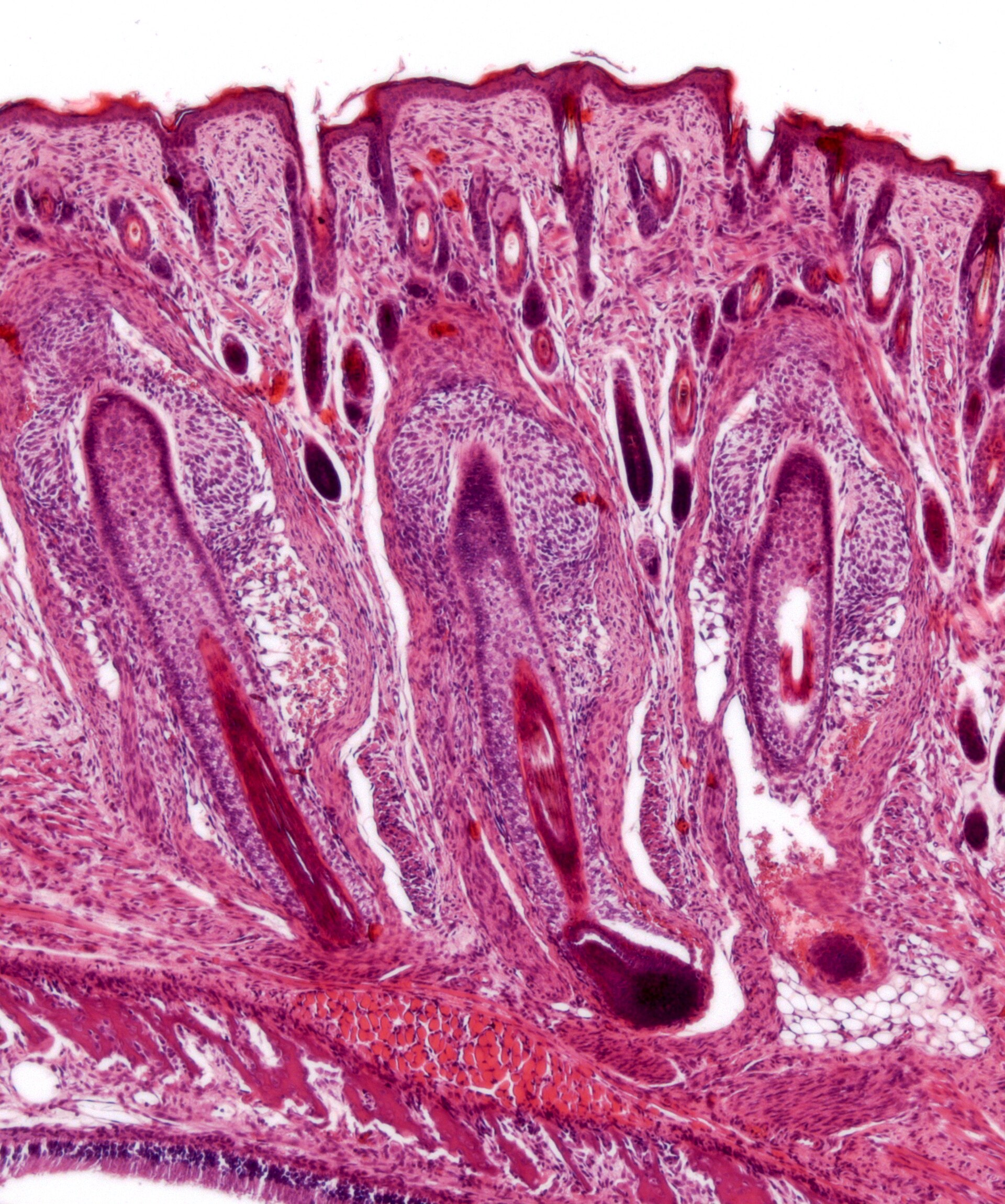
The skin is the body's first line of defense, a continuous, impassable barrier to potentially infectious pathogens. It is built of three layers of closely packed cells: the thin epidermis on top, the thicker dermis with its hair follicles and sweat glands, and the fatty hypodermis beneath. The epidermis is a tough outer layer whose cells produce keratin, and this layer, constantly renewed from below, serves as a mechanical barrier to infection. Because the dead cells of the epidermis are shed frequently, microbes clinging to them are carried away. Fatty acids on the skin's surface create a dry, salty, and acidic environment that inhibits some microbes.
Pathogens on the skin are killed or inactivated by desiccation and by the skin's acidity. The flushing action of urine and tears carries microbes away from the body, and urine flow keeps the kidneys, ureters, and bladder free of transient microorganisms that may include pathogens.
The mucous membrane linings of the respiratory, gastrointestinal, and genitourinary tracts provide a constantly renewed mechanical barrier, and the respiratory lining secretes mucus that traps small particles. The epithelial cells lining the urogenital tract, blood vessels, and lymphatic vessels are known as endothelia, and their tightly packed arrangement provides an effective frontline barrier against invaders.
Cells in the blood and lymph detect pathogen-associated molecular patterns (PAMPs), which are carbohydrate, polypeptide, and nucleic acid signatures expressed by pathogens but differing from host molecules. These signals, together with danger-associated molecular patterns (DAMPs), alert the immune system to infection or cellular damage.
3. Innate Immune Cells and Early Signals
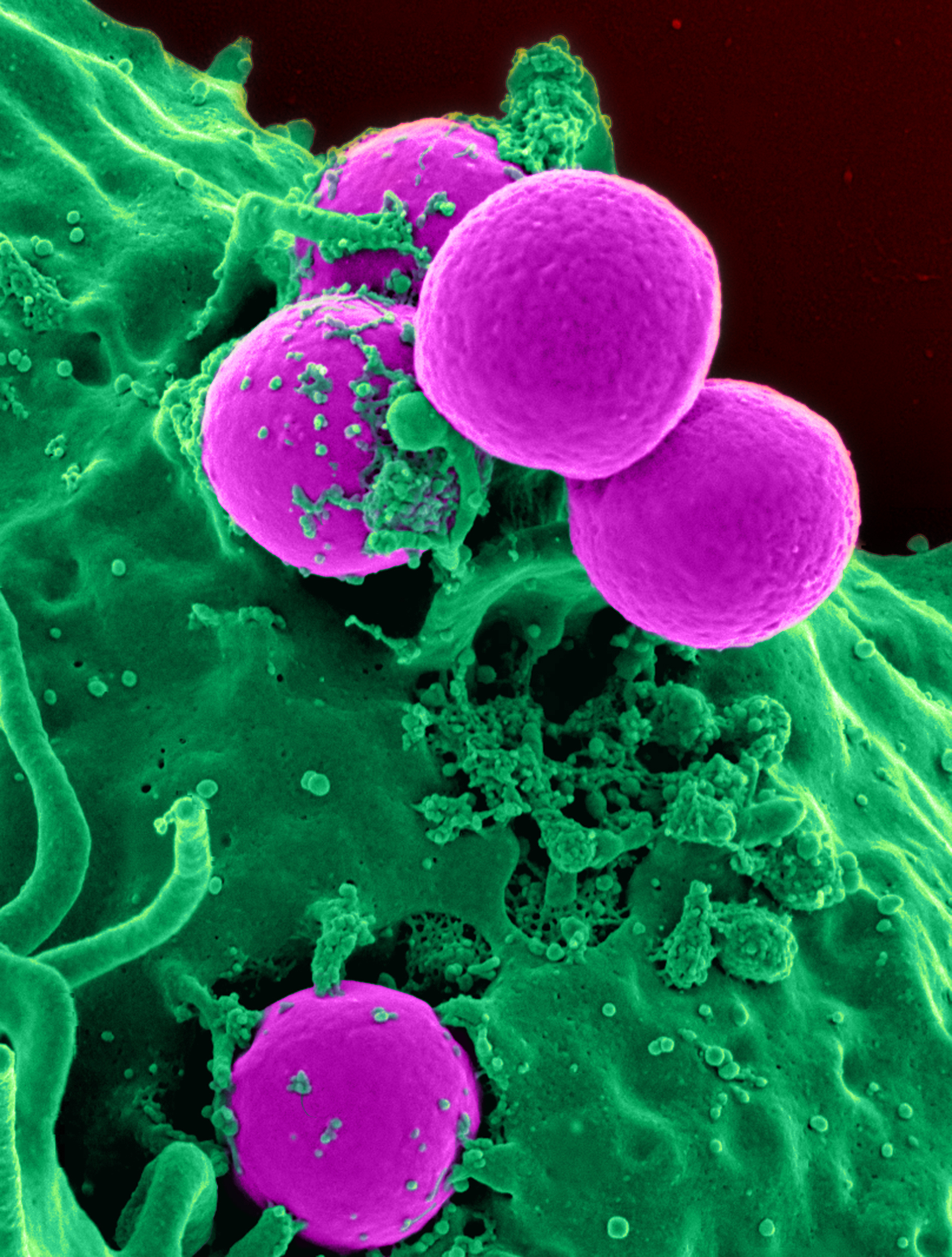
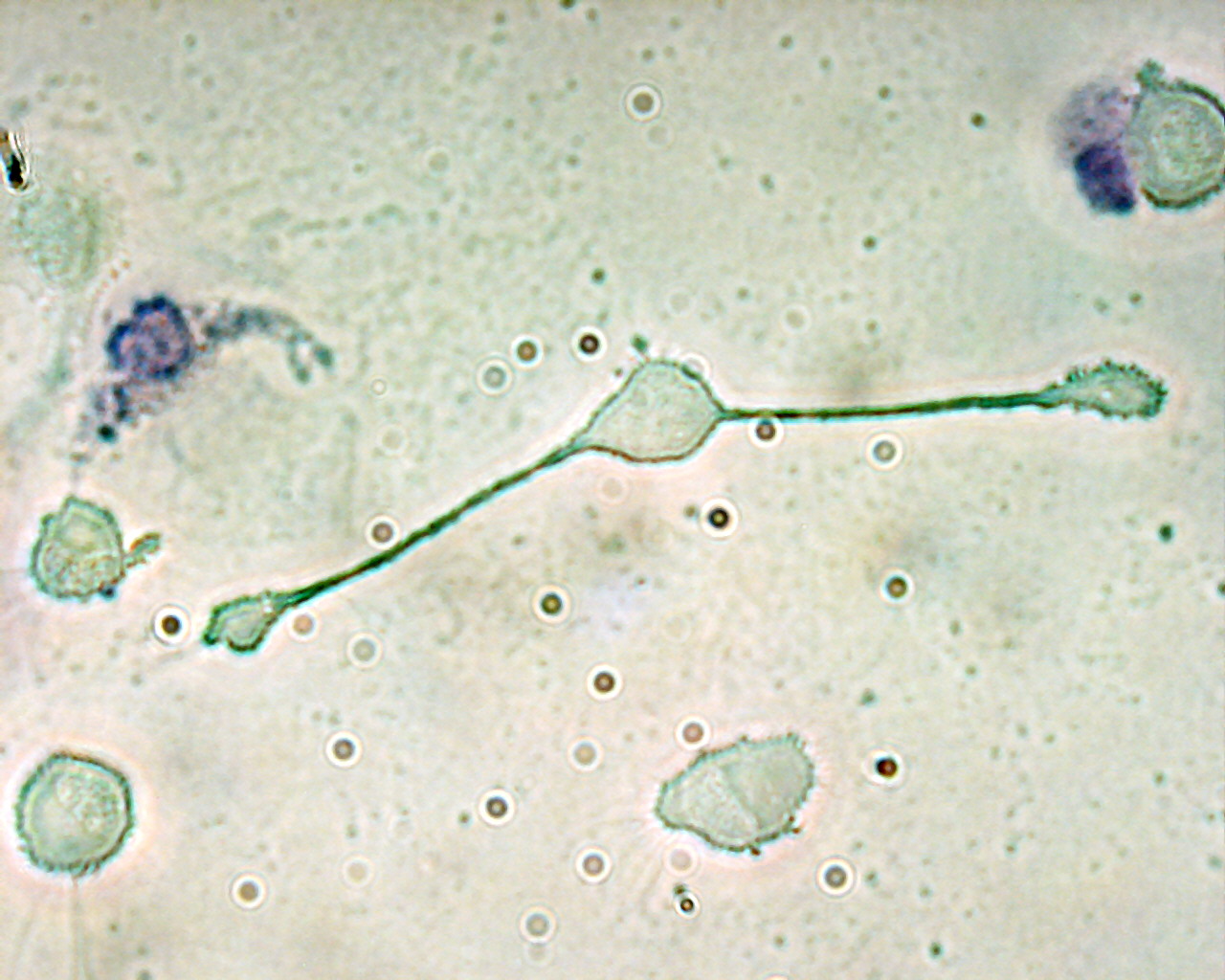
Neutrophils are the most numerous of the innate immune cells, patrolling the bloodstream and ingesting bacteria inside vesicles. Monocytes develop into macrophages, whose name means "big eaters" in Greek; these cells ingest and degrade bacteria and alert other immune cells to danger. Macrophages recognize pathogen-associated molecular patterns through complementary pattern recognition receptors.
Mast cells reside in tissues, where they are important against parasites and can mediate allergic reactions by releasing inflammatory chemicals such as histamine. Dendritic cells are antigen-presenting cells that can develop from monocytes and process large molecules into readable antigen fragments recognized by adaptive B and T cells.
Natural killer cells recognize and kill virus-infected and tumor cells by releasing granules that punch holes in the target and cause apoptosis. They identify intracellular infections by altered expression of MHC I molecules, which are found on all nucleated cells.
Interferons are early-acting cytokines released by infected cells to warn nearby uninfected cells and inhibit viral replication. Complement is a group of proteins that helps destroy invading microorganisms as part of nonspecific defenses, activated by many microorganisms without specific immunity.
4. The Adaptive Response
The adaptive response takes days or even weeks to become established, far longer than the innate response, but it is more specific and carries memory. It comprises two types: the cell-mediated response, carried out by T cells, and the humoral response, controlled by activated B cells and antibodies.
An antigen-presenting cell detects, engulfs and informs the adaptive response by digesting the pathogen and displaying antigen fragments on its surface. Naive CD4+ cells that bind such cells through antigen-embedded MHC II molecules become helper T lymphocytes, which stimulate B cells or cytotoxic T cells directly or secrete cytokines.
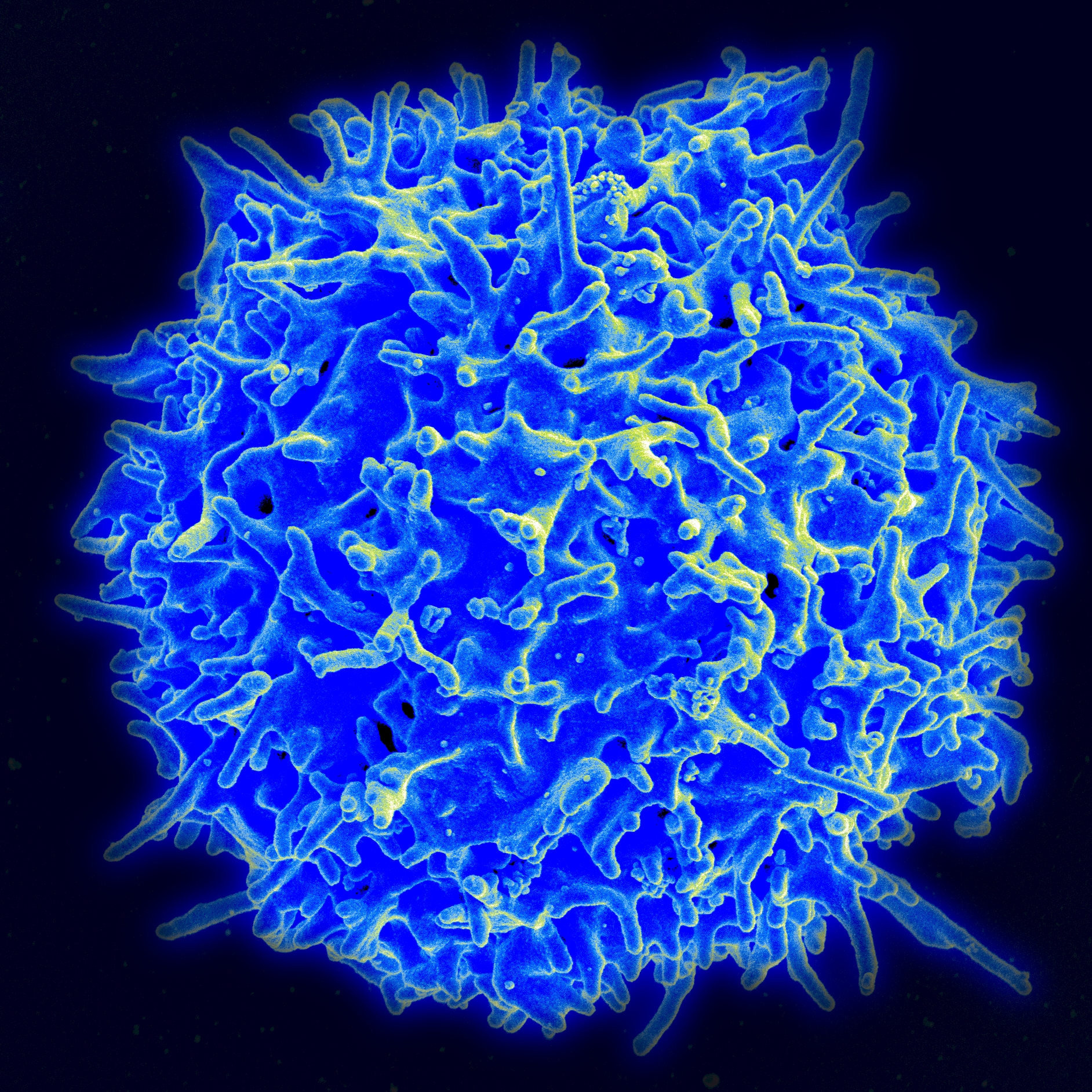

Helper and regulatory T cells are marked by CD4 and are activated only by MHC II presentation, whereas cytotoxic T cells express CD8 and recognize MHC I. Once an infected cell is recognized, the T-cell receptor binds the epitope and releases perforin, which creates pores, and granzymes, which induce apoptosis. Effector helper T cells are short-lived, while memory helper T cells are long lived and mount rapid secondary responses.
A B cell whose matching receptor binds antigen proliferates into a clone whose cells become short-lived plasma cells secreting antibody and longer-lived memory cells. When stimulated by the TH2 pathway, naive B cells differentiate into antibody-secreting plasma cells. A subset of naive B and T cells becomes memory cells that can immediately become effectors upon reexposure.
Helper T cells interacting with molecules on a macrophage or other antigen-presenting cell proliferate into TH1 and TH2 subtypes, which stimulate the cell-mediated and humoral responses respectively.
5. Antibodies and Immunoglobulins
An antibody molecule is built from four polypeptides: two identical heavy chains that form a Y, flanked by two identical light chains, all held together by bonds between cysteine amino acids. The variable domain of the molecule determines its binding specificity, while the constant domain of the heavy chain determines the immunological mechanism of action characteristic of the antibody class.
Antibodies fall into five classes — IgM, IgG, IgA, IgD and IgE — distinguished by their physiochemical, structural and immunological properties. IgGs account for about 80 percent of the antibodies in serum.
Antibodies act by coating the surface of a pathogen and neutralizing it, preventing it from binding to and infecting host cells. Phagocytic enhancement by antibodies is called opsonization. In complement fixation, IgM and IgG bind antigens and provide docking sites for sequential complement proteins that promote rapid clearing of pathogens.
6. Active and Passive Immunity
Active immunity arises either naturally, as the consequence of infection, or through vaccination with killed or weakened bacteria or viruses. It requires a longer period to develop than passive immunity, but the protection it confers endures longer. Passive immunity, by contrast, is protection conferred by antibody or antitoxin that is produced by one animal or human and then transferred to another. Its advantage is immediacy; its limitation is transience, since the transferred antibodies degrade over a span of weeks to months.
A natural instance of passive immunity occurs in pregnancy: IgG antibodies are transported across the placenta during the last months of gestation. A full-term infant therefore carries the same type of antibodies as the mother and remains protected through the first few months after birth.
7. Vaccination
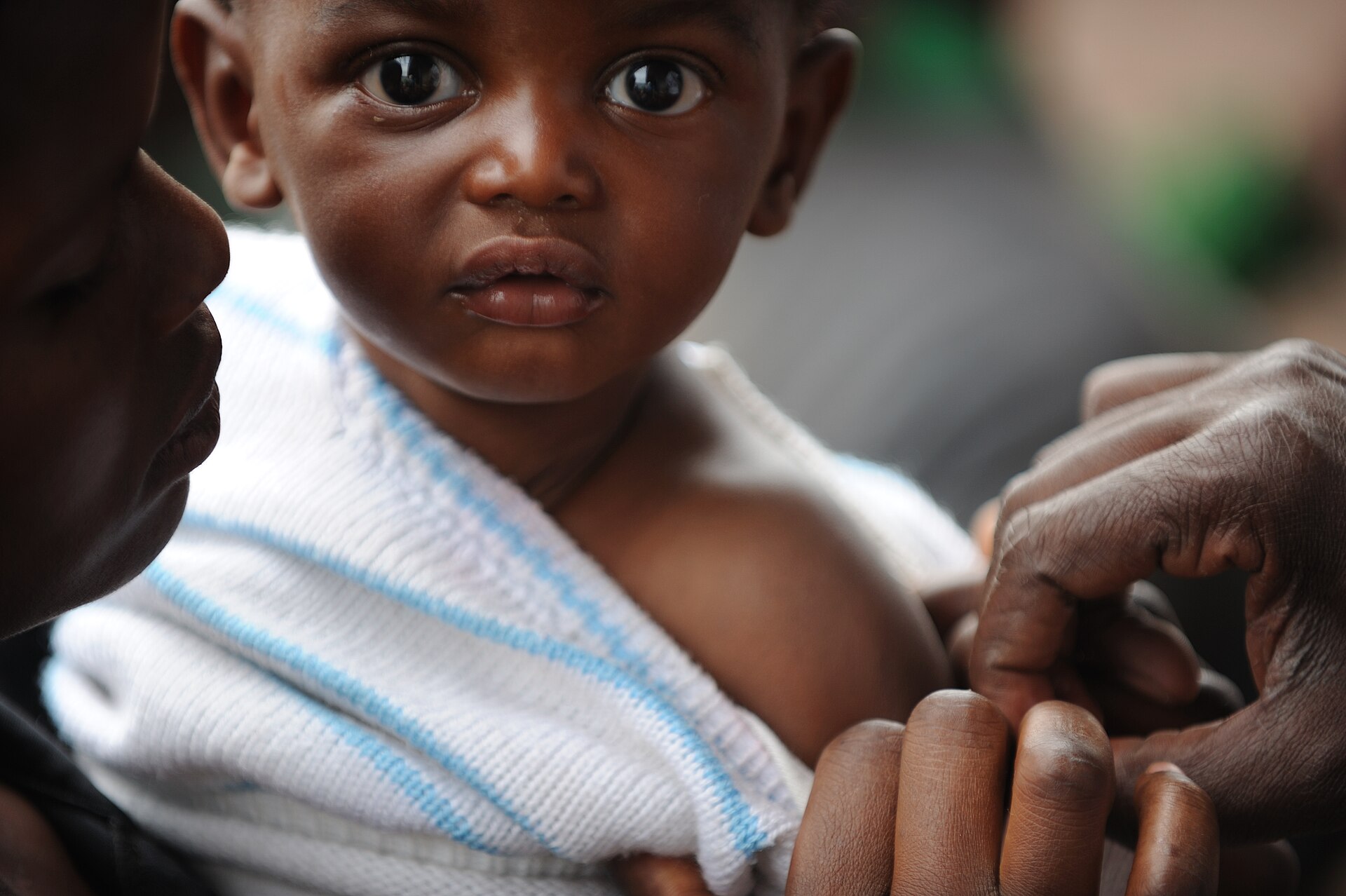
Vaccines work by imitating an infection to engage the body's natural defenses, helping the body learn to defend itself from disease without the dangers of a full-blown infection. The active ingredient is an antigen, any substance that causes the immune system to begin producing antibodies. Vaccines fall into two basic types, live attenuated and inactivated. Live vaccines are derived from wild viruses or bacteria that are weakened in a laboratory, usually by repeated culturing.
During 2025 about 85% of infants worldwide, some 110 million, received three doses of diphtheria-tetanus-pertussis vaccine, which protects against diseases that can be fatal. In the same year, 13.5 million children were missing out on any vaccination.
8. Disorders of the Immune System
Allergy is the immune reaction that results from immediate hypersensitivities, an antibody-mediated response that occurs within minutes of exposure to a harmless antigen. Delayed hypersensitivity, by contrast, is a cell-mediated immune response that reaches its maximum one to two days after secondary exposure. It involves the TH1 cytokine-mediated inflammatory response, which can appear as contact dermatitis.
Autoimmunity is a type of hypersensitivity to self antigens that affects approximately five percent of the population; antibodies that mark self components as foreign are termed autoantibodies.
Immune-system medicine also covers whole-system conditions such as allergy, autoimmune diseases, childhood vaccines, HIV, lupus, rheumatoid arthritis and type 1 diabetes.
9. Immunity and Cancer
The immune system detects and destroys abnormal cells and likely prevents many cancers. Patients whose tumors contain tumor-infiltrating lymphocytes often do better than patients whose tumors do not.
Immune checkpoint inhibitors are drugs that block immune checkpoints, which normally keep immune responses from being too strong, allowing immune cells to respond more strongly to cancer. In T-cell transfer therapy, immune cells are taken from the tumor, those most active against the cancer are selected or changed in the lab, grown in large batches, and put back into the body through a needle in a vein.
10. Historical Development and Nobel Recognition
The deliberate manipulation of immunity is older than the science that explains it. Edward Jenner's smallpox vaccine, the first successful vaccine, relied on cowpox inoculation. A century later, the study of how the body resists infection acquired formal recognition when the Nobel Prize in Physiology or Medicine was awarded to Ilya Ilyich Mechnikov and Paul Ehrlich for their work on immunity.
The second half of the twentieth century joined immunology to global public health on an unprecedented scale. An intensified WHO plan to eradicate smallpox began in 1967, combining widespread immunization with surveillance. The last known natural case occurred in Somalia in 1977, and in 1980 the disease was declared eradicated.
Laboratory advances brought further honors. The 1984 Nobel Prize in Physiology or Medicine was awarded jointly to Niels K. Köhler and César Milstein for the discovery of the principle for producing monoclonal antibodies. In 2011 the prize recognized Bruce A. Beutler and Jules A. Hoffmann for activation of innate immunity, and Ralph M. Steinman for the dendritic cell. The 2018 prize went to James P. Allison and Tasuku Honjo for cancer therapy by inhibition of negative immune regulation. Most recently, the 2023 Nobel Prize in Physiology or Medicine was awarded jointly to Katalin Karikó and Drew Weissman for nucleoside base modifications that enabled effective mRNA vaccines against the COVID-19 pandemic.
-
1796First successful vaccineEdward Jenner's smallpox vaccine, the first successful vaccine, using cowpox inoculation.14Immunology · Encyclopaedia Britannica ↗
-
1908Nobel Prize for immunityAwarded to Ilya Ilyich Mechnikov and Paul Ehrlich for work on immunity.15The Nobel Prize in Physiology or Medicine 1908 · Nobel Prize Outreach ↗
-
1967Intensified WHO smallpox eradication planWidespread immunization and surveillance.16Smallpox · World Health Organization (WHO) ↗
-
1977Last known natural smallpox caseIn Somalia.16
-
1980Smallpox declared eradicatedThe disease was declared eradicated.16
-
1984Nobel Prize for monoclonal antibodiesAwarded jointly to Niels K. Jerne, Georges J.F. Köhler and César Milstein for the discovery of the principle for producing monoclonal antibodies.17The Nobel Prize in Physiology or Medicine 1984 · Nobel Prize Outreach ↗
-
2011Nobel Prize for innate immunity and the dendritic cellAwarded to Bruce A. Beutler and Jules A. Hoffmann for activation of innate immunity, and to Ralph M. Steinman for the dendritic cell.18The Nobel Prize in Physiology or Medicine 2011 · Nobel Prize Outreach ↗
-
2018Nobel Prize for cancer therapyAwarded to James P. Allison and Tasuku Honjo for cancer therapy by inhibition of negative immune regulation.19The Nobel Prize in Physiology or Medicine 2018 · Nobel Prize Outreach ↗
-
2023Nobel Prize for mRNA vaccine technologyAwarded jointly to Katalin Karikó and Drew Weissman for nucleoside base modifications that enabled effective mRNA vaccines against the COVID-19 pandemic.20The Nobel Prize in Physiology or Medicine 2023 · Nobel Prize Outreach ↗
11. Key Facts at a Glance
| Item | Detail |
|---|---|
| Principal organs and tissues | Bone marrow, lymph nodes, spleen, thymus, tonsils |
| Antibody classes | Five — IgM, IgG, IgA, IgD, IgE |
| IgG share of serum antibodies | About 80 percent |
| 1984 Nobel Prize in Physiology or Medicine | Niels K. Jerne, Georges J.F. Köhler and César Milstein, for the discovery of the principle for producing monoclonal antibodies |
12. Timeline: from Jenner's vaccine to mRNA
- 1796Jenner's cowpox vaccineEdward Jenner used cowpox injections to protect people from smallpox, creating the first successful vaccine to be developed.
- 1908First Nobel Prize for immunityThe Nobel Prize in Physiology or Medicine was awarded jointly to Ilya Ilyich Mechnikov and Paul Ehrlich in recognition of their work on immunity.
- 1954Measles vaccine virus isolatedThe measles virus used as a vaccine was isolated from a child with measles disease, and almost ten years of serial passage in tissue culture were needed before it could be used.
- 1967Intensified smallpox eradication planThe World Health Organization launched an intensified plan to eradicate smallpox, combining widespread immunization with surveillance around the world.
- 1977Last natural smallpox caseThe last known natural case of smallpox occurred in Somalia.
- December 1979Eradication certifiedAn independent Global Commission of scientists drawn from 19 nations certified the eradication of smallpox from the world at WHO Headquarters in Geneva.
- 1980Smallpox declared eradicatedWHO declared smallpox eradicated, the only infectious disease to have achieved that distinction.
- 1984Nobel Prize for monoclonal antibodiesNiels K. Jerne, Georges J.F. Köhler and César Milstein shared the Nobel Prize for theories concerning the specificity in development and control of the immune system and the discovery of the principle for production of monoclonal antibodies.
- 2010MenAfriVac introducedBefore the introduction of MenAfriVac, meningococcus serogroup A caused 80 percent of meningitis epidemics in the African meningitis belt.
- 2011Nobel Prize for innate immunityBruce A. Beutler and Jules A. Hoffmann were honoured for their discoveries concerning the activation of innate immunity, and Ralph M. Steinman for his discovery of the dendritic cell and its role in adaptive immunity.
- 2018Nobel Prize for cancer immunotherapyJames P. Allison and Tasuku Honjo received the Nobel Prize for their discovery of cancer therapy by inhibition of negative immune regulation.
- 2019 to 2023Malaria vaccine pilot programmeThe WHO-coordinated Malaria Vaccine Implementation Programme in Ghana, Kenya and Malawi demonstrated a vaccine-attributable 13 percent reduction in all-cause mortality among children age-eligible for the vaccine.
- 2020Cervical cancer elimination strategyThe World Health Assembly adopted the global strategy towards eliminating cervical cancer as a public health problem.
- 2023Nobel Prize for mRNA vaccinesKatalin Karikó and Drew Weissman were honoured for nucleoside base modifications that enabled the development of effective mRNA vaccines against COVID-19.
- 2025Global coverage holds at 85 percentAbout 85 percent of infants worldwide, some 110 million children, received three doses of diphtheria-tetanus-pertussis vaccine, while 13.5 million children still missed out on any vaccination.
13. Frequently asked questions
What are the principal organs and tissues of the human immune system?
They include the bone marrow, the lymph nodes, the spleen, the thymus and the tonsils.9Immune System · MedlinePlus, U.S. National Library of Medicine ↗
How does the immune system distinguish normal, healthy cells from unhealthy ones?
It recognizes danger cues called danger-associated molecular patterns, or DAMPs, which can arise from infection or from cellular damage.2Overview of the Immune System · National Institute of Allergy and Infectious Diseases (NIAID) ↗ Infectious microbes such as viruses and bacteria release signals called pathogen-associated molecular patterns, or PAMPs, that the immune system is able to recognize.2
What do immune cells do when they are not fighting an active infection?
They constantly circulate through the bloodstream while patrolling for problems, and a white blood cell count from a blood test gives a snapshot of the immune system.2
Is the immune system involved in preventing cancer?
Yes — it detects and destroys abnormal cells and likely prevents many cancers.13Immunotherapy to Treat Cancer · National Cancer Institute (NCI) ↗ Monoclonal antibodies are immune system proteins created in the lab to bind specific targets on cancer cells, and some mark cancer cells so that they are better seen and destroyed by the immune system.13
How is immunology defined as a scientific and medical field?
Immunology is the scientific study of the body's resistance to invasion by other organisms, and in a medical sense it deals with defense against disease-causing microorganisms and with disorders of that system.14 Immunosuppressive techniques use drugs to stop the immune system from rejecting organ transplants, while the field also studies autoimmune diseases, in which the body's immune system attacks its own tissues.14
How many children are missing out on vaccination, and how many are reached?
Globally in 2025 there were 13.5 million children missing out on any vaccination, the so-called zero-dose children.11Immunization coverage · World Health Organization (WHO) ↗ Global coverage with the first dose of the HPV vaccine among girls is now estimated at 33%, a substantial increase from 17% coverage in 2019 but still far below the 2030 target.11
References (20)
- 1Chapter 1: Principles of Vaccination — Epidemiology and Prevention of Vaccine-Preventable Diseases (Pink Book) — Centers for Disease Control and Prevention (CDC) BookView source
- 2Overview of the Immune System — National Institute of Allergy and Infectious Diseases (NIAID) Web↩View source
- 3Immune system | Mechanisms, Function, & Facts — Encyclopaedia Britannica WebView source
- 4Immune response — MedlinePlus, U.S. National Library of Medicine WebView source
- 542.1 Innate Immune Response — Biology 2e — OpenStax, Rice University WebView source
- 6Explaining How Vaccines Work — Centers for Disease Control and Prevention (CDC) WebView source
- 742.2 Adaptive Immune Response — Biology 2e — OpenStax, Rice University WebView source
- 817.1 Physical Defenses — OpenStax, Rice University WebView source
- 9Immune System — MedlinePlus, U.S. National Library of Medicine Web↩View source
- 1042.3 Antibodies — Biology 2e — OpenStax, Rice University WebView source
- 11Immunization coverage — World Health Organization (WHO) Web↩View source
- 1242.4 Disruptions in the Immune System — Biology 2e — OpenStax, Rice University WebView source
- 13Immunotherapy to Treat Cancer — National Cancer Institute (NCI) Web↩View source
- 14Immunology — Encyclopaedia Britannica Web↩View source
- 15The Nobel Prize in Physiology or Medicine 1908 — Nobel Prize Outreach 1908 Web↩View source
- 16Smallpox — World Health Organization (WHO) Web↩View source
- 17The Nobel Prize in Physiology or Medicine 1984 — Nobel Prize Outreach 1984 Web↩View source
- 18The Nobel Prize in Physiology or Medicine 2011 — Nobel Prize Outreach 2011 Web↩View source
- 19The Nobel Prize in Physiology or Medicine 2018 — Nobel Prize Outreach 2018 Web↩View source
- 20The Nobel Prize in Physiology or Medicine 2023 — Nobel Prize Outreach 2023 Web↩View source