Antibiotics
From Fleming's contaminated plate and the Oxford team's purification work to deep-tank fermentation, the major drug classes and the global crisis of antimicrobial resistance.
Antibiotics are chemical substances produced by living organisms, generally microorganisms, that are detrimental to other microorganisms; penicillin, discovered by Alexander Fleming in 1928 and developed for clinical use by Howard Florey, Ernst Chain and their Oxford team in 1940-1941, opened the antibiotic era and mass production followed during World War II. Antibacterial drugs work by attacking the bacterial cell wall, protein synthesis, nucleic acid synthesis, metabolic pathways or the cell membrane, but bacteria have answered with beta-lactamases, efflux pumps, reduced uptake and target modification. Antimicrobial resistance killed at least 1.27 million people worldwide in 2019 and was associated with nearly 5 million deaths, and WHO and CDC treat the shrinking antibiotic pipeline and the discovery void after 1987 as a global public-health emergency.
In this article
- 1Overview
- 2Discovery of Penicillin
- 3Early Antimicrobial Chemotherapy
- 4Development of Penicillin as a Medicine
- 5Mass Production and Wartime Scale-Up
- 6Recognition and Legacy
- 7Broadening the Antibiotic Arsenal
- 8Major Classes and Mechanisms of Action
- 9Spectrum of Activity and Penicillin Types
- 10Antimicrobial Resistance
- 11Mechanisms of Resistance
- 12Drivers of Resistance
- 13Global and Regional Burden
- 14The Discovery Void and Development Economics
- 15WHO Priority Pathogen List and Global Action
- 16Timeline of Key Events
- 17Timeline: from Salvarsan to the resistance crisis
- 18Knowledge graph
Overview
An antibiotic is a chemical substance produced by a living organism, generally a microorganism, that is detrimental to other microorganisms. Antibiotics commonly are produced by soil microorganisms, and they probably represent a means by which organisms in a complex environment such as soil control the growth of competing microorganisms. Antibiotics came into worldwide prominence with the introduction of penicillin in 1941 and since then have revolutionized the treatment of bacterial infections in humans and other animals.
1. Discovery of Penicillin
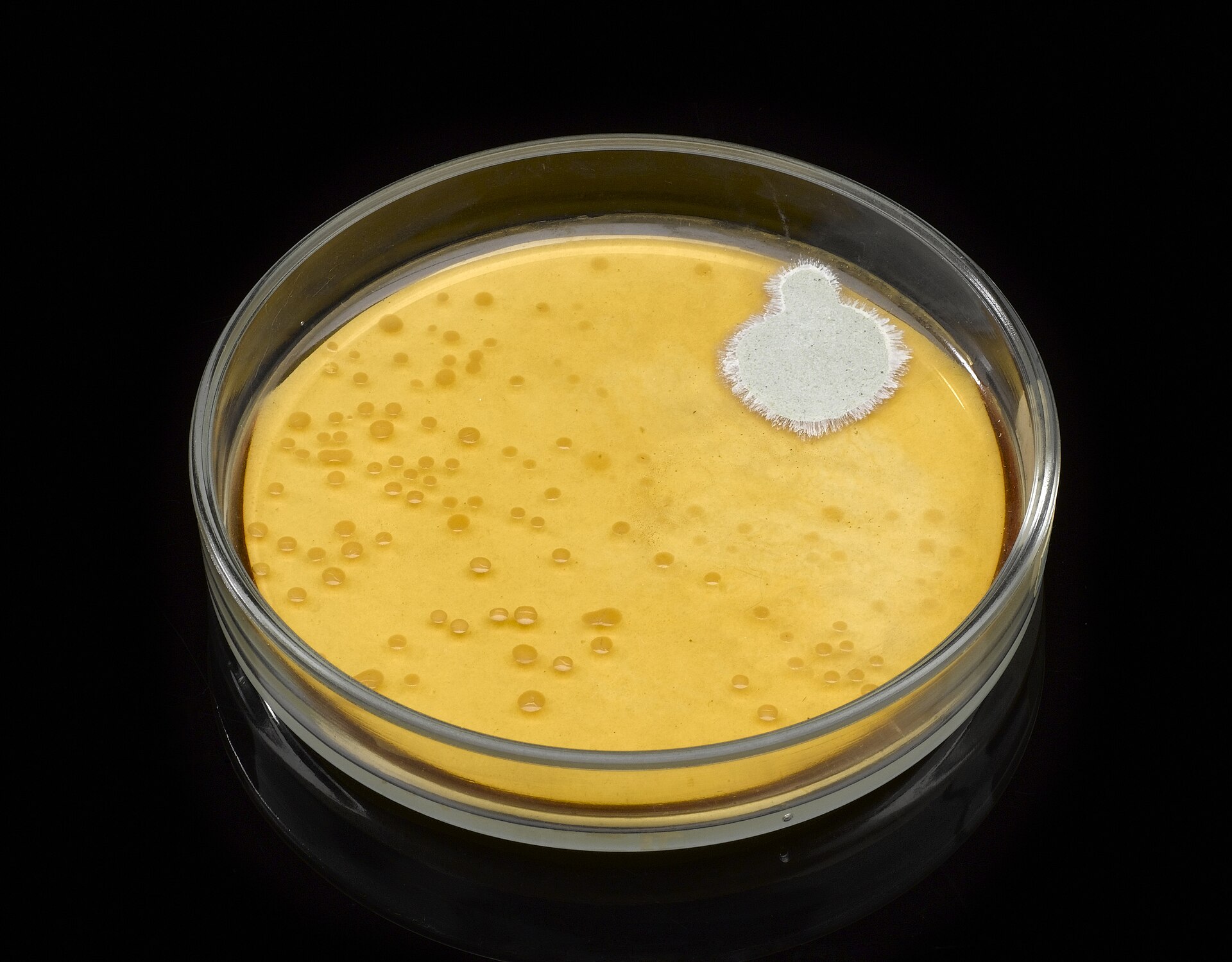
Alexander Fleming was a Scottish bacteriologist, born in 1881 at Lochfield Farm near Darvel in Ayrshire, Scotland, and is best known for his discovery of penicillin. On 3 September 1928 he noticed that a culture plate of Staphylococcus aureus on which he had been working had become contaminated by a fungus. In September 1928, at St Mary's Hospital Medical School, London, he observed stray mould growing on a plate of bacteria, and around the Penicillium mould lay a clear area where the bacteria had been killed, which led him to name the substance penicillin.
The discovery is dated to September 1928 and attributed to Fleming at St Mary's Hospital Medical School, London. Penicillins fall into two groups: the naturally occurring penicillins formed during mold fermentation, and the semisynthetic penicillins in which 6-aminopenicillanic acid is altered in various ways. Penicillin G is a narrow-spectrum agent.
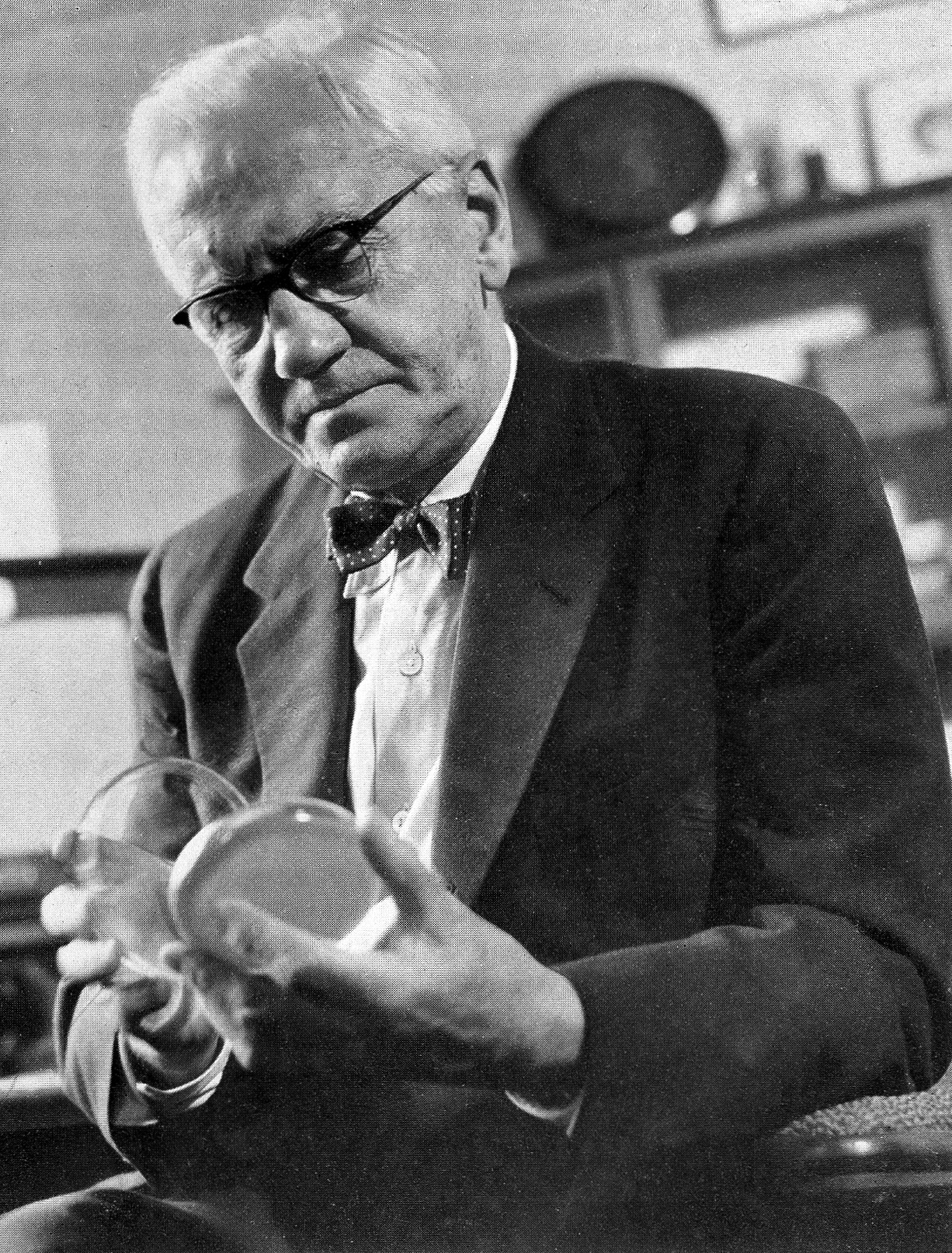
Florey and Chain began work on penicillin in 1939 and quickly confirmed Fleming's findings before beginning to purify the substance. Howard Walter Florey, Baron Florey, was an Australian pathologist born in Adelaide in 1898 who, with Ernst Boris Chain, isolated and purified penicillin for general clinical use.
At the time of the award Sir Alexander Fleming was affiliated with London University in London, United Kingdom.
2. Early Antimicrobial Chemotherapy
In the early 1900s the German physician Paul Ehrlich set out to find chemical compounds that could kill infectious microbes without harming the patient, and in 1909 his assistant Sahachiro Hata found Compound 606, which targeted the bacterium Treponema pallidum and was marketed under the name Salvarsan to treat syphilis. Gerhard Domagk was awarded the Nobel Prize in Medicine in 1939 for his work with prontosil and sulfanilamide, the active breakdown product of prontosil in the body. Sulfanilamide was the first synthetic antimicrobial created and served as the foundation for the development of a family of sulfa drugs. After thousands of years in which societies relied on traditional medicine, the first half of the 20th century brought an era of strategic drug discovery.
3. Development of Penicillin as a Medicine
Howard Florey came to Oxford in 1935 as the newly appointed Professor of Pathology, arriving to state of the art but largely empty labs in the new Sir William Dunn School. Mellanby's train broke down on the way to the board meeting, but he arrived before the meeting ended and persuaded the board differently from its initial choice, and Florey soon recruited the German émigré chemist Ernst Chain from Cambridge. In 1939 Florey concentrated on penicillin while surveying other naturally occurring antibacterial substances, and with Chain and others he demonstrated its curative properties in human studies and developed methods for its production.
Heatley first devised the cylinder-plate diffusion technique, a reliable and sensitive assay for penicillin that was later adopted as the standard assay for antibiotic activity. He suggested extracting from organic solvents a stable salt of penicillin that was soluble in water, and this formed the basis of an early counter-current distribution apparatus he devised and built. The mould was first grown as a surface culture in bedpans, and when bedpans with lids became unobtainable in England during the war Heatley designed a flat-bottomed ceramic vessel that could be stacked.
Two groups of mice were infected with a fatal dose of Streptococcus, and while all the control animals died rapidly, some animals treated with penicillin survived for long periods. Gardner, Reader in Bacteriology at the Dunn School, showed that bacteria initially sensitive to penicillin could rapidly acquire resistance to it in vitro. By February 1941 Florey felt he had enough penicillin to begin trials in humans and enlisted Charles Fletcher at the Radcliffe Infirmary in Oxford, where the first patient Albert Alexander was treated with penicillin.
4. Mass Production and Wartime Scale-Up
Although the therapeutic potential of penicillin was recognized in the United Kingdom, the United States played the major role in developing large-scale production during World War II. Ten days after the Japanese attack on Pearl Harbor in December 1941 the companies Pfizer, Lilly, Merck and Squibb agreed to cooperate in scaling up penicillin production. Penicillin research began in July 1941 at a Department of Agriculture laboratory in Peoria, Illinois, where scientists increased the yield by changing the sugar fed to the mold and adding corn-steep liquor, a by-product of corn milling.
5. Recognition and Legacy
Sir Alexander Fleming held a one-third share of the 1945 Nobel Prize in Physiology or Medicine. Ernst Boris Chain and Sir Howard Walter Florey each received a one-third share of the 1945 Nobel Prize in Physiology or Medicine.
The introduction of penicillin in the 1940s began the era of antibiotics and has been recognized as one of the greatest advances in therapeutic medicine. Before penicillin there was no effective treatment for infections such as pneumonia, gonorrhea or rheumatic fever, and hospitals were full of people with blood poisoning from a cut or a scratch.
6. Broadening the Antibiotic Arsenal
In the 1940s Selman Waksman, a prominent soil microbiologist at Rutgers University, led a research team that discovered several antimicrobials, including actinomycin, streptomycin, and neomycin. The vast majority of antimicrobial classes in use today were isolated during the golden era of antibiotic discovery, mainly from soil Actinomyces, and further exploration of that niche has not produced novel drug classes in more than 20 years.
7. Major Classes and Mechanisms of Action
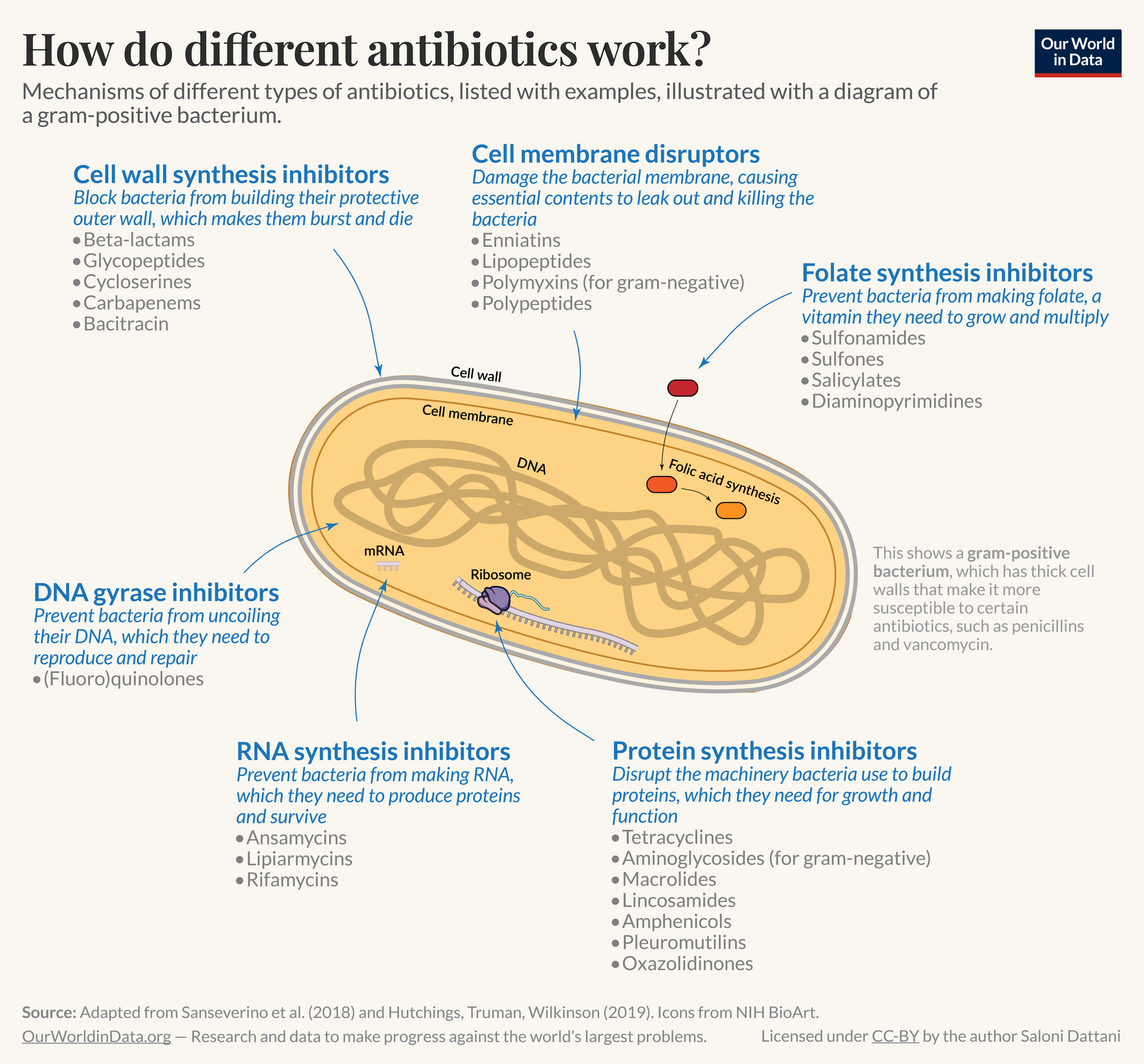
Antibacterial agents are commonly grouped by the cellular process they interrupt, and the resulting classes differ as much in their spectrum of activity as in their chemistry. Some act on the construction of the bacterial cell wall, others on the machinery of protein synthesis, others still on nucleic acid function or on the integrity of the membrane. The table below sets out the principal classes, their representative members, and the mechanisms attributed to them.1314.3 Mechanisms of Antibacterial Drugs (Microbiology) · OpenStax, Rice University ↗
| Class | Examples/Notes | Mechanism |
|---|---|---|
| Beta-lactams | Penicillins, cephalosporins, monobactams, carbapenems | Block crosslinking of peptide chains during biosynthesis of new peptidoglycan in the bacterial cell wall because the beta-lactam structure resembles the peptidoglycan subunit component recognized by the crosslinking transpeptidase enzyme, also known as a penicillin-binding protein.13 |
| Tetracyclines | Naturally occurring tetracyclines produced by Streptomyces were first discovered in the 1940s; semisynthetic tetracyclines include doxycycline and tigecycline | Bind to the 30S subunit and are bacteriostatic, blocking the association of tRNAs with the ribosome during translation.13 |
| Aminoglycosides | — | Inhibit protein synthesis.13 |
| Macrolides | — | Inhibit protein synthesis.13 |
| Quinolones | Chemical modifications to the original quinolone backbone have resulted in the production of fluoroquinolones such as ciprofloxacin and levofloxacin | Inhibit the activity of DNA gyrase; effective against a broad spectrum of gram-positive or gram-negative bacteria and among the most commonly prescribed antibiotics used to treat infections including urinary tract infections and respiratory infections.13 |
| Sulfonamides | The oldest synthetic antibacterial agents | Structural analogues of para-aminobenzoic acid that block bacterial folic acid synthesis by inhibiting the enzyme involved in producing dihydrofolic acid; provide bacteriostatic inhibition of growth against a wide spectrum of gram-positive and gram-negative pathogens and are selectively toxic for bacteria because humans obtain folic acid from food instead of synthesizing it.13 |
| Polymyxins | Natural polypeptide antibiotics first discovered in 1947 as products of Bacillus polymyxa, with only polymyxin B and polymyxin E, known as colistin, used clinically | Lipophilic with detergent-like properties, they interact with the lipopolysaccharide component of the outer membrane of gram-negative bacteria, disrupting both the outer and inner membranes.13 |
8. Spectrum of Activity and Penicillin Types
Antibiotics can be categorized by their spectrum of activity as narrow-, broad-, or extended-spectrum agents, and narrow-spectrum agents such as penicillin G affect primarily gram-positive bacteria. Penicillins may be divided into the naturally occurring penicillins formed during mold fermentation and the semisynthetic penicillins in which 6-aminopenicillanic acid is altered in various ways. Adding an amino group to penicillin G created the aminopenicillins ampicillin and amoxicillin, which have increased spectrum of activity against more gram-negative pathogens. Methicillin is a semisynthetic penicillin that was developed to address the spread of enzymes called penicillinases that were inactivating the other penicillins.
9. Antimicrobial Resistance
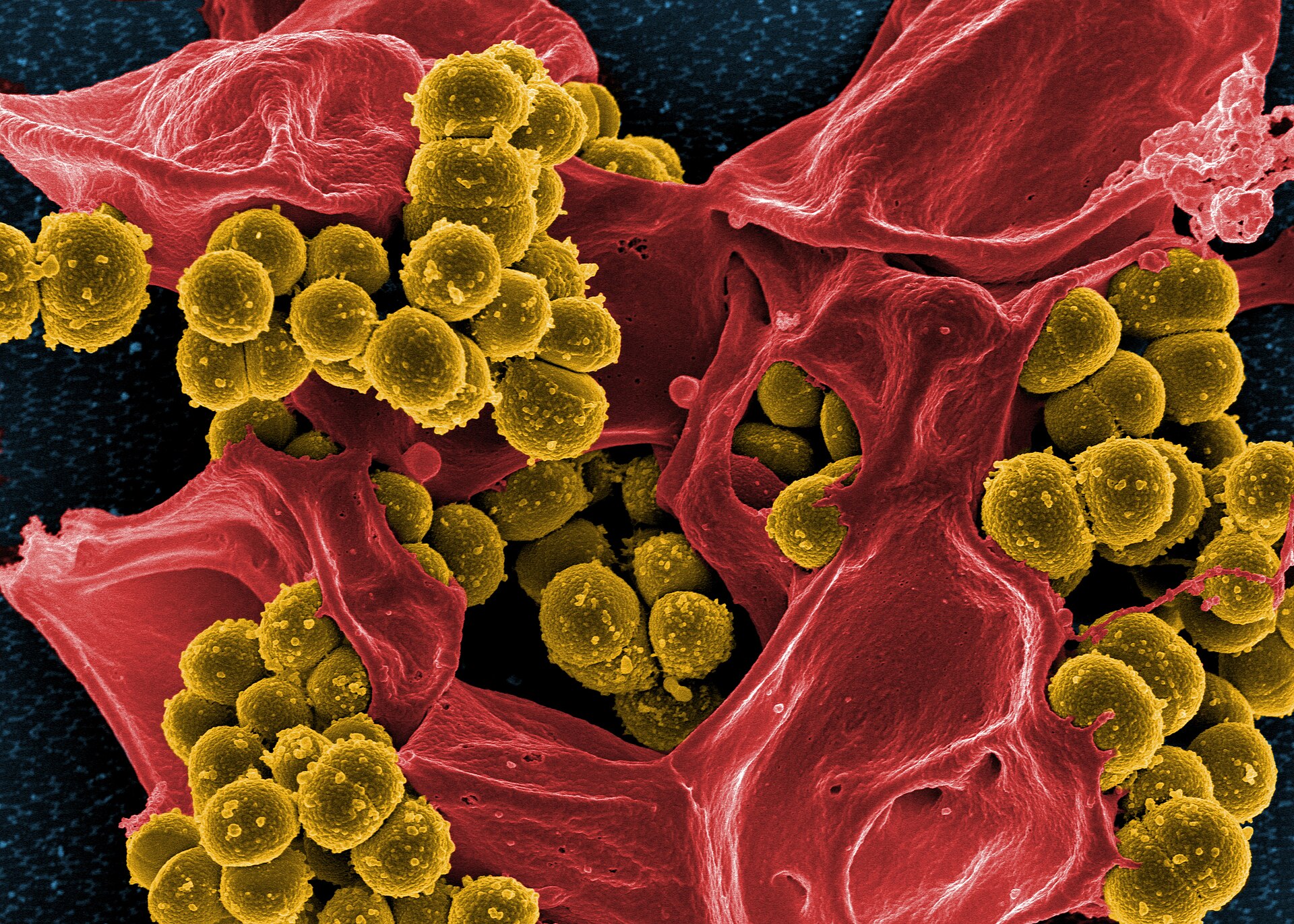
Antimicrobial resistance occurs when bacteria, viruses, fungi and parasites do not respond to antimicrobial medicines. Some bacteria are naturally resistant to certain antibiotics, known as intrinsic or inherent resistance, while acquired resistance occurs when normally susceptible bacteria become resistant through genetic changes. Because resistant bacteria survive in the presence of the antibiotic and continue to multiply, the infections they cause last longer and can even result in death. Some strains of previously susceptible bacteria such as Staphylococcus developed resistance to the naturally occurring penicillins by producing β-lactamase, an enzyme that destroys the antimicrobial action of the drug.
Strains of Staphylococcus aureus develop resistance to methicillin, known as MRSA, through the acquisition of a new low-affinity penicillin-binding protein rather than by structurally altering their existing PBPs. This new low-affinity protein provides resistance to methicillin and to virtually all β-lactam drugs, except the newer fifth-generation cephalosporins designed specifically to kill MRSA.
10. Mechanisms of Resistance
Bacteria evade antimicrobial drugs through several distinct routes, and a single pathogen may employ more than one. The mechanisms catalogued below differ in where they act: some keep the drug from ever reaching its target, while others disable the molecule itself or blunt the target's response to it.1614.5 Drug Resistance (Microbiology) · OpenStax, Rice University ↗
| Mechanism | Description |
|---|---|
| Enzymatic inactivation | Aminoglycoside resistance can occur through enzymatic transfer of chemical groups to the drug molecule, impairing the binding of the drug to its bacterial target; for β-lactams, bacterial resistance can involve enzymatic hydrolysis of the β-lactam bond, so the drug loses its antibacterial activity, and β-lactamases are the most common mechanism of β-lactam resistance.16 |
| Decreased drug uptake or porin loss | Microbes may develop resistance mechanisms that involve inhibiting the accumulation of an antimicrobial drug so that it never reaches its cellular target, a strategy common among gram-negative pathogens; it can involve changes in outer membrane lipid composition or porin channel selectivity and concentrations, as when Pseudomonas aeruginosa resists carbapenems by decreasing its OprD porin, the primary portal of entry for these drugs.16 |
| Active efflux pumps | Many gram-positive and gram-negative pathogenic bacteria produce efflux pumps that actively transport an antimicrobial drug out of the cell and prevent its accumulation to an antibacterial level; resistance to β-lactams, tetracyclines, and fluoroquinolones commonly occurs through active efflux, and a single efflux pump is often able to translocate multiple types of antimicrobials.16 |
11. Drivers of Resistance
Several important factors can accelerate the evolution of drug resistance, including the overuse and misuse of antimicrobials, inappropriate use, subtherapeutic dosing, and patient noncompliance with the recommended course of treatment. Exposure to an antimicrobial can select for chromosomal mutations that are transferred vertically to subsequent generations, while many resistance genes are found on plasmids or in transposons and can be transferred between microbes through horizontal gene transfer. Overuse of antimicrobials, inappropriate prescribing of antibiotics and misuse for incorrect treatment indications are considered major contributing factors to AMR.
Phylogenetic analysis suggests the long-term presence in nature of genes conferring resistance to several classes of antibiotics well before the antibiotic era.
12. Global and Regional Burden
Antimicrobial resistance is an urgent global public health threat that was associated with nearly 5 million deaths worldwide in 2019 and killed at least 1.27 million people. More than 35,000 people die each year as a result of antimicrobial-resistant infections, according to CDC's 2019 Antibiotic Resistance Threats Report. By 2050 antimicrobial resistance is projected to cause 10 million deaths annually, making it a serious global threat.
13. The Discovery Void and Development Economics
Only 5 novel classes of antibiotics have been marketed since 2000, and the period after 1987 is called the antibiotic discovery void, a decline worsened by major pharmaceutical companies exiting antibacterial R&D.
On average the cost of developing an antibiotic is around US$1.2 billion, while stewardship practices limit its use so that sales come to about US$100 million or less, roughly a 10-fold lower value.
14. WHO Priority Pathogen List and Global Action
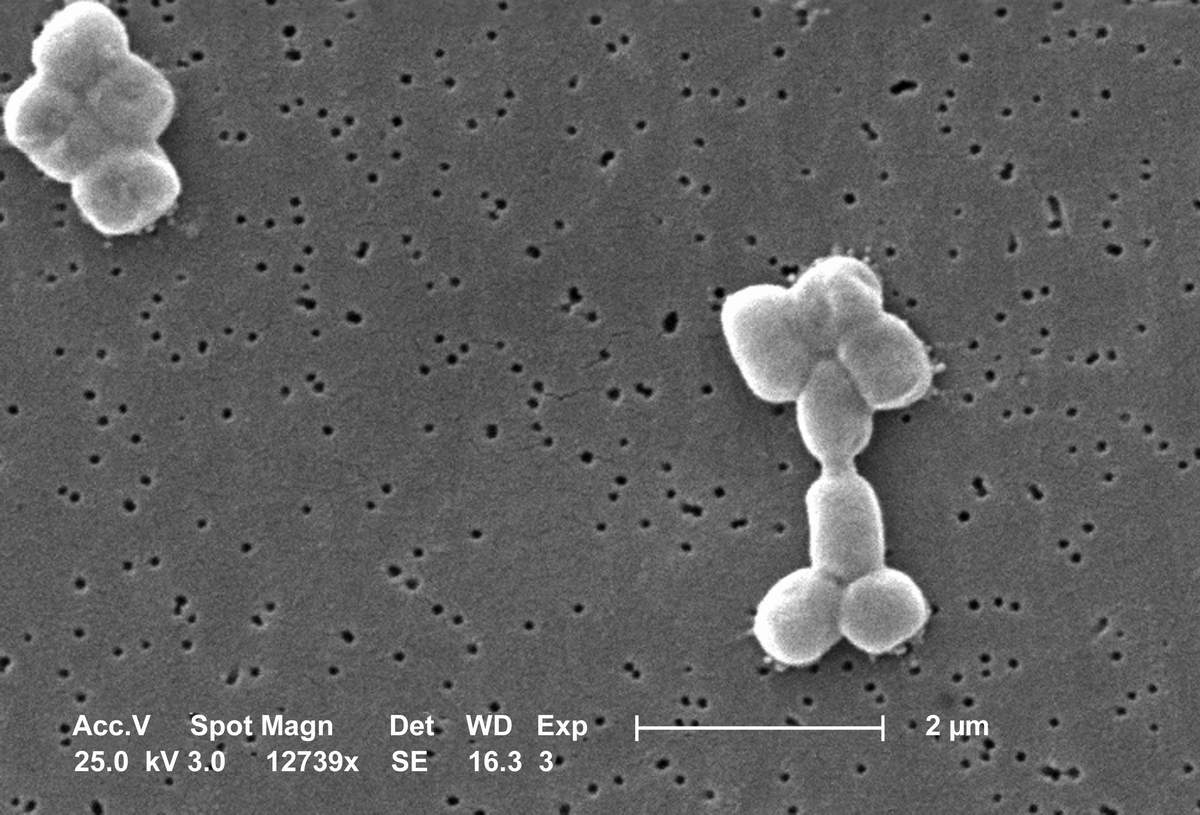
The priority pathogen list was drawn up to guide and promote research and development of new antibiotics and to address growing global resistance to antimicrobial medicines. The WHO list is divided into three categories according to how urgently new antibiotics are needed: critical, high and medium priority. The most critical group of the WHO list includes multidrug-resistant bacteria such as Acinetobacter, Pseudomonas and various Enterobacteriaceae, among them Klebsiella, E. coli, Serratia and Proteus, which pose a particular threat in hospitals and to patients whose care requires devices such as ventilators. Bacteria in the critical group have become resistant to a large number of antibiotics, including carbapenems and third generation cephalosporins, the best available antibiotics for treating multidrug-resistant bacteria.
WHO leads global efforts to prevent and control antimicrobial resistance in humans through the Global action plan on antimicrobial resistance covering 2026 to 2036 and aiming to preserve the ability to treat human, animal and plant infections through a One Health approach.

15. Timeline of Key Events
-
September 1928A stray mould on a culture plateAt St Mary's Hospital Medical School, Alexander Fleming noticed stray mould growing on a plate of bacteria; around the Penicillium mould lay a clear area where the bacteria had been killed, and he named the substance penicillin.3Penicillin: the Oxford story · University of Oxford ↗
-
1939Florey turns to penicillinWhile surveying other naturally occurring antibacterial substances, Howard Florey concentrated on penicillin, and with Ernst Chain and others demonstrated its curative properties in human studies and developed methods for its production.5Howard Walter Florey, Baron Florey | Penicillin, Nobel Prize, Pathologist · Encyclopaedia Britannica ↗
16. Timeline: from Salvarsan to the resistance crisis
- 1909Ehrlich's Compound 606 becomes SalvarsanAfter screening more than 600 arsenic-containing compounds, Paul Ehrlich's assistant Sahachiro Hata found Compound 606, which targeted the bacterium Treponema pallidum and was marketed as Salvarsan for the treatment of syphilis.
- September 1928Fleming observes the mould that kills bacteriaAt St Mary's Hospital Medical School in London, Alexander Fleming noticed stray Penicillium mould growing on a plate of bacteria with a clear area around it where the bacteria had been killed, and named the substance penicillin.
- 1939Florey and Chain begin work on penicillinHoward Florey and Ernst Chain began work on penicillin at Oxford in 1939, quickly confirming Fleming's findings and starting to purify the substance.
- 1940Oxford team publishes a purification methodAn Oxford team led by Howard Florey and Ernest Chain published a paper describing the purification of penicillin quantities sufficient for clinical testing, and their protocol eventually led to mass production of the drug.
- 12 February 1941First patient treated with penicillinFlorey felt he had enough penicillin to begin trials in humans and enlisted Charles Fletcher at the Radcliffe Infirmary in Oxford, where the first patient, the policeman Albert Alexander, was treated with penicillin.
- July 1941Scale-up research starts in PeoriaPenicillin research began at a US Department of Agriculture laboratory in Peoria, Illinois, where scientists raised yields by changing the sugar fed to the mould and by adding corn-steep liquor, a by-product of corn milling.
- 1943US War Production Board takes charge of productionThe War Production Board took responsibility for increased production of penicillin, and United States production of the drug rose from 21 billion units in 1943 to more than 6.8 trillion units in 1945.
- 1 March 1944Pfizer opens the first large-scale plantPfizer opened the world's first large-scale penicillin factory in Brooklyn, New York, using deep-tank fermentation, and most of the penicillin that went ashore with Allied forces on D-Day came from this plant.
- 1945Penicillin discovery wins the Nobel PrizeThe Nobel Prize in Physiology or Medicine 1945 was awarded jointly to Sir Alexander Fleming, Ernst Boris Chain and Sir Howard Walter Florey for the discovery of penicillin and its curative effect in various infectious diseases.
- 1947Polymyxins are discoveredThe polymyxins, natural polypeptide antibiotics produced by Bacillus polymyxa, were first discovered in 1947; only polymyxin B and polymyxin E, known as colistin, have been used clinically.
- after 1987The antibiotic discovery voidFollowing the 1980s the discovery of new antibiotics diminished, and the period after 1987 became known as the antibiotic discovery void; only five novel classes of antibiotics have been marketed since 2000.
- 19 November 1999Penicillin named a Historic Chemical LandmarkThe American Chemical Society and the Royal Society of Chemistry designated the discovery and development of penicillin an International Historic Chemical Landmark at the Alexander Fleming Laboratory Museum in London.
- 27 February 2017WHO publishes its priority pathogen listThe World Health Organization published its first list of bacteria for which new antibiotics are urgently needed, dividing pathogens into critical, high and medium priority categories.
- 2021Bacterial AMR linked to 4.7 million deathsBacterial antimicrobial resistance was estimated to be associated with more than 4.7 million deaths globally in 2021.
- 2050Projected toll of antimicrobial resistanceAntimicrobial resistance is projected to cause 10 million deaths annually by 2050 if the current trajectory continues.
References (20)
- 1Antibiotic | Definition, Types, Side Effects, Resistance, Classification, & Facts — Encyclopaedia Britannica WebView source
- 2Alexander Fleming | Biography, Education, Discovery, Nobel Prize, & Facts — Encyclopaedia Britannica WebView source
- 3Penicillin: the Oxford story — University of Oxford Book↩View source
- 4Penicillin | Discovery, History, Uses, Types, Side Effects, & Facts — Encyclopaedia Britannica WebView source
- 5Howard Walter Florey, Baron Florey | Penicillin, Nobel Prize, Pathologist — Encyclopaedia Britannica Web↩View source
- 6Sir Alexander Fleming – Facts — Nobel Prize Outreach 1945 WebView source
- 714.1 History of Chemotherapy and Antimicrobial Discovery (Microbiology) — OpenStax, Rice University WebView source
- 8The Discovery of Penicillin — Sir William Dunn School of Pathology, University of Oxford BookView source
- 9Alexander Fleming Discovery and Development of Penicillin — National Historic Chemical Landmark — American Chemical Society WebView source
- 10Old Brew, New Brew — Science History Institute WebView source
- 11The Nobel Prize in Physiology or Medicine 1945 — Nobel Prize Outreach 1945 WebView source
- 12A Brief History of the Antibiotic Era: Lessons Learned and Challenges for the Future — Frontiers in Microbiology (R. I. Aminov) 2010 JournalView source
- 1314.3 Mechanisms of Antibacterial Drugs (Microbiology) — OpenStax, Rice University Web↩View source
- 14Antimicrobial resistance — fact sheet — World Health Organization WebView source
- 15Antimicrobial resistance (AMR) — European Centre for Disease Prevention and Control WebView source
- 1614.5 Drug Resistance (Microbiology) — OpenStax, Rice University Web↩View source
- 17Current economic and regulatory challenges in developing antibiotics for Gram-negative bacteria — npj Antimicrobials and Resistance (Springer Nature) JournalView source
- 18About Antimicrobial Resistance — U.S. Centers for Disease Control and Prevention WebView source
- 19WHO publishes list of bacteria for which new antibiotics are urgently needed — World Health Organization 2017 WebView source
- 20Penicillin Production through Deep-tank Fermentation — National Historic Chemical Landmark — American Chemical Society WebView source