Nemea
The sanctuary of Zeus where the Nemean games were held.
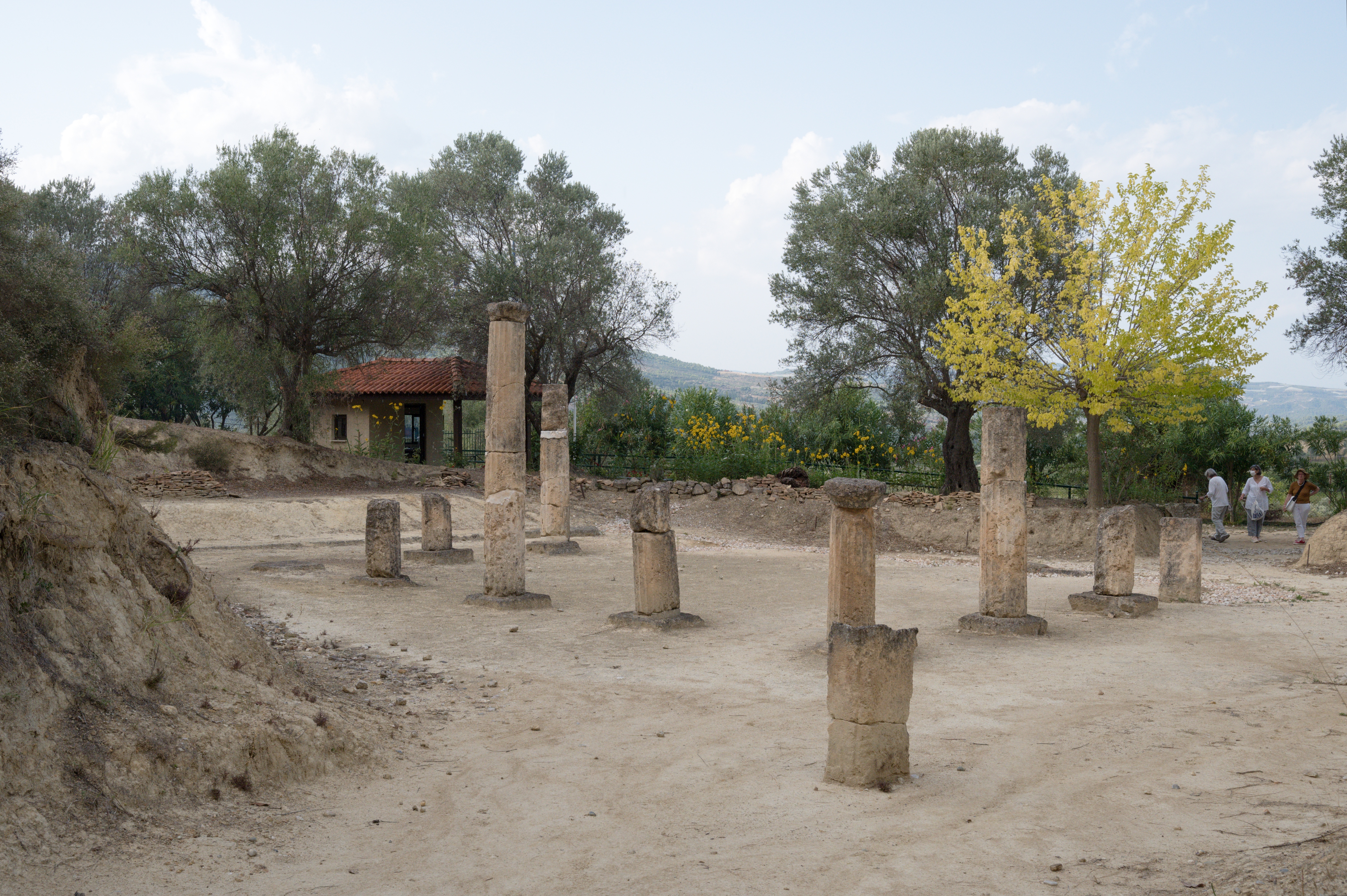
Overview
Formerly part of the territory of Cleonae in ancient Argolis, its location on neutral ground on the borders of ancient Archaia, Arcadia, Argolis and Corinth was ideal for the creation of a panhellenic religious centre and one of the four prestigious Panhellenic games along with Delphi, Isthmia and Olympia 1Nemea — wiki · Wikipedia ↗. The Nemean Games were documented from 573 BC, or earlier, at the sanctuary of Zeus at Nemea 2Nemea — sec1 · Wikipedia ↗.
The small village of Archaia Nemea (formerly known as "Iraklion") is immediately southwest of the archaeological site, while the new town of Nemea lies to the west 1. Today, the appellation of Nemea is the most important red wine AOC of southern Greece and arguably of all of Greece 3Nemea — kleones · Reference ↗.
Greek myth gives Nemea two defining stories: it was the home of the Nemean Lion killed by Heracles, and the place where the infant Opheltes, lying on a bed of parsley, was killed by a serpent while his nurse Hypsipyle fetched water for the Seven against Thebes on their journey from Argos to Thebes 2. According to its aition, or founding myth, the Seven founded the Nemean Games in his memory, which accounts for the crown of victory being made of parsley or the wild form of celery and for the black robes of the judges, interpreted as a sign of mourning 2. In the mythological order Nemea was ruled by king Lycurgus and queen Eurydice 2. The athletic games held at the Heroön may be the predecessor of the Nemean Games, which tradition credits to Heracles 4Nemea — nemea · Reference ↗.
The Nemean Games were celebrated in the eleven Nemean odes in the 4th book of Epinikia of Pindar dating from 476 BC 1. Cleonae, the small town in whose territory the games took place, is mainly known for them 3.
The near area was wealthy in the Bronze Age, as shown by the rich Mycenaean tombs found in the Nemea valley dating from the 16th c. BC at Ayia Sotira, Barnavos and Aidonia, many finds from which are in the Nemea museum 5Nemea — sec2 · Wikipedia ↗.
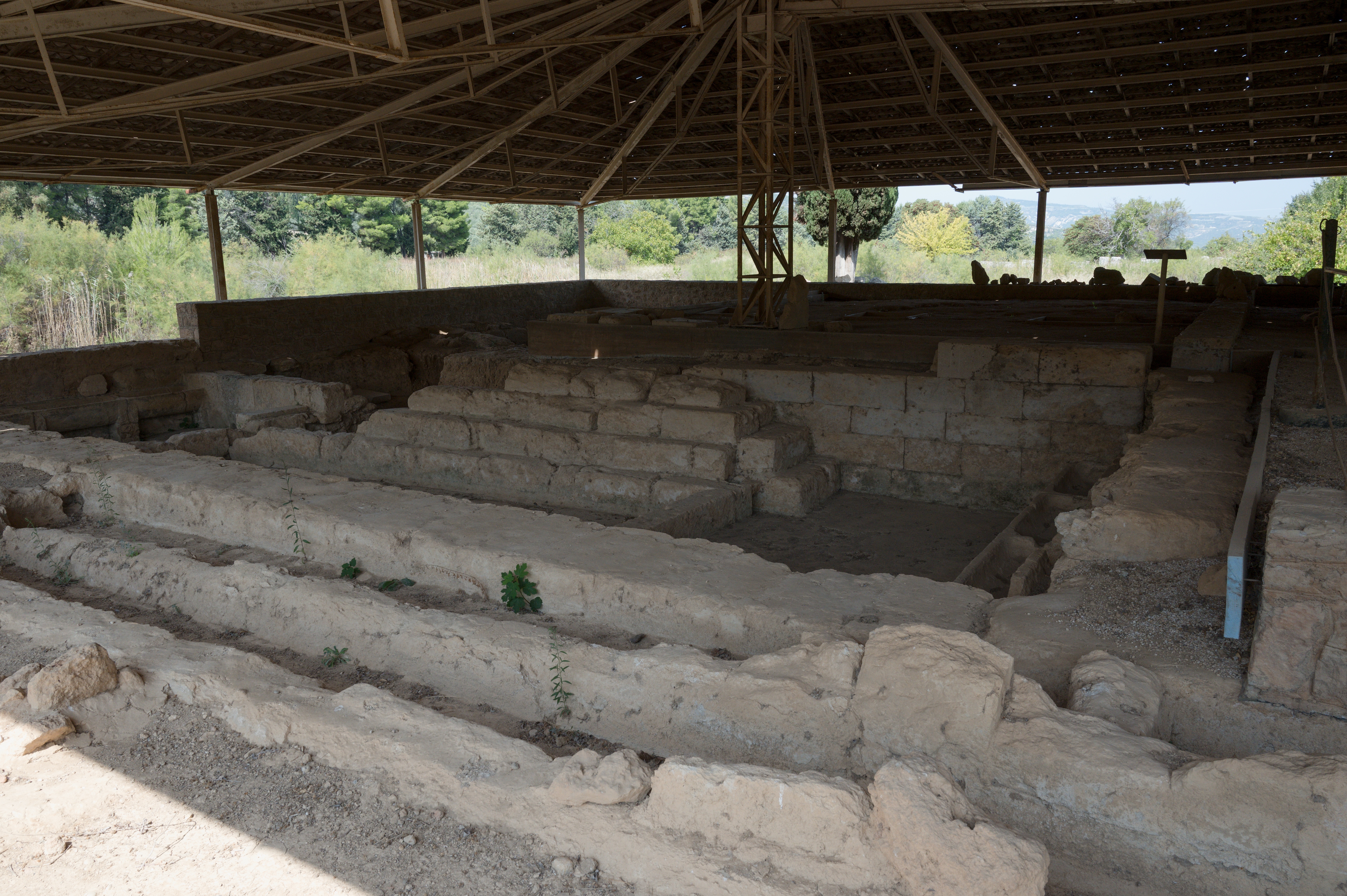
The temple of Zeus stands within a large sacred area with many buildings and features 6Nemea — sec4 · Wikipedia ↗. South of it lie nine poorly preserved buildings now commonly called oikoi 7Nemea — sec7 · Wikipedia ↗. The apodyteirion, a rectangular changing room with a surrounding portico where athletes prepared for the games, was built in an adjacent natural depression east of the Stadium 8Nemea — sec6 · Wikipedia ↗.
The Heroön at Nemea is a 6th century BCE ancient Greek archaeological site located within the larger Panhellenic sanctuary, an earthen mound on the west side of the Nemea river 4.
Archaies Kleones, formerly known as Condostavlos or Kontostavlos until 1963, is a settlement in Corinthia, in the municipality of Nemea, with a population of 540 residents according to 2021 census 3.
1. Myth, Legend and History
Nemea was famous in Greek myth as the home of the Nemean Lion, which was killed by the hero Heracles, and as the place where the infant Opheltes, lying on a bed of parsley, was killed by a serpent while his nurse Hypsipyle fetched water for the Seven against Thebes on their way from Argos to Thebes 2.
When the Seven against Thebes—a legendary, likely mythical group of champions—stopped in Nemea, they asked Opheltes's nurse Hypsipyle for water 4.
In the late 2nd century CE the traveller Pausanias was shown the lion's cave, fifteen furlongs from the sanctuary 2.
The Heroön and the Games
The Heroön at Nemea is a mound of earth, 100 metres (330 ft) long and 40 metres (130 ft) at its widest 4. It is an earthen mound situated on the west side of the Nemea river 4. The Nemean Games began in 573 BCE, near the time of the Heroön's construction 4. The heroön was in use from the 6th century BCE to the 4th century BCE; its prominence began to wane in the mid-third century BCE after organizers relocated the Nemean games to Argos 4.
The Nemean Games were celebrated in the eleven Nemean odes in the 4th book of Epinikia of Pindar dating from 476 BC 1. Excavations at the Heroön at Nemea have yielded several complete vessels which were intentionally arranged and buried 4.
The near area was wealthy in the Bronze Age as shown by the rich Mycenaean tombs found in the Nemea valley dating from the 16th c. 2. Many finds from Ayia Sotira, Barnavos and Aidonia are in the Nemea museum 2.
The first major games at the Olympia stadium were said to have taken place in the 720s BCE 9Nemea — greece · Reference ↗.
In Greek mythology Nemea was ruled by king Lycurgus and queen Eurydice 2. The Seven founded the Nemean Games in memory of Opheltes, according to the aition, or founding myth, which accounts for the crown of victory being made of parsley or the wild form of celery and for the black robes of the judges, interpreted as a sign of mourning 2.
The site plan of Nemea marks the sanctuary and the Hellenistic stadium, together with the temple of Zeus, the altar of Zeus, the Oikoi, the baths and the Heroön of Opheltes, alongside the Early stadium and the stadium 2.
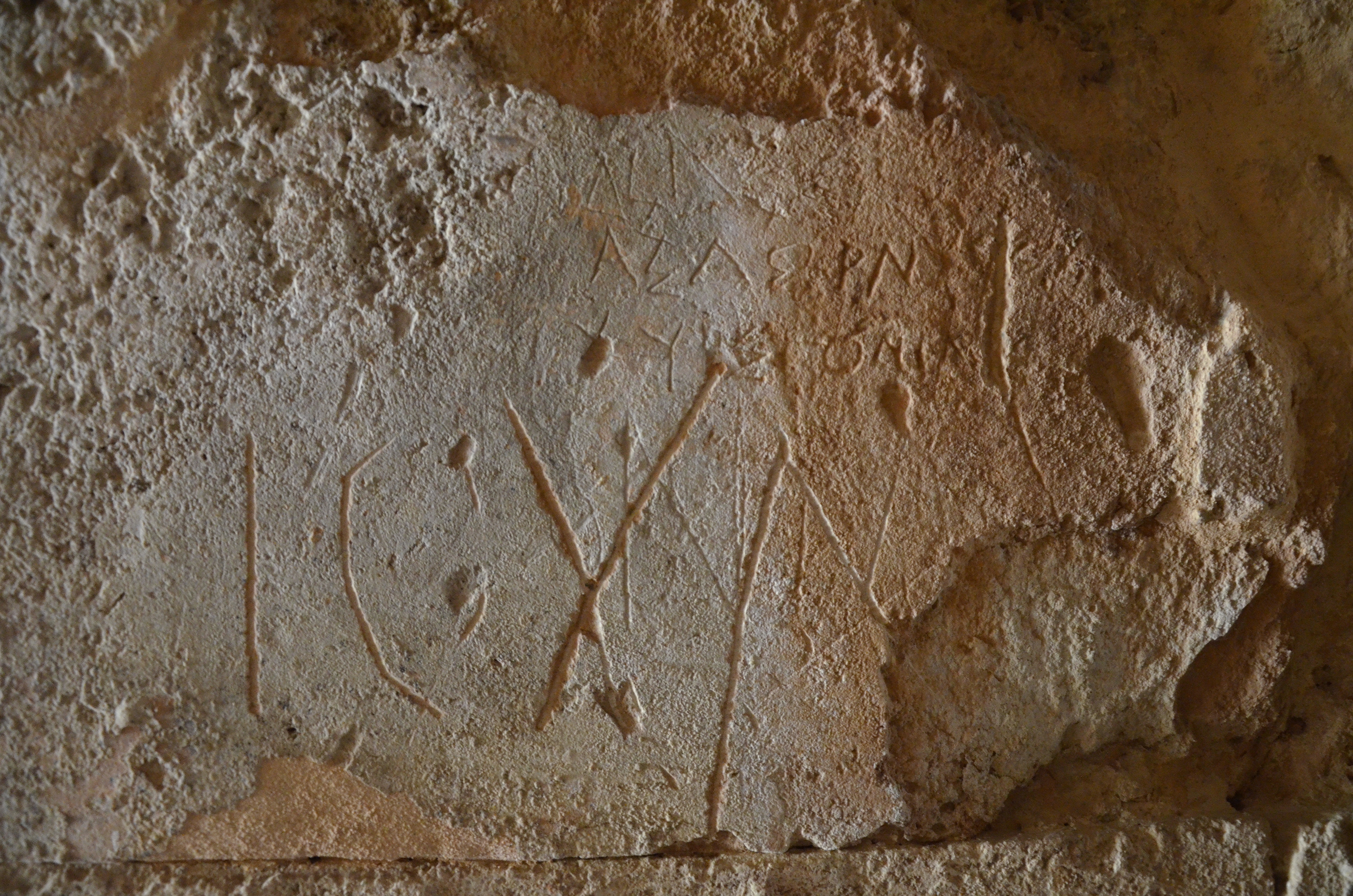
2. Bronze Age and Mycenaean Remains
The Nemea valley preserves substantial evidence of occupation in the Bronze Age, and the wealth of the period is reflected in the rich Mycenaean tombs discovered there 7. These burials date from the 16th c. BC and were found at Ayia Sotira, Barnavos and Aidonia 7. Many of the objects recovered from them are held in the Nemea museum 7.
Study of this material has been carried out under the Nemea Valley Archaeological Project 7. The excavations at Barnavos were published in Hesperia 7.
South of the Temple of Zeus stand nine poorly preserved buildings, now commonly called oikoi 6.
The wealth of the near area in the Bronze Age is attested by the rich Mycenaean tombs found in the Nemea valley, which date from the 16th c. 5
3. The Heroön
The Heroön at Nemea is a 6th century BCE Ancient Greek archaeological site in Nemea in the northeastern Peloponnese, located within the larger Panhellenic sanctuary there4.
The heroön was in use from the 6th century BCE to the 4th century BCE4. Its prominence began to wane in the mid-third century BCE after organizers relocated the Nemean games to Argos4. Excavations at the site have yielded several complete vessels which were intentionally arranged and buried4.
The monument takes the form of an earthen mound, 100 metres (330 ft) long and 40 metres (130 ft) at its widest4. It lies on the west side of the Nemea river4. In the published plan of the site it is numbered among the sanctuary's structures alongside the temple of Zeus, the altar of Zeus, the Oikoi, the baths and the stadium2.
The mound is bound up with the mythology of the region: Nemea was ruled in Greek myth by king Lycurgus and queen Eurydice2. The place was famous as the home of the Nemean Lion, killed by Heracles, and as the setting for the death of the infant Opheltes, who lay on a bed of parsley and was killed by a serpent while his nurse Hypsipyle fetched water for the Seven against Thebes on their way from Argos to Thebes2.
The athletic contests held at the Heroön may be the predecessor of the Nemean Games, which tradition credits to Heracles4. The Games themselves began in 573 BCE, near the time of the Heroön's construction4.
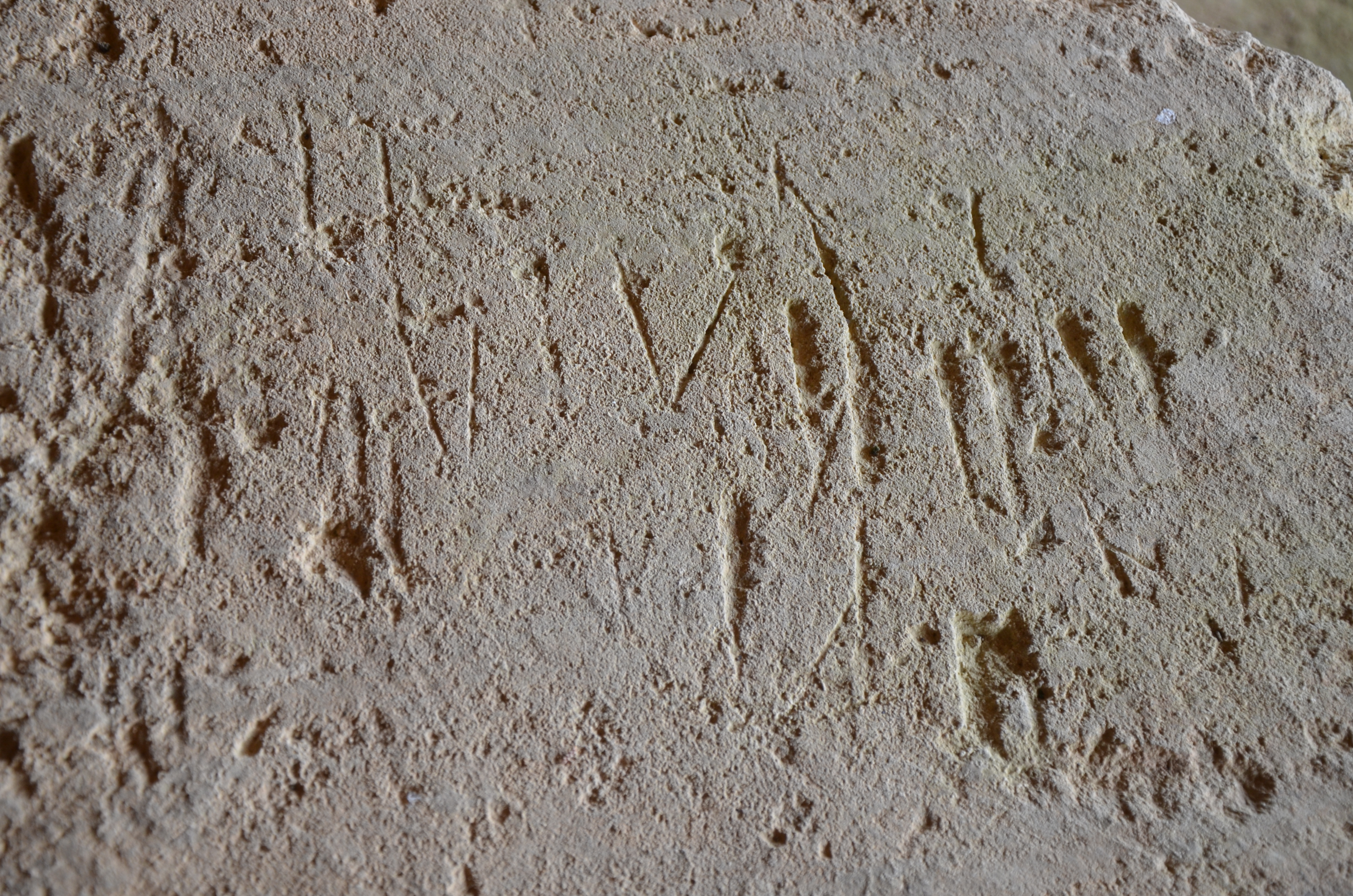
4. The Nemean Games
The Nemean Games began in 573 BCE near the time of the Heroön's construction4. The athletic games which took place at the Heroön at Nemea may be the predecessor of the Nemean Games which according to tradition were established by Heracles4.
The Nemean Games were celebrated in the eleven Nemean odes in the 4th book of Epinikia of Pindar dating from 476 BC1.
The games are documented from 573 BC, or earlier, at the sanctuary of Zeus at Nemea5. The sanctuary lay on neutral ground at the borders of ancient Archaia, Arcadia, Argolis and Corinth, a position suited to a panhellenic religious centre and to one of the four prestigious Panhellenic games alongside Delphi, Isthmia and Olympia1. The territory was formerly part of Cleonae in ancient Argolis, a small town mainly known for the games held in its land3.
According to the founding myth, or aition, the Seven founded the games in memory of the infant Opheltes, who lay on a bed of parsley and was killed by a serpent while his nurse Hypsipyle fetched water for them on their way from Argos to Thebes2. The same account explains the crown of victory, made of parsley or the wild form of celery, and the black robes of the judges, read as a sign of mourning1.
The heroön at Nemea was in use from the 6th century BCE to the 4th century BCE, and its prominence began to wane in the mid-third century BCE after organizers relocated the games to Argos4.
5. Sanctuary Layout and Buildings
The plan of Nemea sets the sanctuary alongside the Hellenistic stadium2. Within this arrangement the temple of Zeus stands together with the altar of Zeus, the Oikoi, the baths and the Heroon of Epheltes2. The Early stadium and the stadium also appear among the numbered features of the site2.
The apodyteirion (changing room), a rectangular building with a surrounding portico where the athletes prepared for the games, was built in an adjacent natural depression east of the Stadium8.
The sanctuary of Zeus at Nemea was the setting for the Nemean Games, which are documented from 573 BC or earlier5. In Greek mythology the site was ruled by king Lycurgus and queen Eurydice2.
The Heroon of Epheltes belongs to the 6th century BCE and stands within the larger Panhellenic sanctuary4. In the late 2nd century CE the traveller Pausanias was shown the lion's cave, fifteen furlongs from the sanctuary2.
Argos at that time constructed great new monuments, among them the Temple of Zeus and several other buildings5.
6. Archaies Kleones and the Modern Setting
Archaies Kleones (Greek: Αρχαίες Κλεωνές, formerly known as Condostavlos or Kontostavlos until 1963) is a settlement in Corinthia, in the municipality of Nemea, with a population of 540 residents according to 2021 census3. Cleonae was a small town, mainly known for the Nemean Games that took place in its territory3.
In the region of Nemea the indigenous Greek Agiorgitiko grape is used and produces wines famous for their deep red color with violet and blue hues, complex aroma and long, velvety palate3.
It had formerly belonged to the territory of Cleonae in ancient Argolis, and its position on neutral ground at the borders of ancient Archaia, Arcadia, Argolis and Corinth suited it for a panhellenic religious centre and for one of the four prestigious Panhellenic games alongside Delphi, Isthmia and Olympia1. In Greek mythology the place was ruled by king Lycurgus and queen Eurydice2, and it was famous as the home of the Nemean Lion killed by Heracles and as the place where the infant Opheltes, lying on a bed of parsley, was killed by a serpent while his nurse Hypsipyle fetched water for the Seven against Thebes on their way from Argos to Thebes2. According to its founding myth the Seven founded the Nemean Games in his memory, which accounts for the crown of victory being made of parsley or the wild form of celery and for the black robes of the judges, interpreted as a sign of mourning2.
The near area was wealthy in the Bronze Age, as the rich Mycenaean tombs found in the Nemea valley and dating from the 16th c. BC at Ayia Sotira, Barnavos and Aidonia show, and many of those finds are in the Nemea museum5. The Nemean Games were documented from 573 BC, or earlier, at the sanctuary of Zeus at Nemea5, and were celebrated in the eleven Nemean odes in the 4th book of Epinikia of Pindar dating from 476 BC1. The athletic games held at the Heroön at Nemea may be the predecessor of the Nemean Games, which according to tradition were established by Heracles4. The Heroön itself is a 6th century BCE archaeological site within the larger Panhellenic sanctuary, an earthen mound on the west side of the Nemea river4.
The Temple of Zeus stands within a large sacred area with many buildings and features6. South of it lie nine poorly preserved buildings now commonly called oikoi7.
7. Key dates
- 573 BCEThe Nemean Games were documented from 573 BC, or earlier, at theThe Nemean Games were documented from 573 BC, or earlier, at the sanctuary of Zeus at Nemea.
- 476 BCEThe Nemean Games were celebrated in the eleven Nemean odes in theThe Nemean Games were celebrated in the eleven Nemean odes in the 4th book of Epinikia of Pindar dating from 476 BC.
- 1963Archaies Kleones (Greek: Αρχαίες Κλεωνές, formerly known as Condostavlos oArchaies Kleones (Greek: Αρχαίες Κλεωνές, formerly known as Condostavlos or Kontostavlos until 1963) is a settlement in Corinthia, in the municipality of Nemea, with a population of 540 residents according to 2021 census.
- 2000Miller, "The Temple of Nemean Zeus: a California landmark", Chronicle of tMiller, "The Temple of Nemean Zeus: a California landmark", Chronicle of the University of California , Fall 2000:127ff ^ Miller, Stephen.
- 2006^ Nemea Valley Archaeological Project https://www.ascsa.edu.gr/publication^ Nemea Valley Archaeological Project https://www.ascsa.edu.gr/publications/books/browse-by-series/nemea-valley-archaeological-project ^ Robert Angus et al.: 2006 - 2007 Excavations of the Mycenaean Cemetery at Ayia Sotira, Ancient Nemea, AEA, pp.
- 2008Wright et al.: Nemea Valley Archaeological Project, Excavationsat BarnavosWright et al.: Nemea Valley Archaeological Project, Excavationsat Barnavos: Final Report, in: Hesperia vol.77/4, 2008, pp.607-654 ^ PULLEN, DANIEL J., et al.
8. Frequently asked questions
Who ruled Nemea in Greek mythology?
In Greek mythology Nemea was ruled by king Lycurgus and queen Eurydice 1.
Why was Nemea a fitting place for a panhellenic sanctuary?
It lay on neutral ground on the borders of ancient Archaia, Arcadia, Argolis and Corinth 1.
How did the Nemean Games get their victors' crown and the judges' black robes?
The Seven founded the Nemean Games in memory of Opheltes, according to its aition, or founding myth, which accounts for the crown of victory being made of parsley or the wild form of celery and for the black robes of the judges, interpreted as a sign of mourning 1.
What kind of wine is Nemea known for today?
The indigenous Greek Agiorgitiko grape is used in the region and produces wines famous for their deep red color with violet and blue hues, complex aroma and long, velvety palate 3.
What was found near the stadion besides the changing room?
Two black marble bases were also found, which may have been where statues of victors of the games stood 8.
References (9)
- 1Nemea — wiki — Wikipedia Web↩View source
- 2Nemea — sec1 — Wikipedia Web↩View source
- 3Nemea — kleones — Reference Web↩View source
- 4Nemea — nemea — Reference Web↩View source
- 5Nemea — sec2 — Wikipedia Web↩View source
- 6Nemea — sec4 — Wikipedia Web↩View source
- 7Nemea — sec7 — Wikipedia Web↩View source
- 8Nemea — sec6 — Wikipedia Web↩View source
- 9Nemea — greece — Reference Web↩View source