Incense
Aromatic resins burned in worship and hospitality — from Egyptian temples and the frankincense caravans of Arabia to censers, kodo and modern air-quality research.
Incense is the practice and substance of burning aromatic resins, above all frankincense from Boswellia trees and myrrh from Commiphora, to produce fragrant smoke. It runs through the religious history of Egypt, Israel, Greece, Rome and Christian worship, and it supported the incense trade whose caravan cities and ports — the Land of Frankincense in Oman and the Nabatean desert cities of the Negev — are UNESCO World Heritage sites. Incense remains a living practice in churches, in Islamic hospitality and in the Japanese way of fragrance known as kodo, while studies of temple air show the smoke carries fine particulate matter and polycyclic aromatic hydrocarbons.
In this article
Overview
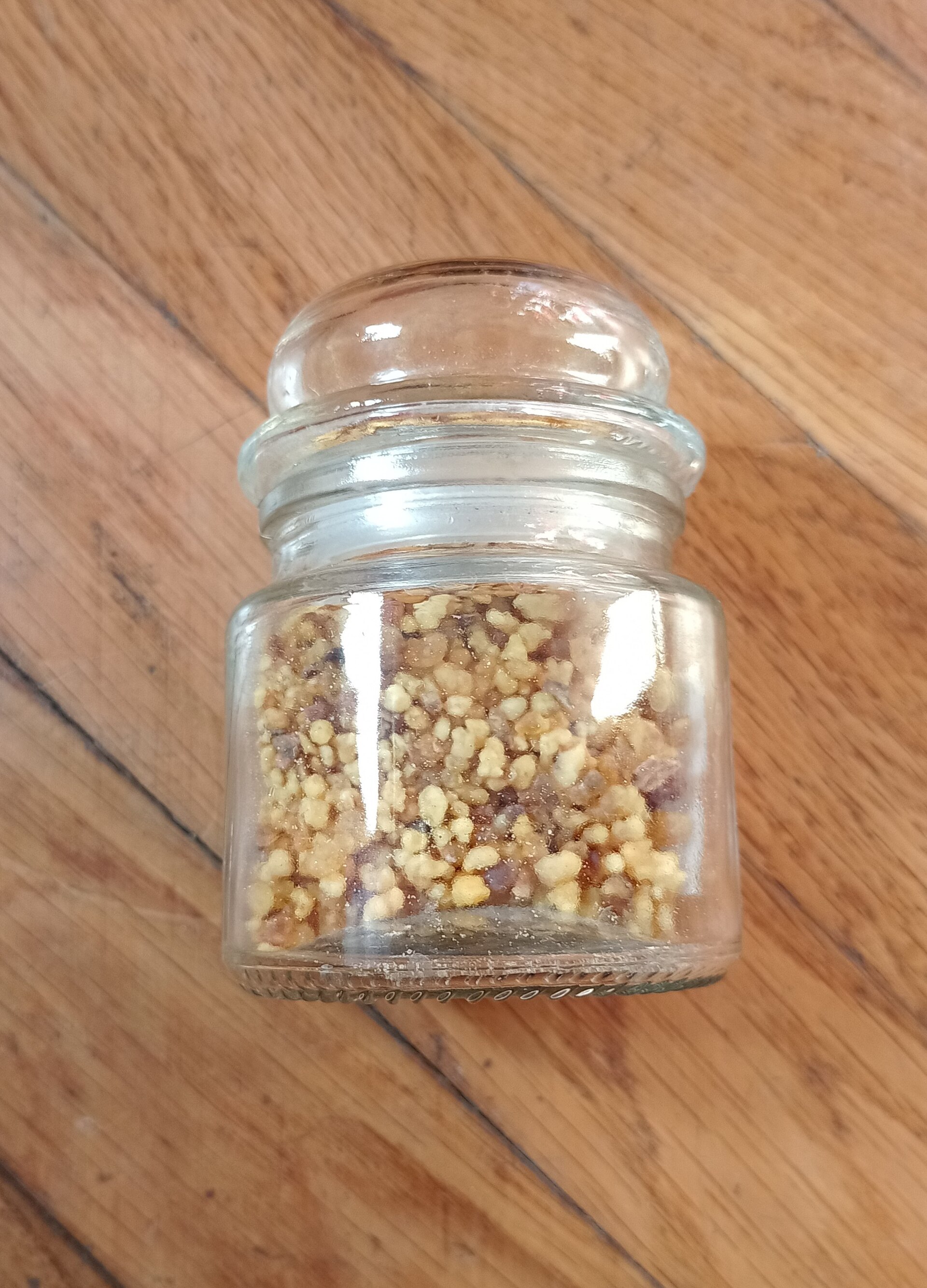
Incense consists of grains of resins, sometimes mixed with spices, that burn with a fragrant odour and are widely used as an oblation. It is commonly sprinkled on lighted charcoal contained in a censer, or thurible. Frankincense, an aromatic gum resin containing a volatile oil, is the principal material employed in incense and perfumes.
1. Resins and Source Plants
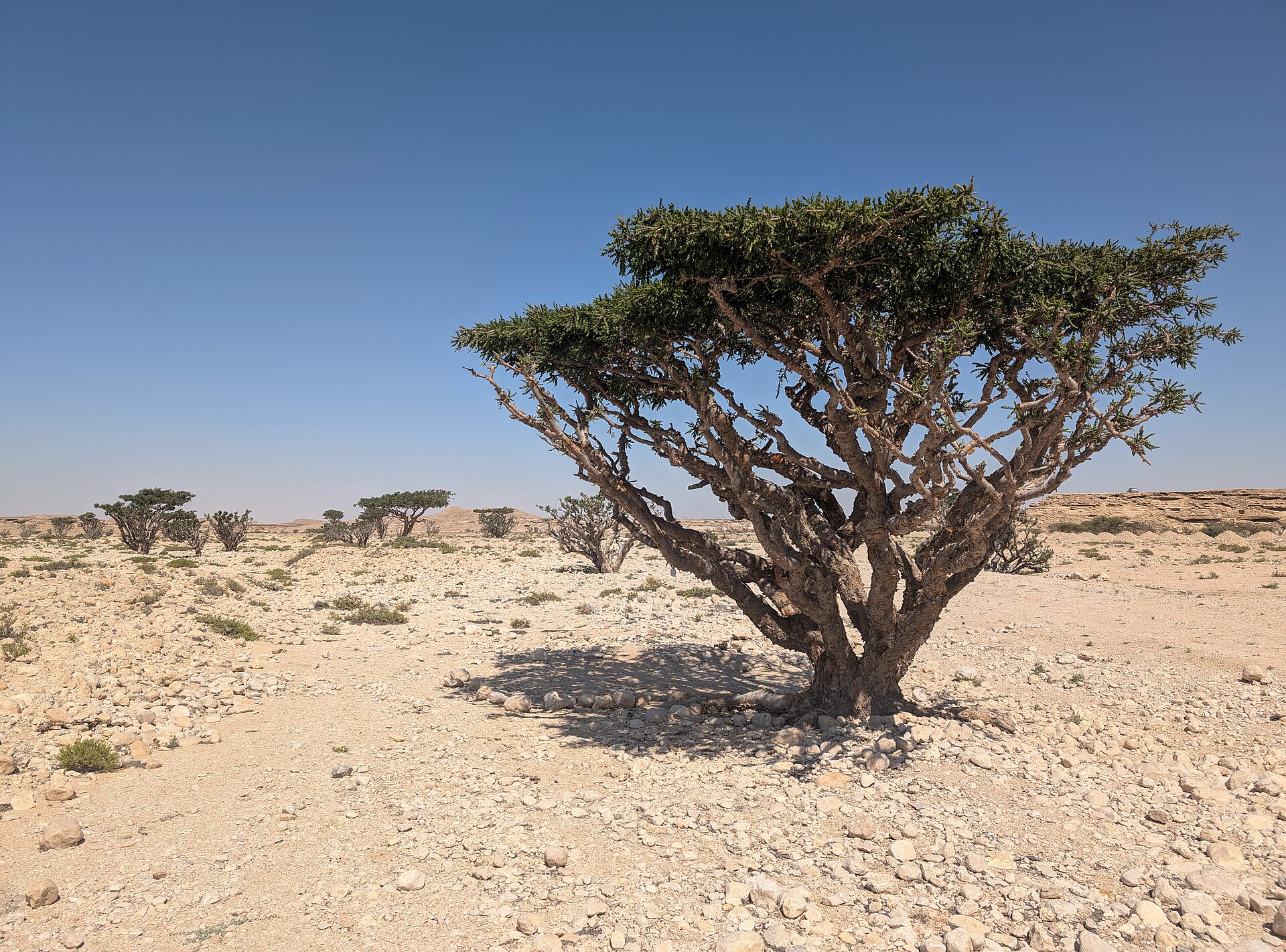
Frankincense is an aromatic gum resin obtained from trees of the genus Boswellia, particularly the species B. serrata, which are found in Somalia, the Hadhramaut region of Yemen, Oman, and parts of India and Pakistan. Harvesting begins with incisions made in the trunks of the trees, from which the frankincense exudes as a milklike juice that hardens on exposure to air. The resin is generally collected from farmed trees in East Africa and parts of the Arabian Peninsula.
Myrrh takes its name from the Arabic word murr, meaning bitter, and is a bitter-tasting, agreeably aromatic, yellow to reddish brown gum resin obtained from trees of the genus Commiphora. It is produced by small, thorny trees of the incense-tree family Burseraceae, with two main varieties: herabol myrrh from C. myrrha and bisabol myrrh from C.
The frankincense tree Boswellia sacra grows in the Dhofar Mountain range in southern Oman. The Dhofar mountains extend into Yemen and are the only location where Boswellia sacra grows naturally, with no other variety of Boswellia present. In Africa south of Egypt, B. sacra grow in Somalia while B. papyrifera grows in Ethiopia and Sudan, and in southern Arabia B. sacra is the source of frankincense in Oman and Yemen. Socotra, an island isolated in the Indian Ocean between Oman and Somalia, has many plants and animals found nowhere else, including the frankincense tree Boswellia ameero.
Frankincense is still wild-harvested, and over-tapping of resin in the Horn of Africa greatly reduces seed production while woodland is being replaced by fields; instability in producer countries is a barrier to sustainable harvesting. The resin remains widely valued for its traditional purposes as incense and medicine and in the contemporary perfume industry, with increasing interest in testing medicinal properties such as treating arthritis.
2. Ancient and Religious Uses
Carved pictures show Tahuti-mes offering incense before the bark of Amen-Ra, which is carried by twenty-four priests and two high priests. The history makes clear that Moses was not the first to use incense as an offering to the Deity, and that the Egyptians did not borrow the practice from the Hebrews. Hatshepsut's expedition to Punt, in modern-day Somalia, was in her own eyes her crowning achievement, and Punt had been a partner in trade since the time of the Middle Kingdom. She acquired luxury goods to donate in Amun's honour and had a scene carved at Deir el-Bahri showing the quantity of exotic goods brought from Punt. With Egypt at peace during most of the twenty years of her reign, Hatshepsut was able to exploit the wealth of Egypt's natural resources as well as those of Nubia.
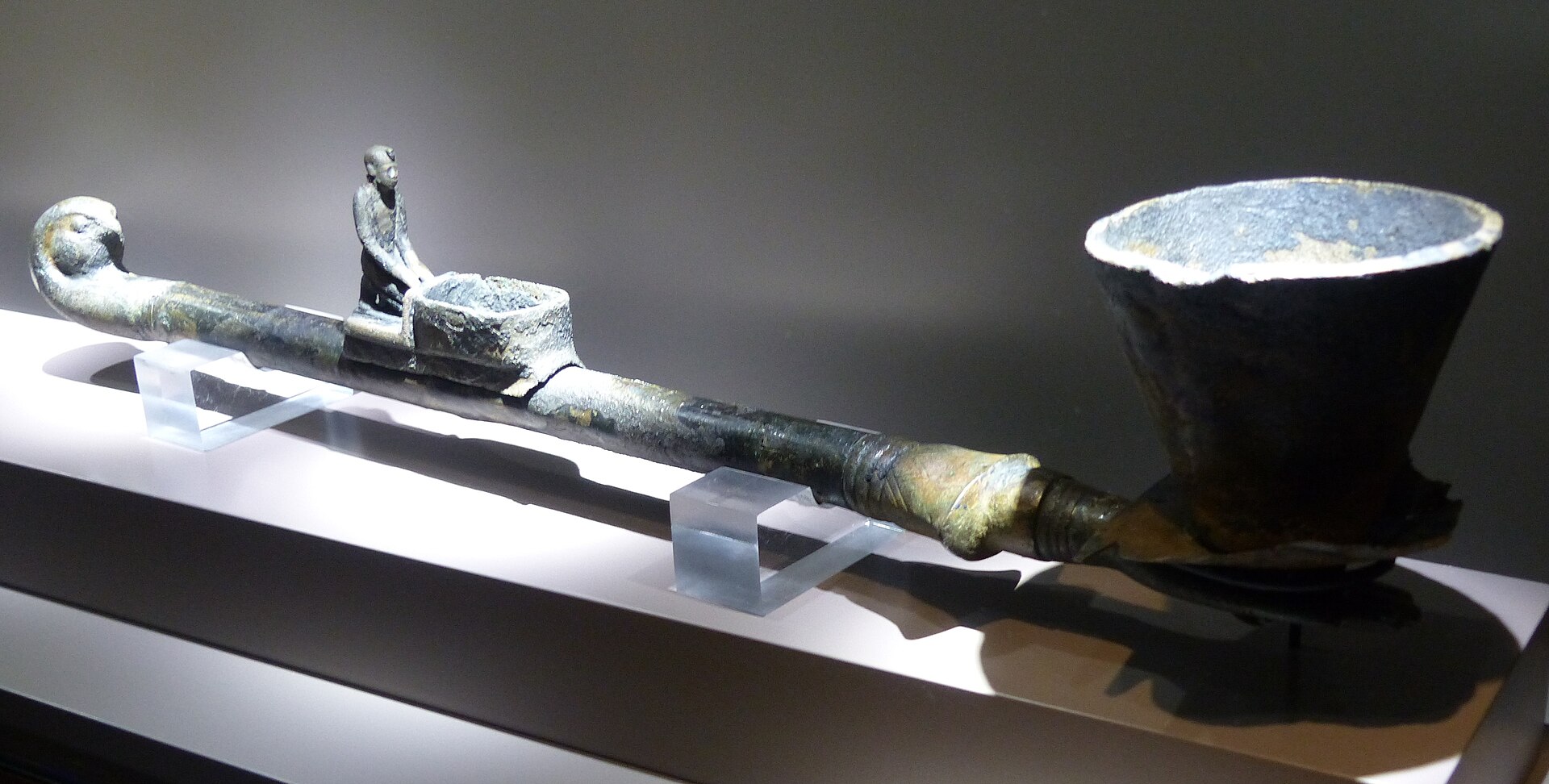
Up to the time of Constantine the Great, or even later, there was no use of incense whatever in the public worship of the Church, though it may have been used in funeral processions. Medieval rites provided for censing at Magnificat and Benedictus: the altar was censed much as at mass, followed by the censing of images, the clergy and choir, and the people. The usual type of censer is a covered vessel suspended by three chains terminating in a ring, by which the censer is held.
Incense may be used if desired in any form of Mass, including during the entrance procession, at the Gospel procession and proclamation, and at the showing of the host and chalice after the consecration. The altar is incensed with single swings of the thurible: the priest walks around a freestanding altar, and works from the right side then the left when it is not freestanding.
3. Trade Routes and World Heritage
The Nabateans began as a nomadic Arab tribe and prospered from the 4th century BCE to the 2nd century CE by holding the camel caravan routes that passed through the oases on the way to Egypt, Syria and the Mediterranean. Their towns depended on elaborate systems of water collection and irrigation — dams, channelling, cisterns and reservoirs — traces of which are found widely around Avdat and the central Negev. The remains of those irrigation works, together with urban constructions, forts and caravanserai, show how the harsh desert was settled for trade and agriculture.
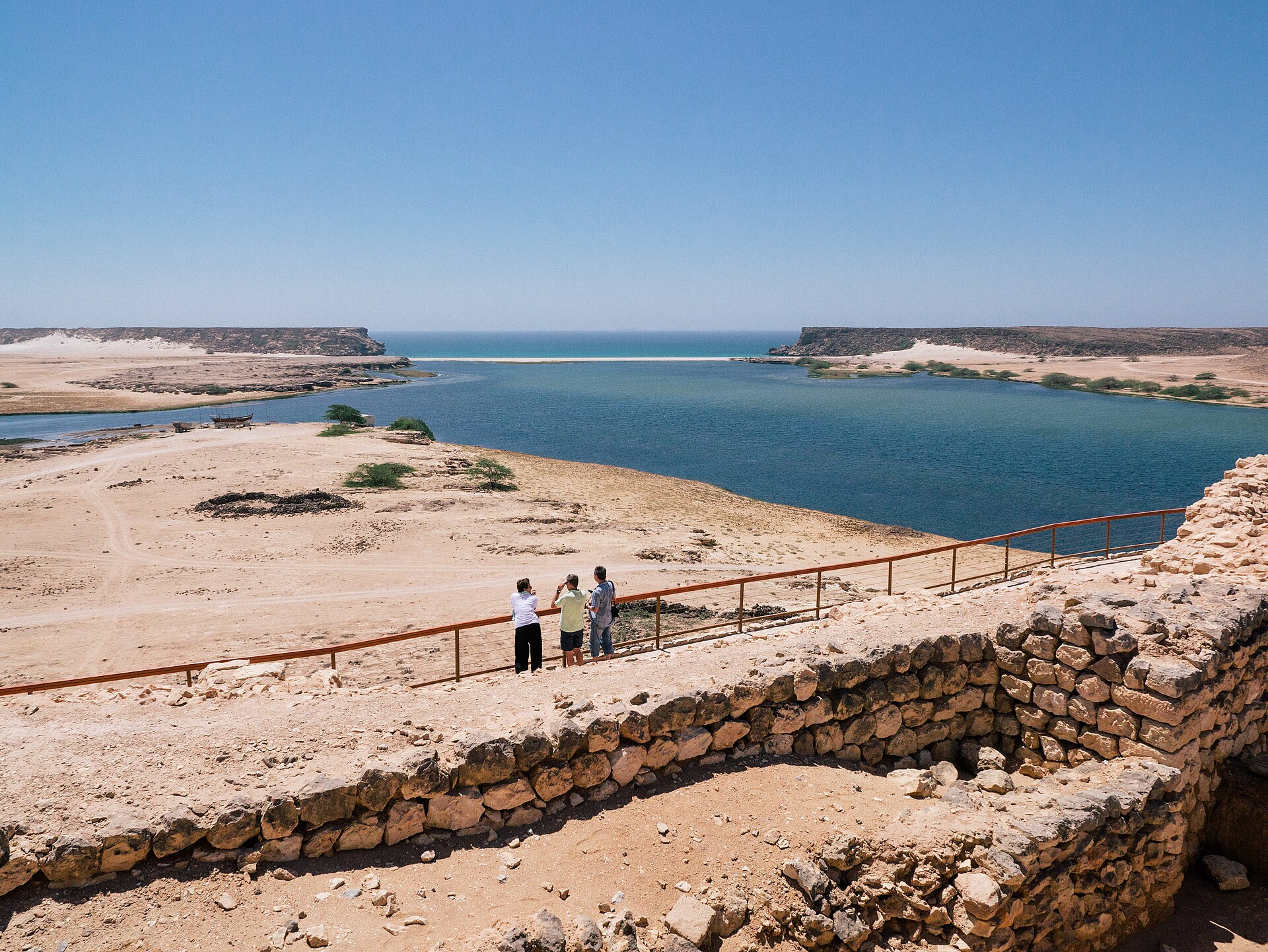
Shisr, an agricultural oasis and caravan site, lies about 180 km north of Salalah in the desert and served as an important station for water supply on the routes to the coast. The port of Khor Rori was refounded at the end of the 1st century by LL'ad Yalutas to control the trade in Dhofar incense, and it stood as the hub of the trading settlements on that coast. Samharam was established before the Roman-Indian direct trade started and became a beneficiary of that trade as it grew.
Hegra has been a UNESCO World Heritage Site since 2008 and lies on a plain dotted with sandstone outcrops just north of the AlUla Valley. Jabal Ikmah, often referred to as an open-air library, contains hundreds of inscriptions on the rock faces of a gorge near Dadan; most are in the Dadanitic script and date to the second half of the first millennium BCE.
4. Cultural and Domestic Practice
In Oman the resin of the frankincense tree, tapped and left to dry in the air, is put to daily use in most homes, even though the tree itself carries little importance in the country. The resin is most commonly placed on a heat source so that smoke is given off, and the fragrance is fresh, with a pine and citrus background. Burning frankincense is a key aspect of Omani hospitality: an incense burner with smoking frankincense is presented to guests so that they may fragrance themselves.
In a Damascus reception room it was customary to sprinkle guests with perfumes, and incense burners were used to diffuse aromatic smoke. The shelves of the antechamber held functional possessions related to hospitality, among them wash basins and jugs, incense burners, rosewater sprinklers, coffee services, water pipes, braziers and candleholders. All the senses were engaged in this room, from the sound of water in the playing fountain to the smell of incense in an incense burner or of flowers kept in the built-in shelves. Visitors to an eighteenth-century Damascus reception room removed their shoes and ascended the high step to the seating area, where plush carpets covered the marble floor and guests reclined on the low sofa against silken and velvet cushions.
Objects made in baser metals, particularly bronze, survive in a number of forms, among them buckets, incense burners and bowls. Fragments of a brazier from al-Fudayn, a site of the Umayyad period, show women, birds and satyrs, such a large bronze piece serving as a luxury object in a courtly setting. An incense burner found in palatial structures at Umm al-Walid in Jordan points to the use of incense outside liturgical settings, perhaps in court ceremonies. A lid of an incense burner dated to the 8th century and made in Jordan is cast, pierced and engraved leaded bronze.
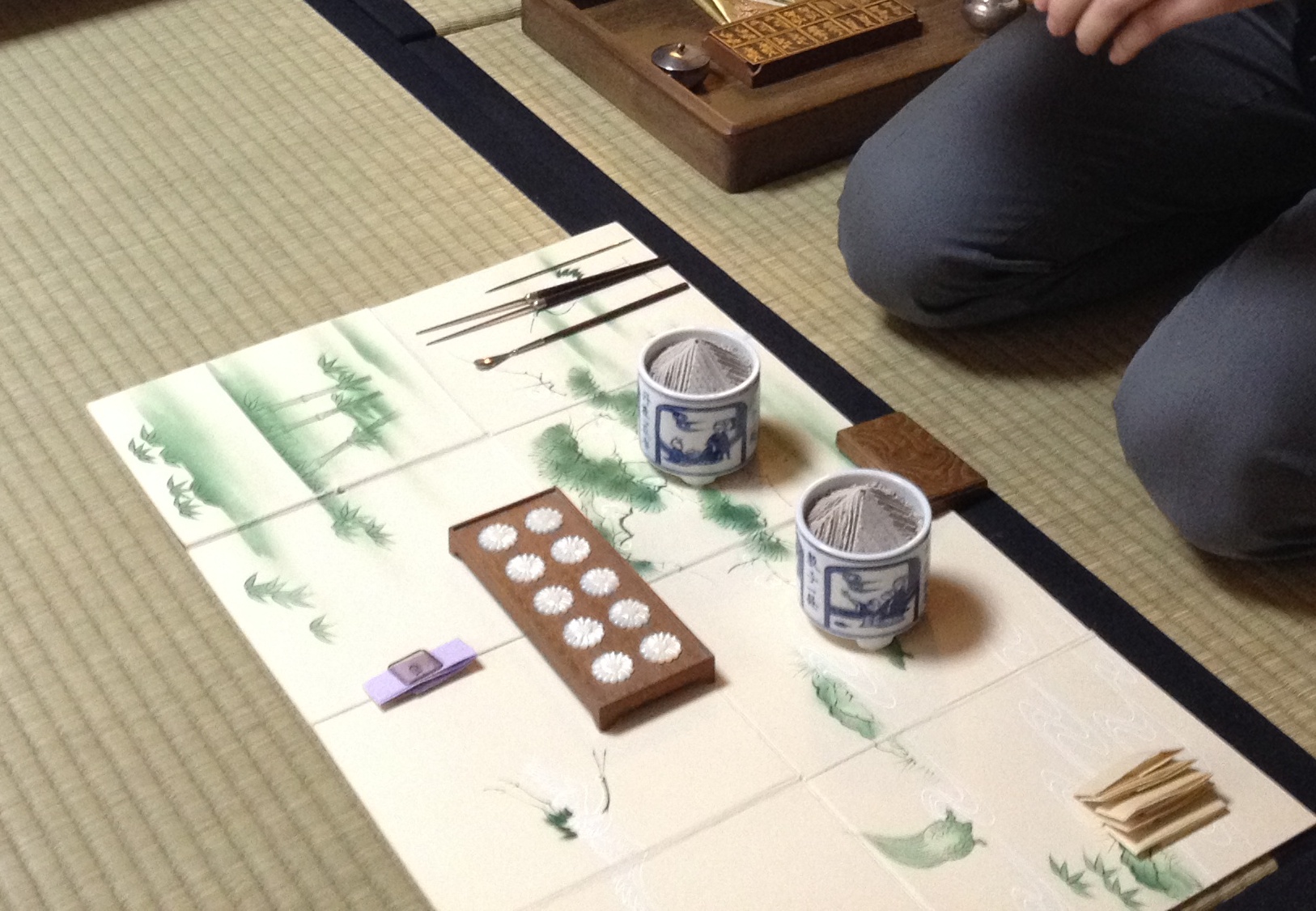
Kodo began about 1400 years ago in the Asuka period, when fragrant woods came to be burned as part of Buddhist ritual, and in the Heian period incense became an elegant game at court. It can be enjoyed in two ways: Monko, literally listening to incense, and Kumiko, a game of distinguishing different fragrant woods by burning them. Koboku is a fragrant wood that gives off incense in nature; its representative types are Jinko, formed when resin accumulates on damaged bark, and Byakudan, which is fragrant by itself. The Dojin Japanese Art Society, with UBC partners, presented a symposium and public incense ceremonies on kodo, the Japanese way of incense, at the University of British Columbia; the public incense ceremony program included a session set in a traditional tearoom with a single special incense, a scent-matching game in which participants discern several different woods, and a matcha tea service.
5. Incense Burners
The incense burner held in the Metropolitan Museum of Art is recorded as coming from Nishapur in Iran, a vital city in the early and middle Islamic periods on routes linking Iran and West Asia with Central Asia and China. The object was found and purchased in Nishapur.
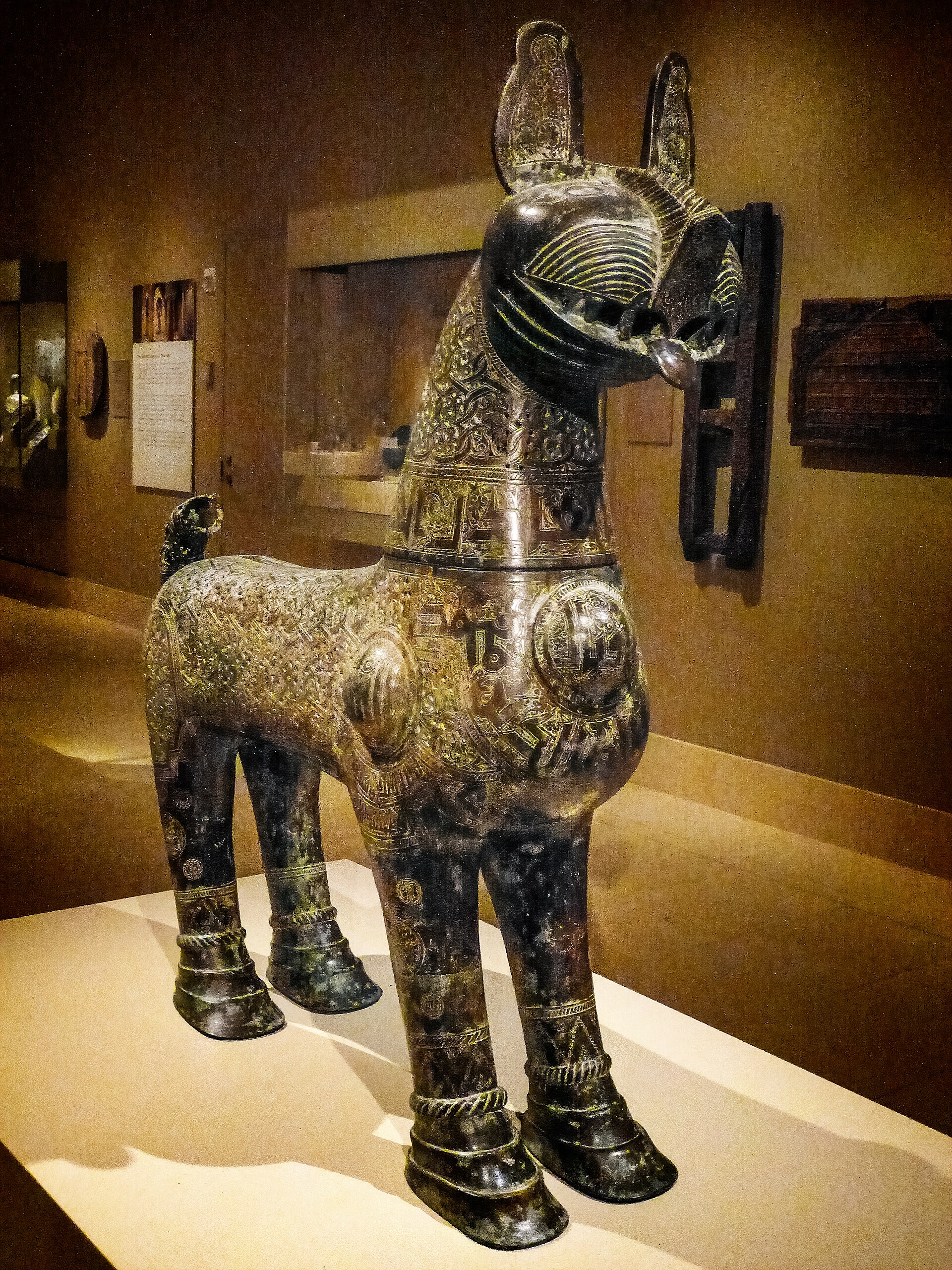
A lion-shaped incense burner made for Amir Saif al-Dunya wa'l-Din ibn Muhammad al-Mawardi is dated 577 AH, equivalent to 1181-82 CE, and this zoomorphic type was popular during the Seljuq period. Its maker is named as Ja`far ibn Muhammad ibn `Ali, and the bronze piece, cast, engraved, chased and pierced, was found in Iran at the ruins of Kariz near Taybad in Khorasan. The band around the lion's neck and other parts of its body carry Arabic words giving the name of the very important person for whom the burner was made, Amir Saif al-Din Muhammad al-Mawardi. The head comes off so that incense could be placed inside the body with burning charcoal, and when it burned the smell and smoke floated out through tiny holes in the body and neck.
6. Health and Environmental Effects
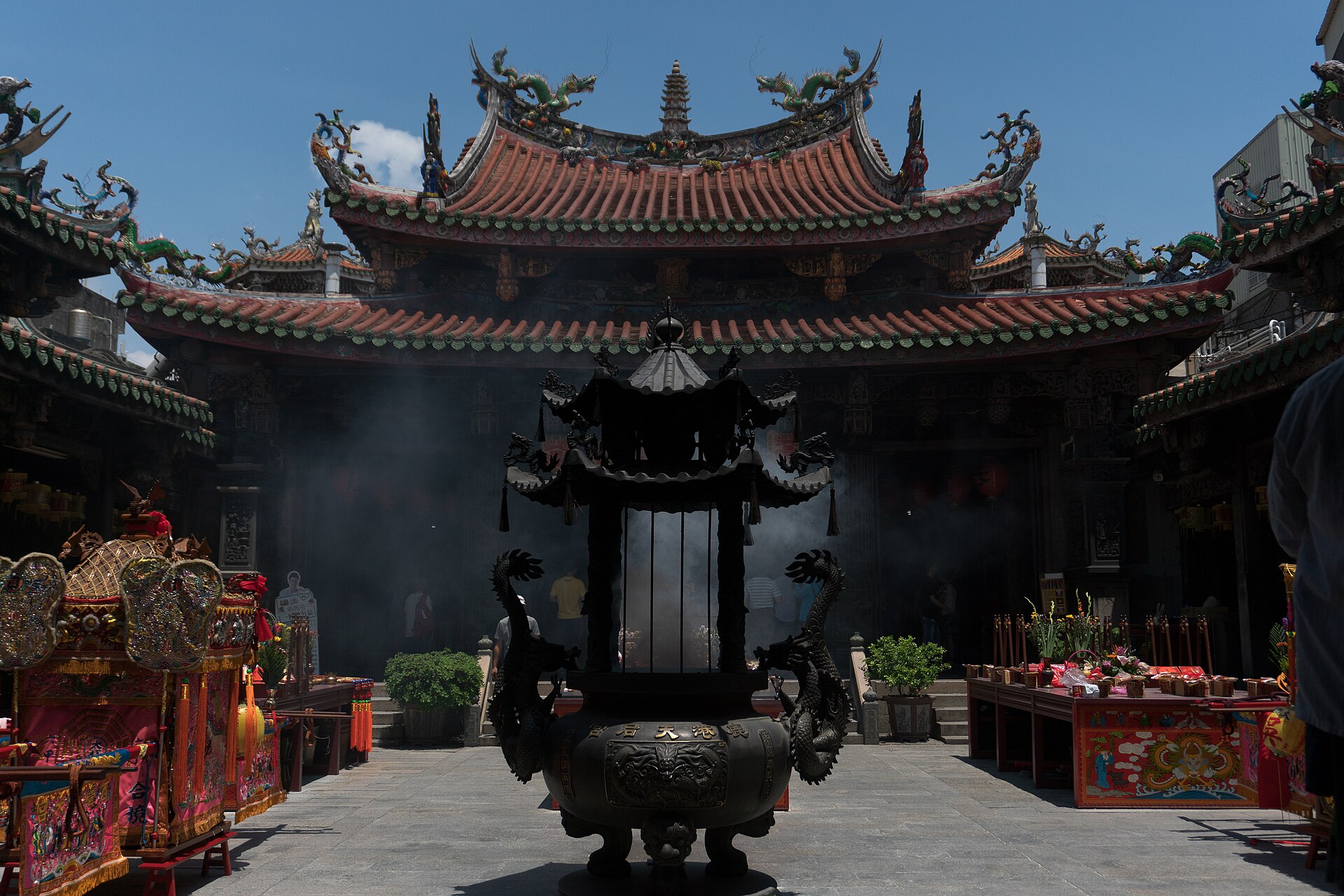
Temples in Taiwan are typically heavily polluted by incense smoke, especially during festivals; in one temple the mean indoor total PAH level reached 6,258 nanograms per cubic metre, about 27 times the outdoor level. Studies in Taiwan have shown that burning incense can raise PM2.5 levels inside temples to between 185 and 625 micrograms per cubic metre during certain events, far above recommended levels.
Incense burning releases heavy particulate matter and nitrogen dioxide, and long-term exposure to these pollutants increases inflammatory cytokine levels and can induce respiratory diseases. Researchers suggest that working with incense manufacturers and adopting policies that promote ventilation and limit exposure time and the amount burned may help mitigate the associated health risks.
7. Key Dates
-
2000Land of Frankincense inscribedInscribed on the World Heritage List under criteria (iii) and (iv), with a property area of 849.88 hectares and a buffer zone of 1,243.24 hectares.11Land of Frankincense · UNESCO World Heritage Centre ↗
-
2005Incense Route - Desert Cities in the Negev inscribedAmong the cultural sites inscribed on UNESCO's World Heritage List under criteria (iii) and (v).10Incense Route — Desert Cities in the Negev · UNESCO World Heritage Centre ↗
-
577 AH / 1181-82 CELion-shaped incense burner datedThe lion-shaped incense burner of Amir Saif al-Dunya wa'l-Din ibn Muhammad al-Mawardi bears this date; the zoomorphic type was popular during the Seljuq period.13Incense Burner of Amir Saif al-Dunya wa'l-Din ibn Muhammad al-Mawardi (51.56) · The Metropolitan Museum of Art ↗
8. Timeline: from the Punt expedition to temple air-quality studies
- 1479 BCEHatshepsut becomes regent of EgyptAfter the death of Thutmosis II, Hatshepsut took power as regent for his son Thutmose III, opening the reign in which Egyptian incense trade with Punt was renewed.
- 1479-1458 BCEThe Punt expedition brings myrrh trees to EgyptHatshepsut's expedition to Punt returned with heaps of myrrh resin and fresh myrrh trees, which were transplanted at her temple at Deir el-Bahri.
- 4th century BCKhor Rori opens as a frankincense portThe port of Khor Rori, the Moscha Limen of classical texts, began its long life as a terminal for the Dhofar frankincense trade.
- 3rd century BCThe incense trade reaches its heightThe trade in frankincense and myrrh from south Arabia to the Mediterranean flourished from the 3rd century BC until the 2nd century AD.
- 1st century BCEThe Nabatean kingdom flourishes at HegraNabatean power at Hegra, based on control of the camel caravan routes, ran from the 1st century BCE to the early 2nd century CE.
- 8th centuryAl Baleed becomes the great frankincense entrepotThe port of Al Baleed served the incense trade from the 8th century until the 16th century AD.
- 1181-82 CEA lion-shaped incense burner is cast in KhorasanThe bronze incense burner made for Amir Saif al-Dunya wa'l-Din ibn Muhammad al-Mawardi is dated 577 AH, equivalent to 1181-82 CE.
- 1508The Sarum Processional is printed at RouenPrinted service books diagram the processions of the Sarum rite, with crosses, lights and censers in their usual order.
- 1850A medieval censer is recovered from Whittlesea MereA late 14th-century English censer and an incense-ship, probably from Ramsey Abbey, were found when Whittlesea Mere was drained in 1850.
- 1880Balfour's expedition studies Socotra's incense treesIsaac Bayley Balfour led an expedition to Socotra and was the first to assign a botanical name to the island's Boswellia ameero.
- 1909Atchley publishes the history of incense in worshipE. G. Cuthbert F. Atchley's study traced the use of incense from oriental religions through Jewish, Greek and Roman practice into Christian liturgy.
- 1935-1948The Met excavates at NishapurThe Metropolitan Museum of Art's Persian Expedition excavated at Nishapur under an agreement with the Iranian authorities, recovering objects such as the 12th-century bronze incense burner.
- 2000The Land of Frankincense is inscribedThe frankincense trees of Wadi Dawkah and the caravan oasis and ports of Shisr, Khor Rori and Al-Baleed entered the World Heritage List in 2000.
- 2005The Negev incense route cities are inscribedThe Nabatean towns of Haluza, Mamshit, Avdat and Shivta and their associated fortresses and agricultural landscapes were inscribed in 2005.
- 2008Hegra becomes a World Heritage SiteThe Nabatean city of Hegra at AlUla, a key stop on the incense trail, has been a UNESCO World Heritage Site since 2008.
- 2 September 2023Temple workers' exposure is measured in TaiwanA study published in Environmental Science and Pollution Research linked long-term incense-burning exposure to inflammatory biomarkers and reduced lung function in temple workers.
9. Frequently asked questions
How is incense actually burned?
The resin grains are sprinkled on lighted charcoal held in a censer, or thurible 1Incense · Encyclopaedia Britannica ↗. In the case of a stick of incense, the coated section takes from 50 to 90 minutes to burn and the burning stops by itself at the bare bamboo tip once that section is consumed 14Incense smoke: clinical, structural and molecular effects on airway disease · Clinical and Molecular Allergy (BioMed Central), via PubMed Central ↗.
Why did incense matter so much in ancient worship?
It was employed to counteract disagreeable odours and drive away demons, and was said to manifest the presence of the gods, fragrance being a divine attribute 1. Incense-bearing trees were imported from the Arabian and Somali coasts into ancient Egypt, where incense figured prominently in the daily liturgy before the sun god Amon-Re and in mortuary rites 1.
What did Hatshepsut's expedition bring back from Punt?
The inscription at Deir el-Bahri records ships loaded with marvels of Punt: fragrant woods of God's Land, heaps of myrrh resin, fresh myrrh trees, ebony, ivory, cinnamon wood, Ihmut-incense and sonter-incense, and skins of the southern panther 7Hatshepsut · World History Encyclopedia ↗. The courtyard of her temple held trees brought from Punt, the first known successful transplants of trees from one nation to another, and fossilized stumps can still be seen there today 7.
How long was the Incense Route, and what did it carry?
Which sites make up the Land of Frankincense in Oman?
Its four components are Wadi Dawkah, Shisr/Wubar, Khor Rori and Al-Baleed, which together constitute outstanding testimony to the civilizations in south Arabia since the Neolithic 11. Wadi Dawkah is a major place where the frankincense tree Boswellia sacra can still be found and frankincense is harvested to this day 11.
Does burning incense pose health risks to those who work around it?
Incense smoke carries particulate matter, carbon monoxide, carbon dioxide, nitrogen dioxide, sulfur dioxide, volatile organic compounds and polycyclic aromatic hydrocarbons, and produces over 45 mg of particles per gram versus 10 mg for cigarettes 14. A study of 109 temple workers in Kaohsiung, Taiwan concluded that temple work raises the risk of acute irritative respiratory symptoms, with adjusted odds ratios of 4.5 for throat irritation and 4.14 for nose irritation 14.
References (16)
- 1Incense — Encyclopaedia Britannica Web↩View source
- 2Frankincense — Encyclopaedia Britannica WebView source
- 3Myrrh — Encyclopaedia Britannica WebView source
- 4Oman: The Land of Frankincense — World History Encyclopedia WebView source
- 5Frankincense — Royal Botanic Gardens, Kew WebView source
- 6A History of the Use of Incense in Divine Worship — E. G. Cuthbert F. Atchley, Longmans, Green and Co. (Internet Archive) ArchiveView source
- 7Hatshepsut — World History Encyclopedia Web↩View source
- 8General Instruction of the Roman Missal — Congregation for Divine Worship, Libreria Editrice Vaticana WebView source
- 9Hegra and Jabal Ikmah, AlUla, Saudi Arabia — World History Encyclopedia WebView source
- 10Incense Route — Desert Cities in the Negev — UNESCO World Heritage Centre Web↩View source
- 11Land of Frankincense — UNESCO World Heritage Centre Web↩View source
- 12Incense Burner (Nishapur, 12th century, 37.40.29) — The Metropolitan Museum of Art WebView source
- 13Incense Burner of Amir Saif al-Dunya wa'l-Din ibn Muhammad al-Mawardi (51.56) — The Metropolitan Museum of Art Web↩View source
- 14Incense smoke: clinical, structural and molecular effects on airway disease — Clinical and Molecular Allergy (BioMed Central), via PubMed Central Web↩View source
- 15Exposure to incense burning, biomarkers, and the physical health of temple workers in Taiwan — Environmental Science and Pollution Research, Springer JournalView source
- 16Kodo — Incense-smelling ceremony — Wa-Gokoro (Japan) WebView source