Trojan War
The Trojan War is the legendary Bronze Age conflict in which a coalition of Greek forces besieged Troy for ten years to recover Helen; the story became the substance of Homer's Iliad and Odyssey and of the Epic Cycle. This fact base sets out the legend as the sources tell it, alongside the historical and archaeological evidence: the Hittite records of Wilusa and Ahhiyawa, the destruction layers of Troy VI and VIIa at Hisarlık, and the excavations from Schliemann and Dörpfeld to Blegen and Korfmann.
Overview
The Trojan War is the legendary conflict of the Late Bronze Age, centred on the city of Troy. A coalition of Greek (Mycenaean) forces led by Agamemnon of Mycenae fought against Troy and its allies. The traditional cause of the war was the abduction of Helen, wife of Menelaus of Sparta, by the Trojan prince Paris. In legend the war lasted ten years.
The war is known from Homer's Iliad and Odyssey, the Epic Cycle, and Virgil's Aeneid. Its most familiar figures include Achilles, Hector, Odysseus, Helen, Agamemnon, and Priam.
Experts believe that a real conflict — or a series of conflicts — inspired the embellished accounts of the war.
1. Literary Sources and Narrative
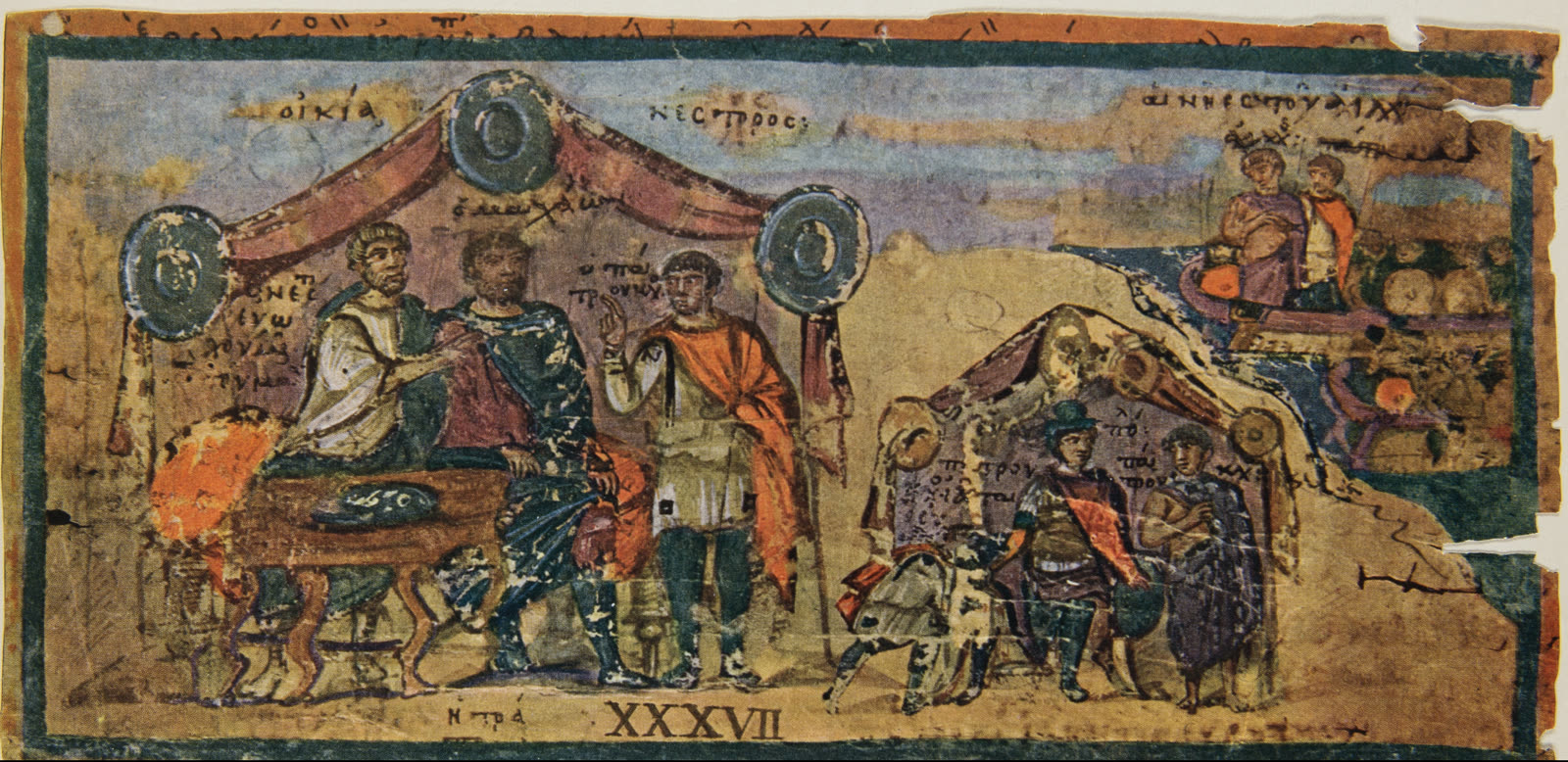
The Iliad confines itself to about fifty-one days of the tenth year of the war. Its plot begins with a quarrel over two captive women, Chryseis and Briseis, and unfolds as the wrath of Achilles rather than the war as a whole. The poem ends with the funeral of Hector, before the fall of Troy is told.

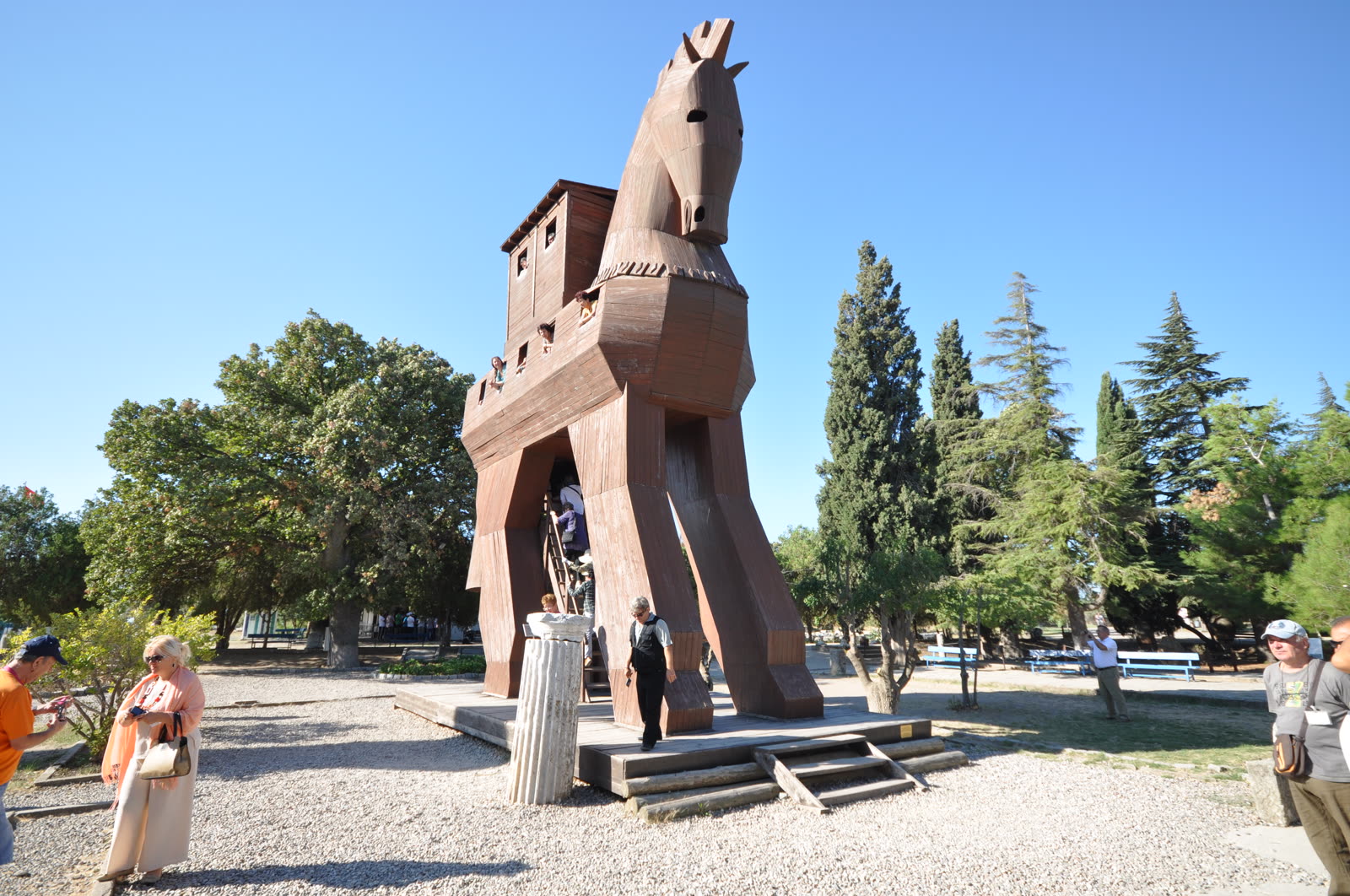
The wooden horse was the ruse of Odysseus, built by Epeius and manned by picked warriors. The Trojans brought the horse inside the walls; at night the hidden Greeks opened the gates to the army, which had sailed silently back.
The earliest depiction of the horse appears on a 7th-century BC amphora from Mykonos.
2. The Site at Hisarlık
The site identified with Troy is the mound of Hisarlık, in Çanakkale, Türkiye, standing 4.8 km from the southern entrance of the Dardanelles. It is here that the city at the centre of the Trojan War tradition is placed, in north-west Asia Minor. The mound rises above the surrounding plain, and its identification with Homeric Troy was first proposed in 1822 by Charles Maclaren, though his suggestion drew little notice for the following fifty years.
The mound contains nine successive cities, each built over the ruins of the one before. Excavators Schliemann and Doerpfeld identified within it a sequence of nine principal strata. Among the candidate layers for the war are Troy VI, destroyed by earthquake after c. 1300 BC, and Troy VIIa, destroyed by fire c. The crowded houses and stored food supplies of Troy VIIa suggest preparations to withstand a siege, and the town was destroyed in a devastating fire, with human bones left in the ruins.
Troy was inscribed by UNESCO as a World Heritage Site in 1998. UNESCO judges the site's exceptional cultural importance to lie in its profound influence on the Iliad, the Aeneid and the arts over more than two millennia. Most historians now believe the city at Hisarlık is the Troy Homer wrote about, and that a war or wars played out there around 1180 BC.
3. Hittite Records and Wilusa
Hittite texts preserve the names Wilusa, identified with Troy or Ilios, and Ahhiyawa, the Hittite designation for the Mycenaean Greeks. The British Museum notes that Troy appears in Hittite records as Wilusa, a name related to the Greek Ilios or Ilion. It is now widely accepted that Ahhiyawa is the Hittite designation for Mycenaean Greece. The geographical evidence allows no inference other than that the Hittite Wilusa is identical with what Homer calls Wilios or Ilios.
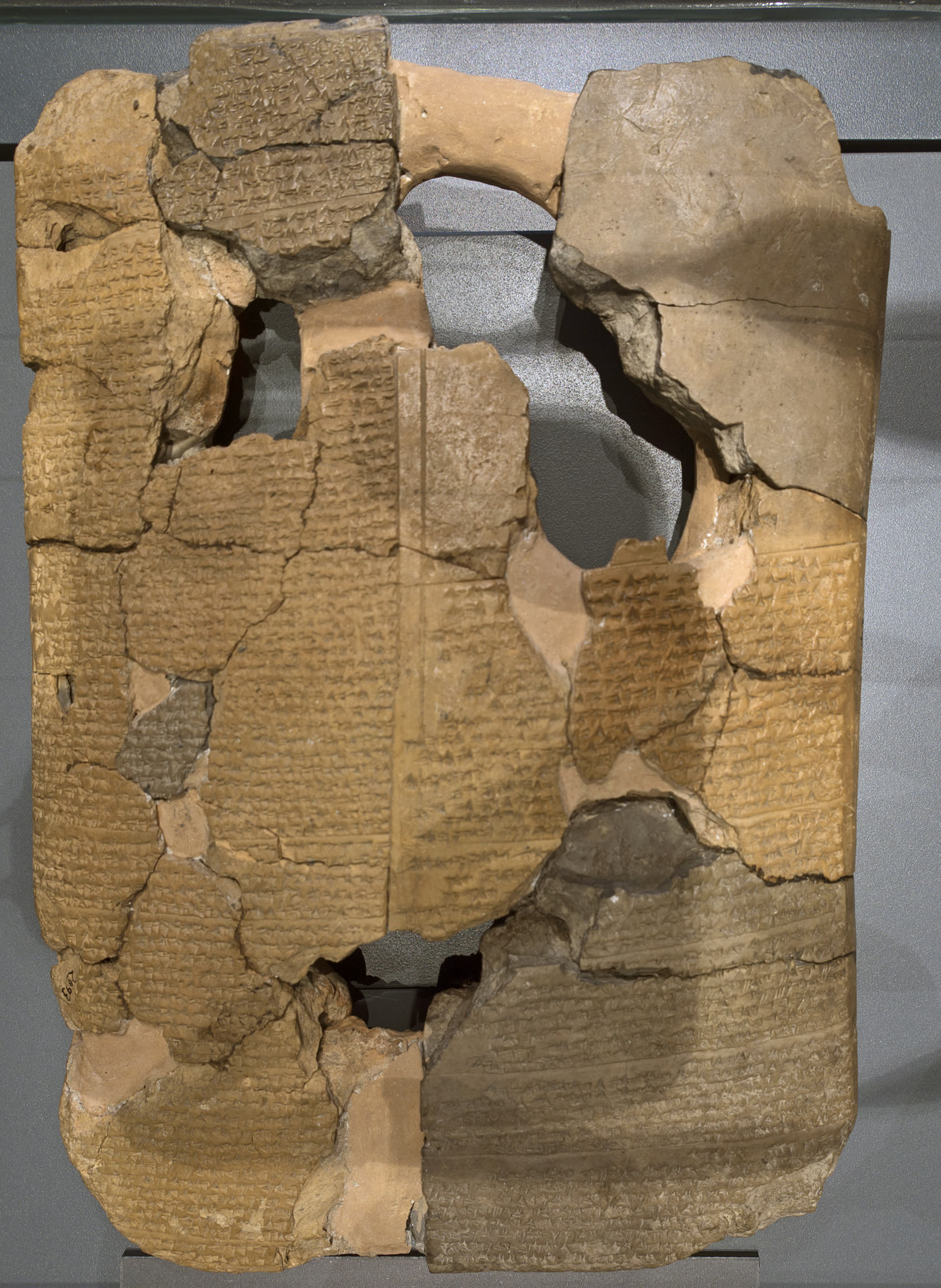
Wilusa is known principally from a treaty between its ruler Alaksandu and the Hittite king Muwatalli II, who ruled around 1295 to 1272 BC. The treaty was concluded before 1272, survives in six copies, and its terms were guaranteed by a Trojan god, Apaliunas, that is Apollo. The Alaksandu treaty implies at least 140 years of friendly relations between the Hattusa dynasty and Wilusa by about 1280 BC. The name Alaksandu, borne by Wilusa's ruler, is echoed by Alexandros, another name of the Trojan prince Paris.
A letter attributed to Hattusili III, dated to around 1250 BC, refers to former hostilities between Hittites and Ahhiyawans over Wilusa, discontinued in favour of peace. The letter preserves the Ahhiyawan king's words: the king of Hatti persuaded him over the land of Wilusa, concerning which they had been hostile, and they made peace. This is the only occasion in the Ahhiyawa corpus where a direct conflict between Hatti and Ahhiyawa appears to be referenced. The Milawata letter records that Walmu, king of Wilusa, had been driven from his land by rebels and had sought refuge with Tarkasnawa.
4. Archaeological Excavations
The mound at Hisarlık rises about 32 m above the plain, and within it Schliemann and Dörpfeld identified a sequence of nine principal strata. Work at the site began with Frank Calvert, who started at Hisarlık in 1860 and persuaded Schliemann to dig there, though Schliemann took the credit; Calvert's full role became widely known only in the late 20th century. Schliemann's own campaigns ran from 1870 until his death in 1890, and he is best remembered for proving that Troy, the most fabled city in history, actually existed rather than being a figment of Homer's imagination. His methods were destructive: he dug a deep trench through the tell and destroyed layers he judged too late to be Troy, damaging much of the upper city. He also mistakenly identified Troy II, a layer that ended in fire, with Homer's Troy.
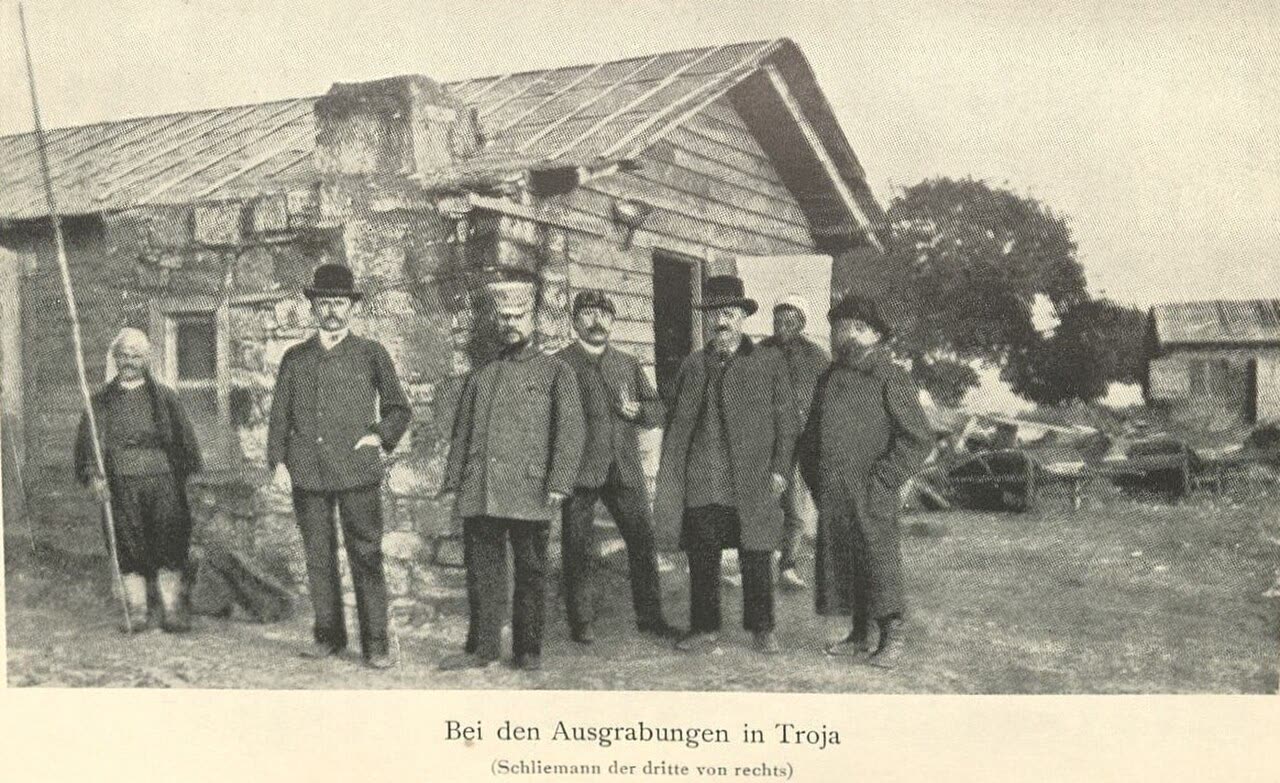

Dörpfeld's campaigns followed in 1893–94, and the Cincinnati expedition under Blegen worked from 1932 to 1938. Blegen found evidence of a protracted siege: subdivided buildings, buried storage vessels, unburied bodies, fire debris, arrowheads and stone stockpiles. Two layers at the site have been treated as candidates for the war's Troy — Troy VI, destroyed by earthquake after c. 1300 BC, and Troy VIIa, destroyed by fire c.
From 1988 to 2005 the site was excavated by Tübingen under Korfmann. His work showed that the Lower City extended to the defensive trench, making Troy ten times larger than previously thought. Korfmann held that Late Bronze Age Troy was the kingdom of Wilusa, powerful enough to conclude treaties with the Hittite empire, and he judged the city destroyed around 1180 BC, probably by a war it lost — leaving a conflagration, skeletons and heaps of sling bullets. Since 1989 the University of Cincinnati's Department of Classics has been a partner of Tübingen at Troy, and its journal Studia Troica documents the work. Excavation at Troy continues under international teams and is today led by Turkish archaeologists.
5. Candidate Destruction Layers
Any search for the historical setting of the Trojan War must begin with the debris of Troy itself, where excavation has exposed more than one horizon of violent ruin. Two layers in particular have been advanced as candidates for the city of legend: Troy VI, whose end came through an earthquake a little after 1300 BC, and Troy VIIa, which was consumed by fire around 1180 BC 10Troy (ancient city, Turkey) · Encyclopaedia Britannica ↗. The earlier of the two is generally judged too early for the war and inconsistent with the sack described in Greek tradition 10. The later layer, by contrast, has drawn the attention of those who place the conflict near the end of the Bronze Age.
The case for Troy VIIa rests on more than its date. Its crowded houses and stored food supplies suggest preparations to withstand a siege, and the town was destroyed in a devastating fire, with human bones left in the ruins 10. Korfmann likewise judged that Troy was destroyed around 1180 BC, probably by a war it lost, leaving a conflagration, skeletons and heaps of sling bullets 20Was There a Trojan War? (Manfred Korfmann) · Archaeology Magazine — Archaeological Institute of America ↗. Most historians now believe the city at Hisarlık is the Troy Homer wrote about, and that a war or wars played out there around 1180 BC 11In Search of Troy (March 2022) · Smithsonian Magazine ↗. The correspondence is suggestive rather than conclusive, for Hawkins cautions that Troy's three destruction horizons — around 1300, 1200 and 1100 BC — cannot easily be matched to events recorded in the Hittite texts 16The Truth of Troy (Horizon, 2004, Q&A pages) · BBC ↗.
| Layer | Date | Cause of Destruction | Notes |
|---|---|---|---|
| Troy VI | after c. 1300 BC | Earthquake | Too early for the war; inconsistent with the sack described in Greek tradition |
| Troy VIIa | c. 1180 BC | Fire | Crowded houses and stored food suggest preparations for a siege; human bones in the ruins |
6. Historicity and Debate
The question of whether the Trojan War ever happened has occupied scholars for generations, and the prevailing view among experts is that a real conflict — or a series of conflicts — inspired the embellished accounts of the war that have come down to us. The war itself is understood as a legendary conflict of the Late Bronze Age, centred on the city of Troy. The literary tradition that preserves it rests on Homer's Iliad and Odyssey, the Epic Cycle, and Virgil's Aeneid. Within that tradition, the belligerents are remembered as a coalition of Greek (Mycenaean) forces led by Agamemnon of Mycenae against Troy and its allies, and the traditional cause of the fighting is given as the abduction of Helen, wife of Menelaus of Sparta, by the Trojan prince Paris.
Scepticism about the war is not a modern invention. Doubts whether the Greeks ever captured Troy were voiced already in antiquity, and the epics themselves are regarded as almost without value as historical sources. The Iliad, for its part, covers only about 51 days in the tenth year of the war, a narrow window that offers little on which to build a chronicle of events.
Most historians now believe that the city at Hisarlık is the Troy Homer wrote about, and that a war or wars played out there around 1180 BC. The site is the Hisarlık mound in Çanakkale, Türkiye, 4.8 km from the southern entrance of the Dardanelles. Two destruction layers at Troy have been proposed as candidates for the war of the tradition: Troy VI, destroyed by earthquake after c. 1300 BC, and Troy VIIa, destroyed by fire c.
7. Key Figures
The Trojan War is remembered above all through a small group of figures whose names have become inseparable from the story: Achilles, Hector, Odysseus, Helen, Agamemnon and Priam 2In Our Time: The Trojan War (BBC Radio 4) · BBC ↗. The conflict itself is the legendary Bronze Age struggle at Troy in north-west Asia Minor, in the region of modern Turkey, known chiefly from Greek myth and the Homeric epics 1Troy (Mark Cartwright, 11 May 2018) · World History Encyclopedia ↗. In the traditional account it was fought as a ten-year siege of Troy by a coalition of Greek forces under King Agamemnon of Mycenae, undertaken to recover Helen, the wife of Menelaus of Sparta 1. The war was set in motion when the Trojan prince Paris eloped with Helen, and the Greek army besieged the city for ten years before it was finally overrun and destroyed 2.
Helen's abduction is the traditional cause of the war: she was taken by Paris, the Trojan prince, as his prize for choosing Aphrodite as the fairest goddess 1. A later legend traced the war's origin to the judgement of Paris, who awarded the golden apple 'for the fairest' to Aphrodite in return for Helen 5The Trojan War (Greek and Roman Mythology course pages) · University of Pennsylvania, Department of Classical Studies ↗. On the Greek side, Agamemnon of Mycenae led the coalition, while Achilles stands at the centre of the Iliad's plot, which begins with a quarrel over two captive women, Chryseis and Briseis, and unfolds as the wrath of Achilles rather than the war as a whole 6The Trojan War (2) (Jona Lendering) · Livius.org ↗. Homer's Iliad opens by asking the goddess to sing the anger of Achilles, son of Peleus 22The Iliad of Homer (Samuel Butler trans.) · Project Gutenberg (ebook 2199) ↗.
Odysseus is associated with the ruse that ended the siege: the wooden horse, which he devised and which was built by Epeius and manned by picked warriors 5. In the bard-song of the Odyssey, the horse was made by Epeius and brought by Odysseus into the city that it later destroyed 23The Odyssey of Homer (Samuel Butler trans.) · Project Gutenberg (ebook 1727) ↗. The Trojans brought the horse inside the walls, and at night the hidden Greeks opened the gates to the army, which had sailed silently back 7The myth of the Trojan War · The British Museum ↗. The sack that followed left King Priam and Hector's little son Astyanax dead and the women taken captive 7.
| Figure | Role/Side |
|---|---|
| Agamemnon | Greek leader |
| Achilles | Greek warrior |
| Odysseus | Greek, devised wooden horse |
| Helen | Cause of war |
| Hector | Trojan prince |
| Priam | Trojan king |
8. Cultural Significance
For the ancient Greeks and Romans, the Trojan War stood as the most important war of all ages. It was a legendary conflict of the Late Bronze Age, centred on the city of Troy, and its traditional cause was the abduction of Helen, wife of Menelaus of Sparta, by the Trojan prince Paris. In the legend, a coalition of Greek forces under Agamemnon of Mycenae besieged the city for ten years to reclaim her. The story is bound up with the most familiar names of Greek myth — Achilles, Hector, Odysseus and Helen — and with the ruse of the Trojan Horse. The wooden horse, devised by Odysseus and built by Epeius, was manned by picked warriors who opened the city to the returning Greek army.
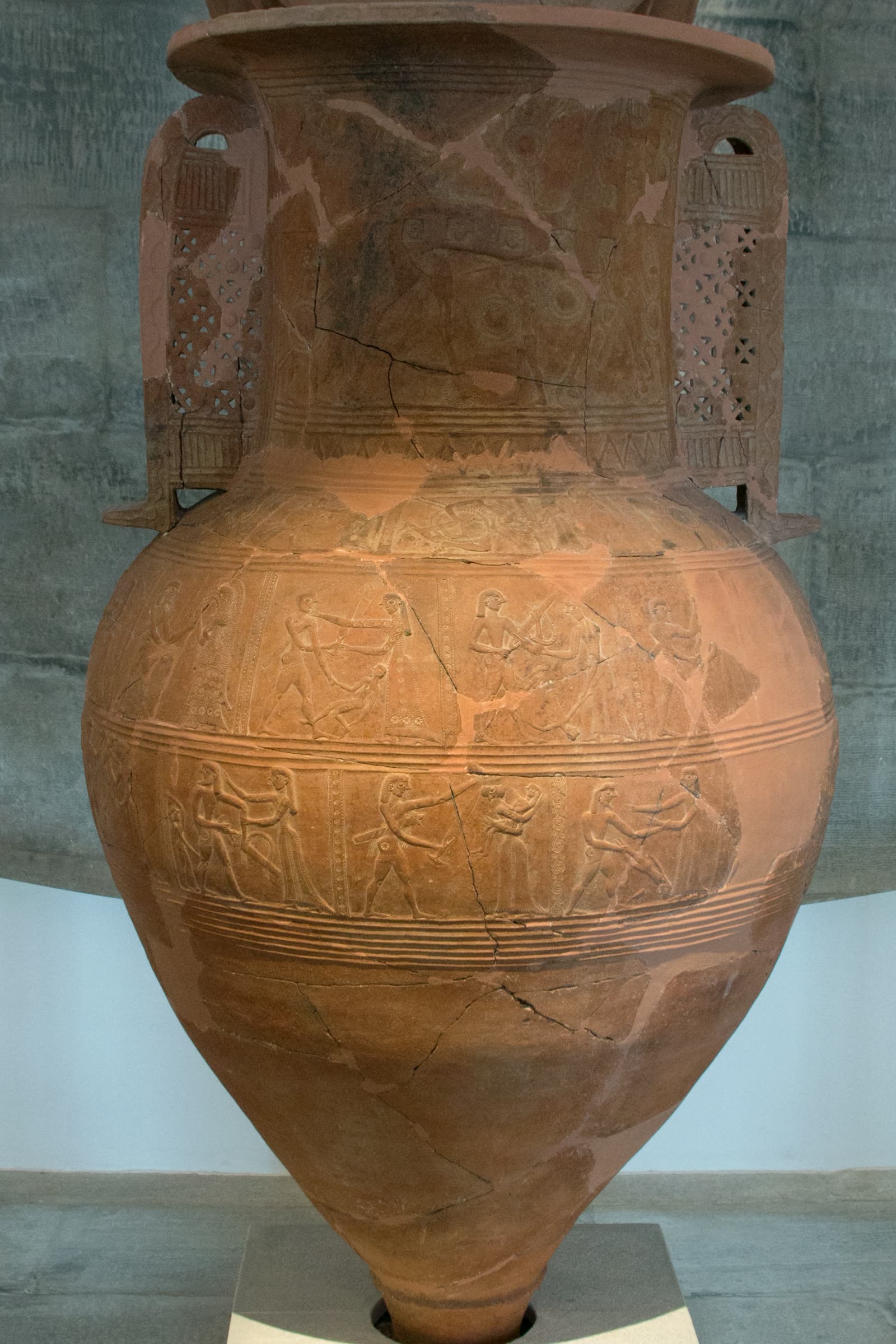
UNESCO judges Troy's exceptional cultural importance to lie in its profound influence on the Iliad, the Aeneid and the arts over more than two millennia. The literary tradition rests on Homer's Iliad and Odyssey, the Epic Cycle, and Virgil's Aeneid. The Iliad confines itself to about fifty-one days in the tenth year of the war, opening with a quarrel over two captive women, Chryseis and Briseis, and unfolding as the wrath of Achilles rather than the war as a whole. It ends with the funeral of Hector, before the fall of Troy is told.
Behind the legend, experts believe a real conflict — or a series of conflicts — inspired the embellished accounts of the war. Hittite records give the names Wilusa for Troy or Ilios and Ahhiyawa for the Mycenaean Greeks, and most historians now believe the city at Hisarlık is the Troy Homer wrote about, with a war or wars played out there around 1180 BC. Hawkins held that the Iliad and the Trojan War traditions likely preserve a memory of actual events of the Late Bronze Age. Yet the epics are almost without value as historical sources, and doubts whether the Greeks ever captured Troy were voiced already in antiquity.
9. Traditional Date
The traditional date for the fall of Troy is 1184 BC, according to Eratosthenes. 1
The Trojan War is the legendary Bronze Age conflict at Troy in north-west Asia Minor, best known from Greek myth and the Homeric epics. 1 It is classified as a legendary conflict of the Late Bronze Age, centred on the city of Troy. 1 In the legend the war was a ten-year siege of Troy by a coalition of Greek forces led by King Agamemnon of Mycenae, fought to reclaim Helen, wife of Menelaus of Sparta. 1 The traditional story has the war begin when Paris eloped with Helen; a Greek army besieged Troy for ten years before the city was finally overrun and destroyed. 2
The traditional cause of the conflict was the abduction of Helen, wife of Menelaus of Sparta, by the Trojan prince Paris. 1 At the heart of the story, Troy is besieged for ten years by Greeks who sailed across the Aegean to avenge the abduction of a woman. 7 The belligerents were a coalition of Greek (Mycenaean) forces led by Agamemnon of Mycenae against Troy and its allies. 1 The sack of Troy left King Priam and Hector's little son Astyanax dead and the women taken captive. 7
The Iliad ends with the funeral of Hector, before the fall of Troy is told. 7 In the Odyssey's bard-song, the wooden horse was made by Epeius and brought by Odysseus into the city that it later destroyed. 23 Aeneas escaped the fallen city with his father, his son and a band of refugees; his story is told in Virgil's Aeneid. 7 The epics are almost without value as historical sources, and doubts whether the Greeks ever captured Troy were voiced already in antiquity. 3The Trojan War (1) (Jona Lendering) · Livius.org ↗
10. Timeline
- c. 1750–1300 BCTroy VI at its zenithTroy VI, the walled city of the Late Bronze Age, stands at its zenith — the layer most often identified with Homer's Troy.
- shortly after 1300 BCEarthquake destroys Troy VIA violent earthquake destroys Troy VI; the destruction is earlier than the traditional war and does not match the sack described in Greek tradition.
- c. 1280 BCAlaksandu treaty with the HittitesThe Hittite king Muwatalli II concludes a treaty with Alaksandu of Wilusa; its text implies at least 140 years of prior friendly relations.
- c. 1250 BCTawagalawa letterA letter of Hattusili III refers to former hostilities between Hittites and Ahhiyawans over Wilusa, now discontinued in favour of peace.
- 1184 BCTraditional date of the fall of TroyLater Greek chronography — Eratosthenes among its authorities — dated the fall of Troy to 1184 BC.
- c. 1180 BCDestruction of Troy VIIaTroy VIIa burns: a conflagration, skeletons and heaps of sling bullets that Korfmann read as evidence of a war the city lost.
- second half of the 8th century BCHomer composes the epicsThe Iliad and Odyssey are composed in the second half of the eighth century BC, drawing on an oral tradition that goes back much earlier.
- 1822Maclaren proposes HisarlıkCharles Maclaren suggests Hisarlık as the site of Homeric Troy; for the next fifty years the idea receives little attention from scholars.
- 1870Schliemann begins diggingAfter two years of frustration and without a permit from the Ottoman authorities, Heinrich Schliemann starts excavating at Hisarlık.
- May 1873'Priam's treasure' claimedSchliemann claims a hoard of gold — jewellery and vessels he names 'Priam's treasure' — and smuggles it out of Turkey.
- 1893–94Dörpfeld excavates Troy VIWilhelm Dörpfeld continues the excavations and establishes that Troy VI is the Late Bronze Age city contemporary with Mycenae — later shown to have been destroyed by an earthquake.
- 1932–38Blegen leads the Cincinnati expeditionCarl Blegen's team works at Troy in seven campaigns; he concludes that Troy VI fell to an earthquake and identifies war destruction at Troy VII.
- 1988–2005Korfmann and the Lower CityManfred Korfmann's surveys and excavations reveal a Lower City with a defensive ditch, making Troy far larger than previously thought.
- 1998UNESCO World Heritage listingThe Archaeological Site of Troy is inscribed on the UNESCO World Heritage List.
11. Frequently asked questions
What was the Trojan War?
It was a legendary conflict of the Late Bronze Age, centred on the city of Troy 1. In the legend, a coalition of Greek (Mycenaean) forces led by Agamemnon of Mycenae fought against Troy and its allies 1. The traditional cause was the abduction of Helen, wife of Menelaus of Sparta, by the Trojan prince Paris 1.
How long did the war last, and how much of it does the Iliad cover?
Where was Troy, and what is there today?
What names do Hittite records use for Troy and the Greeks?
Hittite records call Troy or Ilios Wilusa, and the Mycenaean Greeks Ahhiyawa 12Evidence from Hittite Records (J. D. Hawkins) · Archaeology Magazine — Archaeological Institute of America ↗.
What was the wooden horse?
Did the Trojan War really happen?
Experts believe a real conflict — or a series of conflicts — inspired the embellished accounts of the war 4Was the Trojan War real? · Encyclopaedia Britannica ↗. Candidate layers at the site include Troy VI, destroyed by earthquake after c. 1300 BC, and Troy VIIa, destroyed by fire c. 1180 BC 10. The traditional date is 1184 BC, according to Eratosthenes 1.
References (23)
- 1Troy (Mark Cartwright, 11 May 2018) — World History Encyclopedia 2018 Web↩View source
- 2In Our Time: The Trojan War (BBC Radio 4) — BBC Web↩View source
- 3The Trojan War (1) (Jona Lendering) — Livius.org Web↩View source
- 4Was the Trojan War real? — Encyclopaedia Britannica Web↩View source
- 5The Trojan War (Greek and Roman Mythology course pages) — University of Pennsylvania, Department of Classical Studies Web↩View source
- 6The Trojan War (2) (Jona Lendering) — Livius.org Web↩View source
- 7The myth of the Trojan War — The British Museum Web↩View source
- 8How archaeologists found the lost city of Troy — National Geographic Web↩View source
- 9Archaeological Site of Troy (World Heritage List no. 849) — UNESCO World Heritage Centre Web↩View source
- 10Troy (ancient city, Turkey) — Encyclopaedia Britannica Web↩View source
- 11In Search of Troy (March 2022) — Smithsonian Magazine 2022 Web↩View source
- 12Evidence from Hittite Records (J. D. Hawkins) — Archaeology Magazine — Archaeological Institute of America Web↩View source
- 13The search for the lost city of Troy — The British Museum WebView source
- 14Wilusa (Wilios/Troia): Centre of a Hittite Confederate in North-West Asia Minor (Joachim Latacz, Project Troia) — University of Tuebingen — Project Troia (archived copy) ArchiveView source
- 15Troy VI-VII (Jona Lendering) — Livius.org WebView source
- 16The Truth of Troy (Horizon, 2004, Q&A pages) — BBC 2004 Web↩View source
- 17The Ahhiyawa Texts (G. Beckman, T. Bryce, E. Cline; Writings from the Ancient World 28) — Society of Biblical Literature (archived copy, Internet Archive) ArchiveView source
- 18How Heinrich Schliemann Rediscovered Troy — and Then Destroyed It (Sam Kean) — National Geographic WebView source
- 19Discovery of Troy — World History Encyclopedia WebView source
- 20Was There a Trojan War? (Manfred Korfmann) — Archaeology Magazine — Archaeological Institute of America Web↩View source
- 21Troy (excavations pages, Department of Classics) — University of Cincinnati WebView source
- 22The Iliad of Homer (Samuel Butler trans.) — Project Gutenberg (ebook 2199) Web↩View source
- 23The Odyssey of Homer (Samuel Butler trans.) — Project Gutenberg (ebook 1727) 1727 Web↩View source