Freddie Mercury
The life of Freddie Mercury, from a Parsi childhood in Zanzibar and a boarding school in India to Queen's rise, the making of Bohemian Rhapsody, Live Aid, his solo opera project and the legacy of his voice.
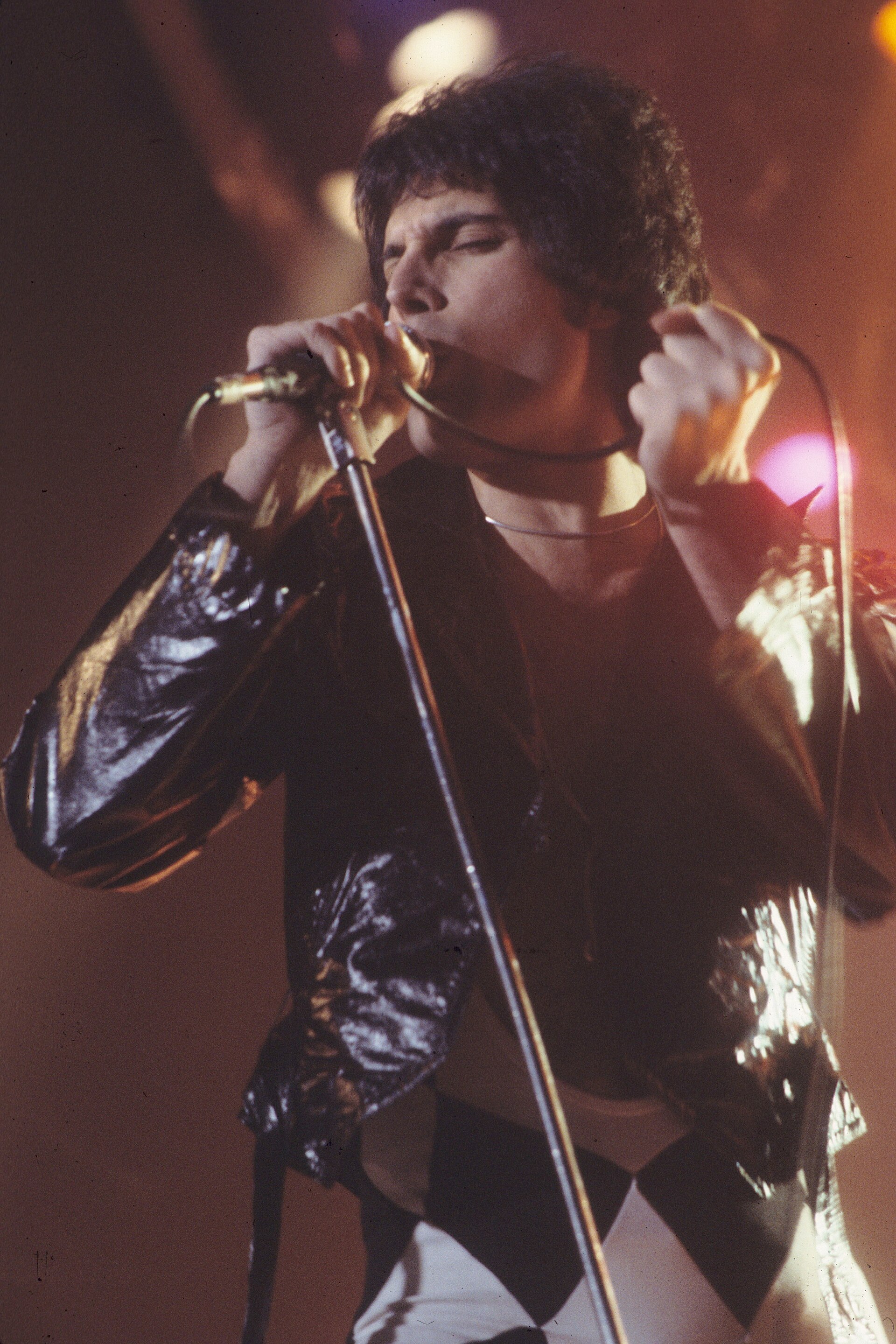
Freddie Mercury was born Farrokh Bulsara in Zanzibar in 1946 and moved with his family to England in 1964, where he studied graphic art before joining the band that became Queen in 1970. As Queen's lead singer and principal songwriter he wrote or co-wrote a run of singles from Killer Queen and Bohemian Rhapsody to We Are the Champions and Crazy Little Thing Called Love, and fronted the band through its most ambitious records and stadium tours. He announced in November 1991 that he had AIDS and died the following day at his home in Kensington, after which Queen's surviving members and his manager founded the Mercury Phoenix Trust.
In this article
- 1Overview
- 2Early Life and Education
- 3Formation of Queen and Early Career
- 4Breakthrough and Songwriting
- 5Bohemian Rhapsody
- 6Stadium Rock and Live Performance
- 7Solo Work and Collaborations
- 8Illness and Death
- 9Legacy and Recognition
- 10Memorials and Posthumous Events
- 11Timeline: from Zanzibar in 1946 to the Queen legacy
- 12Knowledge graph
Overview
Freddie Mercury was a British rock singer and songwriter whose flamboyant showmanship and powerfully agile vocals made him one of rock's most dynamic front men. He was born Farrokh Bulsara and later changed his own name to Freddie Mercury. Within Queen he served as both the chief songwriter and the vocalist.
1. Early Life and Education
Farrokh Bulsara was born in Zanzibar, now part of Tanzania. His parents were Bomi and Jer Bulsara, and he spent the bulk of his childhood in India at St Peter's boarding school in Panchgani, Maharashtra. He began taking piano lessons at the age of seven, and no one could foresee where a love of music would take him.
When Zanzibar became part of the independent country of Tanzania in 1964 Bulsara moved with his family to Feltham in England. He later studied graphic art and design at Ealing Technical College and School of Art and graduated in 1969 with a degree in the subject. A fellow student introduced him to Roger Taylor and Brian May, the founder members of a band called Smile.
2. Formation of Queen and Early Career
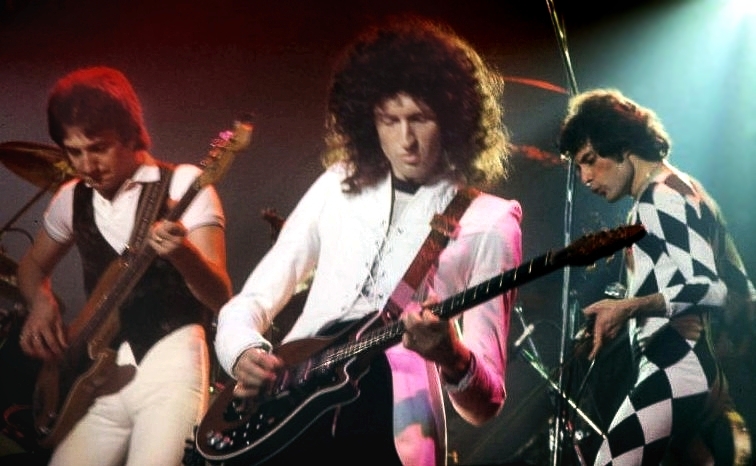
Mercury became friends with guitarist Brian May and drummer Roger Taylor of Smile, and in 1970 he replaced the band's departing lead singer.He soon changed the group's name to Queen and his own name to Freddie Mercury.
John Deacon joined on 1 March 1971, completing the lineup. EMI Records and Elektra Records signed the band, and their debut album Queen was released in 1973 on both labels.
Also in 1973 Mercury recorded a version of the Beach Boys' I Can Hear Music under the pseudonym Larry Lurex.
3. Breakthrough and Songwriting
The album Sheer Heart Attack in 1974 shot up the international charts, and A Night at the Opera in 1975 sold even better, their ambitious songwriting and studio production epitomised by Bohemian Rhapsody. Mercury was the chief songwriter as well as the vocalist for Queen, and his work on Killer Queen earned an Ivor Novello award in 1975, with Bohemian Rhapsody honoured the following year. A Night at the Opera was inducted into the Grammy Hall of Fame in 2018. In 1980 Crazy Little Thing Called Love reached number one in the United States. Queen reached number one in the UK with six singles and ten albums.
4. Bohemian Rhapsody
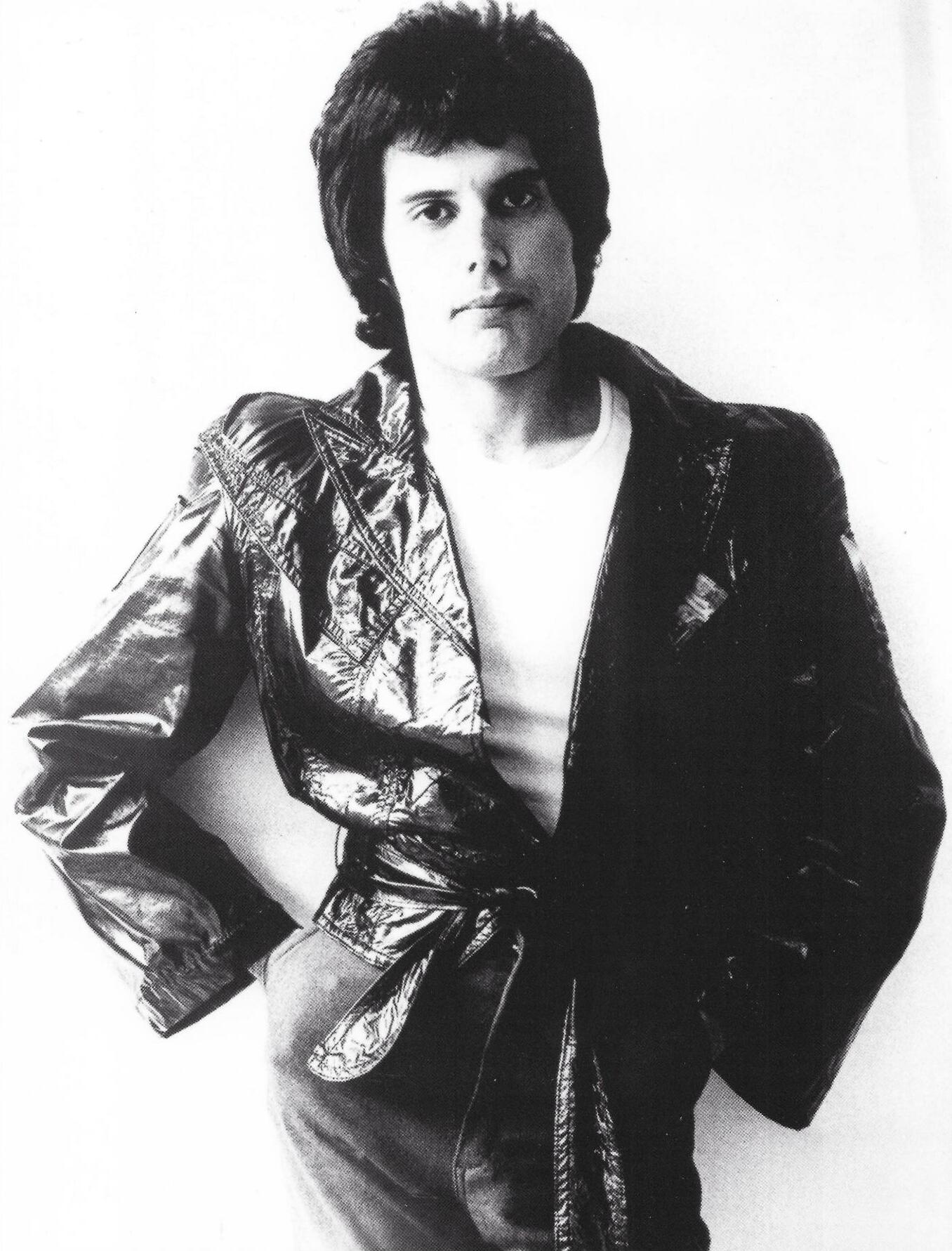
Bohemian Rhapsody was first released on 31 October 1975 as the quartet's fourth single and became their first chart-topping single. The single was reissued in December 1991 as a double A-side with These Are The Days Of Our Lives, and all proceeds went to charity. Bohemian Rhapsody has the unique distinction of having been Number 1 across four years, in 1975 and 1976 and again in 1991 and 1992 at the top of the chart. In the UK the single stands with 2.62 million sales and was the biggest-selling single of its decade.
5. Stadium Rock and Live Performance
Mercury took to the stage in outrageous costumes and commanded audiences in the tens of thousands, his voice shifting from an earthy baritone to a wild heavenly tenor. Untrained and unpredictable as a performer, he projected himself and the band's music to crowds in 70,000-seater venues, and through that capacity Queen became known as prime developers of stadium rock. He performed on vocals, piano, guitar and keyboards.
The band's chart success carried across Europe, Japan and the United States. At Live Aid the Wembley Stadium show was packed with a crowd of 72,000 while television pictures were beamed to more than 1.5 billion people in 160 countries.
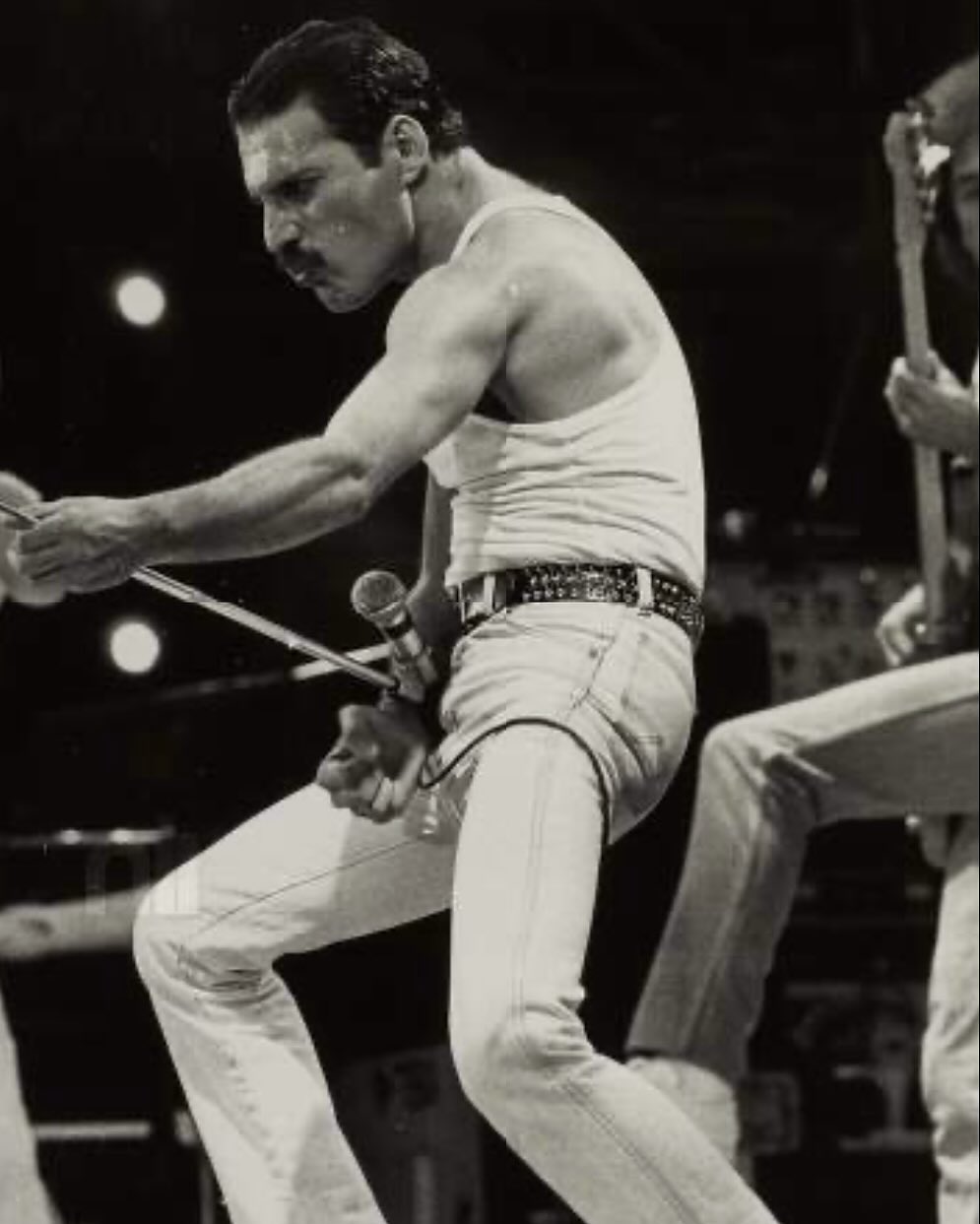
That show-stealing performance proved to be a turning point for the band, and One Vision was the first post-Live Aid release.
6. Solo Work and Collaborations
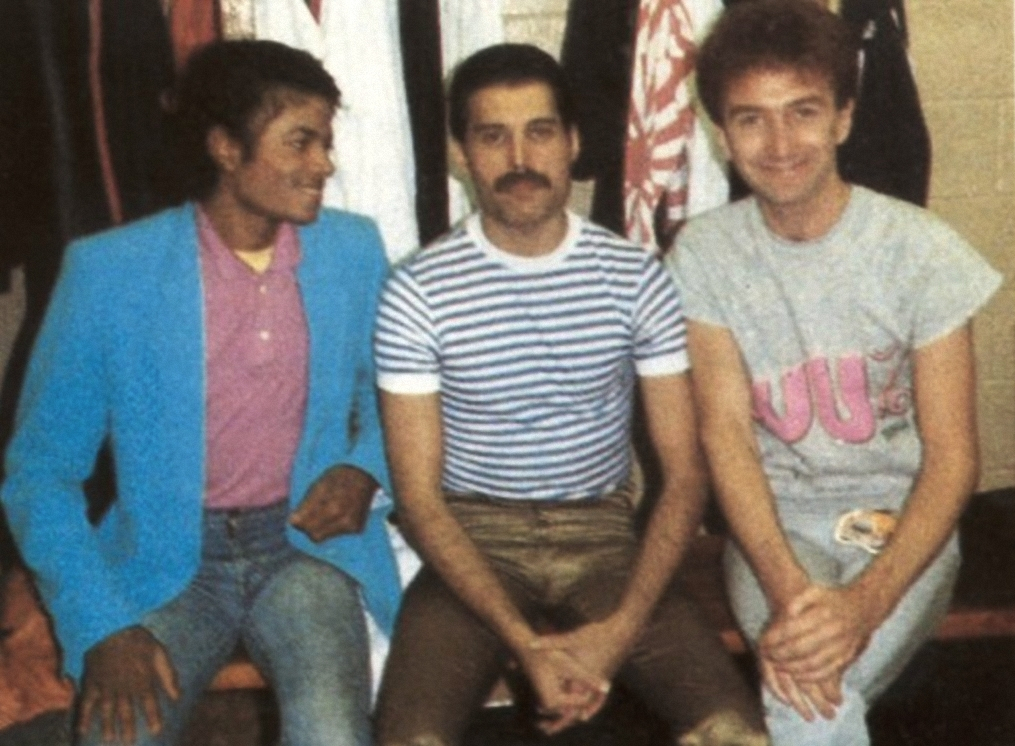
In the same year as his Live Aid triumph Mercury released the solo record Mr. Bad Guy, which took musical inspiration from disco. He appeared on the soundtrack of Dave Clark's science-fiction musical Time in 1986. In 1988 he released the semi-operatic album Barcelona with the Spanish soprano Montserrat Caballé. The title song Barcelona became an anthem for Caballé's home city and later the theme for the 1992 Olympic Games there.
7. Illness and Death
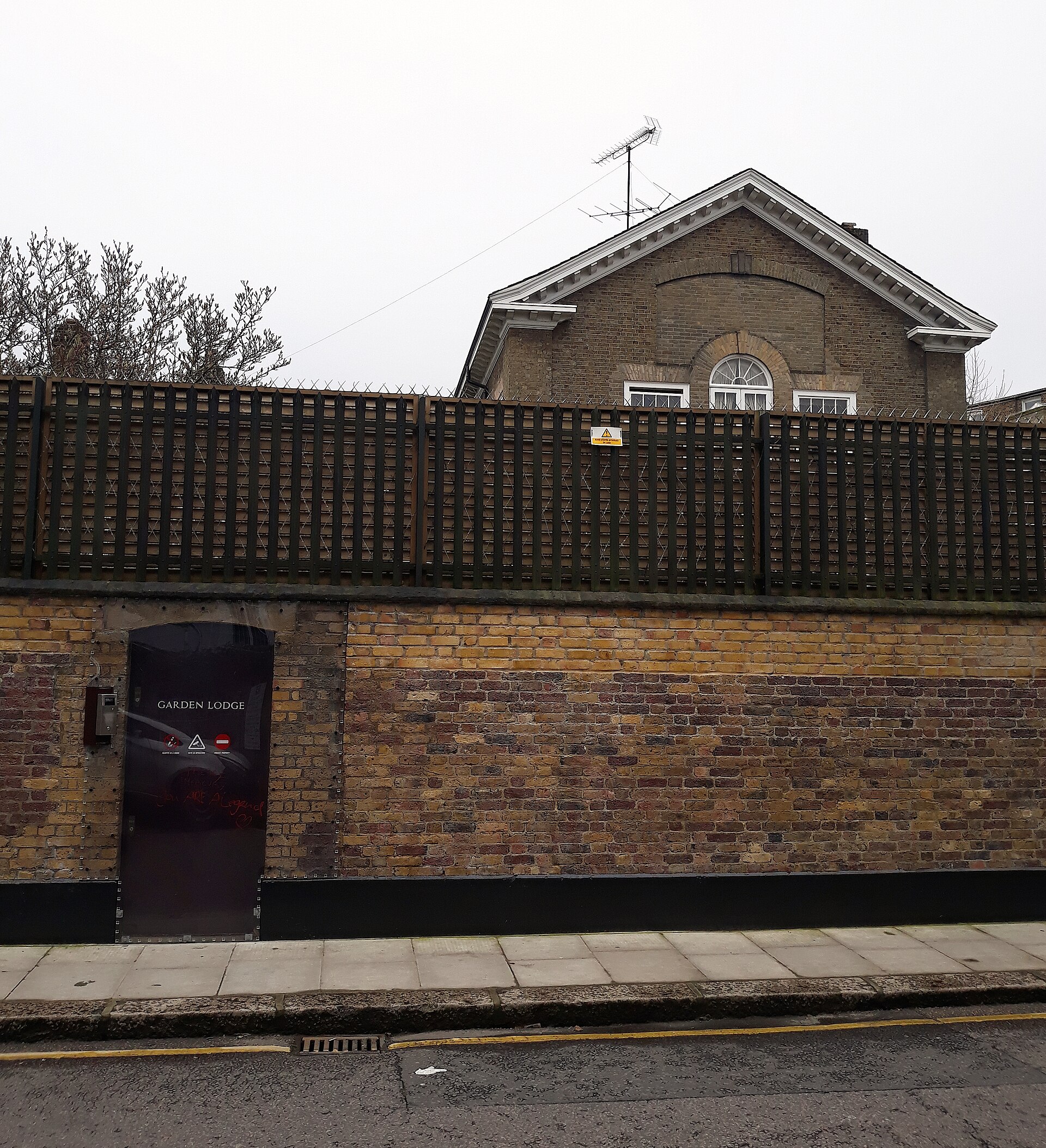
On 23 November 1991 Mercury announced publicly that he had Aids, and he died the next day, 24 November 1991, at his home in Kensington, London. Mercury died quietly at his home in west London of bronchio-pneumonia brought on by Aids, according to his publicist.
He insisted on working until his final days, and unfinished tracks were left in the studio when he died.
8. Legacy and Recognition
Mercury's standing has been formally recorded by several institutions since his death. As a member of Queen he was inducted into the Rock and Roll Hall of Fame in 2001 and the Songwriters Hall of Fame inducted him in 2003 as a songwriter. Public memory has also been measured: in August 2002 voters in a BBC poll placed him among their top 100 British heroes. Bohemian Rhapsody was inducted into the Grammy Hall of Fame in 2004, and We Are the Champions and We Will Rock You followed in 2009.
His life with Queen has continued to reach new audiences through drama. The blockbuster film Bohemian Rhapsody in 2018 dramatized Mercury's time with Queen and includes a re-creation of his Live Aid performance.
9. Memorials and Posthumous Events
The Freddie Mercury Tribute Concert at Wembley Stadium on 20 April 1992 gave birth to the Mercury Phoenix Trust, the AIDS charity set up in his memory. The Casino Barrière in Montreux houses the free Queen Museum known as The Studio Experience, which recreates the Mountain Studio where Queen worked between 1978 and 1995 and displays costumes and handwritten lyrics.
Sotheby's presented the sale series Freddie Mercury: A World of His Own in London in September 2023 to unveil the public and private realm of the singer for the first time. The six auctions drew 41,800 bids on 1,406 lots and achieved a total of £40 million ($50.4 million), with every lot sold. Queen's final album Made in Heaven appeared in November 1995, four years after Mercury died.
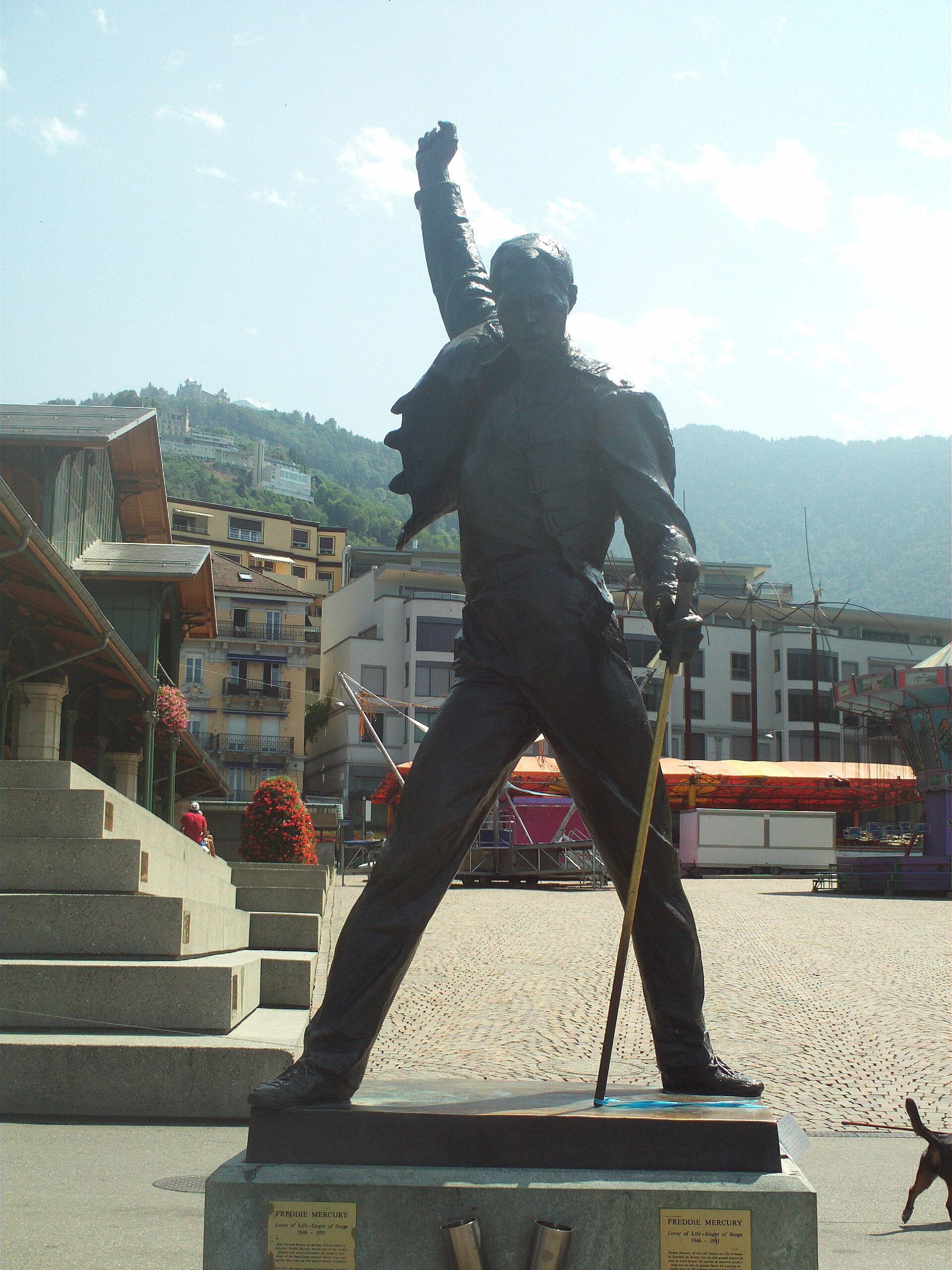
A three-metre bronze statue of Mercury by the Czech sculptor Irena Sedlecká, in his pose from the 1986 Wembley concert, was unveiled in 1996 on the Place du Marché in Montreux.
A display at the Victoria and Albert Museum opened on 24 October 2026 in Mercury's 80th anniversary year, with eight looks spanning his career and objects lent by Mary Austin.
10. Timeline: from Zanzibar in 1946 to the Queen legacy
- 5 September 1946Born in ZanzibarFarrokh Bulsara was born in Stone Town on the island of Zanzibar, then a British protectorate, to Parsi parents who had moved from India.
- 1964The family moves to EnglandWhen Zanzibar became part of the independent country of Tanzania, the Bulsaras moved to Feltham in Middlesex.
- 1969Graduates from art collegeHe completed a degree in graphic art and design at Ealing Technical College and School of Art, later part of the University of West London.
- 1970Queen is formedBulsara replaced the departing singer of Smile, changed his name to Freddie Mercury and the group became Queen.
- 1 March 1971John Deacon joins QueenThe bassist became the fourth and final member of the band, which stayed together for the next 20 years.
- 1973Debut album releasedQueen's first album appeared on EMI and Elektra, followed by Queen II in 1974.
- 31 October 1975Bohemian Rhapsody releasedThe six-minute single became Queen's first UK Number 1 and stayed at the top for nine weeks.
- 1979A US number one for MercuryQueen topped the American charts with Mercury's song Crazy Little Thing Called Love.
- November 1981First Greatest Hits collectionThe compilation went to number one in many countries and eventually became the UK's best-selling album.
- 13 July 1985Queen at Live AidAt Wembley Stadium Queen delivered what is widely regarded as the defining set of the charity concert, in front of a crowd of 72,000.
- 1987Recording with Montserrat CaballéMercury realised a long-held ambition to record with the Spanish soprano, a collaboration that produced the album Barcelona.
- 1988Barcelona album releasedThe semi-operatic album with Caballé appeared in 1988, and its title song later became the theme of the 1992 Olympics in her home city.
- 23 and 24 November 1991AIDS statement and deathMercury confirmed that he was suffering from Aids and died at his home in Kensington the following day, aged 45.
- 20 April 1992Tribute concert and Mercury Phoenix TrustThe Freddie Mercury Tribute Concert at Wembley Stadium led to the creation of the AIDS charity set up in his memory.
- 1996Statue unveiled in MontreuxThe bronze statue by Irena Sedlecká was unveiled on the Place du Marché on the Lake Geneva promenade.
- 2001Rock and Roll Hall of FameQueen, including Mercury posthumously, were inducted into the Rock and Roll Hall of Fame in the performer category.
References (17)
- 1Freddie Mercury — British singer and songwriter — Encyclopaedia Britannica WebView source
- 2Freddie Mercury — The Band — QueenOnline (official Queen website) WebView source
- 3Freddie Mercury obituary — The Guardian (Adam Sweeting) 1991 WebView source
- 4QUEEN — artist chart history — Official Charts Company WebView source
- 5BOHEMIAN RHAPSODY by QUEEN — chart facts — Official Charts Company WebView source
- 6Celebrating 50 years of Queen's Bohemian Rhapsody — Official Charts Company WebView source
- 71985: Live Aid makes millions for Africa — On This Day, 13 July — BBC News 1985 WebView source
- 8Queen — About The Band — QueenOnline (official Queen website) WebView source
- 91991: Giant of rock dies — On This Day, 24 November — BBC News 1991 WebView source
- 10Queen — British Arena Rock Legends — uDiscover Music WebView source
- 11Freddie Mercury — Songwriters Hall of Fame — Songwriters Hall of Fame WebView source
- 12Grammy Hall of Fame Award — inducted recordings — Recording Academy WebView source
- 13Freddie Mercury Statue in Montreux — Switzerland Tourism WebView source
- 14Freddie Mercury: A World of His Own — Sotheby's WebView source
- 15Freddie Mercury | Splendid Things — display at V&A South Kensington — Victoria and Albert Museum WebView source
- 16Class of 2001 — Induction Performer — Rock & Roll Hall of Fame 2001 WebView source
- 17Queen star dies after Aids statement — The Guardian (Paul Myers) 1991 WebView source