Hanseatic League
The story of the Hanseatic League, the merchant network of northern Europe: its origins in Lübeck and Gotland, its towns, diets and four great trading posts, its wars and privileges, its slow decline, and the World Heritage cities and museums that keep its memory alive.
The Hanseatic League was a commercial and defensive network of merchant guilds and market towns that dominated trade in northern Europe from the 13th to the 15th century, growing from loose associations of Low German long-distance traders into a confederation of towns centred on Lübeck. It organized trade between the Baltic and the North Sea through four great kontors in Novgorod, Bruges, London and Bergen, protected its members' privileges with blockades and wars, and shaped the economy of the Baltic for more than 400 years. After the Thirty Years' War its last general diet met in Lübeck in 1669, yet its legacy endures in Hanseatic city names, in the UNESCO World Heritage sites of Lübeck, Bryggen and Visby, and in the modern Union of Cities THE HANSA.
In this article
- 1Overview
- 2Origins and the Rise of Lübeck
- 3Visby, Gotland and the Artlenburg Privilege
- 4Formation of the League and the Hansetag
- 5Trade, Reach and Organisation
- 6The Eastern Offices: Novgorod and Bergen
- 7The Western Offices: London and the Steelyard
- 8Conflicts and Decline
- 9Lübeck as Queen of the Hanse
- 10Heritage and Commemoration
- 11The Modern Hanseatic Legacy
- 12Timeline of Key Dates
- 13Key Figures at a Glance
- 14Timeline: from the founding of Lübeck to the museums of today
- 15Knowledge graph
Overview
The Hanseatic League was an organization founded by north German towns and German merchant communities abroad to protect their mutual trading interests. It dominated commercial activity in northern Europe from the 13th to the 15th century. The time of the Hanseatic League is considered one of the most important chapters in German and European history.
1. Origins and the Rise of Lübeck
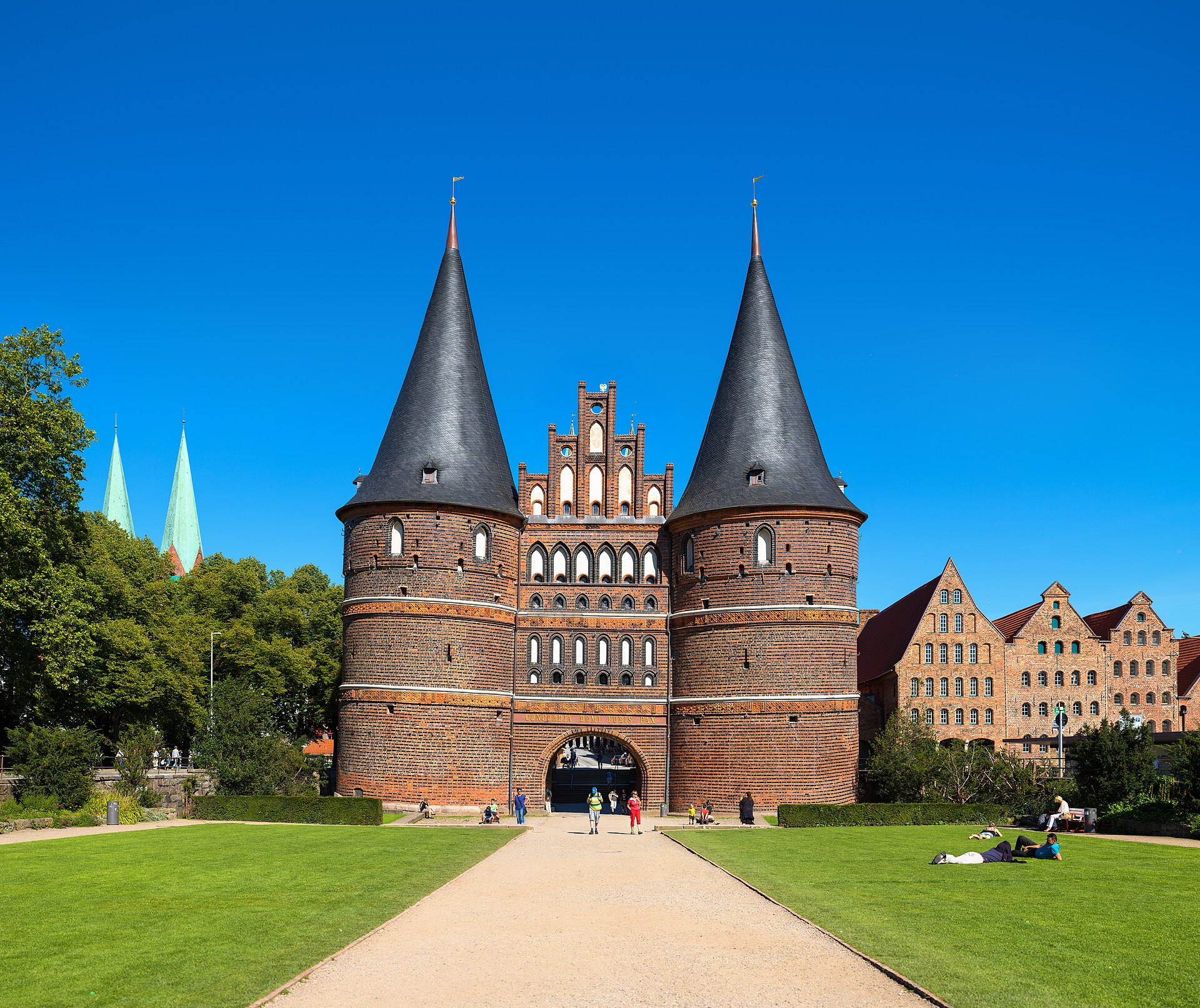
Adolf von Schauenburg, Count of Holstein, had a town built on what is now Lübeck's Old Town Island in 1143 in accordance with German law. After Lübeck burnt down in 1157 Duke Henry the Lion refounded the city and endowed it with numerous rights and freedoms. Following its capture by Henry the Lion, Lübeck became the main base for Westphalian and Saxon merchants expanding northward and eastward. The city's law was developed on the basis of Soest law and was later adopted as Lübisches Recht by more than 100 cities in the Baltic region.
In the late 12th century the guilds decided to unite as a hansa, a fleet, to pool their resources, protect each other and increase their profits. Members swore to abide by the Lübeck Law, which stipulated that each would protect and defend the others and place their personal armies at each other's disposal.
2. Visby, Gotland and the Artlenburg Privilege
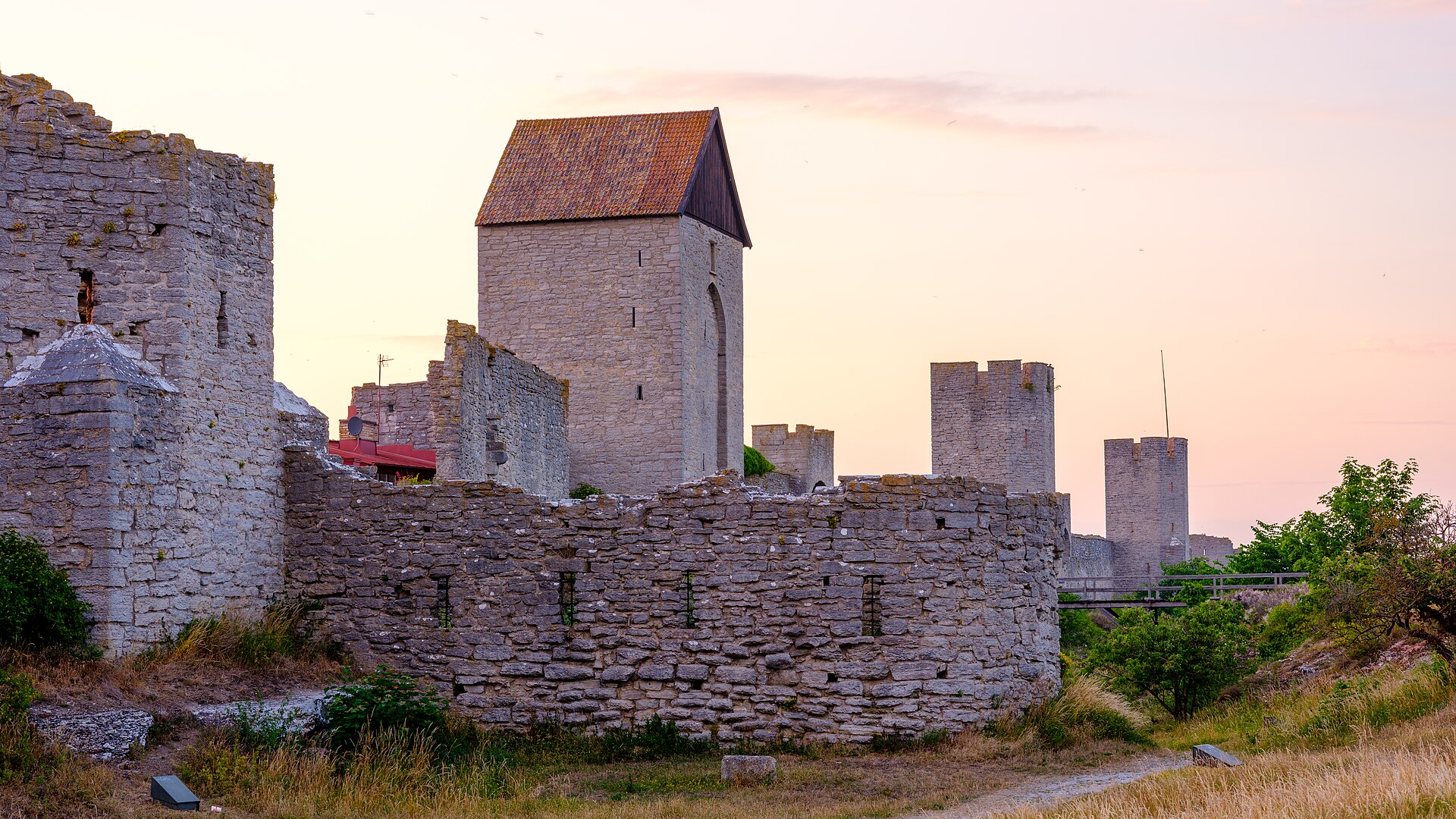
Visby on the Swedish island of Gotland was soon established as a major transshipment centre for Baltic trade and for trade with Novgorod, the chief mart for the Russian trade.
The town wall imposed new restrictions on the Gotlandic traders, creating tensions that led to a civil war. The end of Visby's greatness came in 1525 when it was stormed by an army from Lübeck and the northern parts were partially burnt.
3. Formation of the League and the Hansetag
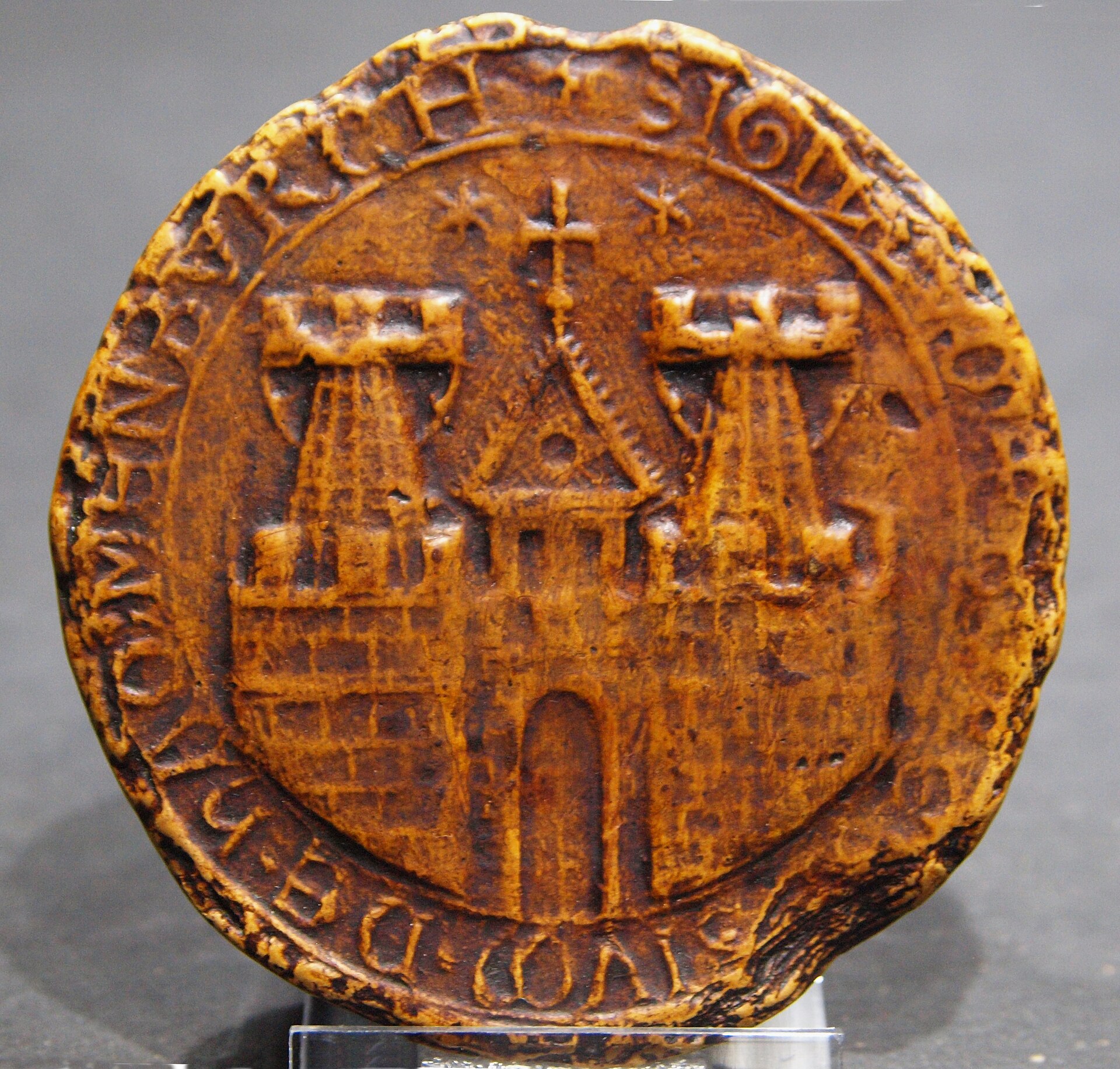
The Hanseatic Day was held at irregular intervals as needed, 172 times in 311 years. The Union of Cities THE HANSA was founded in Zwolle in 1980 to revive the common cultural heritage of the Hanseatic cities. The League waged war on Denmark from 1361 to 1370 and emerged victorious, dictating terms that gave it free rein in trade throughout Scandinavia.
4. Trade, Reach and Organisation
In the heyday of the network more than 200 towns were part of the Hanseatic League, mainly around the Baltic Sea and inland up to the line from Cologne through Erfurt to Krakow. The League's influence extended far beyond that area, with trading posts from Portugal to Russia and from Finland to the Mediterranean. Members traded in copper, fish, flax, furs, grain, honey, iron, resin, salt and textiles, among other goods.
In Novgorod, Bruges, London and Bergen the long-distance traders founded four large kontors, while smaller branches were established in many other trading centres. The Hanseatic League established four overseas Hanseatic Offices in total, and Bryggen is the only one preserved today. The kontor of Bruges was one of the most important trading centres of its time, dealing in a variety of textiles, metal goods and spices.
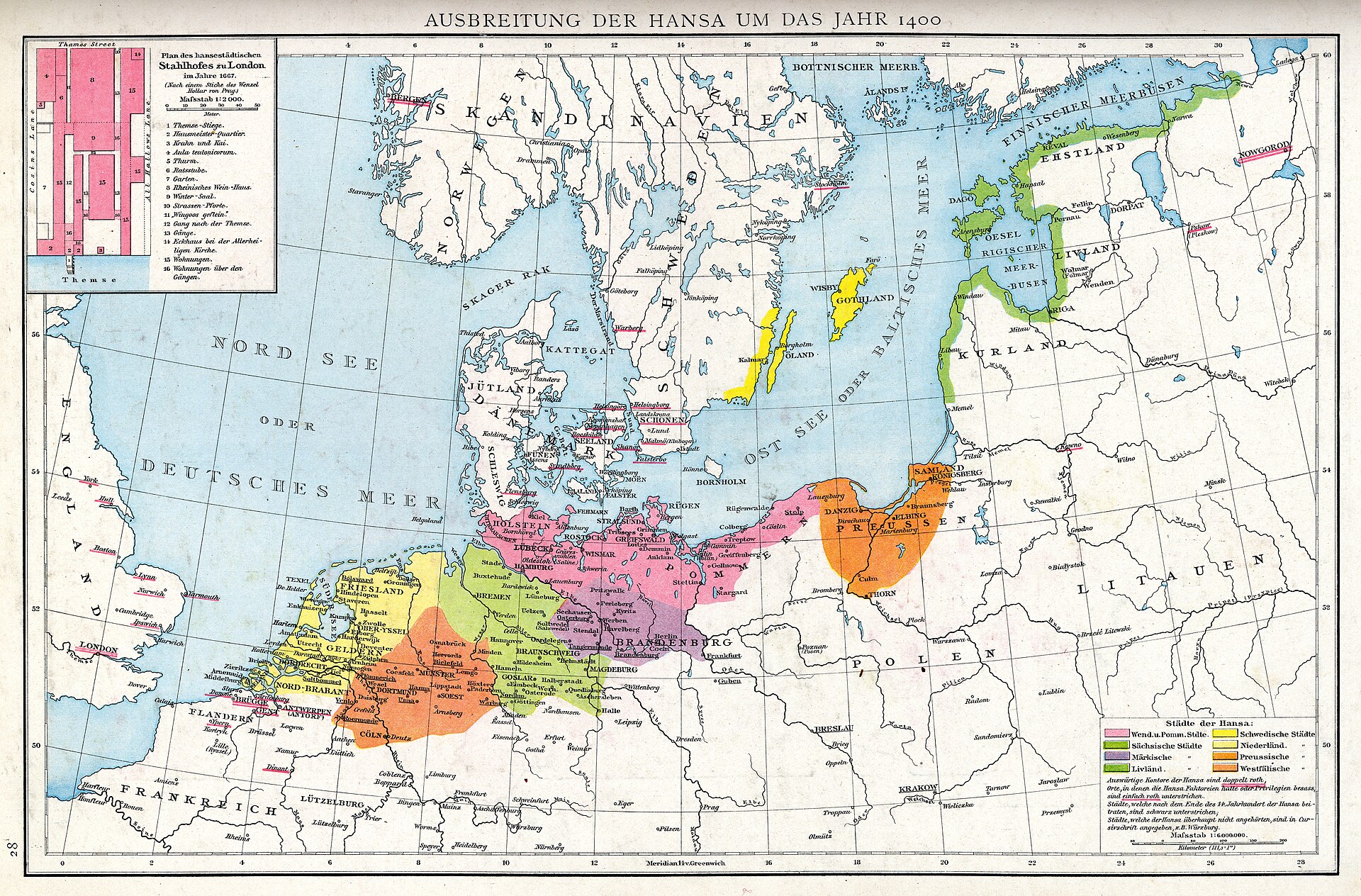
The cog, the distinctive Hansa ship with its square-rigged single sail, was developed for the growing trade routes across the Baltic and was in effect an early forerunner of the modern container ship. In its heyday the Hanseatic League imposed economic blockades against kingdoms and principalities to enforce its economic interests and did not shy away from wars.
5. The Eastern Offices: Novgorod and Bergen
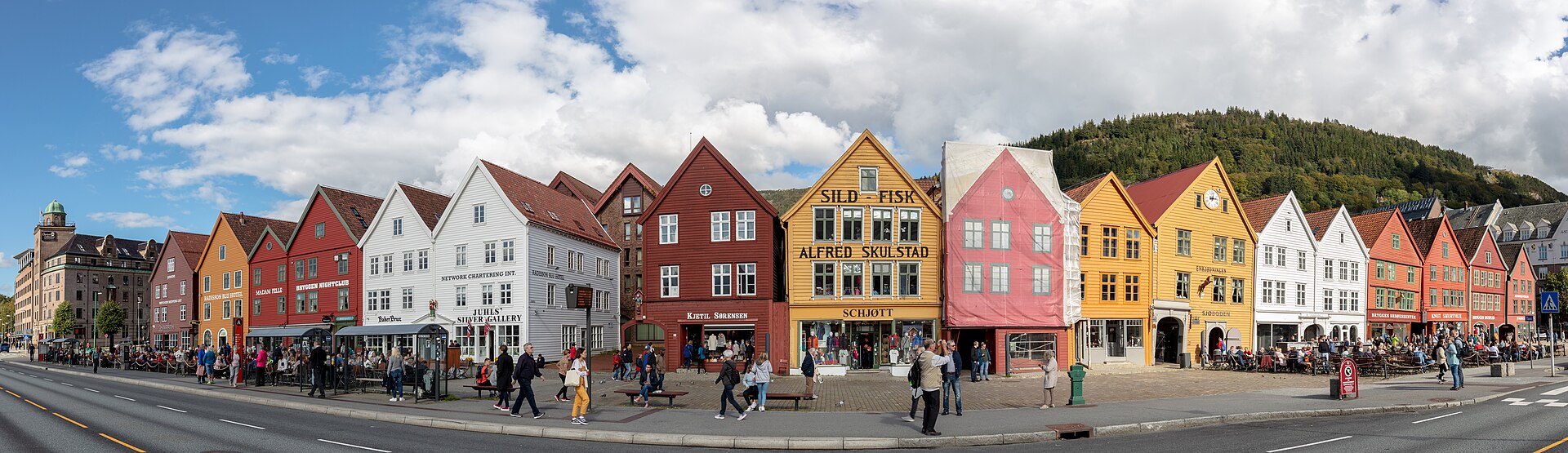
The Hanseatic League established its Hanseatic Office in Bergen in 1350 and the merchants gradually acquired ownership of Bryggen and controlled the stockfish trade. Bryggen enjoyed quasi-extraterritoriality which continued beyond the departure of the Hanseatic merchants until the creation of a Norwegian trading post in 1754 on the impetus of fishermen and ship owners of German origin. The kontor itself, marked by the rough treatment of its young apprentices, remained the last kontor of the Hanse until it was dissolved in the 18th century. Bryggen's present appearance dates from after the fire of 1702, its buildings made of wood in keeping with vernacular building traditions.
Both the oldest wooden buildings and the thick cultural layers located below ground at Bryggen appear on the UNESCO World Heritage List.
6. The Western Offices: London and the Steelyard
In England merchants from Cologne were granted the privilege of establishing their own branch in London by King Henry II as early as 1176 and this developed into the powerful Hanseatic office known as the Stalhof. German merchants from Cologne had enjoyed privileges in London from Anglo-Saxon times, and by the late 13th century merchants from towns such as Lübeck and Hamburg had joined them.
A plaque on the Cannon Street railway bridge in London commemorates the 400 Hanseatic merchants who inhabited the City of London peacefully over 600 years.
7. Conflicts and Decline
Waldemar IV of Denmark invaded Gotland in 1361 and defeated the Hanseatic fleet in 1362 but in 1367 the League struck back under Bruno Warendorp and defeated the Danish king in the siege of Helsingborg. The Sund tariff, introduced in 1425 to allow Hanseatic ships to pass through the Öresund, caused disputes for centuries.
In 1494 Ivan the Great closed the League's trading offices in Russia and the merchants lost all their trading privileges. In the middle of the 16th century Heinrich Sudermann was hired as the first managing director, or syndic, to help the Hanseatic League out of its difficult situation. The Thirty Years' War of 1618 to 1648 destroyed the trading area of the Hanseatic merchants and made orderly trade in goods impossible.
In 1669 the last Hanseatic Day of the historic Hanseatic League took place in Lübeck with only six cities present.
8. Lübeck as Queen of the Hanse
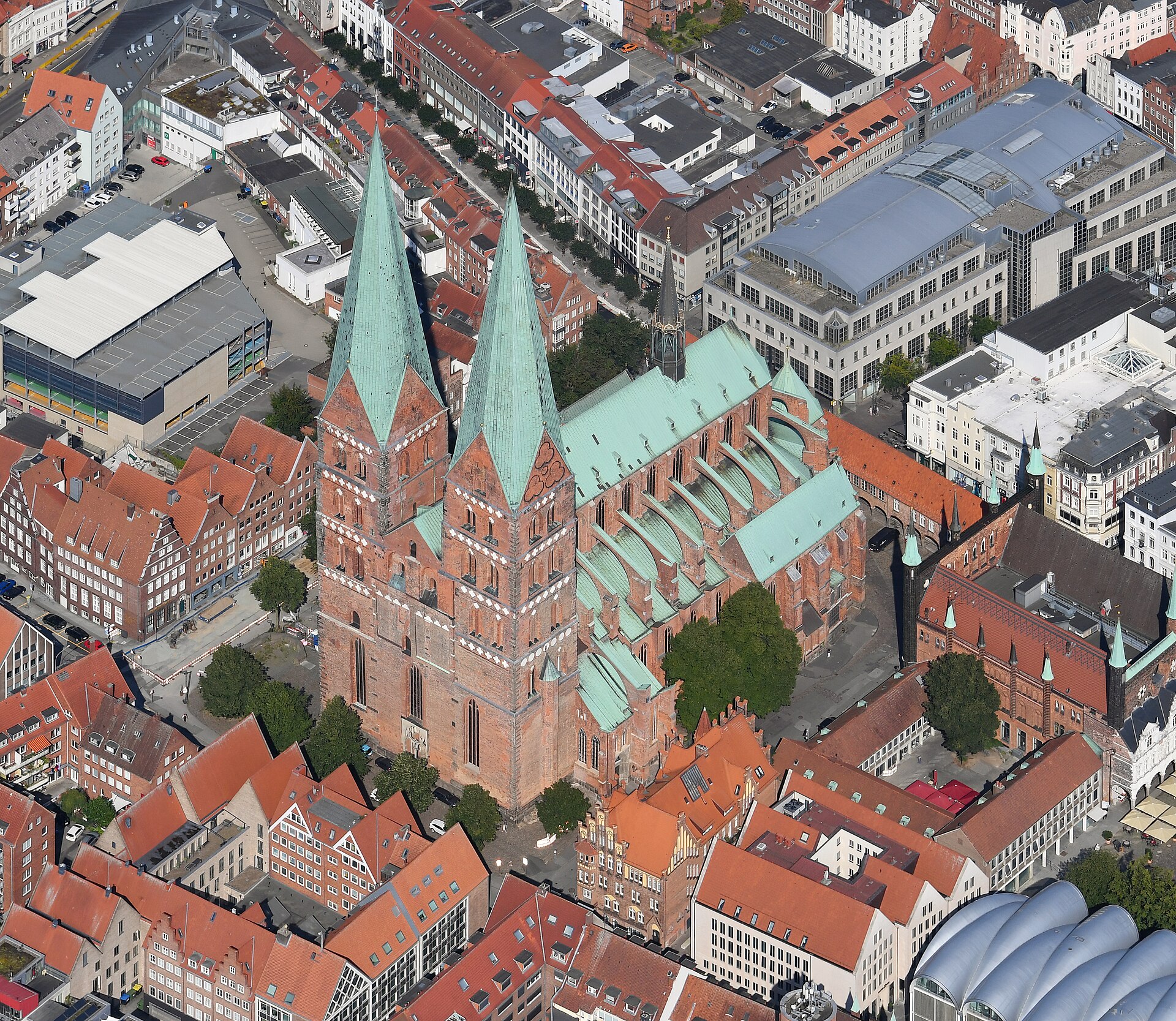
The World Heritage site of the Old Town comprises three areas that retained their historical character and show Lübeck's former power as Queen of the Hanseatic League. Almost all the structures of the second zone originate from the time when the Hanseatic League had reached the apex of its power and Lübeck controlled long-distance trade in the whole of Northern Europe.
The World Heritage city has remained an urban monument characteristic of a significant historical structure even though Lübeck was severely damaged during the Second World War.
9. Heritage and Commemoration
A total of 17 documents on the history of the Hanseatic League were inscribed in the international register of UNESCO's Memory of the World programme. Visby has been World Heritage since 1995 as a property of 104.3 ha. Bryggen was inscribed on the World Heritage List in 1979. The Castle Friary, as part of the old town of Lübeck, is a UNESCO World Heritage Site.
In 1955 parts of Bryggen burnt down and the thirteen year archaeological excavation that followed uncovered hundreds of thousands of objects. Bryggens Museum was established in 1976 with chief curator Asbjørn Herteig as the driving force. The museum is built over the remains of Bergen's oldest buildings from the first half of the 1100s. Runic inscriptions with gossip, poems and spells tell about faith and love, while ceramics from Europe and the Middle East show an extensive international trade network.
The Hanseatic Museum guides visitors through Schøtstuene, the German merchants' assembly rooms and cook houses, and the World Heritage Site of Bryggen. Guided tours, exhibitions and family activities explore the lives and work of the Hanseatic merchants in Bergen, an important international trading post from the Middle Ages into the 18th century.
Since its grand opening by then German Chancellor Angela Merkel on 27 May 2015, the European Hansemuseum has presented itself as the first address for Hanse history worldwide. The museum covers 7,405 square metres. The restored friary complex now forms part of the European Hansemuseum. In cooperation with the Research Centre for Hanse and Baltic History, the European Hansemuseum makes the latest findings of Hanse research accessible. The research centre also plans and coordinates historical and interdisciplinary research in the former Hanse economic area from Portugal to Russia. In 2025 the anniversary year of the European Hansemuseum included a birthday party, an official ceremony on 27 May 2025 and the opening of a new Epilogue exhibition space.
10. The Modern Hanseatic Legacy
THE HANSA today has almost 200 members in 16 countries, making it one of the largest voluntary associations of towns in the world.
11. Timeline of Key Dates
-
1143Lübeck foundedLübeck was founded on the Baltic coast of northern Germany.15Hanseatic City of Lübeck · UNESCO World Heritage Centre ↗
12. Key Figures at a Glance
| Item | Figure | Source context |
|---|---|---|
| Lübeck founding year | 1143 | hanse-org-nutshell |
| League founding year | 1356 | bbc-hanseatic |
| Members at founding | about 80 | hanse-org-nutshell |
| Peak membership | more than 200 towns | hanse-org-nutshell |
| Cities adopting Lübisches Recht | more than 100 | hanse-org-nutshell |
| Hansetag meetings in Lübeck | more than 100 | bbc-hanseatic |
| Hansetag meetings overall | 172 in 311 years | bbc-hanseatic |
| Visby town wall | 3.4 km | whc-unesco-visby |
| Visby World Heritage property | 104.3 ha | whc-unesco-visby |
| Bryggen buildings remaining | 62 | whc-unesco-bryggen |
| THE HANSA members | almost 200 in 16 countries | hanse-org-nutshell |
13. Timeline: from the founding of Lübeck to the museums of today
- 1143Lübeck foundedAdolf von Schauenburg, Count of Holstein, had a town built on Lübeck's Old Town Island in accordance with German law.
- 1157 — 1159Fire and refounding of LübeckAfter Lübeck burnt down in 1157 Duke Henry the Lion refounded the city and endowed it with numerous rights and freedoms.
- 1161The Artlenburg PrivilegeHenry the Lion ended bloody disputes between Low German merchants and their Gothic competitors and granted the Gotlanders freedom from customs duties, protection and peace.
- 1241Hamburg and Lübeck form an allianceHamburg and Lübeck formed an official partnership which monopolized trade in salt and fish.
- 1356The League takes definitive formThe league was formally founded as a multi-city trade league after steadily growing in power throughout the 13th century.
- 1361 — 1362The Danish war beginsWaldemar IV of Denmark invaded Gotland in 1361 and in 1362 he also defeated the Hanseatic fleet.
- 1367The League strikes back at HelsingborgThe Hanseatic League under Bruno Warendorp fought back and defeated the Danish king in the siege of Helsingborg.
- 1494Ivan the Great closes the Novgorod officesBy the 15th century the league was unwelcome in Russia and lost all trading privileges when its offices were closed by Ivan the Great.
- 1525Visby stormed by LübeckThe end of Visby's greatness came when it was stormed by an army from Lübeck and the northern parts were partially burnt.
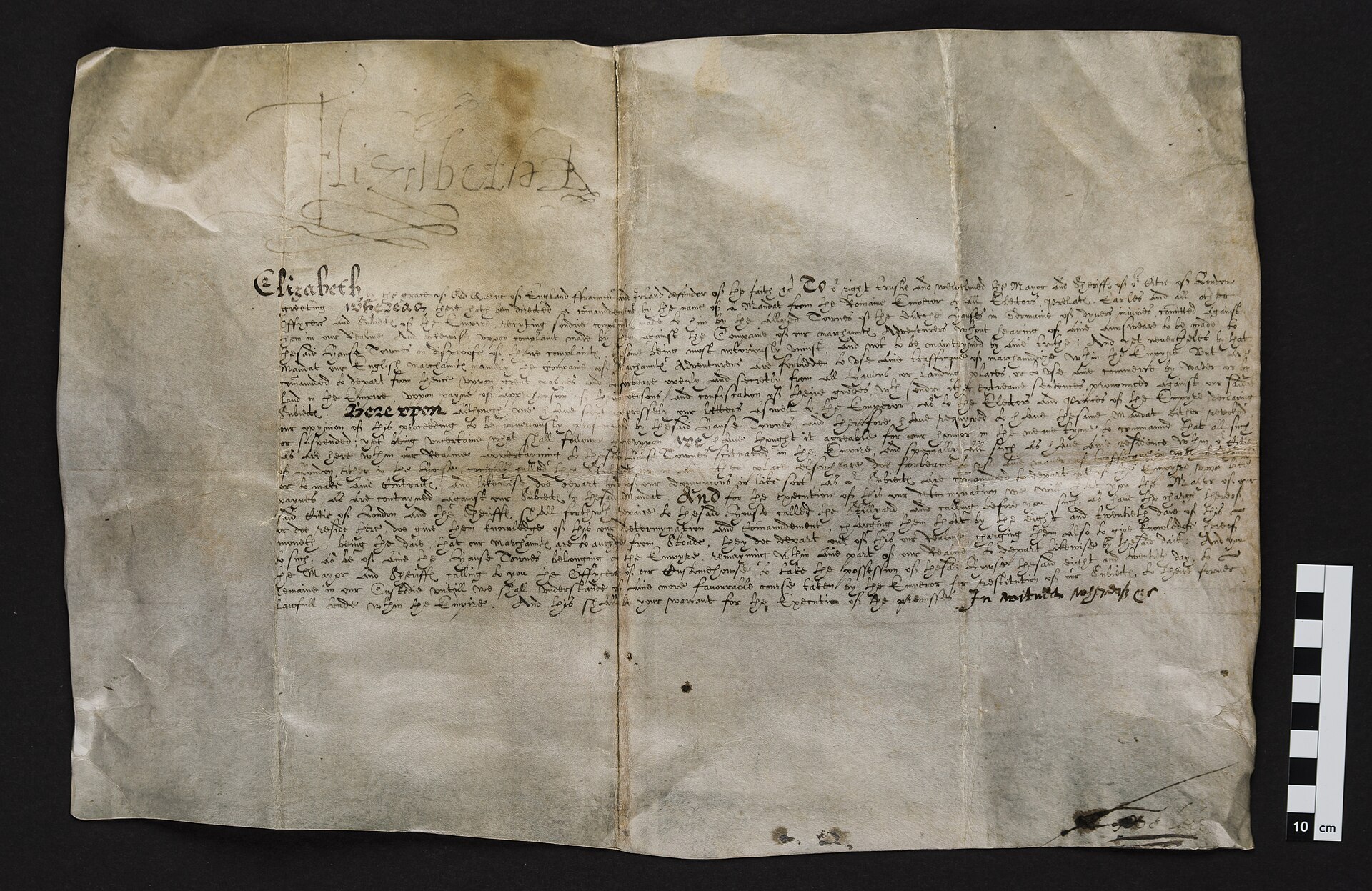
- 1598Elizabeth I closes the SteelyardBy the late 16th century English trade outweighed the Hanseatic trade, and Queen Elizabeth I closed the Steelyard.
- 1618 — 1648The Thirty Years' WarThe Thirty Years' War finally destroyed the trading area of the Hanseatic merchants, and orderly trade in goods was no longer conceivable.
- 1669The last Hanseatic DayThe last Hanseatic Day of the historic Hanseatic League took place in Lübeck with only six cities present.
- 1754The Bergen kontor comes to an endA Norwegian trading post was created at Bryggen, on the impetus of fishermen and ship owners of German origin.
- 1980Union of Cities THE HANSA foundedThe Union of Cities THE HANSA was founded in Zwolle to revive the common cultural heritage and is one of the largest voluntary associations of towns.
- 1987Lübeck inscribed as World HeritageLübeck became the first old town complex in Northern Europe to receive the award of a UNESCO World Heritage Site.
- 27 May 2015European Hansemuseum opensThe European Hansemuseum had its grand opening in 2015 with then German Chancellor Angela Merkel.
References (19)
- 1Hanseatic League — Encyclopaedia Britannica ArchiveView source
- 2European Hansemuseum — Lübeck & Travemünde Tourist Board WebView source
- 3The origins of the Hanseatic League — Union of Cities THE HANSA (Hanseatic Office, Lübeck) WebView source
- 4Hanseatic League — World History Encyclopedia WebView source
- 5Hanseatic Town of Visby — UNESCO World Heritage Centre WebView source
- 6The medieval Hanseatic League — Union of Cities THE HANSA (Hanseatic Office, Lübeck) WebView source
- 7The Hansa in a nutshell — Union of Cities THE HANSA (Hanseatic Office, Lübeck) WebView source
- 8Bryggen — UNESCO World Heritage Centre WebView source
- 9Permanent Exhibition 'The Hanse' — European Hansemuseum Lübeck WebView source
- 10Bryggens Museum — Bymuseet i Bergen (Bergen City Museum) WebView source
- 11Merchants of the Steelyard — Encyclopaedia Britannica ArchiveView source
- 12Hanseatic League — BBC News WebView source
- 13Alliance of cities — Union of Cities THE HANSA (Hanseatic Office, Lübeck) WebView source
- 14UNESCO World Heritage Site — Lübeck & Travemünde Tourist Board WebView source
- 15Hanseatic City of Lübeck — UNESCO World Heritage Centre Web↩View source
- 16Visit us — The Hanseatic Museum and Schøtstuene — Museum Vest, Bergen WebView source
- 17The Hansemuseum celebrates its 10th anniversary — Union of Cities THE HANSA (Hanseatic Office, Lübeck) WebView source
- 18Hanseatic city of Visby — Union of Cities THE HANSA (Hanseatic Office, Lübeck) WebView source
- 19The Museum — European Hansemuseum Lübeck WebView source