Uruk
The first city, where writing was invented to count grain.
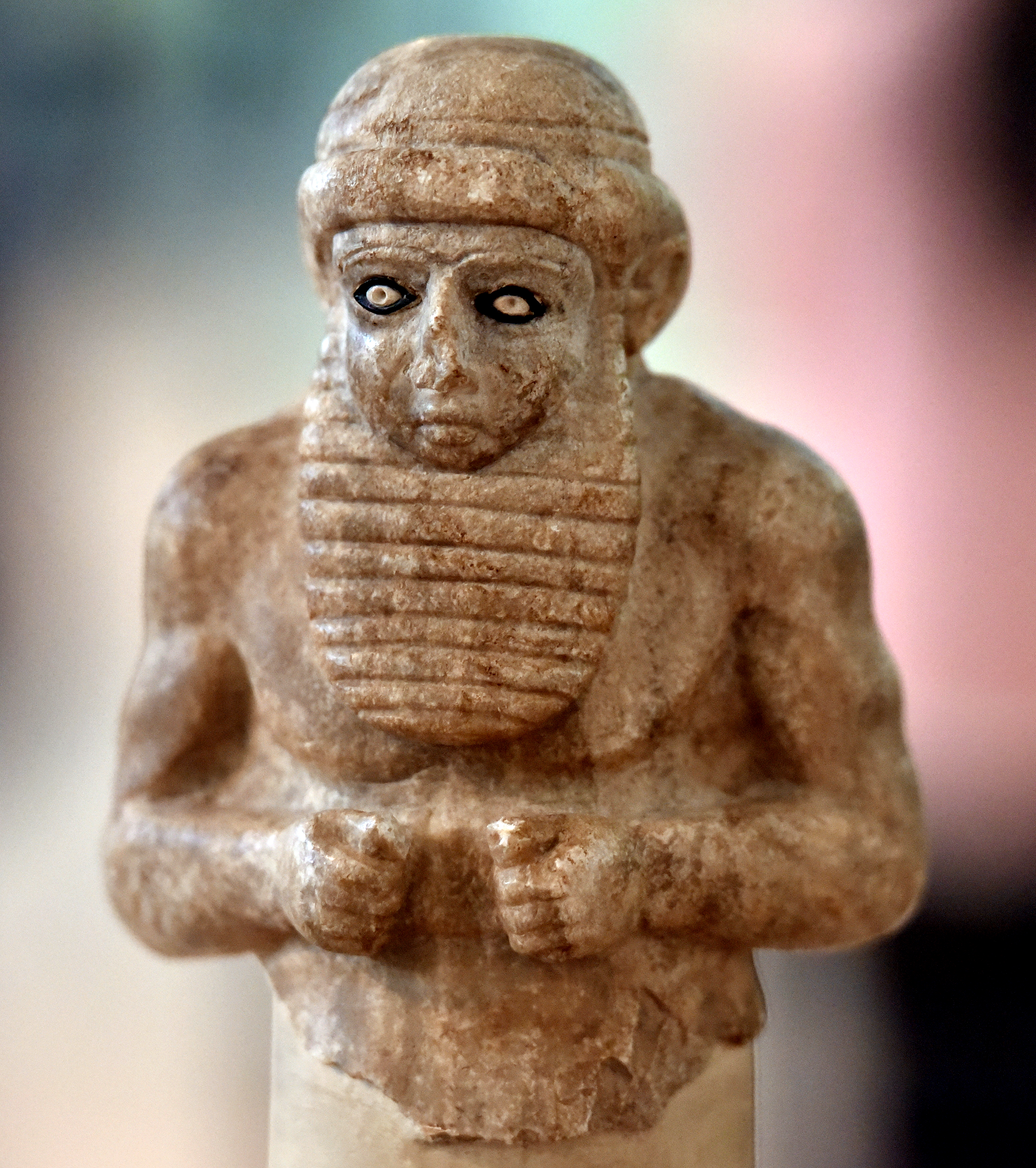
Overview
Uruk, the archaeological site known today as Warka, was an ancient city in the Near East or West Asia, located east of the current bed of the Euphrates River on an ancient, now-dried channel of the river in Muthanna Governorate, Iraq. In Sumerian it is written 𒀕𒆠 unugᵏⁱ, and in Akkadian it is spelled 𒌷𒀕 or 𒌷𒀔 Uruk (URUUNUG). Uruk is the type site for the Uruk period and played a leading role in the early urbanization of Sumer in the mid-4th millennium BC.
The city went through several phases of growth, from the Early Uruk period (4000–3500 BC) to the Late Uruk period (3500–3100 BC). In addition to being one of the first cities, Uruk was the main force of urbanization and state formation during the Uruk period, or 'Uruk expansion' (4000–3200 BC). The Uruk period culture exported by Sumerian traders and colonists influenced all surrounding peoples, who gradually evolved their own comparable, competing economies and cultures.
From the Early Uruk period onward, the city exerted hegemony over nearby settlements. Later, in the Late Uruk period, its sphere of influence extended over all Sumer and beyond to external colonies in upper Mesopotamia and Syria. In Uruk, in southern Mesopotamia, Sumerian civilization seems to have reached its creative peak.
Although it had been a thriving city in Early Dynastic Sumer, especially Early Dynastic II, Uruk was ultimately annexed by the Akkadian Empire and went into decline. Later, in the Neo-Sumerian period, Uruk enjoyed a revival as a major economic and cultural center under the sovereignty of Ur.
Dynastic categorizations are described solely from the Sumerian King List, which is of problematic historical accuracy; the organization might be analogous to Manetho's. Gilgamesh, according to the chronology presented in the Sumerian King List (SKL), ruled Uruk in the 27th century BC. A dedication tablet of Sîn-gāmil, ruler of Uruk, dates to the 18th century BC.
William Kennett Loftus visited the site of Uruk in 1849, identifying it as "Erech", known as "the second city of Nimrod", and led the first excavations from 1850 to 1854.
The Eanna District of Uruk is tied in Sumerian tradition to Enmerkar, who according to the epic Enmerkar and the Lord of Aratta built the House of Heaven for the goddess Inanna there, although the king-list places a father before him. In the Epic of Gilgamesh the hero raises the city wall around Uruk and rules as its king. Uruk possesses some of the first monumental constructions in architectural history and certainly the largest of its era, among them the relief on the front of the Inanna temple of Karaindash and the Parthian Temple of Charyios.
Around 2800 BC the main temple area of Eanna was completely rebuilt after the foundations of the Uruk period construction were leveled. A clay impression of a cylinder seal showing monstrous lions and lion-headed eagles belongs to the Uruk Period, dated 4100–3000 BC, and the sequence of Early Dynastic, Akkadian, Ur III and Old Babylonian periods frames the later occupation. A foundation peg of Lugal-kisalsi, king of Uruk, Ur and Kish, is dated to circa 2380 BC.
According to the Sumerian King List the final ruler of the First Dynasty of Uruk, Lugal-kitun, was overthrown by Mesannepada of Ur; that dynasty had been preceded by the earlier First Dynasty of Kish and the First Dynasty of Uruk. The same list holds that Kish was the first city to have kings following the deluge. Kish itself lies near modern Tell al-Uhaymir in Babil Governorate, 80 km south of Baghdad and 12 km east of Babylon, while Nippur, recorded logographically as EN.LÍLKI, was another ancient Sumerian city. In the roster of southern Mesopotamian centers Uruk is named alongside Nineveh, Qattara, Dūr-Katlimmu, Assur, Arrapha, Terqa, Nuzi, Mari, Eshnunna, Dur-Kurigalzu, Der, Sippar, Babylon, Kish, Susa, Borsippa, Nippur, Isin, Larsa and Ur.
The Gutian dynasty was a line of kings originating among the Gutian people. Once thought to be a horde that swept in and brought down Akkadian and Sumerian rule in Mesopotamia, the Gutians are now known to have been in the area for at least a century by that time. The collapse of the Akkadian Empire was followed by a few decades under the south Mesopotamian Gutian Dynasty, then by the Third Dynasty of Ur, which ruled the whole of Mesopotamia including the town of Babylon. Babylon stood on the lower Euphrates in southern Mesopotamia, within modern-day Hillah, Iraq, about 85 kilometres south of modern-day Baghdad.
1. Urbanization and the Uruk Period
Uruk stands among the first cities and was the principal engine of urbanization and state formation during the Uruk period, the era also called the Uruk expansion. Its growth unfolded in stages, from the Early Uruk period to the Late Uruk period. Although other settlements coexisted with Uruk, they were generally about 10 hectares while Uruk was significantly larger and more complex. The city itself was formed when two smaller Ubaid settlements developed into the cities of Unug and Kullaba and later merged to become Uruk.
From the Early Uruk period onward Uruk held hegemony over nearby settlements, and in the Late Uruk period its sphere of influence extended over all Sumer and beyond, reaching colonies in upper Mesopotamia and Syria. That reach had limits: ultimately Uruk could not maintain long-distance control over colonies such as Tell Brak by military force. The culture of the Uruk period, exported by traders and colonists, influenced surrounding peoples, who evolved comparable competing economies and cultures. Sumerian civilization seems to have reached its creative peak at Uruk.
The monumental character of the site is visible in its architecture, which includes some of the first monumental constructions in architectural history and certainly the largest of its era. In general the structures follow the two main typologies of Sumerian architecture: Tripartite, with three parallel halls, and T-Shaped, with three halls, with the central hall extending into two perpendicular bays at one end. Eanna was dedicated to Inanna from the earliest Uruk period throughout the history of the city.
The temple precinct of Eanna was completely rebuilt after leveling the foundations of the Uruk period construction. In the Epic of Gilgamesh, Gilgamesh builds the city wall around Uruk and is king of the city. A foundation peg of Lugal-kisalsi, king of Uruk, Ur and Kish, dates to circa 2380 BC.
Uruk is the type site for the Uruk period and played a leading role in the early urbanization of Sumer in the mid-4th millennium BC. Occupation at the site extended back to the Ubaid period, the Uruk period and the Jemdet Nasr period. The city went through several phases of growth, from the Early Uruk period (4000–3500 BC) to the Late Uruk period (3500–3100 BC).
The main temple area of Eanna was completely rebuilt after leveling the foundations of the Uruk period construction in 2800 BC. According to the epic Enmerkar and the Lord of Aratta, Enmerkar constructed the House of Heaven for the goddess Inanna in the Eanna District of Uruk. According to the chronology presented in the Sumerian King List, Gilgamesh ruled Uruk in the 27th century BC.
Although Uruk had been a thriving city in Early Dynastic Sumer, especially Early Dynastic II, it was ultimately annexed by the Akkadian Empire and went into decline. Later, in the Neo-Sumerian period, Uruk enjoyed a revival as a major economic and cultural center under the sovereignty of Ur. According to the Sumerian King List, the final ruler of the First Dynasty of Uruk, Lugal-kitun, was overthrown by Mesannepada of Ur.
The location of Uruk was first noted by Fraser and Ross in 1835. William Kennett Loftus visited the site in 1849, identifying it as "Erech", known as "the second city of Nimrod", and led the first excavation. The GOS returned to Uruk in 1928 and excavated until 1939, when World War II intervened.
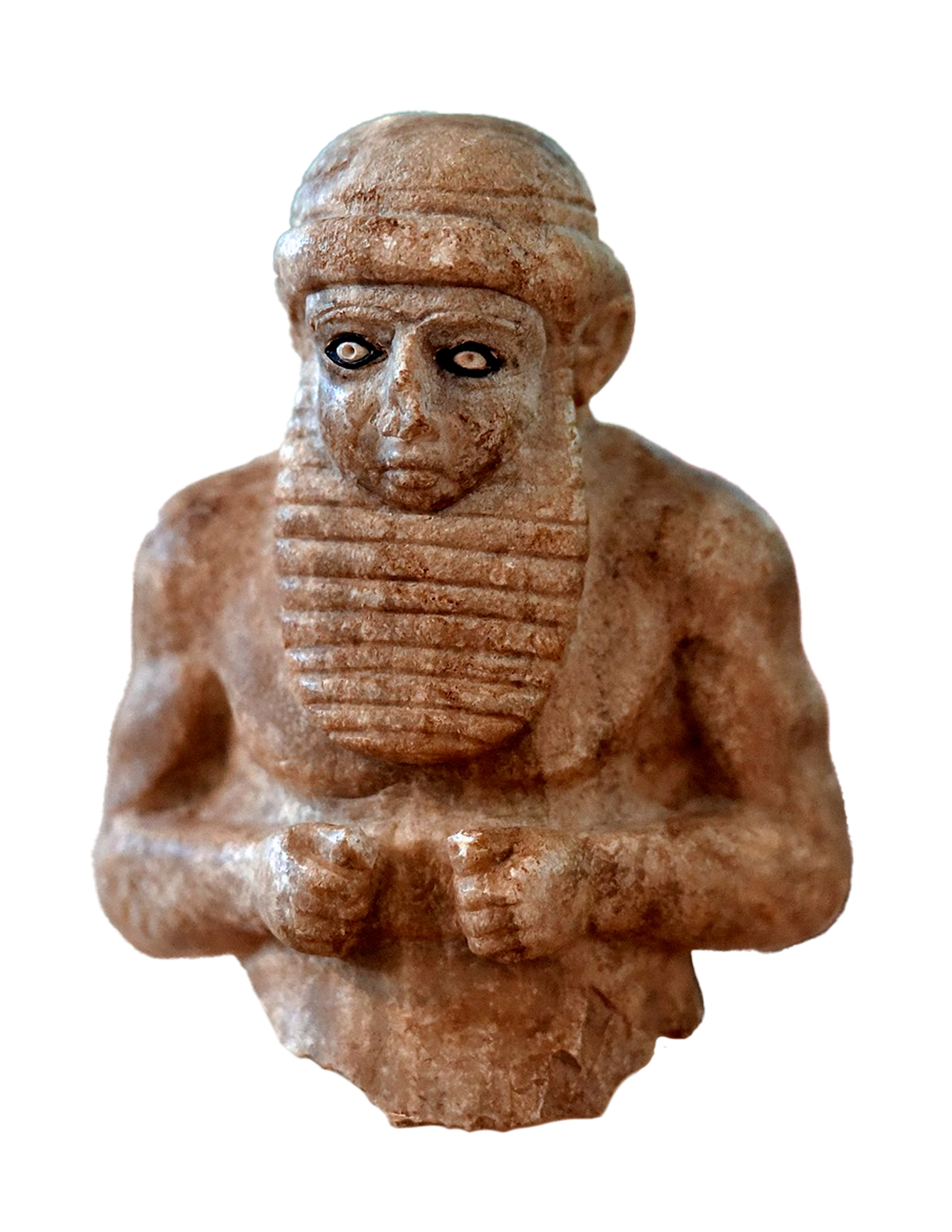
2. Foundation and Early Development
Uruk took shape when two smaller Ubaid settlements grew into the cities of Unug and Kullaba and were afterward joined into a single urban whole. The Eanna district was dedicated to the goddess Inanna from the earliest Uruk period and remained so throughout the city's history. Tradition credits Enmerkar with constructing the House of Heaven for Inanna in the Eanna District, as recounted in the epic Enmerkar and the Lord of Aratta. In the Epic of Gilgamesh the hero builds the city wall and reigns as king of the city, and according to the chronology of the Sumerian King List Gilgamesh ruled Uruk in the 27th century BC.
The settlement's growth unfolded in stages, beginning with the Early Uruk period (4000–3500 BC) and continuing into the Late Uruk period (3500–3100 BC). Uruk serves as the type site for the Uruk period and took a leading part in the early urbanization of Sumer in the mid-4th millennium BC. From the Early Uruk period onward the city held hegemony over nearby settlements.
A thriving center in Early Dynastic Sumer, especially in Early Dynastic II, Uruk was ultimately annexed by the Akkadian Empire and entered a decline. The material record of the Early Dynastic, Akkadian, Ur III, and Old Babylonian periods includes a clay impression of a cylinder seal bearing monstrous lions and lion-headed eagles.
Around 2800 BC the main temple area of Eanna was completely rebuilt after the foundations of the Uruk period construction were leveled. A foundation peg names Lugal-kisalsi as king of Uruk, Ur and Kish, and dates to circa 2380 BC. A foundation tablet from the Temple of Inanna at Uruk (Eanna) dates to the reign of Ur-Nammu.
The Sumerian King List holds that Kish was the first city to have kings after the deluge. Other literary references portray Enmebaragesi and his son Aga of Kish as contemporary rivals of Dumuzid, the Fisherman, and Gilgamesh, early rulers of Uruk. The Chronicle records successive early Sumerian rulers who maintained intermittent ceremonies at the temple: Aga of Kish, son of Enmebaragesi; Mesannepada of Ur; his son Meskiang-nunna; Gilgamesh of Uruk; his son Ur-Nungal; Nanni of Ur and his son Meskiang-nanna.
3. Dynastic History and Rulers
Any account of Uruk's ruling houses rests on fragile ground. Dynastic categorizations are described solely from the Sumerian King List, a source of problematic historical accuracy whose organization might be analogous to Manetho's. The sequence of kings, their reigns and their dynastic affiliations therefore cannot be treated as secure record, and the material below should be read with that caution in mind.
Among the rulers attested by contemporary objects is Lugal-kisalsi, king of Uruk, Ur and Kish, whose foundation peg of circa 2380 BC carries an inscription dedicating a temple of Namma. The object places a single sovereign over three cities at once, a configuration that the later king list does not preserve. A dedication tablet of Sîn-gāmil, ruler of Uruk, belongs to the 18th century BC, carrying the record of Uruk's rulership into a far later phase.
According to the Sumerian King List, the final ruler of the First Dynasty of Uruk, Lugal-kitun, was overthrown by Mesannepada of Ur. The notice marks the close of Uruk's first dynastic sequence and the transfer of dominance to Ur. It is also the point at which the king list's testimony stands alone, without independent corroboration.
The wider political landscape of the early period is visible in the rivalries preserved by tradition. Kish was defeated in the time of the Ebla ruler Ishar-Damu, probably by Uruk. Enmebaragesi and his son Aga of Kish are portrayed as contemporary rivals of Dumuzid the Fisherman and Gilgamesh, setting the rulers of Uruk against the house of Kish in a contest that later memory treated as foundational.
Later still, the Gutian dynasty came to power in Mesopotamia near the end of the 3rd millennium BC, after the decline and fall of the Akkadian Empire. The collapse of Akkadian authority and the rise of Gutian rule form the background against which Uruk's subsequent dynastic fortunes must be read.
Uruk's prominence in the Early Dynastic period was followed by annexation to the Akkadian Empire and a subsequent decline. A foundation tablet from the Temple of Inanna at Uruk (Eanna), dated to the reign of Ur-Nammu, belongs to this later horizon of the city's history. The temple itself was dedicated to Inanna from the earliest Uruk period throughout the history of the city.
A separate tradition preserved in the Chronicle names a succession of early Sumerian rulers who maintained intermittent ceremonies at the temple: Aga of Kish, son of Enmebaragesi; Mesannepada of Ur; his son Meskiang-nunna; Gilgamesh of Uruk; his son Ur-Nungal; and Nanni of Ur with his son Meskiang-nanna. The list sets rulers of Kish, Ur and Uruk in a single ceremonial sequence rather than a single line of descent.
The duration of Gutian kingship over Mesopotamia remains disputed, with estimates ranging from a few years up to a century. The span of Gutian rule is therefore as uncertain as the dynastic categories drawn from the king list.
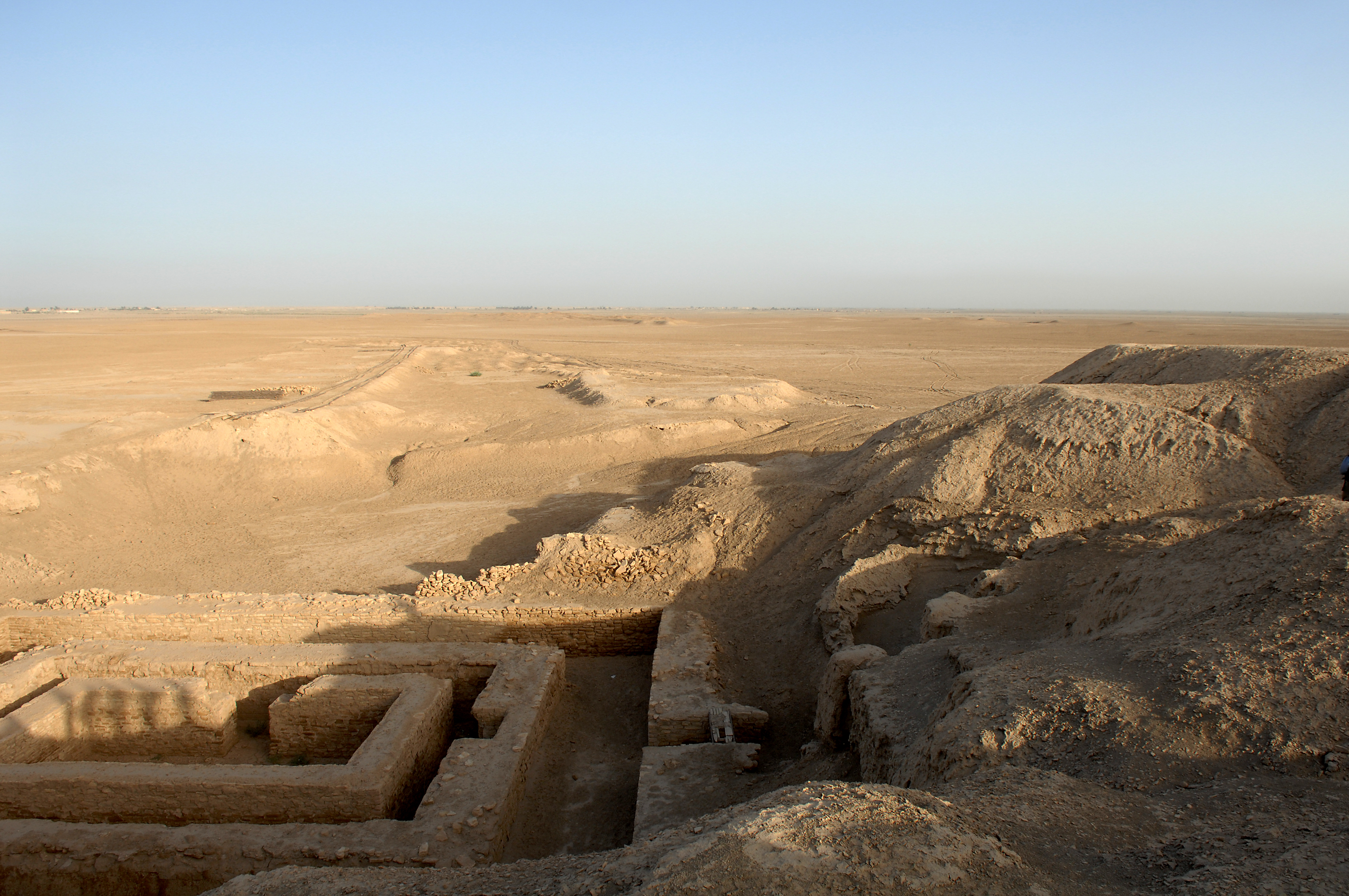
4. Later History and Decline
Uruk had been a thriving city in Early Dynastic Sumer, especially in Early Dynastic II, before it was ultimately annexed by the Akkadian Empire and went into decline. The loss of autonomy to Akkad marked the end of the city's most celebrated phase of independent prominence.
During this era the city was divided into five main districts: the Adad Temple, Royal Orchard, Ištar Gate, Lugalirra Temple, and Šamaš Gate districts. This division into named quarters reflects the internal organization of Uruk in the period under discussion.
By 2800 BC the main temple area of Eanna was completely rebuilt after the foundations of the Uruk period construction had been leveled. The rebuilding of Eanna stands as the principal recorded act of construction associated with this phase of the city's life.
In the Neo-Sumerian period the city recovered its standing, enjoying a revival as a major economic and cultural center under the sovereignty of Ur.
The Gutian dynasty came to power in Mesopotamia near the end of the 3rd millennium BC, after the decline and fall of the Akkadian Empire.
Among the monuments of the city's long occupation is the Parthian Temple of Charyios at Uruk. Uruk has some of the first monumental constructions in architectural history, and certainly the largest of its era.
The city itself was formed when two smaller Ubaid settlements developed into the cities of Unug and Kullaba and later merged to become Uruk. It is clear Eanna was dedicated to Inanna from the earliest Uruk period throughout the history of the city.
5. Architecture
Uruk has some of the first monumental constructions in architectural history, and certainly the largest of its era. The Parthian Temple of Charyios stands among the structures associated with the site.
In general, the structures follow the two main typologies of Sumerian architecture. The first is the tripartite form, with three parallel halls. The second is the T-shaped form, with three halls, with the central hall extending into two perpendicular bays at one end.
The structures of Uruk are cited under two different naming conventions: one in German from the initial expedition and the English translation of the same.
The front of the Inanna temple of Karaindash at Uruk carries an architectural relief. The site itself is known today as Warka, an ancient city of the Near East or West Asia lying east of the present bed of the Euphrates, on an ancient channel of the river that has since dried, in Muthanna Governorate, Iraq.
Uruk is the type site for the Uruk period and took a leading part in the early urbanization of Sumer in the mid-4th millennium BC. It was likewise the main force of urbanization and state formation during the Uruk period, or Uruk expansion, dated 4000–3200 BC. From the Early Uruk period onward the city held hegemony over nearby settlements, and in the Late Uruk period its sphere of influence reached across all Sumer and beyond, to external colonies in upper Mesopotamia and Syria.
The epic Enmerkar and the Lord of Aratta relates that Enmerkar built the House of Heaven (Sumerian: e₂-anna; cuneiform: 𒂍𒀭 E₂.AN) for the goddess Inanna in the Eanna District of Uruk, though the king-list mentions a father before him. In the Epic of Gilgamesh, Gilgamesh builds the city wall around Uruk and is king of the city. The main temple area of Eanna was completely rebuilt after the foundations of the Uruk period construction were leveled.
Although Uruk had been a thriving city in Early Dynastic Sumer, especially Early Dynastic II, it was ultimately annexed by the Akkadian Empire and went into decline. Later, in the Neo-Sumerian period, the city enjoyed a revival as a major economic and cultural center under the sovereignty of Ur. Among the finds are a foundation tablet from the Temple of Inanna at Uruk (Eanna) dating to the reign of Ur-Nammu, a foundation peg of Lugal-kisalsi, king of Uruk, Ur and Kish, of circa 2380 BC, and a clay impression of a cylinder seal with monstrous lions and lion-headed eagles from the Uruk Period (4100–3000 BC), alongside material of the Early Dynastic, Akkadian, Ur III and Old Babylonian periods.
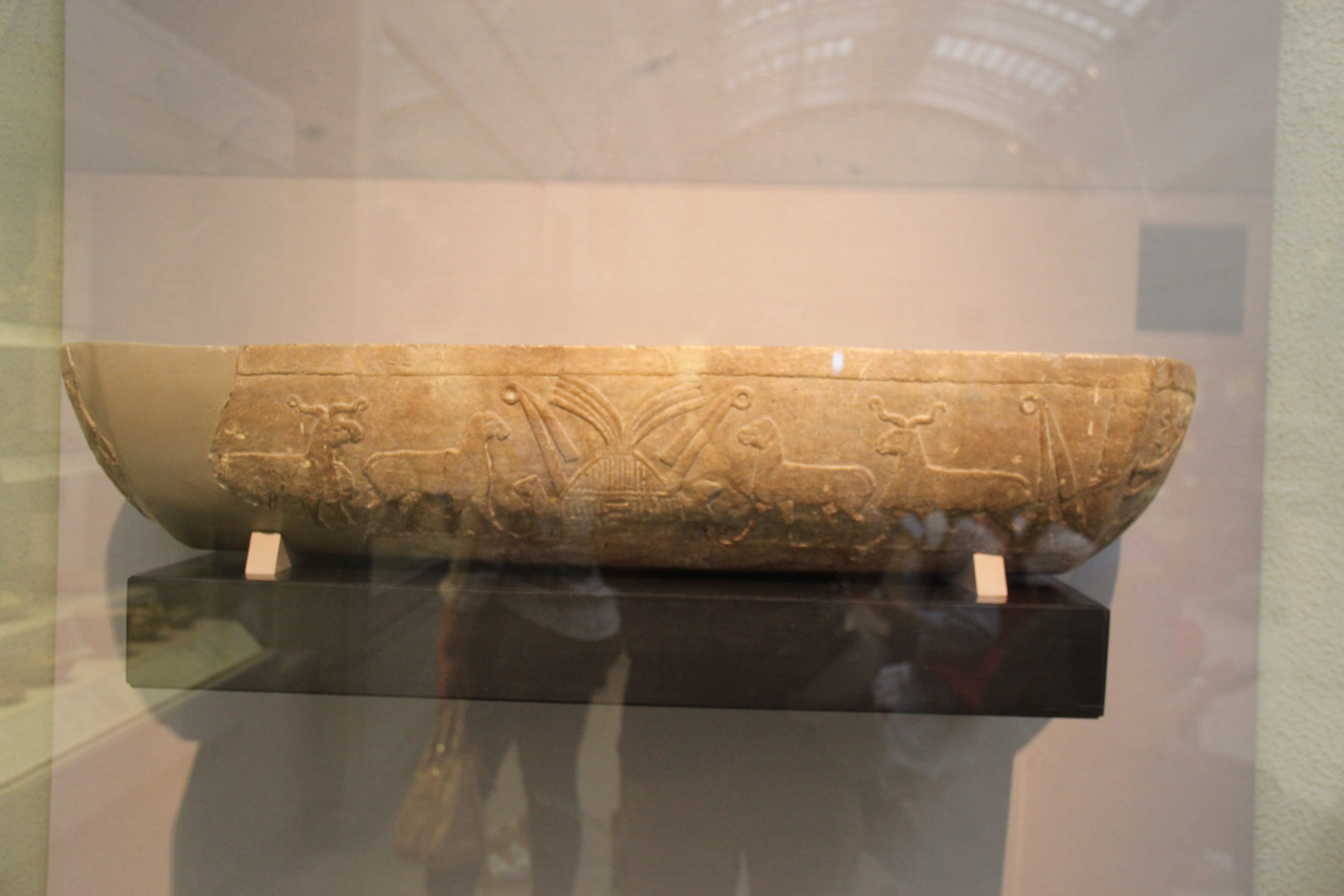
6. Excavation and Research
The location of Uruk was first noted by Fraser and Ross in 1835. William Kennett Loftus visited the site in 1849 and identified it as "Erech", known as "the second city of Nimrod". Loftus led the first excavations from 1850 to 1854. The GOS returned to Uruk in 1928 and excavated until 1939, when World War II intervened.
Uruk is the type site for the Uruk period and played a leading role in the early urbanization of Sumer in the mid-4th millennium BC. In addition to being one of the first cities, Uruk was the main force of urbanization and state formation during the Uruk period, or 'Uruk expansion' (4000–3200 BC). From the Early Uruk period onward the city exerted hegemony over nearby settlements. Later, in the Late Uruk period, its sphere of influence extended over all Sumer and beyond to external colonies in upper Mesopotamia and Syria.
Although it had been a thriving city in Early Dynastic Sumer, especially Early Dynastic II, Uruk was ultimately annexed by the Akkadian Empire and went into decline. Later, in the Neo-Sumerian period, Uruk enjoyed a revival as a major economic and cultural center under the sovereignty of Ur.
The archaeological site is known today as Warka, an ancient city in the Near East or West Asia, located east of the current bed of the Euphrates River, on an ancient, now-dried channel of the river in Muthanna Governorate, Iraq. The main temple area of Eanna was completely rebuilt after leveling the foundations of the Uruk period construction.
7. Key dates
- 3000 BCEUruk in the Early Dynastic periodEarly Dynastic, Akkadian, Ur III, and Old Babylonian period Clay impression of a cylinder seal with monstrous lions and lion-headed eagles, Mesopotamia, Uruk Period (4100–3000 BC).
- 1835Site identified by Western travellersReconstruction video of Uruk (English subtitles) The location of Uruk was first noted by Fraser and Ross in 1835.
- 1849William Kennett Loftus visits UrukWilliam Kennett Loftus visited the site of Uruk in 1849, identifying it as "Erech", known as "the second city of Nimrod", and led the first excavations from 1850 to 1854.
- 1928German excavations beginThe GOS returned to Uruk in 1928 and excavated until 1939, when World War II intervened.
8. Frequently asked questions
What does the name Uruk look like in cuneiform?
In Sumerian it is 𒀕𒆠 unugᵏⁱ, and in Akkadian it is spelled 𒌷𒀕 or 𒌷𒀔 Uruk (URUUNUG) 1Uruk — wiki · Wikipedia ↗.
Which deity was the Eanna district dedicated to?
What happened to Uruk under the Neo-Assyrians and Neo-Babylonians?
Under the Neo-Assyrians and Neo-Babylonians, Uruk regained much of its former glory 5Uruk — sec5 · Wikipedia ↗.
How were the temples at Uruk built and decorated?
The temples at Uruk were quite remarkable as they were constructed with brick and adorned with colorful mosaics 8Uruk — sec8 · Wikipedia ↗.
Who was the last ruler of the First Dynasty of Uruk?
According to the Sumerian King List, the final ruler of the First Dynasty of Uruk, Lugal-kitun, was overthrown by Mesannepada of Ur 9Uruk — ur · Reference ↗.
What did the inscription on Lugal-kisalsi's foundation peg say?
The inscription reads "For (the goddess) Namma, wife of (the god) An, Lugalkisalsi, King of Uruk, King of Ur, erected this temple of Namma" 6Uruk — sec4 · Wikipedia ↗.
References (13)
- 1Uruk — wiki — Wikipedia Web↩View source
- 2Uruk — sec2 — Wikipedia Web↩View source
- 3Uruk — sec3 — Wikipedia WebView source
- 4Uruk — sec6 — Wikipedia WebView source
- 5Uruk — sec5 — Wikipedia Web↩View source
- 6Uruk — sec4 — Wikipedia Web↩View source
- 7Uruk — sec7 — Wikipedia WebView source
- 8Uruk — sec8 — Wikipedia Web↩View source
- 9Uruk — ur — Reference Web↩View source
- 10Uruk — sumer — Reference WebView source
- 11Uruk — nippur — Reference WebView source
- 12Uruk — mesopotamia — Reference WebView source
- 13Uruk — babylon — Reference WebView source