Ur
The Sumerian city whose royal tombs held the earliest lyres.
Overview
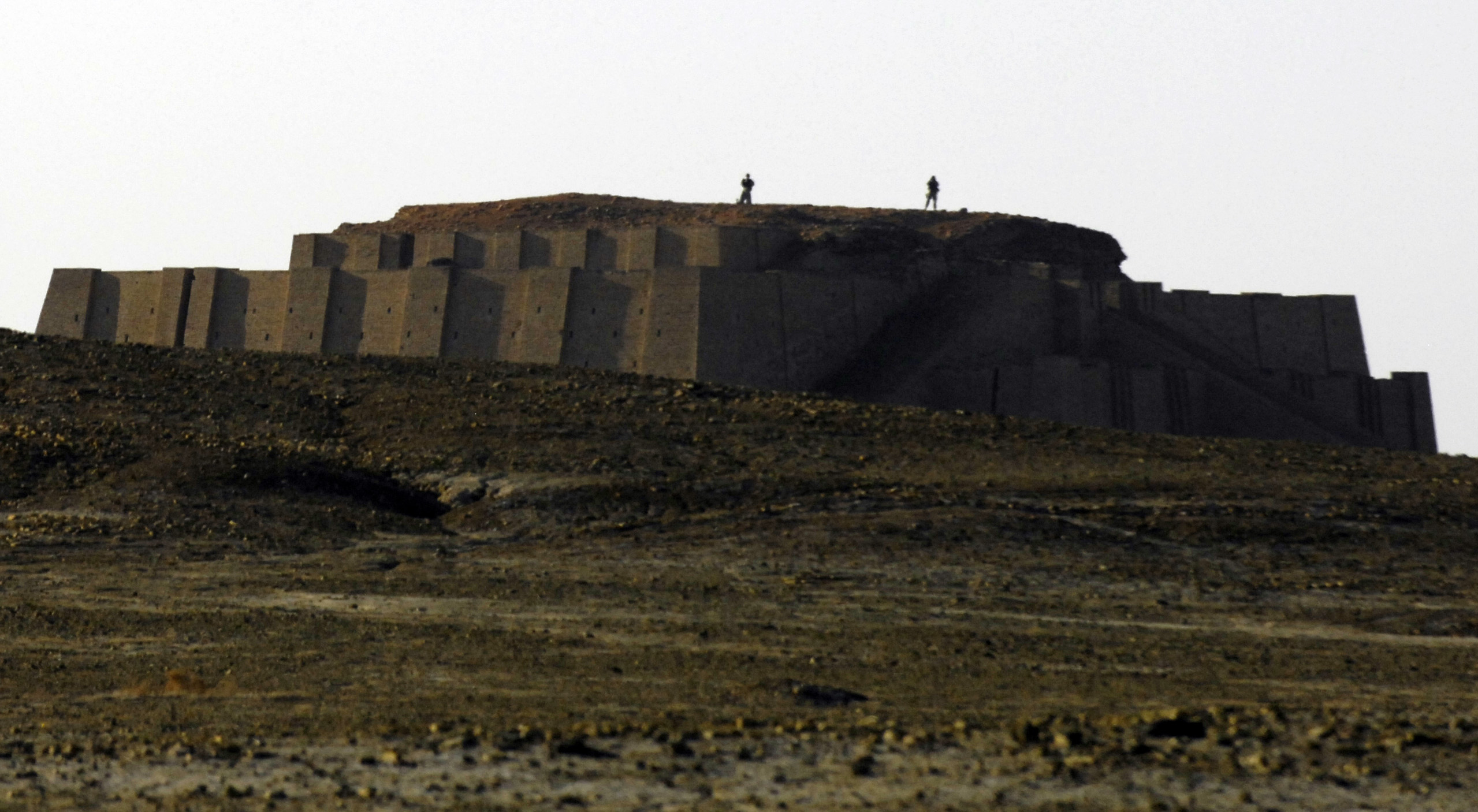
Ur was a major Sumerian urban center on the Mesopotamian plain, as archaeological discoveries have shown. The site today is marked by the partially restored ruins of the Ziggurat of Ur, which contained the shrine of Nanna, excavated in the 1930s. Beyond its urban standing, Ur was also a significant city-state with regard to the production of Sumerian literature.
The name of the site derives from Tell al-'Ubaid, where the earliest large excavation of Ubaid period material was conducted initially in 1919 by Henry Hall and later by Leonard Woolley. Later carbon dating complicated the picture, suggesting that similar layers of sediment at the sites of different Sumerian cities were from different dates.
The Sumerian King List offers a tentative political history of ancient Sumer and mentions, among others, several rulers of Ur. Mesannepada is the first king named in that list and appears to have lived in the 26th century BC; a cylinder inscribed with his name was discovered at the Royal Cemetery. Around 2400 BC Lugalkinishedudu, a king of Uruk, proclaimed himself king of Ur, and Lugalzagesi, the king of Umma, united southern Babylonia in the 24th century BC as the last Sumerian king of the region before the conquest of Sargon of Akkad.
The Standard of Ur is a Sumerian artifact of the 3rd millennium BC now held in the collection of the British Museum. Woolley later recalled that "the next minute the foreman's hand, carefully brushing away the earth, laid bare the corner of a mosaic in lapis lazuli and shell". The object survived in only a fragmentary condition. Woolley interpreted it as a standard, giving the object its popular name, although subsequent investigation has failed to confirm this assumption.
1. Early History and the Sumerian King List
The Sumerian King List offers a tentative political history of ancient Sumer and names several rulers of Ur. Among them Mesannepada stands as the first king the list mentions for the city. His reign is dated to the 26th century BC. A cylinder bearing his name was found at the Royal Cemetery.
Around 2400 BC Lugalkinishedudu a king of Uruk proclaimed himself king of Ur. Lugalzagesi the king of Umma united southern Babylonia in the 24th century BC. He was the last Sumerian king of the region before the conquest of Sargon of Akkad.
Archaeological discoveries have shown that Ur was a major Sumerian urban center on the Mesopotamian plain. The city was also a significant city-state with regard to the production of Sumerian literature.
Later carbon dating complicated the picture, as it suggested that similar layers of sediment at the sites of different Sumerian cities were from different dates.
The Standard of Ur is a Sumerian artifact of the 3rd millennium BC that is now in the collection of the British Museum. Among its mosaic scenes "War" is one of the earliest representations of a Sumerian army, engaged in what is believed to be a border skirmish and its aftermath.
2. The Third Dynasty of Ur
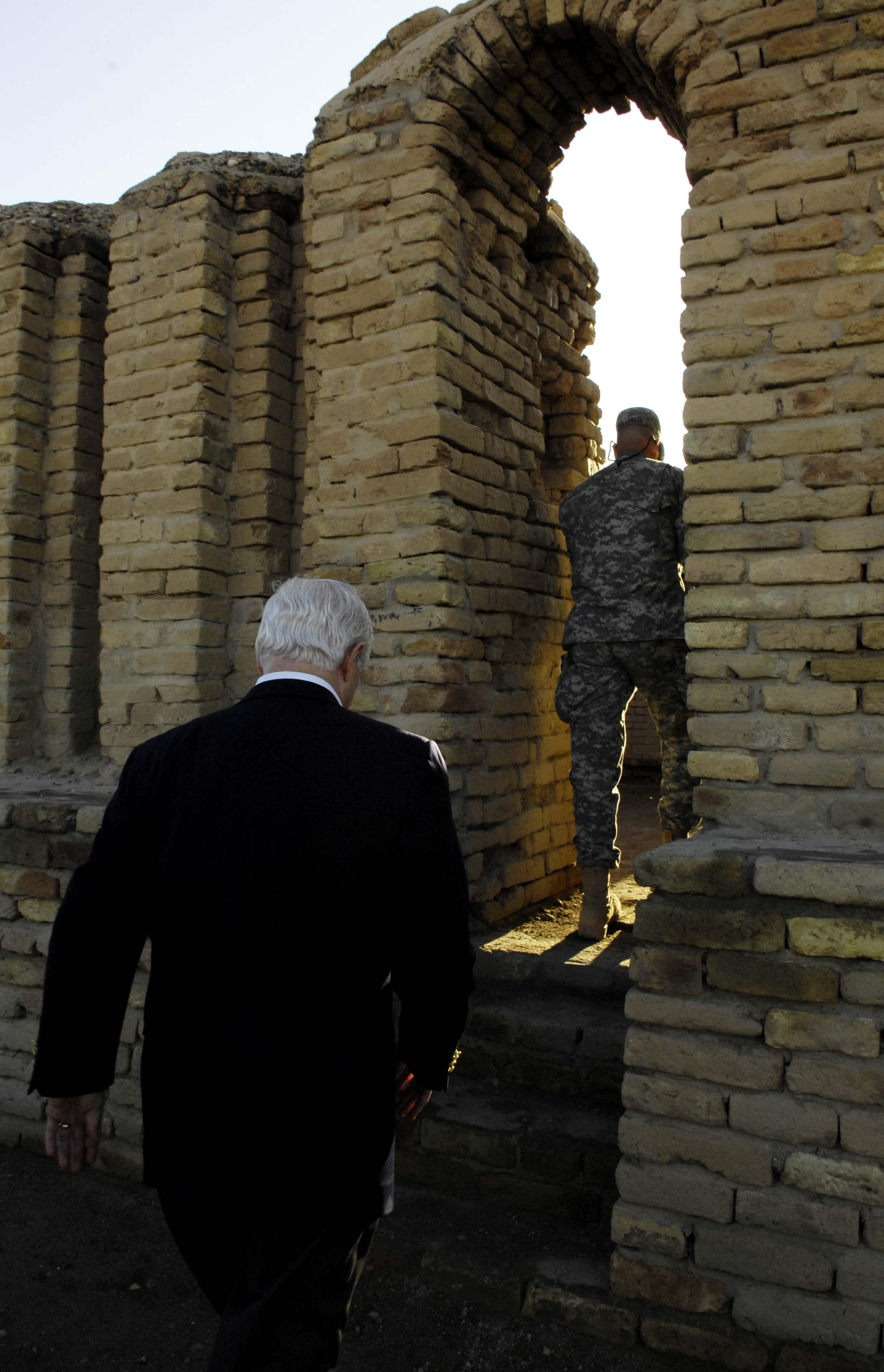
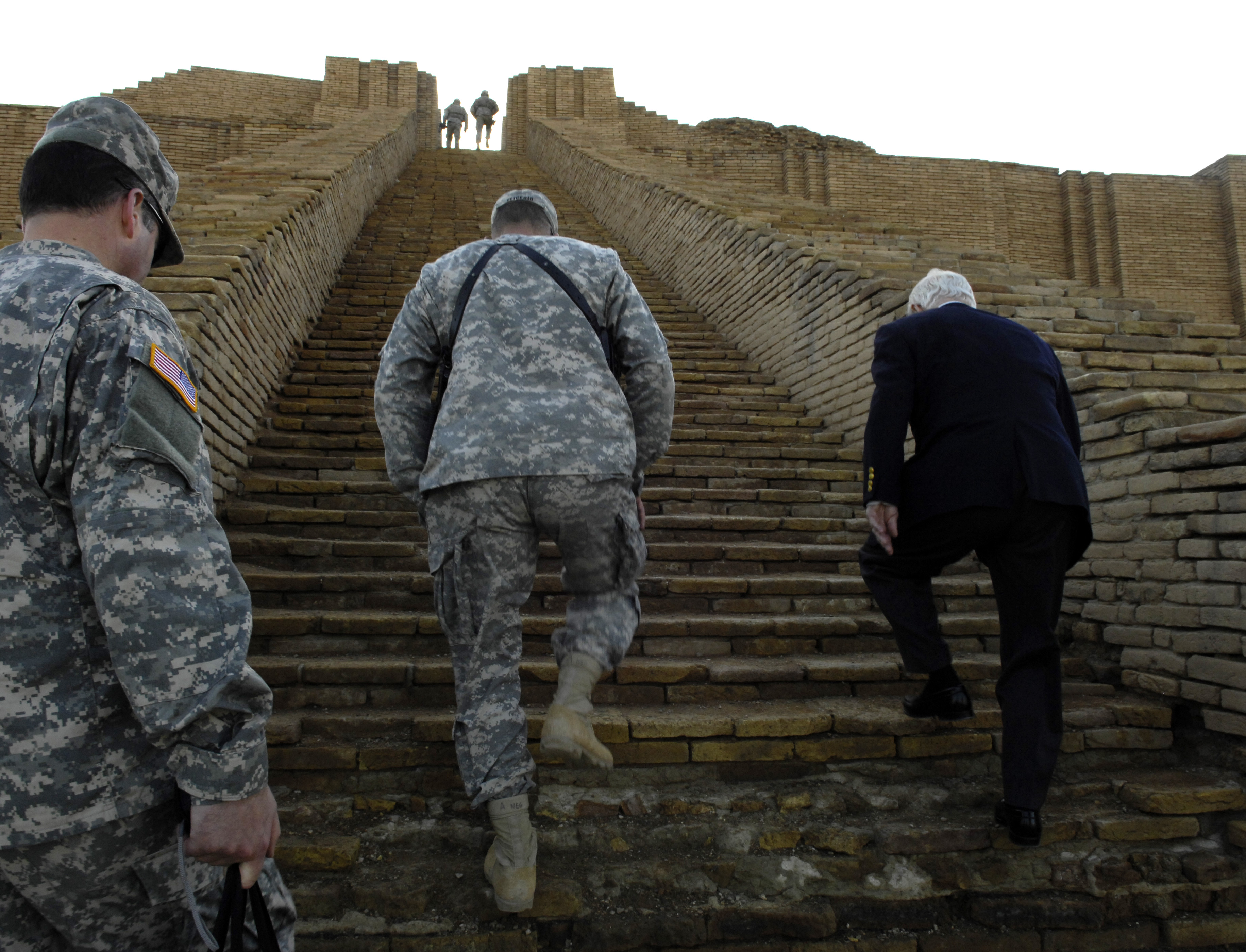
Ur-Nammu built temples including the Ziggurat of Ur and improved agriculture through irrigation. He and his successor Shulgi were deified in their reigns. A surviving work of Sumerian literature describes the death of Ur-Nammu and his journey to the underworld.
The Ur empire continued through three more kings with Akkadian names: Amar-Sin, Shu-Sin and Ibbi-Sin.
The Sumerian King List offers a tentative political history of ancient Sumer and names several rulers of Ur among its entries. Mesannepada stands as the first king mentioned in that list and appears to have lived in the 26th century BC; a cylinder inscribed with his name was discovered at the Royal Cemetery.
Around 2400 BC Lugalkinishedudu, a king of Uruk, proclaimed himself king of Ur. Lugalzagesi, the king of Umma, united southern Babylonia in 24th century BC and was the last Sumerian king of the region before the conquest of Sargon of Akkad.
Archaeological discoveries have shown that Ur was a major Sumerian urban center on the Mesopotamian plain, and it was also a significant city-state with regard to the production of Sumerian literature. The site is marked by the partially restored ruins of the Ziggurat of Ur, which contained the shrine of Nanna and was excavated in the 1930s.
The Standard of Ur is a Sumerian artifact of the 3rd millennium BC now in the collection of the British Museum. It survived in only a fragmentary condition. Woolley interpreted the object as a standard, giving it its popular name, although subsequent investigation has failed to confirm this assumption.
The name Ubaid derives from Tell al-'Ubaid, where the earliest large excavation of Ubaid period material was conducted initially in 1919 by Henry Hall and later by Leonard Woolley. Later carbon dating complicated the picture, suggesting that similar layers of sediment at the sites of different Sumerian cities were from different dates.
3. Later Fortunes and the Ziggurat
The ziggurat at Ur was built by the Ur III ruler Ur-Nammu and was later repaired by Ishme-Dagan, a ruler of Isin, early in the 2nd millennium BC. After the decline of Isin, Ur passed under the influence of the Elamite kings of Larsa. Those kings initiated several major rebuilding projects in the city. Their works included additional structures added to the ziggurat itself.
Stamped bricks on the ziggurat record the rebuilding of the temple of Ningal by the Kassite ruler Kurigalzu I in the 14th century BC. Near the ziggurat were uncovered the temple E-nun-mah together with the buildings E-dub-lal-mah, built for a king, E-gi-par, the residence of the high priestess, and E-hur-sag, a temple building.
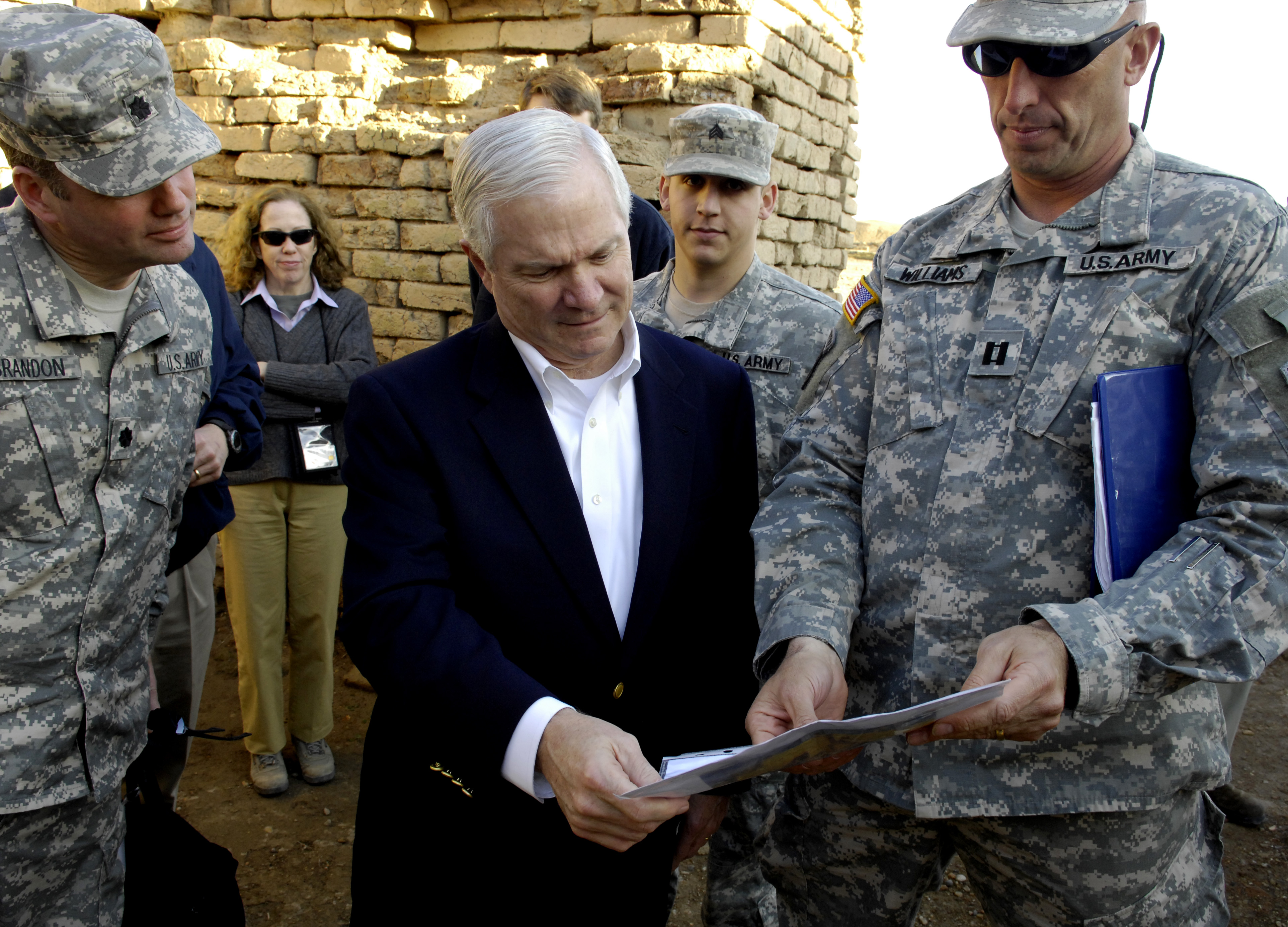
The site today is marked by the partially restored ruins of the Ziggurat of Ur, which contained the shrine of Nanna and was excavated in the 1930s. Taylor uncovered the Ziggurat of Ur and a structure with an arch later identified as part of the "Gate of Judgment".
4. Society, Culture and Literature
Archaeological discoveries show Ur was a major Sumerian urban center, and it was also a significant city-state in the production of Sumerian literature.
However, later carbon dating complicated things, as it suggested that similar layers of sediment at the sites of different Sumerian cities were from different dates.
Temples, among them the Ziggurat of Ur, were built during his rule, and agriculture was improved through irrigation. He and his successor Shulgi were both deified during their reigns. After his death he continued as a hero-figure: one of the surviving works of Sumerian literature describes the death of Ur-Nammu and his journey to the underworld.
5. The Standard of Ur
The Standard of Ur is a Sumerian artifact that survived in only a fragmentary condition. Woolley later recalled the moment of its recovery, describing how the foreman's hand, carefully brushing away the earth, laid bare the corner of a mosaic in lapis lazuli and shell.
Woolley interpreted the object as a standard, and this reading gave the artifact its popular name, although subsequent investigation has failed to confirm the assumption. The mosaic known as "War" is one of the earliest representations of a Sumerian army, engaged in what is believed to be a border skirmish and its aftermath.
The Standard of Ur is a Sumerian artifact of the 3rd millennium BC that is now in the collection of the British Museum.
Archaeological discoveries have shown that Ur was a major Sumerian urban center on the Mesopotamian plain. Ur was also a significant city-state with regard to the production of Sumerian literature. The site is marked by the partially restored ruins of the Ziggurat of Ur, which contained the shrine of Nanna, excavated in the 1930s.
The Sumerian King List provides a tentative political history of ancient Sumer and mentions, among others, several rulers of Ur. Mesannepada is the first king mentioned in the Sumerian King List, and appears to have lived in the 26th century BC; a cylinder with his name inscribed upon it was discovered at the Royal Cemetery. Around 2400 BC Lugalkinishedudu, a king of Uruk, proclaimed himself king of Ur. Lugalzagesi, the king of Umma, united southern Babylonia in 24th century BC, and was the last Sumerian king of the region before the conquest of Sargon of Akkad.
The name derives from Tell al-'Ubaid where the earliest large excavation of Ubaid period material was conducted initially in 1919 by Henry Hall and later by Leonard Woolley. However, later carbon dating complicated things, as it suggested that similar layers of sediment at the sites of different Sumerian cities were from different dates.
6. Excavation and Archaeology
Excavations from 1922 to 1934 were funded by the British Museum and the University of Pennsylvania and led by Sir Charles Leonard Woolley. Taylor had earlier uncovered the Ziggurat of Ur and a structure with an arch later identified as part of the 'Gate of Judgment'.
Near the ziggurat were uncovered the temple E-nun-mah and the buildings E-dub-lal-mah, E-gi-par and E-hur-sag.
The name Ubaid derives from Tell al-'Ubaid, where the earliest large excavation of Ubaid period material was conducted initially in 1919 by Henry Hall and later by Leonard Woolley.
The Ubaid designation itself takes its name from Tell al-'Ubaid, the site where the first large-scale excavation of Ubaid period material was undertaken. Work there began in 1919 under Henry Hall and was continued afterward by Leonard Woolley.
7. Related Scholarship
Scholarship on Ur and its wider southern Mesopotamian setting has increasingly turned to the material record of nearby settlements. A study titled "Abu Tbeirah and the Marshland: Dreaming Everyday Life in the Ahwar of the 3rd Millennium BCE" appeared in the Isin Journal for Archaeology, History and Ancient Languages as a special issue in 2026. The same research current includes Antonella De Angelis and Licia Romano's "Reconstructing the daily activities of sumerian communities: The use-wear analysis of grinding tools from Abu Tbeirah" in Journal of Archaeological Science: Reports 74: 105916, 2026.
Work by Romano, L., Celant, A., and Tafuri, M. contributes further to this line of inquiry. Giulia Festa and colleagues examined Sumerian pottery technology through neutron diffraction and chemometrics at Abu Tbeirah (Iraq) in Geosciences 9.2, pp.
Alongside the archaeological sciences the textual tradition retains its place in the study of the city. The Sumerian King List provides a tentative political history of ancient Sumer and mentions, among others, several rulers of Ur.
The city's material culture continues to anchor wider Sumerian studies. The Standard of Ur is a Sumerian artifact of the 3rd millennium BC that is now in the collection of the British Museum. It survived in only a fragmentary condition. Woolley later recalled that "the next minute the foreman's hand, carefully brushing away the earth, laid bare the corner of a mosaic in lapis lazuli and shell". For this reason Woolley interpreted it as a standard, giving the object its popular name, although subsequent investigation has failed to confirm this assumption.
The textual record supplies a tentative political history of ancient Sumer and mentions, among others, several rulers of Ur. Mesannepada is the first king mentioned in the Sumerian King List, and appears to have lived in the 26th century BC; a cylinder with his name inscribed upon it was discovered at the Royal Cemetery. Around 2400 BC Lugalkinishedudu, a king of Uruk, proclaimed himself king of Ur. Lugalzagesi, the king of Umma, united southern Babylonia in 24th century BC, and was the last Sumerian king of the region before the conquest of Sargon of Akkad.
Archaeological discoveries have shown that Ur was a major Sumerian urban center on the Mesopotamian plain. Ur was also a significant city-state with regard to the production of Sumerian literature. The site is marked by the partially restored ruins of the Ziggurat of Ur, which contained the shrine of Nanna, excavated in the 1930s. The name derives from Tell al-'Ubaid where the earliest large excavation of Ubaid period material was conducted initially in 1919 by Henry Hall and later by Leonard Woolley. However, later carbon dating complicated things, as it suggested that similar layers of sediment at the sites of different Sumerian cities were from different dates.
8. Key dates
- 1919The name derives from Tell al-'Ubaid where the earliest large excavation of Ub…The name derives from Tell al-'Ubaid where the earliest large excavation of Ubaid period material was conducted initially in 1919 by Henry Hall and later by Leonard Woolley .
- 1922Excavations from 1922 to 1934 were funded by the British Museum and the Univer…Excavations from 1922 to 1934 were funded by the British Museum and the University of Pennsylvania and led by the archaeologist Sir Charles Leonard Woolley.
- 201879–111, 2018 [9] Festa, Giulia, et al., "Sumerian pottery technology studied t…79–111, 2018 [9] Festa, Giulia, et al., "Sumerian pottery technology studied through neutron diffraction and chemometrics at Abu Tbeirah (Iraq)", Geosciences 9.2, pp.
- 2026"Abu Tbeirah and the Marshland: Dreaming Everyday Life in the Ahwar of the 3rd…"Abu Tbeirah and the Marshland: Dreaming Everyday Life in the Ahwar of the 3rd Millennium BCE", Isin Journal for Archaeology, History and Ancient Languages, Special Issue, 2026 De Angelis, Antonella, and Licia Romano, "Reconstructing the daily activities of sumerian communities:
9. Frequently asked questions
What did the Kassite ruler Kurigalzu I do at Ur?
Stamped bricks on the ziggurat record the rebuilding of the temple of Ningal by Kurigalzu I, a Kassite ruler of the 14th century BC2Ur — wiki · Wikipedia ↗.
Where is the Standard of Ur kept today?
The Standard of Ur is a Sumerian artifact of the 3rd millennium BC now in the collection of the British Museum5Ur — ur · Reference ↗.
References (9)
- 1Ur — sec1 — Wikipedia WebView source
- 2Ur — wiki — Wikipedia Web↩View source
- 3Ur — sec2 — Wikipedia WebView source
- 4Ur — sec5 — Wikipedia WebView source
- 5Ur — ur — Reference Web↩View source
- 6Ur — tbeirah — Reference WebView source
- 7Ur — sec7 — Wikipedia WebView source
- 8Ur — sec3 — Wikipedia WebView source
- 9Ur — sec4 — Wikipedia WebView source
 Elon Musk
 Parthenon
 Uruk