Rosetta Stone
The trilingual stela from 196 BCE whose parallel texts in hieroglyphs, Demotic and Greek gave scholars the key to reading ancient Egyptian.
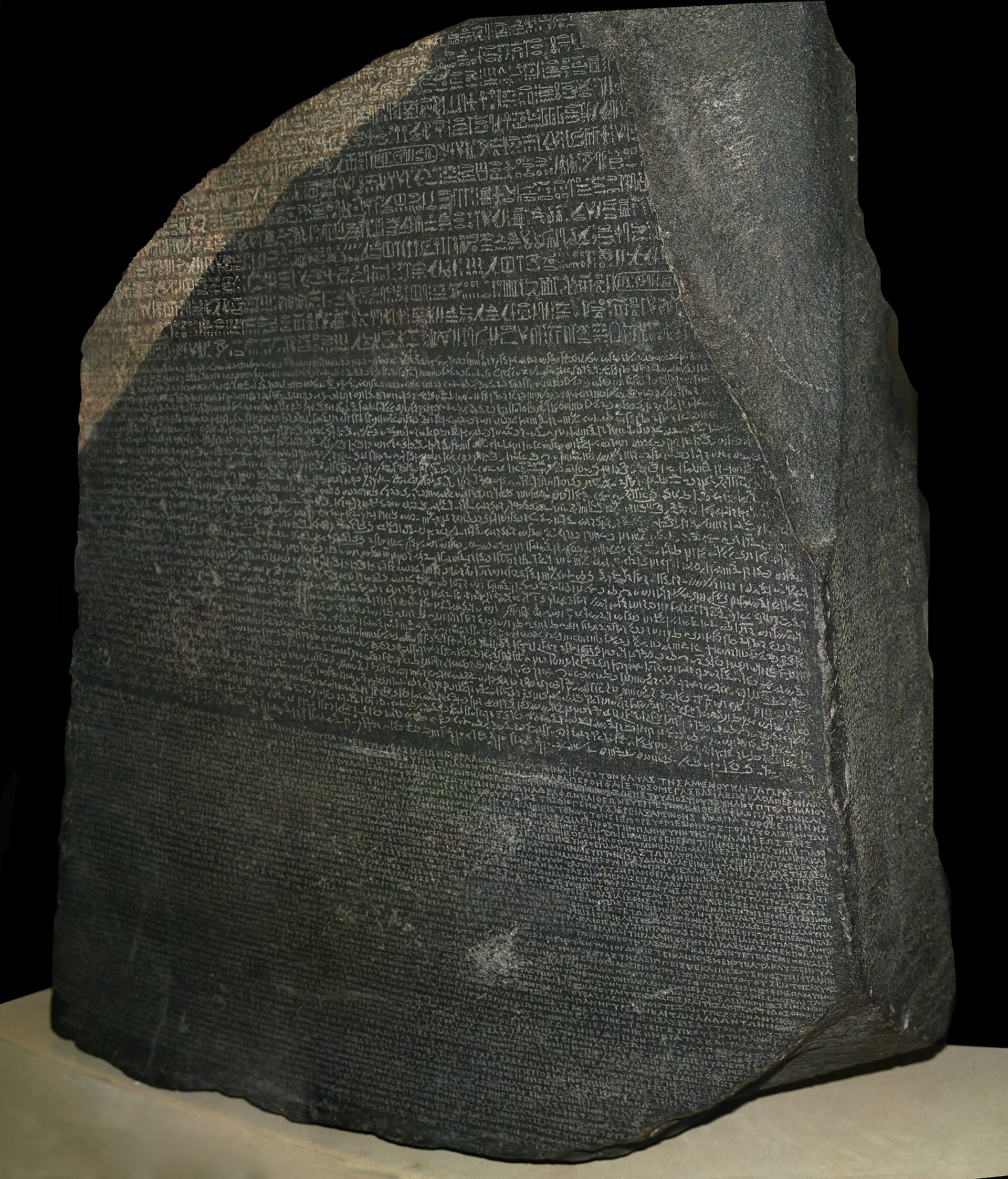
The Rosetta Stone is a fragment of a priestly decree issued at Memphis in 196 BCE and inscribed in hieroglyphs, Demotic and Greek. Found at Fort Julien near Rashid (Rosetta) in July 1799 by soldiers of Napoleon's Egyptian expedition, it passed to the British under the Treaty of Alexandria and reached the British Museum in 1802. Its parallel Greek text let Thomas Young and, decisively, Jean-François Champollion crack hieroglyphic writing — Champollion announcing the decipherment in Paris on 27 September 1822. The stone remains one of the British Museum's most famous objects, and Egypt has repeatedly called for its return.
Overview
The Rosetta Stone is a fragment of a larger slab, made of granodiorite, whose surface carries an inscribed decree. It is displayed at the British Museum in London.
1. Physical Description
| Attribute | Value | Source |
|---|---|---|
| Material | Granodiorite | smith-deciph |
| Length | 112.3 cm | wh-rosetta |
| Width | 75.7 cm | wh-rosetta |
| Thickness | 28.4 cm | wh-rosetta |
| Lines of hieroglyphic text | 14 | napoleon-journey |
| Lines of Demotic text | 32 | napoleon-journey |
| Lines of Greek text | 54 | napoleon-journey |
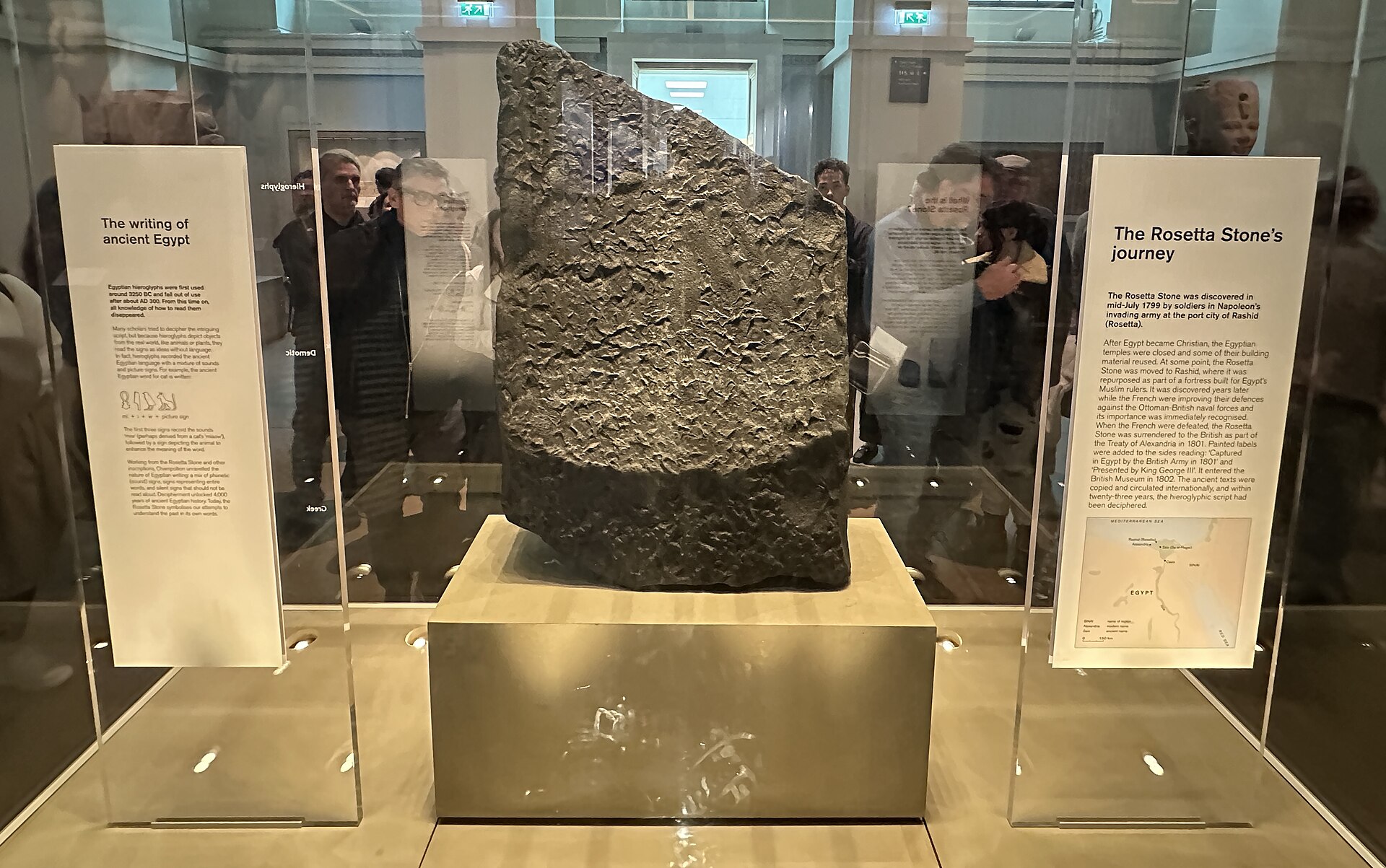
Portions of the stela are missing — especially the two top corners and the bottom right corner — and as a result none of the texts are complete 3Rosetta Stone · World History Encyclopedia ↗. The broken side bears an English inscription reading 'CAPTURED BY THE BRITISH ARMY IN 1801; PRESENTED BY KING GEORGE III' 4A History of the World in 100 Objects, Episode 33: Rosetta Stone (transcript) · BBC Radio 4 ↗.
2. The Decree and Its Content
The inscription on the Rosetta Stone is a decree issued by a council of priests assembled at Memphis, affirming the royal cult of Ptolemy V Epiphanes. The decree of the priests of Memphis, as translated from the hieroglyphic text, was promulgated in the 9th year of the reign of Ptolemy V.
The inscriptions set forth that Ptolemy V Epiphanes consecrated revenues of silver and corn to the temples, suppressed certain taxes and reduced others, and granted privileges to the priests and soldiers. The decree records that the king quashed Egypt's enemies, including a campaign against an enemy fortress that fell after canals were dammed to block the city's water supply. The decree states that the king forgave the prisoners who were in prison and ordered that every one among them should be released.
To honour these deeds, a statue of the king wearing ten gold diadems was to be set up in all temples, titled 'Ptolemy Defender of Egypt' and attended to by priests three times a day. Budge's translation of the closing order provides that the decree be inscribed upon a stele of hard stone in the writing of the words of the gods and the writing of the books.
3. Scripts and Languages
The text of the Rosetta Stone is written in two languages, Egyptian and Greek, and in three writing systems: hieroglyphic, Demotic and Ancient Greek.
The decree was one of many mass-produced stelae designed to disseminate an agreement issued by a council of priests in 196 BC; copies have been found in other museums.
4. Discovery and Acquisition
The stone was discovered at Fort Julien (Fort Saint Julien) near Rashid (Rosetta) in the Nile Delta, Egypt, by Pierre-François Bouchard on 15 July 1799. The most accepted account is that it was found by accident by soldiers in Napoleon's army digging foundations for an addition to a fort.
Bouchard's commanding officer General Menou had it sent to Alexandria, where casts and copies were made. On Napoleon's defeat the stone became British property under the Treaty of Alexandria of 1801; it was shipped to England, arrived in Portsmouth in February 1802, and was presented to the British Museum later that year.
Menou tried claiming the stone as private property but was forced to give it up. During the First World War in 1917 the Museum moved the stone to safety along with other portable important objects; it spent two years in a station on the Postal Tube Railway 50 feet below Holborn.
At some point the stone was moved from the temple at Sais in the Nile Delta to el-Rashid, or the town of Rosetta, about 40 miles away. Around 1470 builders constructing a fort a few miles northwest of the port town of Rashid incorporated the fragment into a wall, where it remained until July 1799 and was then identified as an object of significance by a member of a French team tasked with rebuilding the fort.
5. Decipherment
When the Rosetta Stone was discovered, nobody knew how to read ancient Egyptian hieroglyphs. Because its inscriptions say the same thing in three different scripts, and because scholars could still read Ancient Greek, the stone became a valuable key to deciphering the hieroglyphs.
In the early 1820s the Egyptian language text was fully deciphered by the French scholar Jean-François Champollion, who discovered that the hieroglyphics were a mixture of alphabetic, determinative and syllabic elements. The full significance of Egyptian hieroglyphs, lost for 1600 years, was finally re-discovered.
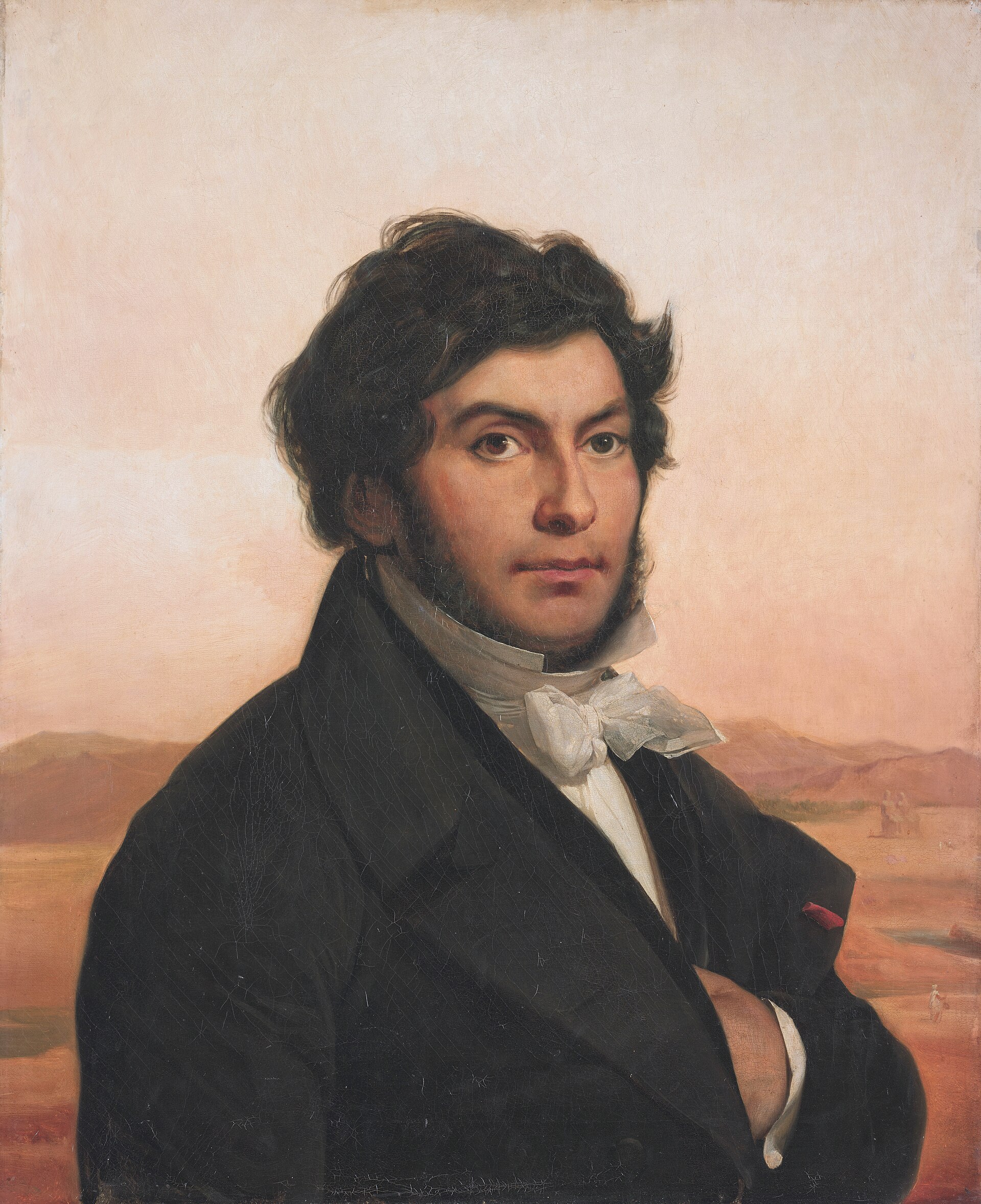
Champollion made a second crucial breakthrough by realising that the alphabetic signs were used not only for foreign names but also for Egyptian names. Together with his knowledge of Coptic, this allowed him to begin reading hieroglyphic inscriptions fully.
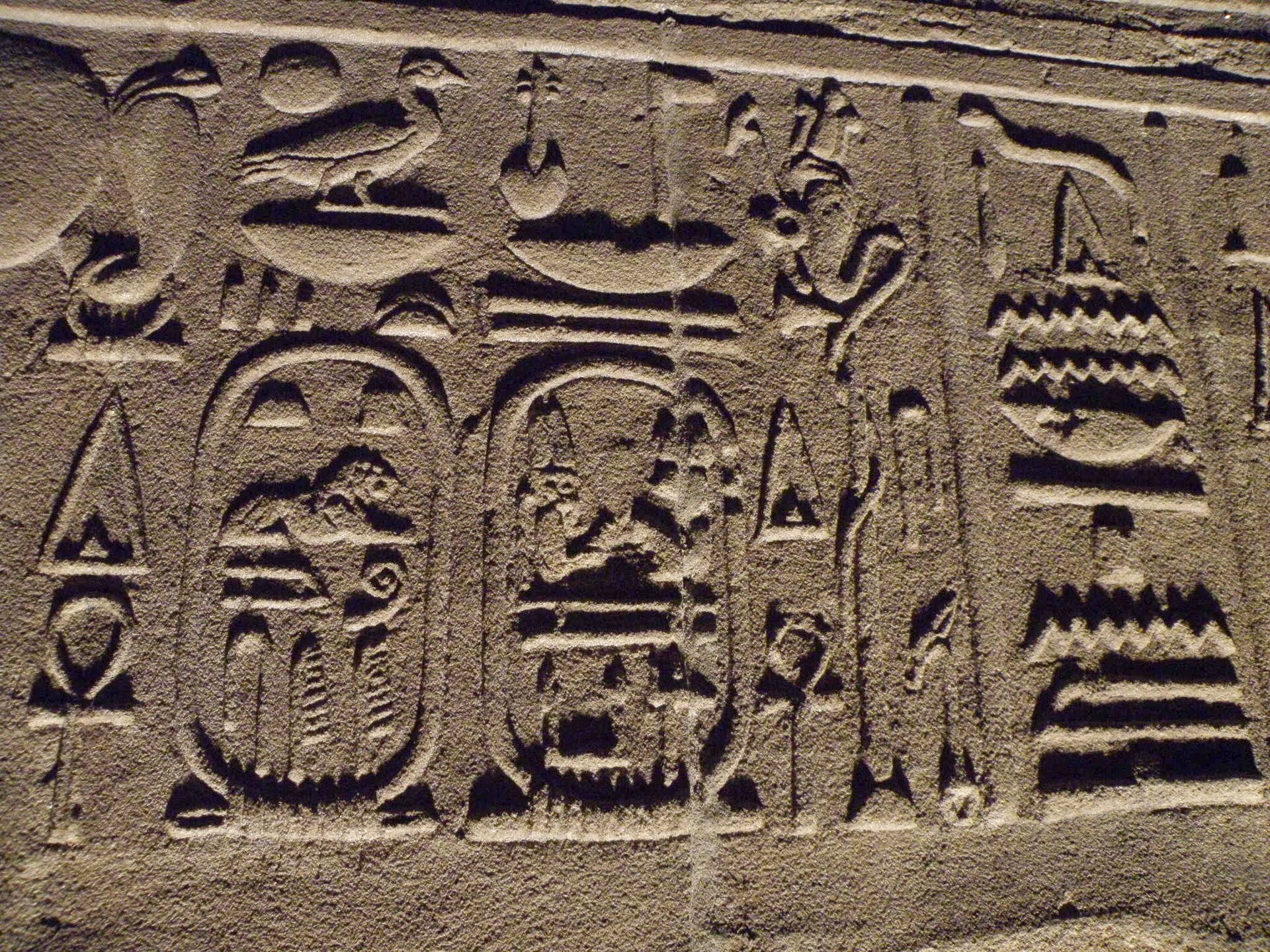
The Englishman Thomas Young first identified some of the hieroglyphs relating to Ptolemy V Epiphanes. Having become interested in Egyptology, Young began studying the texts of the Rosetta Stone in 1814 and, after obtaining additional hieroglyphic writings from other sources, succeeded in providing a nearly accurate translation within a few years. Concentrating on the Demotic script, he realised it could provide the key to understanding the hieroglyphs, his eventual success in deciphering Demotic proving invaluable to Champollion. Young deciphered the cartouche as the name of Ptolemy, proving the long-held assumption that cartouches were the names of royalty, and by examining the direction in which the bird and animal characters faced he also discovered the way hieroglyphic signs were to be read.
Champollion's later career saw him appointed curator of the Egyptian collection at the Louvre in 1826 and given a chair of Egyptian antiquities, created specially for him, at the Collège de France in 1831. He set out on his long planned voyage to Egypt in July 1828 and returned in March 1830 with a fine collection of antiquities and copies of inscriptions filling about two thousand pages. The journey wrecked his health, and he died in Paris on 4 March 1832 at the age of 41 after a string of heart attacks.
6. Significance and Legacy
Egyptologist John Ray of Cambridge University, author of The Rosetta Stone and the Rebirth of Ancient Egypt, says the Rosetta Stone is really the key, not simply to ancient Egypt, but the key to decipherment itself.
Champollion also established that the hieroglyphic text of the Rosetta Stone was a translation from the Greek, not the reverse. As Ray explains, Champollion had a lot of enemies and a lot of people who were simply jealous of him, so it was really a generation before anybody was certain that he had got it right.
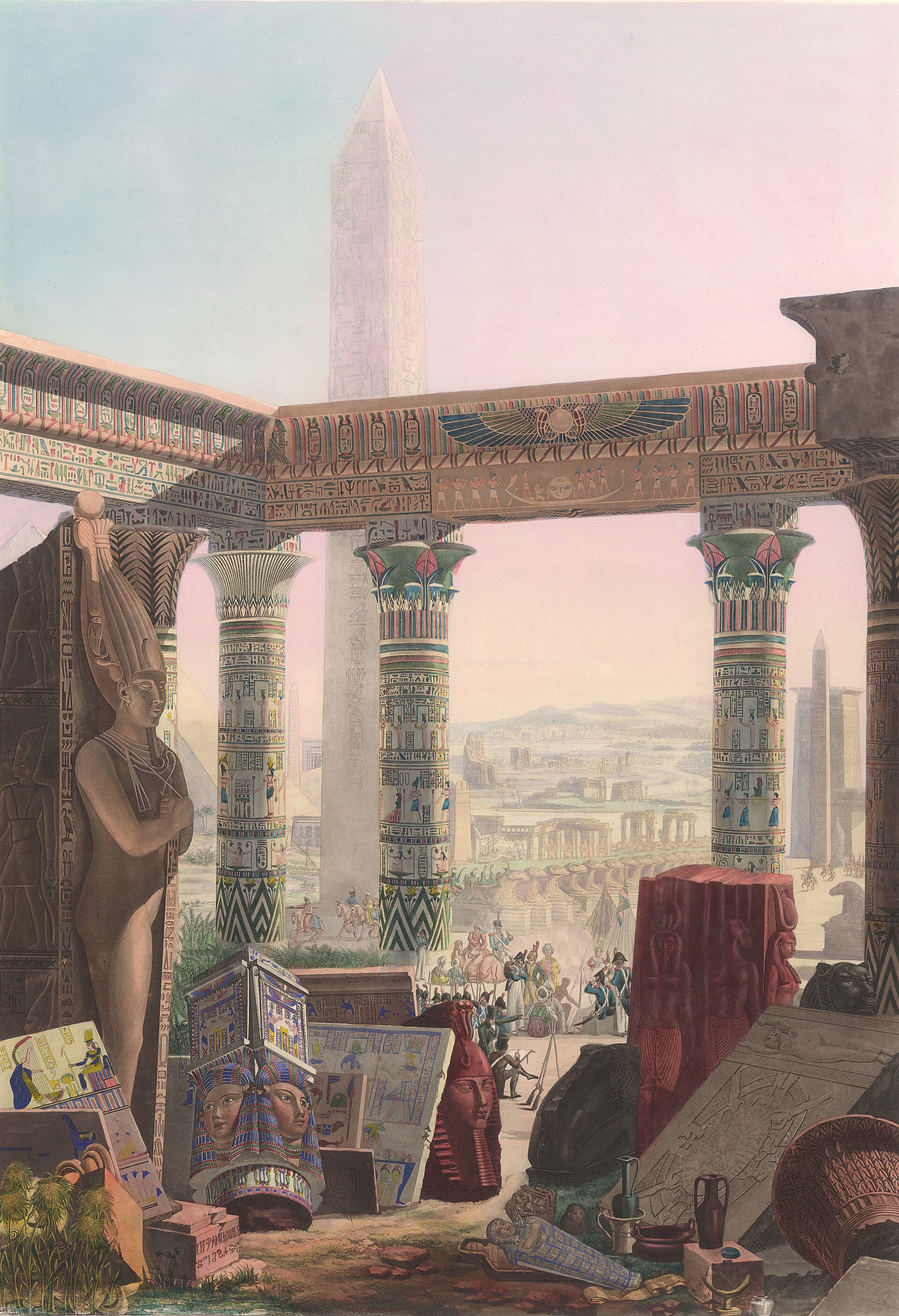
The Rosetta Stone remains one of the most famous objects in the British Museum and, with the mummies, the most popular one. Egypt has repeatedly called for its return.
7. Key Dates
-
196 BCEDecree issuedA fragment of a larger slab erected at an Egyptian temple during the reign of Ptolemy V bears a decree issued by a council of Egyptian priests on the anniversary of Ptolemy's coronation.1Two Hundred Years Ago, the Rosetta Stone Unlocked the Secrets of Ancient Egypt · Smithsonian Magazine ↗
-
1801Treaty of AlexandriaOn Napoleon's defeat the stone became the property of the British under the terms of the Treaty of Alexandria.7Everything you ever wanted to know about the Rosetta Stone · The British Museum ↗
-
February 1802Arrival in PortsmouthThe stone was shipped to England and arrived in Portsmouth in February 1802, and was presented to the British Museum later that year.7
-
27 September 1822Champollion's announcementOn Friday 27 September 1822 Champollion announced his discovery, based on analysis of the Rosetta Stone and other texts, in a paper at the Académie des Inscriptions et Belles Lettres in Paris.7
-
13 October 2022Bicentenary exhibition opens at the British MuseumThe Rosetta Stone features alongside other objects that helped scholars decipher hieroglyphs in the exhibition 'Hieroglyphs: unlocking ancient Egypt'.1
8. Timeline: from the Memphis decree to the bicentenary
- 196 BCEThe Memphis decree is issuedA council of priests meeting at Memphis issues a decree affirming the royal cult of the young Ptolemy V and orders copies inscribed on stelae in hieroglyphs, Demotic and Greek; the Rosetta Stone is one of these copies.
- 1798Napoleon's Egyptian expedition beginsNapoleon Bonaparte invades Egypt with an army and a team of scholars, instructing them to seize important cultural artifacts for France.
- 15 July 1799The Rosetta Stone is found at Fort JulienSoldiers of Napoleon's army discover the stone by accident while digging the foundations of an addition to a fort near Rashid (Rosetta) in the Nile Delta.
- July 1799The find is published in CairoThe discovery is published in the Courier de l'Egypte, which describes the stone and suggests it may prove to be the key to understanding hieroglyphic characters.
- 1801The Treaty of Alexandria cedes the antiquitiesThe terms of the Treaty of Alexandria, signed by the French, British and Egyptian generals, include the handing over of antiquities, and the Rosetta Stone is one of them.
- February 1802The stone reaches EnglandThe Rosetta Stone is shipped to England, arrives in Portsmouth in February 1802, and goes on view at the British Museum later that year.
- 1814Thomas Young studies the stoneHaving become interested in Egyptology, the English physician and physicist Thomas Young begins studying the texts of the Rosetta Stone.
- 1819Young's Egypt article is publishedYoung's work on the Rosetta Stone and Egyptian scripts, contributed to the Supplement of the Encyclopaedia Britannica, obtains great celebrity in Europe.
- 27 September 1822Champollion announces the deciphermentChampollion announces his discovery, based on analysis of the Rosetta Stone and other texts, in a paper at the Académie des Inscriptions et Belles Lettres in Paris.
- 1824The Précis is publishedChampollion publishes the Précis du système hiéroglyphique des anciens Égyptiens, setting out his system of hieroglyphic decipherment.
- 1826Champollion becomes curator at the LouvreChampollion is appointed curator of the Egyptian collection at the Louvre.
- July 1828Expedition to EgyptChampollion sets out on his long planned voyage to Egypt and returns in March 1830 with a fine collection of antiquities and copies of inscriptions filling about two thousand pages.
- 1831Chair of Egyptian antiquitiesA chair of Egyptian antiquities is created specially for Champollion at the Collège de France.
- 4 March 1832Champollion diesChampollion dies in Paris at age 41, his health wrecked by years of overwork; his rivals' doubts take a generation to settle, but his system becomes the basis of Egyptology.
- 1917The stone is moved to underground safekeepingConcerned about heavy bombing in London during the First World War, the Museum moves the Rosetta Stone and other portable important objects to a station on the Postal Tube Railway 50 feet below Holborn, where it spends two years.
- 13 October 2022Bicentenary exhibition opens at the British MuseumThe Rosetta Stone features alongside other objects that helped scholars decipher hieroglyphs in the exhibition 'Hieroglyphs: unlocking ancient Egypt'; in Egypt the bicentenary prompts celebrations and calls for the stone's return.
References (14)
- 1Two Hundred Years Ago, the Rosetta Stone Unlocked the Secrets of Ancient Egypt — Smithsonian Magazine Web↩View source
- 2Rosetta Stone — Encyclopaedia Britannica WebView source
- 3Rosetta Stone — World History Encyclopedia Web↩View source
- 4A History of the World in 100 Objects, Episode 33: Rosetta Stone (transcript) — BBC Radio 4 Web↩View source
- 5Translation of the Rosetta Stone — Internet Sacred Text Archive (E. A. Wallis Budge, The Nile: Notes for Travellers in Egypt) WebView source
- 6The Rosetta Stone and the Stele of Canopus (The Rosetta Stone, ch. 1) — Internet Sacred Text Archive (E. A. Wallis Budge, 1893) WebView source
- 7Everything you ever wanted to know about the Rosetta Stone — The British Museum Web↩View source
- 8The Rosetta Stone: A Journey from Alexandria to London — Fondation Napoléon WebView source
- 9Thomas Young — Encyclopaedia Britannica WebView source
- 10The Rosetta Stone: The real ancient codebreakers — BBC Culture WebView source
- 11Jean-François Champollion — Encyclopaedia Britannica WebView source
- 12Young and Champollion (The Rosetta Stone, ch. 4) — Internet Sacred Text Archive (E. A. Wallis Budge, 1893) WebView source
- 13Understanding the Lasting Allure of the Rosetta Stone — Smithsonian Magazine WebView source
- 14Rosetta Stone found — HISTORY.com (A&E Television Networks) WebView source
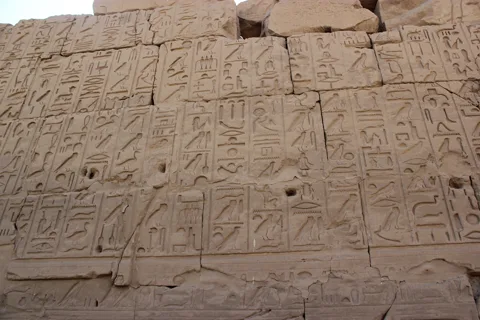 Egyptian Hieroglyphs