Viking Age
The Norse expansion of c. 793-1066 - raids on Lindisfarne and beyond, trade routes from the Baltic to Byzantium, the settlement of Iceland, Greenland and Vinland, the Danelaw and Normandy, Christianization and runestones, and the end of the age at Stamford Bridge.
The Viking Age (c. 793-1066) was the era of Scandinavian expansion that began with the raid on the monastery of Lindisfarne in 793 and ended with Harald Hardrada's defeat at Stamford Bridge in 1066. Norse fleets raided and traded from the British Isles and Francia to the rivers of Russia and the Byzantine Empire, settled Iceland, Greenland and briefly Vinland in North America, and founded the Danelaw, the kingdom of Jorvik and the duchy of Normandy. The period also saw the Christianization of Scandinavia, commemorated on Harald Bluetooth's runestone at Jelling, and it left a rich archaeological record of ships, silver hoards and runestones.
In this article
Definition and Terminology
In Old Norse usage the word viking designated the enterprise of going abroad on raids, and a vikingr was a pirate so engaged; in modern usage the term is applied to medieval Scandinavian culture as it flourished between the 790s and roughly 1000 AD. The term Viking applied only to those who took to the sea for the purpose of acquiring wealth by raiding in other lands, and the word was primarily used by the English writers. Foreigners called the Norse by different names: the French called them Northmen, the Slavs called them the Rus, which gave Russia its name, and the Germans knew them as Ashmen.
Britannica defines the Vikings as raiders, pirates, traders, explorers, and colonizers during the 9th to 11th century who often travelled by sea from Scandinavia and took control of areas of Europe and beyond. The period known as the Viking Age lasted from AD 700 until 1100, and Viking was the name given to the seafarers from Norway, Denmark, Finland and Sweden.
Raids by seaborne Scandinavian pirates on sites in Britain, especially largely undefended monastic sites, began at the end of the eighth century AD.
1. Historical Outline
The first recorded Viking raids on Ireland took place in 795 AD, when islands off the north and west coasts were plundered. Iona was burnt in 802 AD and 68 monks were killed in another raid in 806 AD; the remaining monks fled to Kells with a gospel-book now known as the Book of Kells. Dublin was one of the early fortified bases established by Vikings in 841 AD. Viking forces at times spent the winter at coastal sites beginning in 850, allowing them to start their raids earlier in the year.
In 874 AD the Viking leader Hálfdan conquered Mercia, and in 876 AD he organised a parcelling out of land in Northumbria. Alfred, the only English king to be called the Great, hid in the marshes near Athelney in 878 and then defeated the Vikings later that year at Edington in Wiltshire.
A project at Torksey in Lincolnshire - where the army camped from 872 to 873 - established that the force was very large, in fact far more than a mere army.
The beginning of the Viking period is normally regarded as the year 793 AD, when the first documented Viking attack took place at the monastery on Lindisfarne in Northern England — a devastating attack on the church of St Cuthbert that sent a shockwave through Europe, yet a Christian community survived.
2. Scandinavian Society and Culture
Viking society had developed by the 9th century and included the peoples of what are now Denmark, Norway and Sweden, and from the 10th century Iceland. Danish Viking society was likely divided into three main groups: the elite, free men and women, and thralls (slaves). Although the society was clearly patriarchal, Viking women could initiate divorce and own property, and some exceptional women assumed leadership roles in their home communities.
In the first half of the 10th century the kingdom of Denmark coalesced in Jutland under King Gorm the Old. His son Harald Bluetooth claimed to have unified Denmark and conquered Norway.
3. Ships and Seafaring
Among the war fleet, Skuldelev 2 stands as a great longship with a crew of 65-70 men.
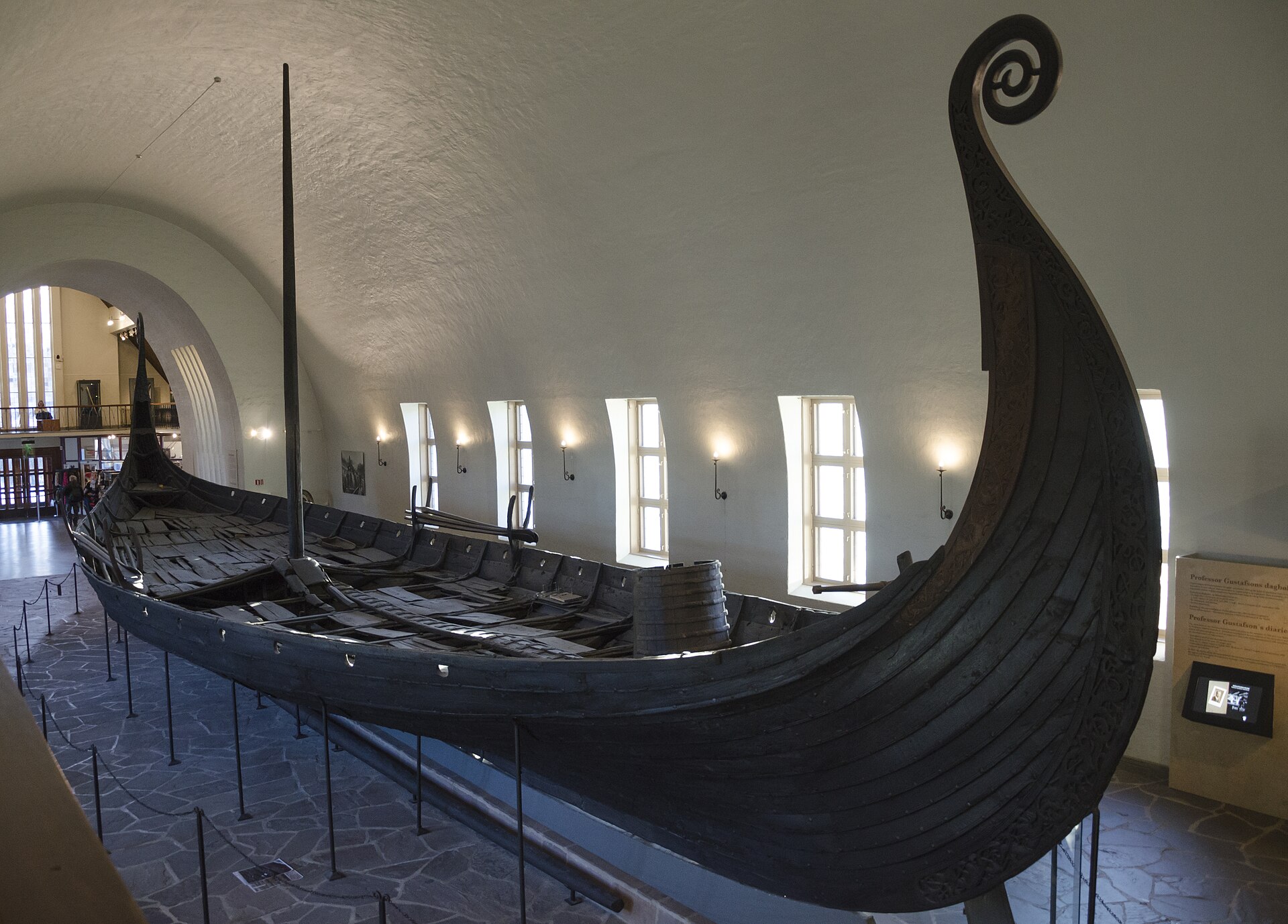
The Viking Ship Museum at Bygdøy in Oslo, part of the Museum of Cultural History at the University of Oslo, contains archaeological finds from the mound cemeteries of Tune, Gokstad, Oseberg and Borre. The first Viking ship to be discovered dates back to AD 900 and was found at Tune near Fredrikstad in 1867; another was found at Gokstad in 1880 and the Oseberg ship was excavated in 1904 near Tønsberg.
The ocean-going cargo ship Skuldelev 1, from Sognefjord in western Norway, was built of heavy pine planks with a rounded form giving high loading capacity and seaworthiness on the North Atlantic.
The ninth-century Gokstad burial in Norway yielded a seagoing craft that was fast, light, maneuverable and flexible; in 1893 an exact replica sailed from Norway to Newfoundland in just 28 days. Skuldelev 3, the best preserved of the five Viking ships found in Roskilde Fjord, is a small, elegant and sturdy trading ship built for Danish coastal waters and the Baltic.
4. Raids and Expansion
Viking expansion moved along four broad axes: the British Isles, Francia, the North Atlantic, and the Baltic-Russian river routes. Raids grew more frequent around the coasts of Britain, Ireland and Francia; by 870 the Danish conquest of the northern, midland and eastern Anglo-Saxon kingdoms had begun.
To the east, expansion reached the Baltic lands and Russia, following river routes toward Byzantium and the East. This push can reasonably be attributed to the Swedes.
Viking Northumbria fell in 954 to the resurgent English.
A few years before the Lindisfarne raid, in 789 three ships of northmen had landed on the coast of Wessex and killed the king's reeve who had been sent to bring them to court.
In 911 the Frankish king Charles III the Simple made the Treaty of St. Clair-sur-Epte with Rollo, ceding him the land around the mouth of the Seine and what is now the city of Rouen.
As traders the Vikings made commercial treaties with the Byzantines in 912 and 945 and served as mercenaries in Constantinople. Harald Hardrada of Norway served the Byzantine Emperor as a mercenary in campaigns in Sicily and Bulgaria, in the imperial Varangian Guard.
In 991 AD the Danes acquired 4,500 kg of silver in return for going home, and by 1012 Danegeld payments had increased to 22,000 kg. Later the Vikings seized land, proclaimed their own rule and exacted heavy tribute, the so-called Danegeld, and they traded in timber, amber, furs and slaves with Byzantine and Arab merchants.
In 865 a force led by the sons of Ragnar Lothbrok conquered the ancient kingdoms of East Anglia and Northumbria and reduced Mercia, and the area of northern and eastern England they inhabited became known as the Danelaw. In 866 they captured York and in 867 took over the southern part of the kingdom of Northumbria.
5. Written Sources and Language
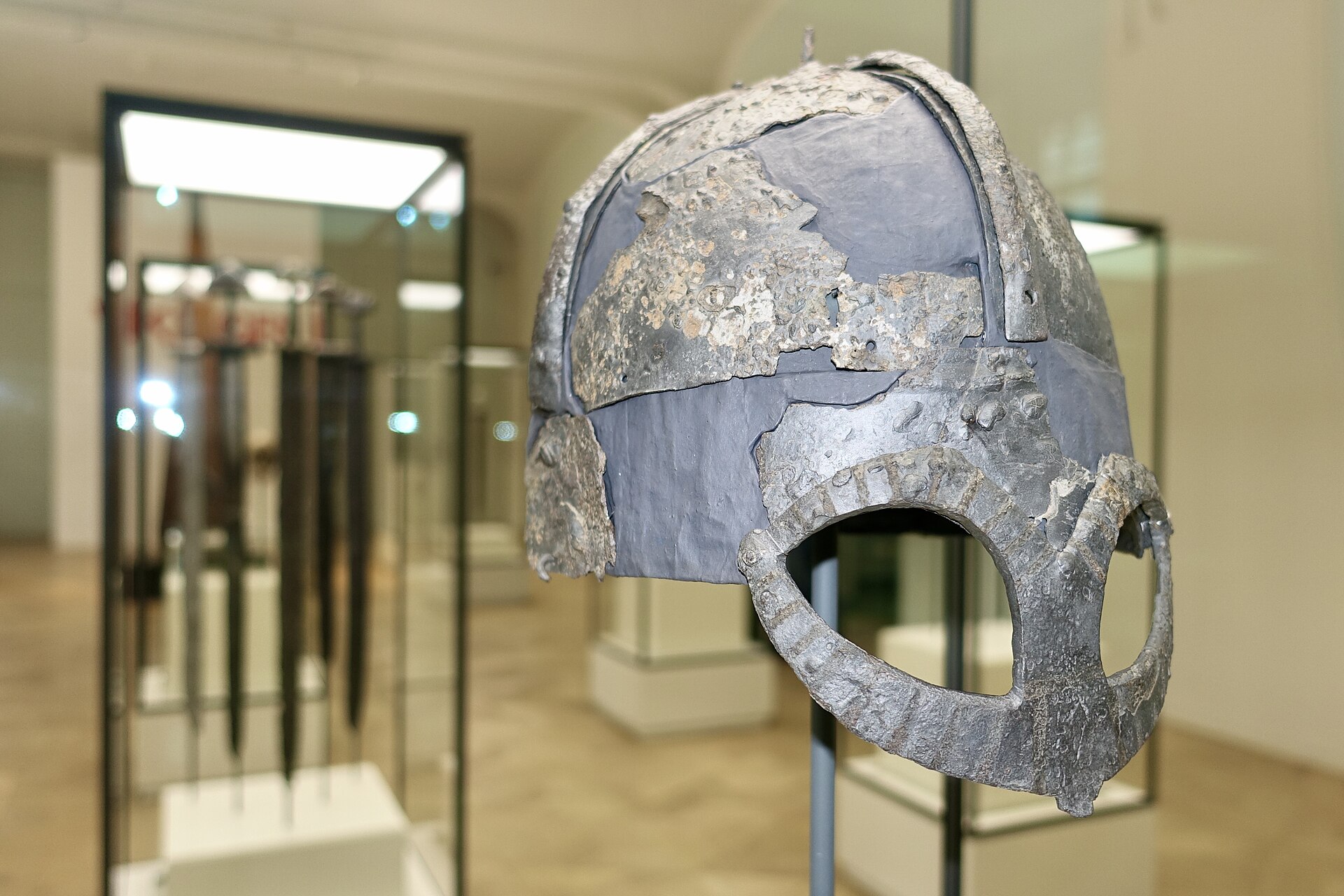
The Vikings themselves wrote short messages in runes on wood and stone, and their language was Old Norse. Knowledge of their movements, however, comes from foreign chroniclers who described their encounters with them. Another important written source is the Royal Frankish Annals, written from 780 AD onwards, which describe the period from 741 to 829 AD — the beginning of the Viking Age.
About 2,500 runestones have been found in Sweden, of which roughly 1,300 are in the Uppland province. Most rune stones were carved in the Viking Age, but runes had been used in Scandinavia many hundreds of years earlier.
6. Religion and Christianization
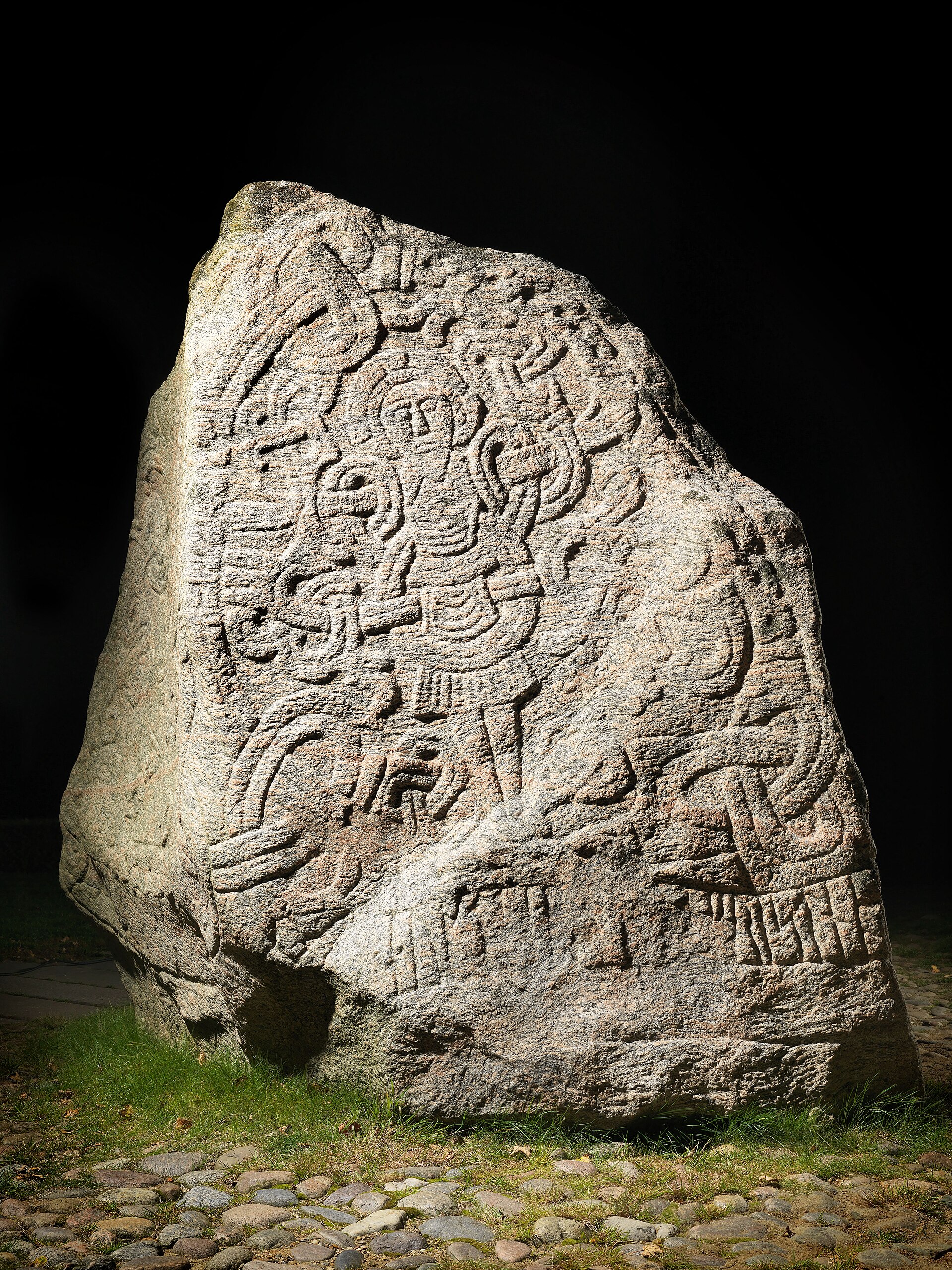
Across the Viking period the pagan Old Norse religion was replaced by Christianity. The large Jelling rune stone is often called Denmark's birth certificate, because Denmark is named in the inscription.
The Christianization of Scandinavia began before Harald Bluetooth's reign: in 826 the Danish King Harald Klak and more than 400 of his retinue were baptized at Mainz in the presence of the Frankish Emperor Louis the Fair.
The decisive milestone in that transition is recorded on Harald Bluetooth's runestone at Jelling, dated to about 965.
7. Exploration and Settlement
Norse seafarers sailed from Scandinavia west to the British Isles and continued exploring until they became the first to cross the Atlantic. In the western seas their expansion touched practically every possible point, with colonies founded from Iceland in Greenland and attempted in North America.
A renegade Icelander named Erik the Red arrived in Greenland in the year 985 at the head of a fleet of 14 longships. The fate of Greenland's Vikings has intrigued and confounded generations of archaeologists, and Europeans did not return to Greenland until the early 18th century, when they found the ruins of the Viking settlements but no trace of the inhabitants.
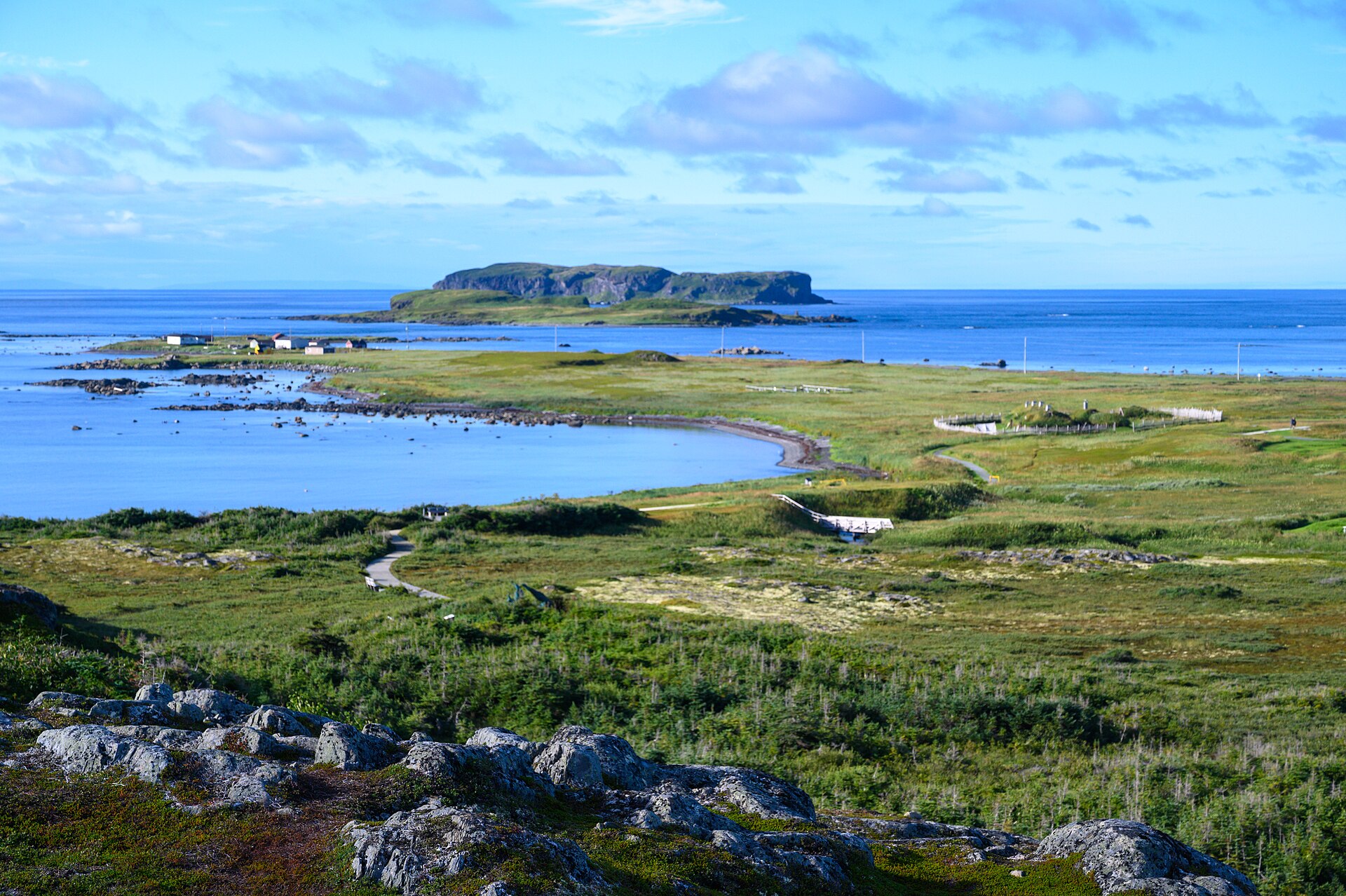
L'Anse aux Meadows in Newfoundland is the first authenticated Norse site found in North America and could be Leif Ericsson's short-lived Vinland camp. Tree-ring evidence from wood felled by Vikings shows that Norse seafarers were on North American soil in the year 1021 C.E., the earliest known crossing of the Atlantic from Europe to the Americas. Some time about AD 1000 Norse seafarers established a base at L'Anse aux Meadows from which they explored southwards, and traces of bog iron and carpentry suggest that boat repair was important.
Starting in the late ninth century, tens of thousands of Vikings arrived in Anglo-Saxon England, first as the Viking Great Army and later as a massive wave of settlers.
The nonmilitary colonization of the Orkney Islands, the Faroe Islands and Iceland was clearly accomplished by the Norwegians. Founded at Thingvellir in southwestern Iceland around 930, the Althing is one of the oldest national parliaments in the world.
8. Decline and Legacy
His claim to the English throne rested on the division of the North Sea empire created by Cnut the Great, who had won the crowns of England and Norway through war and conquest.
While no clear line can be drawn, the Viking era had ended by the middle of the 11th century, and the centralization of temporal power contributed significantly to the decline of the Vikings.
The Normans, whose name derives from the Latin Nortmanni, meaning Northmen, were originally pagan barbarian pirates from Denmark, Norway and Iceland who from the 8th century made destructive plundering raids on European coastal settlements. Within a generation the Vikings, or Normans as they came to be known, had extended their rule westward to the districts of Lower Normandy.
Several Viking bases, including Dublin, Waterford, Limerick, Cork and Wexford, grew into Ireland's first towns during the 10th century. Vikings and their descendants had a profound impact on Ireland from their first appearance just before 800AD until after 1150AD, helping transform it economically, culturally and politically.
The Viking Age in England closed on 25 September 1066, when Harold marched rapidly north, covering over 175 miles in less than a fortnight, and fell upon the unsuspecting Harald Hardrada at Stamford Bridge; by the battle's end Harold had won a great victory, Hardrada was dead and Tostig was killed too.
9. Timeline: from Lindisfarne 793 to Stamford Bridge 1066
- 8 June 793Viking raid on LindisfarneViking pirates attacked the monastery of Lindisfarne, a devastating attack on the church of St Cuthbert that sent a shockwave through Europe.
- 795 ADFirst recorded Viking raids on IrelandIslands off the north and west coasts of Ireland were plundered in the first recorded Viking raids on the country.
- 802 ADIona burntIona was burnt in 802 AD, and 68 monks were killed in another raid in 806 AD.
- 865 ADViking Great Army arrives in EnglandTens of thousands of Vikings flowed into northern England; the Anglo-Saxon Chronicle records that a great heathen force took winter-quarters in East Anglia, where they were horsed and made peace.
- 866 ADYork capturedThe Viking army captured York in 866 AD and in 867 AD took over the southern part of the kingdom of Northumbria.
- 878 ADEdington and the DanelawWessex under Alfred the Great made a truce in 878 that led to Danish control of much of England.
- 911Rollo settles in NormandyThe Frankish king Charles III the Simple made the Treaty of St. Clair-sur-Epte with the Viking leader Rollo, ceding him the land around the mouth of the Seine.
- c. 930Althing founded at ThingvellirThe general assembly of Iceland was founded at Thingvellir around 930 and is one of the oldest national parliaments in the world.
- c. 965Harald Bluetooth's Jelling stoneKing Harald Bluetooth erected the large rune stone at Jelling recording that he unified Denmark and made the Danes Christian.
- 985Erik the Red settles GreenlandThe renegade Icelander Erik the Red arrived in Greenland in a fleet of 14 longships.
- c. 1000Norse base at L'Anse aux MeadowsNorse seafarers established a base at L'Anse aux Meadows from which they explored southwards; traces of bog iron suggest that boat repair was an important activity.
- 1016-1035Cnut rules EnglandCnut the Great was king of England from 1016 to 1035 and of Denmark from 1018; his North Sea empire left a claim to the English throne that Harald Hardrada later inherited.
- 1021 C.E.Exact year of Norse presence in NewfoundlandTree-ring evidence shows that wood was felled at L'Anse aux Meadows in 1021 C.E., the earliest known crossing of the Atlantic from Europe to the Americas.
- 25 September 1066Battle of Stamford BridgeHarold Godwinson fell upon the unsuspecting Harald Hardrada; Hardrada and Tostig were killed and, of the 300 ships, only 20 were needed to ferry the survivors home.
- October 1066Defeat at HastingsHarold marched south to confront William of Normandy and was defeated at Hastings; 1066 is the accepted date for the end of the Viking Age.
References (23)
- 1The Vikings (780-1100) — The Metropolitan Museum of Art, Heilbrunn Timeline of Art History WebView source
- 2Vikings — World History Encyclopedia WebView source
- 3Viking — Encyclopaedia Britannica WebView source
- 4Viking ships — Royal Museums Greenwich WebView source
- 5Overview: The Vikings, 800 to 1066 — BBC WebView source
- 6The Viking Age in Ireland — National Museum of Ireland WebView source
- 7The Viking Great Army — Archaeology Magazine (Archaeological Institute of America) 2018 WebView source
- 8Robbery of churches and monasteries — National Museum of Denmark WebView source
- 9The Viking Raid on Lindisfarne — English Heritage WebView source
- 10Denmark: The Viking era — Encyclopaedia Britannica WebView source
- 11The five Viking ships - The Skuldelev Ships — Viking Ship Museum, Roskilde WebView source
- 12Welcome to the Viking ship museum — Museum of Cultural History, University of Oslo WebView source
- 13Viking summary — Encyclopaedia Britannica WebView source
- 14Norman — Encyclopaedia Britannica WebView source
- 15Fulford and Stamford Bridge: The Northern Battles of 1066 — English Heritage WebView source
- 16Written sources — National Museum of Denmark WebView source
- 17Runes — Swedish History Museum (National Historical Museums) WebView source
- 18The Viking Age — National Museum of Denmark WebView source
- 19The Jelling Stone — National Museum of Denmark WebView source
- 20New Dating Method Shows Vikings Occupied Newfoundland in 1021 C.E. — Smithsonian Magazine WebView source
- 21Why Did Greenland's Vikings Vanish? — Smithsonian Magazine WebView source
- 22L'Anse aux Meadows National Historic Site — Parks Canada WebView source
- 23Althing — Encyclopaedia Britannica WebView source