Pearl
The story of pearl, the organic gem grown by mollusks: the nacre that builds it from aragonite tablets and conchiolin, the natural and cultured ways it forms, the Akoya, South Sea, Tahitian and freshwater varieties, the Gulf pearling economy of Bahrain and Qatar that the cultured pearl ended in the 1930s, Mikimoto and the birth of the cultured pearl industry, the GIA value factors, and the famous pearls from La Peregrina to the record auctions of the twenty-first century.
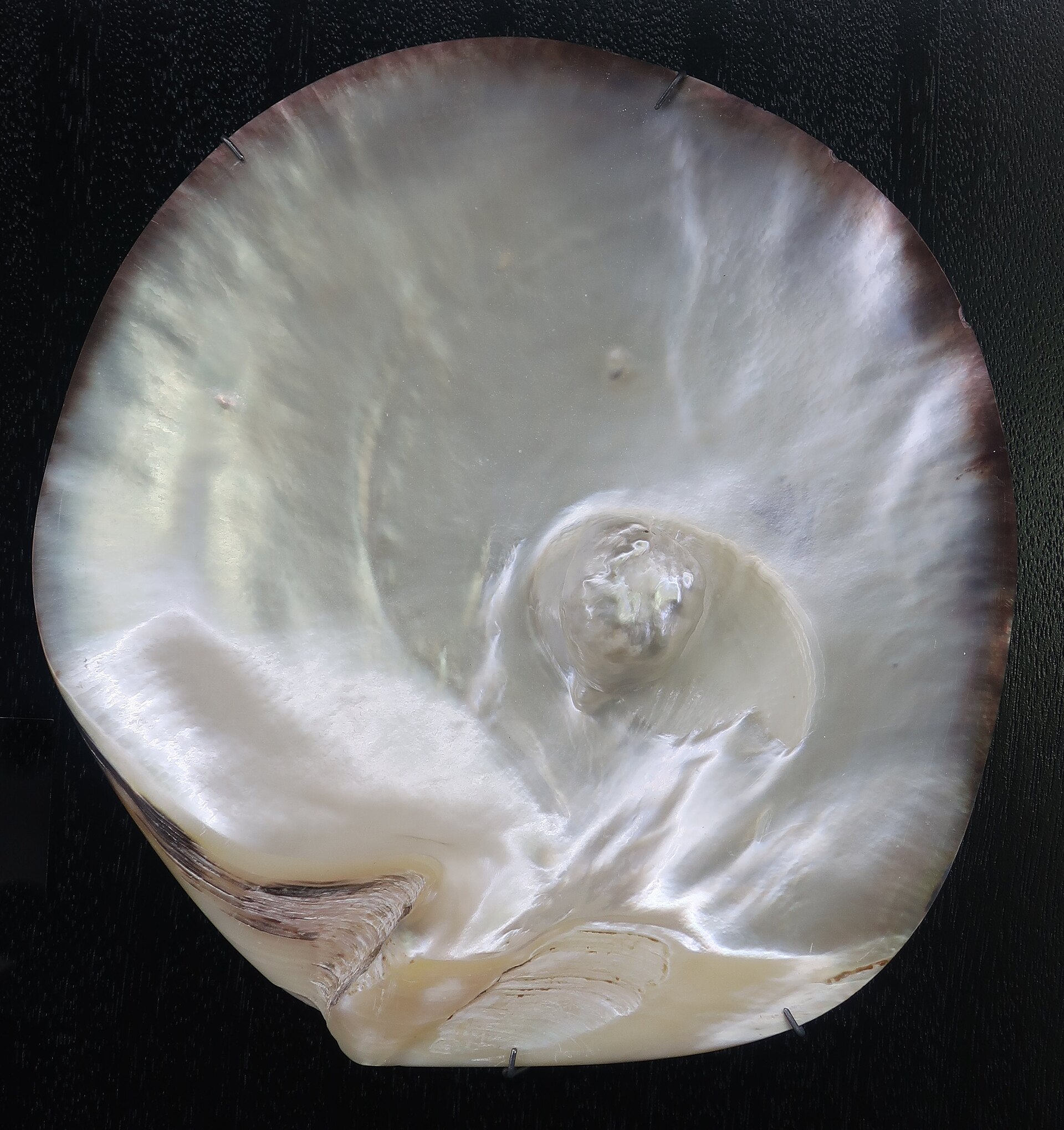
A pearl is an organic gem secreted by a mollusk: concentric layers of nacre, about 95 percent calcium carbonate in the form of aragonite tablets and 5 percent organic matrix, grown around a microscopic irritant or, in cultured pearls, around a bead or piece of mantle tissue inserted by a technician. Natural pearls are rare, forming in perhaps fewer than one in a thousand wild oysters, but cultured pearls have been farmed since Kokichi Mikimoto harvested the first semi-circular pearls in 1893 and the first perfect rounds in 1905, transforming a Gulf industry that had dominated the region's economy from the 2nd century until its collapse in the 1930s. Today Akoya, South Sea, Tahitian and freshwater pearls are classified by the GIA 7 Pearl Value Factors of size, shape, color, luster, surface, nacre and matching, while historic pearls such as La Peregrina trace five centuries of collecting.
In this article
- 1Overview
- 2Composition and Physical Properties
- 3Nacre Structure and Formation
- 4Natural and Cultured Formation
- 5Types of Cultured Pearls
- 6Quality Factors
- 7Identification and Testing
- 8Pearl Diving and the Gulf Trade
- 9Decline of the Gulf Industry
- 10Pearling Heritage in the Gulf
- 11Notable Pearls and Modern Regulation
- 12Pearl in the United States
- 13Cultural and Historical Timeline
- 14Timeline: from the first pearl records to the cultured pearl industry
- 15Knowledge graph
Overview
Pearl is a biogenic gem material whose nacreous layer consists of about 95 percent calcium carbonate and 5 percent organic matrix. It forms in the bodies, or mantle tissue, of certain mollusks, usually around a microscopic irritant and always without human help in the natural case. This article treats the composition and structure of pearl, the distinction between natural and cultured formation, the principal cultured types, the factors that determine value, and the history and cultural heritage of pearling.
1. Composition and Physical Properties
The nacreous layer of a pearl is a composite material whose mineral phase is dominated by aragonite, the same calcium carbonate polymorph that gives nacre its characteristic architecture. At the nanoscale each structural brick is itself a composite of aragonite mineral incorporating organic fibres, while the mortar between the bricks is a composite of chitin crystals embedded in a proteinaceous matrix. The organic matrix thus supplies both the framework and the chemical environment in which mineral growth is initiated and controlled. The resulting tablets are mostly hexagonal, about 0.5 micrometres thick and 3 to 5 micrometres across.
The arrangement of these tablets differs between molluscan groups. In bivalves nacre has the structure of a brick wall, with the tablets in each layer offset relative to the layers above and below, whereas in gastropods the tablets are piled one on top of another.
| Property | Value |
|---|---|
| Mohs hardness | 2.5 to 3.0 |
| Specific gravity | 2.60 to 2.85 |
| Refractive index | 1.52 to 1.69 |
2. Nacre Structure and Formation
Nacre possesses a complex hierarchical microarchitecture that includes columnar architectures and sheet tiles, mineral bridges, polygonal nanograins, nanoasperities, plastic microbuckling, crack deflection and interlocking bricks. This architecture gives nacre a fracture toughness far exceeding that of monolithic aragonite, together with a marked capacity for energy absorption. In molluscan shells the nacreous layer sits within a three-layer structure comprising the periostracum, a prismatic calcite layer and an inner nacreous aragonite layer.
The formation of nacre proceeds through four steps: assembly of the matrix, initial formation of the mineral phase, nucleation of individual aragonite tablets, and growth into mature aragonite crystals. Mantle epithelial cells absorb calcium and carbonate from the extrapallial fluid into vesicles, forming amorphous calcium carbonate granules. A basic tenet in biomineralization is that biominerals grow by accretion of amorphous particles, which are later transformed into the corresponding mineral phase.
For Tahitian cultured pearls the thickness of this deposited nacre can be assessed free of charge upon registration for producers, and on request for a fee under certain conditions.
3. Natural and Cultured Formation
Natural pearls are a rarity of biology rather than manufacture: in the wild fewer than one in a thousand oysters produce a pearl during their lifetime. The earliest recorded mention of pearls is dated 2206 BC when a Chinese historian wrote about them for the first time.
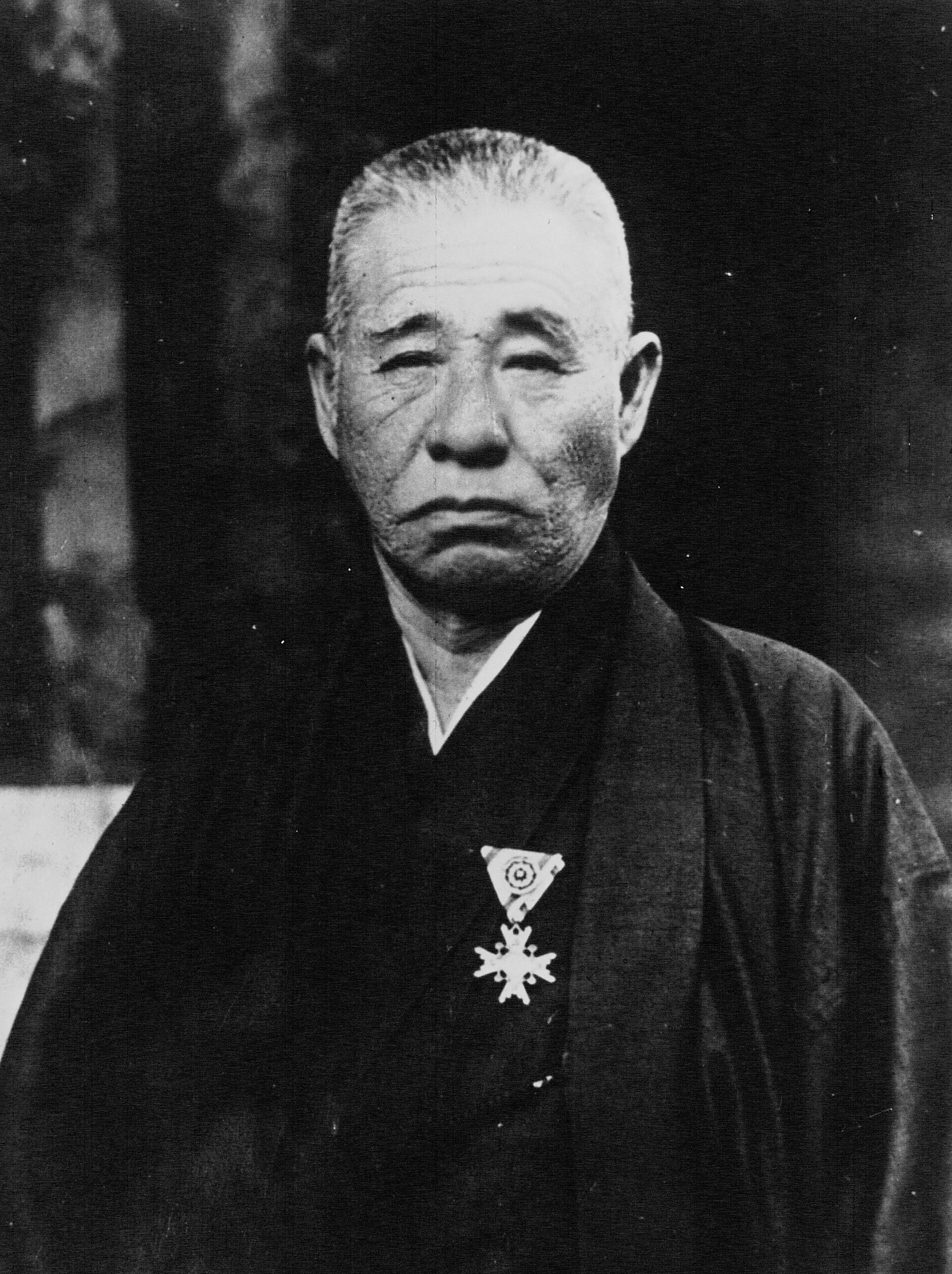
Culturing begins with human intervention. In 1893 five semi-circular cultured pearls were harvested, and in 1905 Mikimoto succeeded in culturing perfect round pearls. Kokichi Mikimoto was born in 1858 and began his pearl culturing work in 1888 at the age of thirty. In 1927 during a tour of the United States and Europe Kokichi met Thomas Edison, who remarked that it was one of the wonders of the world that he was able to culture pearls.
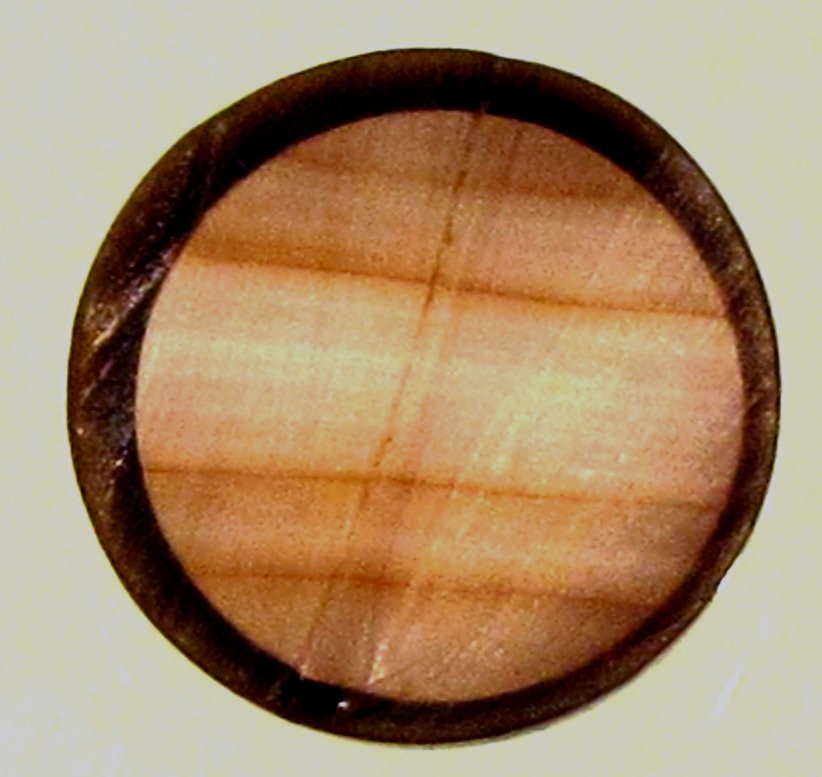
The cultured pearl industry reshaped the trade in ways that reached far beyond Japan. In 1921 an article was published in a London newspaper claiming that cultured pearls sold by a Japanese merchant were only imitations, and the attack developed into a lawsuit known as the Paris trial, which Mikimoto eventually won in a French court. Bahrain's pearling activity suffered a sudden and catastrophic demise in the 1930s as a result of the development in Japan of cultured pearls from freshwater mussels.
4. Types of Cultured Pearls
| Type | Typical size | Color and character | Principal sources |
|---|---|---|---|
| Akoya | typically less than 9.00 mm | usually round, white or cream with pink overtone and high luster | |
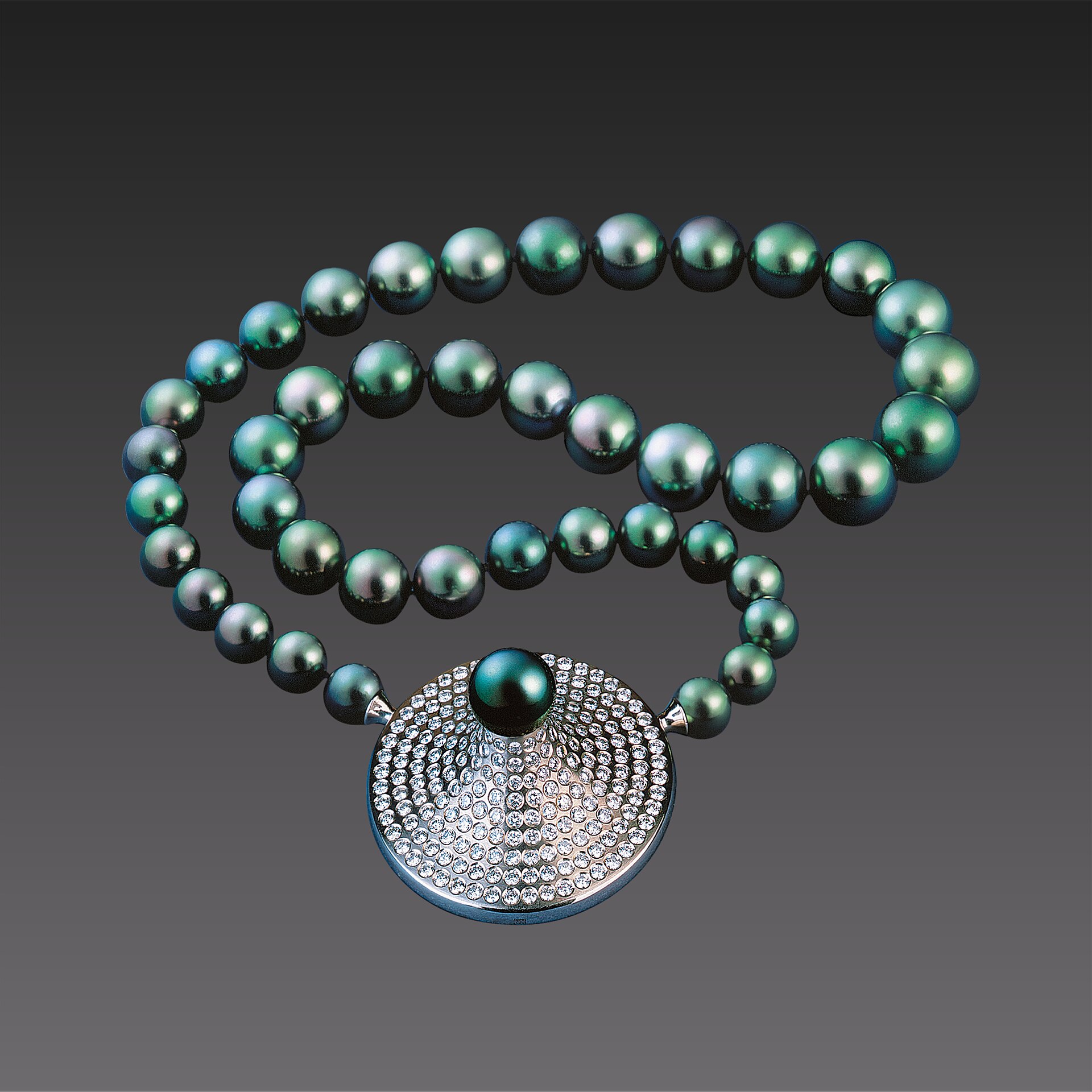
| Tahitian | 8.00 mm to 14.00 mm | dark cool colors, most common greenish gray, sometimes called black pearls | primarily around the islands of French Polynesia |
| South Sea | 8.00 mm to 18.00 mm | largest, white or golden shades | Australia, Indonesia, Philippines |
| Freshwater | wide range of pastel colors, primarily pink and orange variations | cultured in lakes and ponds, often many pearls per oyster | China the leading source |
These four are the major types of cultured whole pearls.
5. Quality Factors
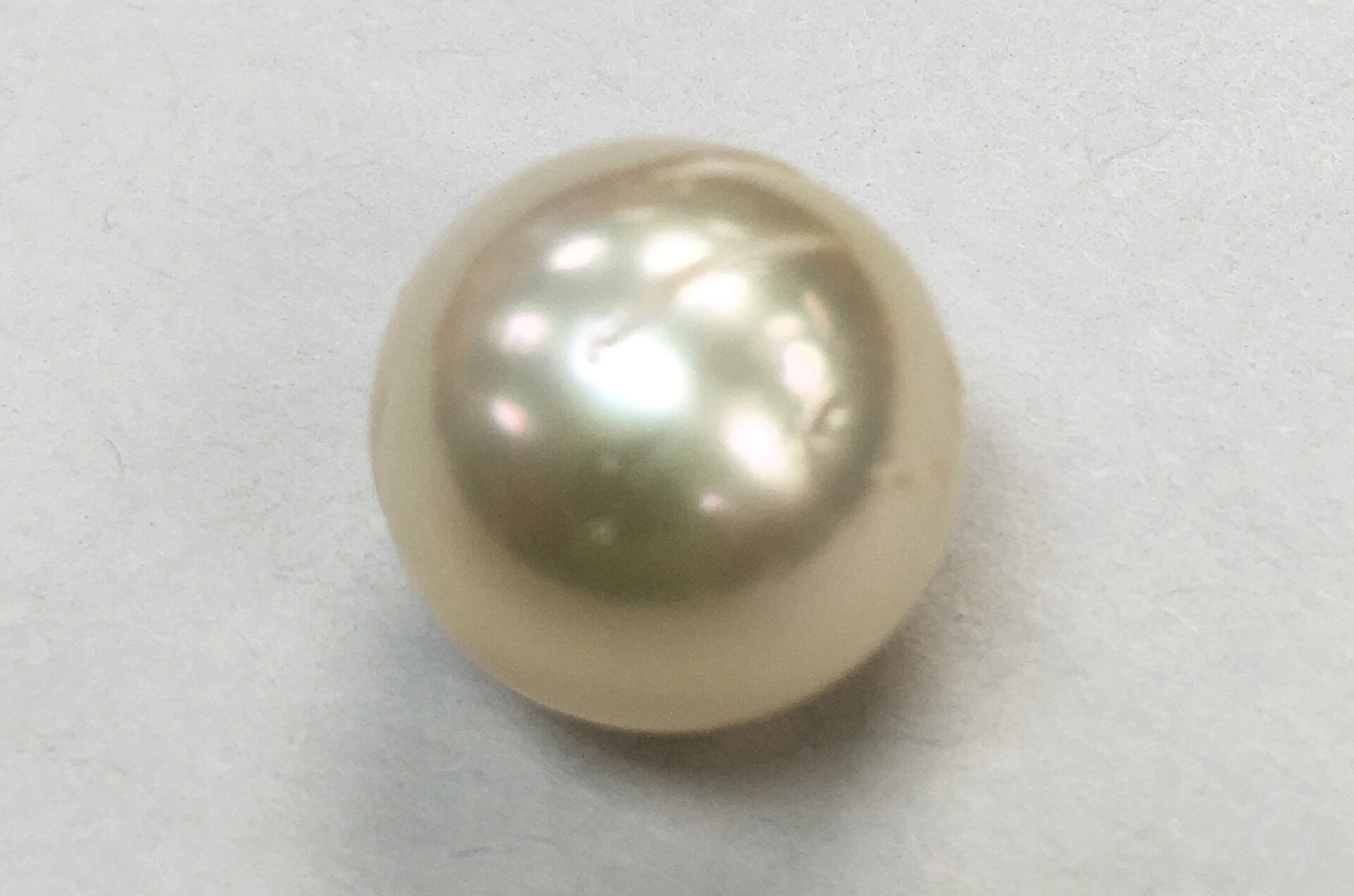
The qualities that determine the overall value of a natural or cultured pearl, or a piece of pearl jewellery, are size, shape, color, luster, surface quality, nacre quality and, for multi-pearl pieces, matching. Larger pearls are rarer and more valuable when other factors are equal. Round is the most difficult shape to culture, which makes it the rarest cultured pearl shape and generally the most valuable when other factors are equal.
Color comprises bodycolor, overtone and orient. Of the seven pearl value factors, luster might be the most important, and GIA grades it from Excellent, where reflections appear bright and sharp, down to Poor, where reflections are dim and diffused. Thin nacre is indicated by a visible nucleus or a dull chalky appearance, and it affects both luster and durability.
6. Identification and Testing
GIA gemologists begin by examining the pearl's surface to determine whether it is nacreous, showing layers of glowing nacre composed of calcium carbonate and protein, or non-nacreous, like the porcelaneous surfaces of conch or melo pearls.
X-ray radiography penetrates the pearl to reveal its internal structure, showing whether it is natural, bead cultured or non-bead cultured. Natural pearls typically display concentric ring structures with no solid nucleus, while bead cultured pearls reveal a central core and surrounding nacre. Trace elements help separate the types: manganese is typically higher in freshwater pearls and strontium in saltwater pearls, and reports may add trade terms such as hanadama or peacock for pearls of exceptional quality, rarity and market desirability.
7. Pearl Diving and the Gulf Trade
Divers reached depths of up to eight fathoms, over fourteen metres, without breathing apparatus, remaining under water for typically up to a minute with cotton wool in the ears and a sponge over the mouth. They descended holding a weight such as a heavy stone and scraped oysters with a sharp knife into bags fastened round their waists. The pearl diver's weight held in the National Museum of Qatar is made of haematite, known as lasif, measuring 150 by 124 by 145.3 millimetres, attached to a rope, with the diver hooking his foot through a loop or twisting the rope around his leg to descend quickly.
Divers were generally known as jazwa and were ranked by profit shares. The nakhuda was the boat captain who took one fifth of total profits, while the tajir was the land captain who financed the sea nakhuda. Under the amil system the tajir financed the nakhuda without interest in return for the option of buying all the pearls in the catch. Merchants could not tell the quality or quantity of pearls inside the oysters they bought, and pearl merchants known as tawawish forwarded advances to captains, so the industry functioned on borrowed capital.
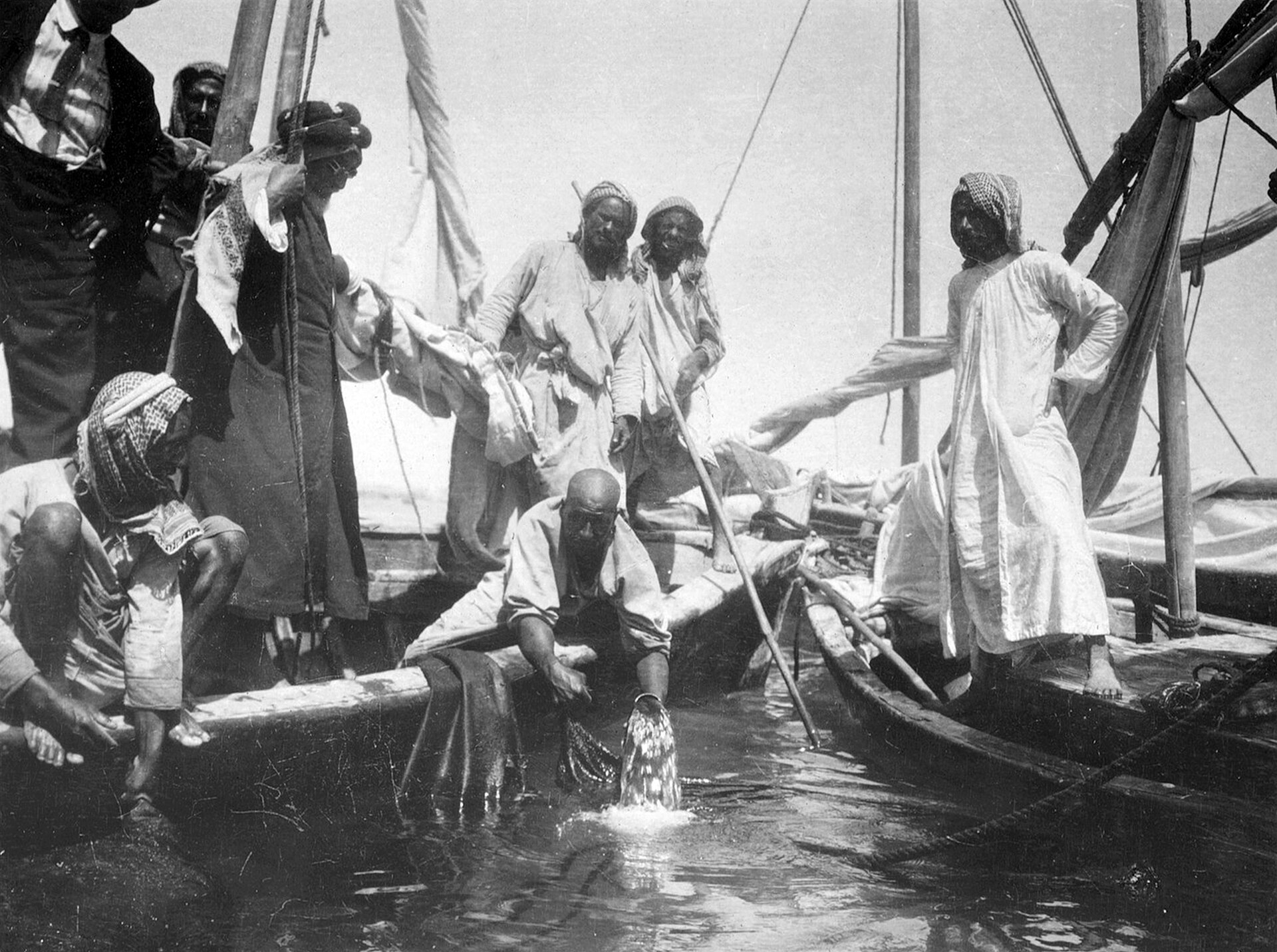
Pearl diving in the Gulf was a seasonal activity taking place over the four months of summer, with boats departing from ports such as Manama, Doha, Dubai and Abu Dhabi for coastal banks rich with oysters. In his 1838 book Travels in Arabia James Wellsted estimated that there were 3500 boats of all shapes and sizes at Bahrain at the height of the season, and a further 700 on the coast between Qatar and Oman. Lewis Pelly wrote a report on the pearling industry in 1865 stating that there were 1500 pearling boats active in Bahrain during the pearling season, yielding a profit of £400,000 each year.
8. Decline of the Gulf Industry
The drop in global demand for pearls during the First World War might have been a short-term problem, but the numbers of good-sized pearls being harvested from the pearl beds of the Gulf were dwindling.
In 1931 the Glasgow manufacturer Tritonia Limited made enquiries about using its deep-sea diving suit to harvest pearls in the Gulf, but British Government officials rejected the request.
9. Pearling Heritage in the Gulf
The Bahrain pearling property consists of seventeen buildings in Muharraq City, three offshore oyster beds, part of the seashore and the Qal'at Bu Mahir fortress on the southern tip of Muharraq Island. The Bū Māhir seashore and the individual sites in Muharraq have national protection as designated national monuments under decree law number 11 of 1995 concerning the protection of antiquities. The site is the last remaining complete example of the cultural tradition of pearling and the wealth it generated at a time when the trade dominated the Gulf economy from the 2nd century to the 1930s.
The walled coastal town of Al Zubarah flourished as a pearling and trading centre in the late 18th and early 19th centuries, before it was destroyed in 1811 and abandoned in the early 1900s.
The World Heritage Committee inscribed "Pearling, testimony of an island economy" in Bahrain on the World Heritage List in 2012 on the basis of criterion (iii).
10. Notable Pearls and Modern Regulation
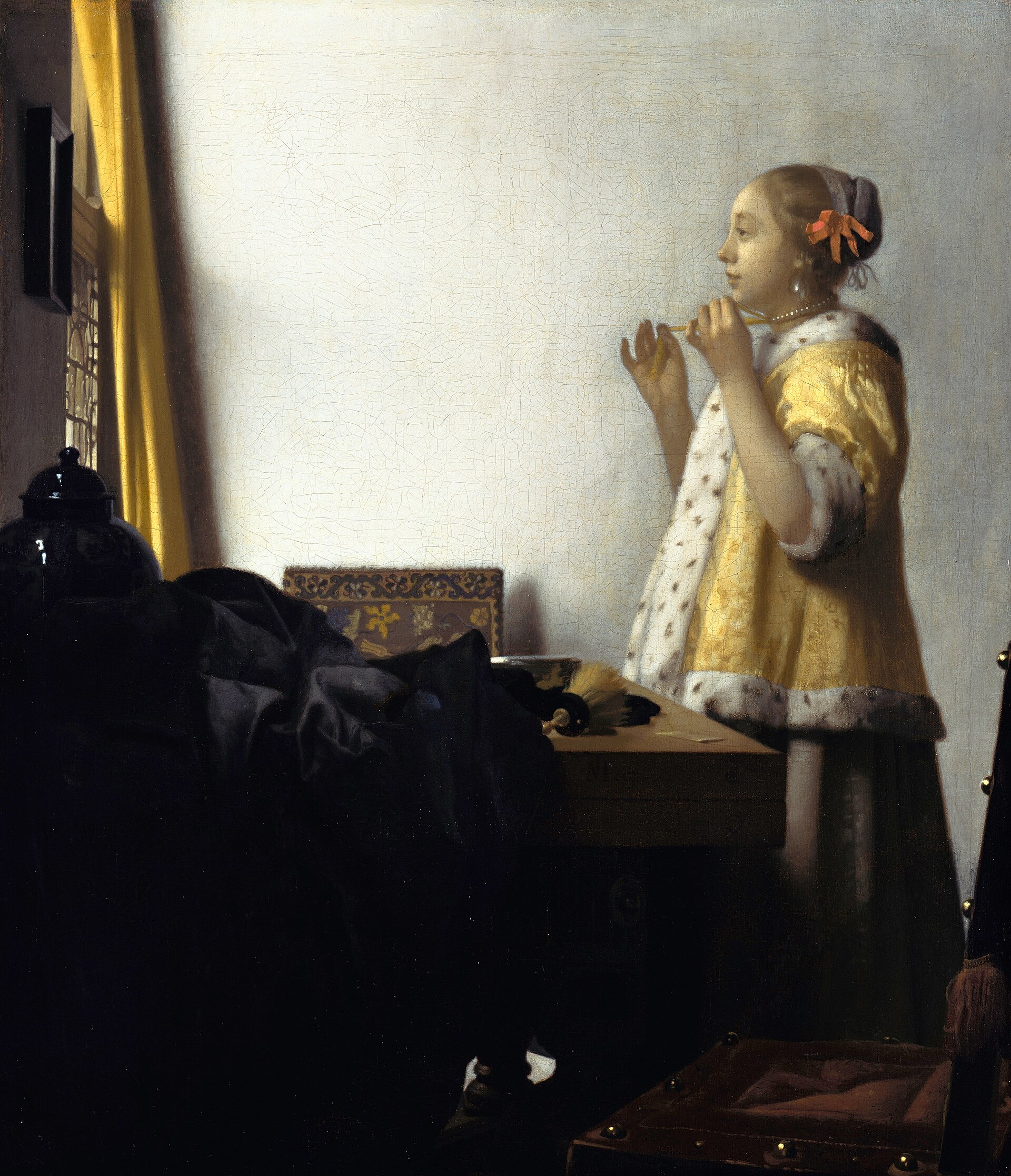
La Peregrina is a pear-shaped pearl that originally weighed 223.8 grains, a figure reduced to 203.84 grains after drilling and cleaning in 1913. It was found by an African slave in the Pearl Islands in 1513 and turned over to Don Pedro de Temez, the administrator of Panama, who later gifted it to King Philip II of Spain. The Hamilton family owned La Peregrina until 1969 when it was sold at auction at Sotheby's in London and Richard Burton purchased it for $37,000 as a Valentine's Day gift for Elizabeth Taylor. In December 2011 the pearl sold for a record price of more than $11 million as part of Elizabeth Taylor's collection auctioned at Christie's in New York.
In French Polynesia Law 2017-16 of 18 July 2017 regulates professional activities related to production and commercialisation of pearl and nacre products. A global production quota is defined along with individual quotas proportional to farm size and weighted by producer- and lagoon-specific variables.
In 1917 Pierre Cartier traded a double strand of natural pearls for a mansion on Fifth Avenue in New York City.
11. Pearl in the United States
Native Americans of the Atlantic coastal areas and the Mississippi River Basin were the first to collect and use United States freshwater mussel pearls and shells. The mother of pearl industry and the bead nuclei for the Japanese cultured pearl industry have supported the United States freshwater mussel fishery since the 1950s. In 1963 John Latendresse established the first experimental United States freshwater cultured pearl farm in Tennessee.
12. Cultural and Historical Timeline
-
2206 BCEarliest recorded mentionA Chinese historian writes about pearls for the first time.4
-
1893First semi-circular harvestFive semi-circular cultured pearls are harvested.9Corporate Philosophy and History · Mikimoto Pharmaceutical Co., Ltd. ↗
-
1905Perfect round pearls culturedMikimoto succeeds in culturing perfect round pearls.9
-
1921London article and the Paris trialA London newspaper publishes an article claiming that cultured pearls sold by a Japanese merchant are only imitations; the attack develops into a lawsuit known as the Paris trial, which Mikimoto eventually wins in a French court.8Our Story — Kokichi Mikimoto · Mikimoto (K. Mikimoto & Co.) ↗
13. Timeline: from the first pearl records to the cultured pearl industry
- 2206 BCFirst written record of pearlsA Chinese historian writes about pearls for the first time, according to the chronology of pearl history kept by the GIA gem encyclopedia.
- 1513La Peregrina is foundAn African slave found the pear-shaped pearl in the Pearl Islands and it was turned over to Don Pedro de Temez, the administrator of Panama, who later gifted it to King Philip II of Spain.
- 1811Al Zubarah is destroyedThe walled pearling and trading town of Al Zubarah, founded by merchants from Kuwait, was destroyed and later abandoned.
- 1838Wellsted counts the pearling fleetIn his book Travels in Arabia, James Wellsted estimated that there were 3500 boats of all shapes and sizes at Bahrain at the height of the season, and a further 700 on the coast between Qatar and Oman.
- 1858Birth of Kokichi MikimotoKokichi Mikimoto, the founder of the cultured pearl industry, was born in Toba, Shima Province, in Japan.
- 1865Pelly's report on the pearling industryLewis Pelly reported that there were 1500 pearling boats active in Bahrain during the pearling season, yielding a profit of £400,000 each year.
- 1888Pearl culturing beginsKokichi Mikimoto began his pearl culturing work at his farm in Japan.
- 1893The first cultured pearlsMikimoto harvested the world's first cultured pearls, five semi-circular pearls, and later became the first person to culture a semi-spherical pearl.
- 1899The Mikimoto Pearl Store opens in GinzaThe establishment of the Mikimoto Pearl Store on Namiki Street in Ginza, Tokyo laid the foundation for the modern jewelry industry in Japan.
- 1905First perfect round cultured pearlsMikimoto succeeded in cultivating perfect round pearls.
- 1917Cartier trades pearls for a mansionPierre Cartier traded a double strand of natural pearls for a mansion on Fifth Avenue in New York City.
- 1921The Paris trialA London newspaper article attacked cultured pearls as fraudulent, and the dispute became a lawsuit known as the Paris trial, which Mikimoto eventually won in a French court.
- 1931A diving suit is refusedThe Glasgow manufacturer Tritonia Limited made enquiries about using its deep-sea diving suit to harvest pearls in the Gulf, but British officials rejected the request.
- 1969Richard Burton buys La PeregrinaThe Hamilton family sold La Peregrina at auction at Sotheby's in London, and Richard Burton purchased it for $37,000 as a Valentine's Day gift for Elizabeth Taylor.
- December 2011A record price for La PeregrinaThe pearl sold for a record price of more than $11 million as part of Elizabeth Taylor's collection auctioned at Christie's in New York.
- 2012Bahrain's pearling heritage is inscribedThe World Heritage Committee inscribed Pearling, testimony of an island economy, Bahrain, on the World Heritage List on the basis of criterion (iii).
References (21)
- 1Research progress on formation mechanism of pearl — Heliyon (Zhang et al., 2024) — PubMed Central WebView source
- 2Pearl Description — Gemological Institute of America (GIA) WebView source
- 3The dynamics of nacre self-assembly — Journal of the Royal Society Interface (Cartwright et al.) — PubMed Central WebView source
- 4Pearl Gemstone — Gemological Institute of America (GIA) — Gem Encyclopedia Web↩View source
- 5Hierarchical structure and mechanical properties of nacre: a review — RSC Advances (Sun & Bhushan, 2012), Royal Society of Chemistry 2012 WebView source
- 6Transformation of ACC into aragonite and the origin of the nanogranular structure of nacre — Scientific Reports (Macías-Sánchez et al., 2017) — PubMed Central WebView source
- 7New pearl industry regulation in French Polynesia (Law 2017-16) — Direction des Ressources Marines et Minières, Government of French Polynesia 2017 WebView source
- 8Our Story — Kokichi Mikimoto — Mikimoto (K. Mikimoto & Co.) Web↩View source
- 9Corporate Philosophy and History — Mikimoto Pharmaceutical Co., Ltd. Web↩View source
- 10Decision 36 COM 8B.20 — Pearling, testimony of an island economy (Bahrain) — UNESCO World Heritage Centre WebView source
- 11Pearl Quality Factors — Gemological Institute of America (GIA) WebView source
- 12How GIA Analyzes Pearls from Start to Finish — Gemological Institute of America (GIA) — Research & News WebView source
- 13Divers are a Pearl's Best Friend: Pearl Diving in the Gulf 1840s–1930s — Qatar Digital Library — British Library WebView source
- 14British Government Resist Modernisation of the Pearling Industry — Qatar Digital Library — British Library WebView source
- 15Pearling, Testimony of an Island Economy — UNESCO World Heritage Centre WebView source
- 16Al Zubarah Archaeological Site — UNESCO World Heritage Centre WebView source
- 17La Peregrina pearl — Wikipedia WebView source
- 18Pearls — Mineral Industry Surveys SP-14-95 — U.S. Geological Survey (USGS), Minerals Information Archives WebView source
- 19What are the main types of cultured pearls and what are their distinctive characteristics? — Gemological Institute of America (GIA) WebView source
- 20Pearl diver's (weight) — National Museum of Qatar — Qatar Museums WebView source
- 21Kokichi Mikimoto — Wikipedia WebView source