Carthage
The Phoenician city on the Gulf of Tunis that built a western Mediterranean trading empire, fought Rome in the Punic Wars and was destroyed in 146 BCE — then rose again as the Roman capital of Africa.
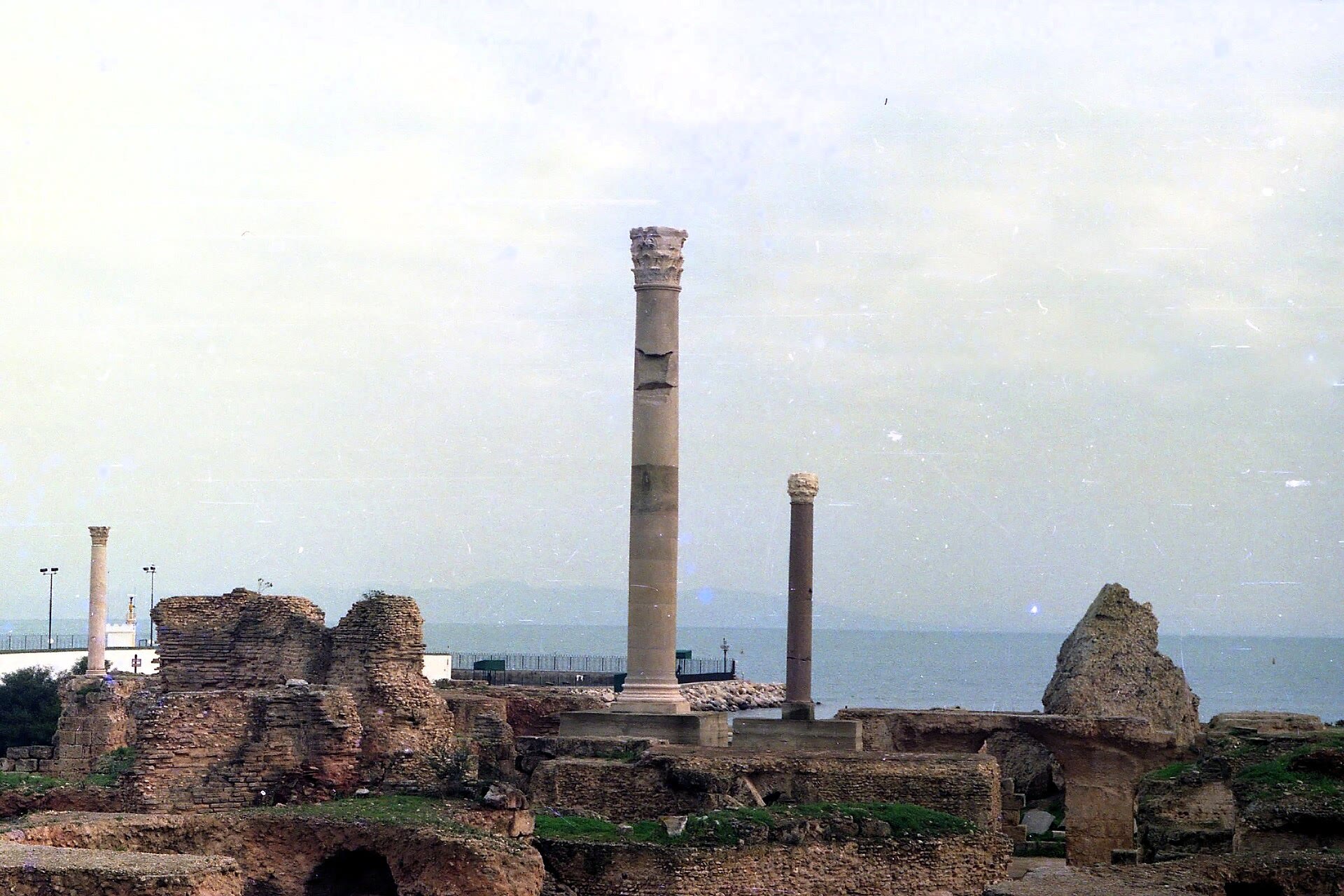
Carthage was a Phoenician colony on the north coast of Africa, founded by tradition in 814 BCE near modern Tunis. After the fall of Tyre it led the western Phoenician settlements and grew into the wealthiest power of the western Mediterranean, ruling coastal North Africa, parts of Sicily, Sardinia, Corsica and Iberia. Three wars against Rome between 264 and 146 BCE ended with the city's destruction by Scipio Aemilianus; Rome rebuilt it as its African capital, and it later passed to the Vandals and the Byzantines before the Arab conquest. The archaeological site was inscribed on the UNESCO World Heritage List in 1979.
In this article
- 1Foundation and Early History
- 2Geography and Harbours
- 3Government and Constitution
- 4Empire and Mediterranean Expansion
- 5The Punic Wars
- 6Hannibal and the Second Punic War
- 7Destruction and Roman Refoundation
- 8Later History: Vandal, Byzantine, and Islamic Periods
- 9Archaeology and Modern Site
- 10Timeline: from the Phoenician founding to the UNESCO inscription
- 11Knowledge graph
Foundation and Early History
By tradition Carthage was founded in 814 BCE by Phoenicians of Tyre. Radiocarbon dating applied to the early Iron Age of the site in the 1990s showed that the oldest finds can now be dated to the last quarter of the ninth century BCE.
Tradition names Elissa, also called Dido, a princess of Tyre, as the city's legendary founder. Her story is told from the history of Pompeius Trogus, and later tradition links her to Aeneas. Arriving in Africa, she bargained for as much land as an ox hide would cover and cut the hide into thin strips, and the place afterwards took the name Byrsa.
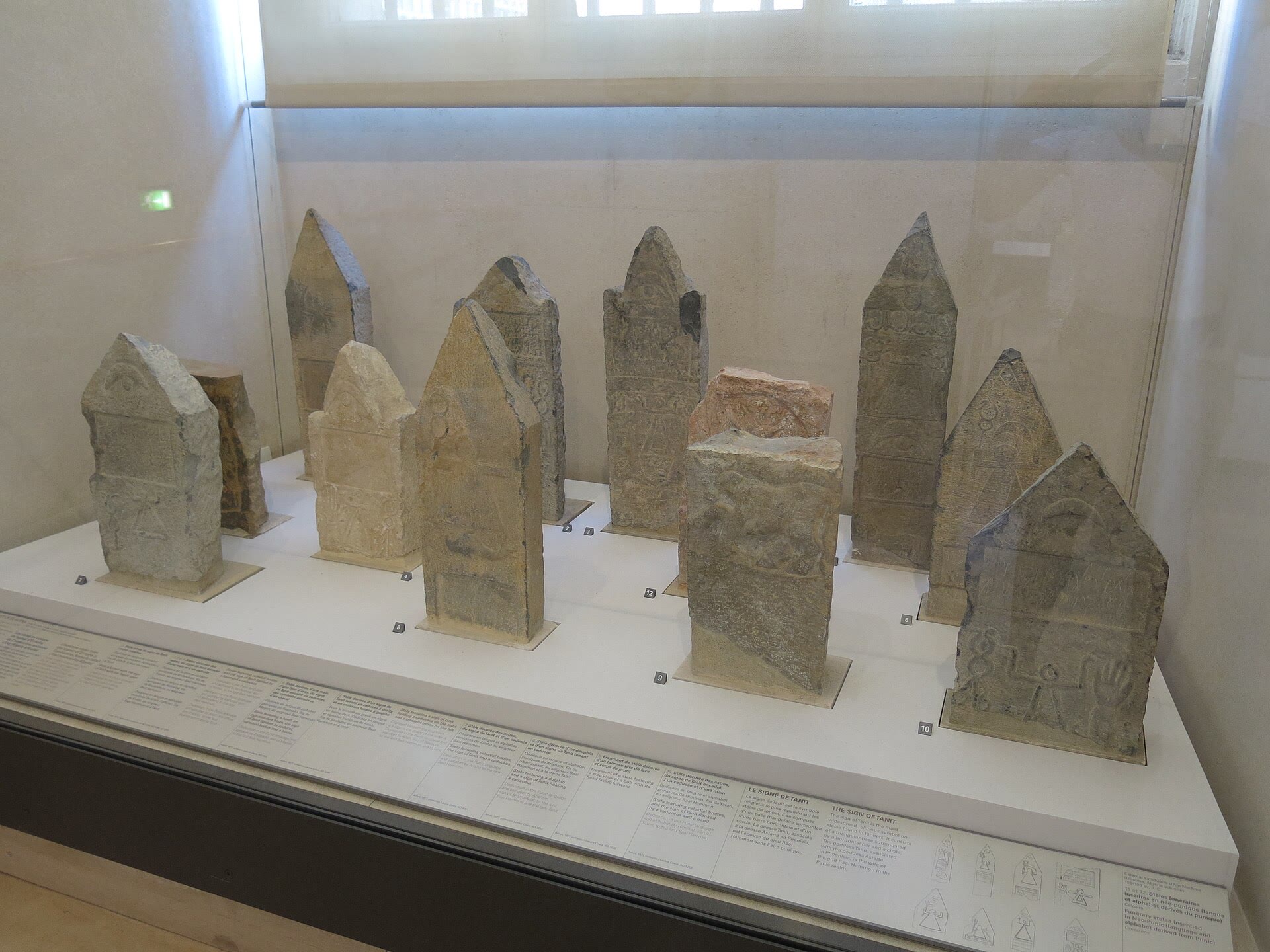
The Phoenician name of the settlement was Kart hadašt, meaning “new city”. It was so called because it was younger than nearby Utica. Britannica likewise records that the Phoenician name means “new town”.
Elissa ended her life on a funeral pile rather than marry the Mauretanian king Hiarbas. As long as Carthage remained unconquered she was worshipped as a goddess.
1. Geography and Harbours
Carthage stood on the north coast of Africa, on the Gulf of Tunis, at the site of the modern city of Tunis in Tunisia. This setting gave the settlement safe anchorage and abundant fish. It also shielded the port from the violent storms that afflicted other Mediterranean harbours.
The harbours of Carthage were immense, and the city possessed two of them: one reserved for trade and the other for warships. Together they provided 220 docks.
Appian describes the arrangement of these basins in detail. A common sea entrance, twenty metres wide, was closed with iron chains. The war harbour itself enclosed an island.
2. Government and Constitution
The Roman consulship was modelled on the Carthaginian office of the suffetes.
By the fourth century BCE, Carthaginian government, formerly a monarchy, was a republic based on meritocracy, led by two elected suffetes and a senate of between 200 and 300 members who held office for life.
Polybius writes that the government of Carthage was originally well contrived, with kings, a senate vested with aristocratic authority and the people exercising certain powers, so that the republic much resembled those of Rome and Sparta.
Polybius also observes that the effect of the difference between the two constitutions was that among the Carthaginians the people possessed the greatest sway in all deliberations, while among the Romans measures were determined by the most eminent citizens.
3. Empire and Mediterranean Expansion
Carthage's empire was not a single territory but a network of coastal cities. It bordered the Greek possessions in the Cyrenaica and on Sicily, and it controlled Sardinia and Corsica together with the ports of the Maghreb and Andalusia. The gold trade from Senegal also lay within its reach. Its expansion brought it into almost perennial struggle against the Greeks of Sicily.
Carthaginian enterprise reached far beyond the African coast. Probably in the first half of the sixth century BCE, the Carthaginian admiral Hanno founded colonies along the coast of what is now Morocco and reached the river Senegal. The explorer Himilco reached the British Isles.
In the mid-sixth century Carthage supported the Phoenician towns against Greek Selinus. In 480 BCE the Carthaginian leader Hamilcar was defeated near Himera by Gelon, tyrant of Syracuse. Herodotus describes the Carthaginian expedition against Sicily in 480 BCE as an army of three hundred thousand men under Hamilcar son of Hanno, king of the Carthaginians.
From 650 to 146 BCE Carthage was the most powerful trading city in the Mediterranean.
4. The Punic Wars
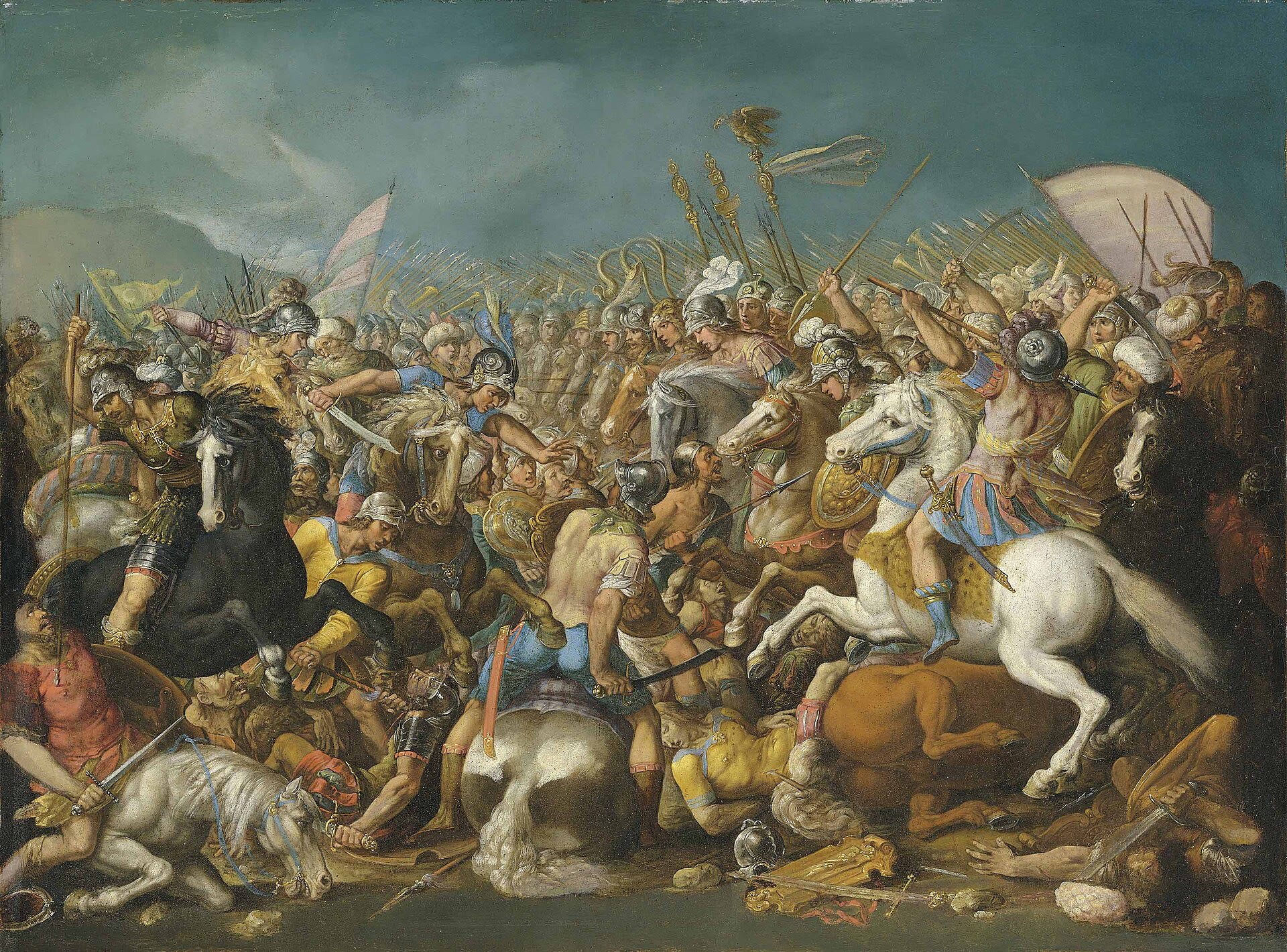
The Punic Wars were a series of conflicts fought between Carthage and Rome between 264 and 146 BCE, and Rome won all three, coming to dominate the Mediterranean. The First Punic War (264–241 BCE) was the first of the three wars between the Roman Republic and the Carthaginian empire, in which Rome conquered Sicily. Polybius called that war the longest and most severely contested in history; it lasted almost a quarter of a century and probably a million people lost their lives. In 264 BCE the consul Appius Claudius Caudex invaded Sicily with two legions and captured Messana, and the war broke out.
At sea the Romans devised the corvus, a movable bridge with a metal prong that dropped onto an enemy deck and turned a naval battle into a land battle. In 260 BCE their consul Gaius Duilius defeated a Carthaginian squadron at Mylae and won Rome’s first naval victory. In 241 BCE a new Roman fleet under Gaius Lutatius Catulus overcame the last Carthaginian ships near the Aegates Islands, and the peace that followed left Rome in possession of Sicily.
The peace did not end Carthage’s troubles: the Mercenary War lasted from 241 to 237 BCE, and while Carthage was engaged in it Rome occupied the Carthaginian colonies of Sardinia and Corsica.
-
264–241 BCEFirst Punic WarRome takes Sicily — Carthage’s first Roman province 11First Punic War · Livius.org (Jona Lendering) ↗.
5. Hannibal and the Second Punic War
Hannibal, born in 247 BCE, ranks among the greatest military leaders in history.
The war’s origins lay in Spain: Hamilcar Barca, Hannibal’s father, had founded Carthage’s Spanish empire, and he died in 229 BCE.
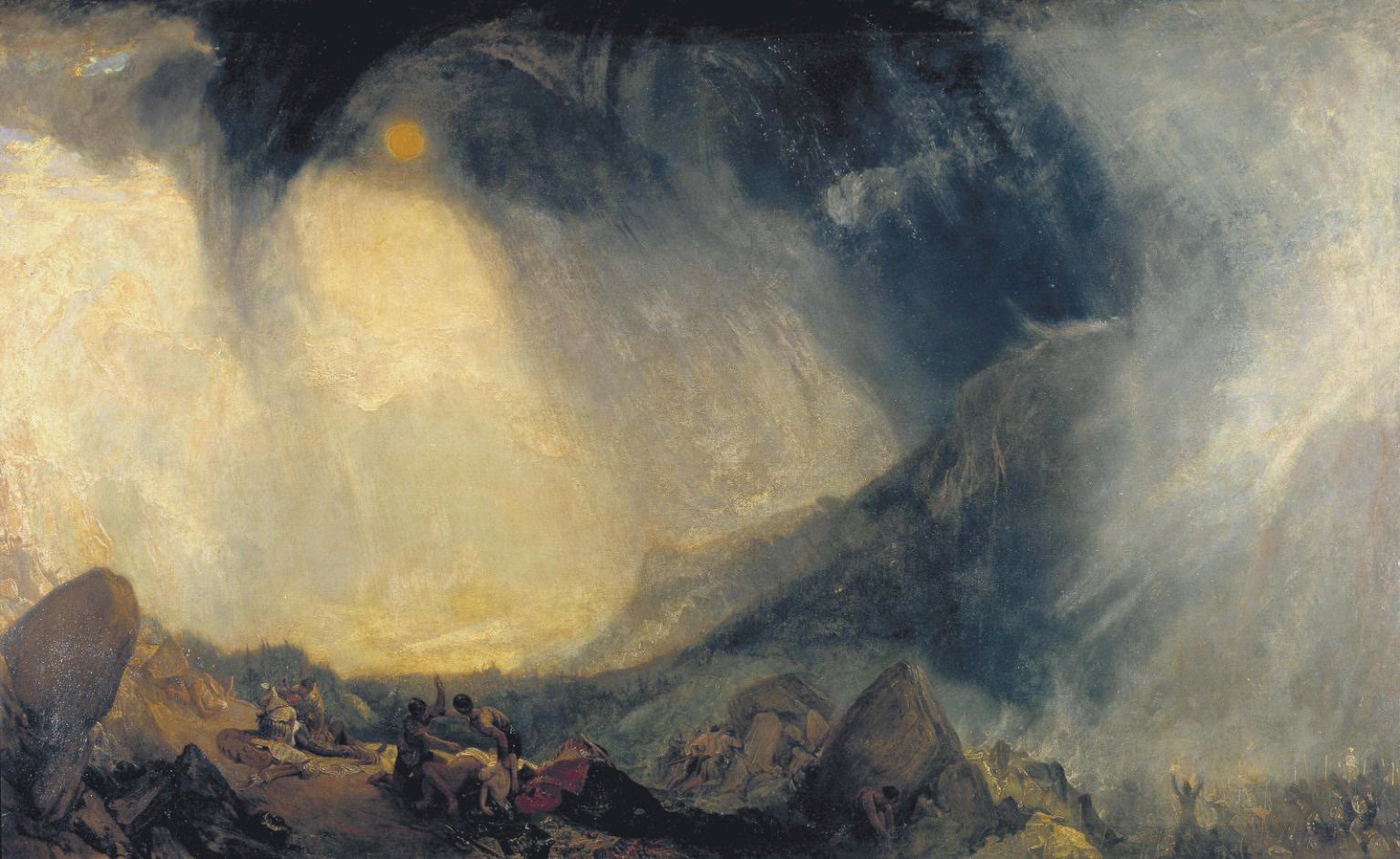
In a lightning campaign Hannibal crossed the Pyrenees with 50,000 infantry, 9,000 cavalry and 37 elephants, and crossed the Rhône by ferrying his elephants on large rafts. Crossing the Alps probably by the Col du Mont Genèvre, he reached the plains of the Po near Turin in October 218 BCE with 38,000 soldiers and 8,000 cavalry. At Cannae on the second of August 216 BCE the consuls brought no less than 80,000 men against Hannibal’s 50,000, and Hannibal encircled and crushed them; 44,000 Roman soldiers died against 6,000 of his own.
In 217 BCE Hannibal traversed the Apennines and ravaged Etruria; the consul Gaius Flaminius was defeated and killed in an ambush at Lake Trasimene, and two legions were annihilated. Fabius Maximus refused to engage him directly, relying instead on cutting off supplies and starving his army. The war turned when Hannibal’s brother Hasdrubal, bringing reinforcements from Spain, was stopped and defeated at the Battle of the Metaurus in 207 BCE and died on the field.
Hannibal's position was strengthened by diplomacy: in 215 BCE he secured an alliance with king Philip V of Macedonia, and in 214 BCE Syracuse became a Carthaginian ally. The decisive encounter came at Zama on 19 October 202 BCE, where the armies of Scipio and Hannibal clashed, Hannibal's encircling movement failed, and the Carthaginians were defeated. At Zama his elephant charge was deflected and the Romans crushed the Carthaginians with a combined cavalry charge and infantry advance; Hannibal told the Senate that Carthage should immediately surrender.
In 196 BCE, with Carthage's economy ruined, the people chose Hannibal as suffete; he promoted a moderate democracy, reorganised the revenues and stimulated agriculture and commerce. He later fled to the Seleucid court at Antioch and then to Bithynia, and when Rome intervened in Pergamon's favour he poisoned himself to avoid extradition in the winter of 183/182 BCE.
6. Destruction and Roman Refoundation
The Third Punic War ran from 149 to 146 BCE and ended with the destruction of Carthage by Scipio Aemilianus. The consuls then demanded that the whole people of Carthage should remove to some other spot not less than ten miles from the sea and build a new city there. Scipio Aemilianus besieged Carthage for three years; when it fell he sacked it and burned it to the ground.
After Rome’s demands the Carthaginians offered an unconditional surrender, and when their envoys reached Rome they found war already decreed. They surrendered more than two hundred thousand stands of arms and two thousand catapults, showing the enormous resources of the city.
Roman senator Cato the Elder ended all his speeches, whatever the subject, with the phrase that Carthage should be destroyed. The city lay in ruin for over one hundred years until it was rebuilt following the death of Julius Caesar.
Although the Romans had vowed never to rebuild Carthage, the tribune Gaius Sempronius Gracchus founded a colony on the site in 122 BCE, but the project failed. Julius Caesar really refounded the city as Colonia Junonia in 44 BCE. In 29 BCE Augustus centred the administration of the province of Africa at the site, later Colonia Julia Carthago.
7. Later History: Vandal, Byzantine, and Islamic Periods
In 439 CE the Vandals captured Carthage under their leader Gaiseric, and the kingdom they established in Africa endured for almost a century.
The Vandal kingdom came to an end when the city was reconquered in 534 CE by Belisarius, fighting on behalf of the emperor Justinian. Africa was thereby reintegrated into the Roman world, and Carthage became the Exarchate of Africa.
In the third and fourth centuries Carthage stood among the most important centres of the Roman Empire, both commercially and culturally. The city was also home to significant Christian authors, among them Tertullian, the first Christian author to write in Latin, as well as Cyprian and Donatus. Augustine maintained a small school in the city before departing for Italy.
In 698 CE the Muslims defeated the Byzantines at the Battle of Carthage, after which the city was destroyed. In its place, neighbouring Tunis was developed as the new centre for trade and for the governorship of the region.
8. Archaeology and Modern Site
Carthage today stands as a residential suburb of Tunis, where the Punic and Roman ruins and the Carthage National Museum together form a tourist attraction. UNESCO describes Carthage as the metropolis of Punic civilization in Africa and, in Roman times, the capital of the province of Africa — a city that played a central role in Antiquity as a great commercial empire.
UNESCO inscribed the site in 1979 under criteria (ii)(iii)(vi), with a property of 498.08 ha recorded in dossier 37. The same body describes Carthage as founded in the 9th century BCE on the Gulf of Tunis, developing from the 6th century into a great trading empire until Rome finally destroyed it in 146 BCE during the Punic wars.
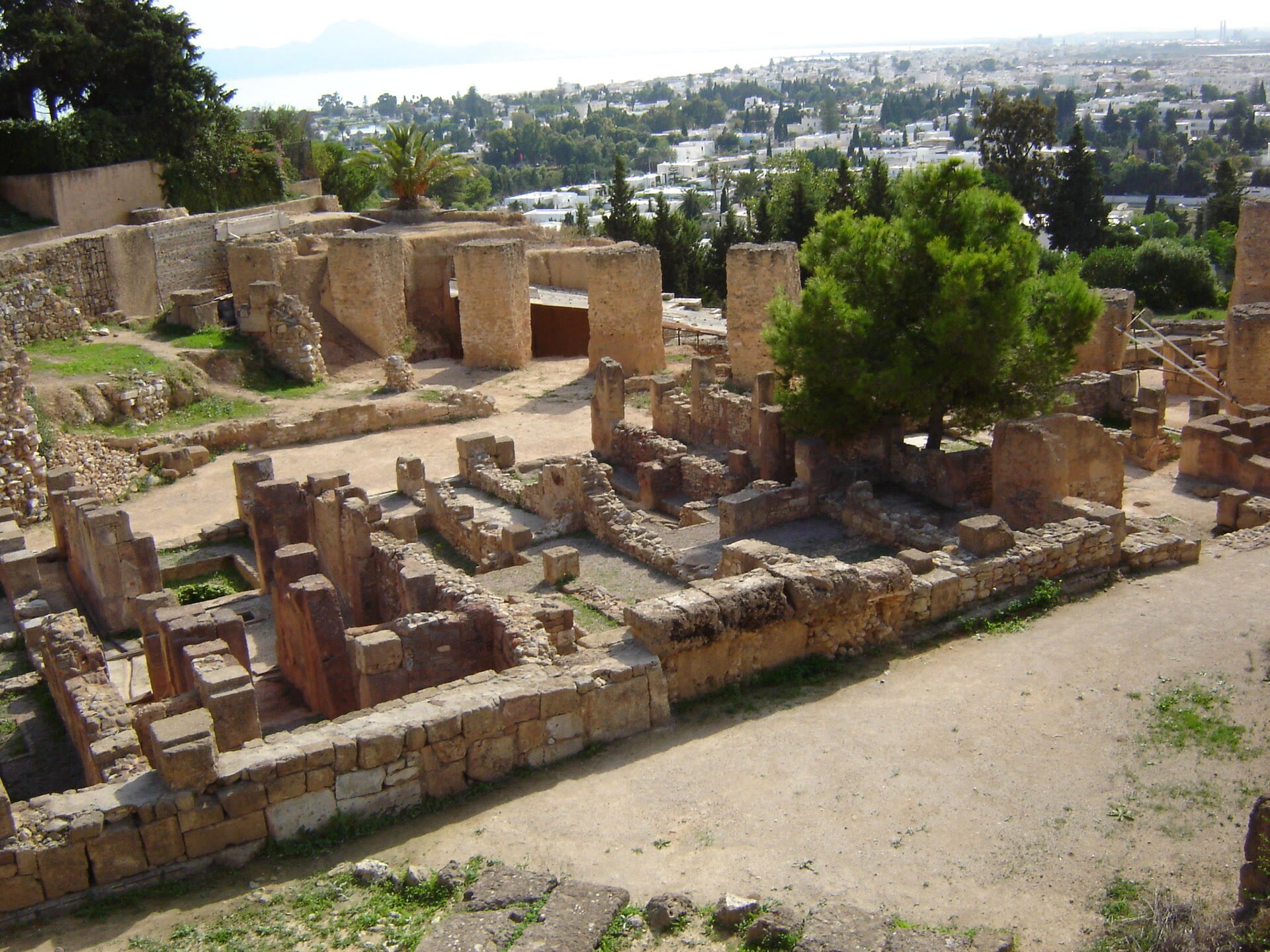
Excavation of the tophet has yielded the largest sample of cremated human skeletal remains from the Carthaginian site: 348 burial urns containing 540 individuals. Most of those individuals were dated from prenatal life to 5–6 postnatal months. The study concluded that the tophets were cemeteries for those who died shortly before or after birth, regardless of the cause. Two types of cemeteries occur at Punic Carthage: one centrally situated for older children through adults, and a tophet at the periphery whose urns contained the cremated remains of very young animals and humans, sometimes comingled.
While the Carthaginians may occasionally have practised human sacrifice, as did other circum-Mediterranean societies, the analyses do not support the contention that all humans interred in the tophet had been sacrificed. The Tophet of Salammbo, with over 20,000 urns buried under stone slabs, may have been the burial ground for animals and children used in ritual sacrifices, or a rumour spread by the Romans and Greeks. A 2025 study in Nature generated genome-wide data for 210 individuals, including 196 from 14 sites traditionally identified as Phoenician and Punic in the Levant, North Africa, Iberia, Sicily, Sardinia and Ibiza. It found that Levantine Phoenicians made little genetic contribution to Punic settlements in the central and western Mediterranean between the sixth and second centuries BCE, despite abundant archaeological evidence of cultural, historical, linguistic and religious links. Indigenous North African ancestry was widespread after 400 BCE in the Punic world but remained a minority component below 50 per cent in all individuals except for three from Kerkouane, two from Villaricos and one from Tharros.
Modern archaeological excavation began in the 1830s through the efforts of the Danish consulate and continued under the French between about 1860 and 1900. Early twentieth-century excavators were more interested in Roman Carthage, and the antisemitism of the period influenced not only the interpretation of the physical evidence but also the choice of what was kept in museums or discarded. Because the Romans destroyed most of the city’s libraries and archives, virtually nothing about the Carthaginian people comes from primary sources, leaving huge gaps in the evidence.
9. Timeline: from the Phoenician founding to the UNESCO inscription
- 814 BCEFounding of CarthageBy tradition Carthage was founded in 814 BCE by the Phoenician princess Elissa, who fled from Tyre after her brother Pygmalion killed her husband.
- c. 585 BCEAfter the fall of Tyre, Carthage leads the westWith Tyre captured by the Babylonian king Nebuchadnezzar, Carthage became the leader of the Phoenician colonies in the west and built an informal empire of coastal cities.
- 480 BCEDefeat at HimeraThe Carthaginian leader Hamilcar was defeated near Himera in Sicily by Gelon of Syracuse, in a struggle linked by ancient accounts to the day of the Greek victory at Salamis.
- 264 BCEFirst Punic War beginsAfter an incident at Messana, the consul Appius Claudius Caudex crossed to Sicily with two legions and captured the town; the First Punic War had broken out.
- 10 March 241 BCEBattle of the Aegates Islands and peaceA new Roman fleet under Gaius Lutatius Catulus destroyed the last Carthaginian fleet near the Aegates Islands; Sicily became the first Roman province.
- 218 BCEHannibal crosses the AlpsAfter the siege of Saguntum, Hannibal marched from Iberia across the Pyrenees and the Rhône, crossed the Alps with his elephants, and reached the plains of the Po in October 218 BCE.
- 2 August 216 BCEBattle of CannaeHannibal enveloped and crushed a Roman army of about 80,000 men at Cannae; some 44,000 Roman soldiers died, but Carthage sent no decisive reinforcements.
- 19 October 202 BCEBattle of ZamaScipio, allied with the Numidian king Massinissa, defeated Hannibal at Zama; the peace of 201 BCE stripped Carthage of its fleet and imposed an indemnity.
- 149 BCEThird Punic War beginsRome, using the Numidian-Carthaginian war as a pretext, began the Third Punic War; the consuls' first assaults on the city were repulsed.
- 146 BCEDestruction of CarthageScipio Aemilianus took and burned the city after a long siege; the survivors were enslaved and Carthage's territory became the Roman province of Africa.
- 44 BCECaesar's refoundationJulius Caesar refounded Carthage as Colonia Junonia; the plan was executed after his death, and within five years the city was capital of the province of Africa.
- 439 CEThe Vandals take CarthageThe Vandal ruler Gaiseric entered Carthage and created a kingdom in Africa that lasted almost a century.
- 534 CEByzantine reconquestBelisarius, fighting for the emperor Justinian, reconquered Carthage and reintegrated Africa into the Roman world.
- 698 CEArab conquestThe Muslims defeated the Byzantines at the Battle of Carthage and destroyed the city; neighbouring Tunis became the new regional centre.
- 1979UNESCO World Heritage inscriptionThe archaeological site of Carthage was added to UNESCO's World Heritage List.
References (20)
- 1Punic Carthage — Livius.org (Jona Lendering) WebView source
- 2Pompeius Trogus on the Founding of Carthage — Livius.org (Jona Lendering) WebView source
- 3Carthage | History, Location, & Facts — Encyclopaedia Britannica WebView source
- 4Carthage — World History Encyclopedia WebView source
- 5Appian, The Punic Wars 20 — Livius.org (Jona Lendering); trans. Horace White WebView source
- 6Polybius: Rome at the End of the Punic Wars (History, Book 6) — Internet Ancient History Sourcebook, Fordham University BookView source
- 7Carthaginian Empire — Livius.org (Jona Lendering) WebView source
- 8Herodotus: The Carthaginian Attack on Sicily, 480 BCE — Internet Ancient History Sourcebook, Fordham University WebView source
- 9Carthage was Rome's greatest rival. Go see its side of the story. — National Geographic WebView source
- 10Punic Wars — World History Encyclopedia WebView source
- 11First Punic War — Livius.org (Jona Lendering) Web↩View source
- 12Roman Wars — Livius.org (Jona Lendering) WebView source
- 13Hannibal Barca — Livius.org (Jona Lendering) WebView source
- 14Hamilcar Barca — Livius.org (Jona Lendering) WebView source
- 15Polybius: The Third Punic War, 149-146 BCE (The Histories, Book XXXVI-XXXIX) — Internet Ancient History Sourcebook, Fordham University BookView source
- 16Roman Carthage — Livius.org (Jona Lendering) WebView source
- 17Carthage, Tunisia — NASA WebView source
- 18Archaeological Site of Carthage — UNESCO World Heritage Centre WebView source
- 19Skeletal Remains from Punic Carthage Do Not Support Systematic Sacrifice of Infants — PLOS ONE JournalView source
- 20Punic people were genetically diverse with almost no Levantine ancestors (Nature 643, 2025) — Nature; PDF hosted by the Reich Lab, Harvard Medical School 2025 BookView source