Falconry
The story of falconry, the ancient art of training and flying birds of prey: its obscure prehistoric origins, its place at the courts of Europe, Arabia and Asia, the equipment and techniques that travelled with it, and its safeguarding today as UNESCO intangible cultural heritage.
Falconry, the traditional art and practice of training and flying birds of prey, has been practised for over 4000 years and is documented from the early and medieval periods in many parts of the world. Originally a means of obtaining food, it became a social and recreational practice and a way of connecting with nature, with its own vocabulary and equipment: the hood, jesses, bells and lures described in medieval treatises such as the Moamin and the De arte venandi cum avibus. Inscribed on UNESCO's Representative List in 2010 and extended to twenty-four submitting states by 2021, falconry today is practised in some ninety countries, and falconers' captive-breeding work stands behind the recovery of the peregrine falcon.
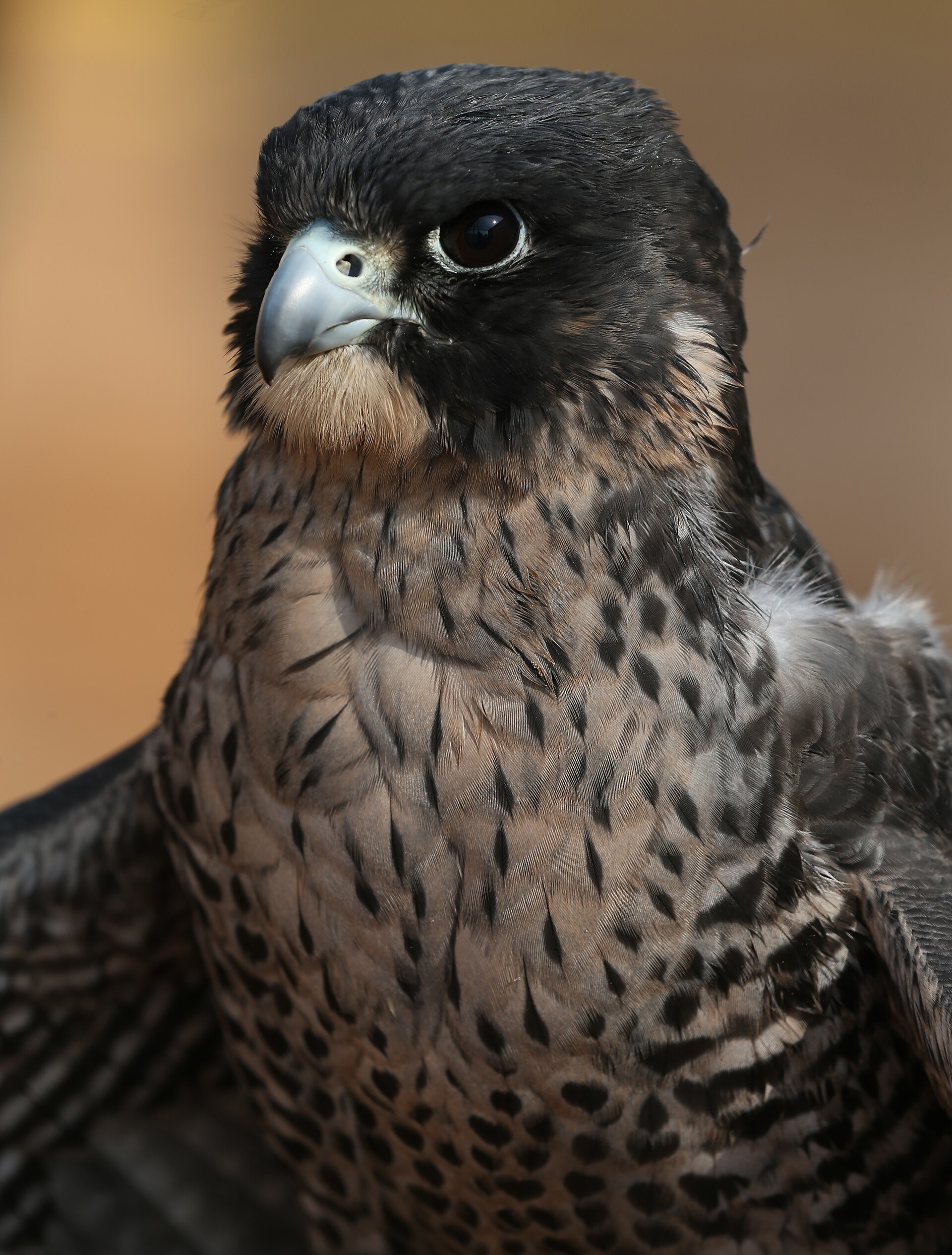
In this article
- 1Overview
- 2Origins and Antiquity
- 3Historical Development
- 4Birds, Equipment and Terminology
- 5Golden Eagles and Kazakh Eagle Hunting
- 6Regional Practices
- 7Manuscripts and Historical Literature
- 8UNESCO Recognition
- 9Conservation and Modern Institutions
- 10Falconry Today
- 11Timeline: from the first petroglyphs to the UNESCO inscription
- 12Knowledge graph
Overview
Falconry is the traditional art and practice of training and flying falcons, and sometimes eagles, hawks, buzzards and other birds of prey. It has been practised for over 4000 years, and its transmission from generation to generation occurs through mentoring, within families or in training clubs. In its modern form the practice focuses on safeguarding falcons, quarry and habitats.
Originally a means of obtaining food, falconry acquired other values over time and became a social and recreational practice and a way of connecting with nature, practised today by people of all ages. Falconers come from different backgrounds but share universal values and practices, including breeding, training and caring for birds, equipment, and the bond between falconer and bird, supported by falcon hospitals and breeding centres.
1. Origins and Antiquity
Falconry is an ancient sport practised since preliterate times, with Hittite stelae dating to the 13th century BCE and cave paintings that may represent even earlier references. Most of the discovered petroglyphs were inscribed approximately 4000 years ago, likely making them some of the oldest remaining evidence of falconry in the world.
Falconry covers the use of any diurnal hunting bird of the order Falconiformes, and archaeological evidence from ancient Sumeria attests to the enduring popularity of hunting with peregrines. The history of falconry has uncertain origins, but most scholars believe that by the eighth century, at the very beginning of Islam, there is evidence of falconry becoming part of courtly and royal traditions. Tang Dynasty paintings show falconry coming into China from the north in the seventh century, and Genghis Khan's bodyguards were reportedly selected from an elite regiment of falconers.
From Morocco to Afghanistan the Middle Eastern countries are renowned for their devotion to falconry, and it was the Arabs, most likely the Muslim military elite, who introduced falconry to Europe before European aristocracies dominated the sport until its decline in the sixteenth century. Merchants, adventurers and Crusaders brought falconry from the Middle East to Europe, where it flourished among the privileged classes in the Middle Ages before the shotgun and social upheavals nearly ended it in the 17th century. As a sport falconry rose to popularity in Europe in the Middle Ages and was favoured by aristocrats and royalty; in the 1600s laws determined which type of falcon could be flown by which social status.
2. Historical Development
By the time of the Umayyads falconry had become a ubiquitous practice of the ruling elite.
Europeans and Arabs adopted the sport after the thirteenth century following the Mongol invasions and the Crusades.
Even today falcons can sell for hundreds of thousands of dollars.
In Britain a series of clubs promoted the sport, and in 1927 the British Falconers' Club was founded as their culmination. The Falconers' Society of England was founded about 1770 and ceased in 1838. The Loo Hawking Club, an Anglo-Dutch society under royal patronage, was formed in 1839 and expired in 1853 when that patronage was withdrawn.
The first recorded appearance of falconry in the United States was in 1622 in New England. The Peregrine Club, the country's first big falconry association, was established in the 1920s and 30s.
3. Birds, Equipment and Terminology
Falconry birds are divided into three groups: longwings, shortwings and broadwings. The longwings, among them the peregrine, saker and gyrfalcon, hunt other birds in flight over open terrain where the falconer can keep them in sight. The broadwinged group includes eagles and buzzards, whose broad wing-bases let them soar; these birds are best suited to hunting in rolling countryside and mountainous terrain, although buzzards can also hunt in woods.
In falconry an eyas is a young hawk taken from the nest or bred in captivity, a passager is trapped in its first year, and a haggard is a bird in adult plumage. The smaller male peregrine is called a tiercel.

The falconer's equipment is known as items of furniture, including leather gloves that protect against talons and hoods used to cover the eyes of the hawk. Falconers use handmade equipment: a leather hood covering the head and eyes of the falcon when it is not flying, a wooden perch that can be stuck into sand, and a leather forearm guard on which the bird sits. Kazakh eagle hunters give this equipment their own names: the tomaga is the cowhide hood that deprives the eagle of its keenest sense and forms the basis of its domestication, put on a bird as soon as it is caught, while the bialeye is a protective cowhide mitten worn on the right hand and forearm and the iakbo are the felt-padded jesses attached to the eagle's legs and worn at all times.
Training teaches the falcon to swoop on a feathered decoy tied to a string and pulled away by the trainer, building patience, understanding of the individual bird and a unique bond and special language between bird and falconer.
In a dive a falcon can reach speeds above 160 kilometres per hour, allowing it to capture quarry that can outfly it in level flight, while the sparrow hawk relies on surprise, speed and agility.
4. Golden Eagles and Kazakh Eagle Hunting
The golden eagle ranges across the northern hemisphere and ranks among the largest predatory birds, carrying a wingspan of roughly two meters, an average weight of three to seven kilograms, and the capacity to dive at speeds reaching 280 kph.
Among Kazakhs, hunting with eagles stands as one of the highest expressions of cultural heritage, an art handed from father to son that demands strength, gentleness, and reverence for the natural world. Kazakh eagle hunters favor females, which are larger and stronger, and prize birds taken within their first seven years. One hunter remarked that he might catch ten to fifteen eagles before finding a single one worth training.
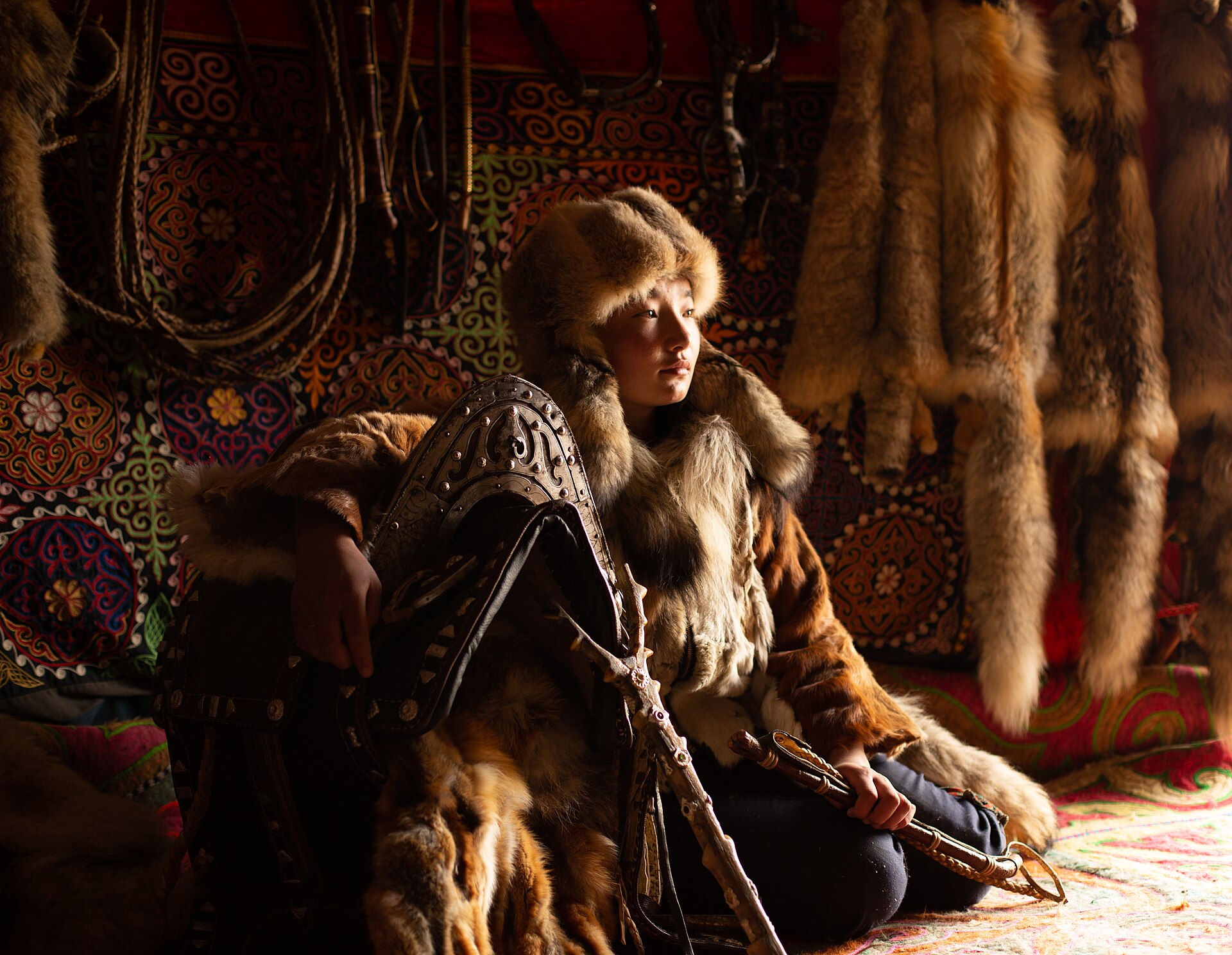
Across the Altai region, Kazakh hunters close the hunting season on 20 February so that female foxes may gestate undisturbed, and custom calls for an eagle to be released after ten seasons in captivity so it can breed in the wild.
5. Regional Practices
Bedouins of the United Arab Emirates and the wider Arabian Peninsula practised falconry as hunting in a resource-scarce land, and today it is among the Emirates' most honoured traditional sports. Abu Dhabi's culture department describes falconry, practised for thousands of years, as a heritage of nobility, trustworthiness and courage that continues with every generation.
Sheikh Zayed bin Sultan Al Nahyan, the UAE's founding father, practised falconry from a young age and launched initiatives including a falcon release programme and the Abu Dhabi Falcon Hospital.
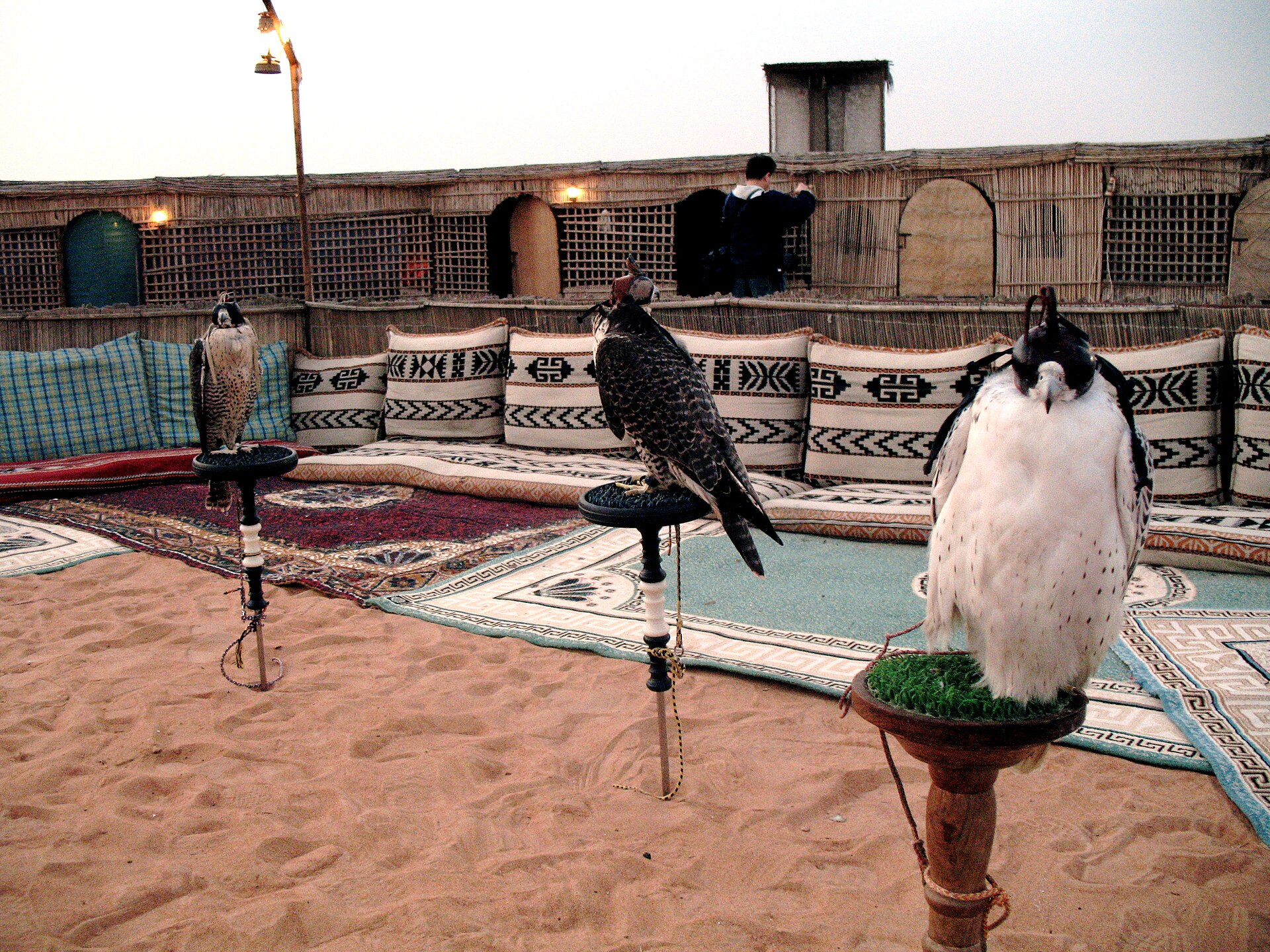
In Saudi Arabia the Saudi Falcons Club works on the cultural development and promotion of falconry through events, festivals and auctions that preserve the hobby in the kingdom, and it organised the King Abdulaziz International Falconry Festival for the first time in Riyadh in 2019; since October 2020 the festival has included falcon auctions, and a dedicated hall for selling falcons was built on the festival grounds at Mulham Center in Huraymila Governorate north of Riyadh.
Since its establishment in 2001 the Emirates Falconers' Club has worked to preserve falconry as human heritage, introduce the principles and ethics of Arab falconry and promote sustainable hunting. The club reported that the 2023–2024 season was positive for falconry, marking the thirteenth anniversary of falconry's UNESCO registration with the number of countries doubling to twenty-four; the season in Abu Dhabi lasted about three months, and the Environment Agency – Abu Dhabi issued 2,603 traditional hunting licences for one season only.
In Kelibia in Tunisia members of some twenty families practise sparrowhawking each spring, a town tradition whose origins are obscure and may trace to the Ottoman Turks who built the town's citadel; unlike falconers who raid nests for eyases, Kelibia's hawkers trap full-grown hawks and train them for only two weeks before hunting them in April and May.
6. Manuscripts and Historical Literature
The art of falconry has its origins in antiquity, and from the thirteenth century a large literature of formal handbooks on hawking and the chase existed; the Glasgow compilation was commissioned around 1494 by Charles VIII of France. Its falconry section describes the signs of health and sickness in birds of prey, since hawks were prone to endless ailments and much of the falconer's skill lay in maintaining their condition. The manuscript is beautifully written and illustrated with lifelike pictures of birds, demonstrating the perfection of French book design in the late fifteenth century.
Beinecke MS 127 is an Italian manuscript written between 1300 and 1400 and contains the Moamin treatise on falconry in three parts, treatises of Dancus rex and Guillelmus falconarius, anonymous works on horses, and a fourth part of the Moamin on dogs. The falconry manuscript belonged to David Wagstaff and was given to Yale in 1946 by Mrs.
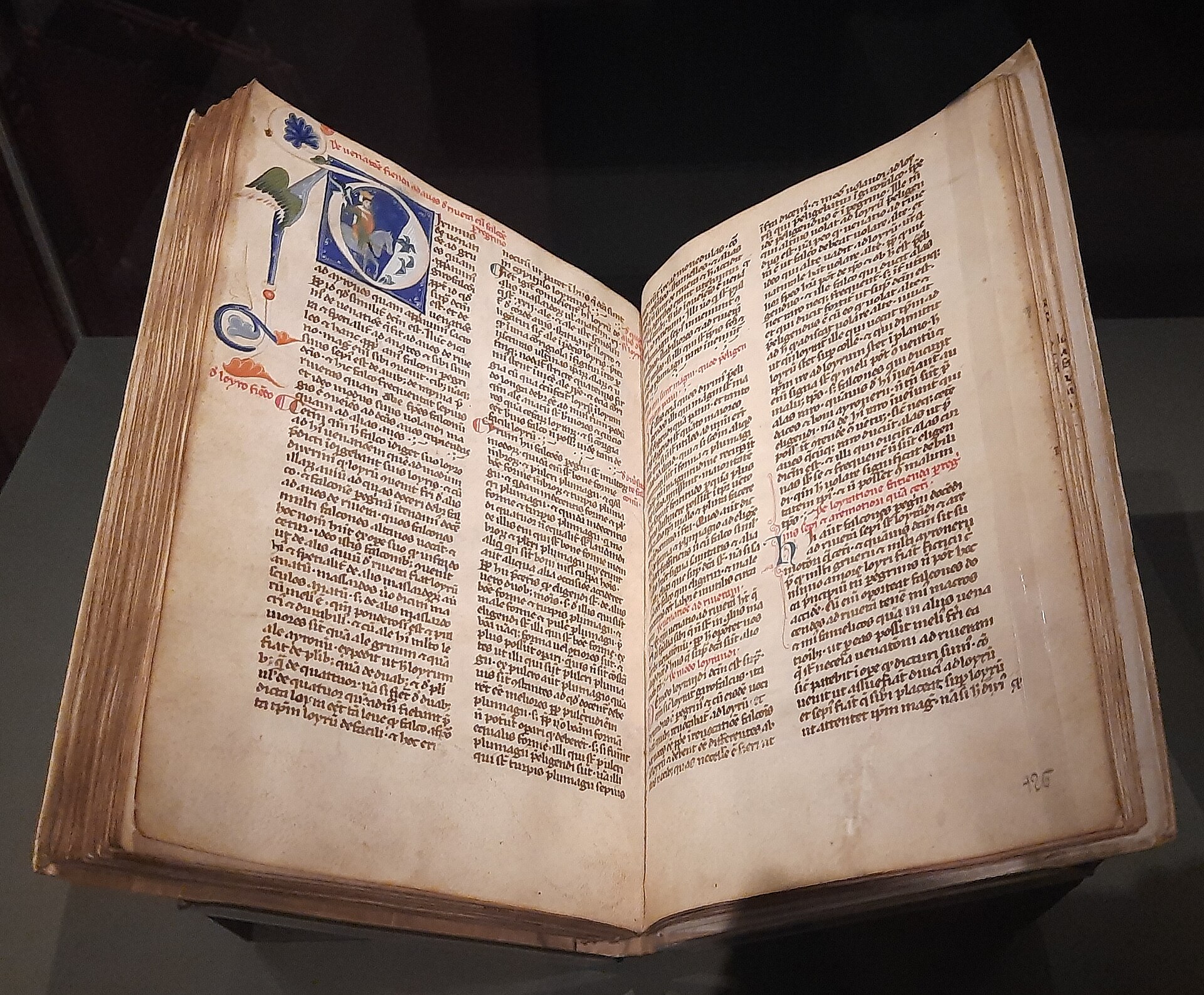
The Falconry Heritage Trust features a thirteenth-century sonnet translated by Dante Gabriel Rossetti, taken from The Art of Falconry, the De Arte Venandi cum Avibus of Frederick II of Hohenstaufen, translated and edited by Casey A.
7. UNESCO Recognition
Falconry was added to the UNESCO intangible cultural heritage lists on 16 November 2010 as the culmination of over six years of work by eleven nations led by the authorities in the United Arab Emirates. It was extended in 2012 and 2016 before six new states joined in 2021. The 2021 file was a multinational nomination by twenty-four states, from Ireland and Italy to Qatar and the Syrian Arab Republic, for the element Falconry, a living human heritage.In multinational files UNESCO communicates through one coordinating country, the UAE, and extensions require documentation changes, new photos and footage, and the agreement of every existing country.
The committee found that falconers share common values across cultural and social backgrounds, that bearers are men and women of all ages, and that knowledge passes between generations through mentoring, families and formal training.
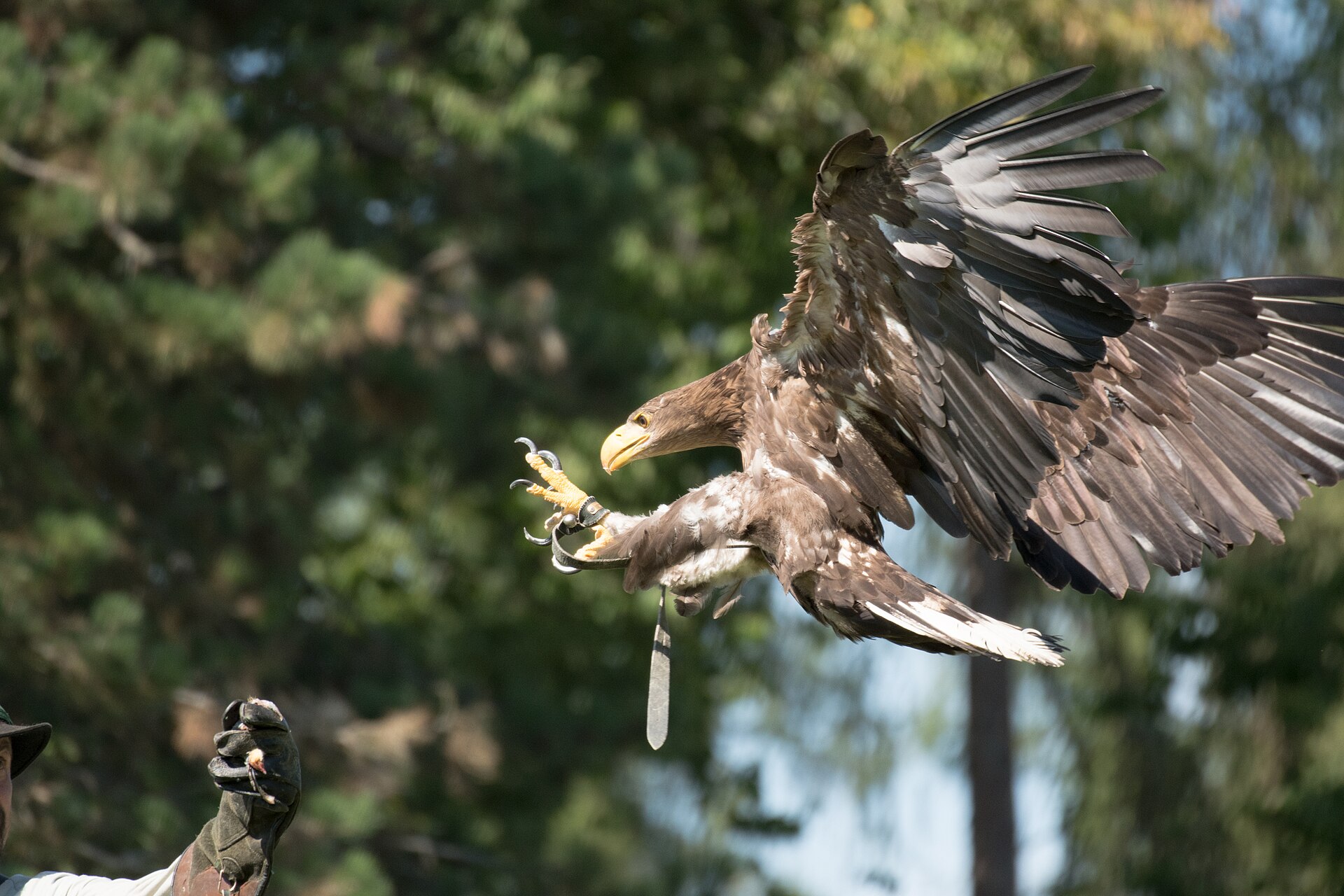
Safeguarding measures among states include legal frameworks, apprenticeships, national tournaments, festivals, research and publications, alongside programmes for youth and the standardisation of training and examinations.
The 2010 nomination was supported by international non-governmental organizations including the International Association for Falconry, and was the largest ever nomination in the history of the UNESCO convention. On 5 November 2008 the IAF's accreditation as an advisory organization was approved by the Intergovernmental Committee, entitling it to provide advisory services under the convention; the IAF belongs to a narrow group of international accredited NGOs of which only about five are international, and it is essentially alone in the field of falconry. In 2016 the United Arab Emirates took part in an international collaboration of eighteen countries that helped inscribe falconry on the UNESCO Representative List.
8. Conservation and Modern Institutions
Hawks were first bred in captivity in some number by falconers in the late 1960s and early 1970s in Britain, the United States and Germany, after pesticides such as DDT thinned wild eggshells and crashed populations. At the first Peregrine Conference in 1965 biologists concluded the peregrine falcon was in serious decline worldwide, and after a second meeting at Cornell University in 1969 the governments of the United States, Canada and Mexico were asked to protect remaining populations.
The Archives of Falconry was conceived and supported by several leaders of The Peregrine Fund including Bill Burnham, Kent Carnie and Tom Cade, and has grown into a world-renowned repository of falconry material culture and historical records. The Archives preserves falconry heritage and the legacy of notable falconers, including correspondence, memorabilia, art and crafts, and celebrates the role of falconers in the birth of raptor conservation.
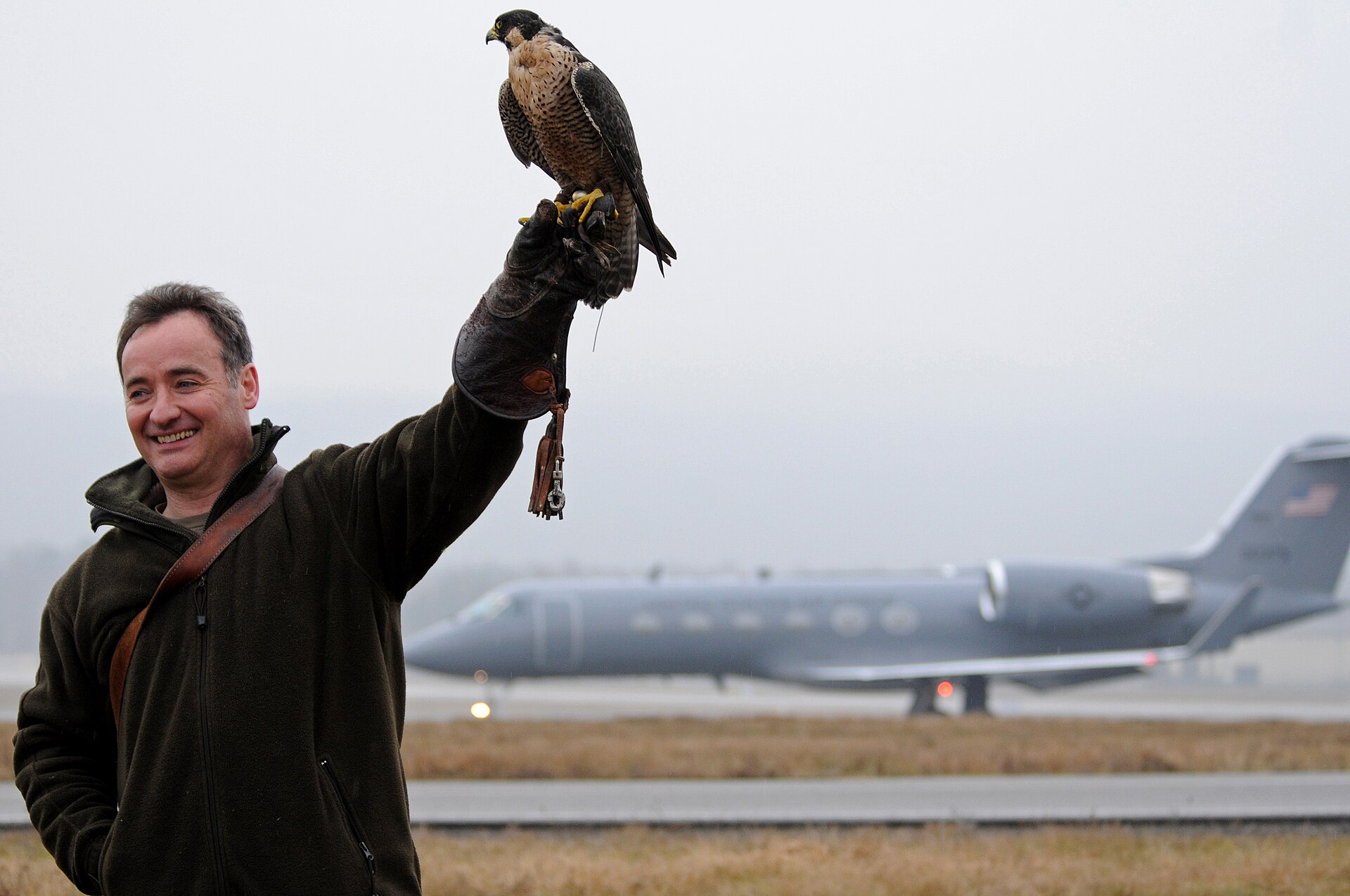
The Abu Dhabi Falcon Hospital, established by the Environment Agency – Abu Dhabi and opened on 3 October 1999, has become the largest falcon hospital in the world, with more than 170,000 patients since opening and about 11,200 falcons received each year for examination and treatment. The Mohamed bin Zayed Falconry and Desert Physiognomy School opened in December 2016, offering theoretical and practical lessons in falconry, falcon care, breeding and desert physiognomy, and highlighting the importance of the houbara bustard in Arabian falconry; it has attracted 5039 students since its establishment, including 2977 males and 2062 females, and organises programmes for tourists and VIPs.
The Peregrine Fund was founded at Cornell University in 1970 by the ornithology professor Tom Cade to save falcons from extinction, and between 1974 and 1997 it bred and released more than 4,000 falcons; in 1972 the U.S. Environmental Protection Agency banned the use of DDT, which made the recovery of the species possible, and in 1999 the species was removed from the Endangered Species List.
CMS parties adopted Resolution 10.28 on 25 November 2011 at the tenth Conference of the Parties in Bergen, Norway, acknowledging the listing of the saker falcon on CMS Appendix I, excluding the Mongolian population, and establishing an immediate Concerted Action supported by all parties; the SakerGAP was envisaged to be implemented over a ten-year period running from 2015 to 2024.
9. Falconry Today
Falconry is practised legitimately in 90 countries today, sustained by a community of over 100,000 falconers worldwide. Scholars at the Peregrine Fund's Archives of American Falconry hold that hunting with birds of prey originated among nomadic tribes in Central Asia around 6000 years ago. In the United States a novice falconer serves a two-year apprenticeship, a general falconer has at least two years of experience and a master falconer at least seven.
10. Timeline: from the first petroglyphs to the UNESCO inscription
- about 4000 years agoTeymareh petroglyphsPetroglyphs on the Persian Plateau, most of them in the Teymareh region, show a falconer bearing a bird on the forearm and are assumed to be inscribed approximately 4000 years ago.
- 13th century BCEHittite stelaeStelae created by the Hittites date to the 13th century BCE, and cave paintings from prehistoric sites may represent even earlier references to falconry.
- 661-750Umayyad courtly falconryBy the time of the first Islamic dynasty, established by the Umayyads in Damascus around 661-750, falconry had become a ubiquitous practice of the ruling elite.
- seventh centuryFalconry reaches ChinaTang Dynasty paintings depict falconry as having come into China from the north only in the seventh century.
- 12th centuryGenghis Khan's falconer guardIn the 12th century Genghis Khan's bodyguards were allegedly selected from an elite regiment of falconers, and his grandson Qubilay Khan hosted extravagant falconing expeditions described by Marco Polo.
- 1300-1400Yale falconry manuscriptBeinecke MS 127, written in Italy between 1300 and 1400, joins the Moamin treatise on falconry with treatises on horses and dogs.
- around 1494Guillaume Tardif manuscriptThe University of Glasgow's manuscript compilation on hawking and the chase was commissioned by Charles VIII of France around 1494.
- 1622First record in New EnglandThe first recorded appearance of falconry in the United States was in 1622 in New England, when lawyer Thomas Morton published his account of seeing the practice.
- about 1770Falconers' Society of EnglandThe Falconers' Society of England was founded about 1770 and ceased in 1838 with the death of its manager, Lord Berners.
- 1927British Falconers' ClubA series of clubs promoted the sport in Britain, culminating in the British Falconers' Club in 1927.
- 1970The Peregrine Fund foundedOrnithology professor Tom Cade founded The Peregrine Fund at Cornell University to save the peregrine falcon from extinction.
- 3 October 1999Abu Dhabi Falcon Hospital opensOpened on 3 October 1999 by the Environment Agency - Abu Dhabi, the hospital grew into the largest falcon hospital in the world.
- 16 November 2010Falconry joins the UNESCO listsFalconry was added to the UNESCO intangible cultural heritage lists on 16 November 2010, after over six years of work by eleven nations led by the United Arab Emirates.
- December 2016Falconry school opensThe Mohamed bin Zayed Falconry and Desert Physiognomy School opened in December 2016, offering lessons in falconry, falcon care and desert physiognomy.
- 2019First King Abdulaziz Falconry FestivalThe Saudi Falcons Club organised the King Abdulaziz International Falconry Festival for the first time in Riyadh in 2019.
- December 2021UNESCO extends the inscriptionThe 2021 session inscribed falconry on an extended basis for the third time, bringing the number of submitting states to twenty-four.
References (19)
- 1Falconry, a living human heritage — UNESCO Intangible Cultural Heritage WebView source
- 2Falconry | History, Birds, Equipment, Techniques & Facts — Encyclopaedia Britannica WebView source
- 3Falconry petroglyphs in Iran: new findings on the nexus between ancient humans and birds of prey — University of Brighton (European Journal of Wildlife Research) WebView source
- 4The Hawks of May — Saudi Aramco World (Aramco Services Company) WebView source
- 5A Museum Show Takes Visitors on a Hunt for the Birds of Prey Populating Centuries of Artworks — Smithsonian Magazine WebView source
- 6The Eagle Hunters — Saudi Aramco World (Aramco Services Company) WebView source
- 7Six Spots Around the World Where You Can Try Your Hand at Falconry — Smithsonian Magazine WebView source
- 8Falconry (Abu Dhabi Cultural Resources) — Department of Culture and Tourism — Abu Dhabi WebView source
- 9Is There an Organized Entity for Falconry in Saudi Arabia? — Saudipedia (Ministry of Media, Saudi Arabia) WebView source
- 10Emirates Falconers Club enhances the efforts to sustain falconry — Emirates Falconers' Club WebView source
- 11Guillaume Tardif: Art of Falconry (Sp Coll MS Hunter 269) — University of Glasgow Library, Archives & Special Collections WebView source
- 12Treatise on falconry, etc. (Beinecke MS 127) — Beinecke Rare Book and Manuscript Library, Yale University WebView source
- 13Falconry Heritage Trust — Falconry Heritage Trust WebView source
- 14UNESCO & Falconry — International Association for Falconry and Conservation of Birds of Prey WebView source
- 15Decision of the Intergovernmental Committee: 16.COM 8.B.14 — UNESCO Intangible Cultural Heritage WebView source
- 16A Conservation Success Story: DDT, Peregrine Falcons and Our Quest to Save Them — The Peregrine Fund WebView source
- 17The Archives of Falconry — The Peregrine Fund WebView source
- 18About Abu Dhabi Falcon Hospital — Abu Dhabi Falcon Hospital WebView source
- 19Saker Falcon Falco cherrug Global Action Plan (SakerGAP) — Convention on the Conservation of Migratory Species of Wild Animals (UNEP/CMS) WebView source