Sugar
The history of sugar, from the cane fields of Asia to plantation economies of the Atlantic world: cane origins and diffusion, the sugar trade, slavery and the Caribbean, refining, the rise of beet sugar, and the sites that keep the story today.
Sugar cane originated in the tropical regions of Asia and spread west through Persia, the Mediterranean and the Atlantic islands before crossing to the Americas. There it became the engine of plantation economies built on the labour of enslaved Africans, a trade documented voyage by voyage in the Trans-Atlantic Slave Trade Database. Sugar was refined in Europe into cones and loaves, taxed by acts of Parliament, and when the cane supply was cut off during the Napoleonic wars it was extracted from sugar beet instead. Indentured labour after emancipation kept the cane fields working, and today both cane and beet supply a global commodity industry.
In this article
- 1Overview
- 2Origins and Early Diffusion
- 3The Plantation Complex and Enslaved Labour
- 4Caribbean and Cuban Landscapes
- 5Indentured Labour After Abolition
- 6Beet Sugar and the Modern Industry
- 7Cane as a Plant and Its Uses
- 8The Molasses and Sugar Acts
- 9Market Institutions and Outlook
- 10Key Dates
- 11Timeline: from cane origins to the sugar of the industrial age
- 12Frequently asked questions
- 13Knowledge graph
Overview
Sugar is one of the world's oldest documented commodities, and it was once so valuable that people locked it up in a sugar safe. Today around 120 countries produce sugar from sugar cane or sugar beet.
1. Origins and Early Diffusion
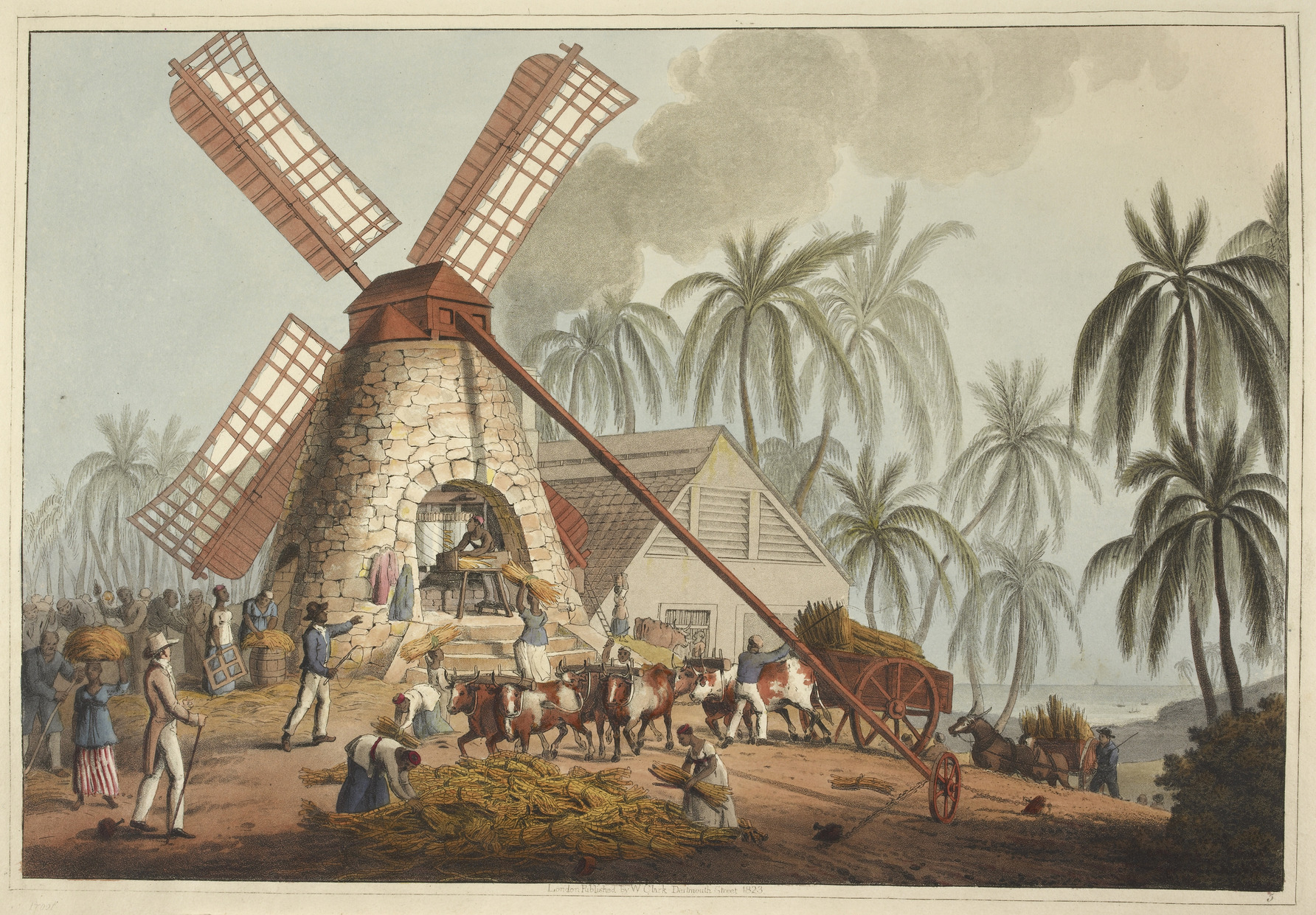
Sugar cane has been used by humans for more than 10,000 years, long before the plant reached the Americas. Sugar cane is a plant that grows only in tropical and subtropical zones, and its cultivation for large-scale refinement was first undertaken in Madeira, from which about 70 ships were later involved in the Madeira sugar trade. The sugar complex spread from Brazil to the eastern Caribbean from the beginning of the 1640s. By 1630 the ports of Pernambuco, Bahia and Rio de Janeiro were supplying almost all of the sugar consumed in Europe, and almost all the slaves producing it were African. In Brazil Africans gradually replaced the Amerindian labour force that had worked the early sugar mills called engenhos. Cane did not reach the Americas until 1492 with Christopher Columbus.
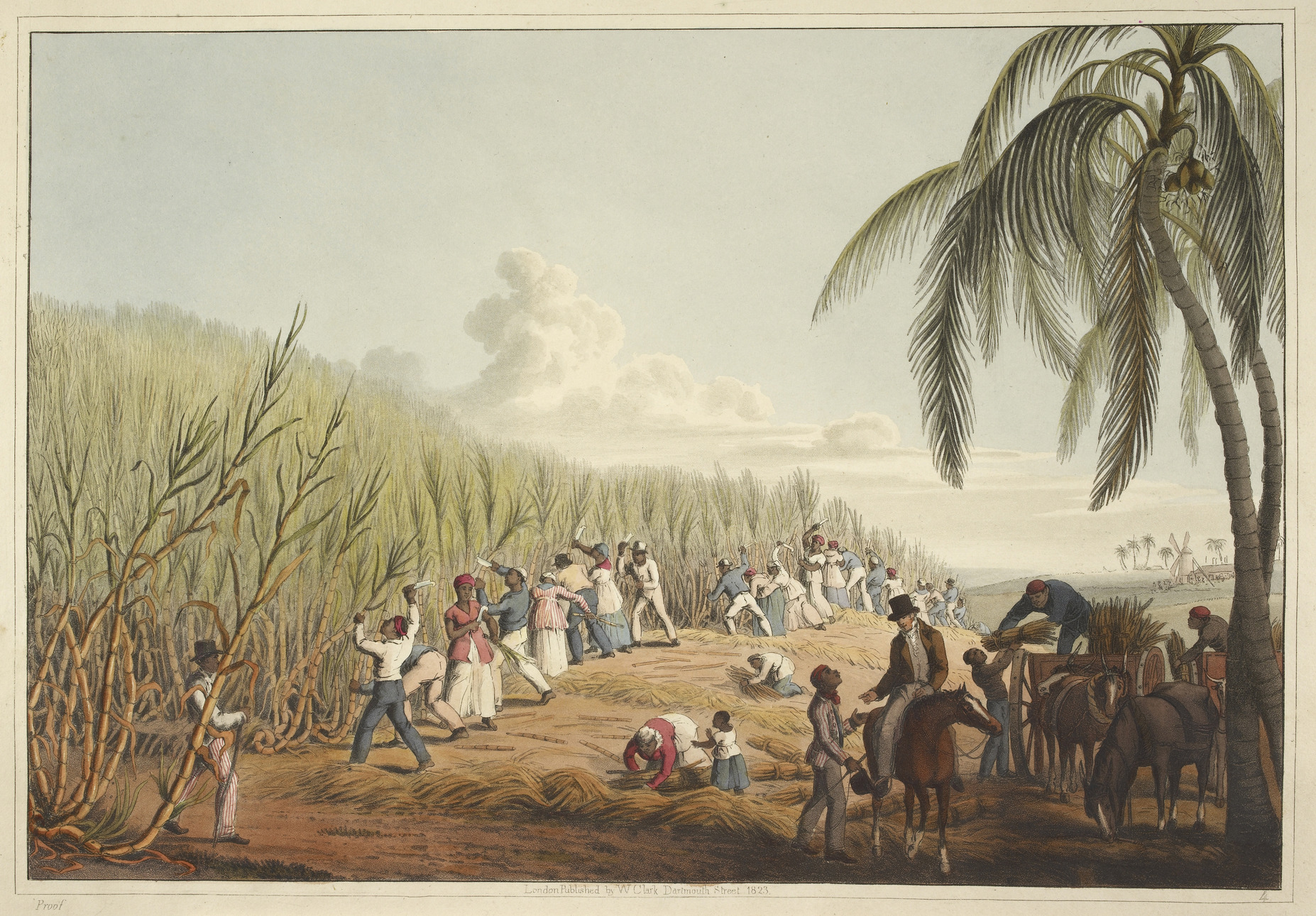
African capacity to resist Europeans ensured that sugar plantations were established in the Americas rather than in Africa. Sugar plantations absorbed well over two thirds of the Africans carried across the Atlantic by the major European and Euro-American powers. The volume of slaves carried off from Africa reached thirty thousand a year in the 1690s and eighty-five thousand a century later. Enslaved Africans worked on Caribbean cane sugar plantations, and the raw sugar was shipped back to Liverpool to be refined into expensive white sugar.
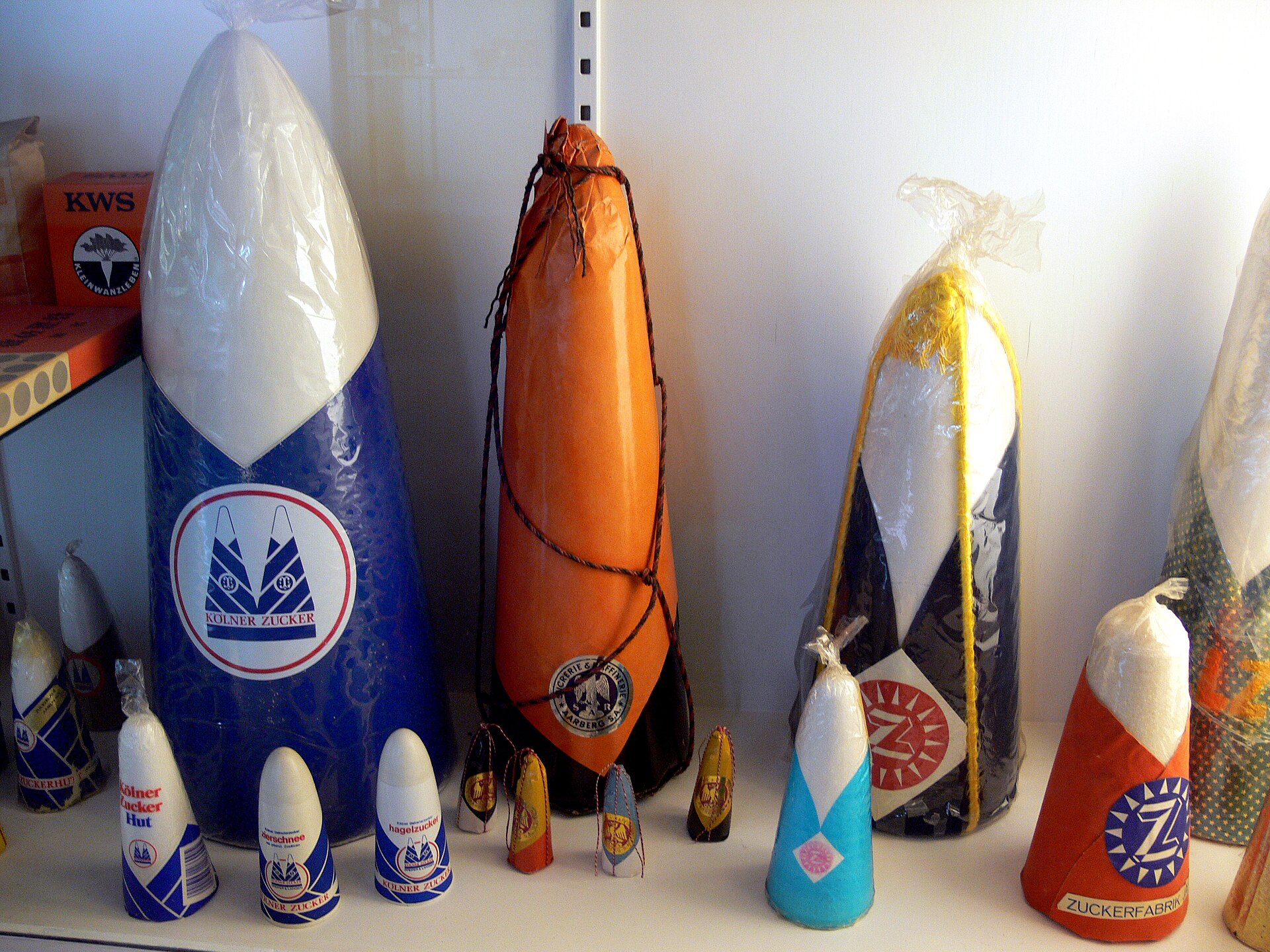
Raw sugar was packed into wooden casks and transported to cities such as Philadelphia, where it was refined by cooling and heating the sugar repeatedly to remove impurities and produce a finer, whiter sugar. Consumers could buy raw brown muscavado, the coarsest and least expensive grade, or single- and double-refined loaf sugar formed in earthenware cones at sugar refineries. Sugar moulds shaped the sugar cones, which were wrapped in blue paper and sent to grocers, and the smallest cones were used for the finest of the white sugar.
By 1860 Louisiana had 332,000 enslaved workers, and nine out of ten enslaved people in the state worked on rural farms and plantations. The last sugar harvest in Maui, Hawaii took place on 12 December 2016.
2. The Plantation Complex and Enslaved Labour
Sugar plantations absorbed the great majority of Africans carried across the Atlantic, and only 5 percent of enslaved arrivals went to the United States. The plantation complex that this labour sustained was a creation of the Americas rather than of Africa, where African capacity to resist Europeans kept estates from taking root. John, an 18th to 19th-century plantation and a relic of the Danish colonial era when the island carried the Danish spelling St. Jan, worked over 600 enslaved Africans and by the early 19th century ranked among St. John's biggest sugar producers, turning out molasses and rum for export as well. About 645,000 Africans were shipped to the United States between the 16th and 19th centuries, and in 1808 Congress banned the importation of slaves.
The same enslaved workforce fed the wider colonial economy: Boston alone produced more than a million gallons of rum per year by the 1730s.
Enforcement of the sugar and molasses trade was elaborate. Goods could not be shipped from one British colony to another without a sufferance or warrant from the customs collector, and the master had to take out cockets describing the cargo. A merchant who landed goods contrary to the act forfeited the drawback and paid double its amount plus treble the value of the goods, while customs officers who took a bribe or connived at a false entry forfeited five hundred pounds and lost the capacity to serve the king in any office.
The preamble of the Sugar Act declared that its purpose was to raise money for military expenses. The act barred rum or spirits of foreign produce from being imported into colonies under the king's dominion.
Abolition in the British Empire in 1834 ended slavery in the sugar colonies and opened the way for the great experiment, adopted by other colonial powers from the 1840s.
3. Caribbean and Cuban Landscapes
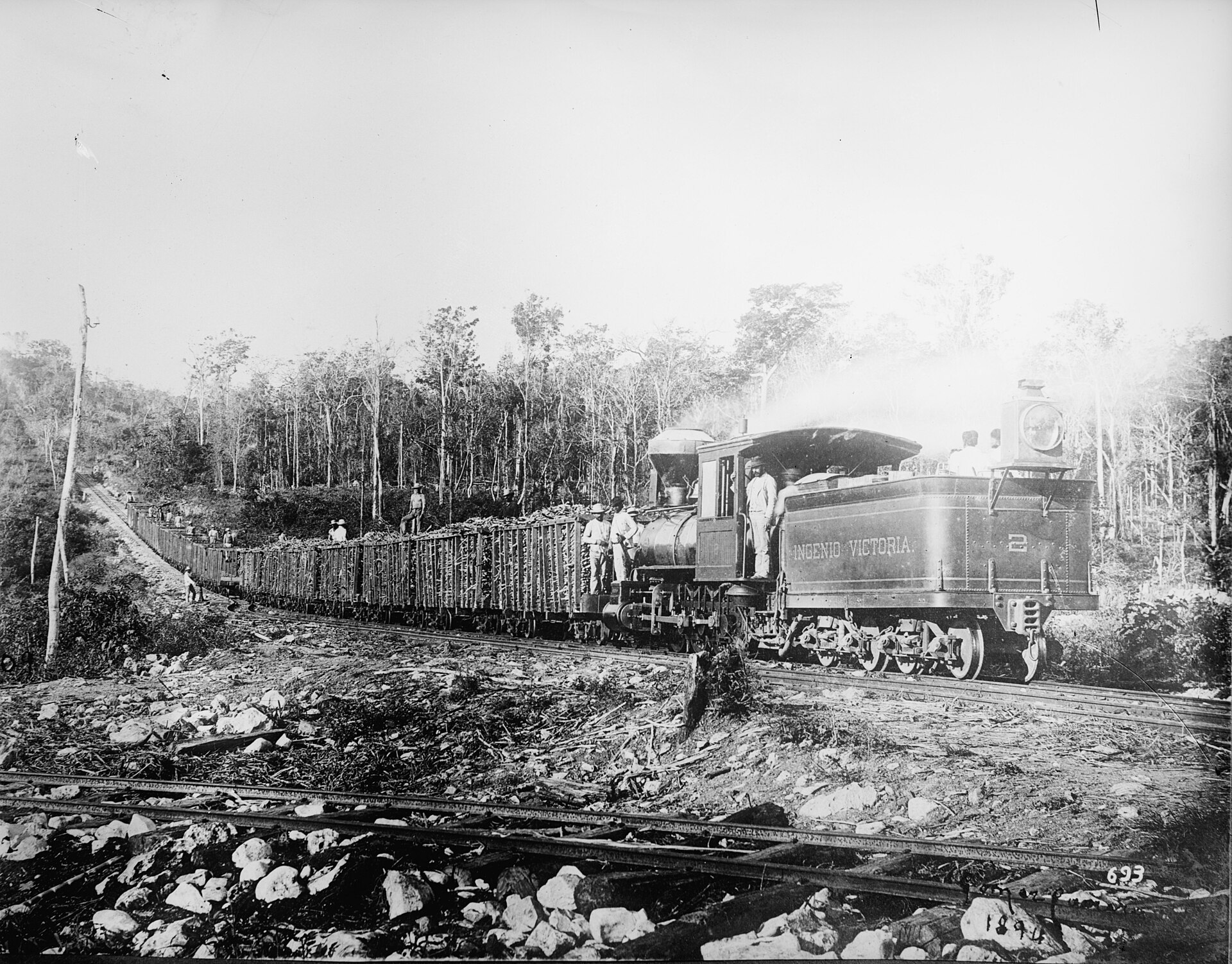
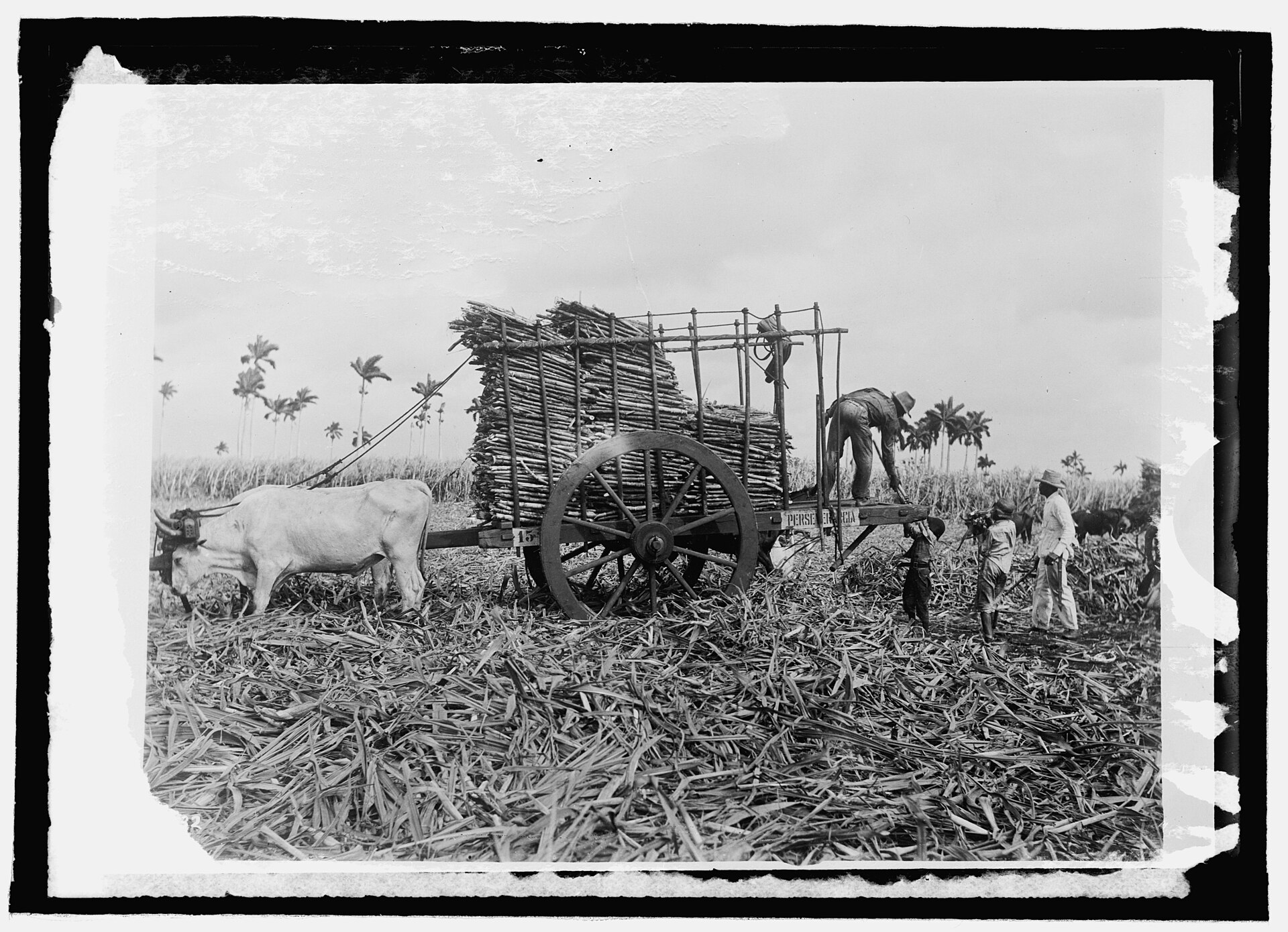
The city of Trinidad owes its existence and historical purpose to the sugar industry that flourished there and in the nearby Valley de los Ingenios. Twelve kilometres northeast of Trinidad lie three interconnected rural valleys of some 225 square kilometres forming the Valley de los Ingenios. The valley is a living museum of Cuban sugar production including the sites of 75 former cane sugar mills, plantation houses and barracks. More than fifty sugar mills were in operation in the valley at the industry's peak in the 19th century, and in 1827 more than 11,000 slaves were working in the mills.
The former plantations, mill buildings and archaeological sites are the richest and best-preserved testimony of the Caribbean sugar agro-industrial process of the 18th and 19th centuries.
4. Indentured Labour After Abolition
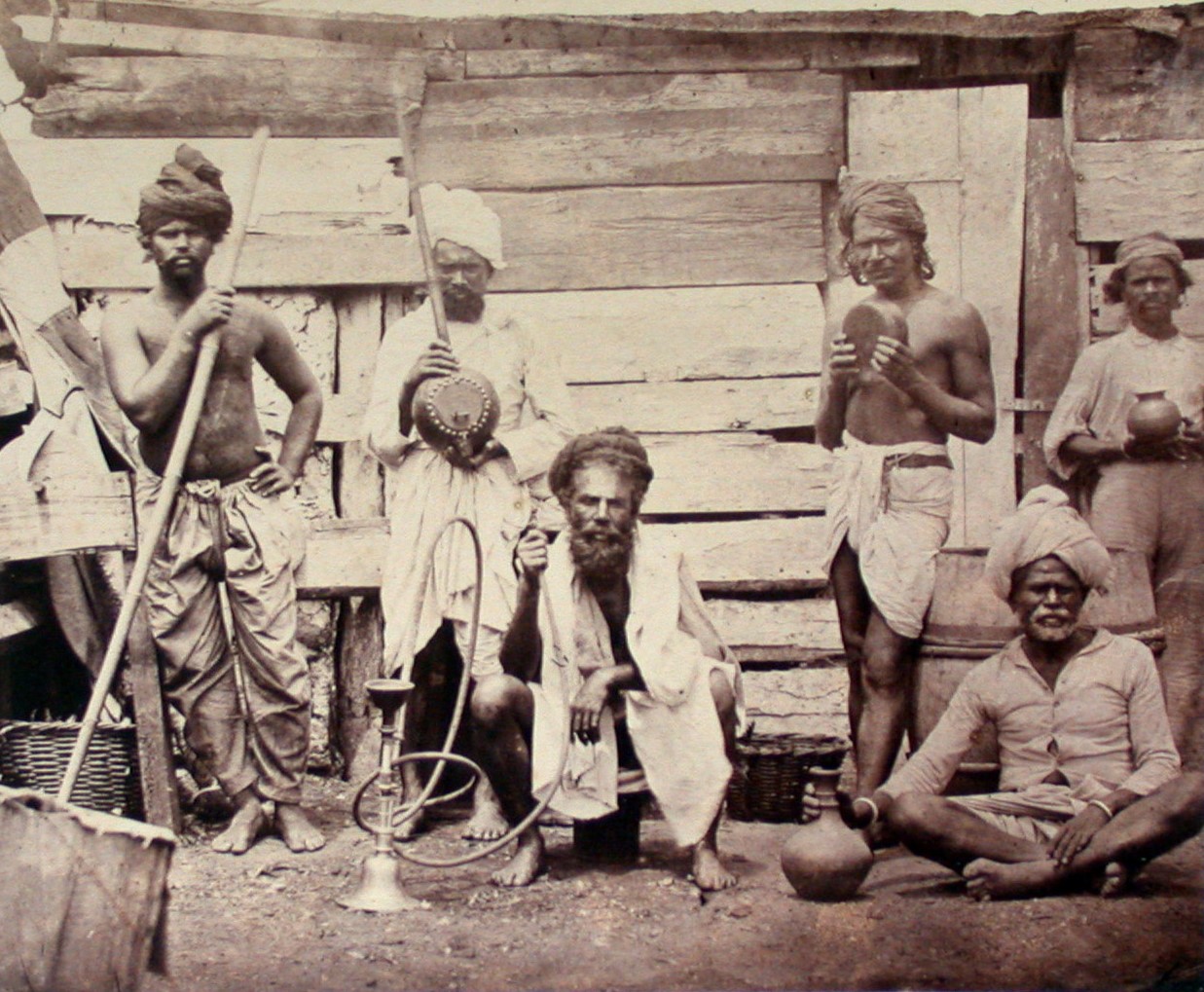
In 1834 the British Government selected Mauritius as the first site of what it called the great experiment in the use of free labour to replace slaves. Between 1834 and 1920 almost half a million indentured labourers arrived from India at Aapravasi Ghat to work in the sugar plantations of Mauritius or to be transferred onward. The immigration depot at Aapravasi Ghat was built in 1849 to receive indentured labourers from India, Eastern Africa, Madagascar, China and Southeast Asia for the island's sugar estates. The remains at the site include the sheds that housed immigrants, kitchens, lavatories, a hospital block and a flight of 14 steps.
5. Beet Sugar and the Modern Industry
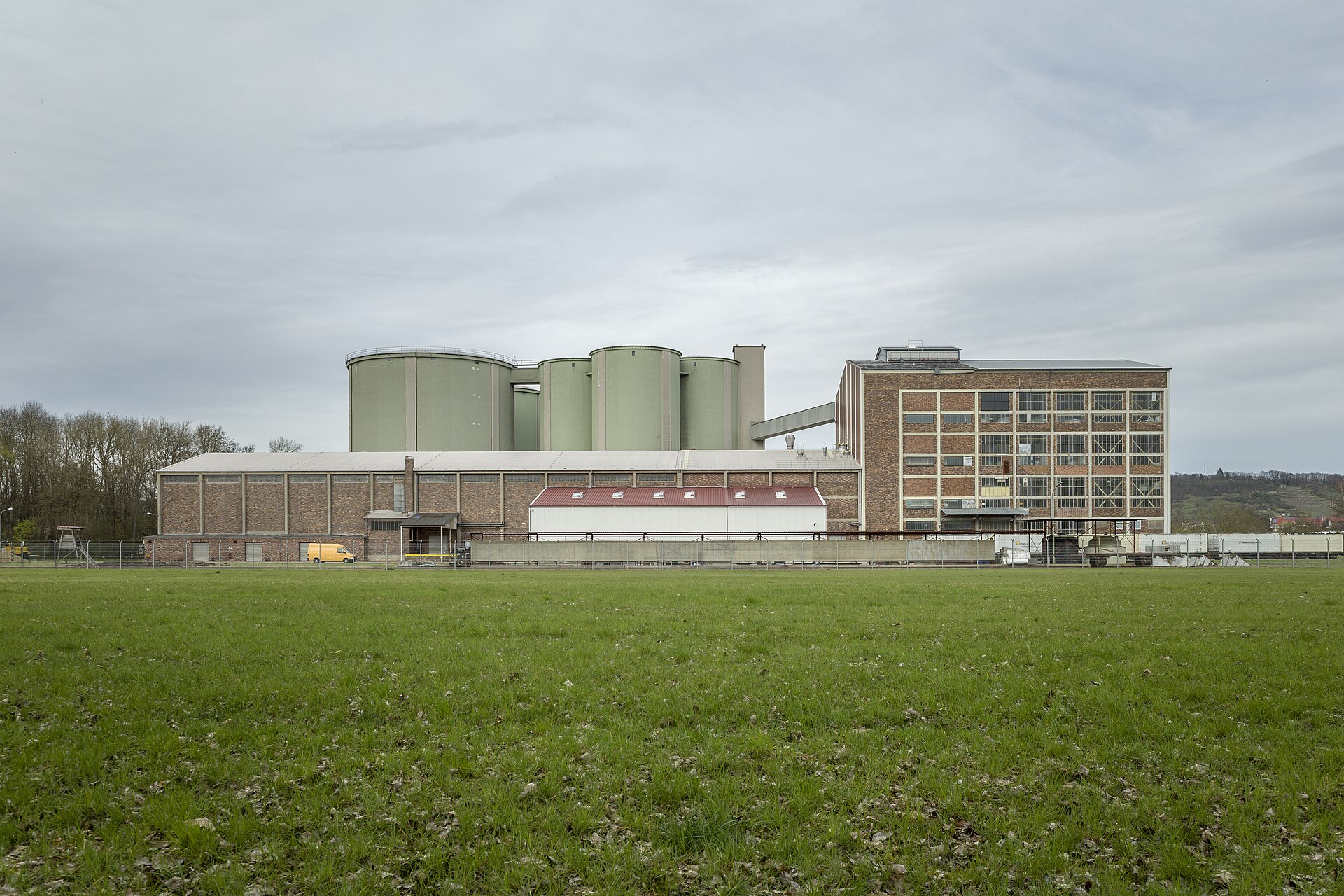
In the 18th century the German chemist Andreas Marggraf discovered that sugar beet roots, like sugar cane, contained a high percentage of sucrose. At the time sugar beets were less than 6% sucrose; over many years of selective breeding they have become a crop with over 18% sucrose. In 1813 Edward Charles Howard invented a more fuel-efficient method of refining sugar, boiling cane juice in a closed kettle heated by steam and held under partial vacuum.
6. Cane as a Plant and Its Uses
Sugarcane is a perennial grass of the family Poaceae primarily cultivated for its juice, from which sugar is processed, and most of the world's sugarcane is grown in subtropical and tropical areas.
Sugarcane is also grown for biofuel production, especially in Brazil, because the canes can be used directly to produce ethanol. The by-products of cane sugar processing, the straw and bagasse or cane fibres, can be used to produce cellulosic ethanol as a second-generation biofuel.
Sugarcane products include molasses, rum and cachaça, and the plant itself can be used as thatch and as livestock feed.
7. The Molasses and Sugar Acts
The Molasses Act laid duties of six pence per gallon on molasses, nine pence per gallon on rum and five shillings per hundredweight on foreign sugar when it took effect on 25 December 1733 across the American mainland colonies. The measure was designed to protect and encourage trade within the sugar-producing colonies in the Americas, and from 1730 to 1733 the planters of the British West Indies sugar colonies, led by Barbados, petitioned Parliament to stop the mainland colonies trading with the foreign West Indies.
The Sugar Act extended and made the Molasses Act of 1733 permanent, and it was British legislation aimed at ending the smuggling trade in sugar and molasses from the French and Dutch West Indies. It was a reinvigoration of the largely ineffective Molasses Act of 1733, providing for strong customs enforcement of the duties on refined sugar and molasses. The act replaced the duty on molasses and syrups imported from colonies outside the king's dominion with a duty of three pence a gallon, and it granted a virtual monopoly of the American market to British West Indies sugarcane planters. It was intended to improve and secure trade between the American colonies and Great Britain and to make smuggling more difficult. George Grenville, prime minister and chancellor of the exchequer, was responsible for the Sugar Act of 1764 that began colonial protest against taxation without representation. The duties took effect on 29 September 1764 across the American colonies, and before the act widespread smuggling and the policy known as salutary neglect had undermined the collection of taxes.
The sums raised under the act were declared to be sterling money of Great Britain. Colonial shippers had to give bond that molasses or syrups of foreign produce would be carried to a British colony or to Great Britain, because great quantities of foreign molasses were clandestinely run ashore. A ship discovered within two leagues of the colonial shore without a certificate could be seized and forfeited together with all the goods on board, and ships violating the act were subject to immediate seizure by British customs commissioners and fell under the authority of the Vice Admiralty Court in Nova Scotia. The stricter bonding regulations for shipmasters, who were placed under the authority of the Vice-Admiralty Court in distant Nova Scotia, were more objectionable to the colonists. As a result of the act the earlier clandestine trade in foreign sugar and much colonial maritime commerce were severely hampered.
8. Market Institutions and Outlook
The FAO Markets and Trade Division collects, analyses and disseminates information on the world sugar market, and it regularly publishes international price development reports and short-term forecasts of sugar supply and utilization. The OECD-FAO Agricultural Outlook chapter on sugar covers market developments and medium-term projections for world sugar markets, including sugar beet, sugarcane, molasses and high-fructose corn syrup. The industry's National Real Sugar Day is presented as a way to connect consumers with the real sugar made from sugar cane and sugar beets.
Between 1710 and 1770 sugar became an extremely popular commodity representing 20% of all European imports, while the British and French West Indies produced 80% of the sugar.
9. Key Dates
-
around 8000 BCEEarliest evidence of sugar cane useThe first indications of the domestication of sugar cane come from around 8000 BCE, when the indigenous people of New Guinea chewed it raw.1History of Sugar - Making Life Sweeter Since 8000 BCE · The Sugar Association, Inc. ↗
-
1849Aapravasi Ghat depot builtThe immigration depot at Aapravasi Ghat was built in 1849 to receive indentured labourers from India, Eastern Africa, Madagascar, China and Southeast Asia for the island's sugar estates.12Aapravasi Ghat (World Heritage List 1227) · UNESCO World Heritage Centre ↗
-
1868Pennsylvania Sugar Refining Company foundedThe Pennsylvania Sugar Refining Company was founded in 1868 by the German immigrant John Hilgert.5Sugar and Sugar Refining · The Encyclopedia of Greater Philadelphia ↗
-
1881Refinery moves to the Delaware River waterfrontThe Pennsylvania Sugar Refining Company moved in 1881 to the Delaware River waterfront.5
10. Timeline: from cane origins to the sugar of the industrial age
- c. 8000 BCESugar cane is domesticated in New GuineaThe first indications of sugar cane domestication come from New Guinea, where the indigenous people chewed the cane raw.
- c. 350 CESugar is crystallized for the first time in IndiaSugar was crystallized in India for the first time during the Gupta dynasty.
- c. 600 CESugar cultivation and processing reach PersiaSugar cultivation and processing methods reached Persia, and Persian expansion carried the techniques into Mesopotamia and the Mediterranean.
- 1455-1480Madeira becomes a large-scale sugar producerSugar was cultivated in Madeira for large-scale refinement for the first time, and about 70 ships were involved in the Madeira sugar trade.
- 1492Columbus carries sugar cane to the AmericasSugar cane reached the Americas with Christopher Columbus, and settlers recognized the potential of the climate of the New World.
- 1658Dutch colonists introduce cane to Barbados and the Virgin IslandsDutch colonists introduced sugar cane to South America and the Caribbean, including Barbados and the Virgin Islands.
- 25 December 1733The Molasses Act takes effectThe Molasses Act laid duties of six pence a gallon on molasses and nine pence a gallon on rum imported from non-British colonies.
- 1747Marggraf identifies sugar in beet rootsThe German chemist Andreas Marggraf identified sugar in beet roots, the starting point of the beet sugar industry.
- 29 September 1764The Sugar Act takes effect in the American coloniesThe duties imposed by the Sugar Act took effect on 29 September 1764 across the American colonies.
- 1801Achard builds the first sugar beet processing facilityMarggraf's apprentice Franz Karl Achard built the first sugar beet processing facility, in what is now Poland.
- 1808Congress bans the importation of slaves into the United StatesCongress banned the importation of slaves into the United States, cutting off the direct supply of enslaved labour to the Louisiana cane fields.
- 1813Howard's vacuum pan improves sugar refiningEdward Charles Howard's vacuum pan boiled cane juice in a closed kettle heated by steam and held under partial vacuum, making refining more fuel-efficient.
- 1827The Valley de los Ingenios sugar mills at their peakMore than fifty sugar mills were at work in the valley, and more than 11,000 slaves were working in the mills.
- 1834The great experiment begins in MauritiusThe British Government selected Mauritius as the first site of the great experiment in the use of indentured labour instead of slave labour.
- late 1850Brazil moves against the slave trafficBrazilian authorities began arresting slavers, and the volume of the traffic slipped back to levels not seen for two centuries.
- 1867The last trans-Atlantic slave voyageThe last trans-Atlantic slave expedition, probably from the Congo River, completed its voyage to Cuba.
11. Frequently asked questions
How many people were shipped from Africa in the trans-Atlantic slave trade, and how many landed in the Americas?
About 12.5 million people were shipped from Africa, and 10.7 million landed in the Americas 3A Brief Overview of the Trans-Atlantic Slave Trade (David Eltis) · SlaveVoyages / Rice University ↗. Between 12 and 13 percent of the Africans embarked on slave ships did not survive the Atlantic crossing 3.
Which African port dispatched the most enslaved people?
Luanda alone dispatched some 1.3 million slaves, and the three busiest African slaving ports together accounted for 2.2 million departures 3.
How did the French and British slave trades compare in the Americas?
How much of the world's sugar comes from cane rather than beet?
Sugar cane accounts for about 80 percent of world sugar production, while sugar beet supplies around 20 percent 2History of sugar (sugar cane and sugar beet) · World Sugar Research Organisation ↗.
How did the Sugar Act change the duty on foreign molasses?
The government of Prime Minister George Grenville placed a three-penny duty upon foreign molasses, with strong customs enforcement 11Sugar Act, Great Britain 1764 · Encyclopaedia Britannica ↗. The Molasses Act had set six pence per gallon on molasses 8Molasses Act 1733 · Encyclopedia.com (Dictionary of American History) ↗.
How large were the sugar moulds used by Liverpool refiners?
The largest of the sugar moulds held 150lbs of sugar, equivalent to more than 130 large bags 4Sugar, tea and pottery · National Museums Liverpool ↗.
References (18)
- 1History of Sugar - Making Life Sweeter Since 8000 BCE — The Sugar Association, Inc. Web↩View source
- 2History of sugar (sugar cane and sugar beet) — World Sugar Research Organisation Web↩View source
- 3A Brief Overview of the Trans-Atlantic Slave Trade (David Eltis) — SlaveVoyages / Rice University Web↩View source
- 4Sugar, tea and pottery — National Museums Liverpool Web↩View source
- 5Sugar and Sugar Refining — The Encyclopedia of Greater Philadelphia Web↩View source
- 6Slavery on the Magnolia Plantation — U.S. National Park Service WebView source
- 7Annaberg Sugar Plantation, Virgin Islands National Park — U.S. National Park Service WebView source
- 8Molasses Act 1733 — Encyclopedia.com (Dictionary of American History) 1733 Web↩View source
- 9Sugar Act (1764) - full text — University of Nebraska-Lincoln, Teaching Legal History 1764 WebView source
- 10Sugar Act (1764) - primary source document — History Central 1764 WebView source
- 11Sugar Act, Great Britain 1764 — Encyclopaedia Britannica 1764 Web↩View source
- 12Aapravasi Ghat (World Heritage List 1227) — UNESCO World Heritage Centre Web↩View source
- 13Trinidad and the Valley de los Ingenios (World Heritage List 460) — UNESCO World Heritage Centre WebView source
- 14Sugarcane (Saccharum officinarum) — Encyclopaedia Britannica WebView source
- 15Great Britain: Parliament - The Sugar Act: 1764 — Avalon Project, Yale Law School 1764 WebView source
- 16Sugar - Markets and Trade — Food and Agriculture Organization of the United Nations WebView source
- 17The Sugar Association - Real Sugar home page — The Sugar Association, Inc. WebView source
- 18Sugar Act of 1764 - Section 1 — American History Central 1764 WebView source