Svalbard Global Seed Vault
A frozen vault inside an Arctic mountain that stores backup copies of the world's crop seeds.
The Svalbard Global Seed Vault safeguards duplicates of over 1.4 million seed samples from almost every country, with space for millions more. It sits inside a mountain in the Svalbard archipelago, halfway between mainland Norway and the North Pole. Genebanks deposit duplicate samples for long-term safekeeping while retaining ownership, and the backups can be withdrawn if seeds are lost elsewhere. The idea was discussed in the 1980s, and in 1984 the Nordic Gene Bank opened a backup store in an abandoned coal mine near Longyearbyen.
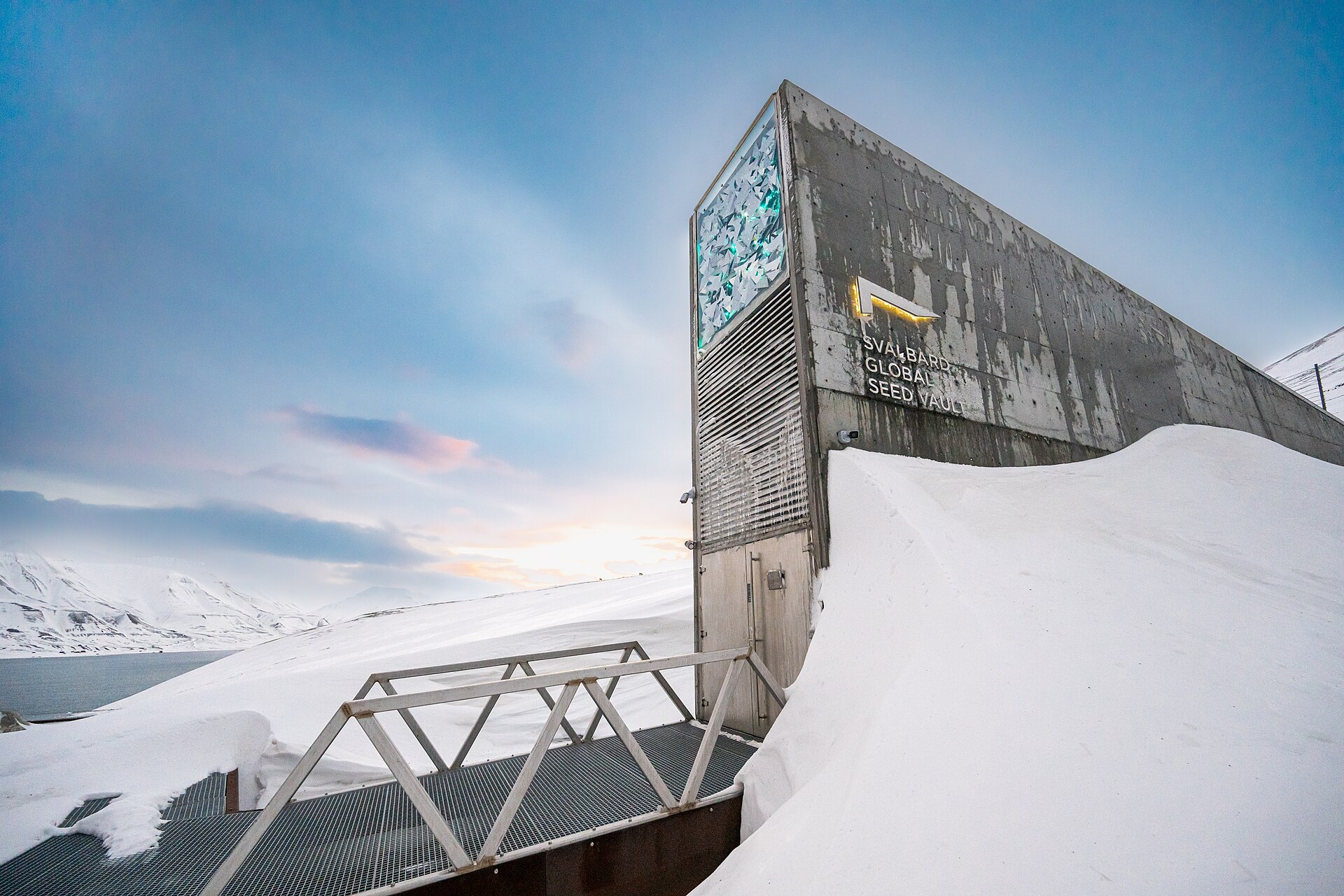
Overview
The Svalbard Global Seed Vault is the largest backup facility for the world's crop diversity. It lies inside a mountain in the Svalbard archipelago, halfway between mainland Norway and the North Pole. The vault safeguards duplicates of over 1.4 million seed samples drawn from almost every country in the world, and it is described as the ultimate insurance policy for the world's food supply.
1. Purpose and rationale
The vault exists to protect crop diversity by safeguarding seeds of the crops grown and consumed today, holding them as a reserve against loss elsewhere. When a crop variety disappears its valuable traits may be gone forever, so the stored seeds serve as a backup from which collections lost elsewhere can be restored. The need is not hypothetical: the national genebank of the Philippines was damaged by flooding and later destroyed by fire, while the genebanks of Afghanistan and Iraq have been lost completely. Against a global network of about 1,700 genebanks the vault functions as a final layer of security.
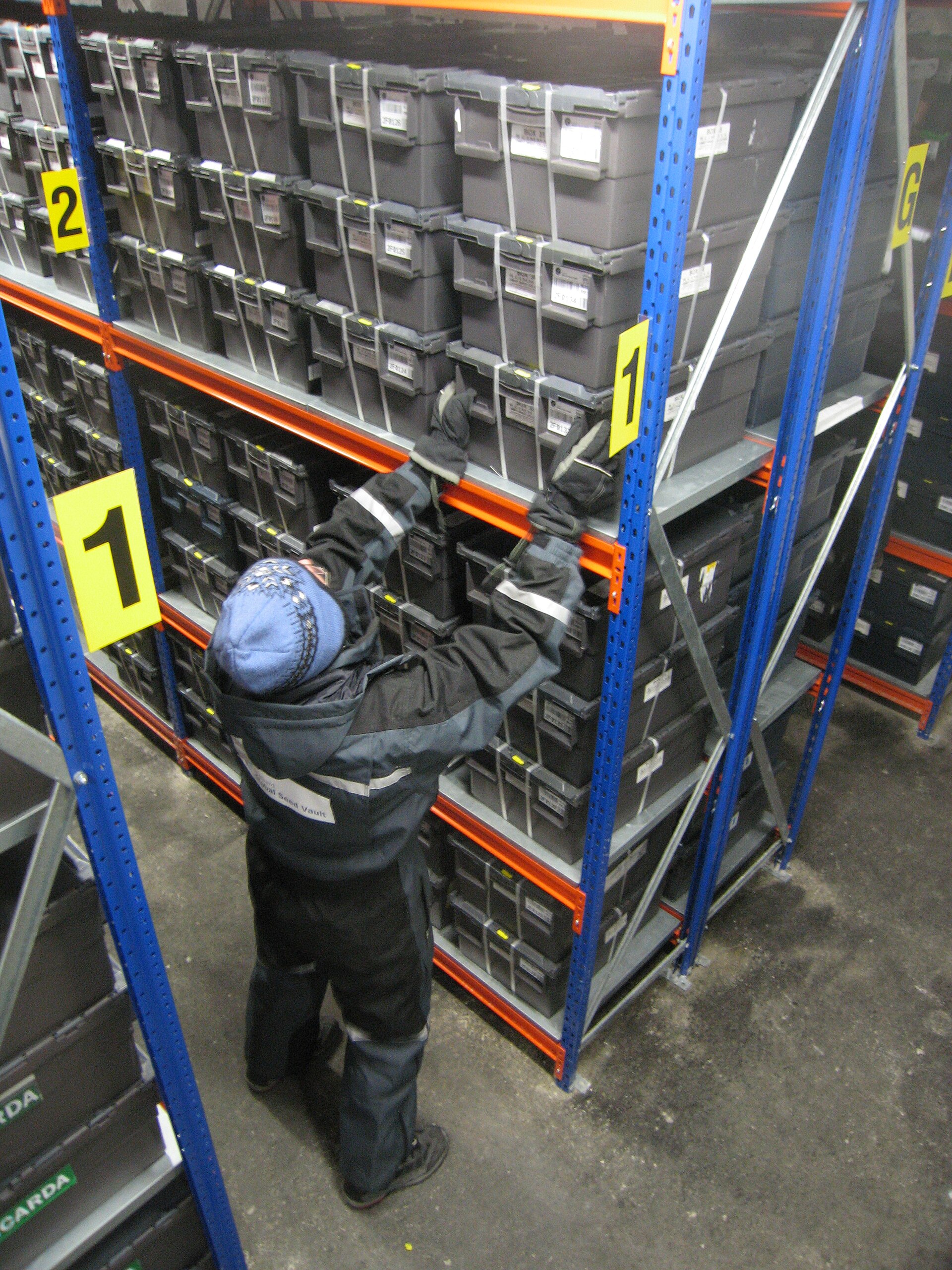
The arrangement preserves the autonomy of the institutions that use it. Seeds are stored under black box conditions, meaning only the institution that deposited them has access and may withdraw them. Depositing genebanks retain ownership of the material they place in the vault.
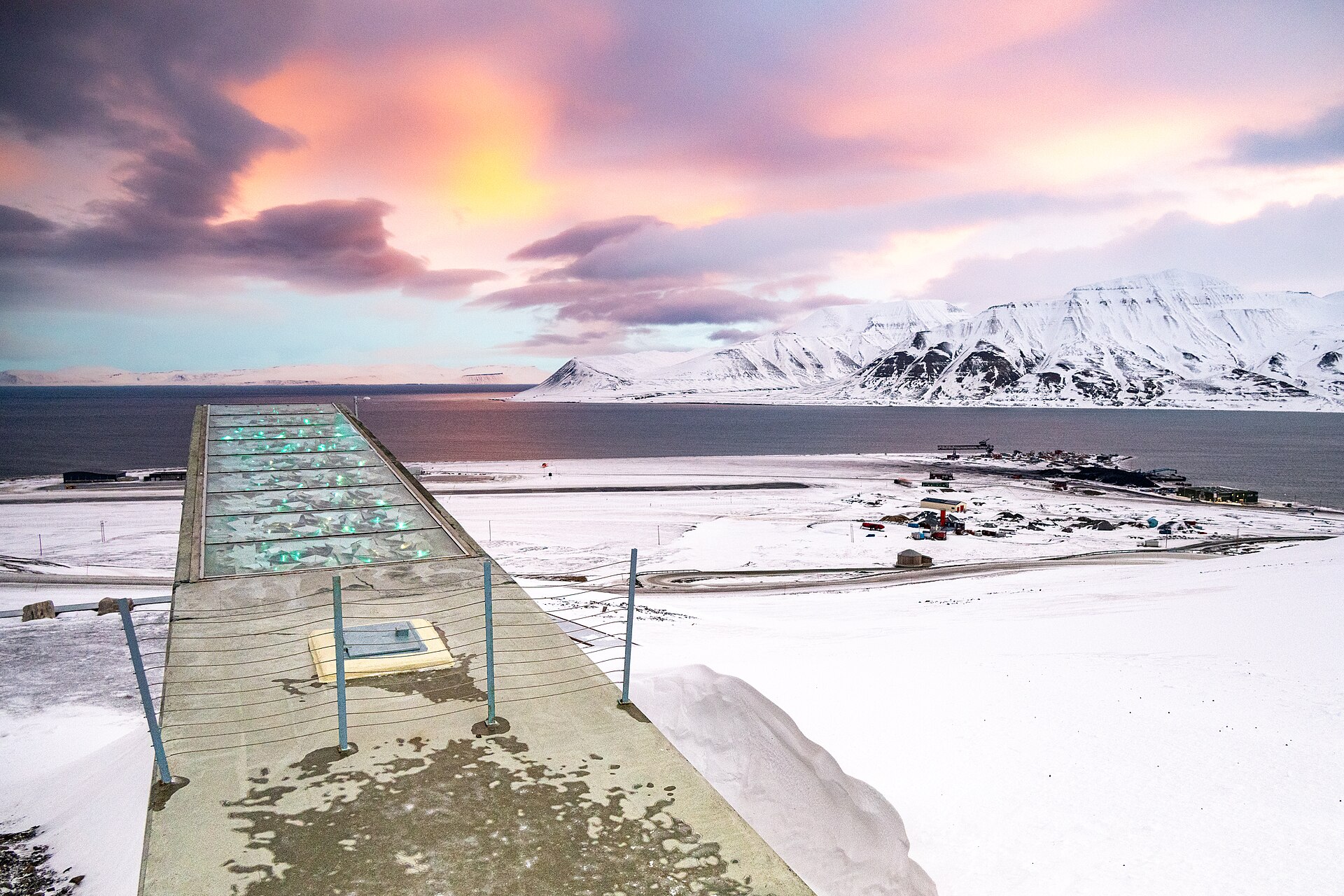
The site itself was chosen to serve the same purpose. Spitsbergen was considered ideal because it lacked tectonic activity and had permafrost, which aids preservation.
2. Origins and early backup efforts
The idea of a global security storage facility in Svalbard, intended to house duplicates of seed conserved in gene banks, began to be discussed in the 1980s. In 1984 the Nordic Gene Bank, now NordGen, established a backup seed storage facility in an abandoned coal mine outside Longyearbyen. The vault that followed is the largest backup facility for the world's crop diversity.
3. Construction and opening
Groundbreaking for the Svalbard Global Seed Vault took place on 19 June 2006 and the facility opened on 26 February 2008. Construction cost about 45 million krone, equivalent to US$8.8 million in 2008. The vault sits at an elevation of 130 metres. Its profile was recognised in the TIME Best Inventions of 2008.
4. Site selection
The permafrost at the site holds temperatures between minus 3 and 4 degrees Celsius.
5. Facility and storage conditions
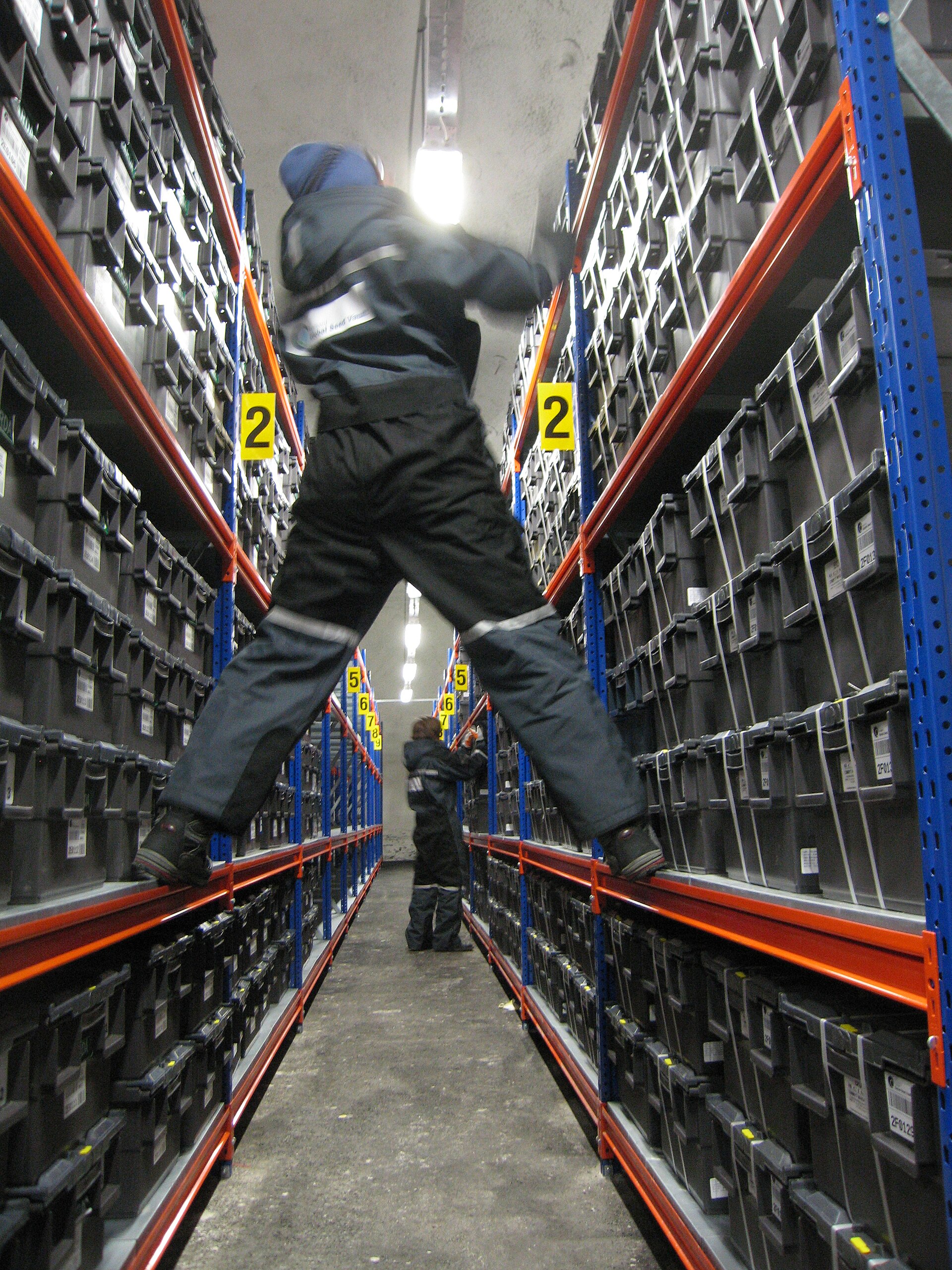
The seed storage area lies more than 100 metres inside the mountain, beneath rock between 40 and 60 metres thick. The facility is organised into three halls. The surrounding mountain mass carries permafrost whose temperature holds steady between minus 3 and 4 degrees Celsius.
An additional cooling system lowers the temperature of the seed stores to minus 18 degrees Celsius and maintains it at that constant level.
6. Ownership and operations
The vault is owned by Norway's Ministry of Agriculture and Food and was designed by architect Peter W. S., with a floor area of about 1,000 square metres. NordGen operates the Seed Vault in cooperation with the Norwegian Ministry of Agriculture and Food and the Crop Trust.
Deposited seeds are held under a black box arrangement. This means storage takes place under black box conditions, so that only the institution that deposited the seeds has access to them and may withdraw them.
7. Collections and accessions
As of June 2025 the Seed Vault conserves 1,355,591 accessions, a body of material representing more than 13,000 years of agricultural history. In 2015 researchers began sending seeds from the Middle East for safeguarding in Svalbard because of ongoing conflicts. For the Seed Vault's tenth anniversary on 26 February 2018 a shipment of 70,000 samples was delivered, bringing samples received to more than one million.
8. Entrance tunnel and repairs
Water often seeps into the 100 metre entrance tunnel in warmer spring months and in one case encroached 15 metres before freezing. In 2019 the Norwegian public works agency Statsbygg completed tunnel improvements, waterproofing the walls, removing heat sources and digging exterior drainage ditches. The seed storage area itself lies more than 100 metres inside the mountain, under rock between 40 and 60 metres thick.
9. Timeline
- 1980sThe idea emergesDiscussion begins about a global security storage facility in Svalbard to house duplicates of seed conserved in gene banks worldwide.
- 1984First backup store in a coal mineThe Nordic Gene Bank, now NordGen, establishes a backup seed storage facility in an abandoned coal mine outside Longyearbyen.
- 19 June 2006GroundbreakingConstruction begins on the Svalbard Global Seed Vault.
- 26 February 2008The vault opensThe Seed Vault opens, funded entirely by the Norwegian government at a cost of about 45 million krone.
- 2015Middle East seeds sent for safekeepingResearchers begin sending seeds from the Middle East for safeguarding in Svalbard because of ongoing conflicts.
- 26 February 2018One million samples reachedA shipment of 70,000 samples marks the vault's tenth anniversary and takes samples received past one million.
- 2019Tunnel waterproofedStatsbygg completes improvements to the entrance tunnel after meltwater entered it.
10. Frequently asked questions
How much did building the vault cost?
Construction cost approximately 45 million Norwegian krone, about 8.8 million US dollars in 2008 3Svalbard Global Seed Vault · Wikipedia ↗.
How large is the facility?
Where does the vault's electricity come from?
Electricity comes from the public power plant in Longyearbyen, and generators provide power in case of an outage 5.
How many genebanks exist worldwide?
Globally there are about 1,700 genebanks working to conserve and promote the sustainable use of plant genetic resources 1Svalbard Global Seed Vault · NordGen ↗.
What was the vault's former name?
The Nordic Gene Bank, which established the earlier backup facility in an abandoned coal mine, is now known as NordGen 4The History · Svalbard Global Seed Vault (seedvault.no) ↗.
References (5)
- 1Svalbard Global Seed Vault — NordGen Web↩View source
- 2Svalbard Global Seed Vault — Crop Trust WebView source
- 3Svalbard Global Seed Vault — Wikipedia Web↩View source
- 4The History — Svalbard Global Seed Vault (seedvault.no) Web↩View source
- 5The Facility — Svalbard Global Seed Vault (seedvault.no) Web↩View source