Mansa Musa
The Mali Empire's most celebrated mansa, whose 1324 pilgrimage to Mecca, gold-laden caravan and patronage of Timbuktu's scholars made his wealth legendary in the Islamic world and Europe.
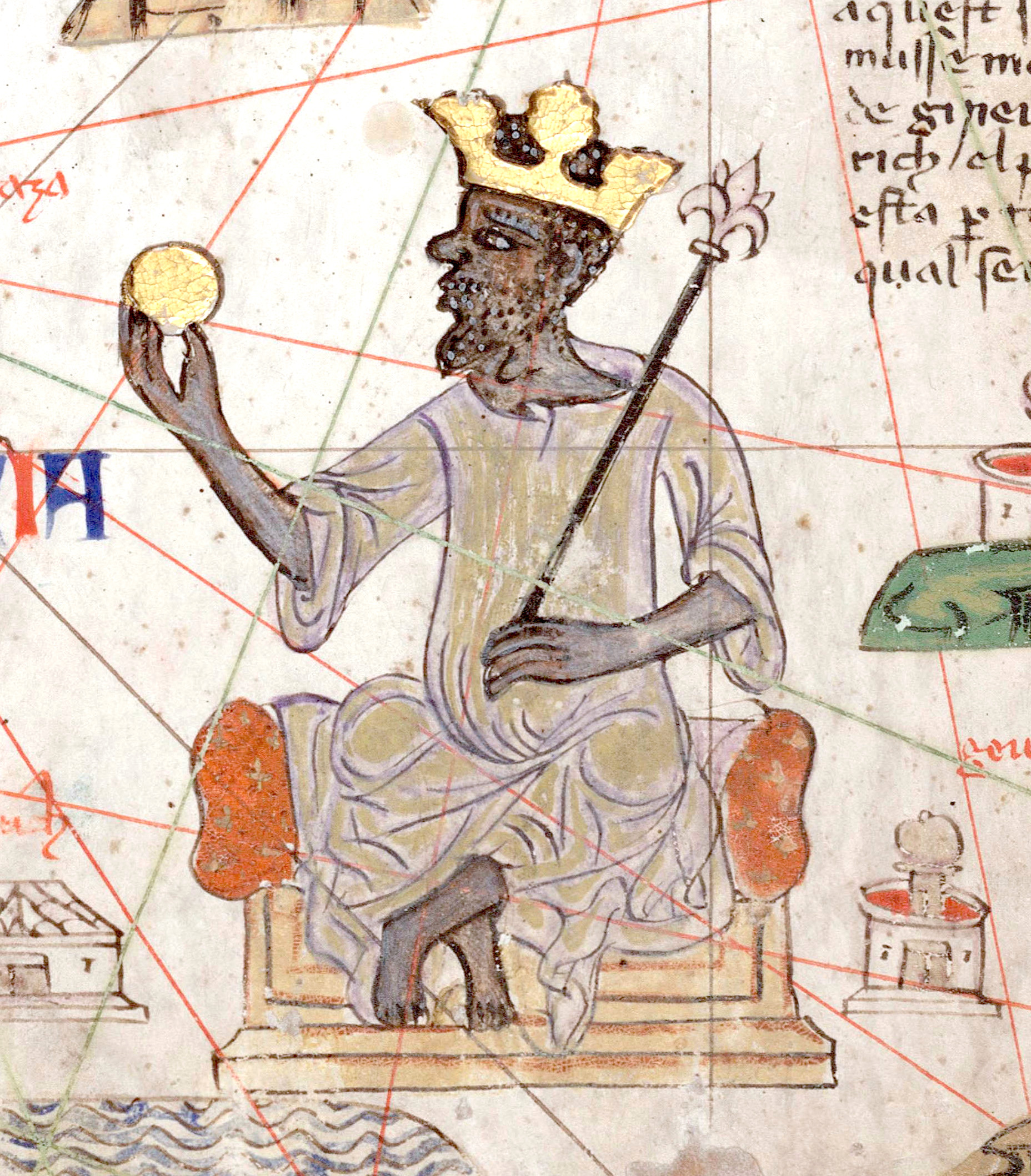
Mansa Musa (reigned c. 1312–1337) was the ruler of the Mali Empire at its height, whose pilgrimage to Mecca in 1324 carried so much gold through Cairo that the metal's value fell for years. He extended the empire to include Gao, commissioned mosques and palaces through the Granada architect Abu Ishaq al-Sahili, and encouraged the scholars of Timbuktu and Sankore. His wealth and generosity were described by the Arabic writers al-Umari, Ibn Battuta and Ibn Khaldun, and his image, enthroned with a gold nugget, was drawn on the Catalan Atlas of 1375.
Overview
Mansa Musa was the mansa, or emperor, of the West African empire of Mali during its height in the early 14th century. His full name was Kanku Musa Keita, and he is also known as Mansa Musa.
After Sundiata, the most famous ruler of the Mali empire is Mansa Kankan Musa I, who came to power several decades after the death of his legendary predecessor. Mansa Musa left a realm notable for its extent and riches and is widely considered to be the wealthiest person in history.
1. Accession and Reign
Kanku Musa Keita, known to history as Mansa Musa, became emperor of Mali in 1312 and reigned until 1337, guiding the empire through its most prosperous years. His accession placed him at the head of the Mali Empire at the height of its power. He held the title of Mansa, or king, of the Mali Empire. Born around 1280 in the Mali Empire, he died there around 1337.
Musa's reign strengthened Mali's position within trans-Saharan trade networks and helped establish Timbuktu as a major center of commerce and Islamic learning. Timbuktu and Gao were among its key cities. The empire also acquired control over the salt trade.
Musa was a grandson or grandnephew of Sundiata, the founder of the dynasty. Sundiata Keita had risen to power by defeating the king of the Sosso in 1235 and brought all the Mandinka clan rulers under his leadership, declaring himself overall Mansa.
2. The Pilgrimage to Mecca
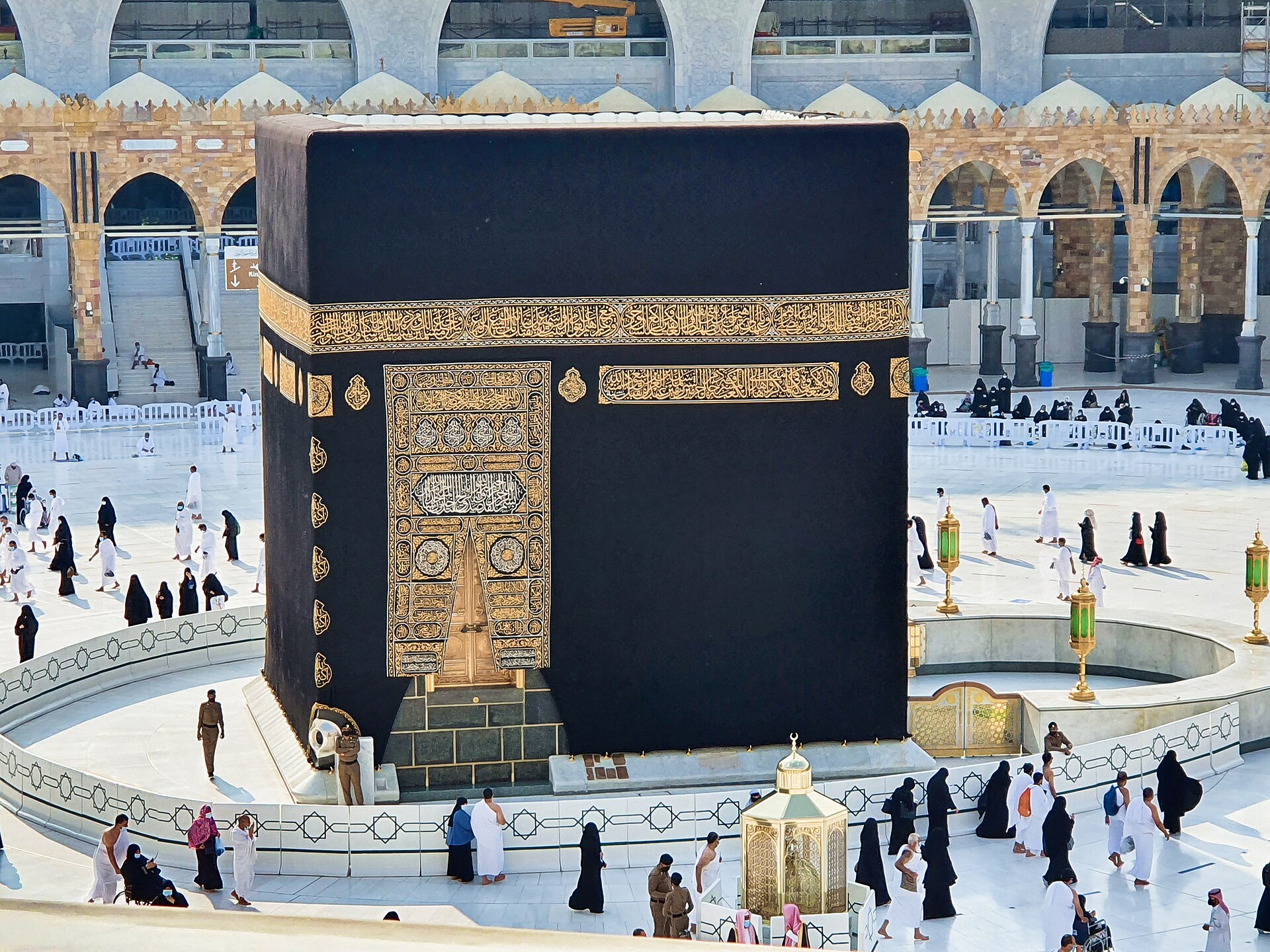
Mansa Musa, ruler of the Mali Empire, performed the hajj to Mecca, the pilgrimage that stands at the center of Islamic devotion. He set out in 1324 and returned in 1325, making a stopover in Cairo along the way. He arrived in Cairo in July of that year, where his presence caused an absolute sensation.
Arab chroniclers reported that Mansa Musa was accompanied by a caravan of 60,000 men, including a personal retinue of 12,000 enslaved persons clad in brocade and Persian silk. The emperor was said to have ridden on horseback, preceded by 500 enslaved persons each carrying a gold-adorned staff. His baggage train included 80 camels, each carrying 300 pounds of gold.
3. Impact in Cairo
Al-Umari notes that the mithqal fell from 25 dirhams or more to no more than 22 dirhams, and that the cheapened price lasted about twelve years because of the gold brought into Egypt.
Al-Umari reports that the Malian king forwarded many loads of unworked native gold and other valuables to the royal treasury of Cairo.
In the sultan's presence Mansa Musa refused to kiss the ground in the customary way, declaring that he made obeisance to God who created him, after which the sultan seated him by his side. Al-Umari records that when the Malian ruler was pressed to visit the Mamluk sultan, he insisted that he had come for the pilgrimage and nothing else.
4. Building and Patronage
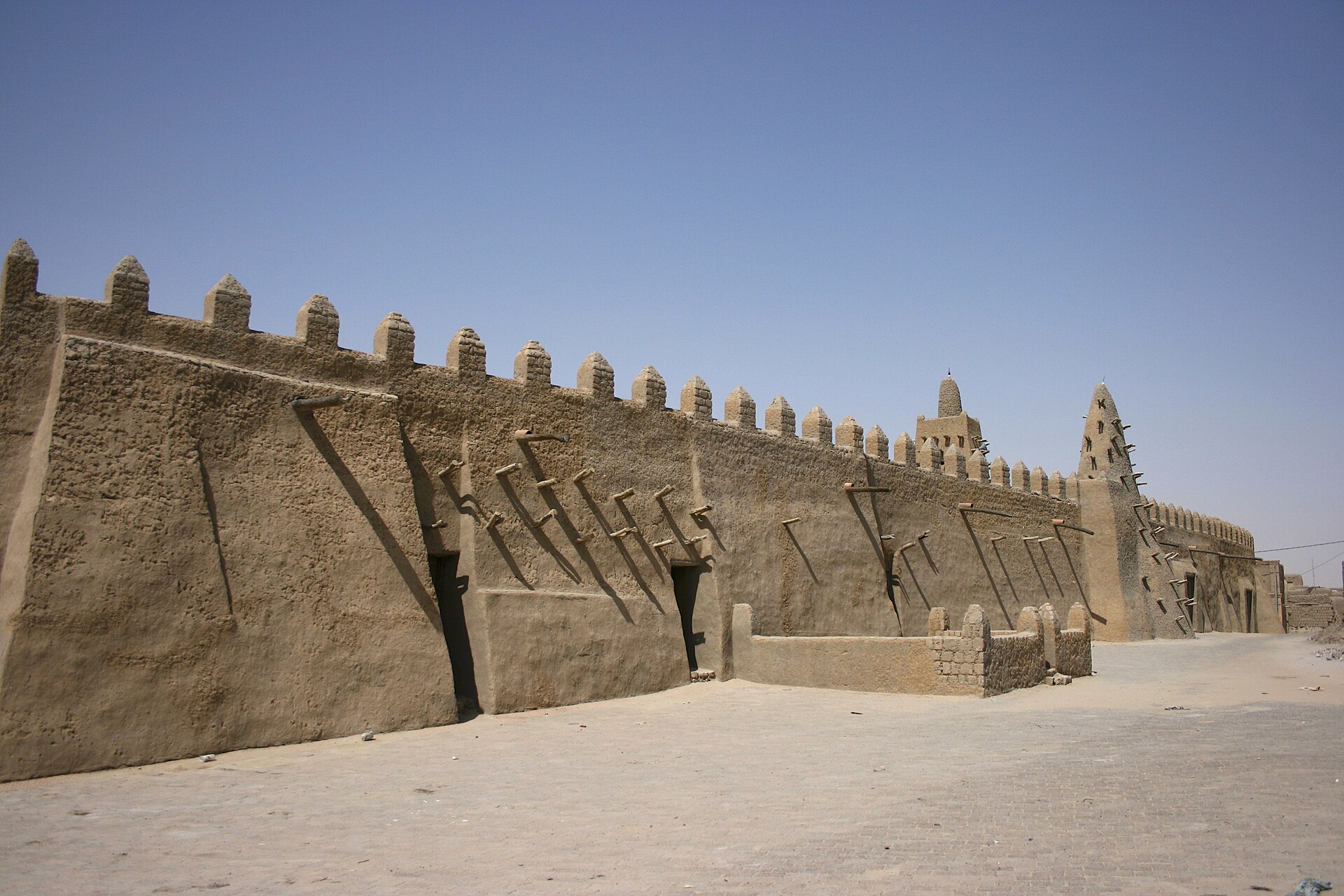
Mansa Musa directed his wealth into construction on a scale that outlasted his reign. His principal building work was the Djinguereber, or Great Mosque, at Timbuktu, completed by 1330. He is also credited with commissioning the mosques at Gao and Jenne.
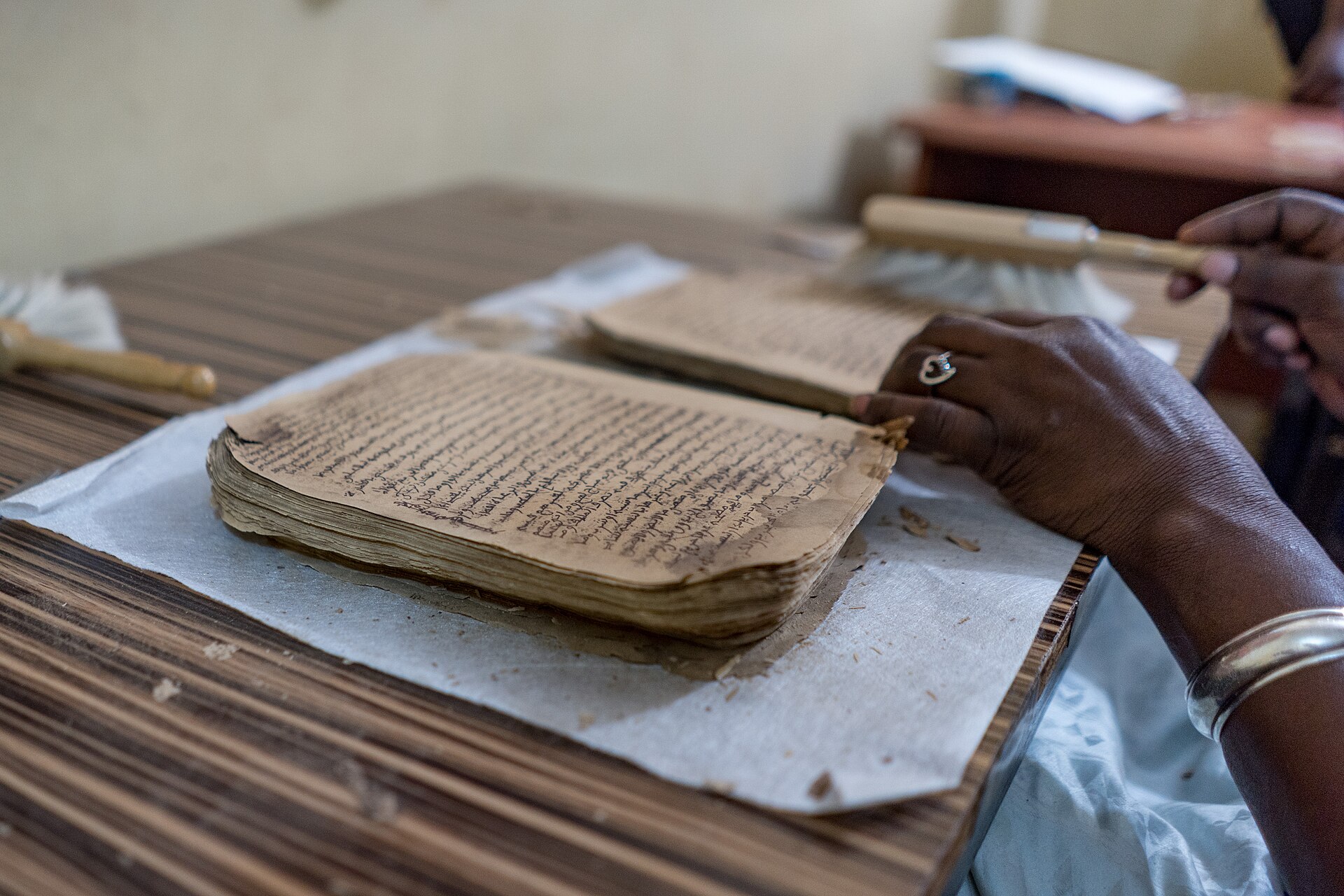
Inspired by the universities he had seen on that journey, he brought books and scholars back to Mali, and Timbuktu became the holiest city in the Sudan region of Western Africa.
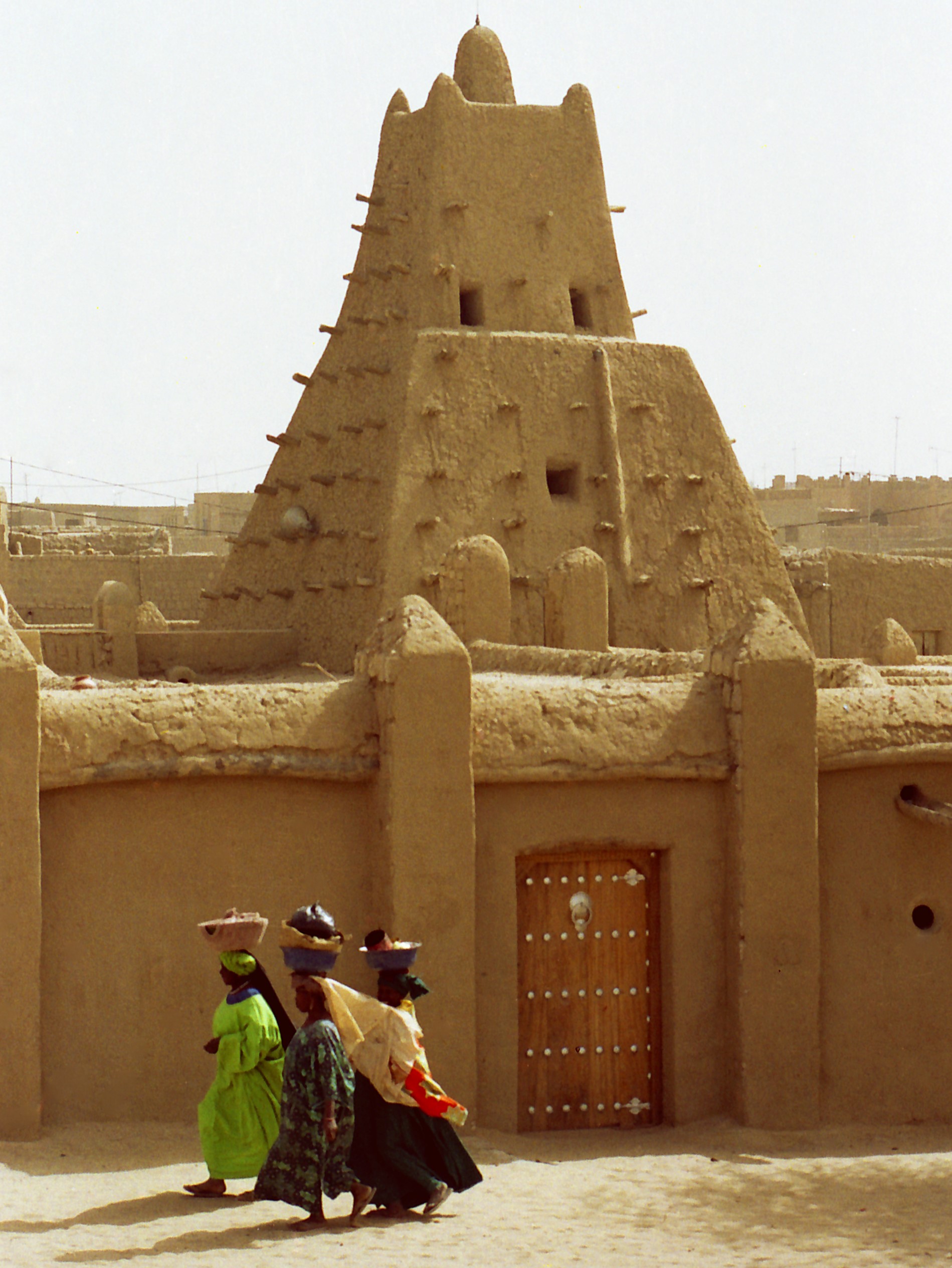
At Timbuktu, Musa reportedly commissioned a Granada poet and architect who had travelled with him from Mecca to build a mosque and a palace. Scholars interested in history, Quranic theology and law made the mosque of Sankore in Timbuktu a teaching center under his patronage. The city's three great mosques, Djingareyber, Sankore and Sidi Yahia, recall Timbuktu's golden age.
Musa also commissioned a cupola at Niani for holding audiences.
5. Succession
Mansa Musa was succeeded first by his son Mansa Maghan I, who had ruled as regent during the pilgrimage, and then by his brother Mansa Sulayman.
The historian Ibn Khaldun describes the considerable gifts assembled by the later Mali ruler Mansa Suleiman for a sultan in the north, while Ibn Battuta criticises his meanness.
6. Historical Sources
The three most important Arabic sources for the Empire of Mali at its height are al-Umari, Ibn Battuta and Ibn Khaldun. The account of Mansa Musa's visit to Cairo in 1324 was written by Al-Umari, who gathered what the Cairenes remembered of the Malian ruler.
Al-Umari wrote in the years 1342 to 1349 and reflected the impression that Mansa Musa had left in Cairo. He probably never met the emperor in person but talked with people who had. The story of Mansa Musa's predecessor Abu Bakr II, who sailed into the Atlantic with his fleet never to return, is preserved in Musa's own account given to the scholar al-Umari.
Ibn Battuta recorded his own tour through Mali, and his account by such an experienced traveller is a first-rate historical document. Because he travelled in a region well known to his own countrymen and met Moroccans all over the Sudan, he was inhibited from exaggerating or introducing incredible stories.
7. The Empire and Its Economy
The empire extended over an area larger than western Europe. In the 14th century cowrie shells were established in Mali as a form of currency for trading and taxation.
The mansas of Mali received taxes from the gold miners in the form of gold but never exercised direct control over mining, and at one point the miners stopped working when the mansas tried to convert them to Islam.
8. Legacy and Depiction
The Catalan Atlas of about 1375, drawn in Spain, shows the world known to a fourteenth-century European, covering the Mediterranean, the Canary Isles in the Atlantic, and parts of the west coast of Africa, Scandinavia and Asia.
The atlas was a gift to the king of France in 1381 and remains in the Bibliothèque Nationale in Paris. It has been used in history courses to explore the extent of European knowledge of the world and the representation of Africa, especially king Mansa Musa, on the threshold of the age of exploration. Only fifteen years after his pilgrimage to Mecca, Mansa Musa was featured prominently on the most advanced maps produced by Majorcan cartographers. The image of Mansa Musa bearing nuggets of gold was subsequently commemorated in maps of the African continent.
9. Timeline: from the founding of Mali to the manuscripts of Timbuktu
- c. 1235Sundiata founds the empire of MaliSundiata Keita defeated the king of the Sosso and brought the Mandinka clan rulers under his leadership, declaring himself overall Mansa.
- c. 1280Birth of Mansa MusaMansa Musa, also known as Kanku Musa Keita, was born around this time; he lived until about 1337.
- 1312Musa becomes mansa of MaliMansa Kankan Musa I became emperor of Mali, guiding the empire through its most prosperous years.
- 1324Pilgrimage to MeccaIn the 17th year of his reign Musa set out on his famous pilgrimage to Mecca, travelling from Niani through Walata and Tuat to Cairo.
- 1324Gold floods CairoDuring his stopover in Egypt, Mansa Musa dispensed so much gold that its value fell and stayed depressed for about twelve years.
- 1325Return and the conquest of GaoReturning to Mali, Musa learned that his forces had conquered the kingdom of Gao, where he is said to have dedicated a mosque.
- c. 1330The Djinguereber mosque completedThe great mosque at Timbuktu, designed by the Granada architect enticed from Cairo after the pilgrimage, was completed by about this time.
- c. 1337Death of Mansa MusaMusa died around this time after a reign that made Mali legendary in the Islamic world and Europe.
- 1352–1353Ibn Battuta visits MaliThe Moroccan traveller Ibn Battuta spent about a year in Mali, recording the court of Mansa Sulayman and the strict justice enforced in the country.
- 1375The Catalan AtlasA map made in Majorca and later part of the Catalan Atlas showed Mansa Musa enthroned with a gold nugget; it was given to the king of France in 1381.
- by 1645Mali's long declineFollowing Mansa Musa's death the Mali empire went into a long decline, shrinking to the size of its original territory by 1645.
- 1988Timbuktu inscribed by UNESCOTimbuktu, home of the Sankore University and its three great mosques, was added to the World Heritage List.
- January 2004Digitising the Timbuktu manuscriptsThe Tombouctou Manuscripts Project digitised an initial selection of 100 legal manuscripts at the Mamma Haidara Library in Timbuktu.
References (12)
- 1Mūsā I of Mali | Mansa, Gold, Religion, Wealth, Pilgrimage, & Facts — Encyclopaedia Britannica WebView source
- 2Visualizing a Sahelian Past — The Metropolitan Museum of Art WebView source
- 3The Empires of the Western Sudan: Mali Empire — The Metropolitan Museum of Art WebView source
- 4Western and Central Sudan, 1000–1400 A.D. (Heilbrunn Timeline of Art History) — The Metropolitan Museum of Art WebView source
- 5Mansa Musa I — World History Encyclopedia WebView source
- 6The Story of Africa: Mali — BBC World Service WebView source
- 7Kingdom of Mali — Primary Source Documents — Boston University African Studies Center WebView source
- 8Timbuktu — UNESCO World Heritage Centre WebView source
- 9The Thirteenth- and Fourteenth-Century Kings of Mali (The Journal of African History, Vol. 4, No. 3, 1963) — Cambridge University Press (N. Levtzion) 1963 BookView source
- 10The Catalan Atlas (Likenesses into Presence, Gould Library) — Carleton College WebView source
- 11Ibn Battuta (1304-1368/69): Travels in Asia and Africa, 1325-1354 — Internet Medieval Sourcebook, Fordham University (trans. H. A. R. Gibb) WebView source
- 12Tombouctou Manuscripts Project: Project — University of Cape Town WebView source