Tyrian purple
The story of Tyrian purple, the dye of ancient kings: the murex sea snails that make it, the chemistry that turns their gland secretion into 6,6'-dibromoindigo, the Phoenician workshops that crushed mountains of shells, and the law, faith and empire that the colour served.
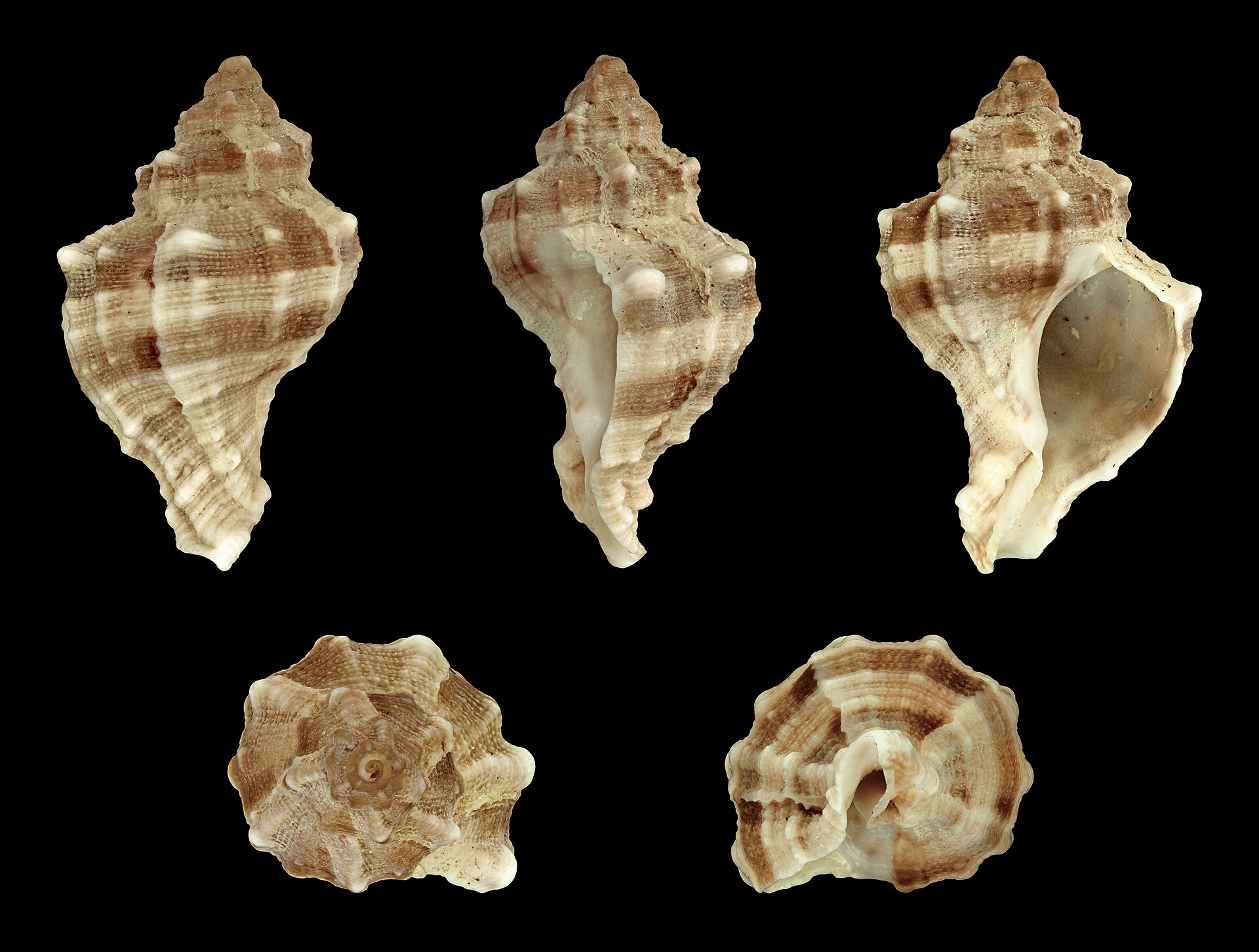
Tyrian purple is the dye extracted from the hypobranchial glands of Mediterranean murex sea snails, chiefly Hexaplex trunculus, Bolinus brandaris and Stramonita haemastoma. A tiny amount of secretion per snail made it extraordinarily costly — around 10,000 shellfish for one gram of dyestuff — so it became the colour of Mesopotamian and biblical royalty, of Phoenician Tyre and Carthage, and of the Roman and Byzantine emperors, whose laws and titles policed who could wear it. Its chemistry resisted explanation until William Cole's experiments in the 1680s and Paul Friedlander's identification of 6,6'-dibromoindigo in 1909, and modern archaeology — from Tel Shiqmona's vats to Sarepta's crushed shells and Timna's dyed wool — reconstructs how the industry actually worked.
In this article
- 1Overview
- 2Source molluscs and chemistry
- 3Production process
- 4Colour range, grades and names
- 5Phoenician trade and economy
- 6Archaeological evidence
- 7Status, regulation and price
- 8Later history and decline
- 9Scientific study and synthesis
- 10Timeline: from the first shell heaps to the chemistry of 1909
- 11Knowledge graph
Overview
Tyrian purple is the dye extracted from the murex shellfish, first produced by the Phoenician city of Tyre in the Bronze Age and also known as royal or imperial purple. For many ages it was the most celebrated of all dye colours, and it may have been the first dye to be permanently fixed on wool or linen. Its standing rested on a colour that could be drawn from the sea snail and fixed in cloth, a combination that made it a byword for magnificence.
1. Source molluscs and chemistry
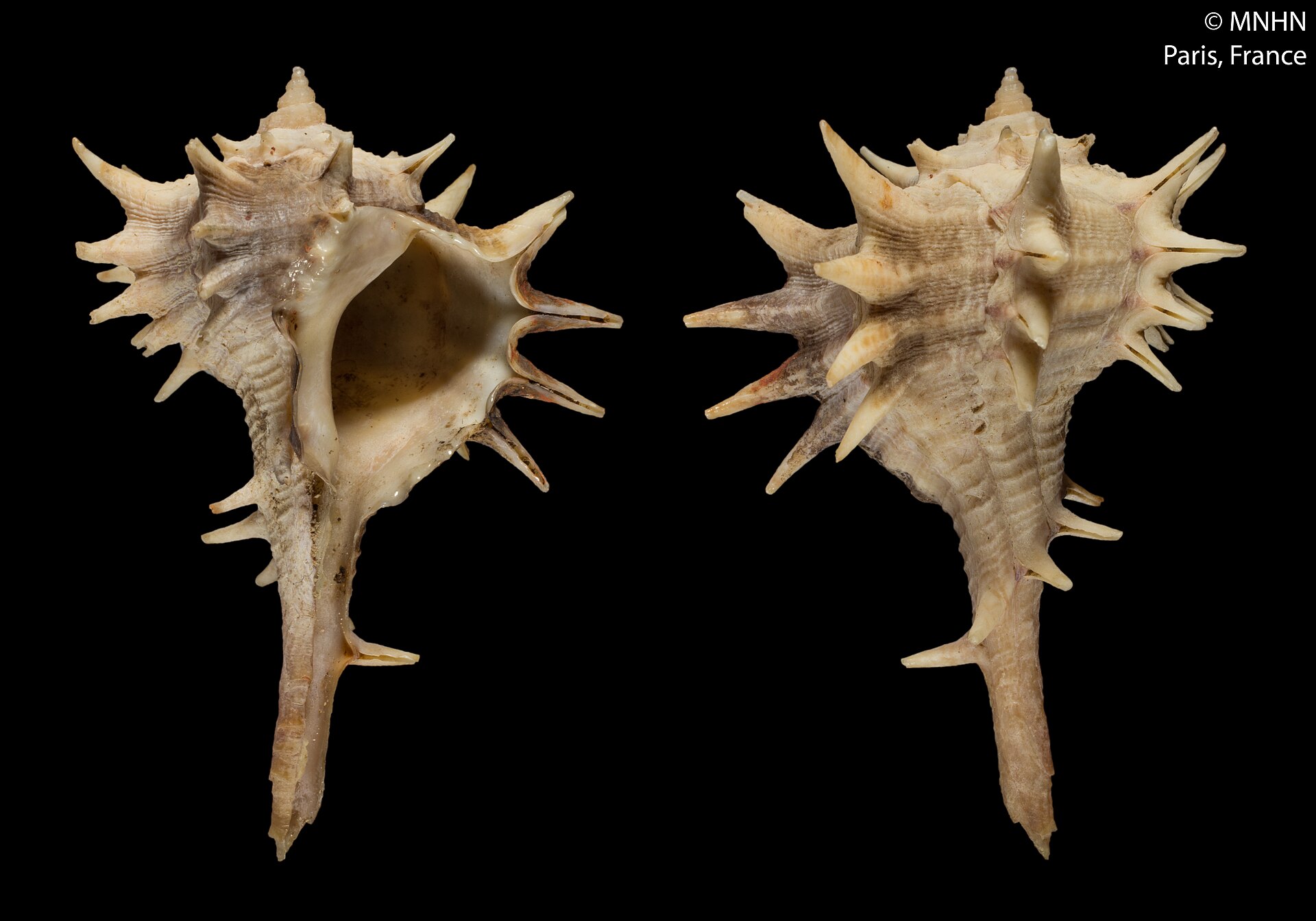
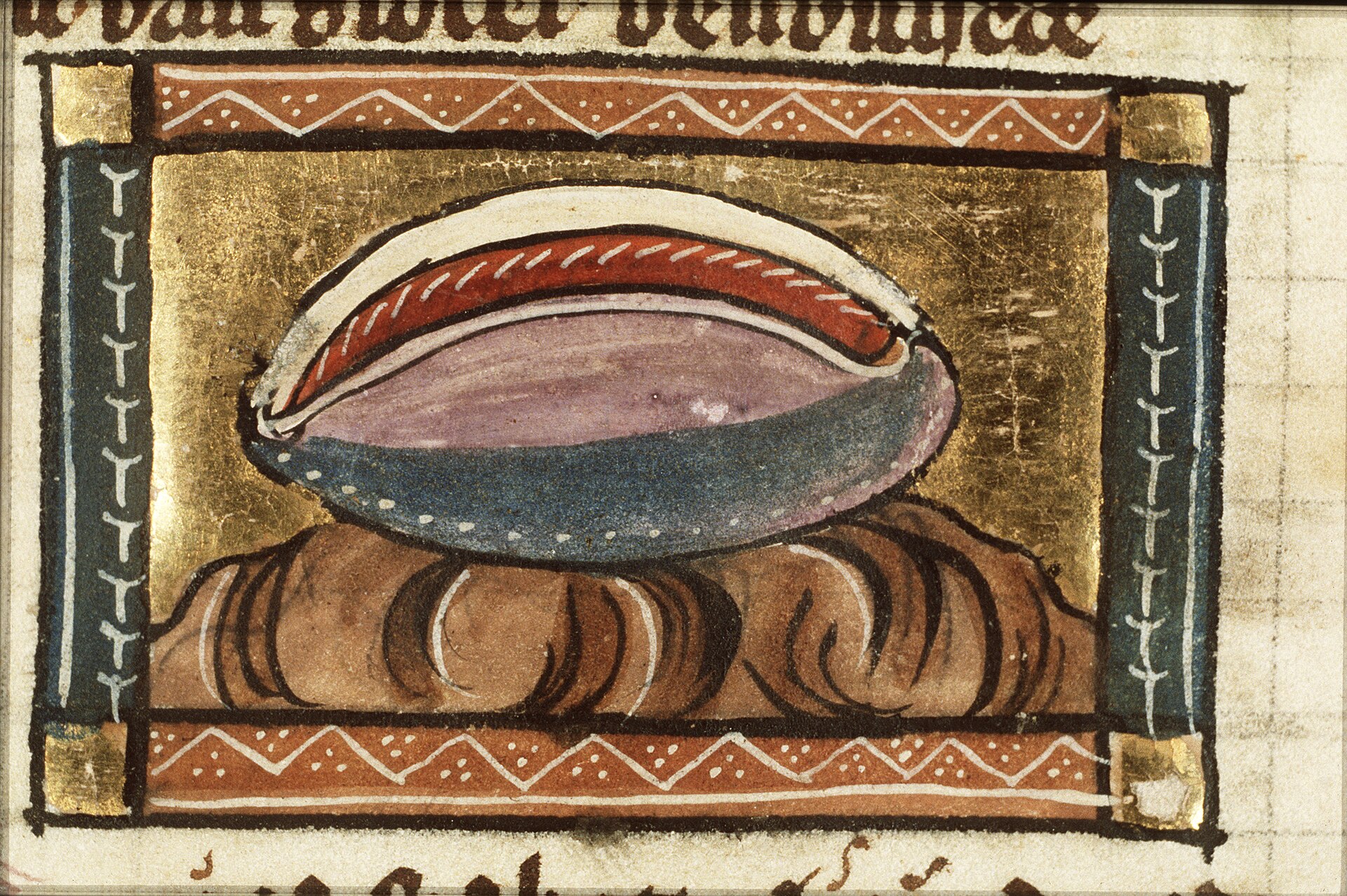
The dye known as Tyrian purple was produced primarily from three species of sea molluscs of the family Muricidae common in the Mediterranean Sea: Hexaplex trunculus, Bolinus brandaris and Stramonita haemastoma, also known as Murex trunculus, Murex brandaris and Thais haemastoma. The Muricidae are marine snails of rocky shallow waters, found worldwide and mainly in tropical seas, with elaborately spined or frilled shells.
The purple colour is not present in the living mollusc but is held as colour precursors, sometimes called chromogens or prochromogens, in the hypobranchial gland. A notable characteristic of many murex species is their ability to exude a yellow fluid that transforms into a purple dye when exposed to sunlight.
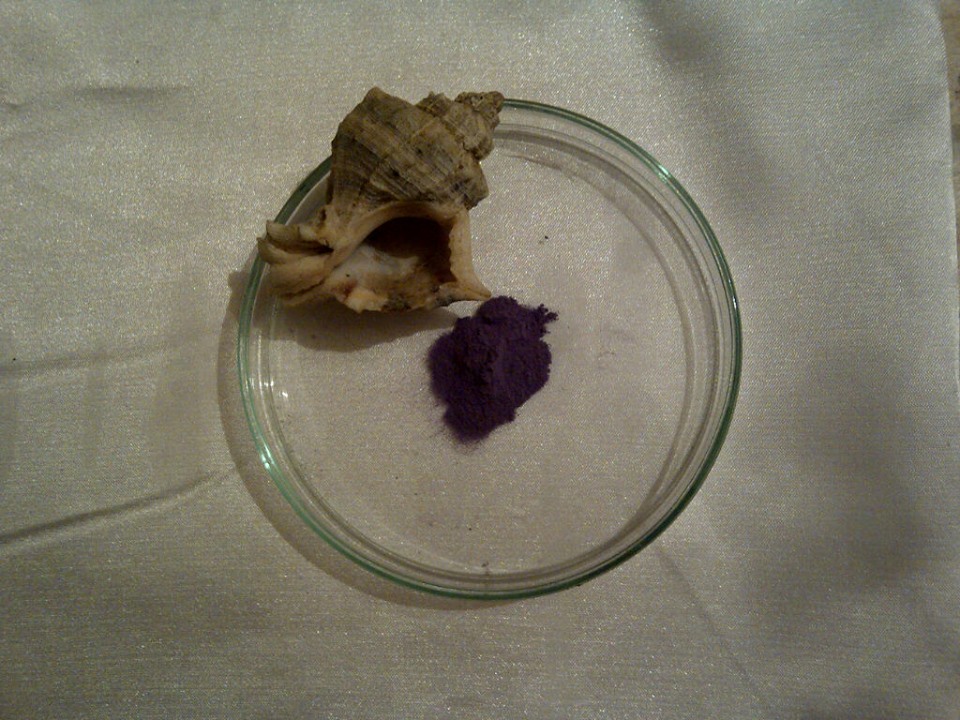
The major component of Tyrian purple is 6,6'-dibromoindigo. The colour components that confer purple and are present only in molluskan dyes are 6-monobromoindigotin, monobromoindirubin, 6,6-dibromoindigotin and 6,6-dibromoindirubin. The two principal markers of this dye are MBI and DBI.
Because the snails contain only minute amounts of dye, the purple has always been very costly. Caseau estimated that about 10,000 shellfish would produce 1 gram of dyestuff, enough only to dye the hem of a garment in a deep colour.
2. Production process
The ancient method began with the animal itself. Large murices had their glands removed with a metal tool, while smaller specimens were crushed whole; the glands were then heated in a vat of salt water for ten days until they melted, leaving behind a colourless compound that produced the purple dye when re-exposed to air and sunlight.
Pliny stresses that it was a great point to take the fish alive, since when it dies it spits out the juice; the juice was extracted from larger specimens after the shell was taken off, while small fish were crushed alive together with their shells. The vein taken from the fish was laid in salt at the rate of a sextarius, or pint and a half, of salt to every hundred pounds of the purple liquor. The prepared colour was then boiled in lead vessels, with one hundred pounds and a half of colour put into every amphora, a vessel holding about eight wine gallons.
3. Colour range, grades and names
The dye yielded a spectrum that ran from pale mauve to black-purple and from almost red to deep blue, with the final shade fixed during the dyeing process itself. The colour held fast and stayed bright after washing.
The highest grade of purple cloth was known as dibapha, meaning 'twice dipped'. Pliny records a price of a hundred deniers a pound for violet purple against a thousand deniers a pound for dibapha.
Pliny ranked the best purple by region: Tyre in Asia, Meninx and the parts of Gaetulia bordering on the Ocean in Africa, and Laconia in Europe.
The Latin name purpura derives from the shellfish called Purpura. The Greek name Phoinikes, meaning 'red', was applied to the Phoenicians, perhaps on account of the dye, and the Greeks called them the 'purple people' because the dye stained the skin of those who worked with it. Another name given to the inhabitants of Iron Age Syria was Kanaanites, which likewise means 'red'.
4. Phoenician trade and economy
The Phoenicians were a seafaring trading people whose city-states rose to prominence after about 1200 BCE, with Tyre and Sidon emerging as the most powerful of these states while Byblos and Baalbek served as spiritual centres. Their colonies, planted on Cyprus, Sicily, Libya, Africa, the Maghreb, Andalusia and Morocco, together formed an interconnected trade network. Through this network the Phoenicians carried goods and manufactures across the Mediterranean world.
The Phoenicians became renowned as sellers of purple, and the manufacture of the dye was exported as far as Carthage. The Romans later adopted purple as a symbol of imperial authority.
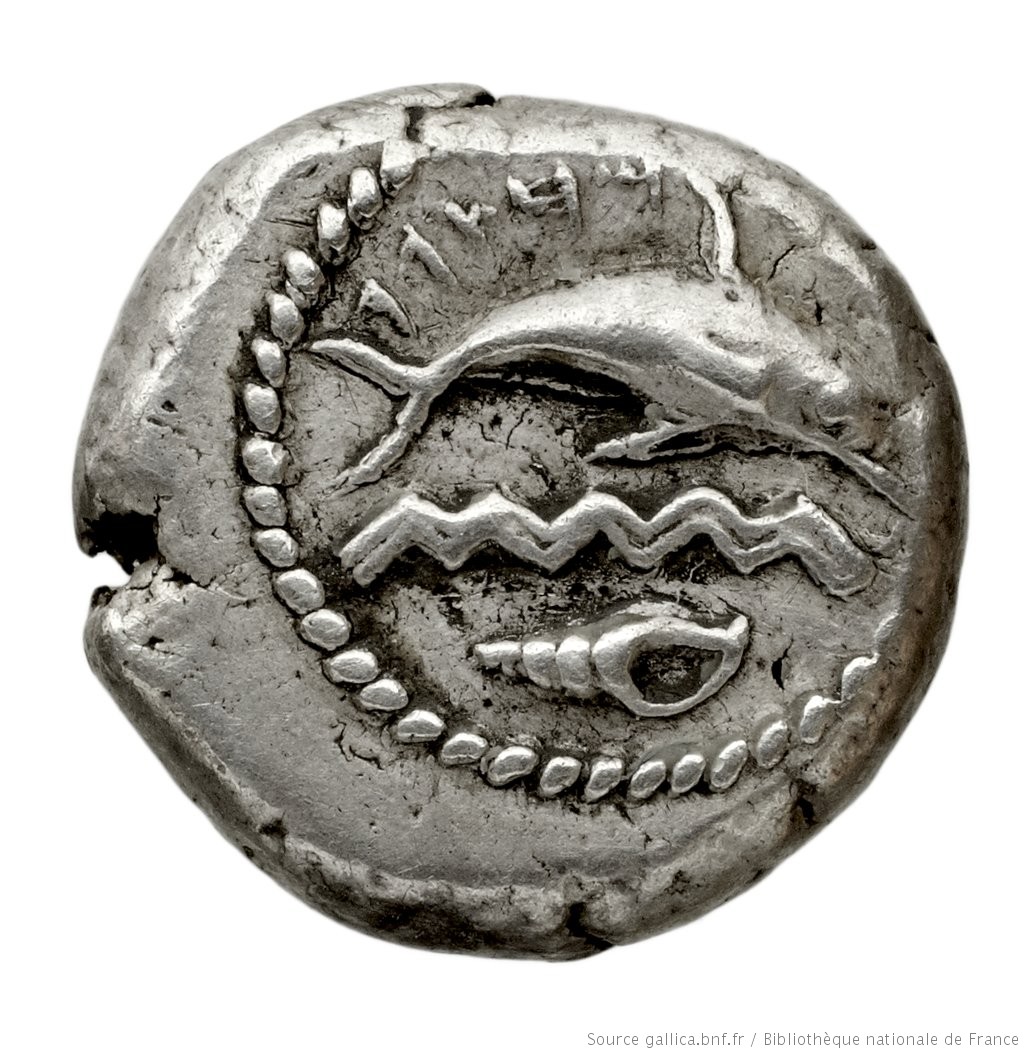
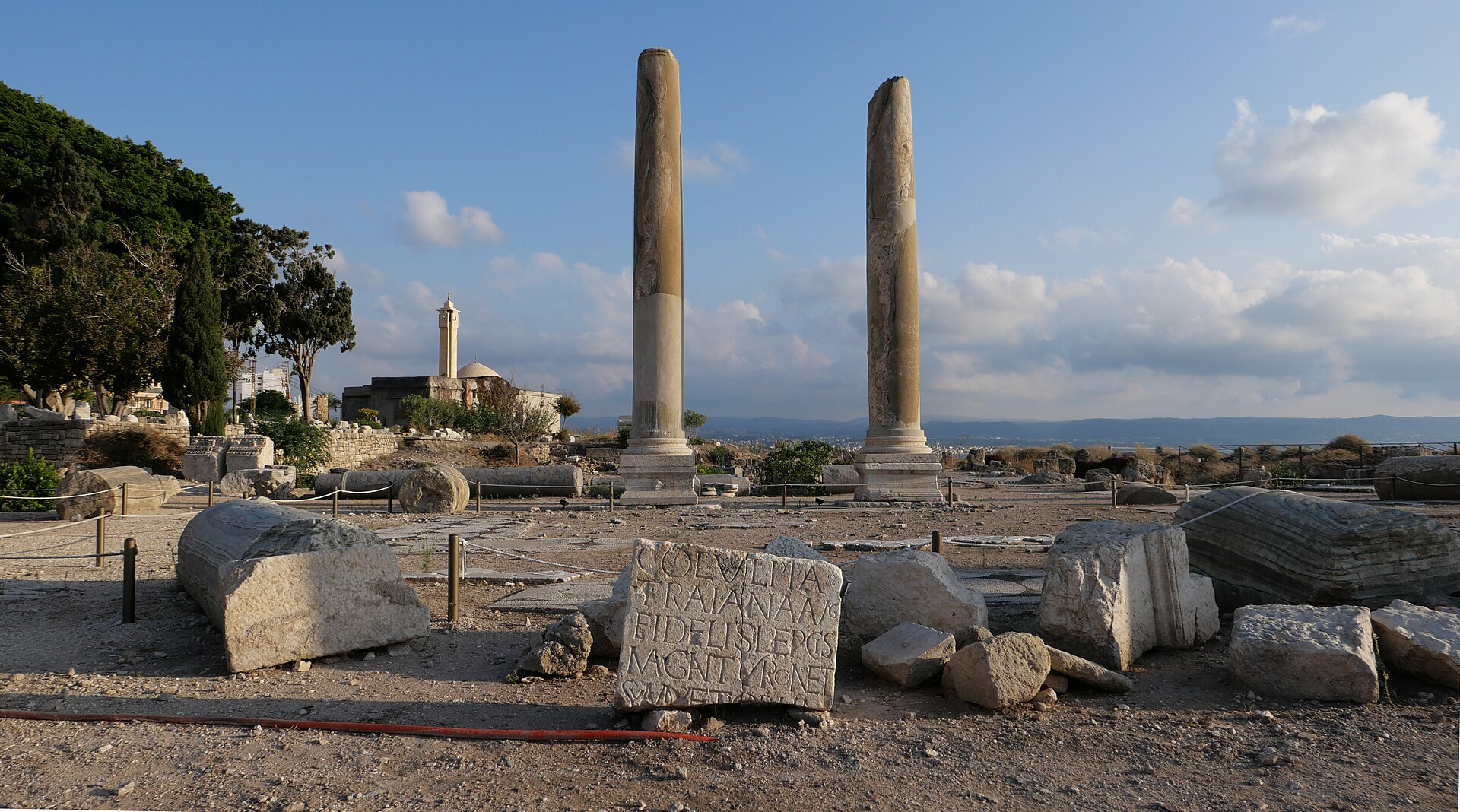
The scale of production is preserved in the shell deposits themselves: the mound at Sidon stands 40 metres high, and vast deposits of shells have been excavated on the outskirts of both Sidon and Tyre. The species exploited for the dye was all but driven to extinction along the coasts of Phoenicia. Crushed shells have also been found at sites in Spain, Tunisia and Morocco.
By the end of the fifth century BCE Phoenician trade routes stretched from India to Mogador, the modern Essaouira.
5. Archaeological evidence
The earliest evidence for purple dyeing is largely indirect. Heaps of murex shells have been dated to around the 19th century BCE. The shells recovered at Sarepta during the 1969-74 Pritchard excavations included three large accumulations of crushed Murex trunculus. Taken together the finds place the earliest purple production no earlier than about 1350 BCE and suggest that shell purple-dye was produced first in the Aegean and Italy before being introduced into the Near East.
Tel Shiqmona is the only site in the Near East or around the Mediterranean, and indeed in the entire world, where a sequence of purple-dye workshops has been excavated. It preserves clear evidence for large-scale sustained manufacture of purple dye and dyeing in a specialized facility for half a millennium during the Iron Age. The workshops operated for about half a millennium c. 1100-600 BCE under the Kingdom of Israel, supplying kingdoms across the region and probably used in the parochet of the Temple. HPLC showed all 28 artifacts stained with Muricidae dye, and chromatogram ratios of 20 samples indicated H.
Other Bronze and Iron Age sites in the southern Levant with purple-dye-related finds are Tel Kabri in the Akko Plain, nearby Tell Keisan, Tel Akko and Tel Dor, each yielding only a few stained sherds or vessels.
The Timna Valley has yielded a 3000-year-old wool textile with shellfish-based dye from Slaves' Hill (Site 34). The textile was radiocarbon-dated to the late 11th to early 10th centuries BCE and is the first such find in the Southern Levant.
The Hebrew Bible terms argaman and tekhelet parallel the Akkadian argamannu and takiltu, and most scholars link tekhelet to Hexaplex trunculus. The dark blue tekhelet was also a form of Tyrian purple.
6. Status, regulation and price
There was no global restriction on who could wear it only local restrictions on some festival days when it was reserved to the top ranks. Later laws decreed who could and could not wear purple.
The Edict on Maximum Prices issued in 301 set prices ranging from one denarius for fresh green animal fodder up to 150000 denarii for a male lion or for purple-dyed silk. Purple-dyed wool stood at 50000 denarii and lighter purple wool at 32000. Unregulated goods were priced by quality of purple linen weight and workmanship.
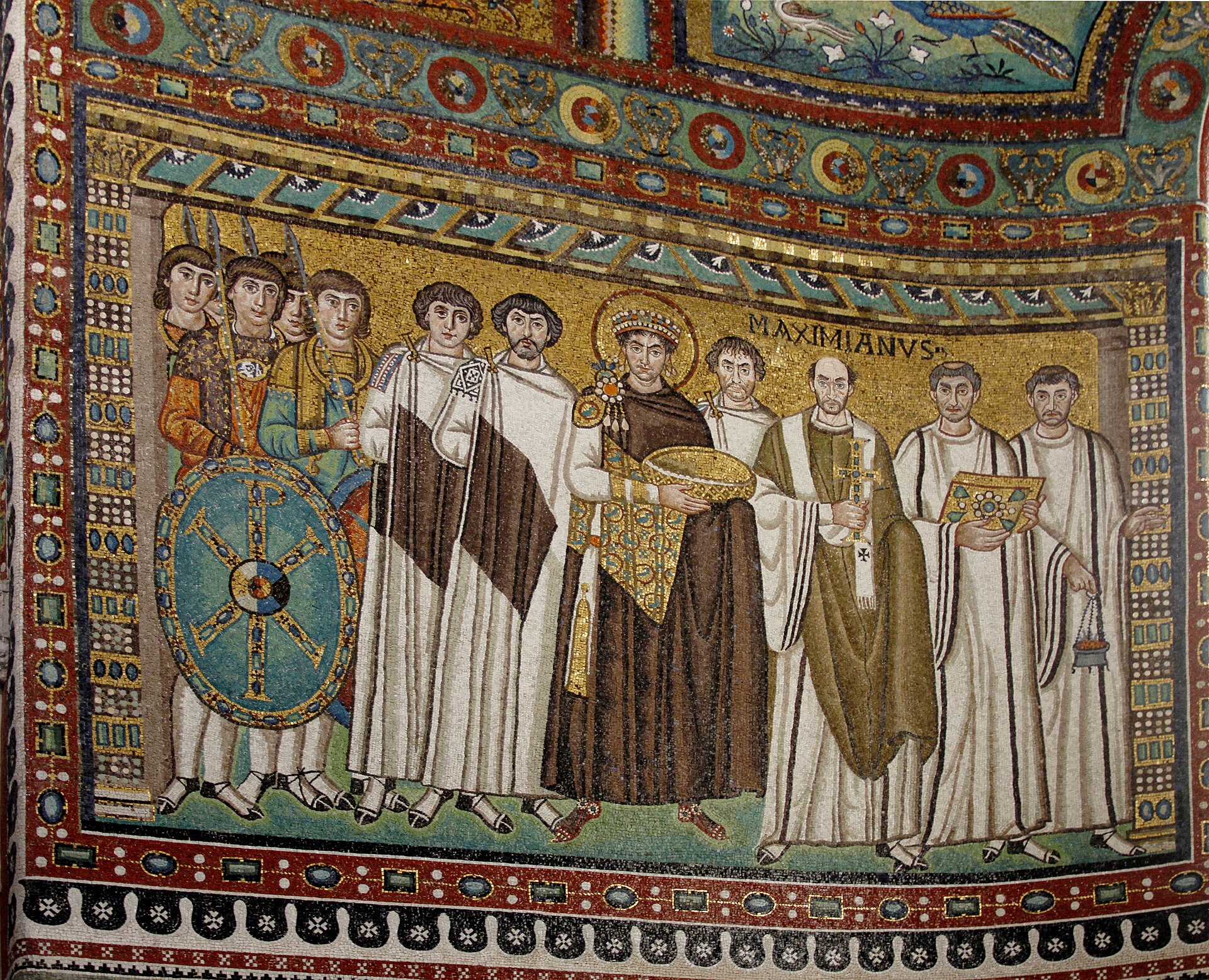
In the same edict one pound of purple dye was valued at around three pounds of gold.
7. Later history and decline
The imperial dyeworks were transferred to Constantinople when the legendary city of Tyre was taken over by the Arabs, and the Fourth Crusade between 1202 and 1204 left the city wrecked. Tyre had continued to produce its famous purple dye and prospered as an important Christian centre, but after the city was taken by the Muslim Mamluk Sultanate the production of purple dye and garments ended as cheaper dyes were now available.
The scarcity of murex provoked the disappearance of the techniques for manufacturing the purple dye, yet the colour remains a sign of magnificence, and the cardinals of the Roman Catholic Church keep the privilege of wearing purple.
8. Scientific study and synthesis
Systematic inquiry into the purple-producing molluscs began with William Cole of Bristol in 1685, whose observations extended to an Irish industry devoted to marking shellfish. Cole located Purpura capillus, known as Nucella lapillus, at Minehead. He concluded that sunlight both develops the colour and generates the accompanying stench. His plan to carry live molluscs to London for the King was never realized.
Linnaeus in the eighteenth century drew up a species list naming murex brandaris and murex trunculus. In the mid-nineteenth century Henri de Lacaze-Duthiers studied the three Mediterranean species Murex trunculus, Murex brandaris and Purpura haemastoma together with Nucella lapillus. He demonstrated the potential of these molluscs for a photographic printing process.
Paul Friedländer first identified the structure of the dye as 6,6'-dibromoindigo in 1909. He showed that the product contained bromine. His analysis required 12,000 Murex brandaris snails to yield 1.4 g of pure pigment.
The first synthesis of 6,6'-dibromoindigo was achieved by Sachs and Kempf in 1903 through a Claisen condensation of 4-bromo-2-nitrobenzaldehyde with acetone. The Friedländer method suffered from the drawback of expensive bromoanthranilic acid. Later synthetic efforts were judged on convenience, cost, safety and yield.
The first synthetic rival to the ancient dye was mauve, or aniline purple, synthesized by William Henry Perkin in 1856 from chemicals derived from coal tar. It became the first commercialized synthetic dyestuff and formed the basis of a new chemical and eventually pharmaceutical industry. Murex purple was superseded by synthetic dyes in the nineteenth century, though its fastness took years to replicate.
9. Timeline: from the first shell heaps to the chemistry of 1909
- c. 1900 BCEEarliest shell heapsHeaps of murex shells, the first indirect archaeological evidence for the purple-dye industry, are dated to around the 19th century BCE.
- c. 1500 BCEPhoenician cities emergeThe Phoenician cities of the Levant coast first emerged as urban entities, and murex shells used to make purple dye became one of their prized resources.
- c. 1350 BCEEarliest attested purple productionThe Sarepta shell accumulations show that the earliest purple production can be dated no earlier than about 1350 BCE.
- 13th century BCERoyal purple at KnossosA clay tablet from Knossos in Crete, dated to the 13th century BCE, carries the term royal purple.
- after about 1200 BCEPhoenician city-states riseAfter neighbouring Bronze Age powers collapsed, the Phoenician trading city-states of Tyre and Sidon rose to dominate the eastern Mediterranean.
- c. 1100 BCEShiqmona workshops openA specialised purple-dye facility began operating at Tel Shiqmona on the Carmel coast, producing dye and dyeing cloth for about half a millennium.
- late 11th century BCETimna wool textile dyedA wool textile dyed with shellfish purple was left at the Iron Age copper-smelting site of Slaves' Hill in Timna Valley.
- 332 BCEAlexander takes TyreAlexander the Great arrived at Tyre during his conquest of the Achaemenid Empire and took the island city.
- 64 BCETyre becomes a Roman colonyPompey the Great annexed Phoenicia and Tyre became a Roman colony, while the city continued to produce its famous purple dye.
- 301 CEDiocletian caps the price of purpleThe Edict on Maximum Prices fixed 150,000 denarii for a pound of purple-dyed silk, the highest ceiling in the entire edict.
- 1202-1204Fourth Crusade wrecks ConstantinopleConstantinople was pillaged for three days during the Fourth Crusade, nearly wiping out the imperial dye industry.
- 1291Tyre's purple industry endsTyre was taken by the Mamluk Sultanate, and the production of purple dye and garments came to an end as cheaper dyes became available.
- 1685Cole's letter on shellfish dyeingWilliam Cole of Bristol described how shellfish dyeing worked and concluded that sunlight was necessary to develop the colour.
- 1856Perkin synthesizes mauveWilliam Henry Perkin accidentally synthesized mauve, or aniline purple, the first commercialized synthetic dyestuff, from coal-tar chemicals.
- 1909Friedlander identifies dibromoindigoPaul Friedlander showed that the principal component of the dye is 6,6'-dibromoindigo, after processing pigment from 12,000 Murex brandaris snails.
- 2025Shiqmona study publishedThe detailed study of Tel Shiqmona's vats, tools and dye residues was published, presenting it as the only excavated sequence of Iron Age purple-dye workshops in the world.
References (22)
- 1Tyrian Purple: The Super-Expensive Dye of Antiquity — World History Encyclopedia WebView source
- 2Purple (colour) — Encyclopaedia Britannica WebView source
- 3The Phoenicians - The Purple — Pheniciens.com WebView source
- 4Early evidence of royal purple dyed textile from Timna Valley (Israel) — PLOS ONE JournalView source
- 5Dye murex — Encyclopaedia Britannica WebView source
- 6Tyrian Purple: The First Four Thousand Years (Chris Cooksey, Science Progress) — Science Progress, via PubMed Central WebView source
- 7Preparation of Tyrian Purple (6,6'-dibromoindigo): Past and Present — Molecules, via PubMed Central WebView source
- 8Tel Shiqmona during the Iron Age: A first glimpse into an ancient Mediterranean purple dye industry — PLOS ONE JournalView source
- 9Purple Reign: A passion for purple built the Phoenicians' vast trading empire — National Geographic History Magazine WebView source
- 10The Natural History, Book IX, Chapter 60: The Nature of the Murex and the Purple — Perseus Digital Library, Tufts University BookView source
- 11The Ninth Booke of Plinies Naturall History, translated by Philemon Holland (1601) — LacusCurtius, University of Chicago 1601 BookView source
- 12The Purple Dye That Powered the Ancient Phoenician Empire — HISTORY (A&E Television Networks) WebView source
- 13Phoenicia — World History Encyclopedia WebView source
- 14Phoenicians — Livius.org WebView source
- 15Shells from Sarepta (Lebanon) and East Mediterranean purple-dye production (D. S. Reese, Mediterranean Archaeology & Archaeometry 10.1) — Aegeus Society for Aegean Prehistory WebView source
- 16Tel Shiqmona is the largest known factory producing purple dye in the Iron Age — University of Haifa 2023 WebView source
- 17Made from snails and fit for kings: First biblical-era dye factory found on Israel's coast — The Times of Israel WebView source
- 18An English translation of the Edict on Maximum Prices (Edictum de pretiis rerum venalium), 301 CE — University of Bergen (hist.uib.no) WebView source
- 19Tyre — World History Encyclopedia WebView source
- 20William Henry Perkin — Science History Institute WebView source
- 21Porphyrogennetos, God's Regents on Earth: Byzantine Imperial Seals — Dumbarton Oaks Research Library and Collection, Harvard University BookView source
- 22The Phoenicians (1500-300 B.C.), Heilbrunn Timeline of Art History — The Metropolitan Museum of Art 1500 WebView source