Democratic Republic of the Congo
Africa's largest country south of the Sahara — the Congo River and its rainforests, the Kingdom of Kongo, Leopold II's rubber terror, independence with Lumumba, the Mobutu years, two continental wars, and the mineral wealth the world runs on.
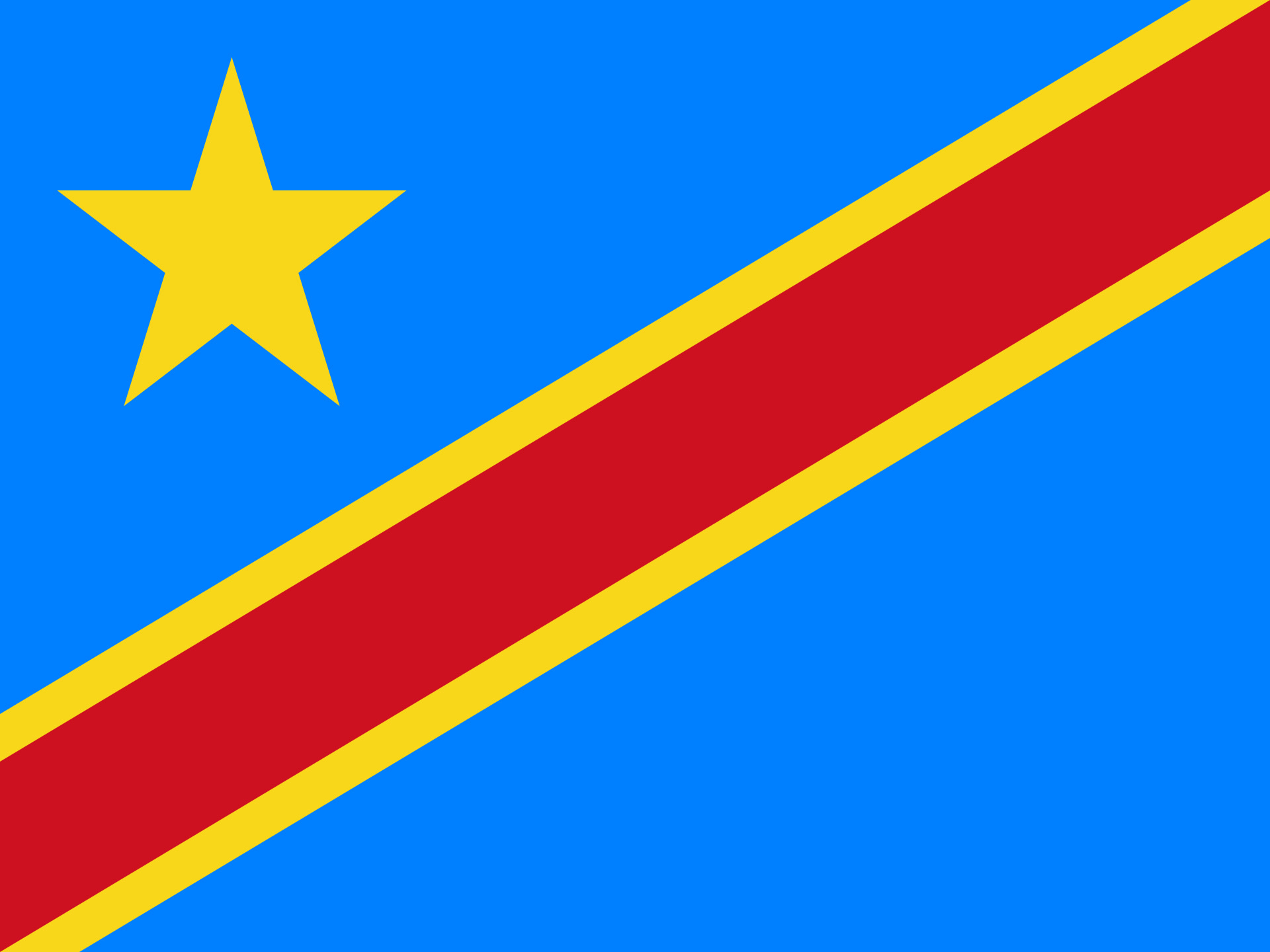
The Democratic Republic of the Congo is the second-largest country in Africa and the most populous Francophone nation on Earth, centred on the Congo Basin and the river that drains it. Its rainforest is the world's second-largest after the Amazon, and the Congo is the world's deepest recorded river and the most powerful in Africa. The west of the country was home to the Kingdom of Kongo from around 1390 until Portuguese conquest shattered it at Mbwila in 1665; in 1885 the Berlin Conference handed the basin to King Leopold II as his private Congo Free State, whose rubber terror became one of the first great international human-rights scandals and cost millions of lives before Belgium annexed it in 1908. Independence on 30 June 1960 brought Patrice Lumumba as first prime minister and, months later, his assassination; Mobutu Sese Seko ruled for 32 years until rebels ousted him in 1997. The Second Congo War (1998–2003) drew in nine African nations and left an estimated 5.4 million dead — the deadliest conflict since World War II — and violence persists in the mineral-rich east, where M23 rebels took Goma in 2025 even as the country's cobalt, coltan and copper power the world's batteries and electronics, and Virunga National Park guards mountain gorillas amid conflict and repeated Ebola and mpox outbreaks.
In this article
- 1Overview
- 2Geography and Environment
- 3History: Precolonial and Colonial Rule
- 4Independence and Post-Colonial Conflicts
- 5Natural Resources and Mining
- 6Biodiversity and Protected Areas
- 7Humanitarian Situation and Health Crises
- 8Government and Politics
- 9Economy
- 10International Peacekeeping and Human Rights
- 11Timeline: from the Kingdom of Kongo to the mineral age
- 12Frequently asked questions
- 13Knowledge graph
Overview
The Democratic Republic of the Congo (DRC) is a country in Central Africa. Its capital, largest city and economic centre is Kinshasa.
By land area, the DRC is the second-largest country in Africa, after Algeria, covering 2,345,408 km². With about 124 million people, it is the most populous Francophone country in the world.
French is the official language, while the national languages are Kikongo ya leta, Lingala, Swahili and Luba-Kasai. Over 200 indigenous languages are spoken across the country.
The country is a unitary semi-presidential republic, with Félix Tshisekedi as President. The Belgian Congo was a Belgian colony in Central Africa from 1908 until independence in 1960. The hand-over ceremony by the Belgians took place on time on 30 June 1960 at the residence of the Governor-General in Léopoldville.
1. Geography and Environment
The Congo River forms the hydrological spine of the Democratic Republic of the Congo, its system extending some 4,700 km in overall length. Measured depths of around 220 metres make it the world's deepest recorded river. It is the second-longest river in Africa, shorter only than the Nile, and the third-largest river in the world by discharge, after the Amazon and the Ganges–Brahmaputra. In the rainy season, over 50,000 cubic metres of water per second flow from it into the Atlantic Ocean, marking it as the most powerful river in Africa.
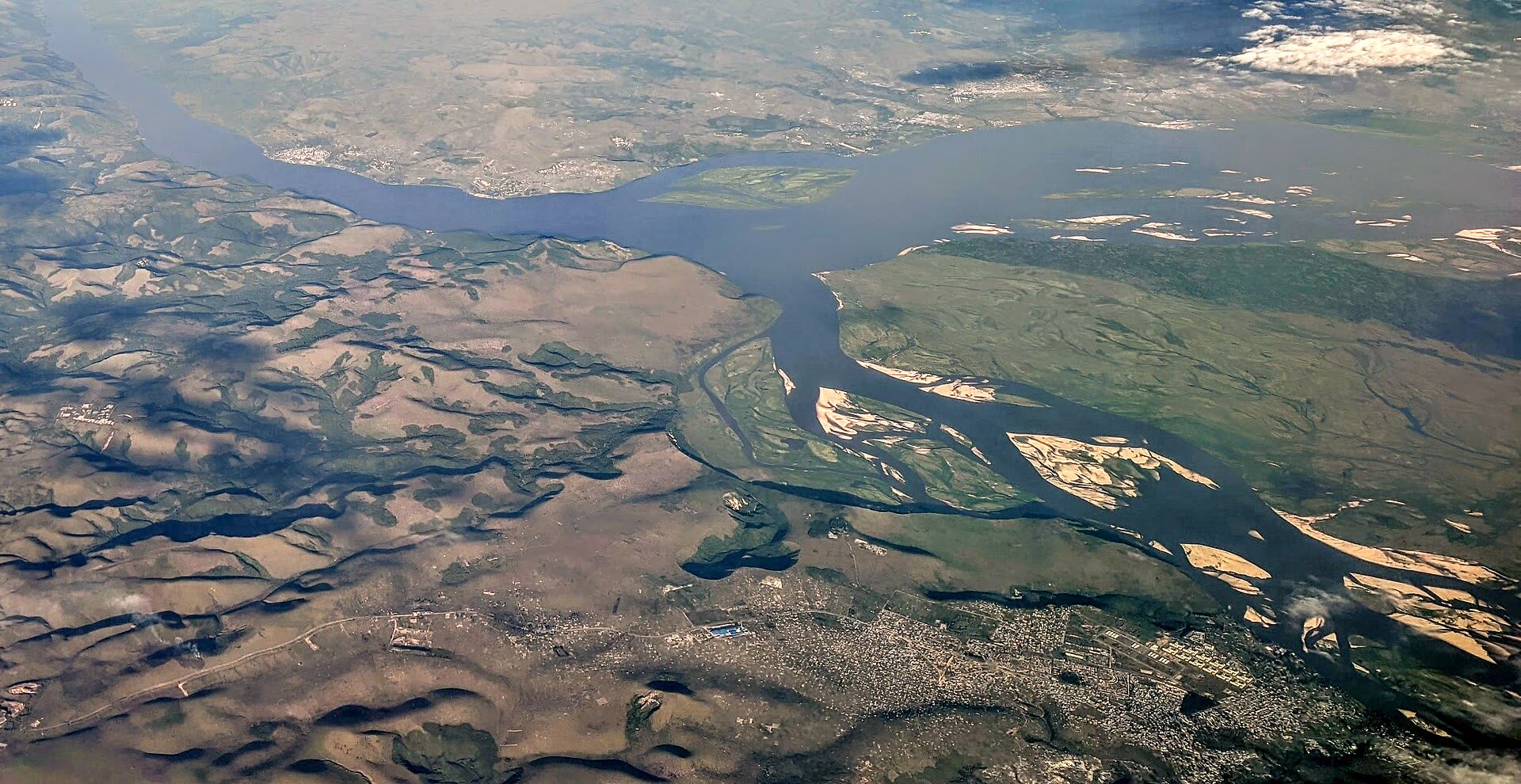
The rainforest of the Congo Basin is the largest in Africa and second only to the Amazon in size. It covers 300 million hectares, compared with the Amazon's 800 million. Unregulated and often illegal extractive activities are pushing ever further into these forests.
The country is bordered by nine neighbouring states: the Republic of the Congo, Angola, the Central African Republic, South Sudan, Uganda, Rwanda, Burundi, Tanzania and Zambia. To the west lie the Republic of the Congo, the Cabinda exclave of Angola and the South Atlantic; to the north, the Central African Republic and South Sudan; to the east, Uganda, Rwanda, Burundi and Tanzania; and to the south, Zambia and Angola.
2. History: Precolonial and Colonial Rule
The territory that became the Democratic Republic of the Congo was home to the Kingdom of Kongo, founded around 1390 through a political marriage between two KiKongo-speaking peoples. At its greatest extent the kingdom reached from the Atlantic Ocean in the west to the Kwango River in the east, and from the Congo River in the north to the Kwanza River in the south. In 1483 the Portuguese explorer Diogo Cão reached the coast of the Kongo Kingdom, opening the region to sustained European contact. At the Battle of Mbwila in 1665, Portuguese forces from Angola won their first victory against the kingdom of Kongo since 1622, killing King António I and many of his courtiers.
Leopold II was able to seize the region by convincing other European states at the Berlin Conference on Africa that he was involved in humanitarian and philanthropic work and would not tax trade. On 29 May 1885, after the closure of the Berlin Conference, the king announced that he planned to name his possessions 'the Congo Free State'. In reality Leopold II's administration extracted ivory, rubber and minerals from the upper Congo Basin for sale on the world market through international concessionary companies that brought little benefit to the area.
Soldiers cut off the hands of Congolese locals, including children: the hands were collected as trophies to show that bullets had not been wasted, with one hand required for every bullet spent. The BBC wrote that Leopold turned his 'Congo Free State' into a massive labour camp and contributed in a large way to the death of perhaps 10 million innocent people. Forbath in 1977 claimed the loss was at least five million people; Adam Hochschild and Jan Vansina note 10 million. The Casement Report of the British consul Roger Casement led to the arrest and punishment of officials responsible for killings during a rubber-collecting expedition in 1903. In 1908 the Belgian state annexed the Congo amid protests over killings and atrocities carried out on a mass scale by Leopold's agents.
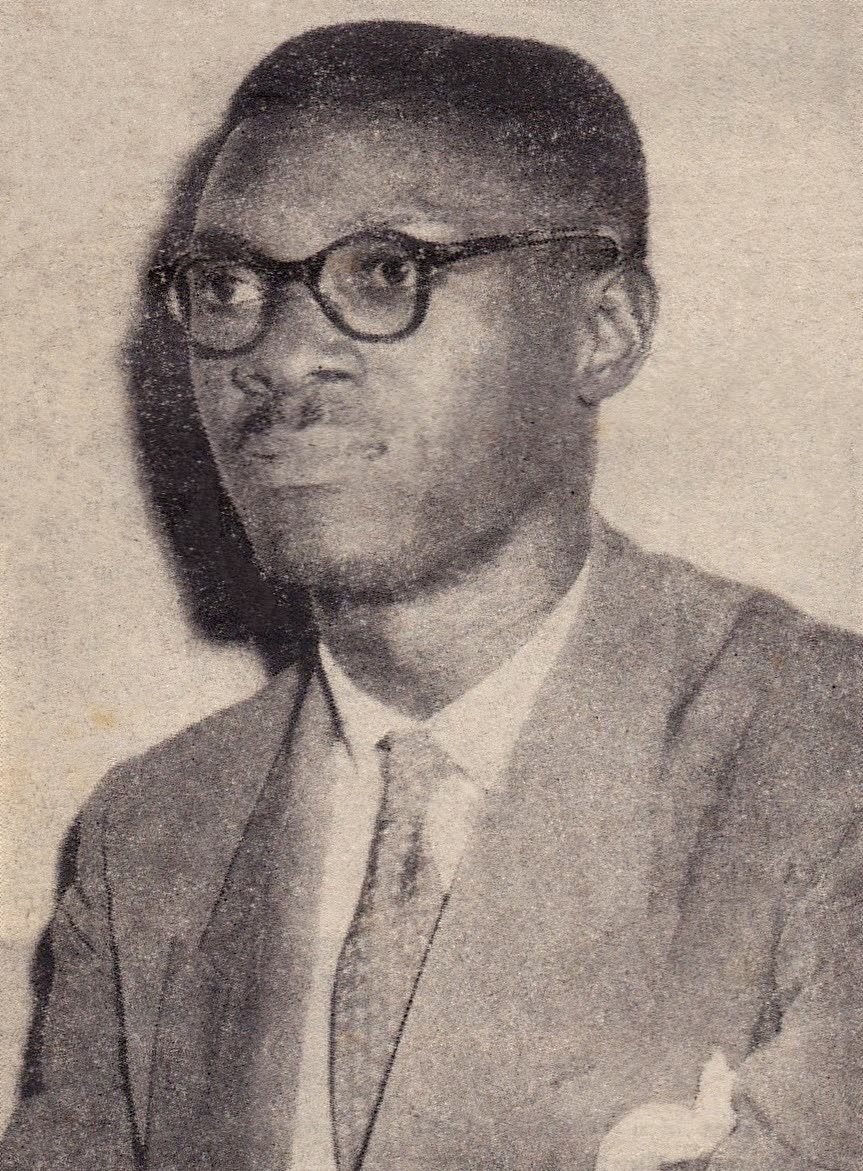
The Belgian Congo was a Belgian colony in Central Africa from 1908 until independence in 1960. The hand-over ceremony by the Belgians took place on time on 30 June 1960 at the residence of the Governor-General in Léopoldville, with Kasa-Vubu as first president and Lumumba as first head of government. Patrice Lumumba served as the first prime minister of the First Congolese Republic from June until September 1960, following his party's success in the May 1960 election. Baudouin's speech praised developments under colonialism and referred to the 'genius' of Leopold II, glossing over atrocities committed during his reign over the Congo Free State. In a letter to President Félix Tshisekedi on the 60th anniversary of independence, King Philippe expressed Belgium's 'deepest regrets' to the DR Congo for his country's colonial abuses.
3. Independence and Post-Colonial Conflicts
The Belgian hand-over took place on schedule on 30 June 1960, at the residence of the Governor-General in Léopoldville. Independence was granted from Belgium on that date. Kasa-Vubu became the country's first president, and Lumumba its first head of government.
Patrice Lumumba served as the first prime minister of the First Congolese Republic from June until September 1960, following his party's success in the May 1960 election. When Katanga seceded and Belgian troops intervened, the UN Security Council passed Resolution 143, calling for the removal of Belgian forces and establishing the UN Operation in the Congo (ONUC). Lumumba was captured, tortured and executed by the separatist Katangan authorities of Moïse Tshombe, alongside Belgian mercenaries; his body was later dissolved in acid.
In 2002 Belgium formally apologised for its role in the execution, admitting 'moral responsibility'; in 2022 Lumumba's tooth was returned by the Belgian government to his family. In a letter to President Félix Tshisekedi on the 60th anniversary of independence, King Philippe expressed Belgium's 'deepest regrets' to the DR Congo for his country's colonial abuses.
Mobutu installed a government that arranged for Lumumba's execution in 1961, and continued to lead the country's armed forces until he took power directly in a second coup in 1965. To consolidate power, Mobutu established his party as the sole legal political party in 1967, changed the Congo's name to Zaire in 1971, and his own name to Mobutu Sese Seko in 1972. Mobutu protected his rule through an intensely totalitarian regime and a corrupt patronage network, and presided over widespread human rights violations.
Instability caused by an influx of refugees from the Rwandan Civil War led to the First Congo War, from 1996 to 1997, which ended with Mobutu's overthrow. The Second Congo War, also known as Africa's World War or the Great War of Africa, began on 2 August 1998, just over a year after the First Congo War. The war drew in nine African nations and approximately 25 armed groups, making it one of the largest wars in African history. The Second Congo War and its aftermath caused an estimated 5.4 million deaths, primarily due to disease, malnutrition and war crimes, making it the deadliest conflict since World War II according to a 2008 IRC report.
4. Natural Resources and Mining
The Democratic Republic of the Congo is a country whose economic profile is defined to an unusual degree by what lies beneath its surface. Mineral exports account for more than 95% of the country's export revenues, a concentration that shapes both its fiscal position and its exposure to external demand 14Mining industry of the Democratic Republic of the Congo · Wikipedia ↗. Rich in natural resources, the country has nonetheless suffered from political instability, a lack of infrastructure, centuries of both commercial and colonial exploitation, and little widespread development since independence 9DR Congo country profile · BBC News ↗. The extraction of ivory, rubber and minerals from the upper Congo Basin for sale on the world market through international concessionary companies, which brought little benefit to the area, forms an early chapter in that longer history 7Congo Free State · Wikipedia ↗.
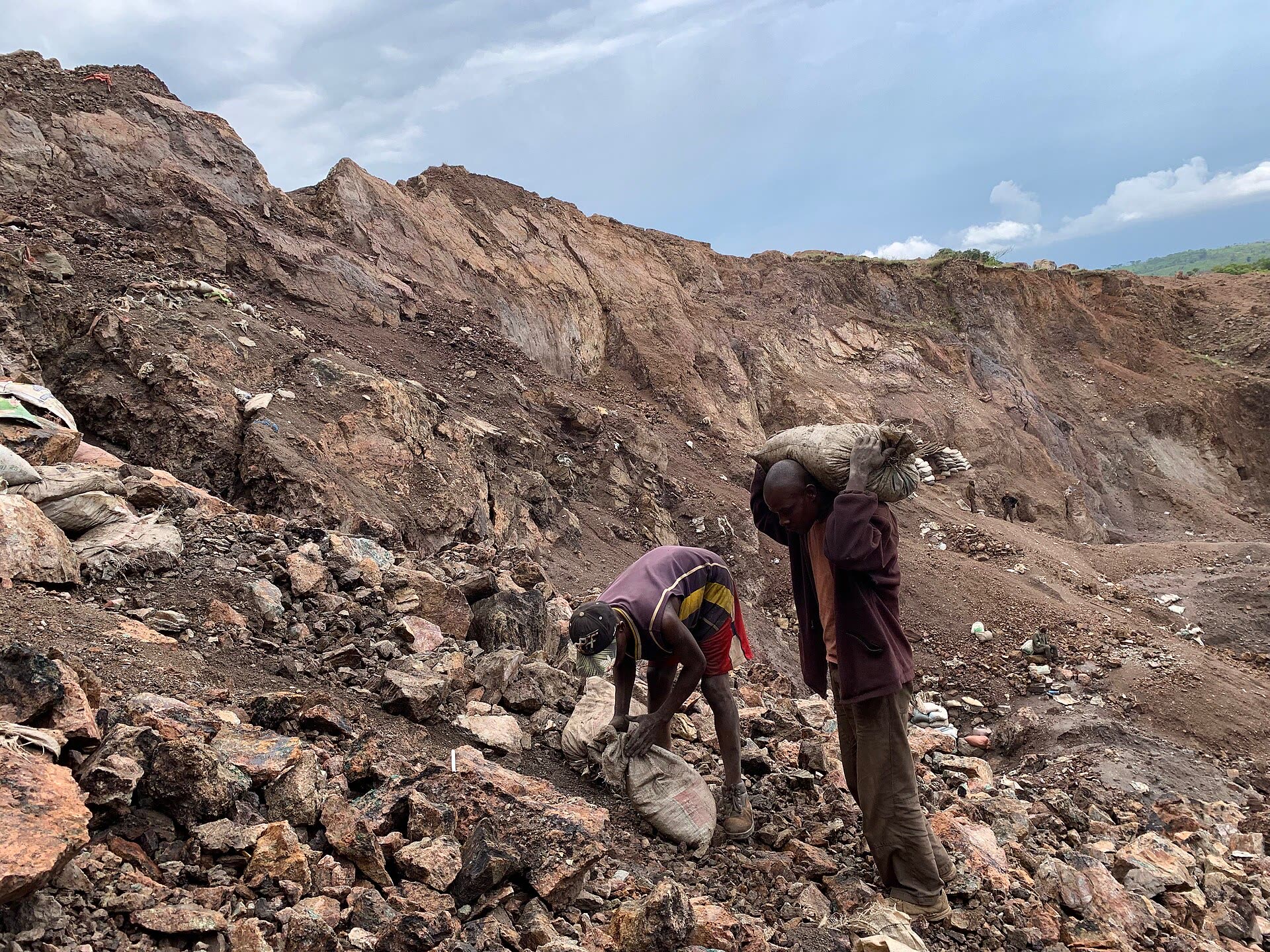
Cobalt stands as the country's most consequential mineral export. Congo (Kinshasa), the world's leading source of mined cobalt, accounted for an estimated 76% of world cobalt mine production, followed by Indonesia with 10% 15Mineral Commodity Summaries 2025: Cobalt · U.S. Geological Survey (USGS) ↗. Demand for the metal, which is used to manufacture batteries, grew 26-fold from 2000 through 2020 16China, the Democratic Republic of the Congo, and artisanal cobalt mining from 2000 through 2020 (PNAS 120(26); PMC10293843) · Proceedings of the National Academy of Sciences ↗. Diminished industrial cobalt production in the early-to-mid 2000s led many Chinese companies to buy ores from artisanal cobalt miners in the DRC, many of whom have been found to be children 16.
| Resource | Significance/Production | Key Details |
|---|---|---|
| Cobalt | 76% of world cobalt mine production in 2024 | Used in the manufacture of batteries |
| Coltan | Widely mined in the DRC | Its tantalum is used in capacitors for phones, computers and cameras |
| Diamonds | 9% of global diamond reserves; 18% of industrial diamonds and 3% of gem-quality diamonds | Divided between industrial and gem-quality categories |
| Mineral reserves | Total value of major mineral reserves over 300 billion US dollars | Figure drawn from a 2011 report |
Coltan — short for columbite–tantalite — is a dull black metallic ore from which the elements niobium and tantalum are extracted 17Coltan · Wikipedia ↗. Its mining is widespread in the Democratic Republic of the Congo 17, and the tantalum derived from it is used to manufacture tantalum capacitors for mobile phones, personal computers, automotive electronics and cameras 17. The country is also home to around 9% of global diamond reserves and accounts for 18% of industrial diamonds and 3% of gem-quality diamonds 14. According to a 2011 report, the total value of the major mineral reserves in the DRC amounts to over 300 billion US dollars 14.
The labour conditions surrounding extraction remain a persistent concern. Child labour is rampant in DRC mining: children are sent into narrow passes adults cannot access or tasked with carrying and washing ore 14. Such practices sit alongside the broader pattern in which the country's mineral wealth has coexisted with instability and limited development 9.
5. Biodiversity and Protected Areas
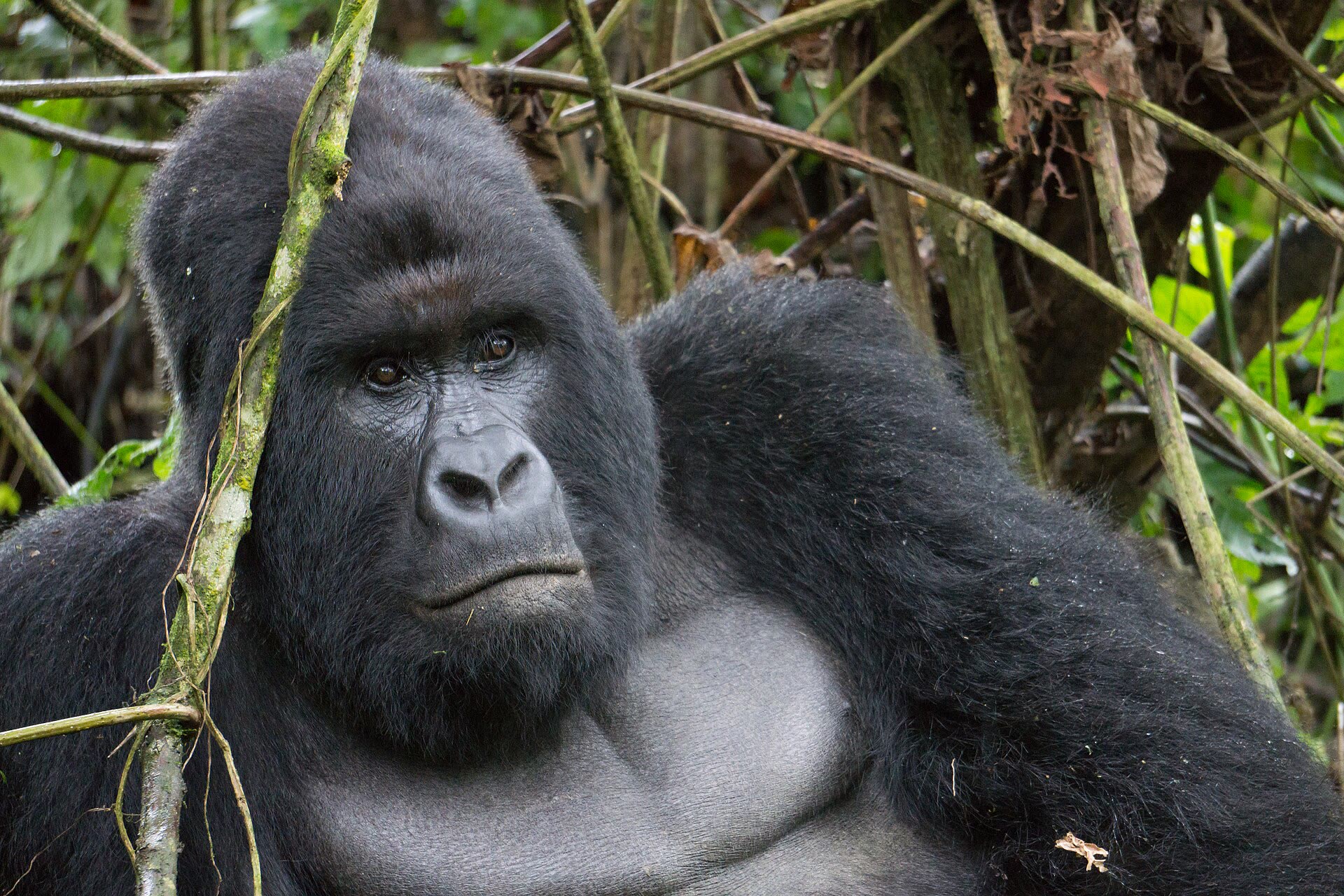
Virunga National Park was established in April 1925 as the Congo's first national park, and it has held UNESCO World Heritage status since 1979. Its listing rests on a diversity of habitats, exceptional biodiversity and endemism, and the protection it affords to rare mountain gorilla habitat. The park has also appeared on the List of World Heritage in Danger since 1994, a consequence of civil unrest and increased human presence in the region.
Virunga protects a third of the world population of mountain gorillas. It serves as a refuge to 22 primate species, among them three great apes. The park's faunal inventory extends to 218 mammal species, 706 bird species, 109 reptile species and 78 amphibian species. Some 20,000 hippopotamuses live in its rivers, and birds from Siberia spend the winter there.
Nyamuragira and Nyiragongo, the two most active volcanoes of Africa, are between them responsible for two-fifths of the historic volcanic eruptions on the African continent. The park has nonetheless been the scene of several deadly attacks by rebel groups, and several park rangers have been killed. By the end of July 2022 the DRC government had undermined the park's protection by auctioning oil exploration blocks inside Virunga.
6. Humanitarian Situation and Health Crises
Close to 6.5 million people were displaced in the country by January 2025, including close to three million in North Kivu 20DR Congo: Battle for Goma continues as 'volatile' crisis unfolds (UN News, 27 January 2025) · United Nations News ↗.
The Second Congo War and its aftermath caused an estimated 5.4 million deaths, primarily due to disease, malnutrition and war crimes, making it the deadliest conflict since World War II according to a 2008 IRC report 13Second Congo War · Wikipedia ↗.
The World Health Organization's Director-General determined that the upsurge of mpox in the DRC and a growing number of countries in Africa constitutes a public health emergency of international concern 21WHO Director-General declares mpox outbreak a public health emergency of international concern (14 August 2024) · World Health Organization ↗. As of 29 July, that outbreak had reached 3,532 cases including 1,556 deaths, becoming the largest recorded in the DRC — surpassing the 2018–20 epidemic — and the second-largest recorded in the world 22Democratic Republic of the Congo · Encyclopædia Britannica ↗. The Ebola outbreak declared in North Kivu on 1 August 2018 was the second largest in the world, with 3470 cases, 2287 deaths and 1171 survivors 2310th Ebola outbreak in the Democratic Republic of the Congo declared over (25 June 2020) · World Health Organization ↗.
A long history of conflict, political upheaval and instability has led to a serious and ongoing humanitarian crisis in the DRC, exacerbated since November 2021 by the resurgence of M23 rebel activity in the east 24The World Bank in DRC — Country Overview · World Bank ↗. In 2025, after a rapid advance, M23 rebels captured the city of Goma in eastern DRC and threatened to move on Kinshasa 9. Several shells struck the Charity Maternity Hospital in central Goma, killing and injuring civilians including newborn and pregnant women 20.
7. Government and Politics
The Democratic Republic of the Congo is a unitary semi-presidential republic whose president is Félix Tshisekedi. Tshisekedi won a second term in the December 2023 elections with about 73% of the vote. That election was condemned as a "sham" by several opposition candidates. The capital, largest city and economic centre of the country is Kinshasa.
The M23 rebellion emerged in 2012–13, and a UN report found that Rwanda created and commanded the M23 rebel group. In 2025, after a rapid advance, M23 rebels captured the city of Goma in eastern DRC and threatened to move on Kinshasa. A long history of conflict, political upheaval and instability has led to a serious and ongoing humanitarian crisis in the DRC, exacerbated since November 2021 by the resurgence of M23 rebel activity in the east.
Following the Washington Agreement of June 2025 and the Doha Declaration of Principles of July 2025, a new economic agreement was signed in November 2025 aimed at stabilizing cross-border trade and resource management.
8. Economy
Real GDP growth in the Democratic Republic of the Congo remained resilient, estimated at 5.5% in 2025, driven by the extractive sector, though momentum moderated due to policy measures and security challenges. The capital, largest city and economic centre of the country is Kinshasa. The country is rich in natural resources, yet it has suffered from political instability, a lack of infrastructure, centuries of both commercial and colonial exploitation, and little widespread development since independence.
Mineral exports account for more than 95% of the country's export revenues. The DRC supplies over 60% of global cobalt. Congo (Kinshasa), the world's leading source of mined cobalt, accounted for an estimated 76% of world cobalt mine production, followed by Indonesia with 10%. The country is also home to around 9% of global diamond reserves and accounts for 18% of industrial diamonds and 3% of gem-quality diamonds. Unregulated and often illegal extractive activities are pushing ever further into the Congo Basin forests.
A long history of conflict, political upheaval and instability has led to a serious and ongoing humanitarian crisis in the DRC, exacerbated since November 2021 by the resurgence of M23 rebel activity in the east. The Second Congo War and its aftermath caused an estimated 5.4 million deaths, primarily due to disease, malnutrition and war crimes, making it the deadliest conflict since World War II according to a 2008 IRC report. Close to 6.5 million people were displaced by January 2025. The country has seen little widespread development since independence.
9. International Peacekeeping and Human Rights
The United Nations Organization Stabilization Mission in the Democratic Republic of the Congo has been present in the country since July 2010, when it took over from an earlier UN peacekeeping operation that had supervised a ceasefire following conflict rooted in the 1994 genocide in neighbouring Rwanda. As of October 2025, more than 12,400 MONUSCO personnel were serving, among them some 9,177 troops and 926 police officers drawn from over 50 countries. Since its inception, the mission has recorded 304 fatalities.
Alongside peacekeeping, the United Nations carried out a mapping exercise that documented the most serious violations of human rights and international humanitarian law committed in the DRC between March 1993 and June 2003. That decade spans the final years of Mobutu Sese Seko's rule, who protected his power through an intensely totalitarian regime and a corrupt patronage network and presided over widespread human rights violations, as well as the two Congo wars. The documentation of these abuses forms part of the wider reckoning with a long history of conflict, political upheaval and instability that has produced a serious and ongoing humanitarian crisis in the country.
MONUSCO's presence has also been subject to a phased drawdown. As agreed with the Government of the DRC, the mission was to complete its withdrawal from South Kivu on 30 June, marking the end of the first phase of its disengagement from the country.
10. Timeline: from the Kingdom of Kongo to the mineral age
- c. 1390The Kingdom of Kongo is foundedThe Kingdom of Kongo emerges around 1390 out of a political marriage between two KiKongo-speaking peoples on the lower Congo; at its height it rules from the Atlantic to the Kwango River, with its capital at M'banza-Kongo.
- 29 May 1885Leopold II's Congo Free State is proclaimedAfter the Berlin Conference recognises his claims, King Leopold II announces 'the Congo Free State' — a vast territory ruled as his personal possession, not a Belgian colony, run for ivory, rubber and minerals through concessionary companies.
- 15 November 1908Belgium annexes the CongoAmid international protest over killings and atrocities on a mass scale by Leopold's agents, the Belgian state takes over the territory, which becomes the Belgian Congo — a colony that lasts until 1960.
- April 1925Albert National Park — later Virunga — is createdAlbert National Park is established as the Congo's first national park, conceived as a science-oriented reserve to study and preserve wildlife; it is the ancestor of today's Virunga National Park.
- 30 June 1960Independence: Kasa-Vubu president, Lumumba prime ministerThe hand-over ceremony by the Belgians takes place on time in Léopoldville. Joseph Kasa-Vubu becomes the first president of the Republic of the Congo and Patrice Lumumba its first head of government, after elections in May.
- 17 January 1961Patrice Lumumba is assassinatedThe deposed prime minister is captured, tortured and executed by Katangan authorities with Belgian involvement, after the secession of Katanga and a UN intervention he had requested to restore order. His body is dissolved in acid; he becomes a global martyr of anti-colonialism.
- 24 November 1965Mobutu seizes powerJoseph-Désiré Mobutu, who had already helped engineer Lumumba's fall and later execution, takes power directly in a second coup, beginning three decades of personal rule.
- October 1971The country is renamed ZairePresident Mobutu Sese Seko renames the country Zaire — a past name for the Congo River — and himself Mobutu Sese Seko, as part of his Authenticité campaign of cultural 'return to authenticity'.
- 1979Virunga becomes a UNESCO World Heritage SiteThe national park is listed by UNESCO for its rich diversity of habitats, exceptional biodiversity and endemism, and its protection of rare mountain gorilla habitat.
- 1994Virunga placed on the World Heritage in Danger listAmid civil unrest and increased human presence in the region — including the aftermath of the Rwandan genocide — Virunga is added to the List of World Heritage in Danger, where it has remained ever since.
- 1996–1997First Congo War and the fall of MobutuInstability caused by an influx of refugees from the Rwandan Civil War leads to the First Congo War; the rebel leader Laurent-Désiré Kabila, backed by Rwanda and Uganda, marches on Kinshasa and overthrows Mobutu in May 1997.
- 2 August 1998The Second Congo War beginsKabila turns against his former Rwandan and Ugandan allies; the conflict draws in nine African nations and some 25 armed groups, becoming Africa's World War.
- 18 July 2003Official end of the Second Congo WarA peace agreement in 2002 and the establishment of a Transitional Government — with Joseph Kabila as president and the DRC flag raised in rebel-held Goma — formally end the war, though fighting persists in the east.
- January 2019Félix Tshisekedi becomes presidentAfter protracted political wrangling over the controversial December 2018 election, opposition candidate Félix Tshisekedi takes office, succeeding Joseph Kabila.
- January–July 2025M23 captures Goma as peace efforts intensifyAfter a rapid advance, Rwanda-backed M23 rebels capture Goma in eastern DRC, threatening to move on Kinshasa; close to 6.5 million people are displaced. Later in 2025 the Washington Agreement (June) and Doha Declaration of Principles (July) open a diplomatic track, and an economic agreement is signed in November.
11. Frequently asked questions
Where is the Democratic Republic of the Congo, and how large is it?
The Democratic Republic of the Congo is a country in Central Africa, bordered by nine neighbours: the Republic of the Congo, Angola, the Central African Republic, South Sudan, Uganda, Rwanda, Burundi, Tanzania and Zambia 1Democratic Republic of the Congo · Wikipedia ↗. With an area of 2,345,408 km², it is the second-largest country in Africa, after Algeria 1.
What is the capital of the DRC, and how many people live there?
What languages are spoken in the DRC?
When did the DRC become independent, and how is it governed today?
What natural features define the DRC?
What minerals is the DRC known for, and what has the country endured in recent decades?
Congo (Kinshasa) accounted for an estimated 76% of world cobalt mine production in 2024, and coltan is widely mined there, its tantalum used in capacitors for phones, computers and cameras 1517. The Second Congo War of 1998–2003 caused an estimated 5.4 million deaths, the deadliest conflict since World War II, and close to 6.5 million people were displaced by January 2025 1320.
References (27)
- 1Democratic Republic of the Congo — Wikipedia Web↩View source
- 2Belgian Congo — Wikipedia Web↩View source
- 3Congo River — Wikipedia Web↩View source
- 4Congo Basin — Wikipedia Web↩View source
- 5Congo Basin: the Green Heart of Africa — WWF WebView source
- 6Kingdom of Kongo — Wikipedia WebView source
- 7Congo Free State — Wikipedia Web↩View source
- 8King Leopold's legacy of DR Congo violence — BBC News (archived news.bbc.co.uk) WebView source
- 9DR Congo country profile — BBC News Web↩View source
- 10Patrice Lumumba — Wikipedia WebView source
- 11Belgian king expresses 'deepest regrets' for DR Congo colonial abuses — BBC News WebView source
- 12Mobutu Sese Seko — Wikipedia WebView source
- 13Second Congo War — Wikipedia Web↩View source
- 14Mining industry of the Democratic Republic of the Congo — Wikipedia Web↩View source
- 15Mineral Commodity Summaries 2025: Cobalt — U.S. Geological Survey (USGS) 2025 Web↩View source
- 16China, the Democratic Republic of the Congo, and artisanal cobalt mining from 2000 through 2020 (PNAS 120(26); PMC10293843) — Proceedings of the National Academy of Sciences 2000 Web↩View source
- 17Coltan — Wikipedia Web↩View source
- 18Virunga National Park — Wikipedia WebView source
- 19Virunga National Park — UNESCO World Heritage Centre (ref. 63) — UNESCO World Heritage Centre WebView source
- 20DR Congo: Battle for Goma continues as 'volatile' crisis unfolds (UN News, 27 January 2025) — United Nations News 2025 Web↩View source
- 21WHO Director-General declares mpox outbreak a public health emergency of international concern (14 August 2024) — World Health Organization 2024 Web↩View source
- 22Democratic Republic of the Congo — Encyclopædia Britannica Web↩View source
- 2310th Ebola outbreak in the Democratic Republic of the Congo declared over (25 June 2020) — World Health Organization 2020 Web↩View source
- 24The World Bank in DRC — Country Overview — World Bank Web↩View source
- 25DR Congo: UN vows orderly peacekeeping transition as South Africa withdraws troops (UN News, 9 February 2026) — United Nations News 2026 WebView source
- 26DRC: Mapping human rights violations 1993-2003 — Report of the Mapping Exercise — UN Office of the High Commissioner for Human Rights (via Internet Archive) 1993 ArchiveView source
- 27MONUSCO ending its mission in South Kivu after more than 20 Years of Service (25 June 2024) — UN Peacekeeping (MONUSCO) 2024 WebView source