Firefly
The natural history of fireflies: how they make cold light, how they court and hunt with flashes, why some species synchronize, and the threats dimming them worldwide.
Fireflies are luminescent beetles of the family Lampyridae, with more than 2,000 species described worldwide. Their light comes from a chemical reaction in which luciferin is oxidized with the help of luciferase and ATP, producing an efficient cold glow used for courtship and for warning predators. In a few species, most famously Photinus carolinus in the Great Smoky Mountains, males synchronize their flashes into rhythmic bursts. Habitat loss, light pollution and pesticides are the leading threats, and IUCN Red List assessments suggest that a significant share of North American fireflies may be at risk of extinction.
In this article
- 1Overview
- 2Light Production
- 3Evolution and Deep History
- 4Life Cycle and Feeding
- 5Defense and Predation
- 6Flash Patterns and Synchrony
- 7Distribution and Habitat
- 8Conservation Status
- 9Threats
- 10Human Use and Citizen Science
- 11Key Dates
- 12Timeline: from early lantern chemistry to firefly Red List assessments
- 13Knowledge graph
Overview
Fireflies are the beetles of the family Lampyridae, a group also known by the common names lightning bugs and glow-worms. More than 2,000 species have been described worldwide, and researchers suspect that 3,000 more remain to be discovered or named. All known firefly species are bioluminescent as larvae.
1. Light Production
Light is produced when oxygen combines with ATP and the chemical luciferin in the presence of the enzyme luciferase. The reaction proceeds in two general steps: first luciferin is adenylated, then the AMP ester reacts with oxygen to reach an excited state. In the second step of the reaction the adenylated intermediate is oxygenated to produce excited-state oxyluciferin, AMP and carbon dioxide. The decomposition of a dioxetanone intermediate results in light emission from excited-state oxyluciferin through the CIEEL mechanism. Firefly luciferase is a bifunctional enzyme that can act as both a luciferase and a long-chain fatty acyl-CoA synthetase.
Unlike a light bulb, which produces much heat alongside light, a firefly's light is cold light with little energy lost as heat. The firefly photic organ uses almost 100 percent of its energy to produce a cold light. With Photinus pyralis luciferase the emission maximum is about 565 nm, yellow-green at pH 7.6, and the light turns red under acidic conditions. The color of firefly bioluminescence, ranging from green to orange-yellow, is set by the structure of the enzyme luciferase. The quantum yield was first estimated at 0.88 and later revised to 0.41. By gel filtration the enzyme was crystallized, yielding 30 mg of protein from about 6,000 firefly specimens.
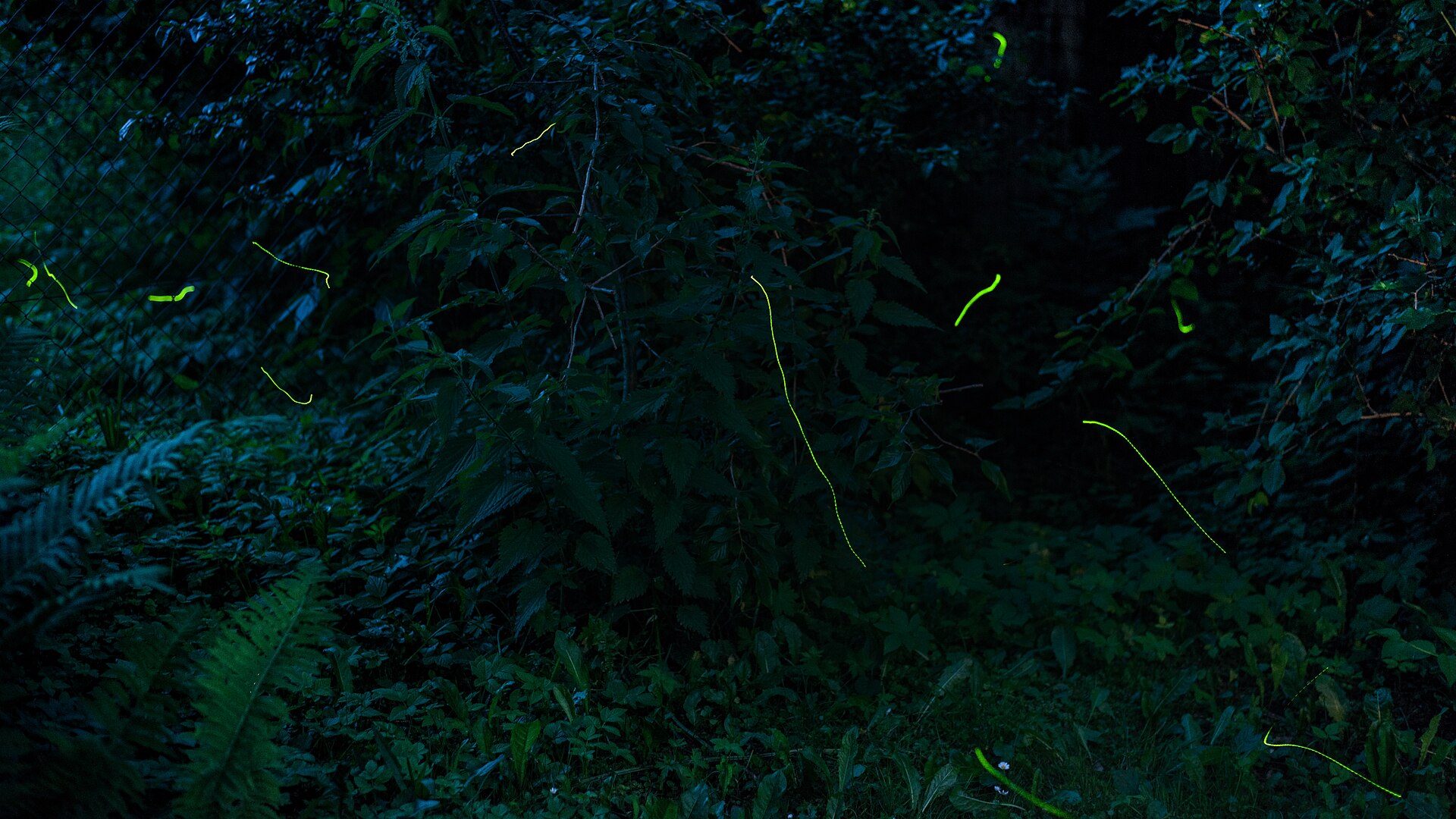
Researchers learned that nitric oxide gas plays a critical role in the control of firefly flashes. In isolation from their peers, Photinus carolinus fireflies show no intrinsic rhythm in when they flash.
2. Evolution and Deep History
The enzyme that underlies firefly light, luciferase, is understood to have originated from a fatty acyl-CoA synthetase through gene duplication in insects, and beetle bioluminescence is thought to have emerged from ancestral fatty acyl-CoA synthetase enzymes. The common ancestor of fireflies arose approximately 100 million years ago and is thought to have evolved green-light luciferase in the mid-Cretaceous as an aposematic warning against nocturnal predators. A single adult male preserved in Burmese amber dating back 100 million years shows an obvious photophore structure on its abdomen.
3. Life Cycle and Feeding
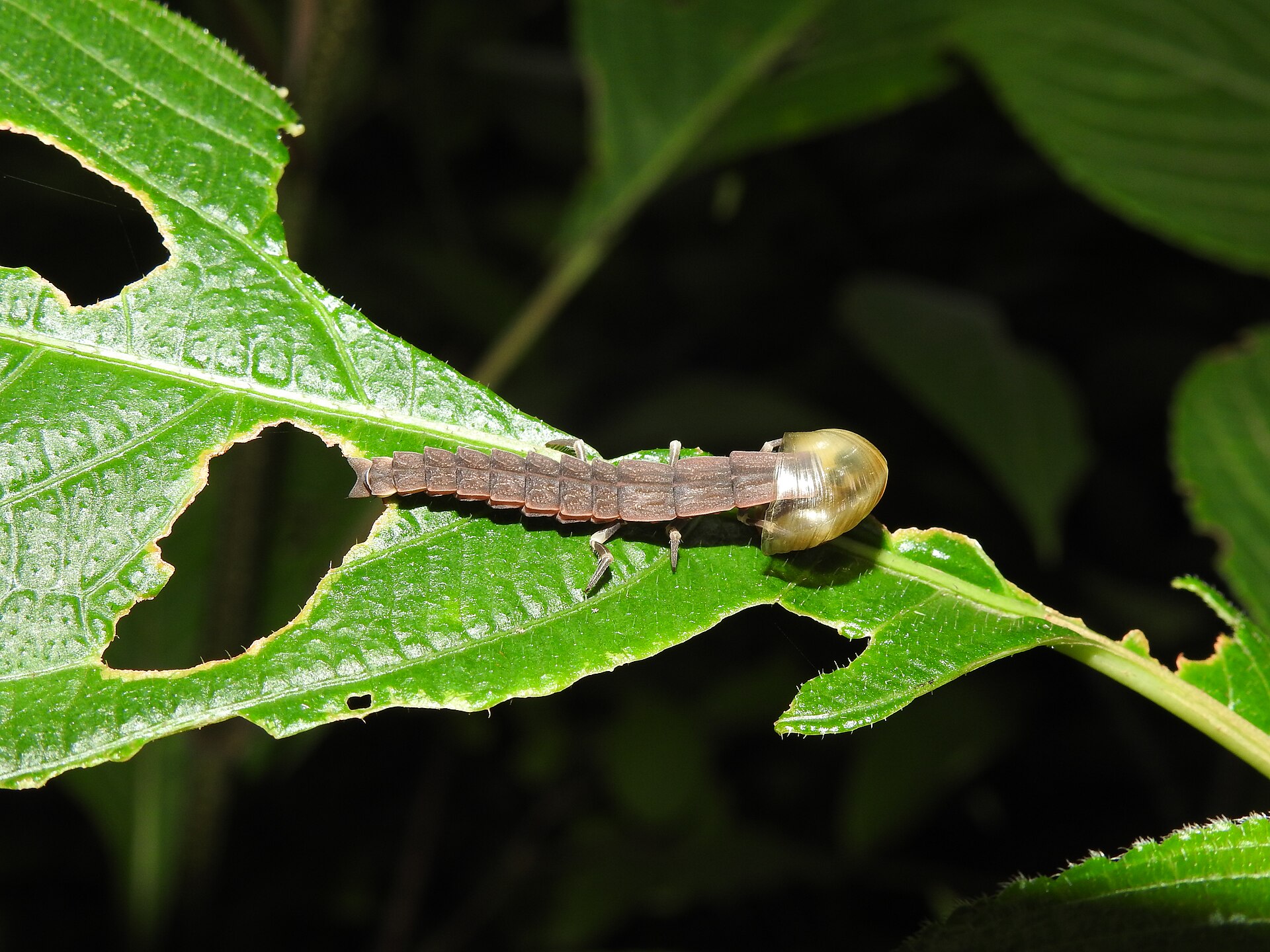
The firefly life cycle unfolds across one to two years, and the greater part of that span is passed in the larval stage, which can last up to two years and is likely the most vulnerable period of the insect's existence. During this prolonged phase the larvae feed on snails, worms and smaller insects in leaf litter. Because those prey organisms are themselves sensitive to disturbance, threats to snails, slugs and earthworms may cascade to firefly populations.
The adult stage is brief by comparison, lasting only three to four weeks, and many adults do not feed at all.
4. Defense and Predation
Disturbed fireflies release lucibufagin, a bitter defensive chemical, and birds and mice learn that the insects taste bad. Because warning coloration cannot be seen at night, yellow, green and sometimes blue flashes advertise these lucibufagins. Larvae use their glows as warning displays.
Fireflies also exhibit reflex bleeding, emitting droplets of blood from the elytra and pronotum when disturbed. This behavior is generally regarded as defensive and can be potentially considerable in volume.
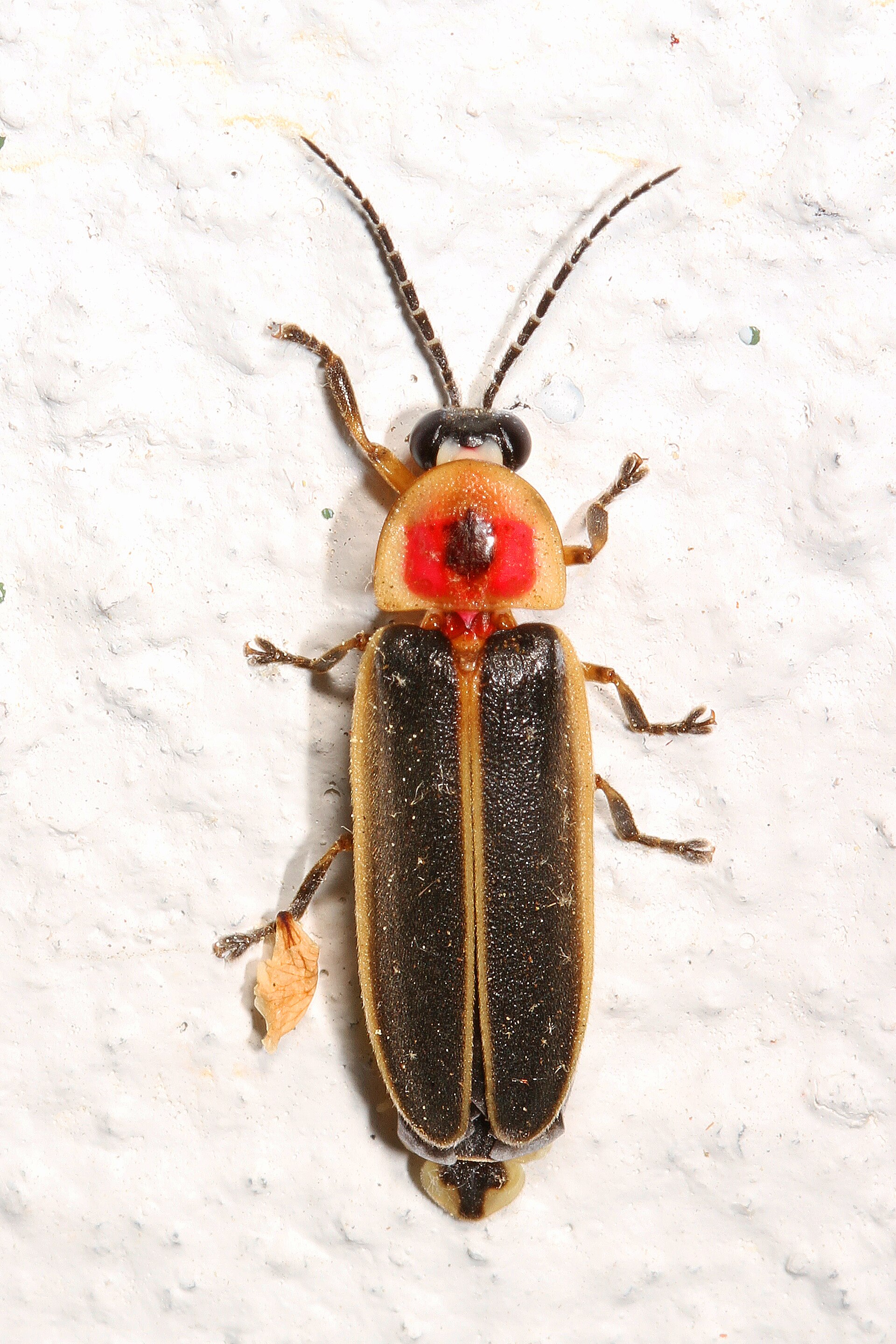
Photuris females entrap male Photinus fireflies by faking the Photinus female flash signal, luring them with a delay that imitates the female response. By feeding on Photinus males they acquire lucibufagins they cannot produce themselves. Females that have eaten Photinus males or lucibufagin are rejected by Phidippus jumping spiders.
5. Flash Patterns and Synchrony
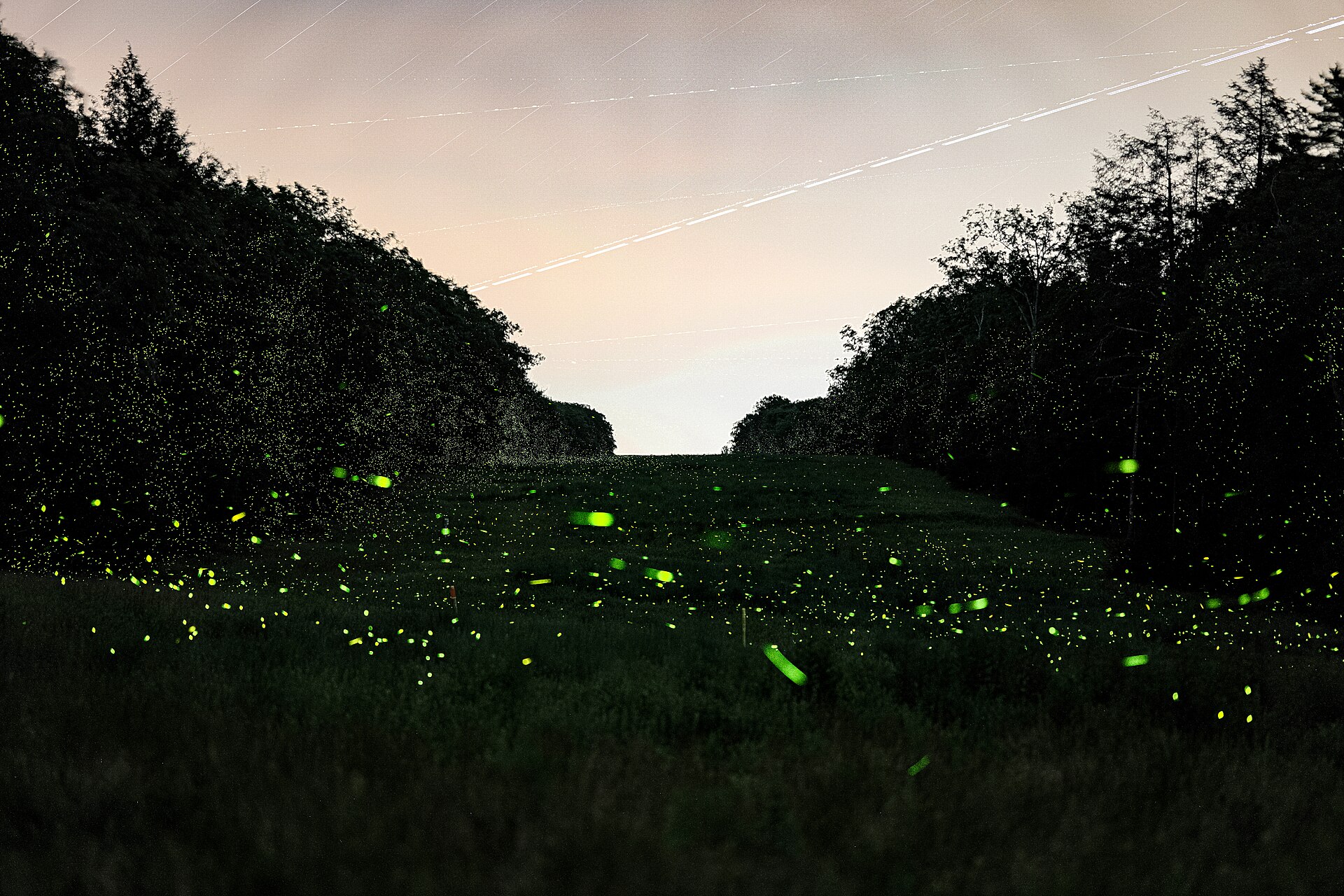
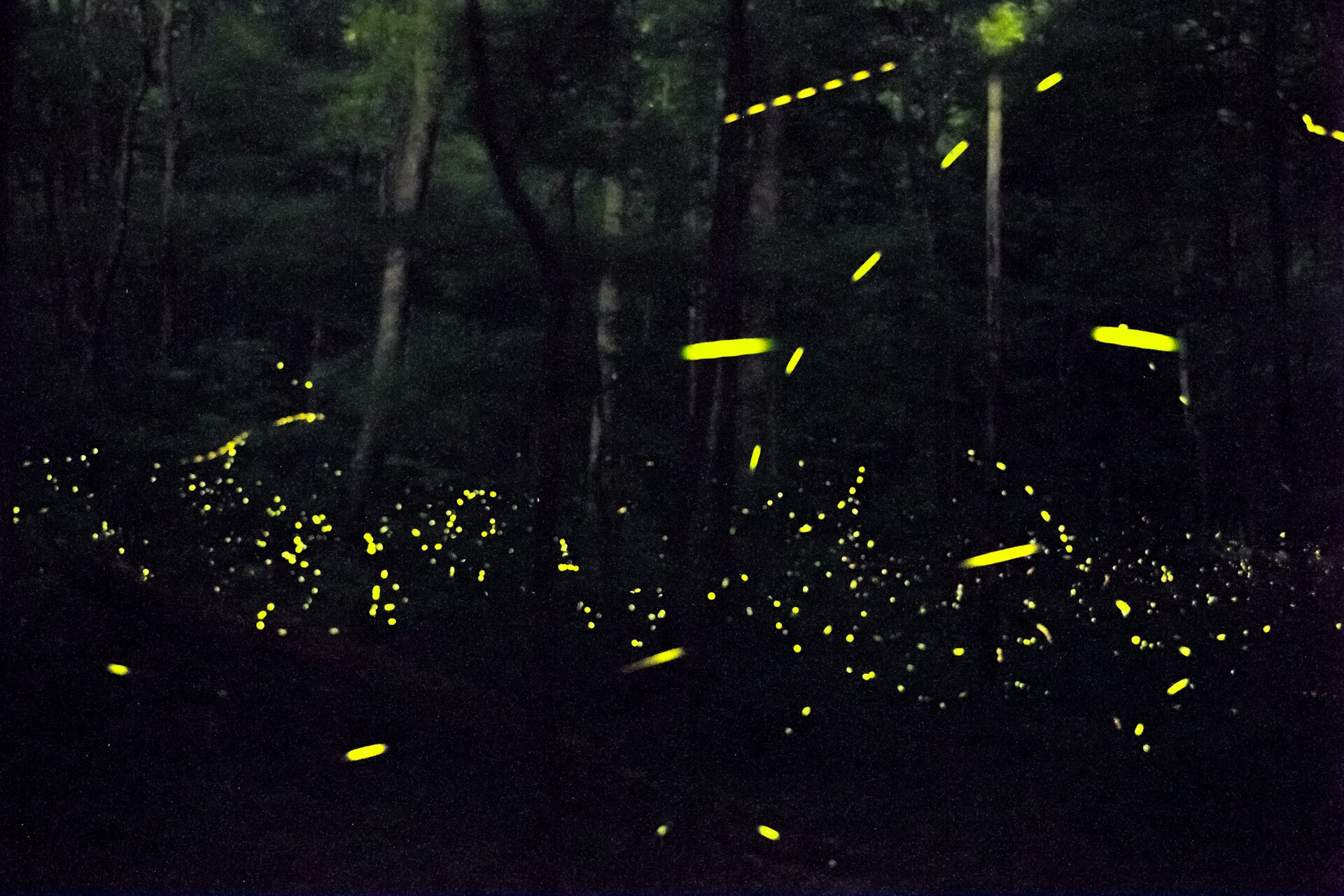
Photinus carolinus flashes a sequence of five to eight distinct flashes followed by an eight-second pause of darkness before the cycle repeats. In their natural habitat these fireflies produce periodic bursts of flashes with a temperature-dependent period generally around 12 s.
When sufficiently many Photinus carolinus fireflies gather into a mating swarm they align their flashes on the same tempo.
6. Distribution and Habitat
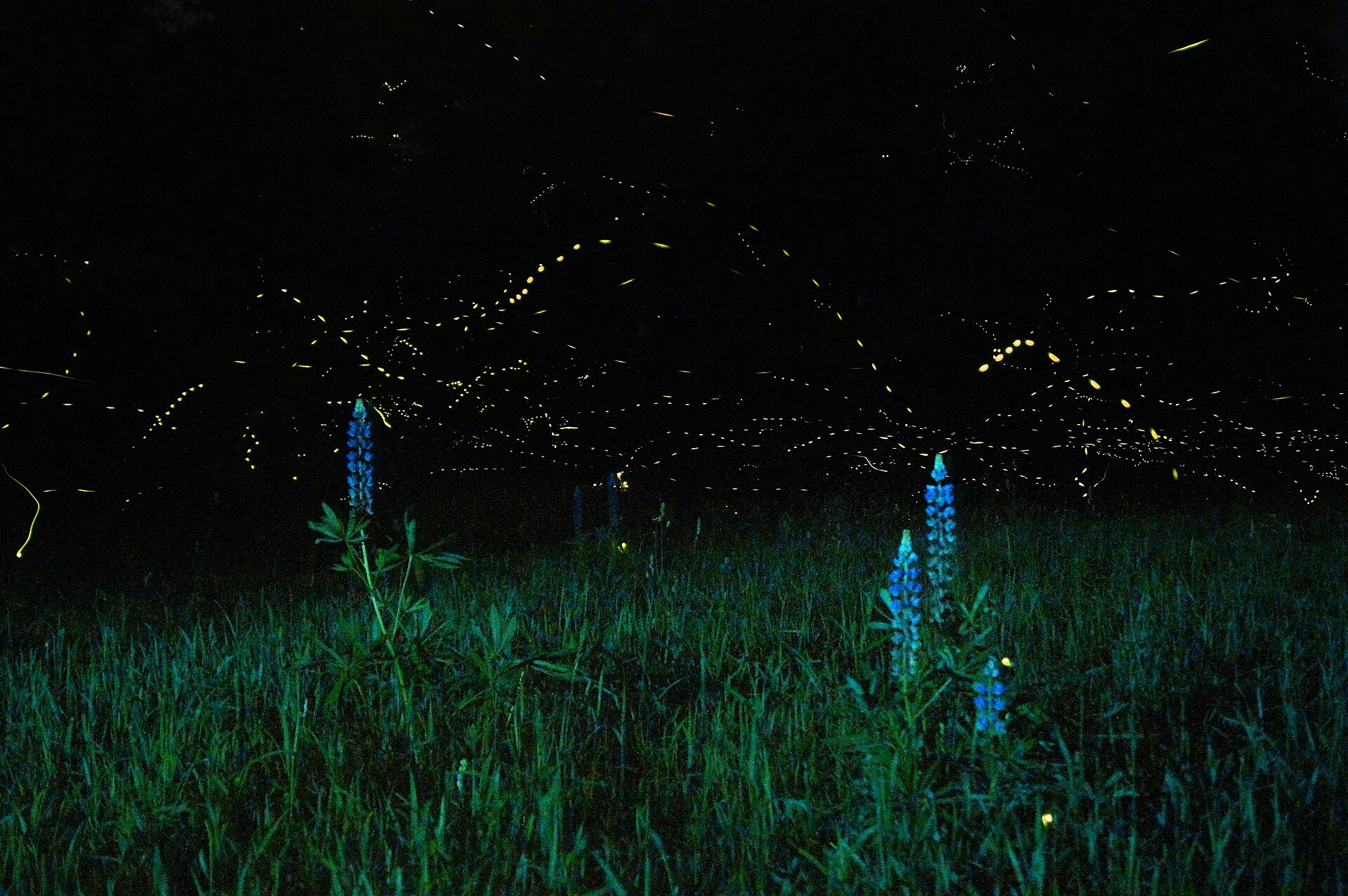
The Elkmont area of Great Smoky Mountains National Park shelters a large population of synchronous fireflies. Since 1993 recorded peak dates at the park have ranged from the third week of May to the third week of June.
The Western Firefly Project has confirmed new firefly populations in 28 of Utah's 29 counties and in six other western states.
7. Conservation Status
The IUCN Firefly Specialist Group is compiling data on extent of occurrence, area of occupancy and population size in preparation for Red List assessments. It aims to compile existing knowledge for 2000 lampyrid species worldwide on their geographic range and population size.
Initial IUCN Red List assessments covering 132 firefly species from the United States and Canada were published in 2021, about 79 percent of described species in the region. At least 18 species, or 14 percent, were categorized as threatened, while more than half of the assessed species are data deficient.
Fish and Wildlife Service issued a positive 90-day finding for the loopy five firefly, Photuris forresti, under the Endangered Species Act.
8. Threats
Among the pressures acting on fireflies, habitat loss was perceived as the most serious threat both globally and within nearly all regions, with artificial light at night second and pesticide use third.
The Malaysian case illustrates what habitat conversion can do to a single species. Breeding congregations of Pteroptyx tener declined after riverbank mangroves were converted to agriculture, aquaculture and urban use.
Evidence for these declines remains uneven. Long-term monitoring studies in the United States and Canada are sparse, but a growing body of anecdotal reports indicates that many fireflies are declining.
9. Human Use and Citizen Science
From 1960 until about 1995 a chemical company harvested about three million North American fireflies a year to extract luciferase and luciferin. Firefly tourism collectively attracts more than 200,000 visitors per year and carries considerable economic benefits.
Through roughly 16,500 submissions Firefly Watch participants tracked fireflies at nearly 7,000 locations across the United States. Mass Audubon passed the Firefly Watch project to the Xerces Society, a science-based nonprofit that protects wildlife through invertebrate conservation. The Western Firefly Project began in 2014 as the Utah Firefly Citizen Science Project before expanding to other western states in 2019 and beyond.
The Selangor Declaration of 2010 urges governments to protect and restore firefly habitats and to support funding for firefly research.
10. Key Dates
-
1929Oldest Utah firefly specimen collectedThe oldest firefly specimen in Utah was collected in 1929 and is housed at the Natural History Museum of Utah.10Western Firefly Project: A Community Science Initiative · Natural History Museum of Utah ↗
-
1956Firefly luciferase crystallizedFirefly luciferase from the lanterns of Photinus pyralis was crystallized.6Firefly luciferase: an adenylate-forming enzyme for multicatalytic functions · PubMed Central (peer-reviewed review) ↗
-
1965Femmes fatales describedJames E. Lloyd's study of aggressive mimicry in Photuris fireflies appeared.16Firefly 'femmes fatales' acquire defensive steroids (lucibufagins) from their firefly prey · PNAS (via PubMed Central) ↗
-
1968Buck and Buck analyze synchronous flashingJohn and Elisabeth Buck's analysis of rhythmic synchronous flashing in Southeast Asian fireflies appeared in Science.8Emergent periodicity in the collective synchronous flashing of fireflies · eLife ↗
-
2014Western Firefly Project beginsThe Western Firefly Project began as the Utah Firefly Citizen Science Project.10
-
2018IUCN Firefly Specialist Group establishedThe group was established to assess the conservation status and extinction risks facing fireflies worldwide.14A Global Perspective on Firefly Extinction Threats · BioScience, Oxford University Press ↗
-
2019Western Firefly Project expandsThe project expanded to other western states in 2019 and beyond.10
-
2024Bethany Beach firefly proposed for listingResponding to a petition from the Xerces Society and the Center for Biological Diversity, the Fish and Wildlife Service proposed listing the Bethany Beach firefly.13Loopy Five Firefly to be Considered for Endangered Species Protection · The Xerces Society for Invertebrate Conservation ↗
11. Timeline: from early lantern chemistry to firefly Red List assessments
- 1929Oldest Utah firefly specimen collectedThe oldest firefly specimen in Utah was collected in 1929 and is housed at the Natural History Museum of Utah.
- 1956Firefly luciferase crystallizedFirefly luciferase was isolated from lanterns of Photinus pyralis by gel filtration and crystallized, yielding 30 mg of protein from about 6,000 specimens.
- 1965Femmes fatales describedJames E. Lloyd's study of aggressive mimicry in Photuris fireflies, in which females attract males of other species by mimicking their flash responses, was published in Science.
- 1968Buck and Buck analyze synchronous flashingJohn and Elisabeth Buck's analysis of rhythmic synchronous flashing in Southeast Asian fireflies appeared in Science.
- 1993Park begins recording peak firefly datesSince 1993 park records show peak firefly dates ranging from the third week of May to the third week of June.
- 1996Weak light from l-luciferin reportedResearchers reported weak light production from l-luciferin with luciferase and proposed a mechanism of racemization through luciferyl adenylate formation.
- 2003Second catalytic function of luciferase shownResearchers demonstrated that firefly luciferase can synthesize fatty acyl-CoA from free fatty acids.
- 2010Selangor DeclarationAn international group of firefly experts convened in Malaysia and wrote the Selangor Declaration on the Conservation of Fireflies, recommending actions to preserve these iconic insects.
- 2014Utah citizen science project launchedThe Utah Firefly Citizen Science Project, later renamed the Western Firefly Project, started in 2014 as a Utah-wide effort.
- 2018IUCN Firefly Specialist Group establishedThe IUCN Firefly Specialist Group was established to assess the conservation status and extinction risks to fireflies worldwide.
- 2019Western Firefly Project expandsThe project expanded from Utah to other western states, confirming firefly populations in Colorado, Idaho, Montana, New Mexico, Nevada and Wyoming.
- February 2020Global firefly threat review publishedA review titled A Global Perspective on Firefly Extinction Threats reported that experts ranked habitat loss as the most serious threat, followed by light pollution and pesticides.
- March 2021First North American firefly Red List assessmentsInitial IUCN Red List assessments covering 132 firefly species from the United States and Canada were published, finding at least 18 threatened and more than half data deficient.
- March 2023Emergent periodicity in flashingA study in eLife presented a mathematical framework for how fireflies that flash irregularly in isolation converge on a common period when they interact in large numbers.
- 30 September 2024Bethany Beach firefly proposed for listingResponding to a petition from the Xerces Society and the Center for Biological Diversity, the Fish and Wildlife Service proposed to list the Bethany Beach firefly as a threatened species under the Endangered Species Act.
- 13 July 2026Loopy five firefly 90-day findingThe Fish and Wildlife Service issued a positive 90-day finding for the loopy five firefly, a rare wetland species restricted to the southeastern United States.
References (20)
- 1Conserving the Jewels of the Night — The Xerces Society for Invertebrate Conservation WebView source
- 2Synchronous Fireflies — U.S. National Park Service, Great Smoky Mountains National Park WebView source
- 3Night Lights: Entomologist Marc Branham is building on UF's reputation as a firefly research hotspot — Explore Magazine, University of Florida Research WebView source
- 4How and why do fireflies light up? — Scientific American WebView source
- 5Enzymatic promiscuity and the evolution of bioluminescence — PubMed Central (peer-reviewed review) WebView source
- 6Firefly luciferase: an adenylate-forming enzyme for multicatalytic functions — PubMed Central (peer-reviewed review) Web↩View source
- 7Resurrecting the ancient glow of the fireflies — Science Advances (via PubMed Central) WebView source
- 8Emergent periodicity in the collective synchronous flashing of fireflies — eLife Web↩View source
- 9Comparative larval morphology of four Pteroptyx (Coleoptera, Lampyridae, Luciolinae) species in Thailand — PubMed Central (peer-reviewed) WebView source
- 10Western Firefly Project: A Community Science Initiative — Natural History Museum of Utah Web↩View source
- 11IUCN SSC Firefly Specialist Group — International Union for Conservation of Nature WebView source
- 12Evaluating firefly extinction risk: Initial red list assessments for North America — PLOS ONE JournalView source
- 13Loopy Five Firefly to be Considered for Endangered Species Protection — The Xerces Society for Invertebrate Conservation Web↩View source
- 14A Global Perspective on Firefly Extinction Threats — BioScience, Oxford University Press Archive↩View source
- 15Firefly Watch — Mass Audubon WebView source
- 16Firefly 'femmes fatales' acquire defensive steroids (lucibufagins) from their firefly prey — PNAS (via PubMed Central) Web↩View source
- 17Self-organization in natural swarms of Photinus carolinus synchronous fireflies — Science Advances (via PubMed Central) WebView source
- 18Firefly Conservation — The Xerces Society for Invertebrate Conservation WebView source
- 19A model for the collective synchronization of flashing in Photinus carolinus — Journal of the Royal Society Interface (via PubMed Central) WebView source
- 20How You Can Help — The Xerces Society for Invertebrate Conservation WebView source