Bamboo
The story of bamboo, the giant grass of the subfamily Bambusoideae: its species and rhizomes, the record-breaking sprouting of its culms, the giant panda that lives on it, its rise as a construction material from Guadua to engineered bamboo, and the once-in-a-generation flowering that ends in famine.
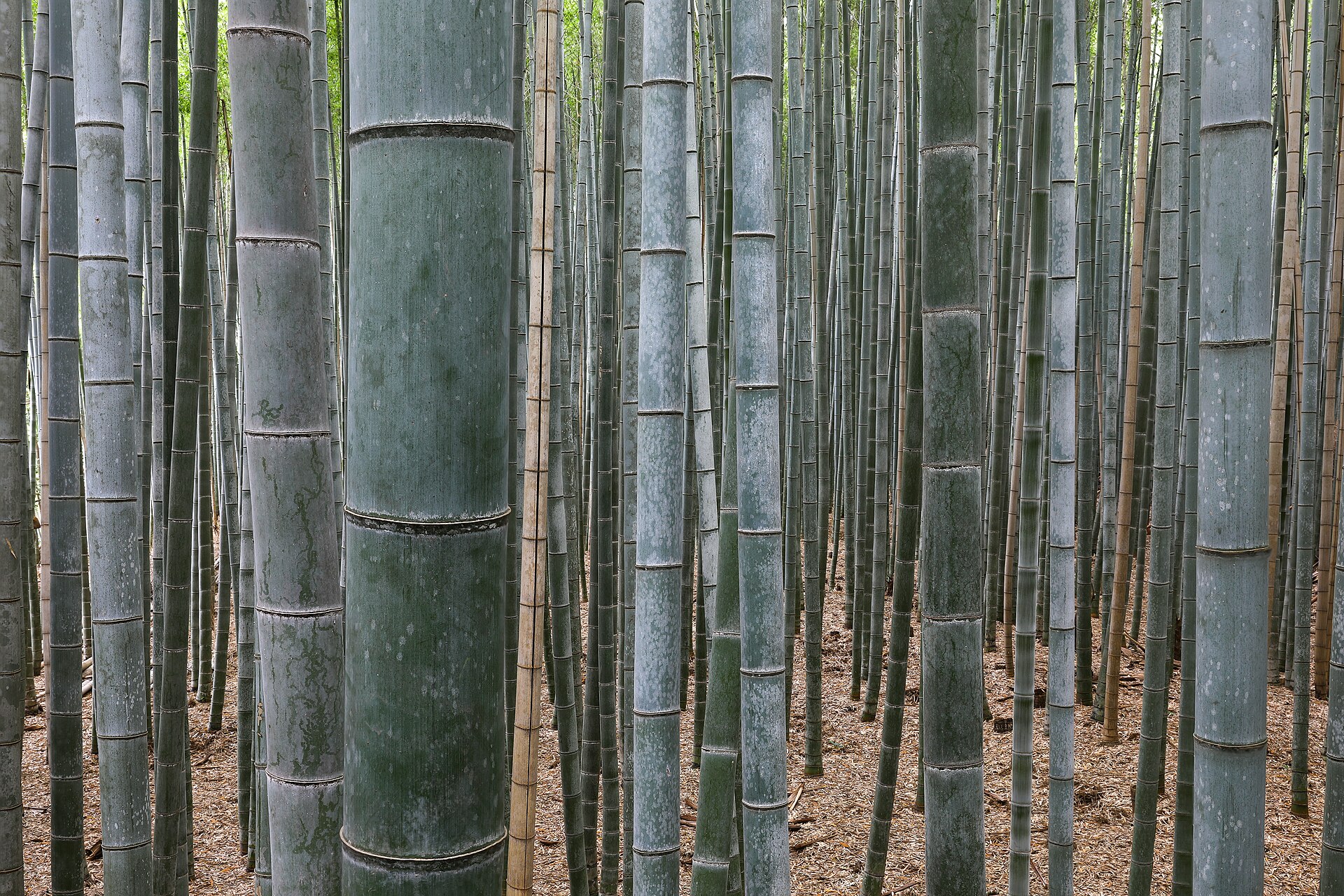
Bamboo is a group of giant woody grasses in the subfamily Bambusoideae, with more than 1,600 species growing from the tropics to mild temperate zones. Its culms are the fastest-growing stems of any plant, some adding up to 91 cm in a single day, and they carry out their whole life's growth in a single season from food stored in underground rhizomes. Bamboo feeds the giant panda almost exclusively, supplies millions of households with building material and income, and underpins international construction standards such as ISO 22156 for round bamboo structures. Its strangest trait is the mass flowering cycle: whole forests of one species bloom together after decades, then die, a synchrony that in northeast India triggers the rat plagues and famines known as mautam.
In this article
- 1Overview
- 2Growth and Form
- 3Clumpers and Runners
- 4Selected Species
- 5Flowering and Die-off
- 6The Mautam and Its Consequences
- 7Bamboo and the Giant Panda
- 8Construction and Engineering
- 9Uses and Culture
- 10Trade, Research and Institutions
- 11Key Figures
- 12Milestones
- 13Timeline: from the naming of Bambusa bambos to the flowering years of Mizoram
- 14Knowledge graph
Overview
Bamboo is an ancient woody grass, with more than 1,600 species spread through tropical, subtropical and mild temperate zones. It occurs natively on every continent except Antarctica and Europe, though many species thrive in European gardens.
1. Growth and Form
Bamboo holds the record for the fastest growth of any plant, with species adding up to 91 cm in a single day. At the peak of the season mature giant bamboo can grow up to 30 cm in a day, a rate that lets it outcompete neighbouring trees for light. This vigour is sustained by an underground economy: fallen leaves are rich in silica, which the plants reuse to boost the strength and stability of their canes. Such hardy plants are not usually bothered by pests and diseases.
The giant bamboo of Southeast Asia is among the tallest grasses on Earth and can reach 25 metres. Its lance-shaped leaves grow about 23 cm long and 3 cm wide and cluster on branches at the nodes. A giant bamboo clump typically lives 50 to 60 years without flowering, then blooms in its final years and dies. Because it regrows from its roots after harvesting, the plant is being studied as a potential carbon store as well as a material crop.
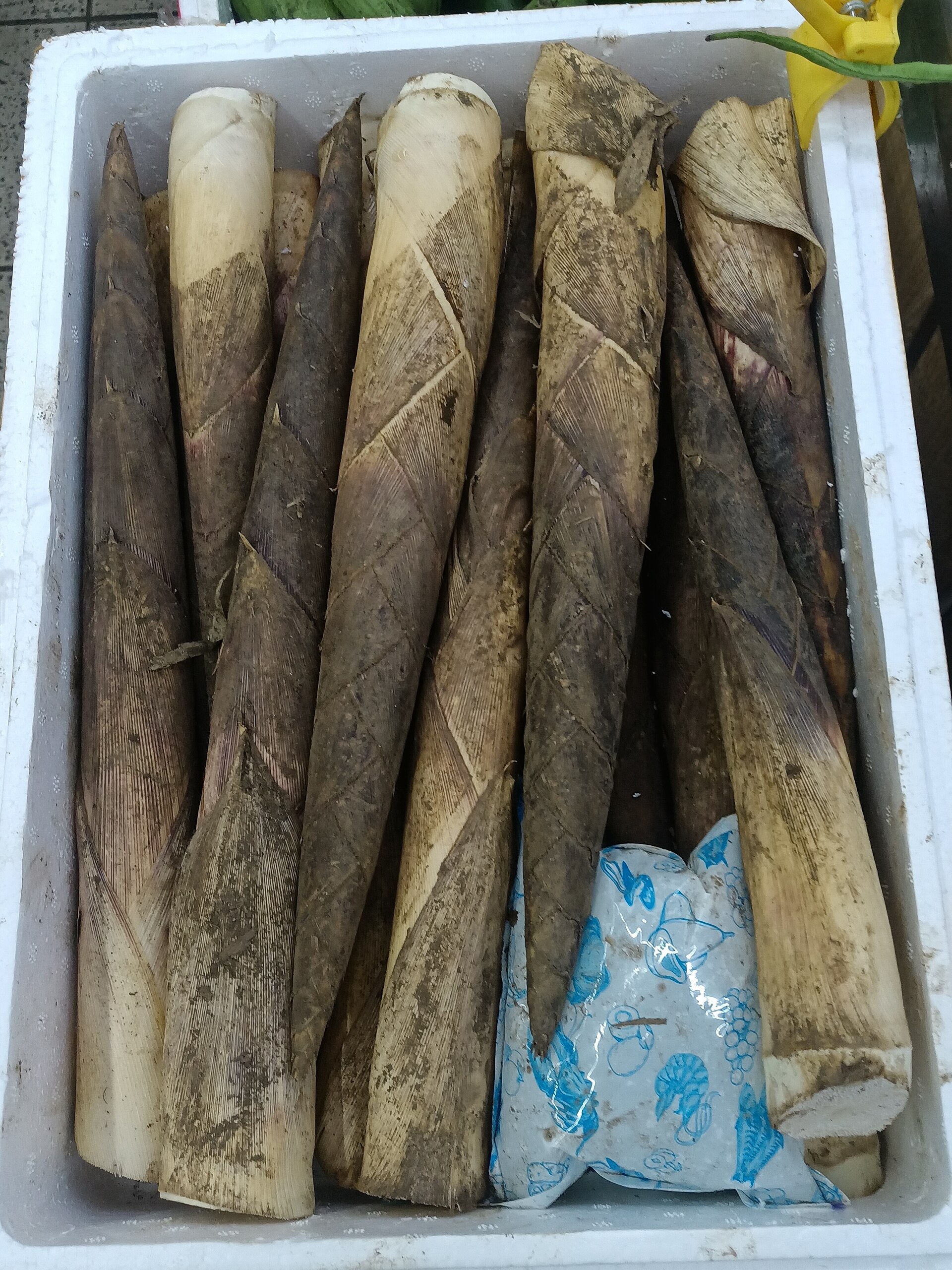
Bamboos prefer moist, fertile, free-draining ground but will tolerate most soil types as long as the roots never stay waterlogged.
2. Clumpers and Runners
Gardeners sort bamboos into two broad habits. Running bamboos push out long rhizomes, creeping underground stems that send up roots, leaves and fresh canes along their length, and the group includes Arundinaria, Phyllostachys, Pleioblastus, Pseudosasa and Sasa. Clump-forming kinds such as Bambusa, Chusquea, Fargesia, Shibataea and Thamnocalamus remain comparatively well behaved.
A running bamboo can be held in check behind a vertical barrier set into a trench at least 60 cm deep that encircles the planting. Where space is short, smaller bamboos grow well in containers at least 45 cm across, though they need repotting or division every few years.
3. Selected Species
Bambusa bambos is accepted in Plants of the World Online, the World Checklist database maintained by the Royal Botanic Gardens at Kew. It is native to the Indian Subcontinent and Indo-China and grows primarily in the wet tropical biome, with a native range taking in Assam, Bangladesh, Cambodia, India, Laos, Myanmar, Sri Lanka, Thailand, Vietnam and the West Himalaya.
Unlike other sympodial bamboos it runs long rhizomes, so its culms stand spaced apart instead of in tight clusters.
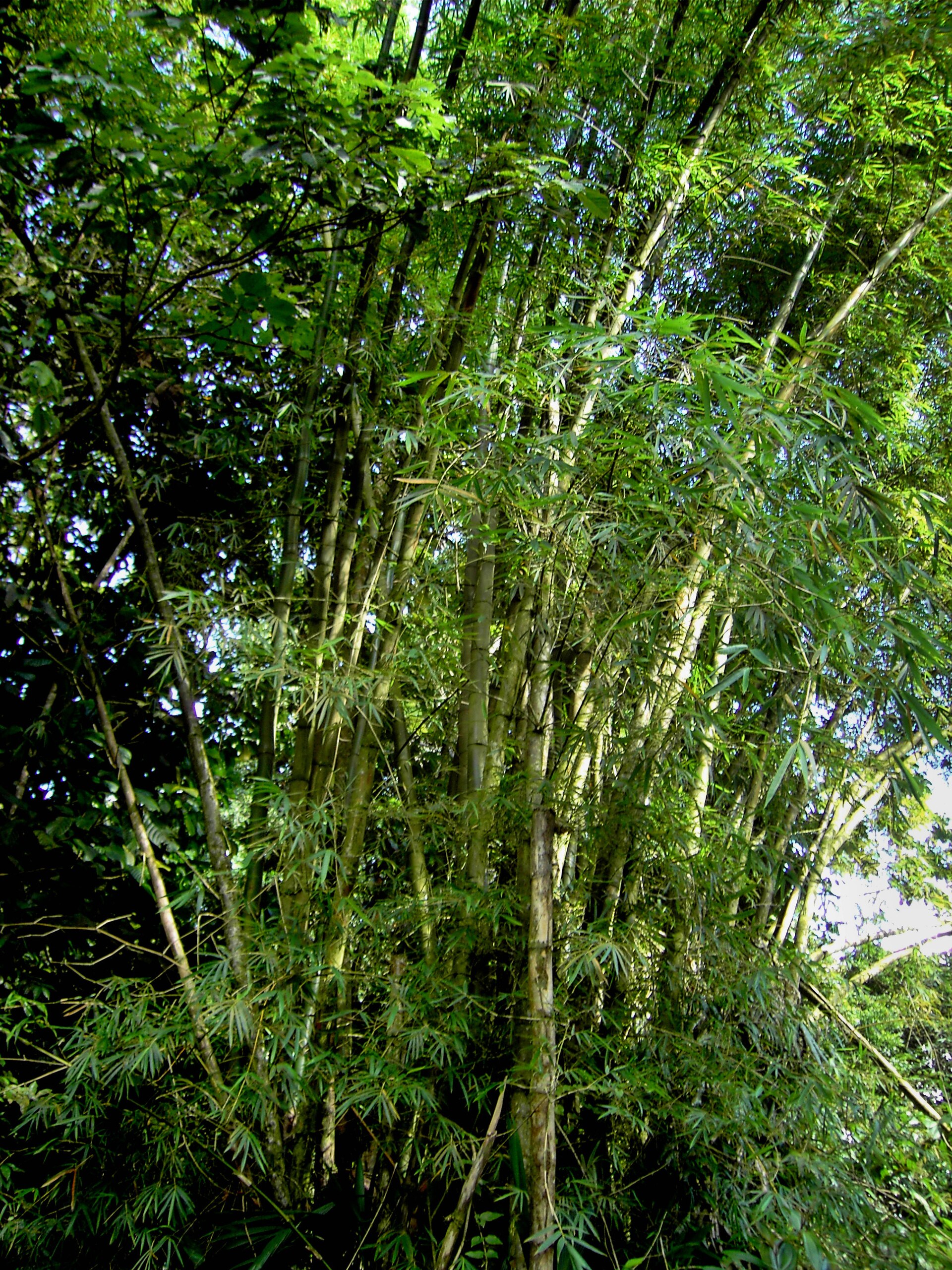
When the species flowered in northeast India in 1959 the rats that followed sparked a famine that killed thousands of people. The once-in-a-generation flowering last occurred in 2004 and gave scientists their first chance to study a phenomenon previously known only from anecdotes.
A letter sent to Kew in 1898 by the Hong Kong medical officer John Mitford Atkinson tied bamboo flowering to a Chinese proverb of pestilence or famine. Even with a famine combat scheme running since 2004 the rodent population exploded from thousands to millions within four months.
4. Flowering and Die-off
Melocanna baccifera is monocarpic, flowering gregariously once in a cycle that runs from 40 to 50 years and then dying; it flowers at the same time across vast areas once every 44 to 48 years and dies soon after fruiting.
The flowering wave of 2004 to 2009 spread over 1.76 million hectares of northeast India and ended with the death of about 26 million tonnes of bamboo culms; the mass die-off that follows leaves soil bare and prone to erosion before the next generation can establish itself. Clumps grown far from their homeland still flowered in synchrony with wild populations after 13 to 21 years of vegetative growth.
All the bamboo plants of one species in an area flower and die together, so good panda habitat must hold several different bamboo varieties. Chemical analysis of the fruit showed only low levels of protein, overturning the popular belief that protein-rich seeds drew the rats.
The accompanying mautam caused crop losses of 38,247 metric tonnes of paddy across 659 villages.
5. The Mautam and Its Consequences
In Mizoram forests of Melocanna baccifera covering over 26,000 square kilometres flower together about every 50 years, and the rats that follow destroy the crops.
Mizoram's bamboo groves began flowering again in November 2007 on a cycle of 48 to 49 years that made the mautam predictable in advance.
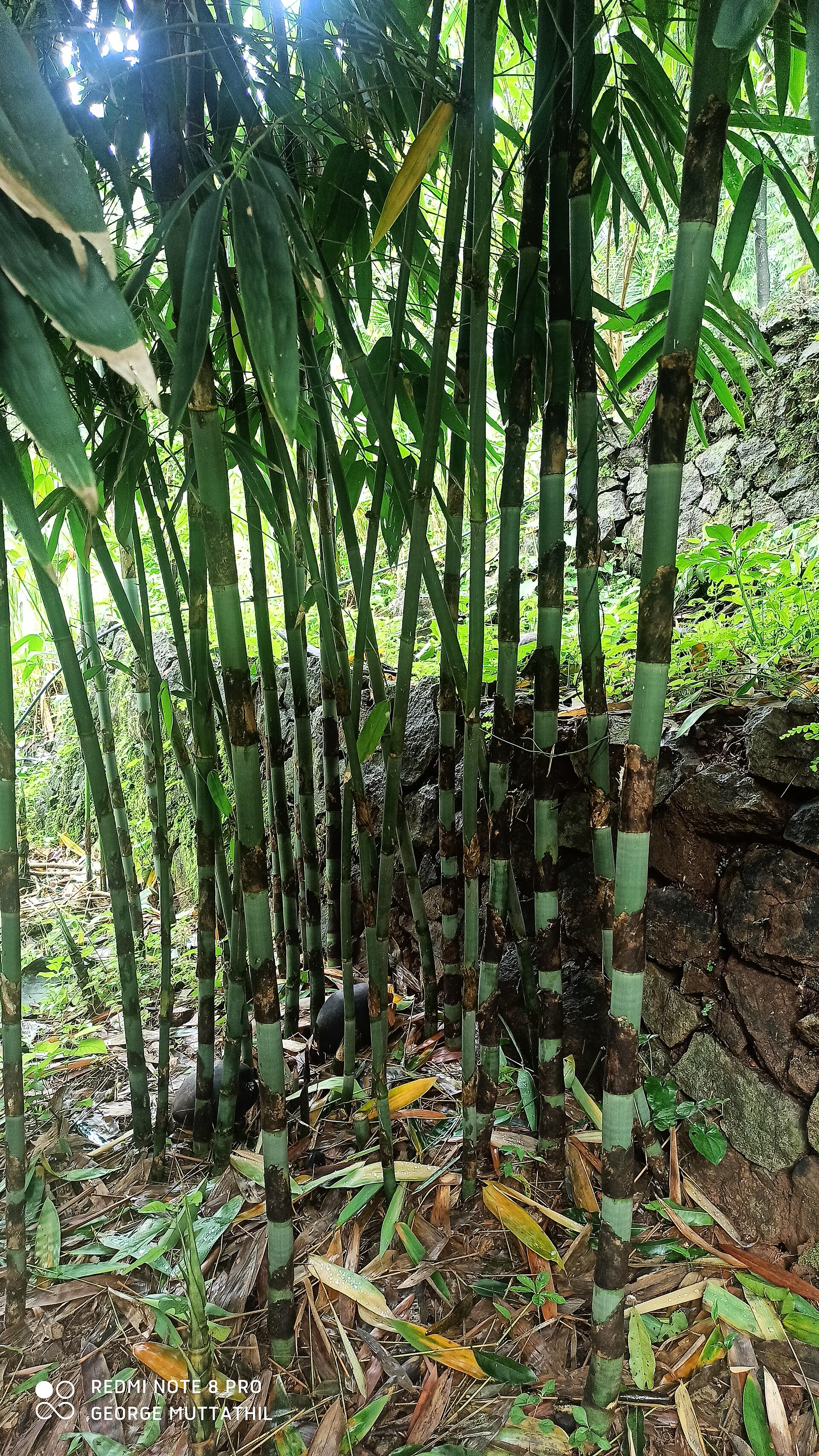
The conflict rooted in the 1959 famine ended with the 1986 peace accord, and Mizoram gained statehood the following year. Findings from a long-running thirteen-year study of Melocanna baccifera showed that sugars rather than proteins drive rat predation on the fruit.
6. Bamboo and the Giant Panda
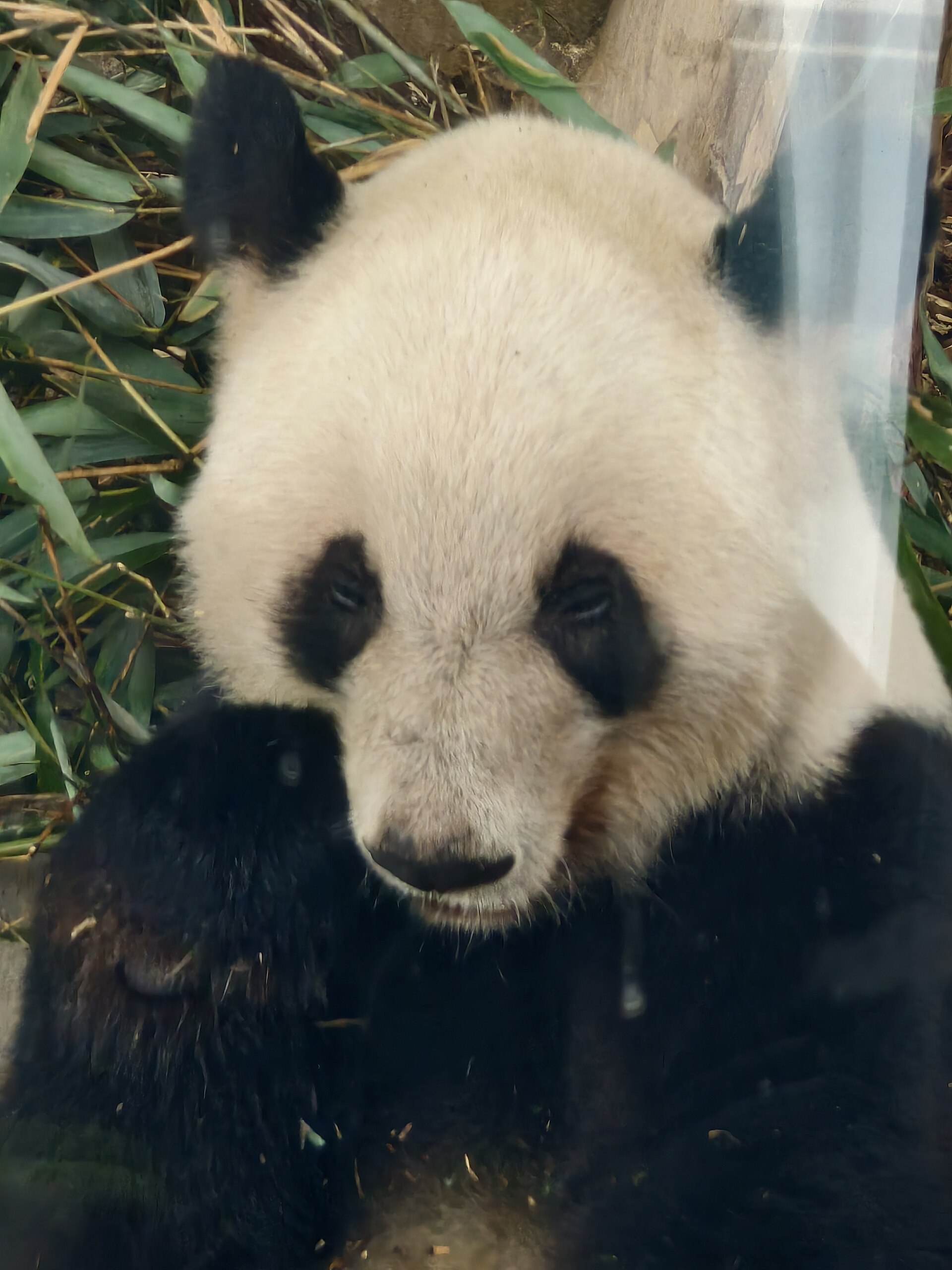
Bamboo makes up about 99 per cent of the giant panda's diet, though the bears also eat grasses, bulbs, fruits and occasional small animals. A panda grips bamboo stalks with five digits plus an enlarged wrist bone known as a pseudo-thumb, which works almost like a real thumb. Giant pandas live in damp, misty mountain forests of southwestern China, mostly between 1,200 and 3,500 metres above sea level.
In 2016 the giant panda was downlisted from endangered to vulnerable after decades of conservation work. China's Natural Forest Conservation Program of 1998 put the remaining forests across the panda's range under protection, sheltering roughly 2.3 million hectares in all.
7. Construction and Engineering
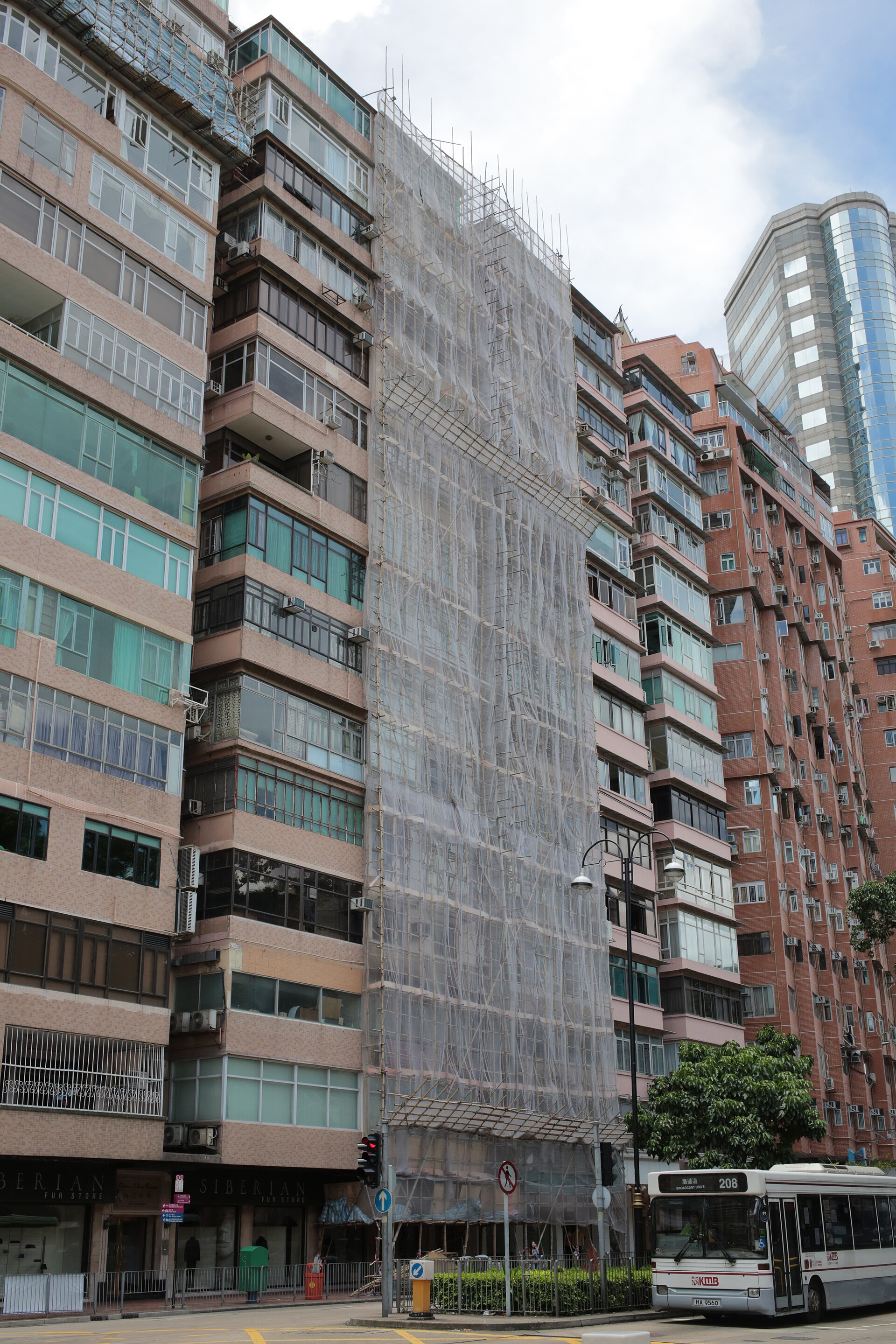
Bamboo supplies millions of households with employment and building material and could help answer the global shortage of conventional construction materials. A manual for designing bamboo structures to ISO 22156:2021 keeps both the standard and the guidance to two storeys because of fire concerns. INBAR helped develop two international standards for bamboo design and testing and backed national building standards in Ecuador and Peru.
After Guadua bamboo buildings came through a magnitude 6.2 earthquake in Colombia in 1999, the species was written into the country's national seismic-resistant building code.
8. Uses and Culture
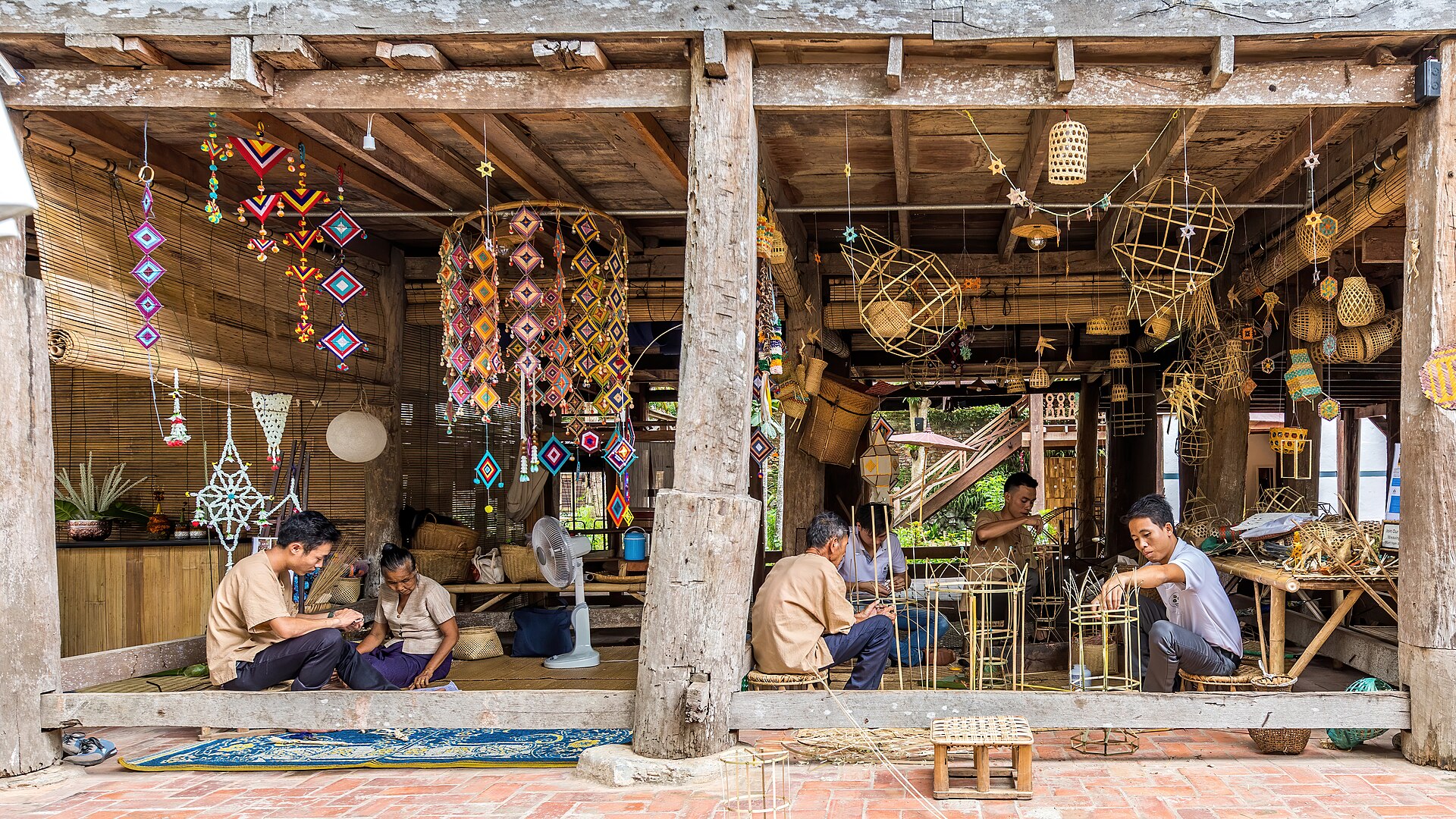
Before the invention of paper, strips of bamboo were used as a writing material and to make books. Bamboo shoots are edible and appear in traditional Japanese, Chinese and Indonesian cooking. Potted plants of Buddha belly bamboo shrink to a compact, swollen-jointed form caused by root restriction and lean growing conditions.
9. Trade, Research and Institutions
INBAR was founded in 1997 to consolidate and support research on bamboo and rattan as sustainable resources. It counts 52 member states and runs regional offices in Cameroon, Ecuador, Ethiopia, Ghana and India alongside its headquarters in China. Its work covers raising standards, safe bamboo construction, restoring degraded land and green policy advice for its members.
Kew worked with INBAR to publish the World Checklist and Atlas of Bamboos and Rattans, which named species then unknown to science.
10. Key Figures
| Measure | Value | Source |
|---|---|---|
| Species count | more than 1,600 | 1Bamboo - Statistics - Non-wood forest products · Food and Agriculture Organization of the United Nations (FAO) ↗ |
| Fastest daily growth | up to 91 cm | 3Fastest growing plant · Guinness World Records ↗ |
| Tallest in tropics | about 40 m | 3 |
| Tallest in Europe and USA | 20 to 30 m | 3 |
| Panda diet share | about 99 per cent | 12Giant Panda - Ailuropoda melanoleuca · San Diego Zoo Wildlife Alliance ↗ |
| Panda daily intake | 10 to 18 kg | 18Ailuropoda melanoleuca (Giant panda) · International Association for Bear Research and Management ↗ |
| Wild panda census | 1,864 in the 2011 to 2014 national survey | 19Giant panda · WWF-Australia ↗ |
| Flowering cycle | 40 to 50 years, then the clump dies | 8Flower-fruit dynamics, visitor-predator patterns and chemical preferences in the tropical bamboo, Melocanna baccifera · PLOS ONE ↗ |
| Bamboo exports | US$2.9 billion in 2018 | 1 |
| INBAR membership | 52 member states, founded 1997 | 17About INBAR · International Bamboo and Rattan Organization (INBAR) ↗ |
| Cane height | 6.6 to 32.8 ft / 2 to 10 m | 20Arundinaria gigantea, cane · U.S. Forest Service, Fire Effects Information System (FEIS) ↗ |
| Bamboo species at Kew's garden | 130 species from China, Japan, the Himalaya and the Americas | 6Things you should know about bamboo · Royal Botanic Gardens, Kew ↗ |
| Panda newborn | about 100 g, roughly one nine hundredth of the mother's mass | 18 |
11. Milestones
-
1753Linnaeus names the first bambooCarl Linnaeus published the name Arundo bambos in Species Plantarum, a species now placed in the genus Bambusa.6
-
1826The first bamboo reaches KewPhyllostachys nigra, the black bamboo, arrived at Kew Gardens in 1826 and became the garden's first bamboo.6
-
1891Kew plants its Bamboo GardenKew planted its Bamboo Garden in 1891 on the site of a disused gravel pit.6
-
1957China begins protecting the giant pandaPanda protection efforts in China began in 1957 and reserve building followed from the 1960s onward.13Giant Panda · WWF-UK ↗
-
1996San Diego Zoo begins its panda partnershipThe zoo's international conservation partnership with China began in 1996.12
-
2004Flowering wave beginsStart of the flowering wave that would run to 2009. 8
-
2008Famine conditions grip MizoramThe rodent plague left roughly 100,000 people without staple food and destroyed tens of thousands of tonnes of paddy.11Mizoram on the Verge of Another Mautam? · Manohar Parrikar Institute for Defence Studies and Analyses ↗
12. Timeline: from the naming of Bambusa bambos to the flowering years of Mizoram
- 1753Linnaeus names the first bambooCarl Linnaeus published the name Arundo bambos in Species Plantarum, a species now placed in the genus Bambusa.
- 1826The first bamboo reaches KewPhyllostachys nigra, the black bamboo, arrived at Kew Gardens in 1826 and became the garden's first bamboo.
- 1891Kew plants its Bamboo GardenKew planted its Bamboo Garden in 1891 on the site of a disused gravel pit to house the growing collection.
- 1898The letter linking bamboo flowers to plagueJohn Mitford Atkinson wrote from Hong Kong to Kew in 1898 describing a Chinese proverb that bamboo flowering brings pestilence or famine.
- 1957China begins protecting the giant pandaPanda protection efforts in China began in 1957 and reserve building followed from the 1960s onward.
- 1959The mautam famine of 1959A mass flowering in northeast India was followed by a rat surge that destroyed standing crops and killed many thousands of people.
- 1986Peace accord ends the Mizo insurgencyThe conflict rooted in the 1959 famine ended with the 1986 peace accord, and Mizoram gained statehood the following year.
- 1996San Diego Zoo begins its panda partnershipThe zoo's international conservation partnership with China began in 1996 when giant pandas Bai Yun and Shi Shi arrived in California.
- 1997INBAR is foundedThe International Bamboo and Rattan Organization was founded in 1997 to coordinate research and development on both crops.
- 1998China's logging ban protects panda forestsChina's Natural Forest Conservation Program of 1998 put the remaining forests across the panda's range under protection.
- 1999An earthquake tests Guadua constructionGuadua bamboo houses in Colombia's coffee region survived a magnitude 6.2 earthquake that devastated many conventional buildings.
- November 2007Mautam returns to MizoramBamboo groves across Mizoram began flowering again in November 2007 on the expected 48 to 49 year cycle.
- February 2008Famine conditions grip MizoramThe rodent plague left roughly 100,000 people without staple food and destroyed tens of thousands of tonnes of paddy.
- 2016Giant panda downlisted to vulnerableThe IUCN Red List reassessed the giant panda as vulnerable in 2016 after decades of habitat and anti-poaching work.
- 2021Second edition of ISO 22156The revised ISO 22156 standard for structural bamboo design was published in 2021 and covers round bamboo and shear-panel systems up to two storeys.
- 2022Thirteen-year study explains the rat plagueFindings from a long-running study of Melocanna baccifera showed that sugars rather than proteins drive rat predation on the bamboo fruit.
References (20)
- 1Bamboo - Statistics - Non-wood forest products — Food and Agriculture Organization of the United Nations (FAO) Web↩View source
- 2Bamboo drives the international low-carbon construction sector — International Bamboo and Rattan Organization (INBAR) WebView source
- 3Fastest growing plant — Guinness World Records Web↩View source
- 4Giant bamboo - Gigantochloa verticillata — Royal Botanic Gardens, Kew WebView source
- 5How to grow bamboo - RHS Growing Guide — Royal Horticultural Society WebView source
- 6Things you should know about bamboo — Royal Botanic Gardens, Kew Web↩View source
- 7Bambusa bambos (L.) Voss - Plants of the World Online — Royal Botanic Gardens, Kew (Plants of the World Online) WebView source
- 8Flower-fruit dynamics, visitor-predator patterns and chemical preferences in the tropical bamboo, Melocanna baccifera — PLOS ONE Web↩View source
- 9Melocanna baccifera (Roxb.) Kurz — National Parks Board, Singapore (Flora & Fauna Web) WebView source
- 10Curse of the bamboo flower — Royal Botanic Gardens, Kew WebView source
- 11Mizoram on the Verge of Another Mautam? — Manohar Parrikar Institute for Defence Studies and Analyses Web↩View source
- 12Giant Panda - Ailuropoda melanoleuca — San Diego Zoo Wildlife Alliance Web↩View source
- 13Giant Panda — WWF-UK Web↩View source
- 14Introduction - Sustainable solutions — International Bamboo and Rattan Organization (INBAR) WebView source
- 15Low Carbon Construction Using Guadua Bamboo in Colombia — Key Engineering Materials (Trans Tech Publications) WebView source
- 16Bambusa ventricosa - Plant Finder — Missouri Botanical Garden WebView source
- 17About INBAR — International Bamboo and Rattan Organization (INBAR) Web↩View source
- 18Ailuropoda melanoleuca (Giant panda) — International Association for Bear Research and Management Web↩View source
- 19Giant panda — WWF-Australia Web↩View source
- 20Arundinaria gigantea, cane — U.S. Forest Service, Fire Effects Information System (FEIS) Web↩View source
 Dubai
 Great Wall of China
 The Industrial Revolution