Marco Polo
The Venetian merchant whose journey through Mongol Asia to the court of Kublai Khan, and the book he dictated to Rustichello da Pisa in a Genoese prison, shaped Europe's image of the East.
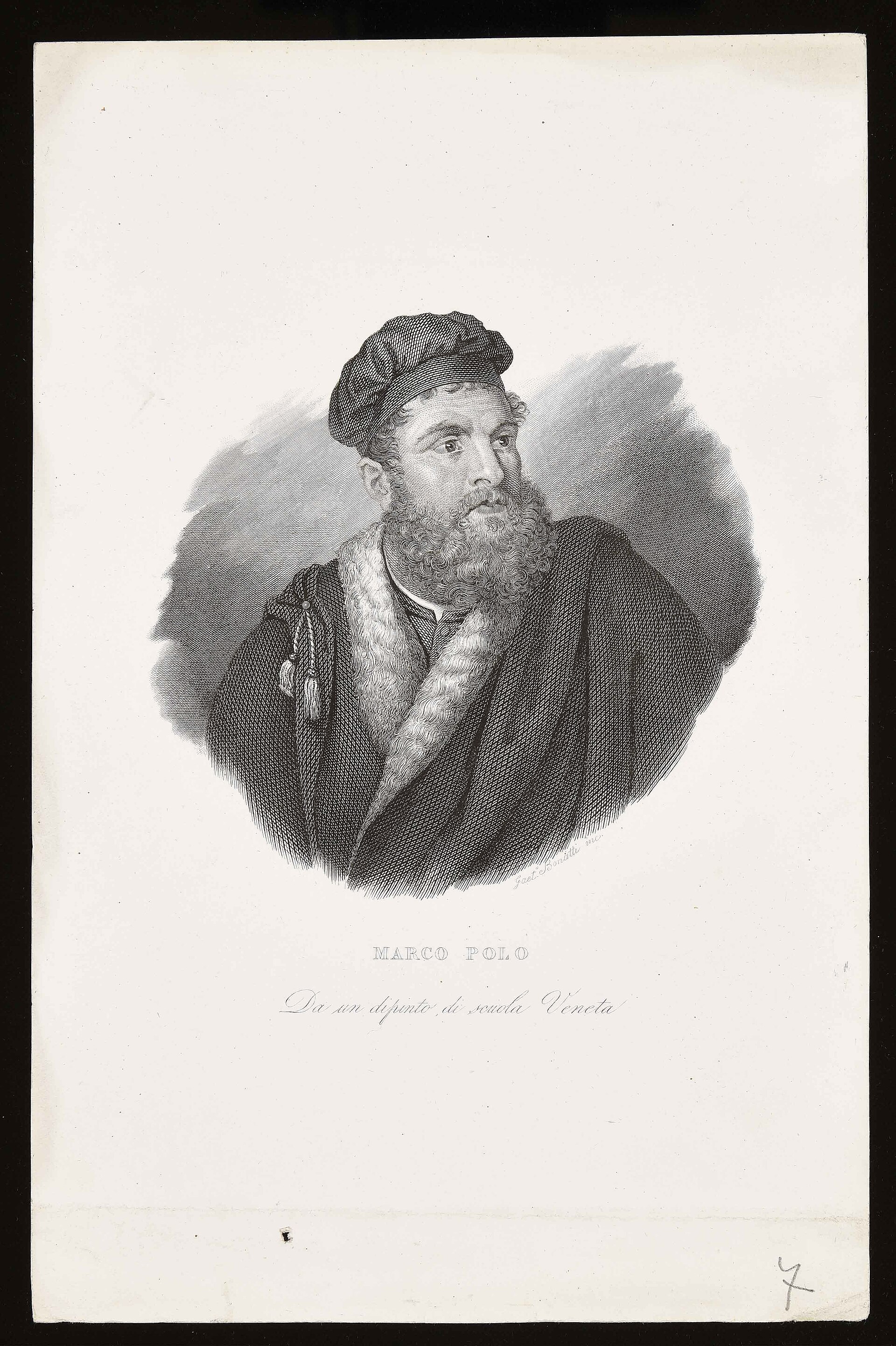
Marco Polo (c. 1254–1324) was a Venetian merchant and adventurer who travelled from Europe to Asia between 1271 and 1295 and spent some 17 years in China in the service of the Mongol ruler Kublai Khan. After his return to Venice and his capture by the Genoese at Curzola in 1298, he dictated an account of his travels to the romance-writer Rustichello da Pisa. Known as Il milione or the Travels of Marco Polo, the book became a medieval bestseller, shaped European knowledge of Asia and its later cartography, and its authenticity remains a subject of scholarly debate.
In this article
- 1Early Life and Family Background
- 2The First Journey of Niccolò and Maffeo
- 3Journey to Asia and Arrival at Kublai Khan's Court
- 4Service Under Kublai Khan
- 5Return to Venice
- 6Imprisonment and the Writing of the Travels
- 7Later Life, Will, and Death
- 8The Book and Its Manuscript Tradition
- 9Historical Debates and Evidence
- 10Legacy and Influence
- 11Timeline: from Venice to Yuan China and the making of the Travels
- 12Knowledge graph
Early Life and Family Background
Marco Polo was born around 1254 into a wealthy and cosmopolitan Venetian merchant family. His mother died shortly after giving birth to him. His father was Niccolò Polo and his uncle was Maffeo Polo, both Venetian merchants and jewel traders.
The family had long traded with the Middle East and had acquired wealth and prestige in Venice. Polo's way was paved by the pioneering efforts of his father, Niccolò, and his uncle, Maffeo.
1. The First Journey of Niccolò and Maffeo
About 1260 the brothers foresaw a political change in Constantinople, liquidated their property there, invested in jewels and set off for the Volga River, where Berke Khan of the Mongol Empire held court. Ending their first journey in 1265 at what was probably the grand khan's summer residence of Shangdu, the Polos established friendly relations with Kublai Khan and returned to Europe as his ambassadors.
Kublai Khan, ruler of the Mongol Empire and grandson of Chinggis Khan, entrusted the returning Venetians with letters to the pope. Those letters asked the pope to send him 100 intelligent men acquainted with the Seven Arts, and asked the Polos to bring back oil from the lamp burning at the Holy Sepulchre in Jerusalem.
Niccolò and Maffeo waited in Venice for the election of a new pope.
2. Journey to Asia and Arrival at Kublai Khan's Court
In 1271 the brothers departed with Marco for the Mongol court.
During the early part of 1272 the travellers probably passed through Erzurum and Tabriz, crossed deserts infested with brigands to Hormuz on the Persian Gulf, and decided to proceed overland rather than risk a sea passage.
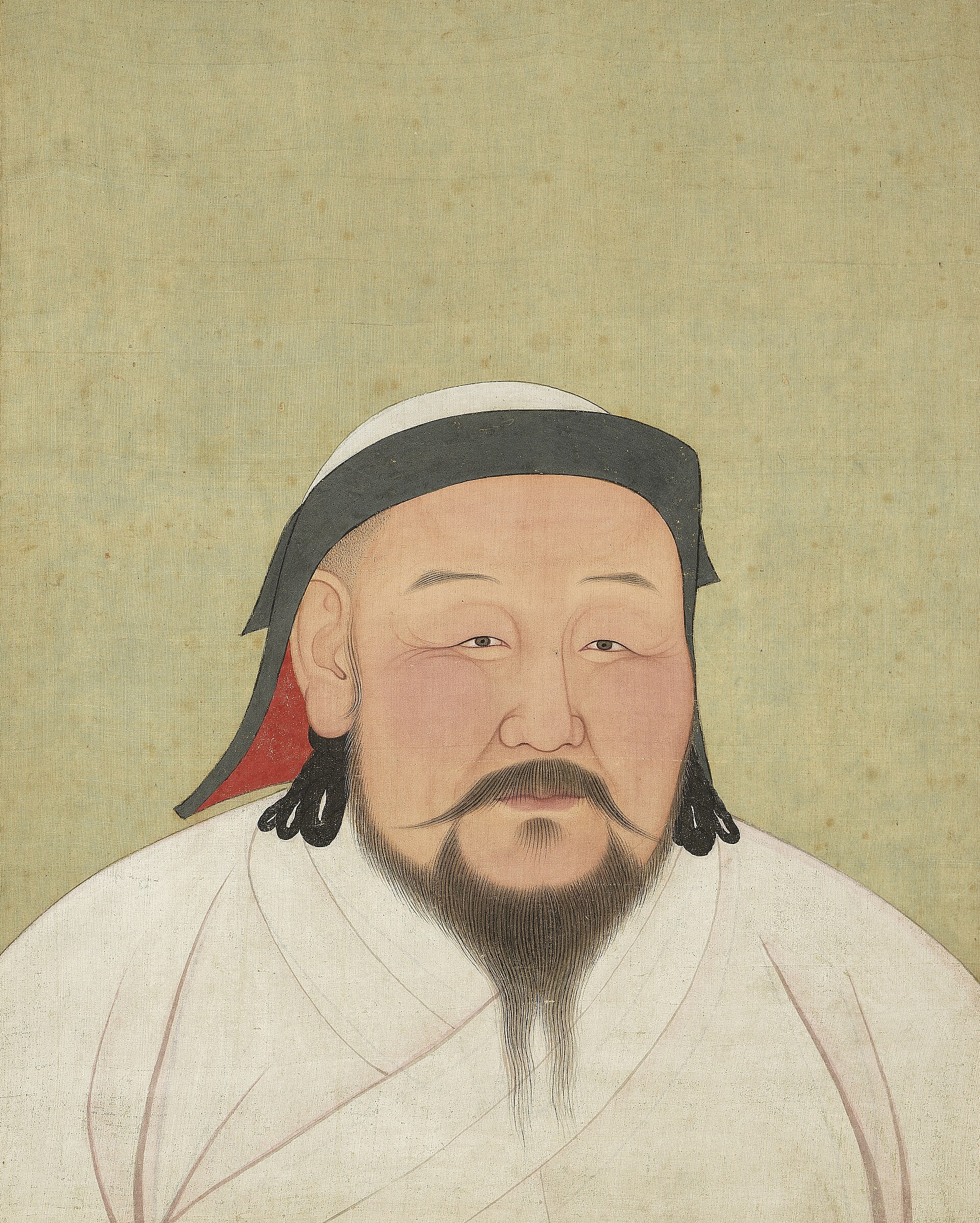
The ruler they met was Kublai Khan, who lived from 1215 to 1294, a grandson of Chinggis Khan and ruler of the Mongol Empire.
Scholars of the Mongol era had known and written about the questions raised over Polo's travels for many years 5Did Marco Polo Really Go To China? (essay by Prof. Morris Rossabi) · Columbia University — Asia for Educators ↗.
The small caravan of Marco, his father Niccolò and his uncle Maffeo probably entered China along the Pamir route in 1274 or early 1275 and reached the Mongol court soon after.
3. Service Under Kublai Khan
The ruler whom Marco Polo encountered in the East was Kublai Khan. Under Kublai, Mongol rule extended from the Caspian Sea to the Korean peninsula, forming the largest empire the world had ever seen.
Marco was appointed a permanent and roving envoy of the Khan, an arrangement consistent with the Mongol ruler's policy of avoiding Chinese officials where possible. In that capacity he was dispatched on fact-finding missions to distant parts of the empire, among them Yunnan and southeastern China.
Yule reports that Marco held for three years the government of the great city of Yang-chau, an office that should not be magnified into a provincial viceroyalty. A record found in the Chinese annals states that in 1277 a certain Polo was nominated a second-class commissioner or agent attached to the Privy Council. There is no reason to disbelieve that he resided in the city for a lengthy period.
Polo's service to the Khan is generally placed between about 1275 and 1292. He returned to Europe with extraordinary accounts of his travels in Persia, China, Central Asia, Armenia and Southeast Asia.
4. Return to Venice
The choice of a bride for Arghun fell on the lady Kokachin, a maiden of 17 years. Marco Polo was charged by Qubilai in 1291 to accompany the princess Cocacin (Kokejin) of the Bayaut lineage to Persia. The Polos escorted a Mongol princess on the return voyage to Venice.
Marco Polo returned to Venice in 1295 after an absence of twenty-five years in the East.
5. Imprisonment and the Writing of the Travels
There he met Rustichello, or Rusticiano, of Pisa, a writer of romances, who set down Polo's dictation in a Genoese prison. The dictation drew on private notes Polo had made in Asia.
The nickname Il Milione is derived from the family surname Emilione.
In 1298 Marco Polo was captured by the Genoese at Curzola, known also as Korčula, and imprisoned in Genoa.
6. Later Life, Will, and Death
Released from prison, Polo returned to Venice and remained there for the rest of his life. His death is likewise recorded as occurring in Venice on that same date.
Polo's wife was Donata, and the couple had three daughters: Fantina, Bellela and Moreta. He made his will in January 1324, leaving his property to his wife and daughters. The estate was to be divided equally among them.
By his declared wish, Polo was buried in the Church of S. Documents show that he had been dead for some time by June 1325.
7. The Book and Its Manuscript Tradition
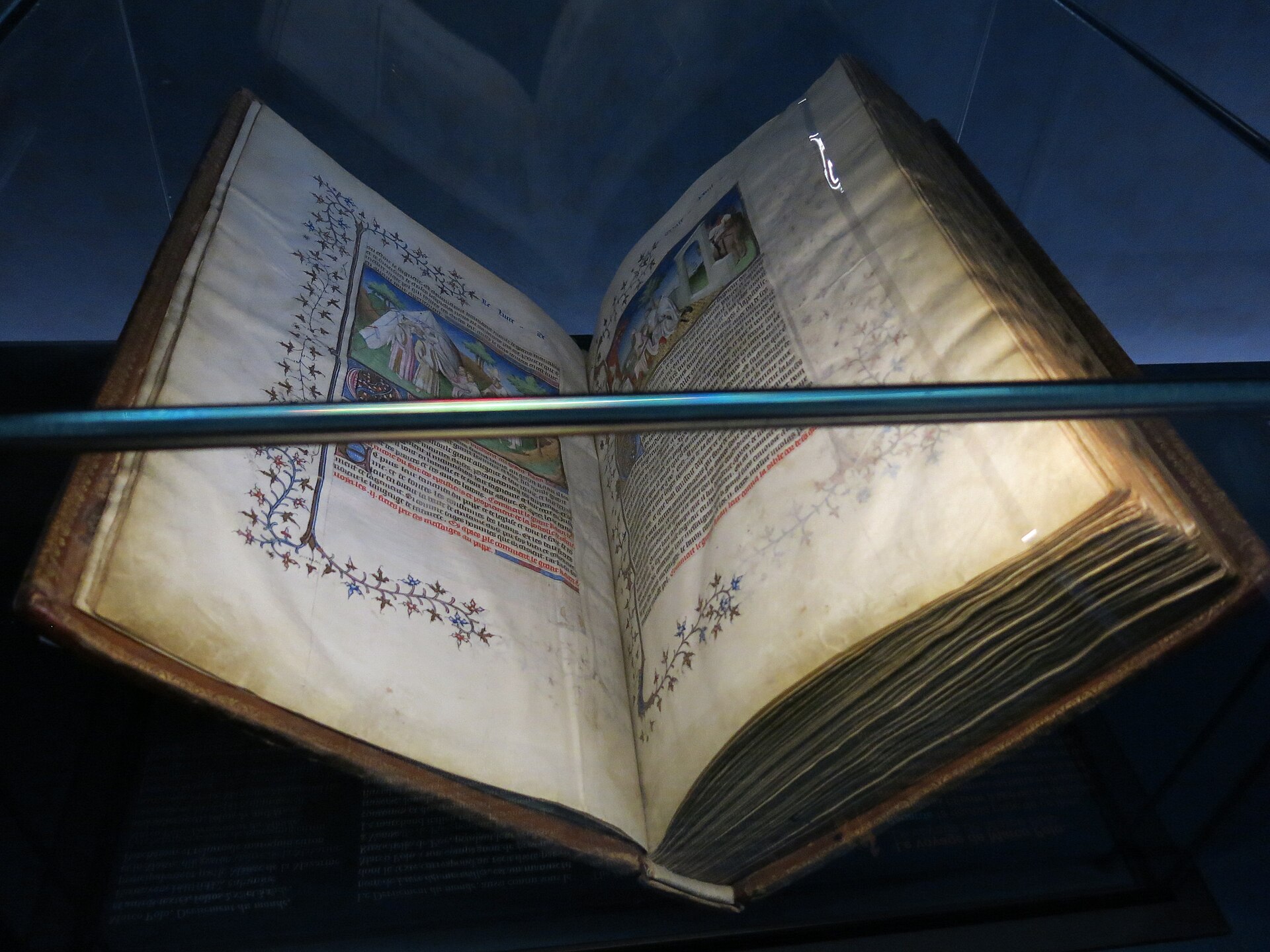
The early version of the text is lost, and knowledge of Polo's evidence rests on later manuscripts in different languages. The family palazzo burned in the 16th Century, and Polo's tombstone in the Venetian church of San Lorenzo disappeared.
The book in any of the forms that have come down is not strictly by Marco Polo, since we cannot be certain what was in the work originally drafted from Polo's reminiscences.
8. Historical Debates and Evidence
Doubts about the Travels have clustered around several features of the account. Among them are Polo's use of Persian words for Chinese sights, omissions such as footbinding and the Great Wall, and his account of his own career under Kublai Khan. For a man who claimed to spend 17 years in China as a confidant of Kublai Khan, Marco Polo left a surprisingly skimpy paper trail, and no Asian sources mention him. The only record of Polo's Asian odyssey is his own Travels, which was an as-told-to account penned by a writer of romances.
An omission in a travel account cannot disprove the veracity of a journey. The fact that Marco Polo is not mentioned in Chinese sources is not unusual, as many foreigners who played a role in the Yuan and Mongol eras are not cited in the primary sources. Polo's descriptions of the postal system, Beijing, Hangzhou, Shangdu and the court reveal tremendous first-hand knowledge that tallies with Chinese and Persian primary sources.
The story that the Polos produced mangonels that forced Xiangyang's surrender overlooks that the Mongols already knew how to make them and the surrender came two years before the Polos reached China.
9. Legacy and Influence
Polo's account of China inspired other Europeans, including Columbus, to both interest and greed.
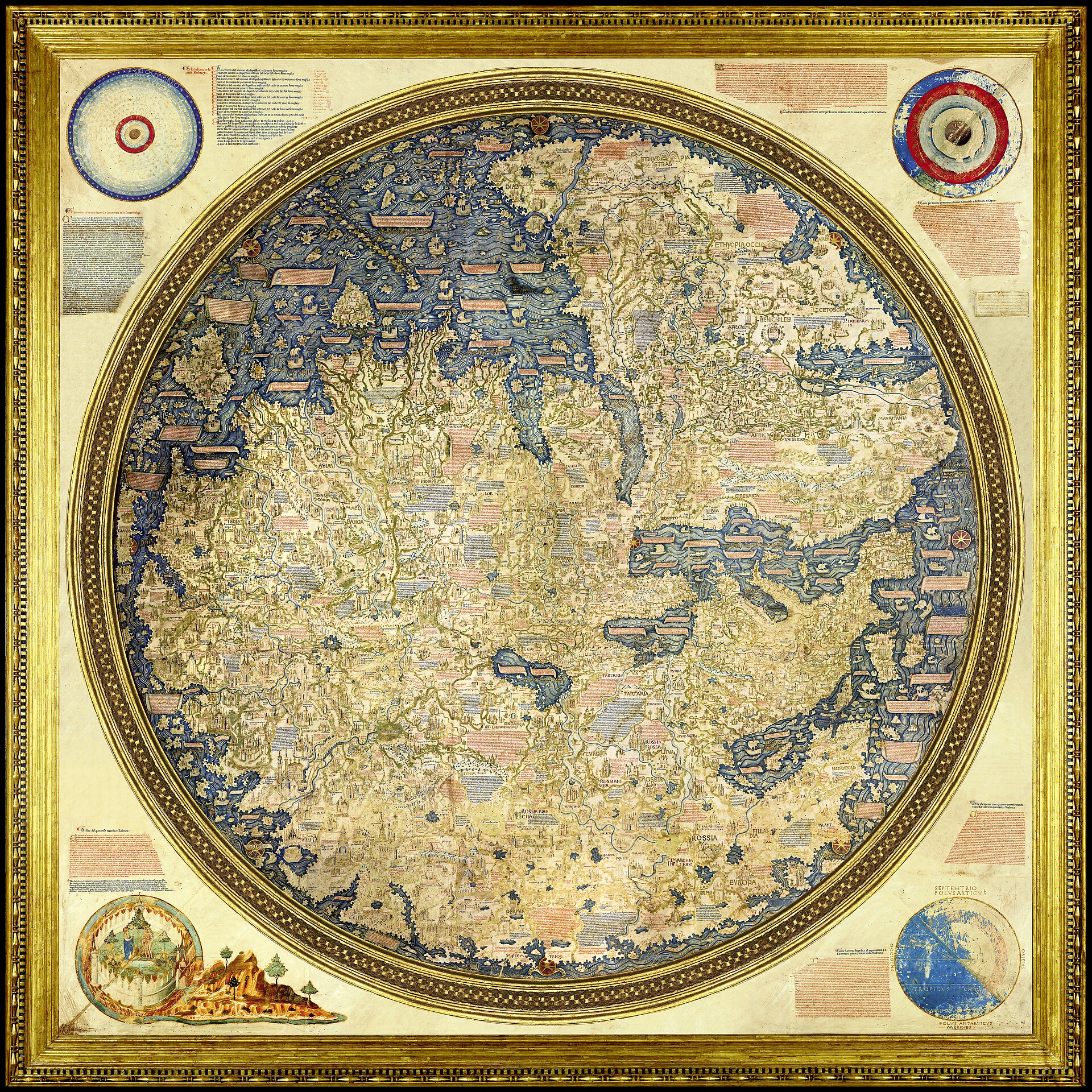
Polo's influence on map-making is seen to the greatest advantage in the Catalan Map of 1375, called the most complete mediæval embodiment of Polo's geography. In that map, his Book served as the basis for the representation of Central and Further Asia.
10. Timeline: from Venice to Yuan China and the making of the Travels
- 1254Birth of Marco PoloMarco Polo was born in 1254, into a wealthy Venetian merchant family; his mother died shortly after his birth.
- 1260The Polo brothers set outNicolo and Maffeo Polo left Venice on their first trading venture to the East, travelling to the Black Sea and onward to Central Asia.
- 1262At the court of Berke KhanEn route the Polo brothers met Berke, the khan of the Golden Horde, before continuing to Bukhara and eventually China.
- c. 1265First meeting with Kublai KhanEnding their first journey probably at Kublai Khan's summer residence of Shangdu, the brothers established friendly relations with the great khan.
- 1269Return to VeniceThe brothers arrived back in Venice, where Marco, then about fifteen, met his father for the first time in memory.
- 1271Departure with MarcoNiccolo, Maffeo and Marco embarked at Acre at the end of 1271 for the East.
- 1275Arrival at Kublai's courtAfter a three-and-a-half-year journey the Polos reached Kublai Khan's summer capital of Shangdu, presenting the papal letters and the oil from Jerusalem.
- 1277In Mongol serviceChinese annals record that in 1277 a certain Polo was nominated a second-class commissioner attached to the Privy Council.
- 1291Leaving China by seaThe Polos left China from Zaytun (Quanzhou) with the princess Kokejin, travelling via the Persian Gulf and Tabriz.
- 1295Back in VeniceAfter an absence of some twenty-four years, the Polos reached Venice again.
- 1298Battle of CurzolaIn the sea-fight at Curzola the Venetian fleet was beaten and Marco Polo was taken prisoner, wounded and sent in irons to Genoa.
- 1298–1299The Travels written in prisonIn a Genoese prison Polo's experiences were written down by his fellow-captive, the Pisan romance-writer Rustichello.
- 1324Death in VeniceAfter his release Polo returned to Venice and remained there for the rest of his life; he died on 8 January 1324.
- 1375The Catalan MapThe Catalan Map of 1375, called the most complete mediaeval embodiment of Polo's geography, based its picture of Central and Further Asia on his Book.
References (15)
- 1Historic Figures: Marco Polo (c.1254 - 1324) — BBC WebView source
- 2Marco Polo — World History Encyclopedia WebView source
- 3Marco Polo | Biography, Accomplishments, Facts, Travels, & Influence — Encyclopaedia Britannica WebView source
- 4Khubilai Khan (1215-1294) — Key Figures in Mongol History — Columbia University — Asia for Educators WebView source
- 5Did Marco Polo Really Go To China? (essay by Prof. Morris Rossabi) — Columbia University — Asia for Educators Web↩View source
- 6Retracing Marco Polo's Journey Along the Silk Road — National Geographic WebView source
- 7The Travels of Marco Polo — Volume 1 (Yule-Cordier edition, 1903) — Project Gutenberg 1903 WebView source
- 8F. Wood's Did Marco Polo Go To China? A Critical Appraisal — Australian National University (Igor de Rachewiltz) WebView source
- 9Marco Polo (1254-1324) — Key Figures in Mongol History — Columbia University — Asia for Educators WebView source
- 10POLO, MARCO — Encyclopaedia Iranica WebView source
- 11Marco Polo: The Glories of Kinsay [Hangchow] (c. 1300) — Internet Medieval Sourcebook, Fordham University WebView source
- 12The Travels of Marco Polo: The true story of a 14th-Century bestseller — BBC Travel WebView source
- 13Marco Polo and his 'Travels' (Journal of the Royal Asiatic Society) — Amherst College (Peter Jackson) WebView source
- 14Did Marco Polo “Discover” America? — Smithsonian Magazine WebView source
- 15Marco Polo: On the Tartars — Internet Medieval Sourcebook, Fordham University WebView source
 The Industrial Revolution
 Black Death
 History of Paper
