Susa
The Elamite and Persian capital where the Code of Hammurabi was found.
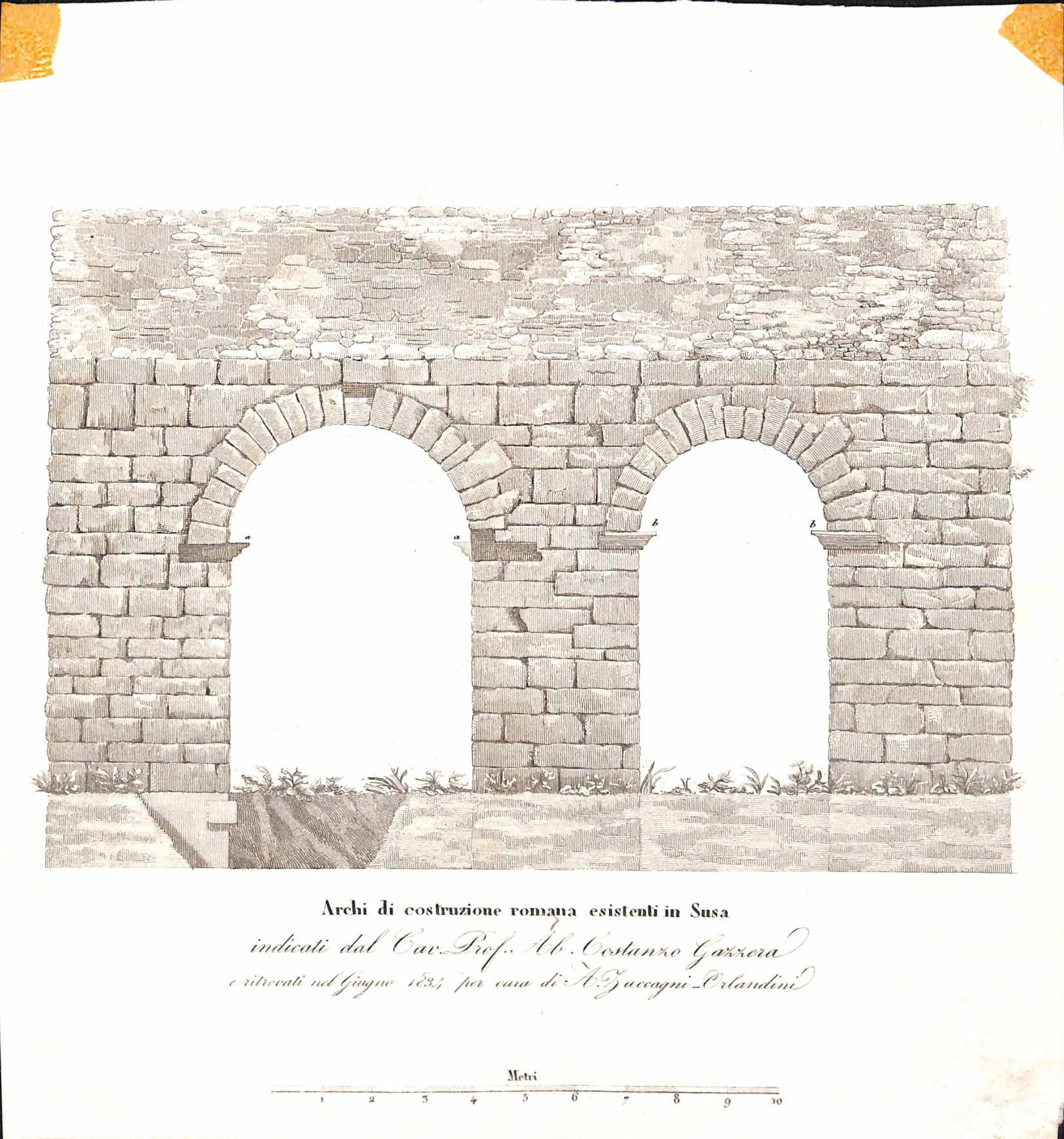
In this article
Overview
Susa was an ancient city in the lower Zagros Mountains about 250 km (160 mi) east of the Tigris, between the Karkheh and Dez Rivers in Iran 1Susa — wiki · Wikipedia ↗. One of the most important cities of the Ancient Near East, it served as the capital of Elam and the winter capital of the Achaemenid Empire, and remained a strategic centre during the Parthian and Sasanian periods 1. It represents the current city of Shush, located on the site of ancient Susa 1.
In urban history Susa ranks among the oldest-known settlements of the region 2Susa — sec7 · Wikipedia ↗. Around it lay a number of towns, each with its own platforms, and villages that maintained a trading relationship with the city, especially those along the Zagro frontier 2. Earlier still, Chogha Mish was a very large settlement featuring a similar massive platform to the one later built at Susa 2.
Susa appears in the very earliest Sumerian records, where it is described as one of the places obedient to Inanna, patron deity of Uruk, in Enmerkar and the Lord of Aratta 3Susa — sec2 · Wikipedia ↗. It was conquered and subjugated by the empire of the Medes during the 7th century BC, was incorporated into the subsequent Achaemenid Empire under Cyrus the Great in the 6th century BC, and formed part of the Hellenistic Seleucid Empire after the 4th-century BC conquests of Alexander the Great 4Susa — parthia · Reference ↗. Under the Achaemenid Empire it was the center of the satrapy of Margiana 5Susa — merv · Reference ↗.
In the Hebrew Bible Susa is mentioned by the name Shushan in the Ketuvim (Writings) section, chiefly in the Book of Esther, where the narrative events are set in Susa, and once each in the books of Ezra (4:9), Nehemiah (1:1), and Daniel (8:2) 6Susa — sec3 · Wikipedia ↗. According to these Jewish biblical texts Nehemiah lived in Susa during the Jews' Babylonian captivity in the 5th century BC, as Daniel mentions in a prophetic vision, and Esther became queen in Susa when she married King Ahasuerus and subsequently saved the Jewish people of the Persian Empire from genocide 6. A tomb presumed to be Daniel's is located in the area of Susa, known as Shush-Daniel 6.
The site was examined in 1836 by Henry Rawlinson and then by A. 7Susa — sec6 · Wikipedia ↗ In 1851 some modest excavation was done by William Loftus, accompanied by Fenwick Williams, who identified it as Susa 7. In 1885 and 1886 Marcel-Auguste Dieulafoy and Jane Dieulafoy began the first French excavations, discovering glazed bricks, column bases, and capitals from the palace of the Achaemenid kings 7.
1. Early Settlement and Urban Origins
In the study of urban history Susa stands as one of the oldest-known settlements of its region2. Shortly after the site was first settled over 6000 years ago its inhabitants erected a monumental platform that rose above the flat surrounding landscape2. Before Susa rose to prominence the very large settlement of Chogha Mish had featured a similar massive platform of its own8Susa — sec8 · Wikipedia ↗, a form that was later reproduced at Susa2.
Archaeologists distinguish two settlements within the site, which they name the Acropolis at 7 ha and the Apadana at 6.3 ha2. These two would later merge to form Susa proper at 18 ha2. The Apadana was enclosed by 6 metre thick walls of rammed earth2. The name Apadana attaches to this particular place because it also contains a late Achaemenid structure of this type2.
The material record of this early phase is preserved above all in its pottery. Nearly two thousand pots of Susa I style were recovered from the cemetery, most of them now held in the Louvre2. The Susa I period is dated to 4200–3800 BC2. Goblets and cups of Susa I style belong to the 4th millennium BC and to the Ubaid period, among them a goblet standing about 12 cm high, now in the collections of Sèvres – Cité de la céramique in France2.
Susa also enters the earliest written literature of the region. It appears in the very earliest Sumerian records, where it is described as one of the places obedient to Inanna, patron deity of Uruk, in Enmerkar and the Lord of Aratta3. Later pseudepigraphic tradition names it as well: the Book of Jubilees (8:21 & 9:2) counts Susa among the places within the inheritance of Shem and his eldest son Elam, and in 8:1 "Susan" is named as the son, or in some translations the daughter, of Elam3.
2. Susa I Ceramic Style
The Susa I period is dated to 4200–3800 BC and is represented by a goblet and a cup in the Susa I style of the 4th millennium BC, belonging to the Ubaid period2. The goblet is recorded with a height given as c.2. These vessels belong to the earliest first style of painted ceramics at the site2.
Painted ceramic vessels from Susa in the earliest first style are a late, regional version of the Mesopotamian Ubaid ceramic tradition that spread across the Near East during the fifth millennium BC2. The Susa I style thus stands at the regional end of a tradition whose distribution reached well beyond southwestern Iran2.
The style was a product of the past and of influences from contemporary ceramic industries in the mountains of western Iran2. Nearly two thousand pots of Susa I style were recovered from the cemetery, most of them now in the Louvre2.
3. Susa in Sumerian and Elamite Records
In historic literature Susa appears in the very earliest Sumerian records3. One such record describes it as one of the places obedient to Inanna, patron deity of Uruk, in Enmerkar and the Lord of Aratta1.
The finds of the French mission at Susa showed the site to be the most important center of Elamite civilization, which that mission effectively discovered7.
Susa is also named Shushan in the Ketuvim (Writings) section of the Hebrew Bible, chiefly in the Book of Esther, where the narrative events are set in the city, and once each in Ezra (4:9), Nehemiah (1:1) and Daniel (8:2)6. According to these Jewish biblical texts Nehemiah lived in Susa during the Jews' Babylonian captivity in the 5th century BC, as Daniel mentions in a prophetic vision, and Esther became queen in Susa when she married King Ahasuerus and subsequently saved the Jewish people of the Persian Empire from genocide6. The Book of Jubilees (8:21 & 9:2) further places Susa among the places within the inheritance of Shem and his eldest son1.
A tomb presumed to be Daniel's stands in the area of Susa, known as Shush-Daniel6. While a large portion of the tomb's current structure was dated to 1871 the identification of Susa as Daniel's burial place has been cited by Jews such as Benjamin of Tudela at least as early as 1167 AD6.
The site was examined in 1836 by Henry Rawlinson and then by A. H. Layard7. In 1851 some modest excavation was done by William Loftus, accompanied by Fenwick Williams, who identified it as Susa7. Almost all of the excavations at Susa after 1885 were organized and authorized by the French government7, and the finds of the French mission showed the site to be the most important center of Elamite civilization, which that mission effectively discovered7. The mission's director did not return to Susa after 1907, and resigned his post as director of the Délégation en Perse in 1912 after being accused of mismanaging the agency7.
4. Achaemenid, Hellenistic, and Later Rule
Susa was conquered and subjugated by the empire of the Medes during the 7th century BC4. It was incorporated into the subsequent Achaemenid Empire under Cyrus the Great in the 6th century BC4. After the 4th-century BC conquests of Alexander the Great the city formed part of the Hellenistic Seleucid Empire4.
One of the most important cities of the Ancient Near East Susa served as the capital of Elam and the winter capital of the Achaemenid Empire1. It remained a strategic centre during the Parthian and Sasanian periods1.
The Achaemenid reach extended well beyond the imperial heartland: the first city of Merv was founded in the 6th century BC as part of the Achaemenid expansion into the region of Cyrus the Great (559–530 BC), though later strata deeply cover the Achaemenid levels at that site5. Under the Achaemenid Empire the settlement stood at the centre of the satrapy of Margiana5, and four walled cities correspond to the chief periods of Merv's importance, the oldest of them, Erkgala, corresponding to Achaemenid Merv and being the smallest of the three5.
Parthia first appears as a political entity in Achaemenid lists of governorates, or satrapies, under their dominion, as the region inhabited by Parthians4. A year after Cyrus the Great's defeat of the Median Astyages, Parthia became one of the first provinces to acknowledge Cyrus as ruler, an allegiance that secured his eastern flanks and enabled him to conduct the first of his imperial campaigns, against Sardis4. According to Greek sources, after Darius I seized the Achaemenid throne the Parthians united with the Median king Phraortes to revolt against him4; Hystaspes, the Achaemenid governor of the province and said to be the father of Darius I, managed to suppress the revolt, which seems to have occurred around 522–521 BC4.
At the Battle of Gaugamela in 331 BC between the forces of Darius III and those of Alexander the Great, a Parthian unit was commanded by Phrataphernes, at the time Achaemenid governor of Parthia4. The state of the evidence has, in the assessment quoted, rightly caused disquiet to modern scholars4.
Excavation of the Achaemenid levels at Susa began when Marcel-Auguste Dieulafoy and Jane Dieulafoy undertook the first French excavations in 1885 and 1886, discovering glazed bricks, column bases, and capitals from the palace of the Achaemenid kings7.
5. Excavation History
The archaeological examination of Susa began with a series of early visitors and modest digs.
Systematic French work at the site opened in 1885 and 1886 when Marcel-Auguste Dieulafoy and Jane Dieulafoy began the first French excavations, discovering glazed bricks, column bases, and capitals from the palace of the Achaemenid kings.7 Almost all excavations after 1885 were organized and authorized by the French government, and these campaigns brought many artistic and historical artifacts back to France.7
De Morgan also oversaw the construction of Shush Castle, a European medieval style castle on the northernmost edge of the Acropole, which was made largely out of spoliated bricks taken from the ancient site itself.7 While his methods were well suited for pre-historic sites, it irrevocably damaged the archeological landscape of Susa, destroying much of the architectural remains of the site and by extension the provenance of many of the remarkable objects uncovered.7
De Mecquenem was trained primarily as a mining engineer and had worked at Susa since de Morgan brought him in 1903.7 De Morgan did not return to Susa after 1907 and resigned his post as director of the Délégation en Perse in 1912 after being accused of mismanaging the agency's funds.7
In urban history Susa ranks among the oldest-known settlements of the region.2
6. Susa in the Hebrew Bible and Pseudepigrapha
According to these Jewish biblical texts Nehemiah lived in Susa during the Jews' Babylonian captivity in the 5th century BC, as Daniel mentions in a prophetic vision, and Esther became queen in Susa when she married King Ahasuerus and subsequently saved the Jewish people of the Persian Empire from genocide 1.
The same scriptural tradition places Nehemiah's residence in Susa within the period of the Babylonian captivity in the 5th century BC, a setting echoed in Daniel's prophetic vision 3. Esther's rise to queenship in the city, through her marriage to King Ahasuerus, is likewise remembered there as the occasion of the deliverance of the Jewish people of the Persian Empire from genocide 6.
The name Shushan belongs to the Ketuvim (Writings) section of the Hebrew Bible, where the city is named chiefly in the Book of Esther, the narrative of which is set there, and once each in Ezra (4:9), Nehemiah (1:1) and Daniel (8:2) 1. The same scriptural tradition places Nehemiah's residence in Susa within the period of the Jews' Babylonian captivity in the 5th century BC, a setting echoed in Daniel's prophetic vision 3. Esther's rise to queenship in the city, through her marriage to King Ahasuerus, is likewise remembered there as the occasion of the deliverance of the Jewish people of the Persian Empire from genocide 6.
A tomb presumed to be Daniel's stands in the area of Susa known as Shush-Daniel 6. Much of the structure as it now stands was dated to 1871, yet the identification of Susa as Daniel's burial place was cited by Jews such as Benjamin of Tudela at least as early as 1167 AD 3.
Beyond the Hebrew Bible the city is further mentioned in the Book of Jubilees (8:21 & 9:2) as one of the places within the inheritance of Shem and his eldest son Elam, and in 8:1 "Susan" is also named as the son, or in some translations the daughter, of Elam 1.
7. Tomb of Daniel
A tomb presumed to be that of Daniel stands in the area of Susa known as Shush-Daniel. A large portion of the tomb's current structure was dated to 1871. The identification of Susa as Daniel's burial place, however, is far older than the building itself: Jews such as Benjamin of Tudela cited it at least as early as 1167 AD.1
The name Shushan is the form under which Susa appears in the Ketuvim, or Writings, of the Hebrew Bible6. The Book of Esther carries the largest share of this material, since its narrative events are set in the city6. Beyond Esther the name occurs once each in Ezra (4:9), Nehemiah (1:1) and Daniel (8:2)6.
These Jewish biblical texts place Nehemiah in Susa during the Babylonian captivity of the Jews in the 5th century BC, an episode to which Daniel refers in a prophetic vision6. In the same setting Esther becomes queen by marrying King Ahasuerus and afterward saves the Jewish people of the Persian Empire from genocide6.
8. Susa in Greek Drama
Susa serves as the setting for The Persians, the play by Aeschylus3.
Susa is identified in the Hebrew Bible under the name Shushan, appearing in the Ketuvim (Writings) section and chiefly in the Book of Esther, where the narrative events are set in the city, with single mentions in Ezra (4:9), Nehemiah (1:1), and Daniel (8:2)6. In these Jewish biblical texts Nehemiah is said to have lived in Susa during the Jews' Babylonian captivity in the 5th century BC, as Daniel mentions in a prophetic vision, while Esther became queen in Susa upon marrying King Ahasuerus and subsequently saved the Jewish people of the Persian Empire from genocide6. The Book of Jubilees (8:21 & 9:2) further names Susa as one of the places within the inheritance of Shem and his eldest son Elam3.
A tomb presumed to be Daniel's lies in the area of Susa, known as Shush-Daniel6. While a large portion of the tomb's current structure was dated to 1871 the identification of Susa as Daniel's burial place has been cited by Jews such as Benjamin of Tudela at least as early as 1167 AD6.
In historic literature Susa appears in the very earliest Sumerian records, described for example as one of the places obedient to Inanna, patron deity of Uruk, in Enmerkar and the Lord of Aratta3. In urban history it ranks among the oldest-known settlements of the region2, and it was one of the most important cities of the Ancient Near East, serving as the capital of Elam and the winter capital of the Achaemenid Empire and remaining a strategic centre during the Parthian and Sasanian periods1. The site represents the current city of Shush, located on the site of ancient Susa1.
The site was examined in 1836 by Henry Rawlinson and then by A. — the record of the second examiner is cut off at this point7. In 1851 some modest excavation was done by William Loftus, accompanied by Fenwick Williams, who identified it as Susa7. Almost all of the excavations at Susa after 1885 were organized and authorized by the French government7; the director of the Délégation en Perse did not return to Susa after 1907 and resigned his post in 1912 after being accused of mismanaging the agency7.
Material from the Susa I period (4200–3800 BC) includes a goblet and cup in Susa I style from the 4th millennium BC, assigned to the Ubaid period, with the goblet's height recorded as c. — the figure is truncated in the record2. Around Susa were a number of towns, each with its own platforms, and villages that maintained a trading relationship with the city, especially those along the Zagro frontier2. Previously Chogha Mish was a very large settlement, and it featured a similar massive platform that was later built at Susa2.
9. Key dates
- 1167While a large portion of the tomb’s current structure was dated to 1871 , the…While a large portion of the tomb’s current structure was dated to 1871 , the identification of Susa as Daniel’s burial place has been cited by Jews such as Benjamin of Tudela at least as early as 1167 AD.
- 1836Ruins of Susa, Brooklyn Museum Archives, Goodyear Archival Collection The site…Ruins of Susa, Brooklyn Museum Archives, Goodyear Archival Collection The site was examined in 1836 by Henry Rawlinson and then by A.
- 1851In 1851, some modest excavation was done by William Loftus , accompanied by Fe…In 1851, some modest excavation was done by William Loftus , accompanied by Fenwick Williams , who identified it as Susa.
- 1885In 1885 and 1886 Marcel-Auguste Dieulafoy and Jane Dieulafoy began the first F…In 1885 and 1886 Marcel-Auguste Dieulafoy and Jane Dieulafoy began the first French excavations, discovering glazed bricks, column bases, and capitals from the palace of the Achaemenid kings.
- 1903De Mecquenem, like de Morgan, was trained primarily as a mining engineer, and…De Mecquenem, like de Morgan, was trained primarily as a mining engineer, and had worked at Susa since de Morgan brought him to the site in 1903.
- 1907He did not return to Susa after 1907, and resigned his post as director of theHe did not return to Susa after 1907, and resigned his post as director of the Délégation en Perse in 1912 after being accused of mismanaging the agency's funds.
10. Frequently asked questions
What did the Dieulafoys find when they opened the first French excavations at Susa?
Their campaigns in 1885 and 1886 uncovered glazed bricks, column bases, and capitals from the palace of the Achaemenid kings 7.
Which books of the Hebrew Bible mention Susa besides Esther?
Susa is named once each in the books of Ezra (4:9), Nehemiah (1:1), and Daniel (8:2) 6.
How did the Achaemenids deal with the revolt that broke out in the province around 522–521 BC?
Hystaspes, the Achaemenid governor of the province and said to be the father of Darius I, managed to suppress the revolt, which seems to have occurred around 522–521 BC 4.
What relationship did the towns and villages around Susa have with the city?
A number of towns, each with its own platforms, and villages in the region maintained a trading relationship with Susa, especially those along the Zagro frontier 2.
Was Susa the only early settlement in its region to build a monumental platform?
No: Chogha Mish was previously a very large settlement and featured a similar massive platform that was later built at Susa 8.
References (8)
- 1Susa — wiki — Wikipedia Web↩View source
- 2Susa — sec7 — Wikipedia Web↩View source
- 3Susa — sec2 — Wikipedia Web↩View source
- 4Susa — parthia — Reference Web↩View source
- 5Susa — merv — Reference Web↩View source
- 6Susa — sec3 — Wikipedia Web↩View source
- 7Susa — sec6 — Wikipedia Web↩View source
- 8Susa — sec8 — Wikipedia Web↩View source
 India
 Babylon
 Aristotle