Tiger
The story of Panthera tigris — the largest living cat — from Linnaean taxonomy and subspecies debates to its shrinking Asian range and the global effort to double its numbers.
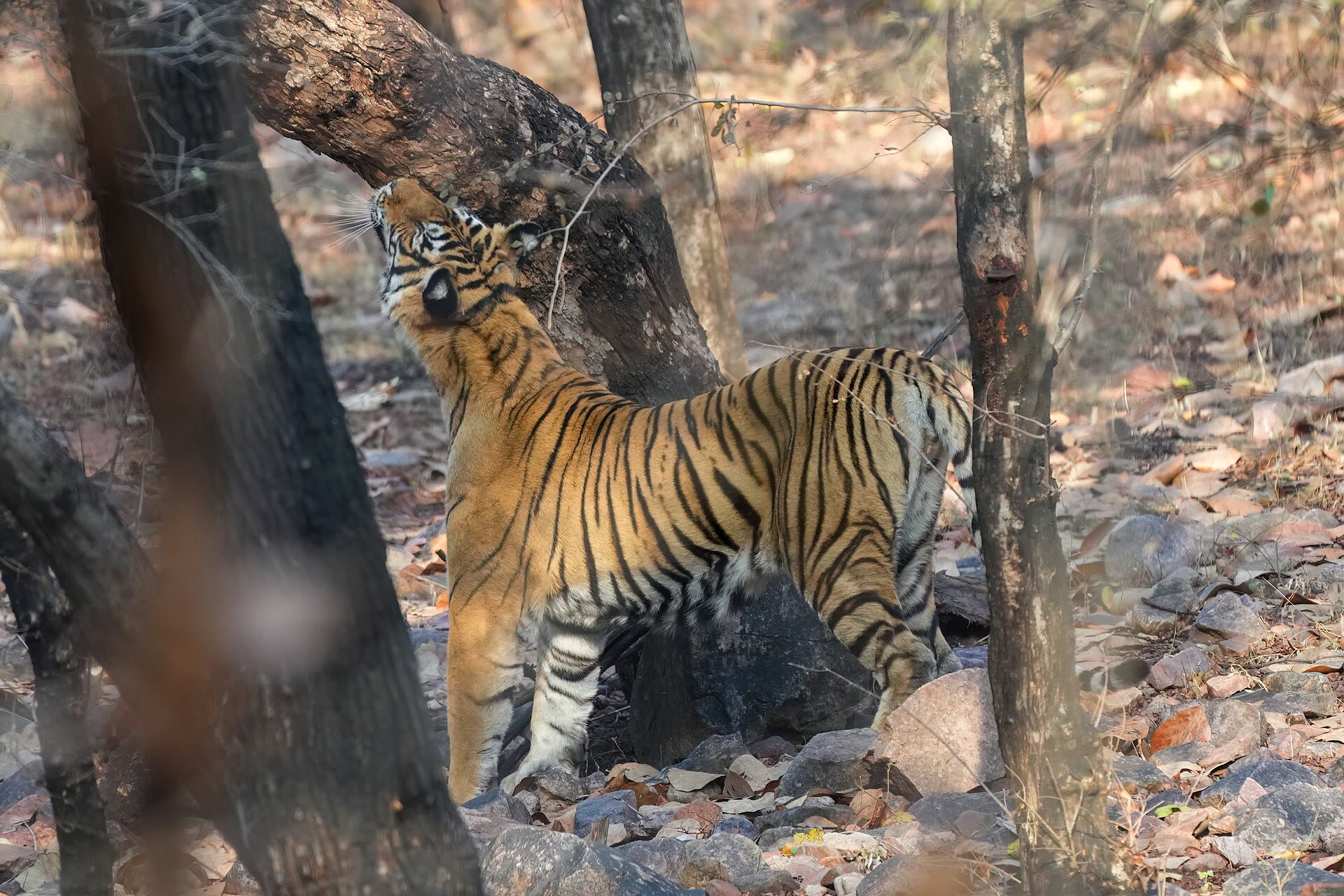
The tiger (Panthera tigris) is the largest living cat species, a solitary striped predator of Asian forests that once ranged from Turkey to the Russian Far East and from Java and Bali to the taiga. Habitat loss and poaching have reduced it to less than 7% of its historical range, and the IUCN Red List classifies it as Endangered with a 2022 population estimate of between 3,726 and 5,578 wild individuals. Conservation efforts led by range states, CITES and the Global Tiger Recovery Program have stabilized or increased numbers in India, Nepal, Russia and Northeast Asia, while most of Southeast Asia continues to lose tigers.
In this article
Taxonomy and Subspecies
The species itself is Panthera tigris (Linnaeus, 1758).
Three subspecies have been lost within the last 100 years: the Caspian (P. tigris virgata), the Javan (P. tigris sondaica) and the Bali (P. The Caspian tiger was a subspecies of central Asia, while the Javan and Bali tigers were insular forms.
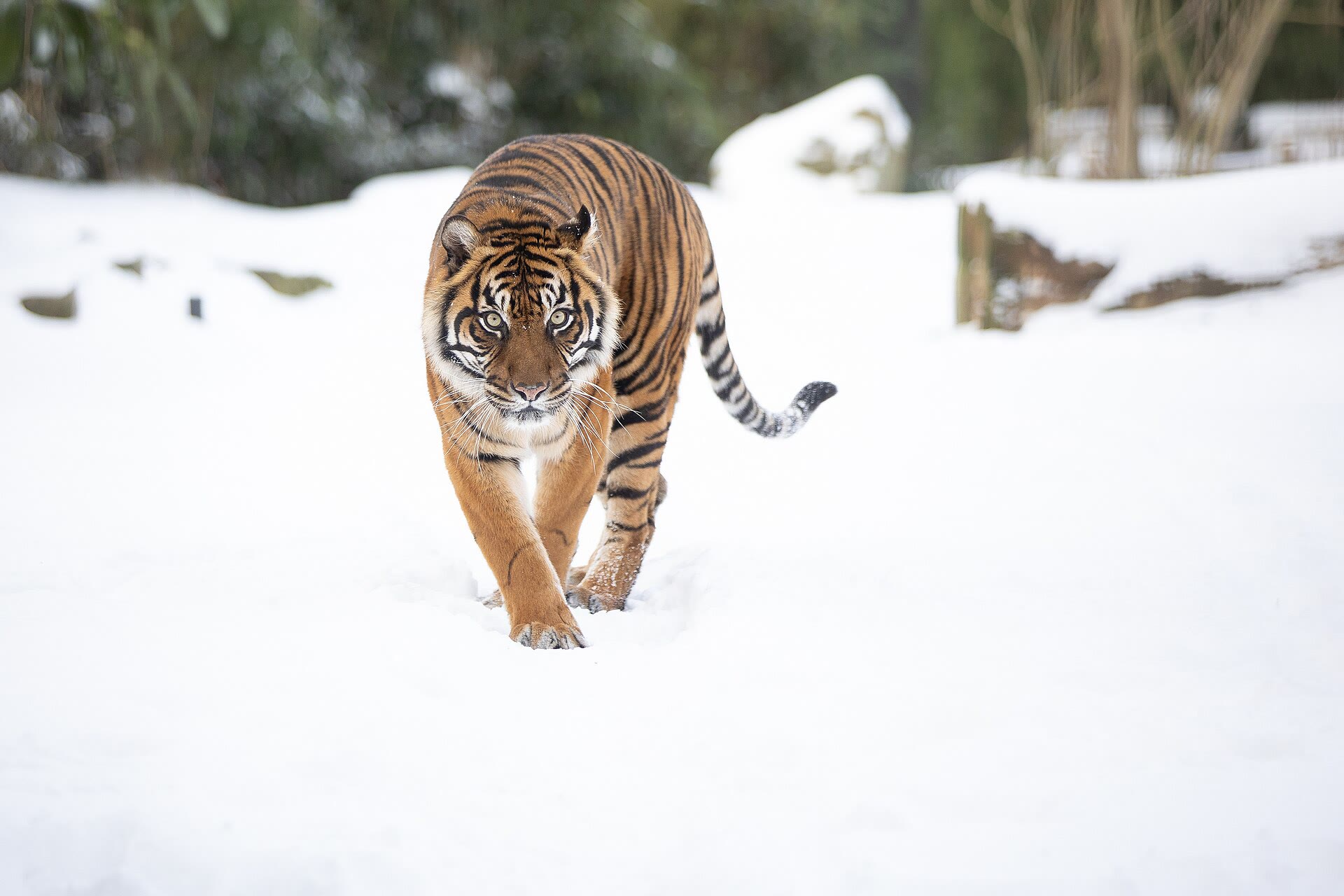
Recent genetic studies propose only two subspecies: Panthera tigris tigris across mainland Asia and Panthera tigris sondaica on Sumatra and formerly on Java and Bali. Inconsistencies in subspecies classification largely stem from limited genetic sampling across the tiger's range, and the taxonomy of the species is under review by the IUCN SSC Cat Specialist Group.
1. Evolution and Fossil Record
The tiger belongs to the genus Panthera, and it evolved alongside other modern felids of that genus from an ancestral cat species around 10.8 million years ago.
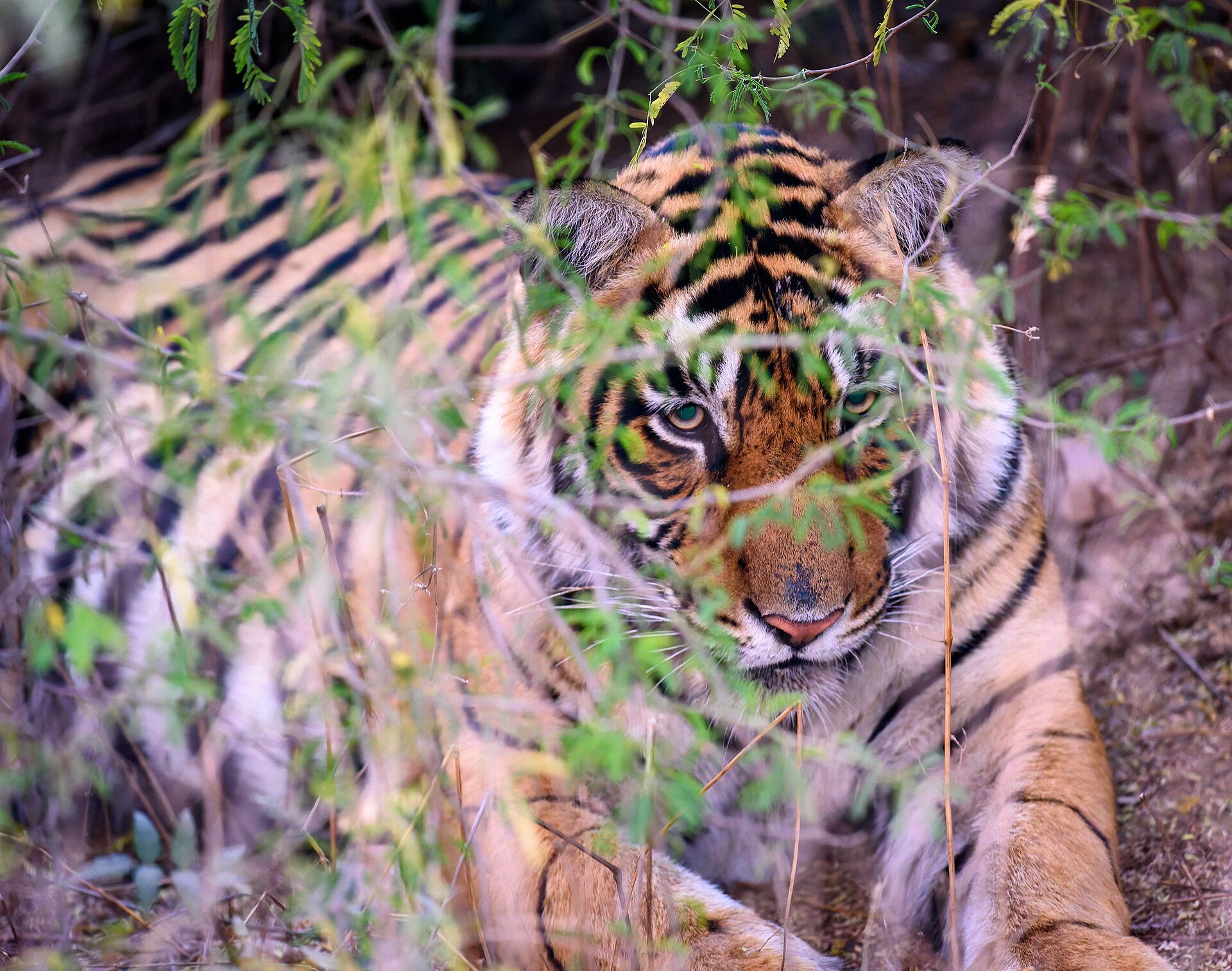
The oldest known tiger fossils, approximately two million years old, were discovered in China and on Java, Indonesia.
Around 73,000 years ago the Toba volcanic eruption on Sumatra may have caused a major reduction in the tiger's range, a population bottleneck and a decline in genetic diversity among survivors. Demographic reconstruction revealed a tiger population decline around 80,000 years ago, suggesting modern tigers succumbed to environmental changes after the Toba super-volcanic eruption about 73. 5 thousand years ago.
2. Physical Description
The tiger is the largest living cat species and the only cat that bears stripes, its coat ranging from reddish-orange to yellow-ochre marked with black stripes over a white underside. It is a renowned apex predator, rivaled only by the lion in strength and ferocity. It is also the largest terrestrial mammal whose diet consists entirely of meat.
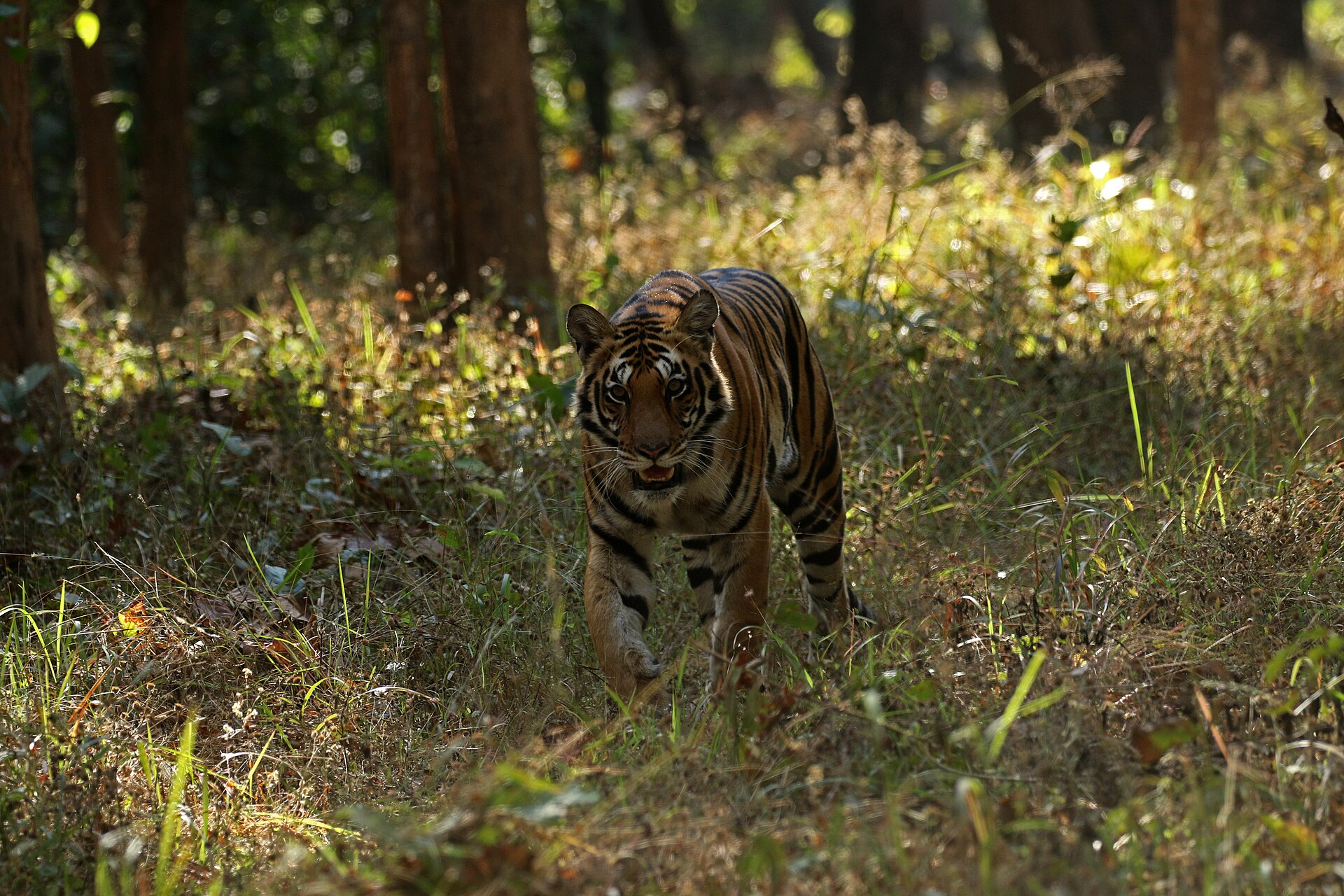
Adults weigh between 75 and 325 kg (165 to 716 pounds), with males larger than females. The body measures 150 to 230 cm, and the tail adds a further 90 to 110 cm. Males may attain a shoulder height of about 1 meter (about 3 feet).
The Amur tiger is the largest subspecies, with males weighing up to 660 pounds (300 kilograms) and measuring 10 feet (3 meters), while Sumatran tigers are the smallest, reaching 310 pounds (140 kilograms). A tiger's front paws are large and strong for bringing down prey, and its claws can be pulled inside while the tiger walks, which helps keep them sharp. Bengal tigers have the longest canines of any living large cat, from 7.5 to 10 cm in length.
3. Distribution and Habitat
The tiger's historic range was vast, stretching from eastern Turkey and the southern Caspian Sea across Asia to the Sea of Okhotsk in Russia. The contraction has been severe: evidence indicates the species has undergone a range contraction of more than 50% over the past three generations, leading to a suspected population reduction of more than 50%. Over the last century, tigers vanished from Singapore in the 1930s, Bali in the 1940s, Java and Hong Kong in the 1960s, Central Asia in the 1970s, most of temperate China in the 1980s, tropical China in the 1990s, and more recently from Vietnam, Lao PDR and Cambodia in the 2000s.
The countries that still form part of the tiger's range are Bangladesh, Bhutan, China, India, Indonesia, Malaysia, Myanmar, Nepal, Russia and Thailand.
The tiger has adapted to environments from the Siberian taiga, where nights can be as cold as −40 °C, to the mangrove swamps of the Sundarbans, where temperatures reach more than 40 °C. Tigers require vast swaths of land; territories of up to 1000 km² have been recorded for males in Northeast Asia. The 2022 assessment indicates that nearly 1 million km² of potential tiger habitat remain vacant and capable of hosting recoveries in the future.
4. Behavior and Ecology
A sufficient prey base of large ungulates is the tiger's primary habitat requirement, and wild pigs and deer make up the bulk of its diet. The tiger's primary prey consists of large ungulates such as chital, gaur, sambar, wild pig and muntjac. Tigers are ambush predators that rely on stealth and strength, hunting large ungulates and also taking monkeys, buffalo, sloth bears, leopards and even crocodiles.
Tigers hunt about once a week and can consume as much as 75 pounds (34 kilograms) of food in one night. Although tigers are successful predators, only 1 out of 10 to 20 attacks results in a successful hunt.
Tigers often defend exclusive home ranges but may also share them peacefully or wander without any home range, and they can cover 16 to 32 kilometers in a single night. They have tremendous leaping ability, able to leap from 8 to 10 meters, though leaps of about half that distance are more typical. Tigers can easily cross rivers as wide as 6-8 km and have been known to cross a width of 29 km in the water.
No two tigers have exactly the same markings; researchers can use stripe patterns like a human fingerprint to identify individuals when studying tigers in the wild.
5. Reproduction and Life Cycle
The striped cubs are born blind after a gestation period of more than three months. Females give birth to between one and seven offspring at a time, averaging between two and four cubs.
On average tigers give birth to two to four cubs every two years, and if all the cubs in one litter die a second litter may be produced within five months.
Approximately half of all wild tiger cubs do not survive past the first two years of life, and only 40% of those that reach independence actually live to establish a territory and produce young. Tigers attain sexual maturity at age three or four for females and four or five years for males. A mother caring for cubs must increase her killing rate by 50% in order to get enough nutrition to satisfy herself and her offspring.
6. Lifespan and Mortality
In human care or on rare occasions in the wild a tiger can live up to 20 years.
Tigers held in captivity live considerably longer, with a lifespan of about 20 to 25 years. Individual captive animals have been known to reach 26 years of age. Even so, the typical captive lifespan is shorter, falling between 16 and 18 years.
7. Conservation Status
The IUCN Red List lists the tiger as Endangered under criterion A2abcd, with the date assessed recorded as 15 December 2021 and publication in the 2022 edition. This classification is not a recent development: the tiger has been recorded as Endangered in every published IUCN Red List assessment since 1986, including the editions of 1996 and 2015.
According to the assessment, the occupied area decreased by 7% from 1,049,430 km² in 2001 to 978,293 km² in 2020.
Under the IUCN Green Status of Species, the tiger is assessed as Critically Depleted, with a Species Recovery Score of 14%.
The 2022 IUCN assessment produced a global population estimate of between 3,726 and 5,578 individuals excluding cubs, based largely on capture-recapture and occupancy methods.
India's 2022 tiger estimation produced an average number of 3,682 tigers, with an upper limit of 3,925, reflecting an annual growth rate of 6.1% per annum. The same estimation photographed 3,080 unique tigers and produced a minimum estimated population of 3,167 animals.
With only about 1,000 breeding females remaining in the wild, the variation carried by every tiger individual matters for long-term conservation and adaptability to changing environments.
The NTCA's report series includes Status of Tigers-2022 and the final Status of Tigers, co-predators and prey in India-2022 report, both published in 2023 according to the NTCA report list. The Status of Tigers in India 2022 summary report was edited by Qamar Qureshi, Y.V. Mallick for the NTCA and the Wildlife Institute of India.
8. Threats and Conservation Efforts
The principal force behind the decline of tiger populations has been the hunting of tigers and their prey, a pressure that has operated throughout the assessment period beginning in 1991 and continuing to the present day.
International trade controls form one pillar of the response. The CITES species gallery entry for the tiger was updated on 12 January 2021 and shows the Amur Tiger, or Siberian Tiger, P.t. The illegal trade nonetheless remains substantial: TRAFFIC analysis mapped a minimum of 1,755 tigers seized between 2000 and 2015 while averaging more than two animals recovered per week. With at least 758 whole skins seized, tiger skins represent the most common commodity type in the illegal trade. Approximately 30% of seized tiger products are suspected to originate from captive breeding, and 7,000–8,000 tigers are believed to be held in captive breeding facilities throughout Asia.
Political commitment has been marshalled around explicit targets. In 2010 the 13 tiger range countries pledged to the TX2 initiative, aiming to double wild tiger populations by 2022 which was the subsequent Year of the Tiger. Field-level protection has produced measurable gains in some places: WCS has worked to protect wild tigers in Thailand's Huai Kha Khaeng Wildlife Sanctuary since 2004 in a site where the tiger population increased by 50% and the government raised its management commitment by 75%. WCS scientists wrote the manual on tiger and prey population monitoring that is used across all tiger range states in Asia. Almost US$50 million is spent annually by range countries, NGOs and private donors on the conservation of wild tigers, an amount that increased massively after the Global Tiger Initiative launched in 2008 and funding surged.
Tigers have lost 93% of their historic range in the past two centuries, though a few populations have recovered in the last decade thanks to conservation efforts.
At least 40 people were killed by tigers in the Sundarbans mangrove forest of Bangladesh and India between 2000 and 2010, while 320 people were killed in India from 2014 to 2020 in total.
Project Tiger has expanded from nine tiger reserves covering 18,278 km² to 53 reserves covering 75,796 km², about 2.3% of India's land area.
All tiger deaths are dealt with according to standard operating procedures issued by the NTCA under suitable provisions of India's Wildlife (Protection) Act of 1972, and non-compliance can trigger an NTCA inquiry. No tiger death is entered into India's database unless an authentic source from the State Government reports a tiger mortality.
By the 2022 estimation, more than three-quarters of India's tiger population was found within protected areas.
9. Timeline: from Linnaeus to the 2022 IUCN assessment
- 1758Linnaeus names the tigerCarl Linnaeus described the tiger as Felis tigris; the valid scientific name today is Panthera tigris (Linnaeus, 1758).
- 1844Temminck describes the Amur and Javan tigersType descriptions of Panthera tigris altaica and Panthera tigris sondaica were based on a single skin each.
- 1929The Sumatran tiger is describedPocock described the Sumatran tiger, Panthera tigris sumatrae, from a skull and a live animal.
- 1958Last documented white tigerThe last documented white tiger was shot in Bihar, India; none have been reported since.
- 1968The Indochinese tiger is describedMazák described the Indochinese tiger, Panthera tigris corbetti, from 13 skins and 19 skulls.
- 1973Project Tiger launched in IndiaIndia launched Project Tiger, one of the earliest and most notable tiger conservation programmes, leading to the creation of numerous tiger reserves.
- 1975CITES Appendix I protectionAll tiger subspecies were listed in Appendix I of CITES, effectively prohibiting international commercial trade in tigers and their parts.
- 1986First Endangered listingThe tiger has been recorded as Endangered in the IUCN Red List in every published assessment since 1986.
- 22 October 1987Amur tiger added to CITES Appendix IThe Amur tiger (Panthera tigris altaica), the only subspecies not covered by the 1975 listing, was added to CITES Appendix I.
- 2004The Malayan tiger is identifiedA mitochondrial DNA study identified the Malayan tiger, Panthera tigris jacksoni, as a distinct subspecies — the only one diagnosed on molecular markers rather than morphology.
- 2008Global Tiger Initiative launchedThe World Bank's Global Tiger Initiative was launched, massively increasing funding for wild tiger conservation.
- November 2010St Petersburg Tiger SummitAt a summit in St Petersburg leaders of 13 tiger range states signed the St Petersburg Declaration under the Global Tiger Recovery Programme, aiming to stabilise and double the global wild tiger population to at least 6,000 individuals by 2022.
- 2015Two-subspecies proposalWilting et al. analysed molecular, morphological and ecological data from all nine putative subspecies and supported recognizing only two: continental tigers and Sunda tigers.
- 2018India's tiger population reaches 2,967India's national estimation recorded an increase in the tiger population from 1,411 in 2006 to 2,967 in 2018.
- 2022IUCN reassessment and India's 3,682 tigersIndia's 2022 tiger estimation produced an average population of 3,682 tigers, with an upper limit of 3,925 and a minimum photographed estimate of 3,167.
- 2023Status of Tigers 2022 report and a global tally of 5,574The NTCA published the Status of Tigers 2022 reports in 2023, and the Global Tiger Forum reported approximately 5,574 wild tigers — a 74% increase since the TX2 initiative began.
References (16)
- 1Panthera tigris, Tiger (The IUCN Red List of Threatened Species 2022: e.T15955A214862019) — IUCN (International Union for Conservation of Nature) 2022 WebView source
- 2Tiger | Facts, Information, Pictures, & Habitat — Encyclopaedia Britannica WebView source
- 3Living Species - Tiger — IUCN SSC Cat Specialist Group WebView source
- 4Planning tiger recovery: Understanding intraspecific variation for effective conservation (Science Advances, 2015) — Wilting et al., via PubMed Central (NIH/NLM) 2015 WebView source
- 5Tiger — Smithsonian's National Zoo and Conservation Biology Institute WebView source
- 6Tiger — San Diego Zoo Wildlife Alliance WebView source
- 7Panthera tigris (tiger) — Animal Diversity Web, University of Michigan WebView source
- 8Tiger — Panthera WebView source
- 9Tiger | WWF — World Wide Fund for Nature (WWF) WebView source
- 10India Tiger Estimation-2022: Release of the detailed Report — Press Information Bureau, Ministry of Environment, Forest and Climate Change (Government of India) 2022 BookView source
- 11Status of Tigers in India 2022: Photo-captured Tigers, Summary Report (TR. No./2023/03) — National Tiger Conservation Authority & Wildlife Institute of India 2022 WebView source
- 12Reports — National Tiger Conservation Authority (India) WebView source
- 13Tiger — CITES species gallery — CITES (Convention on International Trade in Endangered Species) WebView source
- 14Tigers - fighting the illegal trade in tigers and their products — TRAFFIC (Wildlife Trade Monitoring Network) WebView source
- 15Tigers — Wildlife Conservation Society (WCS) WebView source
- 16Tiger Mortality — National Tiger Conservation Authority (India) WebView source