Chess
The 1,500-year journey of chess — from India's chaturanga through Persia and medieval Europe to a global game of world champions and superhuman engines.
Chess is a two-player strategy game that appeared in India about the 6th century CE as chaturanga and had reached Europe by the 10th century. Its modern rules took shape after 1475, when the queen and bishop gained their present powers, while official world championships began in 1886 and the game's governing body, FIDE, was founded in 1924. Today chess is played by hundreds of millions of people, and since Deep Blue's 1997 victory over Garry Kasparov its strongest players have been computers, from Stockfish to the self-taught AlphaZero.
In this article
- 1Overview
- 2Origin and Early History
- 3Spread Through Persia and the Islamic World
- 4Arrival and Development in Europe
- 5The Lewis Chess Pieces
- 6Rules of Play
- 7Governing Body and Global Participation
- 8Chess Sets and Equipment
- 9Computers and Artificial Intelligence
- 10Online Chess and the 2020 Boom
- 11The World Chess Hall of Fame
- 12Timeline
- 13Knowledge graph
Overview
Chess is one of the oldest and most popular board games.
The game is also known as the "royal game".
The first match specifically designated as being for the world championship followed in 1886 when Wilhelm Steinitz agreed to face Johann Zukertort of Austria.
1. Origin and Early History
Chess first appeared in India about the 6th century CE. The origin of chess remains a matter of controversy, and there is no credible evidence that chess existed in a form approaching the modern game before the 6th century CE.
Chaturanga, literally four-limbed, was named for the ancient Indian army of four components — foot soldiers, elephants, cavalry and chariots — to which the king and his minister were added. Chess is known in Sanskrit as catur-aṅga, meaning having four members, a common designation for an army of four divisions.
2. Spread Through Persia and the Islamic World
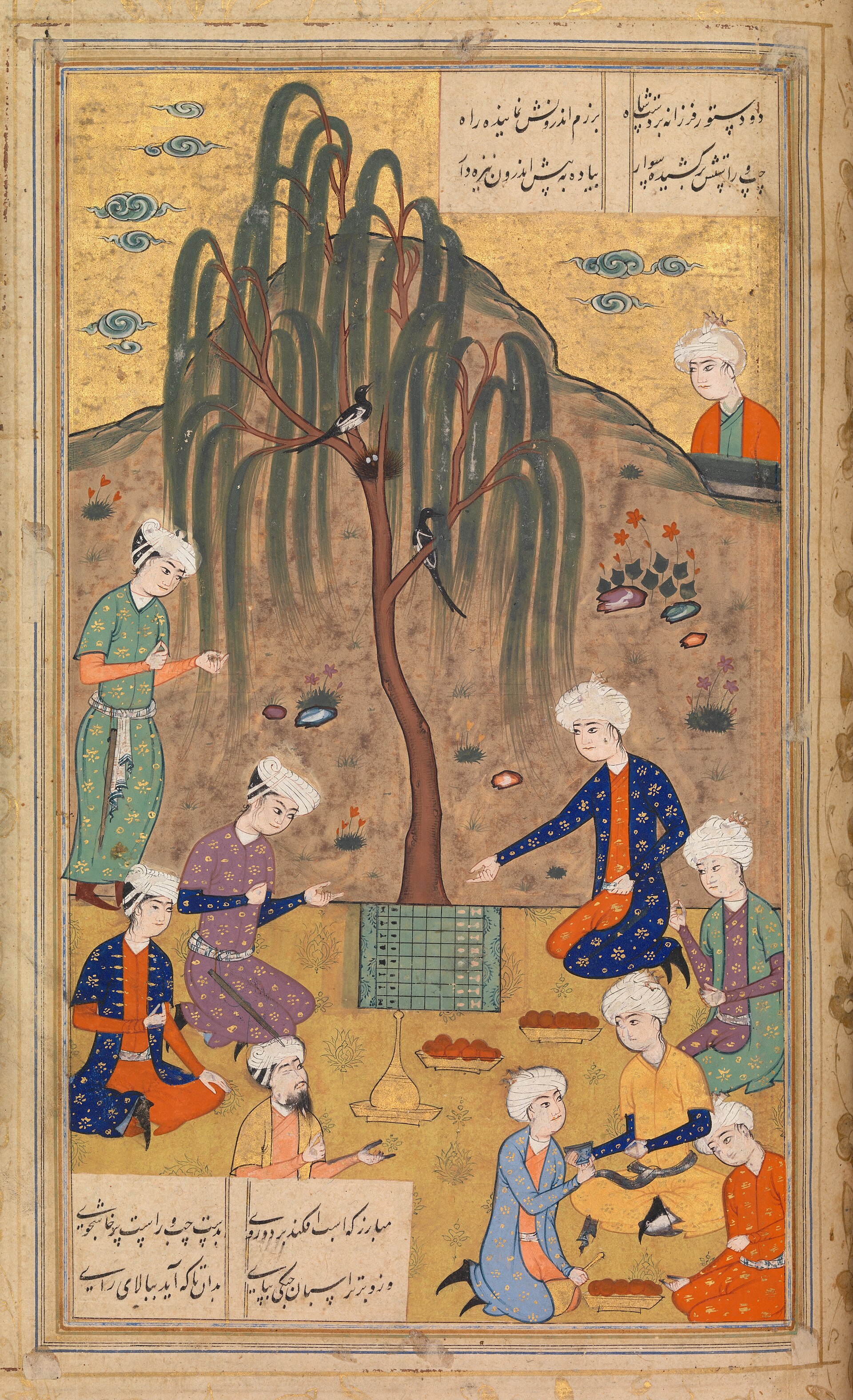
From India the game travelled westwards into the Sassanian Empire, where it took the Persian name chatrang.
A Middle Persian fable, On The Explanation of Chess and Backgammon, recounts an Indian king challenging the Sasanian king of kings Kosrau I, who reigned from 531 until 579 and presented him with 32 precious emerald and ruby pieces.
The Persian cry shah mat, meaning the king is helpless, eventually became the modern word checkmate.
The game's Persian and Arabic names — čatrang, šatrang and šatranj — lie behind Spanish ajedrez, Old French eschez, French échecs and English chess.
3. Arrival and Development in Europe
By 1300 the pawn had acquired the ability to move two squares on its first turn, rather than only one at a time as in shatranj, though the rule did not win general acceptance throughout Europe for more than 300 years.
In the late 15th century the rules underwent a transformative change: the bishop could travel any free square along an open diagonal and the queen became the most powerful piece, combining rook and bishop.
4. The Lewis Chess Pieces
The Lewis chess pieces rank among the most popular collections held by the National Museum of Scotland, and they offer insight into the international connections of western Scotland alongside the growing popularity of chess in medieval Europe.
The pieces were found in 1831 on a beach at Uig on Lewis. They were probably made in Trondheim in Norway from walrus ivory and sperm whale tooth, and they measure 60-100mm. Up to four pieces could be carved from a single walrus tusk.
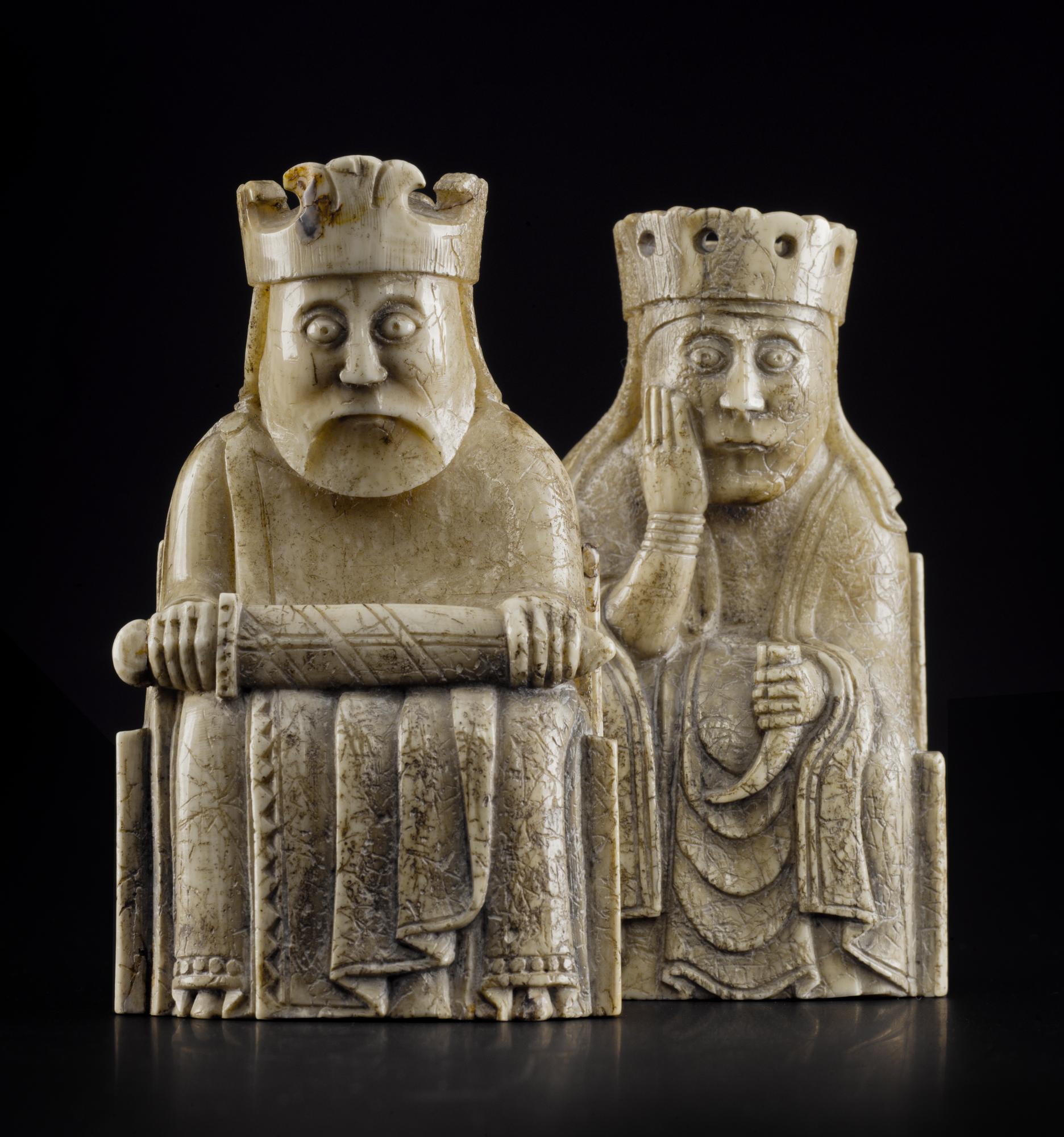
The Lewis hoard contained 93 gaming pieces in total, among them pieces from at least four chess sets as well as other games. The chess pieces were probably made in the late 12th or early 13th century in Norway.
5. Rules of Play
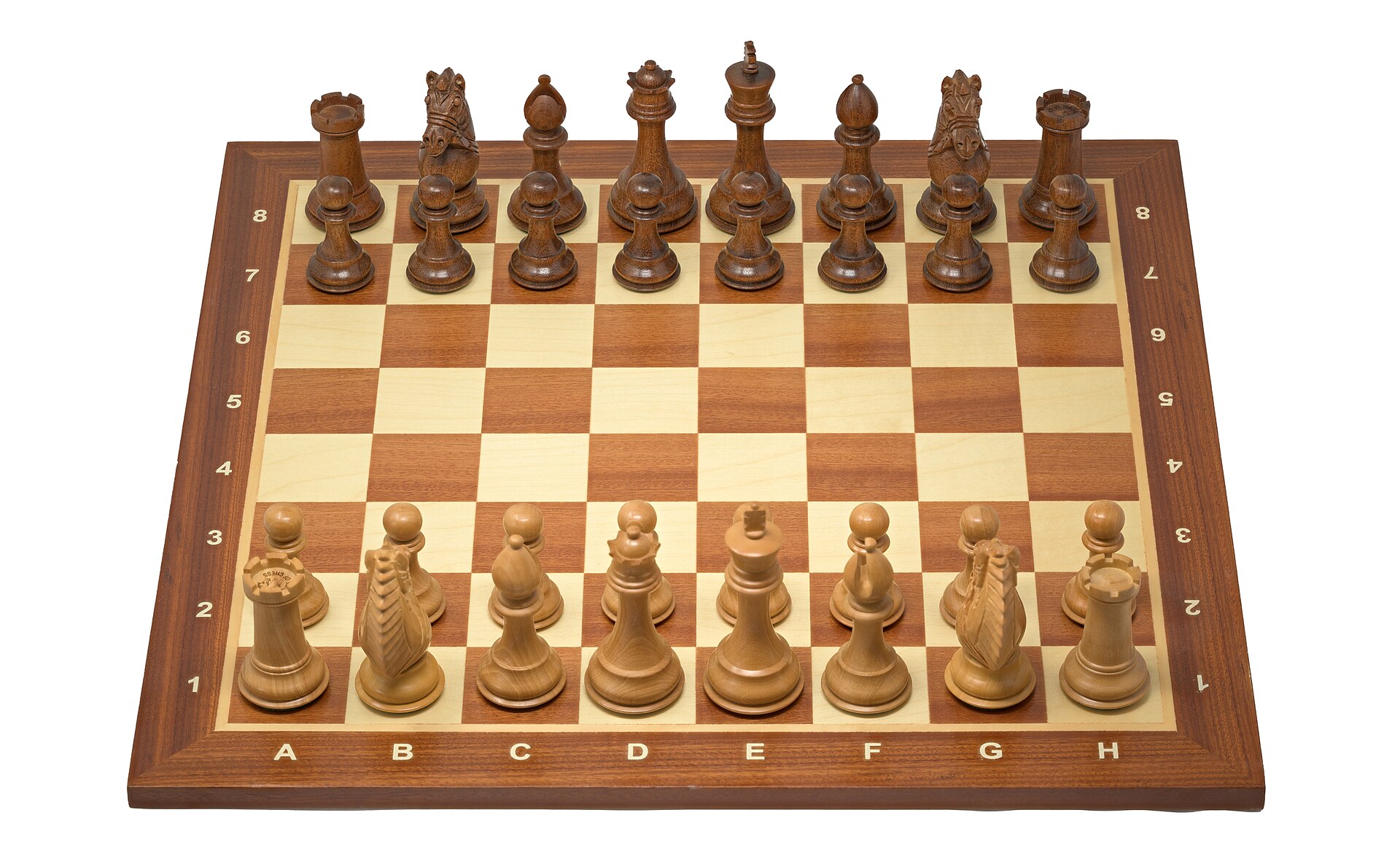
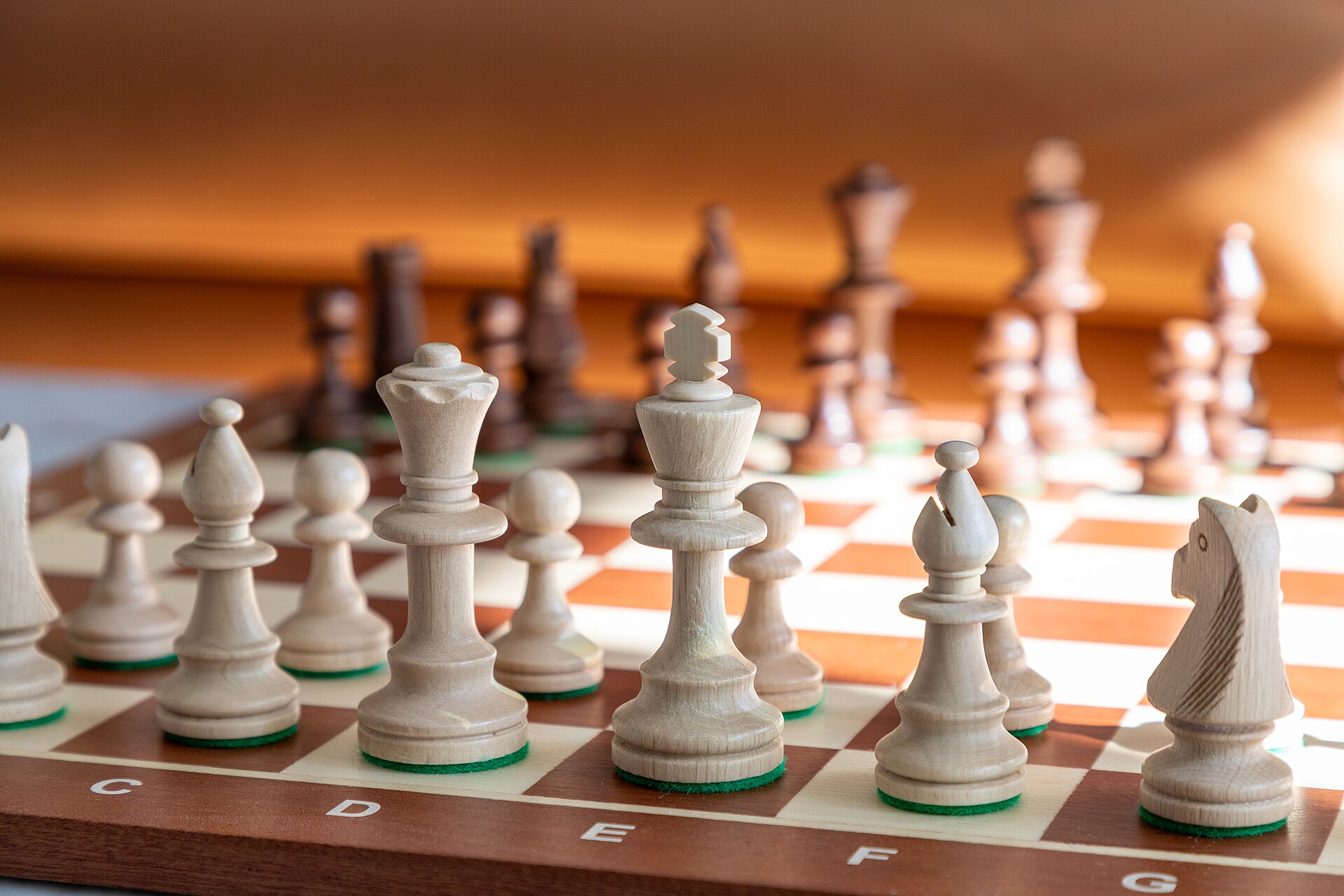
Under the FIDE Laws the game of chess is played between two opponents who move their pieces alternately on a square board called a chessboard, with the player of the light pieces making the first move. The chessboard is an 8 x 8 grid of 64 equal squares alternately light and dark. Chess is played on that board of 64 squares arranged in eight vertical rows called files and eight horizontal rows called ranks, and the board is set so that each player has a light-coloured square at the right-hand corner. Each player begins with a set of sixteen pieces in six types: the king, the queen, the rook, the bishop, the knight and the pawn. Pawns move only forward and can never retreat, capturing diagonally, and an unmoved pawn may advance one or two squares, while a pawn that reaches the end of a file must be promoted, exchanged for a queen, rook, bishop, or knight. The knight's L-shaped move lets it jump over any other piece, and it always lands on a square of a different colour. Castling is the one exception to the rule that a player may move only one piece at a time: a compound move of king and rook in which the king shifts two squares toward a rook that then jumps to the square the king crossed. The pieces also carry the relative values long used to judge them: the pawn counts as 1 point, the knight and the bishop as 3 points each, the rook as 5 points and the queen as 9 points.
A game of chess ends when a player checkmates the opposing king, but it can also be won by concession or drawn; draws can arise through stalemate, mutual consent, or checkmate becoming impossible to achieve.
6. Governing Body and Global Participation
The International Chess Federation, known by its French acronym FIDE, was founded in Paris in 1924 by representatives of 15 countries who met to organize the first permanent international chess federation. FIDE encompasses 201 national federations, and 197 teams registered for the open section of the Chess Olympiad in Budapest.
A YouGov survey across the US, UK, Germany, Russia and India found that a surprisingly stable 70% of the adult population has played chess at some point during their lives.
AGON commissioned the YouGov research to test the long-cited figure of 605 million chess players worldwide that FIDE had quoted in an IOC submission.
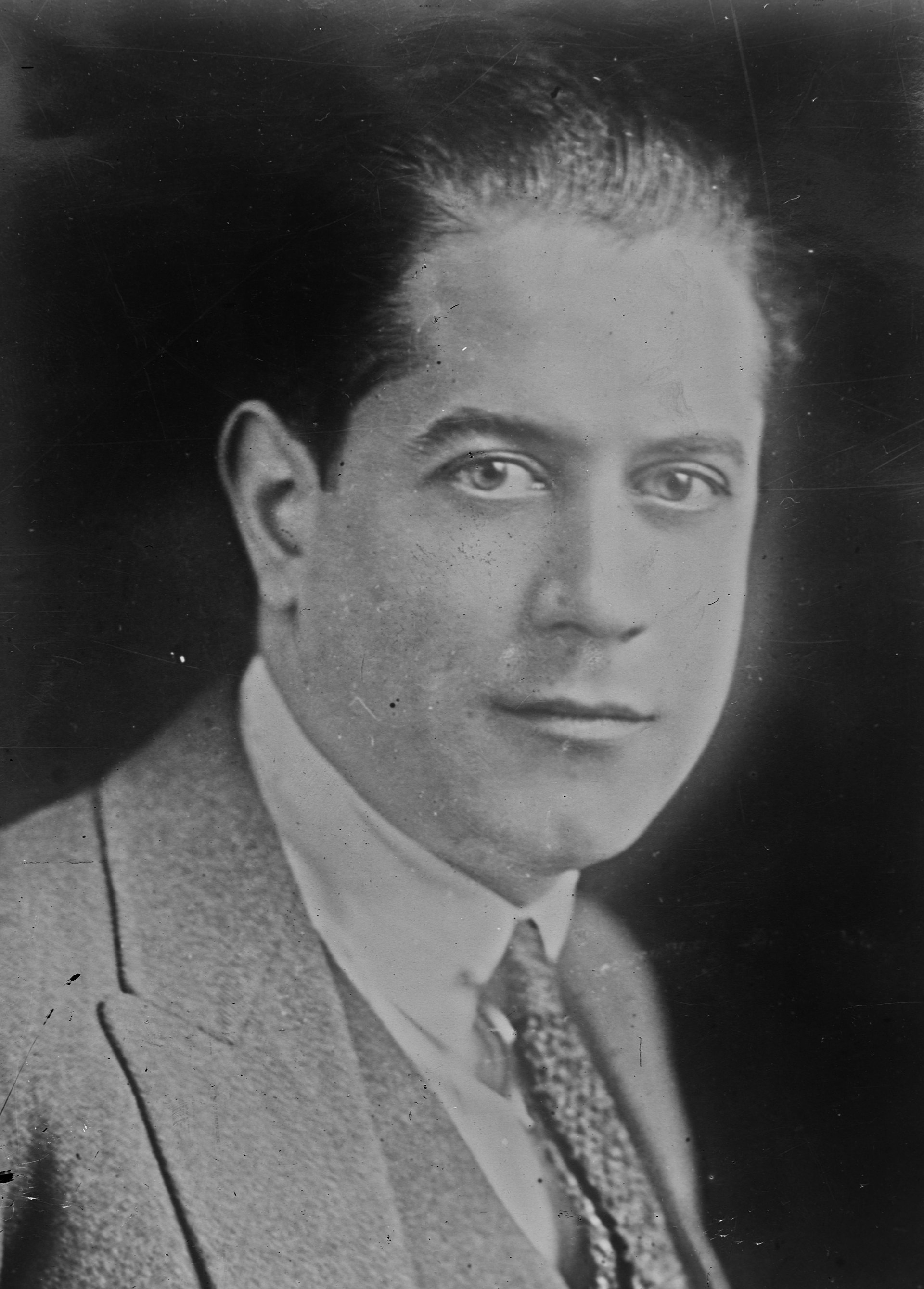
Emanuel Lasker dethroned Wilhelm Steinitz as world chess champion in 1894 and stayed undefeated for a remarkable 27 years, until he was finally toppled in 1921 by the charismatic Cuban José Raúl Capablanca. After Alekhine's death in 1946 Soviet players Botvinnik, Smyslov, Tal, Petrosian and Spassky held a stranglehold on the title until Bobby Fischer famously beat Spassky in the highly publicized 1972 World Championship. In 2013 Magnus Carlsen of Norway defeated Anand after only 10 games of a 12-game match to become the second youngest world chess champion at the age of almost 23 years. Fischer refused to defend his title and in 1975 became the first champion to lose it by default; his successor Anatoly Karpov reigned for 10 years but was dethroned in 1985 by Garry Kasparov. In 2022 Carlsen announced that he would not defend his title, and in 2023 Ding Liren of China became world champion; in 2024 Gukesh Dommaraju took the title and became the youngest-ever world champion aged 18 years.
World Champion Ding Liren of China and challenger Gukesh D. of India faced each other in a fourteen-game classical match with a $2.5 million total prize fund, hosted at Resorts World Sentosa and broadcast live by FIDE.
7. Chess Sets and Equipment
The standard for modern chess sets was established about 1835 with a design by the Englishman Nathaniel Cook; patented in 1849 and endorsed by Howard Staunton, it became known as the Staunton pattern.
8. Computers and Artificial Intelligence
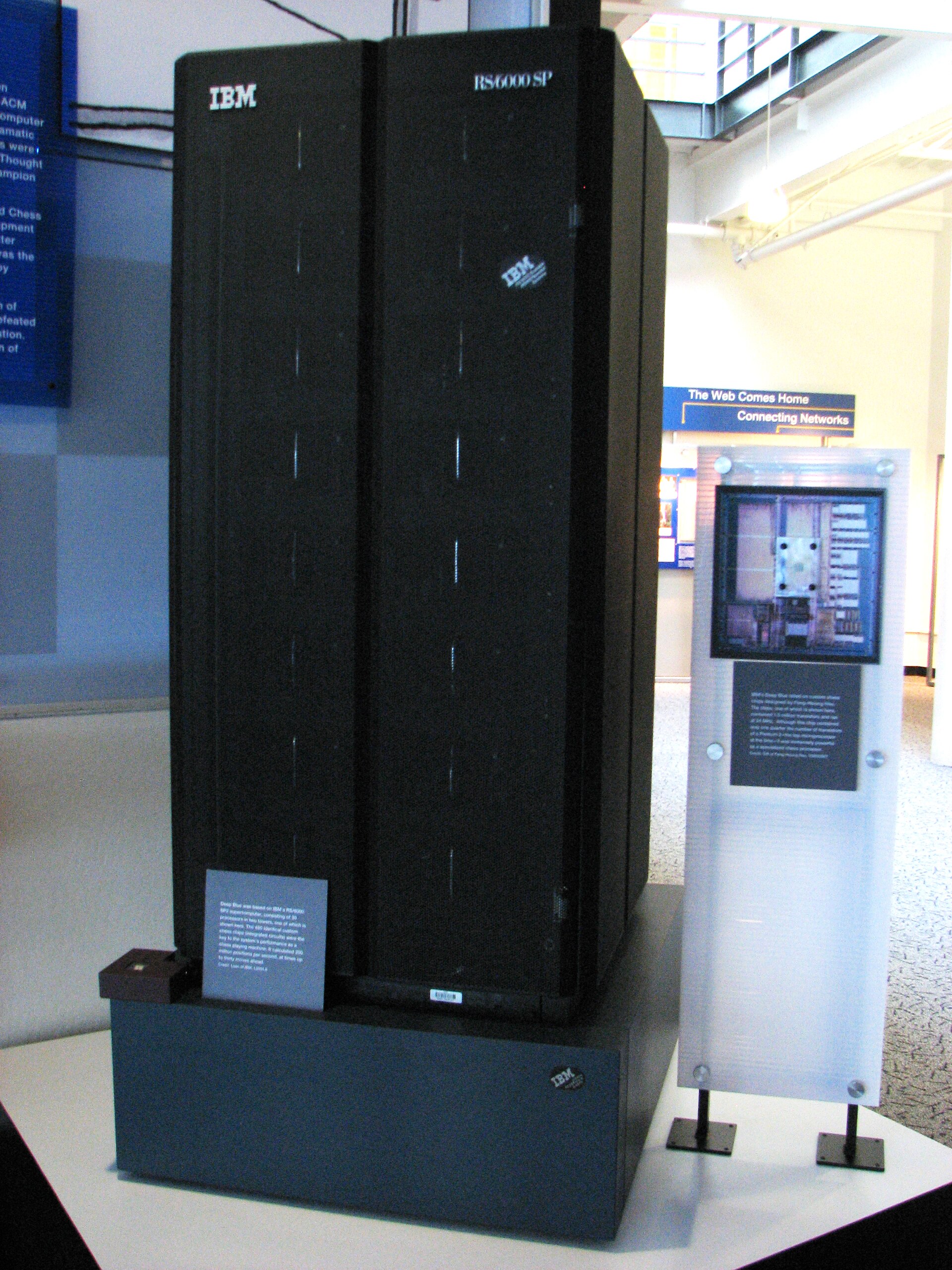
In May 1997 IBM's Deep Blue became the first computer system to defeat a reigning world chess champion in a match under standard tournament controls, beating Garry Kasparov over six games in New York.
Deep Blue derived its chess prowess from brute force: 32 processors performed coordinated parallel computations, evaluating 200 million chess positions per second at 11.38 billion floating-point operations per second. The new machine could scan 200 million positions a second, sometimes 300 million, and analyse 74 moves ahead, compared with chess masters who typically think 10 moves ahead. After the victory over Kasparov, Deep Blue was retired to the Smithsonian Museum in Washington, D.C., while IBM went on to develop massively parallel computers such as Blue Gene and Watson.
Stockfish is a free, open-source and cross-platform chess engine, trusted by grandmasters and leading chess platforms worldwide. Stockfish analyzes chess positions, evaluates them and tries to find the best move, communicating with chess apps via the UCI protocol. Stockfish has won the Top Chess Engine Championship and the Chess.com Computer Chess Championship, and its NNUE evaluation networks are trained on billions of chess positions.
An untrained neural network learns by playing millions of games against itself, starting completely randomly and adjusting its parameters from wins, losses and draws. It is believed that the optimal solution to chess is a draw.
9. Online Chess and the 2020 Boom
Beth Harmon, heroine of Netflix's miniseries The Queen's Gambit, joined Magnus Carlsen and easy access to internet games as triggers for the unlikely chess boom triggered during 2020 across the world. Chess.com saw a stratospheric rise in players after the release of The Queen's Gambit on 23 October, and the US Chess Federation saw its highest membership figures since the beginning of the pandemic, with hundreds of women signing up for beginners' classes. Chess.com's new members in the US rose from around 6,000 a day between 1 and 22 October to over 30,000 on recent days in November. The online retailer eBay said US sales of chess sets soared by 60% since last year, and after the release of The Queen's Gambit sales of chess sets and accessories shot up by nearly 215%.
In 2024 more than 6 billion games were played on Chess.com, and in April two players in London contested a record 272-move game at the Kingston Invitational, the longest classical game of the year and possibly the longest in chess history.
10. The World Chess Hall of Fame
The World Chess Hall of Fame was created in 1986 by the United States Chess Federation and opened in 1988 in New Windsor, New York, housing a modest collection.
The World Chess Hall of Fame & Galleries opened in September 2011 in Saint Louis, Missouri, directly across the street from the Saint Louis Chess Club and Scholastic Center.
In May 2013 the United States Congress declared Saint Louis the Chess Capital of America.
11. Timeline
- c. 6th century CEChaturanga in IndiaA board game called chaturanga, played on an uncheckered ashtapada board, appears in northern India and becomes the earliest recognized ancestor of chess.
- mid-7th centuryChess reaches the Islamic worldWith the Arab conquest of the Sassanian Empire chess passes into the Islamic world, where it is known as shatranj and studied by masters such as al-Adli and al-Suli.
- by the 10th centuryChess spreads to EuropeChess is believed to have penetrated Europe through Italy and Spain no later than the early 10th century, whereupon it quickly spread far and wide.
- after 1475The queen and bishop gain modern powersRule changes make the counselor into the most powerful piece, the modern queen, while the elephant becomes the bishop with more than double its range.
- 1831Lewis chess pieces foundA hoard of 93 gaming pieces, including pieces from at least four chess sets, is found on a beach at Uig on the Isle of Lewis; the pieces were probably made in Norway in the late 12th or early 13th century.
- 1851First international tournamentThe first international chess tournament is held in London and won by the German schoolteacher Adolf Anderssen.
- 1886First official world championshipWilhelm Steinitz meets Johann Zukertort of Austria in the first match specifically designated as being for the world championship.
- 1924FIDE founded in ParisRepresentatives of 15 countries meet in Paris to organize the first permanent international chess federation, known as FIDE.
- 1927First Women's World ChampionshipFIDE organizes the first Women's World Championship, won by Vera Menchik of Great Britain, who holds the title until her death in 1944.
- 1972Fischer beats Spassky at ReykjavikBobby Fischer of the United States defeats Boris Spassky in the highly publicized 1972 world championship, establishing chess as a sport in the public consciousness.
- 1985Kasparov becomes youngest championGarry Kasparov dethrones Anatoly Karpov in 1985 at the age of 22, becoming the youngest world chess champion at the time.
- May 1997Deep Blue defeats KasparovIBM's Deep Blue wins the six-game rematch in New York 3.5-2.5, becoming the first computer system to defeat a reigning world champion under standard tournament time controls.
- December 2017AlphaZero masters chessDeepMind introduces AlphaZero, which taught itself chess from random play and outperformed Stockfish within hours; the full evaluation reports 155 wins and just six losses in 1,000 games.
- 13 December 2024Gukesh becomes youngest world championGukesh Dommaraju of India defeats Ding Liren to become, at age 18, the youngest world champion in history.
References (20)
- 1Chess — Encyclopaedia Britannica WebView source
- 2The History Of Chess: A 1500-year-old Strategy Game — World History Encyclopedia 1500 WebView source
- 3Chess: History — Encyclopaedia Britannica WebView source
- 4Chess — Encyclopaedia Iranica WebView source
- 5The Lewis chess pieces — National Museums Scotland WebView source
- 6FIDE Laws of Chess taking effect from 1 January 2023 — International Chess Federation (FIDE) 2023 WebView source
- 7Chess Olympiad Open Section: Who will reign supreme in Budapest? — International Chess Federation (FIDE) WebView source
- 8Chess Redux: AGON releases new chess player statistics from YouGov — FIDE / AGON (YouGov survey) WebView source
- 9How Popular Is Chess? — Chess.com WebView source
- 10Gukesh D crowned 18th FIDE World Champion — International Chess Federation (FIDE) WebView source
- 11Deep Blue — IBM WebView source
- 12From the archive, 12 May 1997: Deep Blue win a giant step for computerkind — The Guardian 1997 WebView source
- 13Stockfish - Strong open-source chess engine — Stockfish project WebView source
- 14Mastering Chess and Shogi by Self-Play with a General Reinforcement Learning Algorithm — arXiv (DeepMind) 1712 JournalView source
- 15AlphaZero: Shedding new light on chess, shogi, and Go — Google DeepMind WebView source
- 16Chess: Beth Harmon and Magnus Carlsen triggers for an unlikely boom — The Guardian 2020 WebView source
- 17'It's electrifying': chess world hails Queen's Gambit-fuelled boom — The Guardian 2020 WebView source
- 182024 Year In Review — Chess.com 2024 WebView source
- 19Our History — World Chess Hall of Fame WebView source
- 20Chess.com reaches 200 million members — TechCrunch 2025 WebView source