Chocolate
From the cacao groves of Mesoamerica to the industrial chocolate bar — the botany, trade, manufacture and culture of the world's most popular confection.
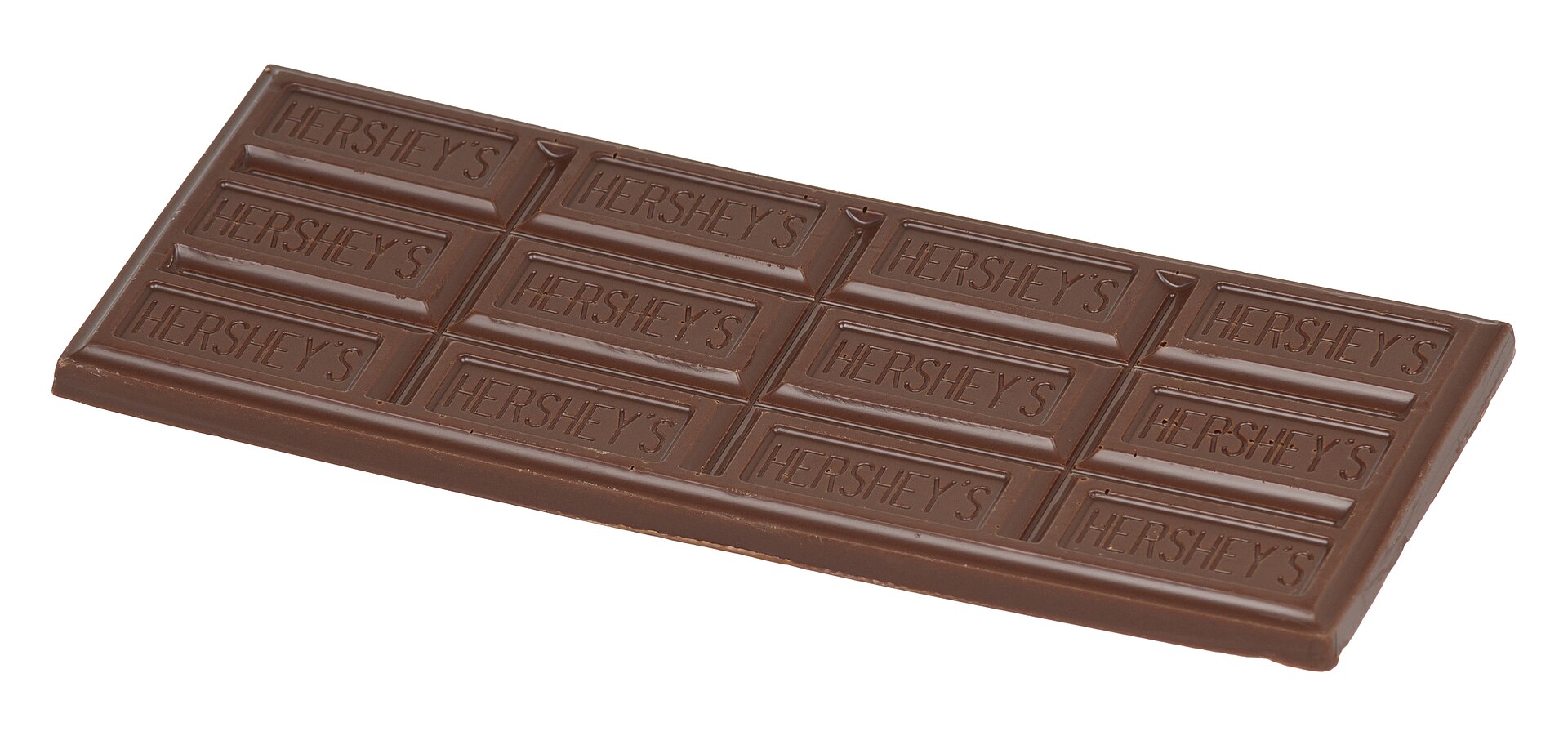
Chocolate is made from the fermented, roasted and ground seeds of the cacao tree, Theobroma cacao, a plant native to tropical America. Mesoamerican peoples drank it as a spiced, frothy beverage and used the beans as currency long before Spanish ships carried cocoa to Seville in the sixteenth century. Sweetened in Spain and later industrialised in the Netherlands, Britain and Switzerland, chocolate became a mass-produced solid confection, and cocoa is now grown mainly in West Africa and traded as one of the world's major agricultural commodities.

In this article
- 1Overview
- 2The Cacao Tree and Its Fruit
- 3From Bean to Chocolate
- 4Origins and Mesoamerican Use
- 5Arrival in Europe and Colonial Expansion
- 6Modern Chocolate: Invention and Industry
- 7Types, Composition and Nutrition
- 8Global Production and Trade
- 9Timeline of Key Developments
- 10Timeline: from the Olmec to the modern chocolate bar
- 11Frequently asked questions
- 12Knowledge graph
Overview
Chocolate is a food product made from cocoa beans, consumed as candy and used to make beverages and to flavour or coat various confections and bakery products. It comes from the cacao tree and is made from cacao beans, the seeds stored in the yellow fruit of the tree.
1. The Cacao Tree and Its Fruit
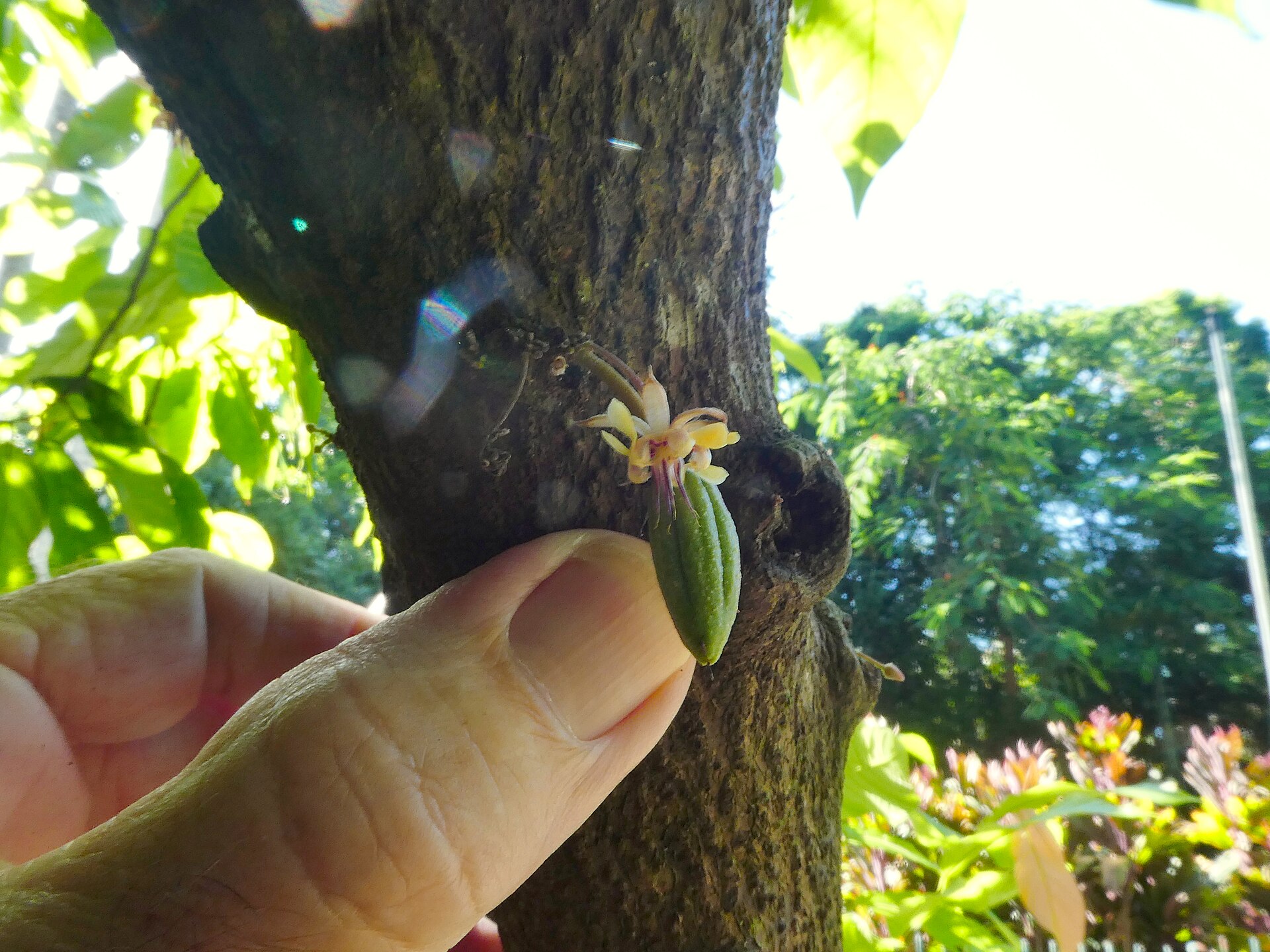
The cacao tree is known botanically as Theobroma cacao, a name given to the species by the Swedish botanist Carl Linnaeus in 1753 when he published it in his book Species Plantarum. The species is native to Mexico, Central America and northern South America, including Colombia, Ecuador, Venezuela, Brazil, Guyana, Surinam and French Guiana. The genus Theobroma consists of 22 species, among them the Brazilian species Theobroma cupuacu, which provides a bitter-sweet pulp widely used in juice drinks in the Amazon. The cacao tree is cauliflorous, meaning its tiny yellowish-white to pale pink flowers grow in clusters directly from the trunk and large branches.
The Criollo group of cacao represents about 10 percent of the world's cocoa plantations. Cacao requires a certain kind of soil, amount of rainfall and especially shade, because the midges and little flies that pollinate the cacao trees have to live in shade.
2. From Bean to Chocolate
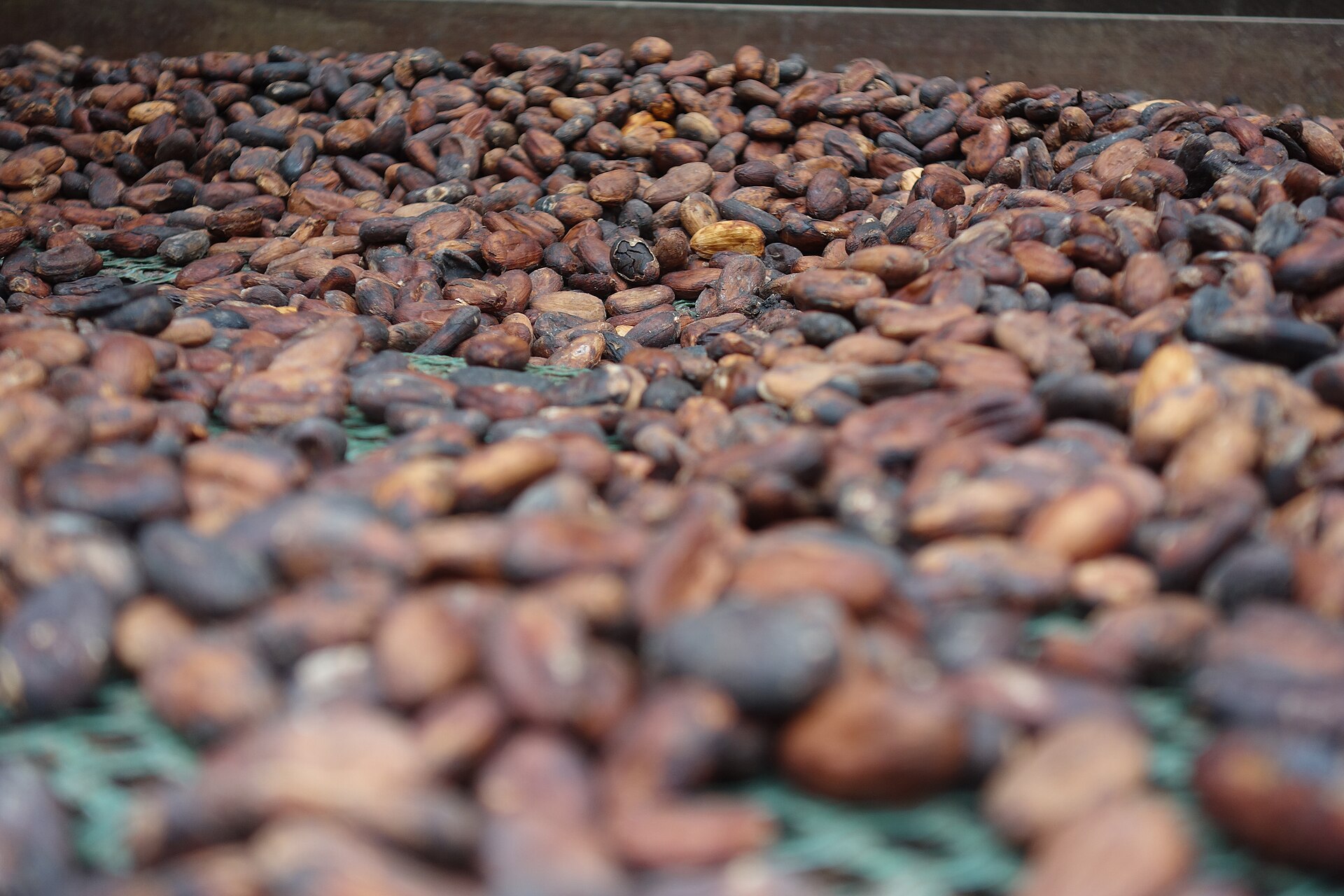
The making of chocolate begins with the fruit of the cacao tree, which is harvested when ripe and opened so that the beans can be removed. The beans are then fermented, dried, roasted, husked and ground into a thick paste known as chocolate liquor, the basis of all chocolate products.
Chocolate contains the stimulating alkaloids theobromine and caffeine. Theobromine, the stimulant compound found in chocolate, is also found in tea.
3. Origins and Mesoamerican Use
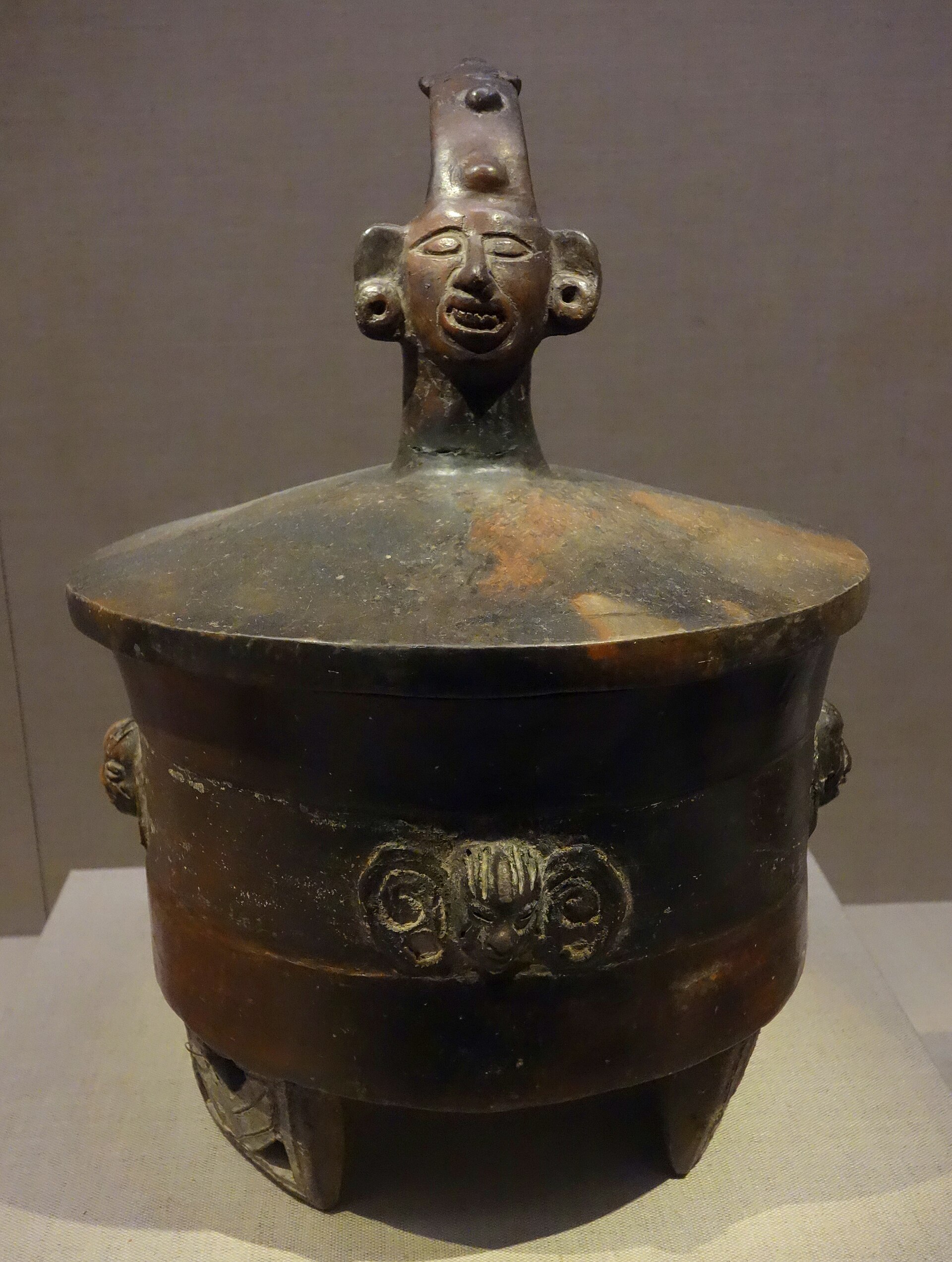
A study published in Nature Ecology and Evolution suggests that chocolate originated in the Amazon rainforest and places the birth of chocolate some 5,300 years ago, or nearly 1,500 years earlier than previously believed. The Mayo-Chinchipe civilization inhabited the ancient village of Santa Ana-La Florida, a site that has yielded a wealth of insights since its rediscovery in 2002 and subsequent study. The Olmecs of southern Mexico were probably the first to ferment, roast and grind cacao beans for drinks and gruels, possibly as early as 1500 B.C., and pots and vessels from this civilization show traces of the cacao chemical theobromine. The Olmecs in Mexico cultivated the cacao tree for its beans as long ago as 400 BCE.
Cacao remained a sacred food among the Maya and Aztec — a sign of prestige, a social centrepiece and a cultural touchstone. The Maya considered chocolate the food of the gods, held the tree sacred and buried dignitaries with bowls of it. In Maya society chocolate was not reserved for the wealthy but available to almost everyone, and in many households it was enjoyed with every meal. Wealthy Mayans drank foaming chocolate drinks, while commoners consumed a cold porridge-like dish. The Aztecs considered cacao beans more valuable than gold. Cacao beans were so valuable that it was evidently worth the trouble to counterfeit them: researchers have found remarkably well-preserved cacao beans that turned out to be made of clay.
For about 90 percent of chocolate's long history it was strictly a beverage, and sugar had nothing to do with it.
The word chocolate is traced by etymologists to the Aztec word xocoatl, a bitter drink brewed from cacao beans.
4. Arrival in Europe and Colonial Expansion
When the Spanish first encountered chocolate among the Aztecs in the sixteenth century, it was a bitter drink restricted to kings, priests and warriors, and it remained largely unknown in Europe until the following century. It was revealed to Spanish conquistadores from Hernan Cortes's first expedition in 1519. There is a strong possibility that chocolate first arrived in Spain in 1544 with Kekchi Maya representatives of Guatemala bearing gifts to the court of Prince Philip. Friars of the Cistercian monastery of La Piedra in Aragon were supposedly among the first in Spain to savour chocolate as early as 1530, through a bag of cocoa beans sent from New Spain by friar Jeronimo de Aguilar. The first recorded shipment of cocoa beans — the load from Veracruz in Mexico first mentioned on a bill of lading registered upon arrival in Seville — reached Spain in 1585, sweetened and flavoured with cinnamon and vanilla to be served as a hot beverage at the Spanish court.
Tradition assigns the sweetening of the chocolate drink to the Carmelite nuns established in the Mexican town of Oaxaca, which for a time gave the sweetened beverage the name delicia de Oaxaca.
Coffee, tea and chocolate arrived at a time of burgeoning exploration and trade and caused a near revolution in drinking habits. Their introduction resulted from sustained contacts of seagoing nations, primarily Portugal, Spain, England and Holland, and from direct trade with formerly inaccessible parts of the world. In 1657 a Frenchman opened a shop in London at which solid chocolate for making the beverage could be purchased at 10 to 15 shillings per pound. Colonial coffeehouses following the London model became powerful social catalysts and forums for the exchange of ideas and distribution of news.
Chocolate pots differ from coffeepots in that their covers were made with a hinged or removable finial to accommodate a molinet, or stirring rod. The pierced hole in the lid through which the handle of the windmill-shaped stirrer protruded is the distinguishing feature, and no full-size chocolate pot is known to have preserved its molinet. Thick with cocoa butter, the beverage needed to be milled prior to pouring.
European powers established colonial plantations in equatorial regions to grow cacao and sugar, and when diseases brought by Europeans depleted the native Mesoamerican labour pool enslaved Africans were imported to work the plantations. By the mid-seventeenth century Amsterdam rather than the Iberian peninsula was the main European centre and stock market for storage and redistribution of cocoa and sugar. The Dutch were so successful at Curacao, a mere 30 miles off the coast of Venezuela, that Caracas cocoa was cheaper in Amsterdam than in Madrid. Catalan Capuchin friars based on Trinidad developed by the middle of the eighteenth century a hybrid cocoa-bean variety still known as trinitario, successfully introduced on the Spanish Main. According to the Prussian naturalist Alexander von Humboldt, at the turn of the nineteenth century more than one million trinitario cocoa trees were grown in eastern Venezuela. In 1876 four Corsican trading houses accounted for nearly 90 per cent of that year's cocoa exports from eastern Venezuela, and nearly half a century later in 1921 five houses still accounted for more than 80 percent of Carupano's cocoa foreign trade.
Chocolate manufacture started in the American colonies in 1765 at Dorchester in Massachusetts, using beans brought in by New England sea captains from voyages to the West Indies. Chocolate as it developed in colonial North America was neither exclusively Spanish nor Aztec but a Creole, American invention. Light, nutritious and highly caloric, chocolate was and has remained the perfect travel food, and was also eaten in puddings and creams and as ice cream among the very wealthy.
5. Modern Chocolate: Invention and Industry
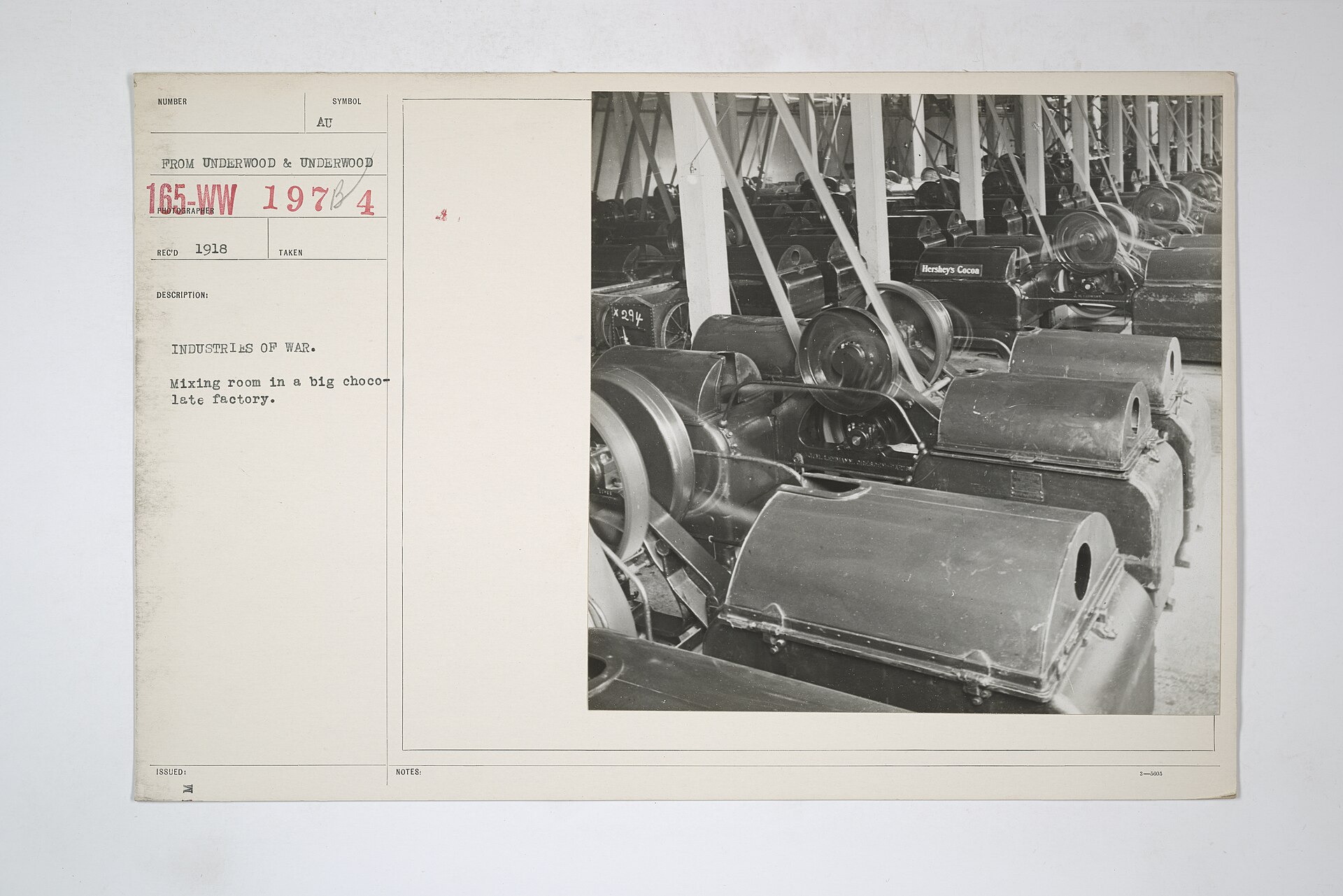
The modern chocolate industry rests on a series of technical breakthroughs achieved within a few decades of one another. In the Netherlands in 1828 the Dutch chemist Coenraad van Houten (C. van Houten) patented a process for pressing much of the fat, or cocoa butter, from ground and roasted cocoa beans to obtain cocoa powder, and in the same year discovered a way to treat cacao beans with alkaline salts to make a powdered chocolate that was easier to mix with water, a method known as Dutch processing. In 1847 the English firm of Fry and Sons combined cocoa butter with chocolate liquor and sugar to produce sweet eating chocolate, and in 1876 Daniel Peter of Switzerland added dried milk to make milk chocolate. In 1879 the Swiss chocolatier Rudolf Lindt invented the chocolate conch machine, which mixed and aerated chocolate and gave it a smooth, melt-in-the-mouth consistency.
Worldwide retail sales of chocolate in 2016 totalled nearly 100 billion dollars, including almost 25 billion dollars in the United States alone. Chocolate manufacturing is a more than 4-billion-dollar industry in the United States, and the average American eats at least half a pound of chocolate per month.

6. Types, Composition and Nutrition
The three principal varieties of chocolate differ in what they contain. Dark chocolate is composed of 50 to 90 percent cocoa solids, together with cocoa butter and sugar. Milk chocolate contains anywhere from 10 to 50 percent cocoa solids, along with cocoa butter, milk in some form and sugar. White chocolate contains no cocoa solids at all, being made simply of cocoa butter, sugar and milk.
Flavanols support the production of nitric oxide in the endothelium, which helps relax blood vessels and improve blood flow, thereby lowering blood pressure. Cocoa powder contains flavonoids, substances full of antioxidants that may help lower the risk of some chronic diseases and improve mood and cognition. The Kuna islanders took cocoa as a beverage at more than five cups daily, and their urinary levels of flavanols were significantly higher and their rates of death from heart disease, cancer and diabetes significantly lower than those of their counterparts in urban centres. The COcoa Supplement and Multivitamin Outcomes Study found that while cocoa supplements did not reduce heart attacks, they did reduce heart-disease-related deaths. JoAnn Manson of the Harvard T. Chan School of Public Health noted that someone would have to eat around 700 calories a day of dark chocolate to obtain an equivalent amount of flavonoids to the supplements used in the study.
Dark chocolate is high in calories at 150 to 170 calories per ounce and can contribute to weight gain if eaten in excess. The darker the chocolate, the more likely it is to be high in flavonoids and low in sugar and to contain no added fats, while white chocolate is the least healthy variety because it contains no cocoa and is high in fats and sugar. Experts agree that small daily amounts of dark chocolate can be part of a healthy diet but it should not be considered a health food.
7. Global Production and Trade
Global cocoa production and grindings were estimated at 4.723 million tonnes and 4.628 million tonnes respectively in the 2024/25 cocoa year. Recent data received by the Secretariat necessitated few adjustments to the 2024/25 global cocoa balance sheet, and the global supply surplus for the season was revised to 48,000 tonnes. The International Cocoa Organization cautions that data in this issue of the Bulletin may be subject to revisions in subsequent Bulletins and reports from the Secretariat.
While the cacao plant is native to the Americas, its cultivation has shifted to Africa, which is now the source of more than two-thirds of worldwide cocoa production.
The International Cocoa Organization is an inter-governmental organization established in 1973 under the auspices of the United Nations and operating within the framework of successive International Cocoa Agreements.
8. Timeline of Key Developments
-
c. 1900 BCEEarliest known chocolate use in MesoamericaThe Olmec drank chocolate from special round jars known as tecomates, the earliest known use of the food. 12Chocolate in Mesoamerica · World History Encyclopedia ↗
-
c. 1400 BCECacao residue found on Honduran potteryAnthropologists announced the discovery of cacao residue on pottery excavated in Honduras; the sweet pulp around the beans appears to have been fermented into an alcoholic beverage. 13A Brief History of Chocolate · Smithsonian Magazine ↗
-
1641Chocolate reaches FloridaChocolate arrived in Florida on a Spanish ship. 5History of Chocolate: Cocoa Beans & Xocolatl · HISTORY (A&E Television Networks) ↗
-
1682First American chocolate houseThe first American chocolate house is thought to have opened in Boston. 5
9. Timeline: from the Olmec to the modern chocolate bar
- c. 1900 BCEEarliest known chocolate use in MesoamericaThe Olmec drank chocolate from special round jars known as tecomates, the earliest known use of the food.
- c. 1500 BCEOlmec vessels carry traces of theobromineAncient Olmec pots and vessels show traces of theobromine, the stimulant compound found in chocolate, and the Olmecs are thought to have used cacao for a ceremonial drink.
- c. 1400 BCECacao residue found on Honduran potteryAnthropologists announced the discovery of cacao residue on pottery excavated in Honduras; the sweet pulp around the beans appears to have been fermented into an alcoholic beverage.
- c. 1530Chocolate reaches a Spanish monasteryThe friars of the Cistercian monastery of La Piedra in Aragon were supposedly among the first in Spain to savour chocolate, after a bag of cocoa beans and a recipe were sent from New Spain.
- 1544Chocolate arrives at the Spanish courtRepresentatives of the Kekchi Maya of Guatemala came bearing gifts, including chocolate, to the court of Prince Philip.
- 1585First recorded shipment of cocoa beans to SpainA first load of cocoa beans from Veracruz was mentioned on a bill of lading registered upon arrival in Seville.
- 1641Chocolate reaches FloridaChocolate arrived in Florida on a Spanish ship.
- 1657A London shop sells solid chocolateA Frenchman opened a shop in London at which solid chocolate for making the beverage could be purchased at 10 to 15 shillings per pound.
- 1682First American chocolate houseThe first American chocolate house is thought to have opened in Boston.
- 1765Chocolate manufacture begins in North AmericaChocolate manufacture started in the American colonies at Dorchester, Massachusetts, using beans brought in by New England sea captains from the West Indies.
- 1828Van Houten patents cocoa powderC.J. van Houten of the Netherlands patented a process for pressing much of the fat, or cocoa butter, from ground and roasted cocoa beans, thus obtaining cocoa powder.
- 1847The first sweet eating chocolateJoseph Fry discovered that he could make a moldable chocolate paste by adding melted cacao butter back into Dutch cocoa, the first modern chocolate bar.
- 1876Milk chocolate is createdThe Swiss chocolatier Daniel Peter added dried milk powder to chocolate to create milk chocolate.
- 1879Lindt invents the conching machineThe Swiss chocolatier Rudolf Lindt invented the chocolate conch machine, which mixed and aerated chocolate and gave it a smooth, melt-in-the-mouth consistency.
- 2018Chocolate's birth traced to the AmazonA study published in Nature Ecology and Evolution placed the birth of chocolate some 5,300 years ago, nearly 1,500 years earlier than previously believed.
10. Frequently asked questions
What is the scientific name of the cacao tree, and when was the species first described?
The cacao tree is Theobroma cacao, in the family Malvaceae.2Cacao tree (Theobroma cacao) · Royal Botanic Gardens, Kew ↗ The species was described in 1753 by Carl Linnaeus in Species Plantarum.3Theobroma cacao L. | Plants of the World Online · Royal Botanic Gardens, Kew (Plants of the World Online) ↗
How large is a cocoa pod, and how many seeds does it hold?
How was chocolate used as money in pre-modern Latin America?
What is the cacao tree's conservation status?
On the IUCN Red List, the cacao tree is listed as Not Evaluated.2
When did chocolate manufacture begin in North America?
The first North American chocolate manufacture took place in 1765 at Dorchester, Massachusetts.1Chocolate | Definition, History, Types, Production, & Facts · Encyclopaedia Britannica ↗
References (14)
- 1Chocolate | Definition, History, Types, Production, & Facts — Encyclopaedia Britannica Web↩View source
- 2Cacao tree (Theobroma cacao) — Royal Botanic Gardens, Kew Web↩View source
- 3Theobroma cacao L. | Plants of the World Online — Royal Botanic Gardens, Kew (Plants of the World Online) Web↩View source
- 4What We Know About the Earliest History of Chocolate — Smithsonian Magazine WebView source
- 5History of Chocolate: Cocoa Beans & Xocolatl — HISTORY (A&E Television Networks) Web↩View source
- 6Cacao Was First Cultivated in South America, Not Mexico and Central America — Smithsonian Magazine WebView source
- 7National Museum of the American Indian Presents a Weekend Celebration of Cacao — Smithsonian Institution (Newsdesk) WebView source
- 8Dark Chocolate — The Nutrition Source, Harvard T.H. Chan School of Public Health BookView source
- 9Dark chocolate is best choice for health—but don't turn it into medicine — Harvard T.H. Chan School of Public Health BookView source
- 10May 2026 Quarterly Bulletin of Cocoa Statistics — International Cocoa Organization (ICCO) 2026 WebView source
- 11Chocolate's Sweet History: From Elite Treat to Food for the Masses — HISTORY (A&E Television Networks) WebView source
- 12Chocolate in Mesoamerica — World History Encyclopedia Web↩View source
- 13A Brief History of Chocolate — Smithsonian Magazine Web↩View source
- 14Chocolate: Between America and Europe — Cocoa and Chocolate Trade Routes — ReVista, Harvard Review of Latin America (David Rockefeller Center for Latin American Studies) BookView source